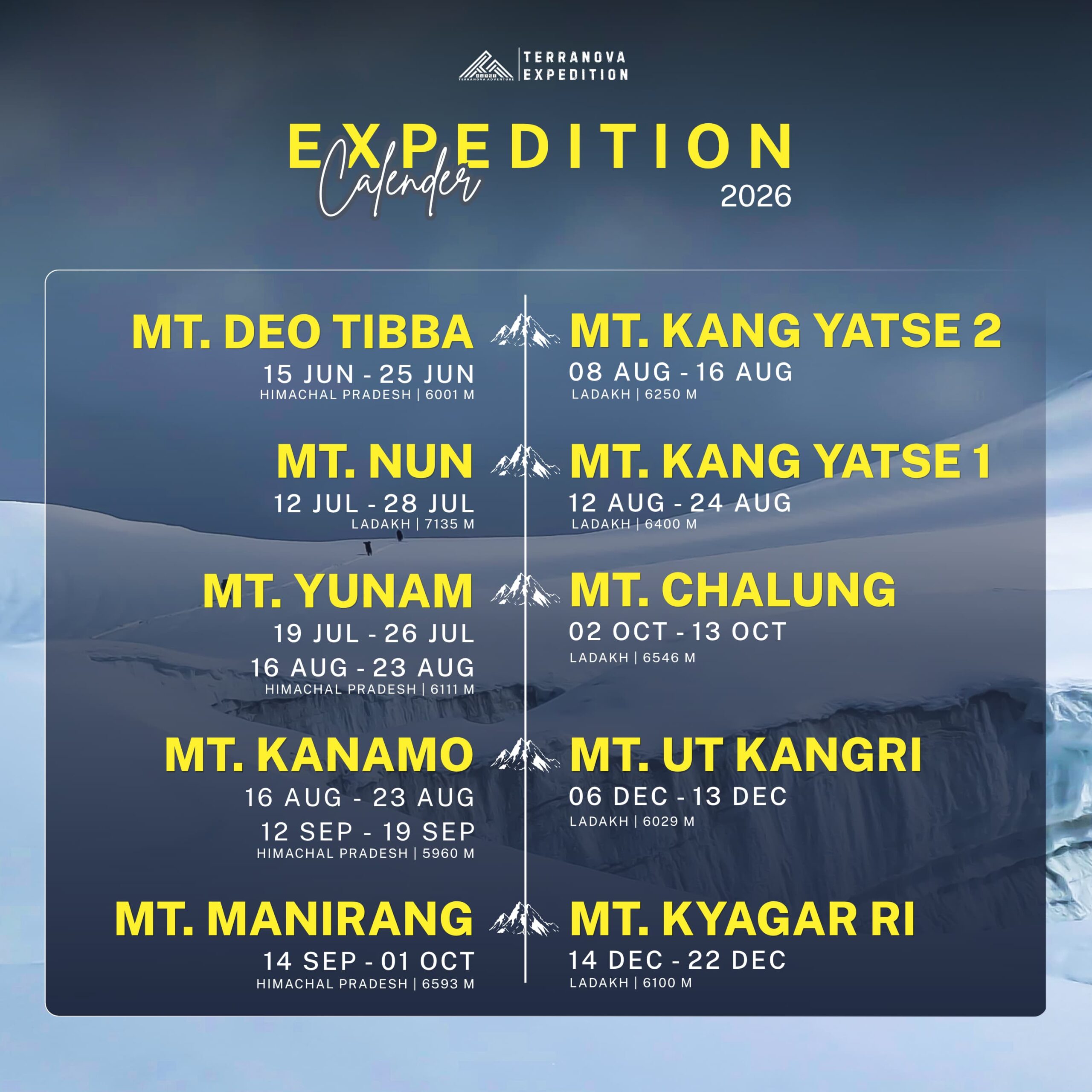
A Himalayan expedition is fundamentally different from an ordinary trek. The higher you climb, the more consequential every decision becomes—from choosing a mountain appropriate to your experience to understanding acclimatization, weather windows, technical terrain, equipment, nutrition, emergency procedures, and the competence of the team managing the expedition.
India offers an extraordinary progression of Himalayan objectives. An aspiring mountaineer can begin with relatively accessible 5,000-metre peaks, progress toward 6,000-metre summits requiring greater technical competence, and eventually prepare for major 7,000-metre expeditions.
But the right question is not simply, “Which peak should I climb?”
A better set of questions is:
- Is the peak appropriate for my current experience?
- What technical skills does the route require?
- How many days are available for acclimatization?
- What is the best climbing season?
- What level of physical conditioning is necessary?
- What equipment and clothing system will I need?
- How experienced is the expedition company?
- What happens if weather, illness, or altitude problems force the itinerary to change?
This guide explains how to plan a Himalayan expedition in India systematically, from selecting your first objective to evaluating professional expedition operators.
Understand the Difference Between a Trek and an Expedition
The terms trek and expedition are sometimes used interchangeably in commercial itineraries, but they should not be treated as the same activity.
A typical Himalayan trek primarily involves walking on established mountain trails. There may be snow, steep ascents, high passes, and difficult weather, but technical mountaineering equipment is usually limited.
An expedition may involve considerably more.
Depending on the mountain and route, climbers may encounter:
- glaciers
- crevasses
- steep snow slopes
- hard ice
- exposed ridges
- scree and moraine
- rock sections
- fixed ropes
- rope-team movement
- crampon travel
- ascenders and descenders
- ice-axe use
- multiple camps above base camp
- summit attempts beginning before sunrise
Altitude also changes the equation significantly.
At 5,500–6,500 metres, atmospheric pressure is much lower than at sea level, reducing the amount of oxygen available with every breath. Physical performance declines, recovery becomes slower, dehydration can occur quickly, and inadequate acclimatization can become dangerous.
This is why Himalayan Expedition Safety begins long before summit day.
It starts with choosing an appropriate mountain.
Choosing the Right Himalayan Peak
One of the biggest mistakes first-time climbers make is selecting an expedition primarily because of summit altitude or photographs.
A mountain should instead be evaluated using at least six variables:
Altitude + Technical Difficulty + Objective Hazards + Expedition Duration + Previous Experience + Physical Fitness
A 6,000-metre mountain is not automatically easier than another mountain simply because its summit is slightly lower.
Route characteristics matter enormously.
For Climbers Moving from Trekking to Mountaineering
Trekkers with substantial high-altitude experience should generally look for mountains that introduce mountaineering progressively rather than exposing them immediately to highly technical terrain.
Examples frequently considered during this transition include:
- Friendship Peak
- Yunam Peak
- Kang Yatse II
These are serious high-altitude objectives and should not be interpreted as “easy” merely because they are commonly attempted by climbers entering expedition-style mountaineering.
They still require excellent fitness, acclimatization and professional supervision.
For Climbers with Previous Mountaineering Experience
Those who already understand crampon movement, rope techniques, ice-axe arrest, fixed-line systems and high-altitude camping can consider more demanding objectives such as:
- Kang Yatse I
- Black Peak
- other technical 6,000-metre Himalayan peaks
This progression is important when evaluating Himalayan Peaks for Mountaineering.
The objective should not simply be reaching the highest summit possible. Each expedition should develop skills and experience that prepare you for the next mountain.
Three Major Expedition Gateways: Dehradun, Manali and Leh
India’s Himalayan climbing regions are geographically diverse. The logistical starting point often determines the type of mountains, terrain and expedition environment you will experience.
Himalayan Expeditions from Dehradun
Dehradun is one of the principal logistical gateways for expeditions into the Garhwal Himalaya of Uttarakhand.
Expedition teams travelling toward areas around Uttarkashi, Gangotri and Sankri commonly organize their road logistics from Dehradun.
The broader Garhwal Himalaya contains numerous important mountaineering objectives, including Black Peak and major technical mountains deeper within the range.
For climbers researching Himalayan Expeditions from Dehradun, the region is particularly attractive because it provides opportunities to progress from trekking and introductory expeditions toward significantly more serious Himalayan climbing.
Himalayan Expeditions from Manali
Manali provides access to important climbing areas across Himachal Pradesh and adjoining high-altitude regions.
It is associated with expedition approaches toward mountains such as:
- Friendship Peak
- Hanuman Tibba
- Deo Tibba
- Shitidhar
- Jagatsukh Peak
Depending on the expedition, access may involve Solang Valley, Dhundi and other mountain valleys around the greater Manali region.
Himalayan Expeditions from Manali can be particularly useful for climbers who want to transition from high-altitude trekking into snow, glacier and alpine climbing environments.
Himalayan Expeditions from Leh
Leh provides access to the high-altitude landscapes of Ladakh.
Unlike Dehradun and Manali, Leh itself lies at considerable altitude—approximately 3,500 metres. Acclimatization therefore begins immediately after arrival and should never be rushed.
Important climbing objectives accessible from the Ladakh region include Kang Yatse I and Kang Yatse II.
Anyone planning Himalayan Expeditions from Leh should build sufficient acclimatization into the schedule before approaching higher camps.
Flying into Leh and immediately beginning strenuous activity is poor expedition planning.
How to Evaluate an Expedition Route
Knowing the summit altitude tells you surprisingly little about the actual climbing experience.
You should study the complete route.
Before booking, ask for information about:
- starting point
- approach trek
- base camp altitude
- intermediate camps
- altitude gained each day
- acclimatization days
- maximum slope angle
- glacier sections
- crevasse exposure
- fixed-rope sections
- rock or ice sections
- summit-day elevation gain
- expected summit-day duration
- descent strategy
- contingency days
A properly designed itinerary should explain how climbers progressively gain altitude rather than simply listing camps.
Understanding the Black Peak Expedition Route
Black Peak, also known as Kala Nag, rises to approximately 6,387 metres in Uttarakhand’s Garhwal Himalaya.
The Black Peak Expedition Route generally begins with an approach through the Sankri region before progressing deeper into the mountain environment toward base camp and higher camps.
The expedition involves a combination of approach trekking, moraine, snow and glacier terrain. Higher on the mountain, conditions may require ropes, crampons, ice axes and other mountaineering equipment.
What makes Black Peak substantially different from an ordinary high-altitude trek is the combination of altitude and technical mountain terrain.
Before booking, climbers should review the operator’s Black Peak Expedition FAQs, particularly regarding:
- previous experience requirements
- technical training
- equipment
- summit-day duration
- glacier travel
- fixed ropes
- acclimatization
- emergency procedures
- evacuation
- weather contingency days
For Black Peak, itinerary quality and leadership experience are significantly more important than simply comparing package prices.
Kang Yatse II: A Progression Toward 6,000-Metre Mountaineering
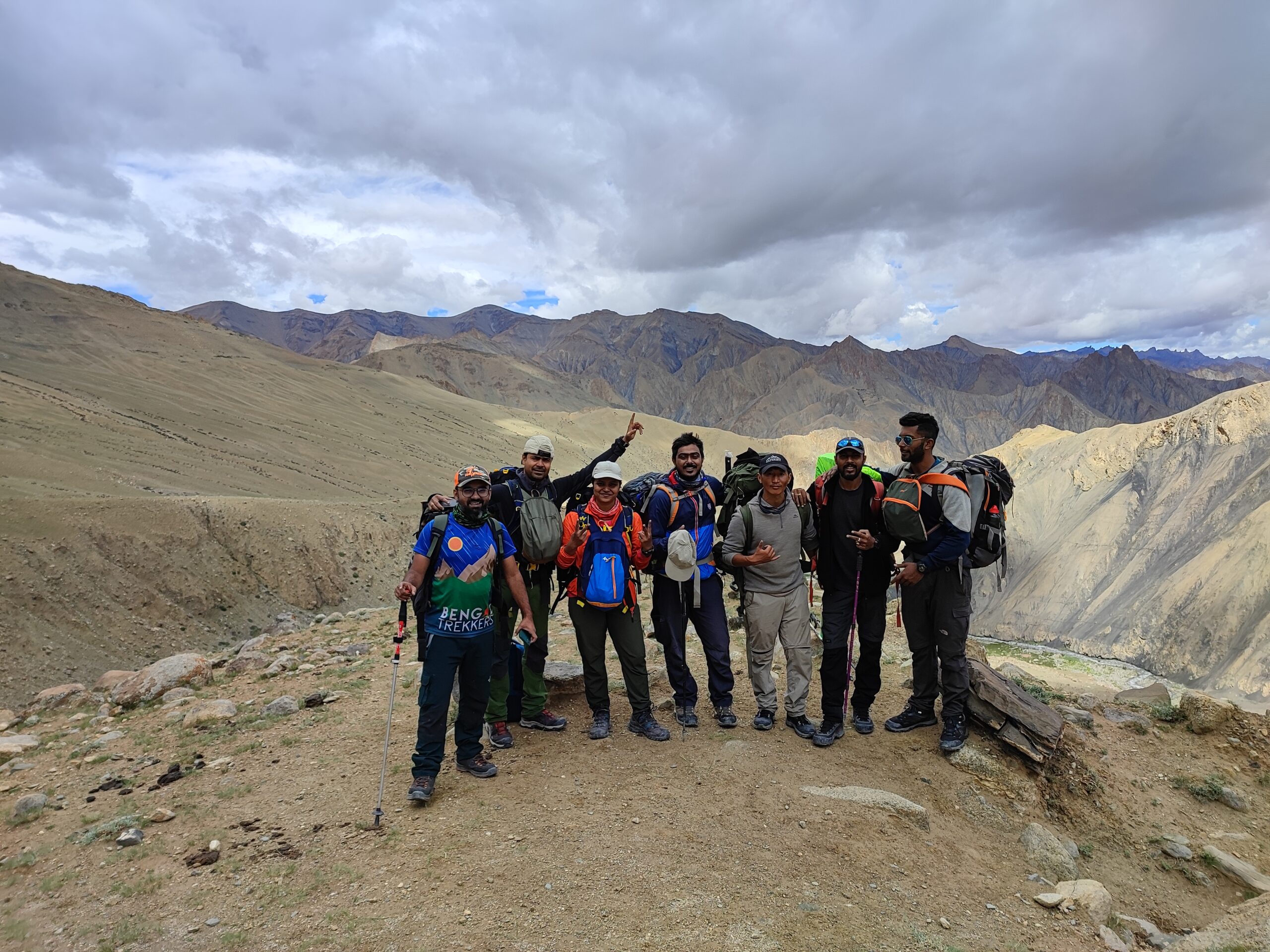
Kang Yatse II rises to approximately 6,250 metres in Ladakh and is widely considered an important progression peak for climbers moving beyond trekking.
A typical Kang Yatse II Expedition 2026 involves acclimatization around Leh followed by an approach through the Markha Valley region toward the mountain.
Higher sections introduce genuine mountaineering conditions.
Depending on snow and seasonal conditions, climbers may need:
- mountaineering boots
- crampons
- harness
- helmet
- ice axe
- ascender
- carabiners
- rope systems
Prospective participants should carefully read the operator’s Kang Yatse II Expedition FAQs before booking.
Important questions include:
Do I need previous mountaineering experience?
Basic mountaineering familiarity is strongly beneficial. Climbers should understand that this is an expedition rather than a conventional trek.
How difficult is summit day?
Summit day is generally long and physically demanding. Cold temperatures, altitude and sustained climbing significantly increase fatigue.
Is acclimatization necessary even for experienced trekkers?
Absolutely. Fitness does not eliminate the physiological requirement for acclimatization.
Kang Yatse I: A More Serious Objective
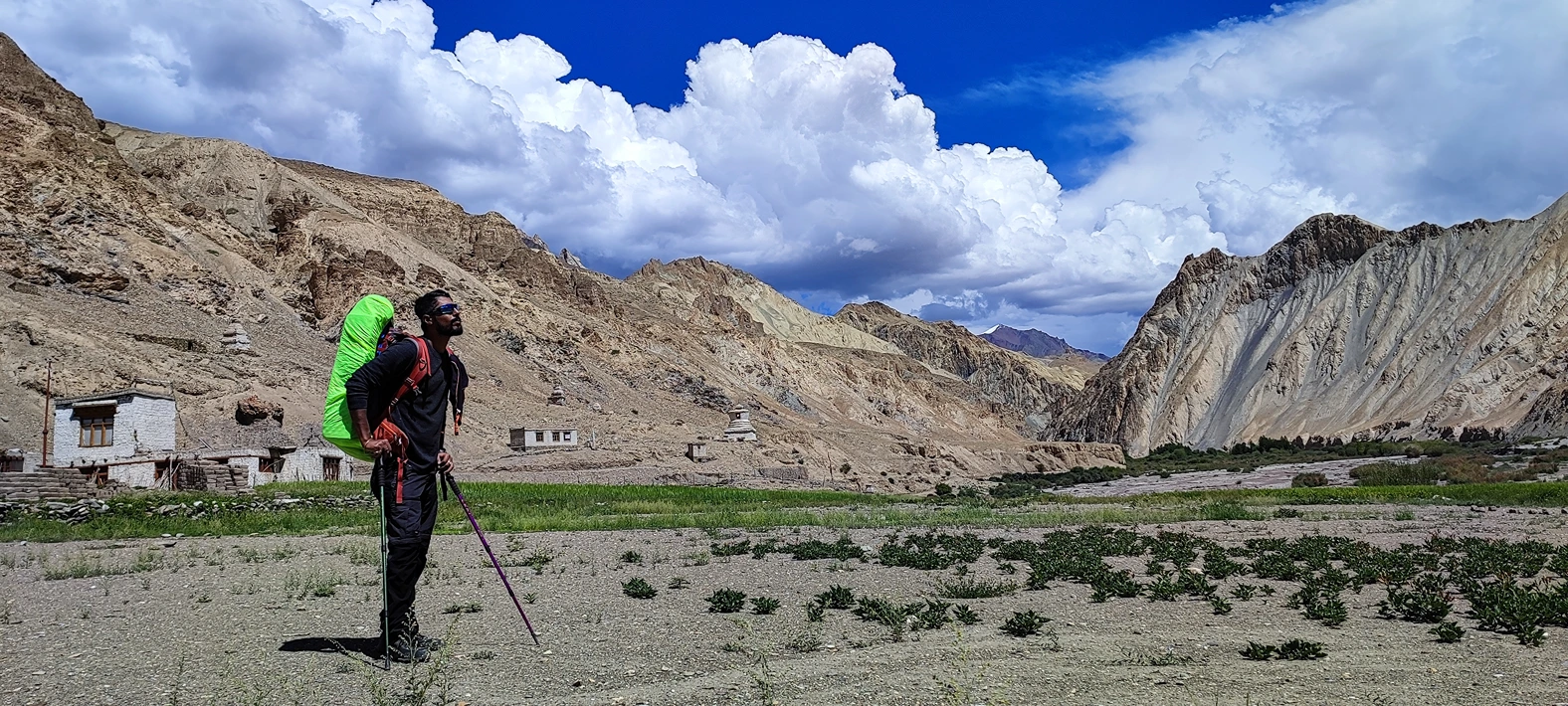
Kang Yatse I rises to approximately 6,400 metres and represents a considerably more demanding mountaineering objective than its neighbouring Kang Yatse II.
A Kang Yatse I Expedition 2026 should be approached by climbers with relevant previous high-altitude and technical experience.
Potential challenges include steep snow or ice, technical climbing sections, exposure, glacier conditions and prolonged work at very high altitude.
Before committing, carefully review the company’s Kang Yatse I Expedition FAQs.
Ask specifically about:
- required previous expeditions
- technical grade
- rope systems
- guide-to-climber ratio
- high-altitude camps
- summit-day strategy
- emergency turnaround criteria
- technical equipment
- contingency planning
A responsible expedition operator should be willing to tell an applicant that a mountain is currently beyond their experience level.
8. Friendship Peak Expedition 2026
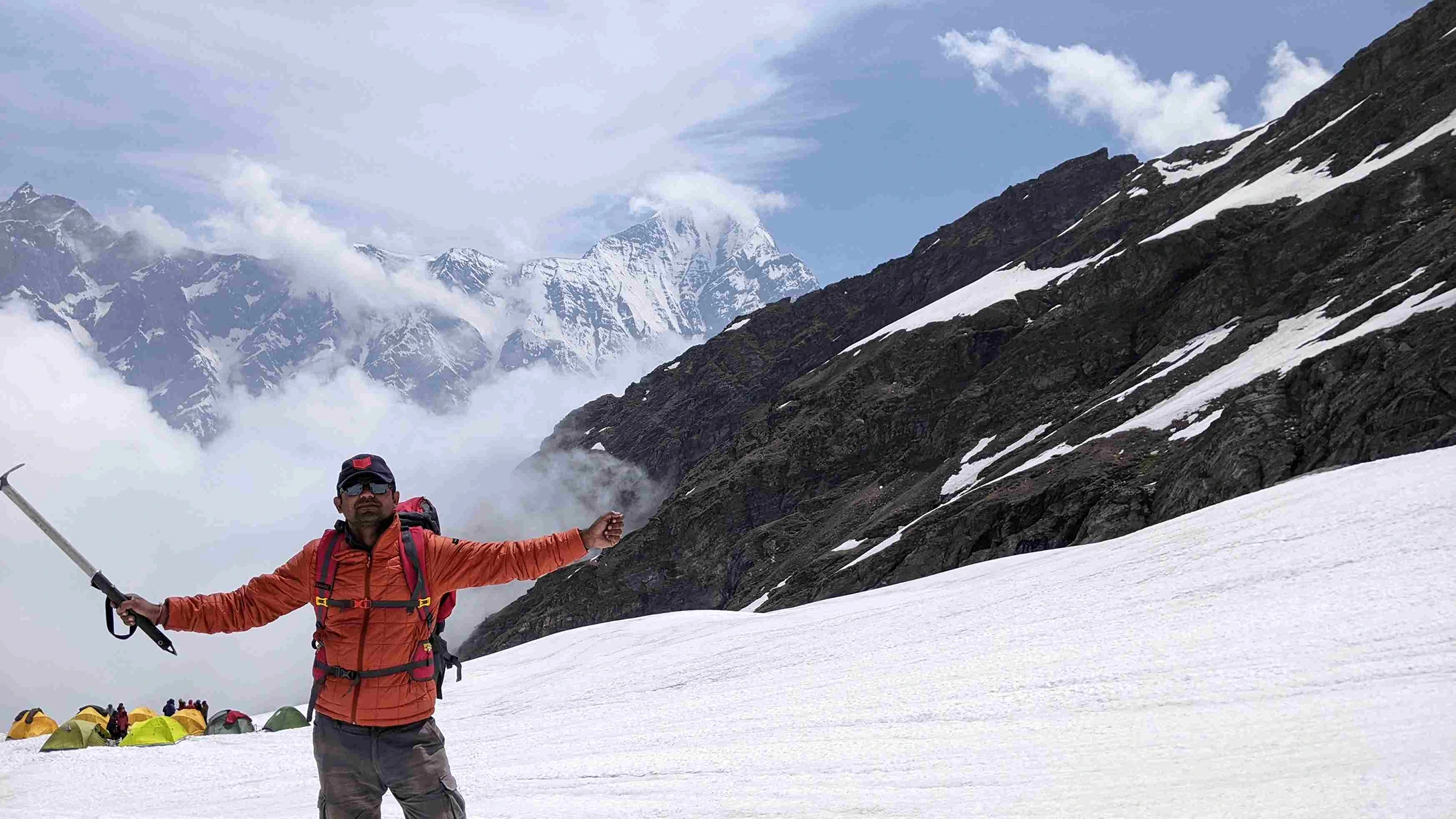
At approximately 5,289 metres, Friendship Peak is a popular expedition objective in Himachal Pradesh.
A Friendship Peak Expedition 2026 can be an important progression for experienced trekkers beginning their transition toward mountaineering.
Its altitude is lower than many 6,000-metre expeditions, but climbers should not underestimate the mountain.
Snow conditions, gradient, weather and route conditions can make the summit attempt demanding.
It can provide practical exposure to:
- snow movement
- crampons
- ice-axe techniques
- rope systems
- alpine starts
- high-altitude pacing
- summit-day endurance
This makes Friendship Peak particularly useful as a developmental objective rather than simply a summit to add to a list.
Yunam Peak Expedition 2026
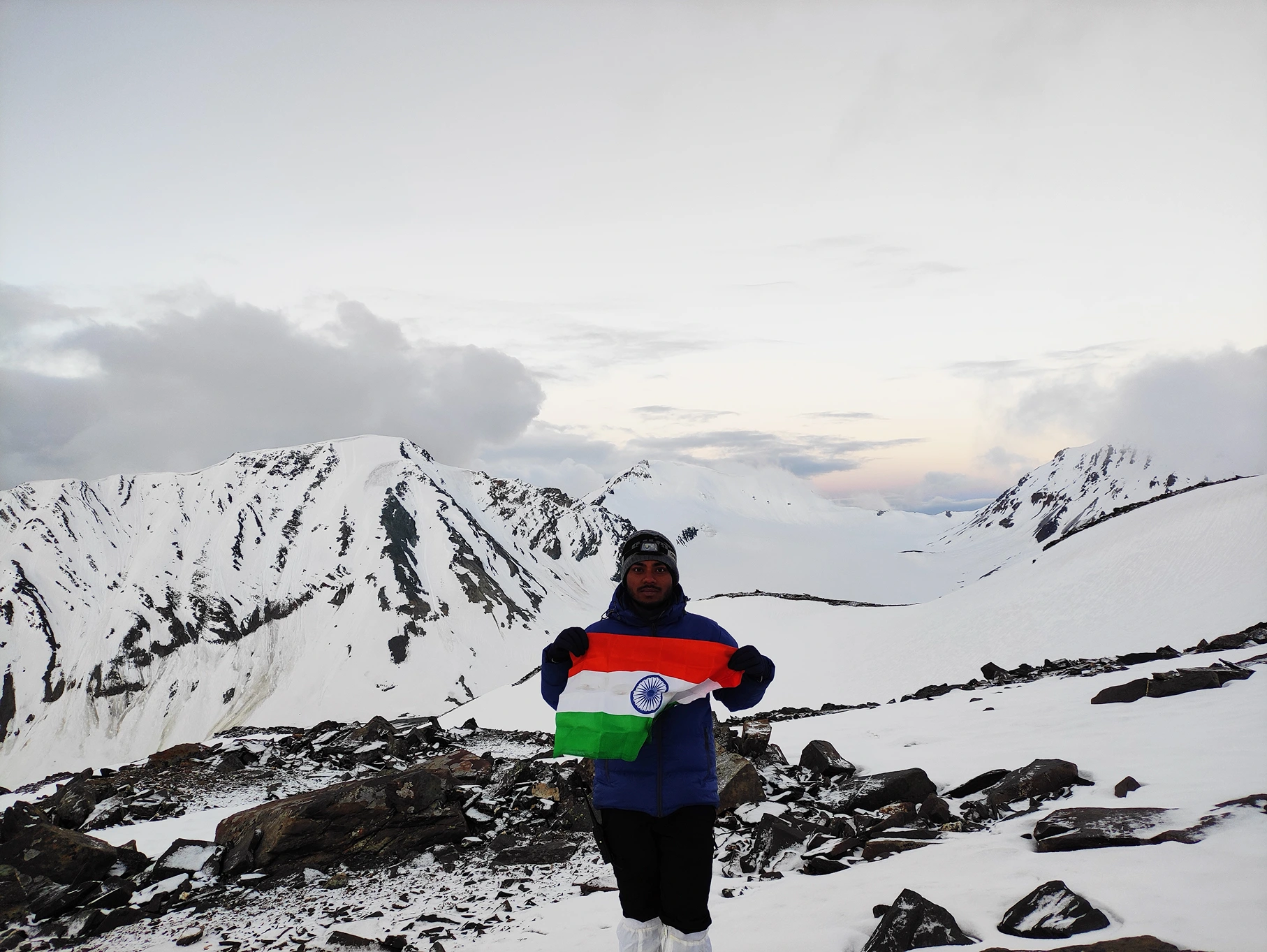
Yunam Peak rises to approximately 6,111 metres in Himachal Pradesh.
A Yunam Peak Expedition 2026 may appeal to experienced high-altitude trekkers who want to progress toward the 6,000-metre category.
Although generally considered less technical than many major Himalayan climbing objectives, the altitude itself creates substantial difficulty.
At around 6,000 metres, climbers must manage:
- reduced oxygen availability
- cold
- fatigue
- slower recovery
- dehydration
- appetite suppression
- prolonged summit-day effort
A mountain does not have to involve highly technical rock or ice climbing to become a serious expedition.
Altitude alone can make it demanding.
10. Choosing the Best Season for a Himalayan Expedition
There is no universal “best month” for every Himalayan mountain.
The correct climbing season depends on the mountain range, precipitation pattern, snowpack, glacier conditions, road accessibility and historical weather windows.
Broadly, many Indian Himalayan expeditions operate during:
Pre-Monsoon
Approximately May to June for suitable regions and mountains.
Potential advantages include established snow cover and viable climbing windows, although conditions vary greatly by location and year.
Post-Monsoon
Approximately August/September to October depending on the region.
Post-monsoon periods may provide relatively stable weather on certain mountains.
Ladakh Summer Window
Ladakh’s rain-shadow geography means its expedition season can differ considerably from that of monsoon-affected Himalayan regions.
Kang Yatse expeditions, for example, are commonly organized during the summer months.
Never select dates solely because an operator advertises departures.
Ask:
Why is this particular departure date suitable for this mountain?
A professional expedition company should be able to explain the seasonal reasoning.
Fitness for Himalayan Expedition: What Does “Fit” Actually Mean?
Fitness for Himalayan Expedition cannot be measured by gym strength alone.
A successful expedition requires several overlapping forms of conditioning.
Aerobic Endurance
Your cardiovascular system must sustain prolonged activity while oxygen availability progressively decreases.
Training may include:
- running
- brisk uphill walking
- cycling
- stair climbing
- incline treadmill sessions
- long-duration hiking
Muscular Endurance
Your legs must repeatedly climb and descend while carrying weight.
Prioritize:
- squats
- lunges
- step-ups
- calf raises
- loaded carries
- controlled downhill training
Core Stability
A stable trunk improves efficiency while carrying a backpack and moving over uneven terrain.
Include exercises such as:
- planks
- side planks
- dead bugs
- controlled rotational movements
Load-Carrying Capacity
Training without a backpack does not completely prepare you for consecutive expedition days.
Gradually introduce loaded hiking.
Do not suddenly begin carrying very heavy loads. Progressive loading reduces injury risk.
A Practical 12-Week Expedition Fitness Framework
For many climbers, structured preparation should begin approximately three months before departure, although the actual requirement depends on current fitness and expedition difficulty.
Weeks 1–4: Aerobic Foundation
Develop consistency.
Aim for multiple cardiovascular sessions each week combined with basic strength training.
Weeks 5–8: Build Endurance and Strength
Increase duration and elevation gain.
Introduce longer hikes, stair sessions and progressively loaded backpack training.
Weeks 9–10: Expedition-Specific Conditioning
Perform longer sessions that resemble mountain days.
Back-to-back training days can help prepare the body for cumulative fatigue.
Weeks 11–12: Peak and Taper
Complete the hardest training before gradually reducing workload.
Arriving at the expedition exhausted from training defeats the purpose of preparation.
Acclimatization Is Not the Same as Fitness
This distinction is critical.
An extremely fit runner can still develop altitude illness.
Acclimatization is a physiological response to reduced oxygen availability. The body requires time to adapt.
A responsible itinerary therefore includes progressive altitude gain and appropriate acclimatization periods.
Common early symptoms at altitude can include:
- headache
- unusual fatigue
- reduced appetite
- nausea
- disturbed sleep
- dizziness
Symptoms should never be hidden from expedition leaders because someone fears being prevented from attempting the summit.
Summit ambitions must remain secondary to health.
Himalayan Expedition Safety: What a Professional System Should Include
Good Himalayan Expedition Safety is not based on a single piece of equipment.
It is a system.
That system should include:
Pre-expedition screening
The operator understands each participant’s trekking, climbing and altitude history.
Acclimatization planning
Altitude gain is structured rather than rushed.
Guide leadership
Qualified and experienced personnel manage the climbing team.
Weather assessment
Summit decisions consider current and expected conditions.
Equipment inspection
Technical equipment should be checked before entering critical terrain.
Communication
The expedition should have an appropriate method of communication for its location and operational requirements.
Medical preparedness
Teams should carry an expedition-appropriate first-aid and emergency response system.
Turnaround protocols
Summit attempts should have clear decision points.
Evacuation planning
The team should understand how an injured or ill climber can be moved toward appropriate medical assistance.
A professional expedition does not guarantee a summit.
It creates a framework in which summit decisions are made responsibly.
High Altitude Layering System
Clothing management becomes extremely important at high altitude.
The objective of a High Altitude Layering System is not simply to wear the thickest possible jacket. It is to manage moisture, insulation and weather protection while allowing layers to be added or removed according to activity.
Layer 1: Base Layer
Worn next to the skin.
Its primary function is moisture management.
Avoid relying on cotton for critical high-altitude clothing because it retains moisture and dries slowly.
Layer 2: Active Insulation
A fleece or similar insulating layer provides warmth while allowing reasonable breathability.
Layer 3: Additional Insulation
A synthetic or down layer may be added when temperatures fall.
Layer 4: Weather Protection
A waterproof/wind-resistant shell protects against wind and precipitation.
Layer 5: High-Altitude Insulation
For very cold camps and summit conditions, a substantial down jacket or expedition-specific insulation may be required.
Hands and feet need their own systems.
Climbers may require combinations of:
- liner gloves
- insulated gloves
- heavy mittens
- trekking socks
- mountaineering socks
- gaiters
- appropriate high-altitude boots
Exact equipment should always correspond to the mountain, expected temperature and technical terrain.
Technical Equipment: Don’t Simply Buy a Checklist
Depending on the mountain, expedition equipment may include:
- climbing helmet
- harness
- crampons
- ice axe
- ascender
- descender
- locking and non-locking carabiners
- slings
- mountaineering boots
- gaiters
- trekking poles
- headlamp
- technical gloves
Possessing this equipment does not mean you know how to use it.
Practice should occur before the critical climbing section.
A climber trying to understand an ascender or crampon system for the first time during summit night creates unnecessary risk.
How to Choose an Expedition Company
Understanding How to Choose an Expedition Company may be one of the most important parts of expedition planning.
Do not compare operators purely on price.
Ask what is actually behind the package.
1. Experience on the Specific Mountain
General trekking experience is useful, but expedition leadership requires additional competence.
Ask how frequently the company operates the specific route.
2. Guide Experience
Ask who leads the climbing team and what relevant high-altitude experience they possess.
3. Guide-to-Climber Ratio
A very large group with inadequate technical staff can become difficult to manage on summit day.
4. Acclimatization Philosophy
Extremely compressed itineraries should be examined carefully.
Saving one or two days is not necessarily an advantage at high altitude.
5. Emergency Procedures
Ask directly:
What happens if I develop altitude illness at the highest camp?
The response should be specific rather than vague.
6. Equipment Standards
Find out which technical equipment is provided and which equipment participants must bring.
7. Communication
Understand how the expedition team communicates between camps and coordinates emergency response.
8. Contingency Days
Weather can eliminate a summit opportunity even when the team is fully prepared.
A well-planned expedition should explain how weather contingencies are managed.
9. Transparent Inclusions and Exclusions
Understand costs related to:
- transportation
- accommodation
- meals
- permits
- technical equipment
- porter support
- guides
- emergency evacuation
- insurance
- personal equipment
- additional hotel nights
- itinerary changes
Responsible Summit Policy
Avoid companies that effectively market summit success as guaranteed.
No ethical expedition operator can guarantee the summit of a Himalayan mountain.
Why an Experienced Trekking Company for Expeditions Matters
Choosing an Experienced Trekking Company for Expeditions becomes increasingly important as altitude and technical difficulty increase.
High-altitude operations involve much more than arranging transportation, tents and food.
The company must coordinate:
- permits
- local logistics
- expedition staff
- load movement
- base-camp operations
- high camps
- food and fuel
- technical equipment
- weather decisions
- participant health
- emergency response
- summit strategy
Small logistical mistakes at road-head level may be inconvenient.
The same mistakes above 5,500 metres can compromise the entire expedition.
Planning an Expedition with Terranova Expeditions
For climbers researching Indian Himalayan objectives, Terranova Expeditions offers expedition programs across major Himalayan regions, including mountains approached from Dehradun, Manali and Leh.
Rather than choosing solely by summit altitude, prospective climbers should discuss their previous trekking and mountaineering experience before selecting an objective.
For example, the progression may involve moving from high-altitude trekking toward peaks such as Friendship Peak or Yunam Peak before considering more demanding 6,000-metre objectives such as Kang Yatse II, Black Peak or Kang Yatse I, depending on the climber’s technical competence and expedition history.
When evaluating any Terranova Expeditions program—or any other operator—request detailed information about:
- route
- itinerary
- acclimatization
- technical difficulty
- previous experience requirements
- group size
- guides
- equipment
- safety procedures
- contingency days
- exclusions
- evacuation arrangements
The right expedition should match the climber rather than forcing the climber to match the mountain.
A Better Progression for Aspiring Mountaineers
Mountaineering is best approached as progression rather than collection.
A sensible pathway might look like:
Stage 1 – High-Altitude Trekking
Become comfortable spending multiple days between approximately 3,500 and 5,000 metres.
↓
Stage 2 – Basic Mountaineering Skills
Learn crampon movement, ice-axe techniques, rope systems, knots and snowcraft.
↓
Stage 3 – Introductory Expedition Peak
Attempt an appropriate 5,000-metre objective under professional supervision.
↓
Stage 4 – First 6,000-Metre Expedition
Progress toward a suitable 6,000-metre peak once fitness, skills and altitude experience justify it.
↓
Stage 5 – More Technical 6,000-Metre Mountains
Develop competence on steeper and more complex snow, ice, glacier and mixed terrain.
↓
Stage 6 – Major Himalayan Expeditions
Only after substantial experience should climbers consider serious 7,000-metre or technically demanding objectives.
There is no advantage in rushing this progression.
The skills accumulated between summits are often more valuable than the summit certificate itself.
Questions to Ask Before Paying for Any Himalayan Expedition
Before making your booking, get clear answers to the following:
- What previous experience is required?
- What is the highest sleeping altitude?
- How much altitude is gained each day?
- How many acclimatization days are included?
- What technical skills are required?
- Is pre-expedition technical training provided?
- What technical equipment is included?
- What is the guide-to-climber ratio?
- Who makes the summit-day decision?
- What weather information does the team use?
- What communication equipment is carried?
- What is the emergency evacuation procedure?
- Are contingency days included?
- What happens if I cannot continue?
- Which costs are excluded from the package?
If an operator cannot answer basic operational questions clearly, reconsider the booking.
Common Himalayan Expedition Planning Mistakes
Even physically strong climbers can compromise an expedition through poor planning.
Choosing a Peak Because It Is Famous
Popularity says nothing about whether a mountain matches your experience.
Underestimating Altitude
Technical simplicity does not make a 6,000-metre mountain easy.
Training Only in the Gym
Mountain endurance requires sustained cardiovascular work, climbing strength and load-bearing capacity.
Buying Equipment at the Last Minute
Boots, backpacks, gloves and technical systems should be tested before departure.
Ignoring Recovery
Training adaptation occurs during recovery. Excessive training immediately before departure can reduce performance.
Selecting the Cheapest Expedition
Compare safety systems, staffing, itinerary, equipment, logistics and experience—not just package price.
Treating the Summit as Mandatory
Mountains do not operate according to commercial itineraries.
Weather, snow, route conditions and human physiology ultimately determine whether a summit attempt can proceed.
Conclusion
Planning a Himalayan expedition in India requires considerably more than selecting a peak and booking a departure date.
A successful expedition begins by matching the mountain to your current capabilities.
Study the route. Understand the technical difficulty. Choose the correct season. Train specifically. Build high-altitude experience gradually. Learn the equipment you will use. Follow a proper High Altitude Layering System. Give your body enough time to acclimatize.
Most importantly, investigate How to Choose an Expedition Company before committing your money and your safety to an operator.
Whether you are considering Himalayan Expeditions from Dehradun, Himalayan Expeditions from Manali, Himalayan Expeditions from Leh, Friendship Peak Expedition 2026, Yunam Peak Expedition 2026, Kang Yatse II Expedition 2026, Kang Yatse I Expedition 2026, or the Black Peak Expedition Route, choose an objective that represents a logical next step in your mountaineering development.
The strongest expedition plan is not the one that gets you onto the highest mountain fastest.
It is the one that gives you the experience, fitness, technical competence and judgement required to keep climbing mountains for years to come.
Frequently Asked Questions (FAQs)
1. How do I choose my first Himalayan expedition in India?
Start with your previous altitude exposure, trekking experience, fitness and technical skills rather than summit height. Experienced trekkers entering mountaineering should generally select an appropriate introductory expedition before progressing toward more technical 6,000-metre mountains.
2. What fitness level is required for a Himalayan expedition?
Fitness for Himalayan Expedition requires strong aerobic endurance, muscular endurance, core stability and the ability to walk uphill for several hours while carrying a backpack. Training should normally be progressive and expedition-specific.
3. How many months should I train before an expedition?
For many recreational climbers, approximately 8–12 weeks of structured preparation is a useful minimum. More demanding objectives may require several months of preparation depending on the climber’s starting fitness.
4. Which are good Himalayan Peaks for Mountaineering progression?
Friendship Peak, Yunam Peak and Kang Yatse II are among the objectives commonly considered by climbers progressing from high-altitude trekking toward mountaineering. The appropriate choice depends on current route conditions, previous experience and technical competence.
5. Is Kang Yatse II suitable for beginners?
The Kang Yatse II Expedition FAQs should be reviewed carefully before booking. It may serve as a progression peak for suitably prepared trekkers, but it is still a high-altitude expedition reaching approximately 6,250 metres and should not be treated as an ordinary trek.
6. What should I know before attempting Kang Yatse I?
The Kang Yatse I Expedition FAQs should cover technical difficulty, required previous experience, equipment, glacier conditions, fixed ropes, high camps, summit strategy and emergency procedures. Kang Yatse I is a more serious technical objective than Kang Yatse II.
7. Is Black Peak difficult?
Black Peak is a serious 6,000-metre expedition involving high altitude and technical mountain terrain. Prospective climbers should study the Black Peak Expedition FAQs and understand the complete Black Peak Expedition Route, technical requirements and summit-day demands before booking.
8. What is the best season for Kang Yatse expeditions?
Kang Yatse expeditions are generally undertaken during Ladakh’s summer climbing season. Exact departure windows should be selected according to route, snow and weather conditions rather than relying solely on a generic month recommendation.
9. Is Friendship Peak suitable as a first mountaineering expedition?
A Friendship Peak Expedition 2026 can be considered by experienced trekkers transitioning toward mountaineering, provided they possess suitable fitness and receive appropriate technical instruction and professional supervision.
10. Is Yunam Peak technical?
A Yunam Peak Expedition 2026 may be less technically complex than some other 6,000-metre objectives, but its altitude makes it physically demanding. Acclimatization, endurance and weather remain major factors.
11. Why is acclimatization important during Himalayan expeditions?
As altitude increases, oxygen availability decreases. The body requires time to adapt. A gradual itinerary helps reduce altitude stress, although no itinerary can completely eliminate the possibility of altitude illness.
12. Can a very fit person skip acclimatization days?
No. Cardiovascular fitness and acclimatization are different physiological processes. Even highly trained athletes can experience altitude illness.
13. What should a High Altitude Layering System include?
A High Altitude Layering System generally combines moisture-managing base layers, active insulation, additional thermal insulation, weather-resistant outer layers and expedition-grade insulation when necessary. Gloves, socks, boots and head protection should also be matched to expected conditions.
14. What are the most important elements of Himalayan Expedition Safety?
Important components of Himalayan Expedition Safety include acclimatization, experienced leadership, weather monitoring, appropriate technical equipment, communication, medical preparedness, defined turnaround criteria and a realistic evacuation plan.
15. How to Choose an Expedition Company in India?
Evaluate mountain-specific experience, guide competence, group size, itinerary, acclimatization schedule, technical equipment, emergency procedures, communication systems, contingency planning and transparent inclusions. Avoid choosing solely on price.
16. Why should I choose an Experienced Trekking Company for Expeditions?
An Experienced Trekking Company for Expeditions should understand high-altitude logistics, technical terrain, staffing, camp management, acclimatization, weather decisions and emergency procedures. These requirements become increasingly important as altitude and technical difficulty increase.
17. Are Himalayan Expeditions from Dehradun suitable for technical mountaineering?
Yes. Himalayan Expeditions from Dehradun provide access toward important Garhwal climbing regions containing both introductory and highly technical Himalayan objectives.
18. What types of Himalayan Expeditions from Manali are available?
Himalayan Expeditions from Manali can provide access to several Himachal climbing objectives, including Friendship Peak and more demanding mountains. The region offers useful progression opportunities for climbers moving from trekking into mountaineering.
19. Why are Himalayan Expeditions from Leh different?
Himalayan Expeditions from Leh begin in an already high-altitude environment. Climbers must therefore pay particular attention to acclimatization immediately after arrival. Ladakh also provides access to important objectives such as Kang Yatse I and Kang Yatse II.
20. Does Terranova Expeditions organize Himalayan climbing expeditions?
Terranova Expeditions can be evaluated for Himalayan expedition programs across regions accessed through Dehradun, Manali and Leh. Before selecting any program, climbers should discuss their previous experience, fitness and mountaineering background so the chosen peak is appropriate for their current ability.
21. Can an expedition company guarantee that I will reach the summit?
No responsible expedition company should guarantee a Himalayan summit. Weather, snow conditions, route hazards, individual health, acclimatization and other factors can prevent a summit attempt even when an expedition has been professionally planned.
22. What is more important: reaching the summit or completing the expedition safely?
Safety takes priority. Turning around because of weather, altitude illness, exhaustion or dangerous route conditions is a normal part of responsible mountaineering. A successful expedition is one in which sound decisions are made throughout the climb—not merely one that reaches the summit.