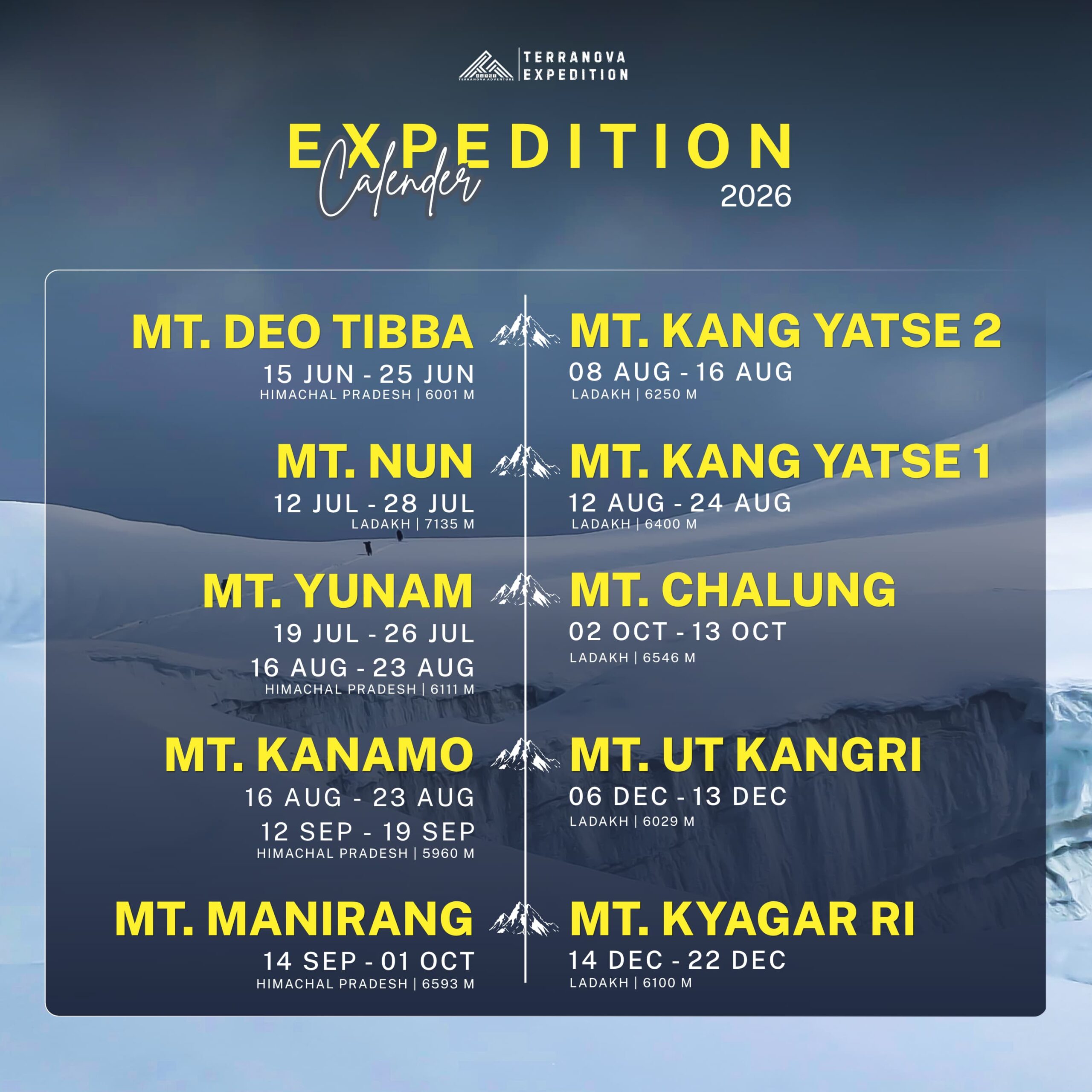
The Indian Himalayas attract thousands of trekkers and climbers every year, offering everything from beginner-friendly snow peaks to challenging high-altitude expeditions above 6,000 meters. Mountains such as Black Peak, Yunam Peak, Friendship Peak, Kang Yatse 2, and Kang Yatse 1 have become popular goals for adventure seekers looking to experience true Himalayan mountaineering.
While physical fitness, training, and good equipment are essential, one factor often has the greatest impact on expedition success: experienced professional guides. In high-altitude environments, mountain knowledge, route planning, weather assessment, and emergency decision-making can make the difference between a safe climb and a dangerous situation.
This guide explains how professional mountain leaders improve expedition safety and provides practical advice on how to select an expedition company for your next Himalayan adventure.
Why Professional Guides Are Essential in the Himalayas
Unlike regular trekking routes, Himalayan expeditions involve changing terrain, extreme weather, glaciers, snow slopes, and high altitude. Conditions can shift quickly, even on mountains considered suitable for beginners.
Professional guides play multiple roles during an expedition:
- Route leaders
- Weather analysts
- Safety managers
- Technical instructors
- High-altitude specialists
- Emergency coordinators
- Team mentors
Their experience allows climbers to focus on the journey while critical decisions are handled by trained experts.
Whether attempting the demanding Black Peak, the scenic Yunam Peak, the classic Friendship Peak, or high-altitude adventures such as Kang Yatse 2 and Kang Yatse 1, guides provide the structure and leadership required for a safer experience.
Route Knowledge: Understanding the Mountain Matters
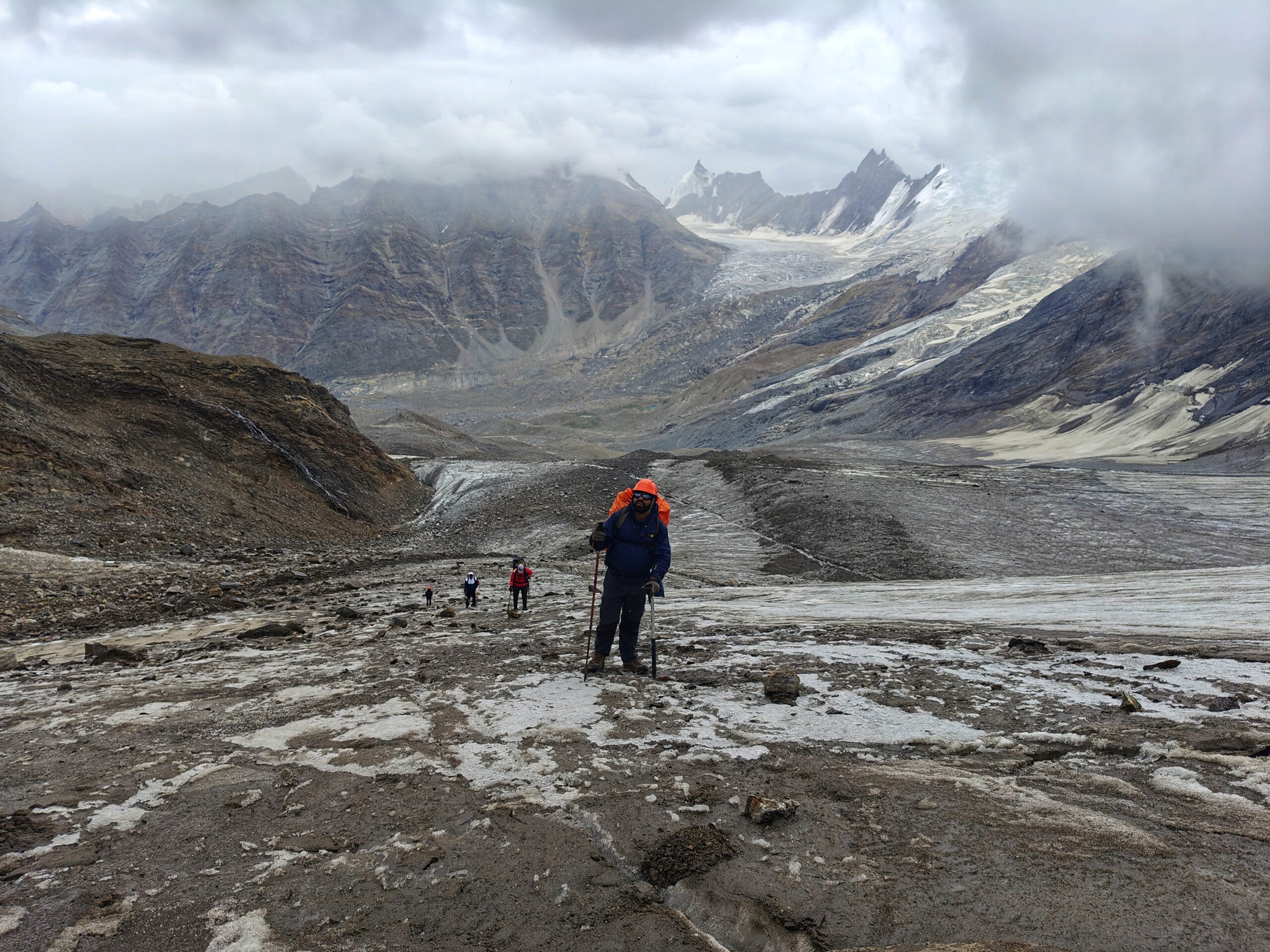
Every Himalayan peak presents unique challenges. A guide who has climbed a mountain many times understands changing snow conditions, difficult sections, safe campsites, and alternative routes.
For example, the Black Peak Route passes through the beautiful landscapes of Sankri, Govind Wildlife Sanctuary, and Ruinsara Tal before reaching glacier terrain in the Garhwal Himalaya. Nearby peaks such as Swargarohini and Bandarpoonch dominate the skyline, while changing weather patterns influence climbing conditions.
Understanding the Black Peak Weather is important because snow conditions and visibility can change rapidly at high altitude. Guides continuously assess conditions before making summit decisions.
The Black Peak Height, at over 6,000 meters, means altitude becomes a serious factor. This directly affects the Black Peak Expedition Difficulty, making acclimatization and proper pacing essential.
Similarly, the Yunam Peak Route near Baralacha La crosses rocky slopes and high-altitude terrain where navigation skills are valuable. Climbers preparing for a Yunam Peak Expedition should also understand the Yunam Peak Height, weather patterns, and carry an appropriate Yunam Peak Packing List.
The Friendship Peak Route introduces climbers to glacier travel, snow climbing, and basic mountaineering techniques. Before choosing an operator, many climbers compare Friendship Peak Expedition Cost, study Friendship Peak Weather, and research route conditions.
In Ladakh, the Kang Yatse 2 Route through the Markha Valley offers one of India’s most scenic approaches to a 6,000-meter peak. Understanding Kang Yatse 2 Height, preparing a proper Kang Yatse 2 Packing List, and learning the basics of Kang Yatse 2 climbing are important parts of expedition planning.
The more technical Kang Yatse 1 Route requires stronger climbing skills, previous mountain experience, and specialized equipment. Before attempting it, climbers should carefully study Kang Yatse 1 Height, prepare a complete Kang Yatse 1 Packing List, and understand the demands of Kang Yatse 1 climbing.
Weather Awareness Saves Lives
Weather is one of the most unpredictable elements in mountaineering.
Professional guides monitor:
- Wind speed
- Snowfall
- Cloud formation
- Temperature
- Avalanche conditions
- Visibility
- Summit forecasts
Many mountain accidents occur because teams continue climbing despite deteriorating weather.
Experienced guides know when to:
- Delay the summit push
- Change the route
- Extend acclimatization
- Turn back
These decisions can be difficult, but they often prevent dangerous situations.
For example, changing Black Peak Weather, strong winds on Friendship Peak, or sudden snowfall on Kang Yatse 2 can dramatically alter mountain conditions.
The best expedition leaders prioritize safety over summits.
Managing Altitude Safely
Altitude is often the greatest challenge on Himalayan expeditions.
As elevation increases, oxygen levels decrease, making physical effort more difficult.
Mountains such as:
- Yunam Peak Height: Over 6,100 m
- Black Peak Height: Over 6,300 m
- Kang Yatse 2 Height: 6,250 m
- Kang Yatse 1 Height: Above 6,400 m
require proper acclimatization.
Professional guides monitor climbers for symptoms such as:
- Headache
- Fatigue
- Nausea
- Dizziness
- Loss of appetite
A well-designed itinerary with acclimatization days significantly improves safety.
Technical Skills Guides Teach
Many Himalayan expeditions involve more than walking.
Professional guides provide instruction in:
- Crampon use
- Ice axe techniques
- Rope travel
- Glacier movement
- Self-arrest
- Fixed-rope systems
- Snow climbing
These skills are particularly important during:
- Friendship Peak climbs
- Black Peak expeditions
- Kang Yatse 2 climbing
- Kang Yatse 1 climbing
Good expedition companies include technical training before the summit attempt.
Emergency Preparedness
Professional operators prepare for emergencies long before the expedition begins.
This may include:
- First-aid kits
- Oxygen cylinders
- Satellite communication
- Rescue procedures
- Weather updates
- Medical protocols
Emergency planning is one of the clearest signs of a well-managed expedition company.
How to Select an Expedition Company
Choosing the right expedition company is one of the most important decisions you can make.
Price should never be the only factor.
A lower Friendship Peak Expedition Cost or discounted expedition package may not include essential services.
Instead, compare:
1. Guide Experience
Ask:
- How many times have they climbed the peak?
- Are guides certified?
- Do they have rescue training?
2. Acclimatization Schedule
A good itinerary includes:
- Rest days
- Acclimatization hikes
- Technical training
Avoid rushed itineraries.
3. Safety Systems
Professional companies provide:
- Medical support
- Emergency plans
- Communication systems
- Weather monitoring
4. Equipment
Check what is included:
- Technical gear
- Tents
- Safety equipment
- Meals
- Transport
5. Reviews
Look for reviews discussing:
- Safety
- Guide quality
- Organization
- Expedition experience
Red Flags to Avoid
Be cautious if a company:
- Focuses only on summit success
- Provides unrealistic itineraries
- Offers extremely low prices
- Has unclear safety policies
- Uses inexperienced staff
Reliable expedition companies emphasize preparation, safety, and responsible mountaineering.
Choosing the Right Mountain
Different mountains suit different experience levels.
Friendship Peak
A great introduction to snow climbing and glacier travel.
Yunam Peak
An excellent first 6,000-meter expedition with a relatively straightforward route.
Kang Yatse 2
Ideal for trekkers progressing into mountaineering.
Black Peak
A more demanding expedition requiring excellent fitness.
Kang Yatse 1
A technical climb suitable for experienced mountaineers.
Alternative Keywords Related to Himalayan Expeditions
To improve your research, you may also encounter:
- Himalayan climbing expedition
- Indian Himalayan expeditions
- High-altitude climbing
- Guided mountain expedition
- Himalayan summit expedition
- Mountaineering in India
- Glacier climbing
- Alpine expedition
- Expedition training
- High-altitude trekking
- Technical climbing
- Himalayan climbing guide
- Mountain safety
- Expedition logistics
- Summit preparation
- Himalayan peak climbing
- Alpine skills course
- Guided mountaineering
Why the Right Expedition Company Matters
A professional expedition company does much more than organize logistics.
It provides:
- Route planning
- Technical training
- Weather assessment
- Acclimatization management
- Safety systems
- Emergency support
- Experienced guides
- Environmental responsibility
For climbers planning adventures on Black Peak, Yunam Peak, Friendship Peak, Kang Yatse 2, or Kang Yatse 1, choosing the right operator can significantly improve both safety and overall experience.
Explore professionally guided Himalayan adventures with Terranova Expeditions to learn more about safety-focused expeditions, experienced mountain leadership, and well-designed climbing programs across the Indian Himalayas.
Final Thoughts
The Himalayas reward preparation, patience, and good decision-making.
Whether you are researching Black Peak Expedition Difficulty, comparing the Yunam Peak Route, understanding Friendship Peak Weather, preparing a Kang Yatse 2 Packing List, or studying the Kang Yatse 1 Route, professional guidance remains one of the most valuable investments you can make.
A successful expedition is not only about standing on the summit—it is about returning safely, gaining experience, learning new skills, and building confidence for future adventures in the mountains.