Choosing the right expedition company is the most important decision you’ll make before climbing the Himalayas. Whether you’re planning Friendship Peak, Yunam Peak, Kang Yatse 1, Kang Yatse 2, or Black Peak, the company you choose directly affects your safety, learning, and summit experience.
However, every successful expedition begins long before reaching the mountains. It starts with choosing the right expedition company.
Today, a quick online search will show hundreds of trekking and mountaineering operators offering similar itineraries at different prices. Some advertise luxury services, while others promote extremely low-cost packages. At first glance, many of these options appear almost identical, making it difficult for beginners to understand what truly sets one company apart from another.
This is where careful research becomes important.
An expedition company is not just responsible for arranging transportation, accommodation, or camping equipment. They are responsible for planning your acclimatization schedule, monitoring weather conditions, managing logistics in remote regions, providing technical guidance, ensuring medical preparedness, and making critical decisions that directly affect the safety of every team member.
The reality is that the mountain remains the same regardless of which company you choose. What changes is the quality of planning, leadership, communication, and risk management throughout your journey.
I’ve met climbers who returned from the same peak with completely different experiences. One group described the expedition as organized, educational, and memorable, while another struggled with poor communication, rushed schedules, inadequate food, or inexperienced leadership. The difference wasn’t the mountain—it was the people leading the expedition.
A professional expedition company doesn’t simply take you to the summit. It prepares you for the mountain, helps you understand its challenges, and ensures that every decision is made with safety as the highest priority.
Whether you’re planning your first Himalayan expedition or preparing for more challenging objectives, these twelve checkpoints will help you evaluate any expedition company before making your booking.
1. How to Select an Expedition Company: Verify Their Experience
Experience is one of the strongest indicators of a Weliable expedition company.
Many operators organize weekend treks or short hiking trips, but leading high-altitude expeditions is an entirely different responsibility. Expeditions require knowledge of glacier travel, weather assessment, acclimatization, technical climbing techniques, emergency response, and team management in remote mountain environments.
Before booking, ask simple but important questions:
- How many years has the company been organizing expeditions?
- Which peaks have they successfully conducted?
- How often do they organize expeditions each season?
- Do they regularly operate on the mountain you’re planning to climb?
For example, successfully organizing multiple expeditions to Friendship Peak doesn’t automatically mean a company has the experience required for a technical objective like Black Peak. Every mountain presents unique terrain, weather patterns, and logistical challenges.
Similarly, climbing Yunam Peak, which is often considered an excellent introduction to high-altitude mountaineering, demands different planning compared to the mixed terrain encountered on Kang Yatse 1.
Experienced companies understand these differences because they’ve encountered them repeatedly over many seasons.
Don’t hesitate to ask for previous summit reports, photographs, or details about past expeditions. Reputable operators are usually happy to share their experience and explain how they approach each mountain.
Expert Tip
Choose a company that has extensive experience on the specific peak you want to climb rather than one that only offers a large number of destinations.
2. Research the Expedition Leader
Behind every successful expedition is a capable expedition leader.
While company reputation is important, your expedition leader will be the person making real-time decisions on the mountain. Their knowledge, judgment, and leadership can significantly influence your overall experience.
Look for leaders who possess recognized mountaineering certifications, wilderness first-aid training, glacier travel experience, and a proven record of leading Himalayan expeditions.
More importantly, try to understand their practical experience.
Ask questions like:
- How many expeditions have they personally led?
- Have they climbed the same mountain before?
- What is their approach to acclimatization?
- How do they manage altitude-related emergencies?
A good leader is not someone who pushes every climber toward the summit.
A good leader understands when to continue, when to wait, and when to turn back.
One of the most valuable lessons experienced mountaineers learn is that leadership is measured not by the number of summits achieved but by the number of safe returns.
Lesson from Experience
The strongest expedition leaders rarely make dramatic decisions. Instead, they consistently make small, thoughtful decisions that prevent larger problems from developing.
3. Check Their Safety Standards
Safety should never be treated as an optional feature or an additional service.
It should form the foundation of every Himalayan expedition.
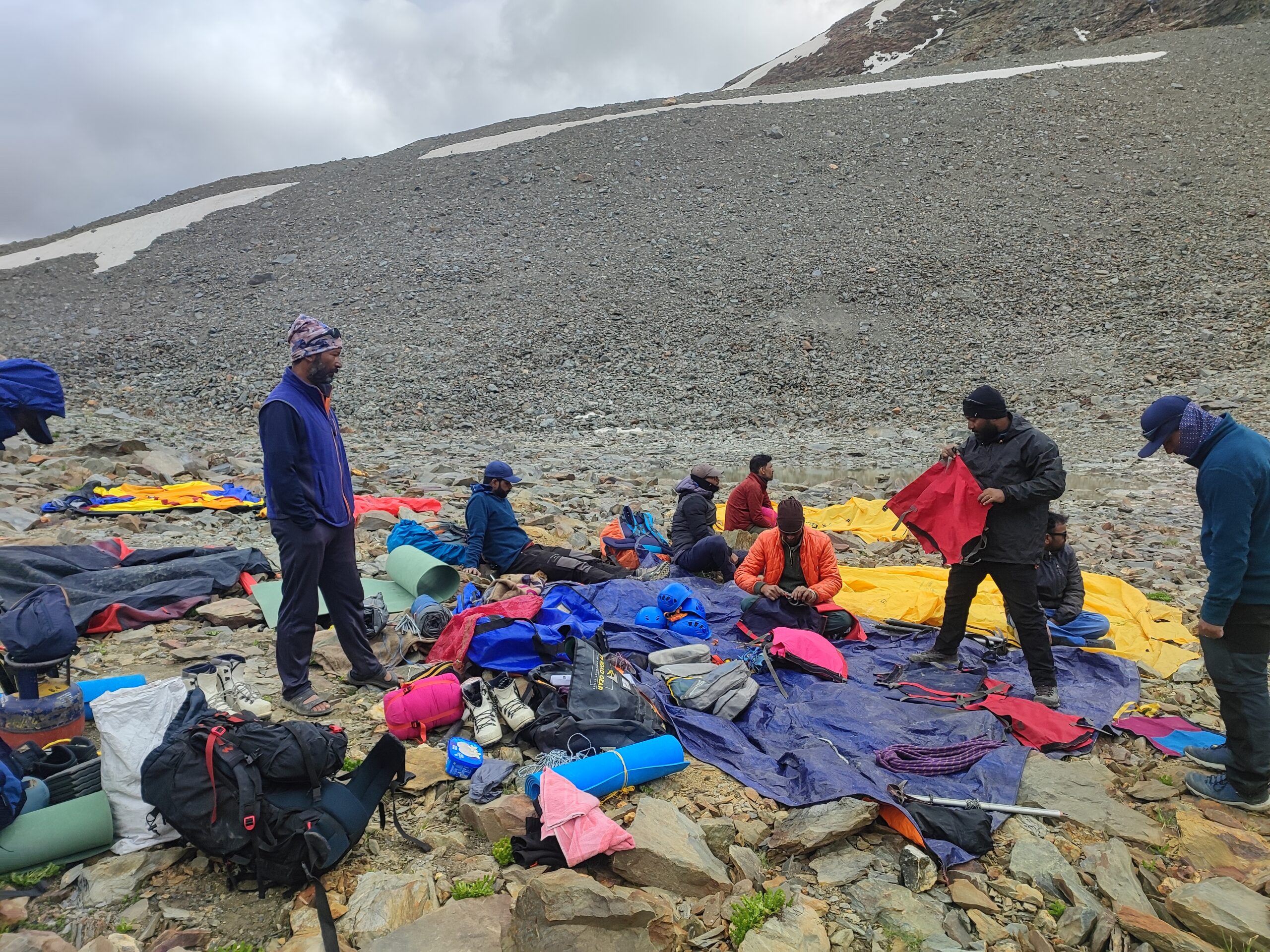
Professional expedition companies develop comprehensive safety systems that include:
- Daily health monitoring
- Pulse oximeter checks
- Well-stocked medical kits
- Emergency oxygen where appropriate
- Satellite communication or emergency communication devices
- Weather monitoring
- Established evacuation procedures
During high-altitude expeditions, conditions can change quickly. Weather windows may close unexpectedly, altitude sickness can develop overnight, and injuries may occur far from medical facilities.
An experienced operator prepares for these possibilities before the expedition even begins.
Ask the company how they handle situations involving Acute Mountain Sickness (AMS), High Altitude Pulmonary Edema (HAPE), or High Altitude Cerebral Edema (HACE). Their willingness to explain these procedures often reflects their level of professionalism.
Remember, the goal is not simply reaching the summit.
The goal is returning safely with every team member.
4. Study the Itinerary Carefully
A well-designed itinerary reveals a great deal about an expedition company.
Many beginners compare itineraries only by duration or price. However, experienced climbers look much deeper.
A quality itinerary should include:
- Gradual altitude gain
- Dedicated acclimatization days
- Load ferry or acclimatization hikes where required
- Recovery days
- Buffer days for weather delays
- Realistic summit windows
Be cautious of itineraries that appear unusually short.
Reducing expedition days may lower costs, but it often means sacrificing proper acclimatization. This increases the likelihood of altitude sickness and reduces overall summit success.
For example, Kang Yatse 2 and Yunam Peak require carefully planned altitude progression despite being popular beginner expedition peaks. Technical climbs such as Kang Yatse 1 or Black Peak demand even greater attention to acclimatization because fatigue and poor recovery can significantly affect climbing performance.
A thoughtfully designed itinerary demonstrates that the company values climber safety more than aggressive scheduling.
Expert Insight
The mountain isn’t going anywhere. Taking an extra day to acclimatize is always better than rushing toward the summit.
5. Understand What’s Included (and What’s Not)
Expedition packages often look similar on paper, but their inclusions can vary considerably.
Before confirming your booking, ask for a detailed list of exactly what is included.
Important areas to clarify include:
- Transportation
- Accommodation
- Meals
- Camping equipment
- Climbing permits
- Forest permits
- Technical climbing equipment
- Fixed ropes
- Group safety equipment
- Kitchen support
- Porter services
- Mules or horses
- Luggage transportation
Equally important is understanding what is not included.
Some companies exclude:
- Personal climbing equipment
- Insurance
- Emergency evacuation costs
- Rental gear
- Tips
- Additional accommodation
- Personal expenses
Hidden costs can quickly increase your overall budget if you don’t clarify them beforehand.
Transparent pricing reflects transparent business practices.
Professional companies are usually happy to explain every inclusion in detail because they have nothing to hide.
6. Read Genuine Reviews and Past Expedition Reports
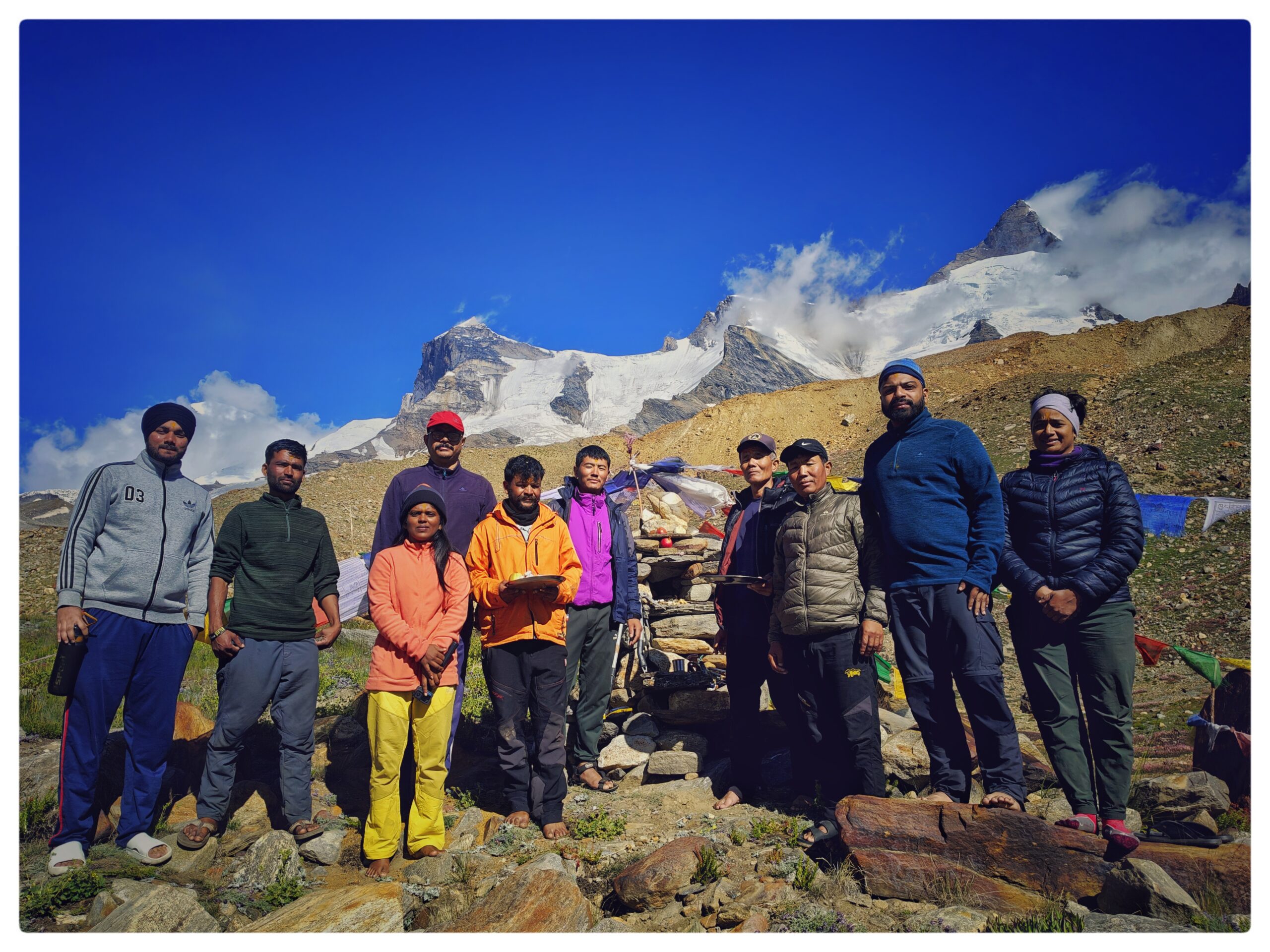
Online reviews can provide valuable insights, but they should be evaluated carefully.
Instead of focusing only on star ratings, read detailed reviews that describe actual expedition experiences.
Look for comments about:
- Guide professionalism
- Food quality
- Safety standards
- Team coordination
- Communication
- Equipment quality
- Emergency handling
- Overall organization
Photographs and expedition reports can also tell you a great deal.
Does the company regularly organize successful expeditions?
Do participants appear properly equipped?
Are safety practices visible in their photos?
You can also explore social media platforms where previous participants often share honest experiences through stories, reels, and detailed captions.
One positive sign is repeat customers. When climbers repeatedly choose the same company for progressively challenging objectives—from Friendship Peak to Kang Yatse 2, and eventually to Black Peak—it reflects long-term trust rather than one-time satisfaction.
At the same time, be cautious of companies with only generic five-star reviews and very little detailed feedback. Authentic experiences usually include both memorable moments and constructive observations.
Lesson from Experience
The best expedition companies don’t just collect good reviews—they build lasting relationships with climbers who return for their next mountain adventure.
7. Ask About Group Size and Guide-to-Climber Ratio
Group size has a direct impact on the quality of your expedition experience, yet it is often overlooked by first-time climbers.
A larger group may reduce the overall cost per participant, but it also creates additional challenges. More climbers mean different walking speeds, varied acclimatization rates, and increased coordination during technical sections. Managing a large team on glaciers, steep snow slopes, or exposed ridges requires exceptional organization.
Smaller groups, on the other hand, usually provide a more personalized experience. Expedition leaders have more time to monitor each climber’s health, answer questions, and offer technical guidance. Communication becomes easier, and decisions can be made more efficiently when weather conditions change.
Another important factor is the guide-to-climber ratio. Ask the company how many qualified guides or high-altitude staff will accompany your batch. During technical expeditions like Kang Yatse 1 or Black Peak, having adequate guide support can make a significant difference, especially on fixed rope sections and glacier crossings.
A responsible company plans its staffing based on safety, not just profitability.
Expert Tip
Instead of asking, “How many people are joining the expedition?” ask, “How many experienced guides and support staff will be available for our group?”
8. Evaluate Their Technical Training Before the Summit
Not every participant arrives with extensive mountaineering experience.
This is why professional expedition companies conduct technical training before attempting the summit.
These sessions help climbers become familiar with essential equipment and mountain techniques in a controlled environment before facing real challenges on the mountain.
A good training session should include:
- Proper use of crampons
- Ice axe handling
- Walking on snow and ice
- Fixed rope climbing
- Descending using safety techniques
- Harness fitting
- Rope attachment procedures
- Basic glacier movement
For beginners attempting Friendship Peak or Yunam Peak, these sessions often provide their first exposure to technical mountaineering equipment.
For climbers progressing toward more demanding objectives like Kang Yatse 1, technical practice becomes even more important because confidence with equipment directly affects safety during summit day.
Professional companies never assume participants already know these skills.
They teach, supervise, and ensure everyone understands the basics before moving into technical terrain.
Lesson from Experience
The mountain is not the best classroom.
Learning technical skills before summit day allows climbers to focus on the climb instead of worrying about unfamiliar equipment.
9. Inspect the Quality of Equipment
Reliable equipment is one of the foundations of a safe expedition.
Even the most experienced guide cannot compensate for damaged ropes, worn-out tents, or poorly maintained climbing gear.
Before booking, ask about the quality and maintenance of expedition equipment.
Professional operators regularly inspect and replace:
- Climbing ropes
- Harnesses
- Helmets
- Carabiners
- Snow anchors
- Ice screws
- Tents
- Sleeping bags
- Cooking equipment
- Communication devices
If rental gear is available, ask about its condition and maintenance schedule.
Personal equipment such as boots and clothing are your responsibility, but group safety equipment should always meet high standards.
Remember that mountaineering equipment has a limited service life. Companies that invest in replacing worn gear demonstrate their commitment to participant safety rather than simply reducing operational costs.
10. Understand Their Emergency and Rescue Plan
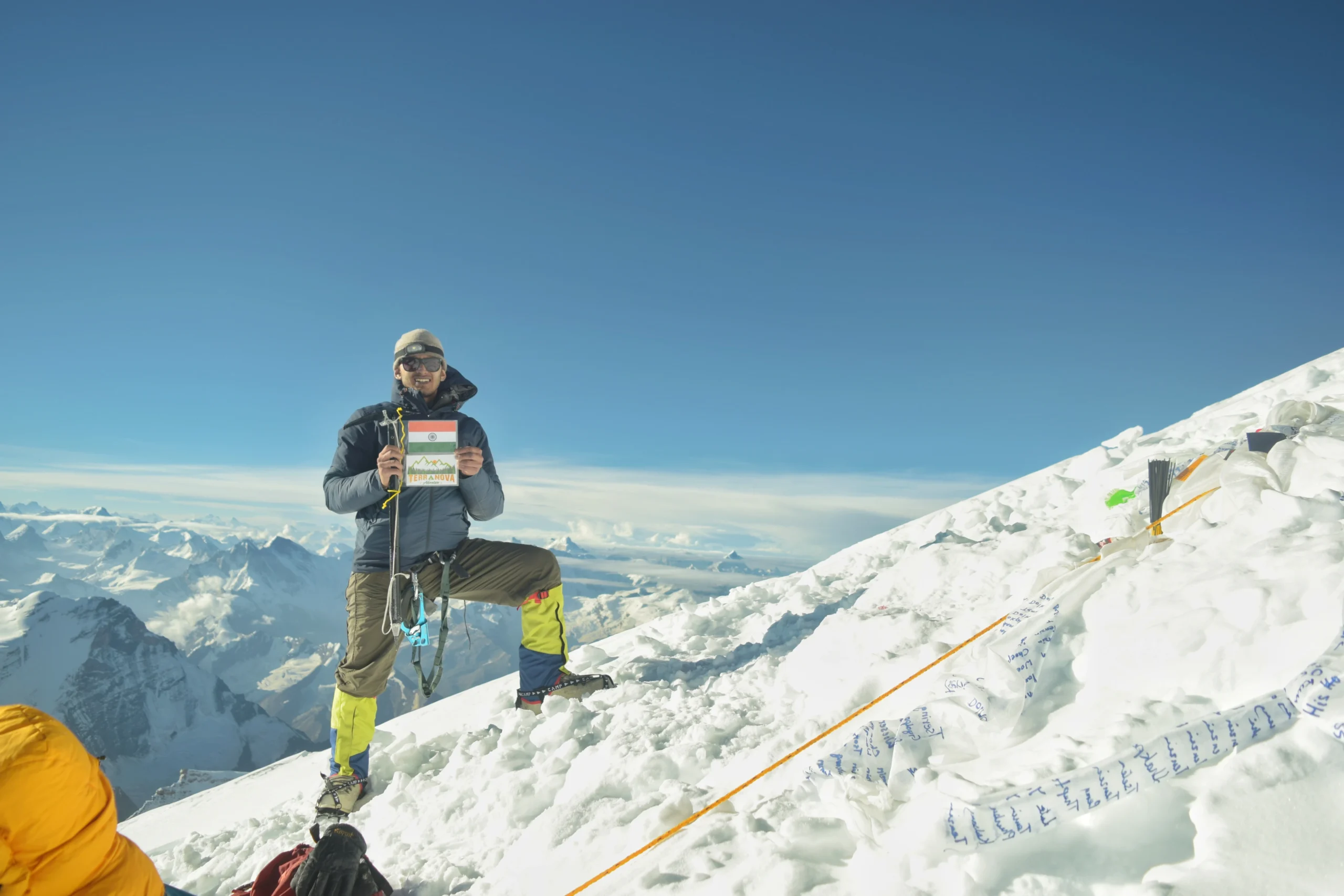
No one joins an expedition expecting an emergency.
However, every experienced expedition company plans for one.
Mountain environments are unpredictable. Weather can deteriorate quickly, injuries can occur, and altitude illness may affect even well-prepared climbers.
Ask the company about their emergency procedures.
Important questions include:
- How do they monitor altitude sickness?
- What happens if someone cannot continue?
- Do they carry emergency oxygen?
- Who coordinates rescue if required?
- What communication systems are available?
- Do they assist with evacuation logistics?
- Is there a clear emergency response protocol?
A professional operator will answer these questions confidently because emergency planning is already part of their operational system.
If a company appears uncomfortable discussing safety procedures or dismisses your concerns, consider it a warning sign.
Responsible companies prepare for emergencies without creating unnecessary fear.
That preparation is one of the reasons climbers place their trust in experienced operators.
11. Compare Value, Not Just Price
Price is often the first thing people compare.
It shouldn’t be the last.
Many climbers choose the cheapest package available, believing that every expedition offers essentially the same experience.
Unfortunately, that assumption is rarely true.
A lower price may involve compromises such as:
- Fewer acclimatization days
- Larger group sizes
- Less experienced guides
- Inferior equipment
- Reduced food quality
- Limited medical support
- No technical training
- Hidden costs added later
On the other hand, a slightly higher-priced expedition may include experienced leaders, better logistics, stronger safety systems, quality equipment, and improved participant support.
Instead of asking, “Which company is cheaper?”
Ask:
“Which company offers the best overall value?”
The difference between a budget operator and a professional expedition company often becomes visible only after reaching the mountains.
By then, changing your decision is no longer possible.
12. Choose a Company That Educates, Not Just Sells
One characteristic consistently separates exceptional expedition companies from average ones.
The best companies educate their climbers.
They don’t simply encourage every booking.
Instead, they ask questions about:
- Previous trekking experience
- Fitness level
- High-altitude exposure
- Technical skills
- Medical history
- Personal goals
Sometimes, they even recommend a different mountain.
For example, a beginner may dream of climbing Black Peak immediately.
An experienced operator might instead recommend Friendship Peak or Yunam Peak as the first expedition.
Similarly, someone aiming for Kang Yatse 1 may first be advised to complete Kang Yatse 2, allowing them to gain valuable experience before attempting more technical terrain.
This honesty may seem disappointing initially.
In reality, it demonstrates professionalism.
Good companies build confident mountaineers through gradual progression rather than unrealistic promises.
Lesson from Experience
The best expedition companies are not focused on selling the most expensive mountain.
They are focused on helping climbers choose the right mountain.
Red Flags to Watch Before Booking
Not every operator follows professional standards.
Be cautious if you notice any of these warning signs:
- Guaranteed summit promises
- Extremely low prices without explanation
- No information about expedition leaders
- No mention of acclimatization days
- Poor communication before booking
- Hidden charges
- No emergency procedures
- No technical training
- No previous expedition history
- Pressure to book immediately
Mountains reward patience.
Your booking decision should be no different.
Final Checklist Before Booking an Expedition
Before making your final payment, ask yourself:
✅ Does the company have proven experience on this mountain?
✅ Are the expedition leaders qualified and experienced?
✅ Is the itinerary designed for proper acclimatization?
✅ Are safety standards clearly explained?
✅ Is emergency support available?
✅ Are all inclusions transparent?
✅ Does the company provide technical training?
✅ Are equipment standards maintained?
✅ Do previous participants recommend them?
✅ Do you trust their communication and professionalism?
If the answer to most of these questions is “yes,” you’re likely choosing a reliable expedition partner.
Conclusion
Selecting an expedition company is one of the most important decisions you’ll make before entering the Himalayas.
The right company doesn’t just organize transportation or provide camping equipment. It creates an environment where climbers can focus on learning, adapting, and enjoying the journey while experienced professionals manage the complexities of high-altitude mountaineering.
Whether your goal is reaching the welcoming summit of Friendship Peak, experiencing your first 6,000-meter climb on Yunam Peak, progressing through Kang Yatse 2, taking on the technical challenge of Kang Yatse 1, or preparing for the demanding terrain of Black Peak, your expedition experience will be shaped as much by your team as by the mountain itself.
Choose an expedition company that values safety over shortcuts, education over sales, and long-term relationships over one-time bookings.
Because in mountaineering, success is never measured only by reaching the summit.
It is measured by returning home safely, carrying unforgettable memories, valuable lessons, and the confidence to climb the next mountain.
Frequently Asked Questions (FAQs)
1. Why is choosing the right expedition company important?
An experienced expedition company provides qualified leadership, proper acclimatization planning, safety protocols, technical guidance, logistics, and emergency preparedness. These factors significantly improve both your safety and overall mountain experience.
2. How do I know if an expedition company is experienced?
Check how many years they have been operating, the number of expeditions they conduct annually, the peaks they specialize in, customer reviews, summit reports, and the experience of their expedition leaders.
3. Should I choose the cheapest expedition package?
Not always. Lower-priced expeditions may compromise on guide experience, acclimatization, equipment quality, food, safety support, or emergency preparedness. Compare the complete value rather than just the package price.
4. What should a good expedition itinerary include?
A professionally planned itinerary should include gradual altitude gain, acclimatization days, buffer days for weather, realistic summit schedules, and sufficient recovery time to reduce the risk of altitude sickness.
5. Which Himalayan peak is suitable for beginners?
Many first-time mountaineers begin with Friendship Peak or Yunam Peak because they provide an excellent introduction to high-altitude expeditions. Climbers with prior trekking experience often progress to Kang Yatse 2 before attempting more technical objectives.
6. When should I attempt Kang Yatse 1 or Black Peak?
Both Kang Yatse 1 and Black Peak require strong fitness, previous high-altitude experience, and technical mountaineering skills. They are generally recommended after successfully completing beginner expedition peaks and learning glacier travel techniques.
7. Does every expedition company provide technical training?
No. Some companies assume participants already know how to use technical equipment. It’s always advisable to choose an operator that conducts practical training sessions covering crampons, ice axes, ropes, and glacier movement before the summit attempt.
8. What safety equipment should an expedition company carry?
Professional expedition companies typically carry first-aid kits, communication devices, climbing ropes, technical rescue equipment, emergency oxygen (where required), and medical supplies appropriate for high-altitude environments.
9. How far in advance should I book a Himalayan expedition?
Booking at least two to six months in advance is recommended. Early booking provides sufficient time for fitness preparation, gear selection, documentation, and travel planning.
10. Can beginners join Himalayan expeditions?
Yes, provided they choose an expedition that matches their experience and fitness level. Reputable companies assess each participant’s background and recommend suitable peaks instead of encouraging unrealistic objectives. Starting with the right mountain builds confidence and creates a strong foundation for future expeditions.