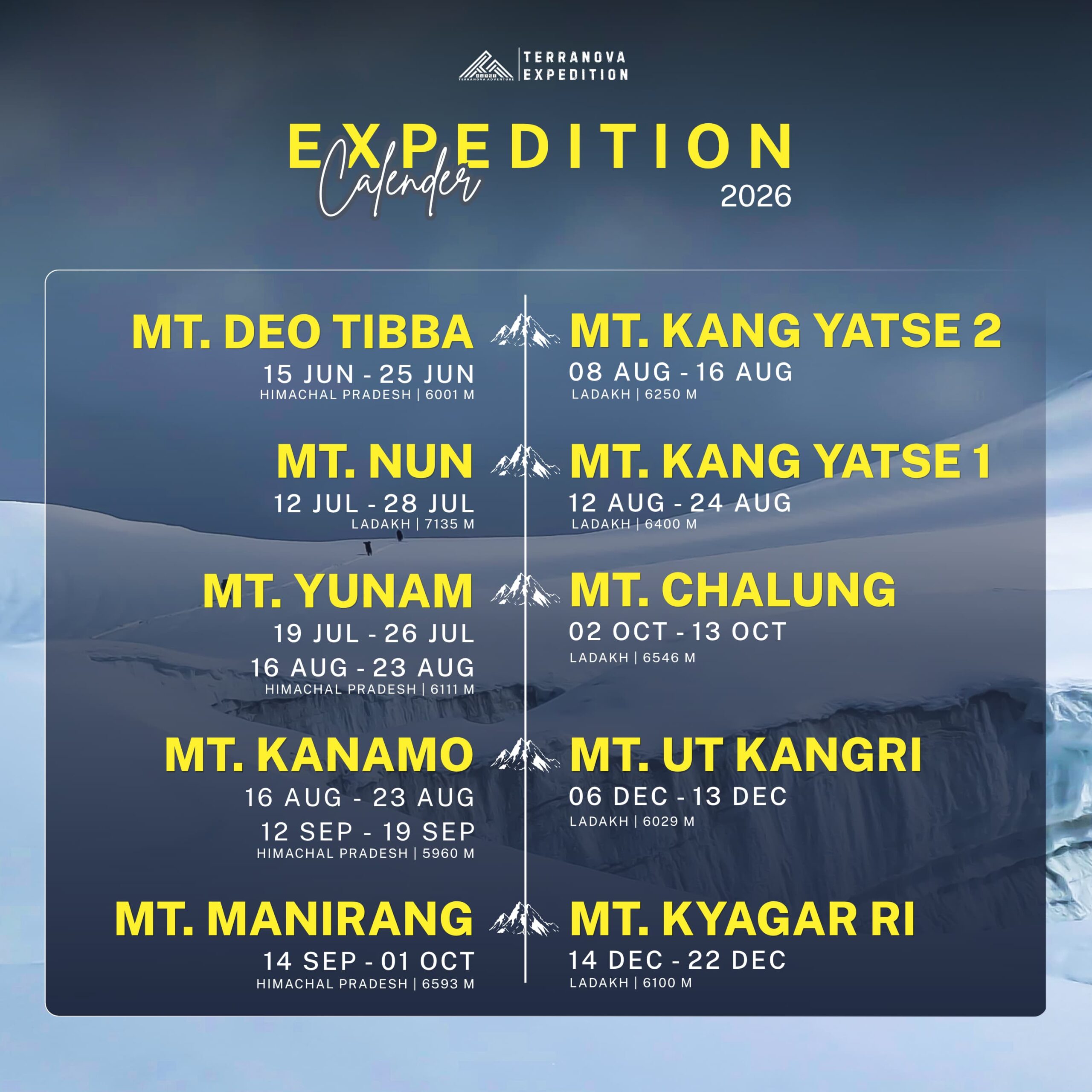
The Yunam Peak Expedition continues to gain popularity among trekkers and aspiring mountaineers looking to climb their first Himalayan 6,000-metre peak. Rising to an impressive 6,111 metres (20,049 ft) in the Lahaul region of Himachal Pradesh, Yunam Peak offers a rewarding combination of high-altitude adventure, breathtaking landscapes, and relatively straightforward climbing compared to more technical Himalayan summits.
The Yunam Peak Expedition 2026 season is expected to attract climbers from across India and overseas due to favourable weather windows, improved road connectivity via the Manali–Leh Highway, and growing interest in expedition-style mountaineering. With proper acclimatization and expert guidance, Yunam Peak remains one of the best introductory 6,000-metre expeditions in India.
Unlike many Himalayan expeditions that require advanced technical climbing experience, Yunam Peak allows experienced trekkers to experience glacier travel, high-altitude camping, and summit climbing while developing the skills needed for larger mountaineering objectives.
Bookings for Yunam Peak Expedition 2026 Are Now Open
Terranova Expeditions is now accepting bookings for the Yunam Peak Expedition 2026 through professionally guided fixed departures.
Our expeditions include:
- Experienced expedition leaders
- Certified mountaineering guides
- Complete expedition logistics
- High-altitude camping equipment
- Technical climbing gear support
- Oxygen cylinders and medical backup
- Freshly prepared nutritious meals
- Summit strategy and acclimatization planning
- Small expedition groups for better safety
Whether you’re attempting your first Himalayan summit above 6,000 metres or preparing for more challenging expeditions in the future, the Yunam Peak Expedition provides an excellent platform to build confidence and experience.
Why the Yunam Peak Expedition 2026 Season Is Special
The Yunam Peak Expedition 2026 season is expected to offer excellent climbing opportunities due to several favourable factors.
Stable Climbing Season
Between June and September, Yunam Peak generally experiences stable weather, making it one of the most reliable periods for summit attempts. Snow conditions are typically favourable during the early season, while late summer and early autumn often provide clear skies and exceptional visibility.
Easy Road Access
Unlike many Himalayan expeditions that require several days of approach trekking, Yunam Peak benefits from road access to Bharatpur, located along the famous Manali–Leh Highway. This significantly reduces the approach time and allows climbers to focus on acclimatization and summit preparation.
Ideal First 6,000-Metre Expedition
Many experienced trekkers choose the Yunam Peak Expedition after completing demanding Himalayan treks such as Buran Ghati, Rupin Pass, Goechala, or Friendship Peak. The expedition provides valuable experience in high-altitude climbing without the sustained technical challenges associated with more advanced mountaineering objectives.
Growing Interest in Mountaineering
With increasing numbers of trekkers transitioning into alpine climbing, Yunam Peak Expedition 2026 is expected to remain one of India’s most sought-after training expeditions for future climbs above 6,500 and 7,000 metres.
About the Yunam Peak Expedition
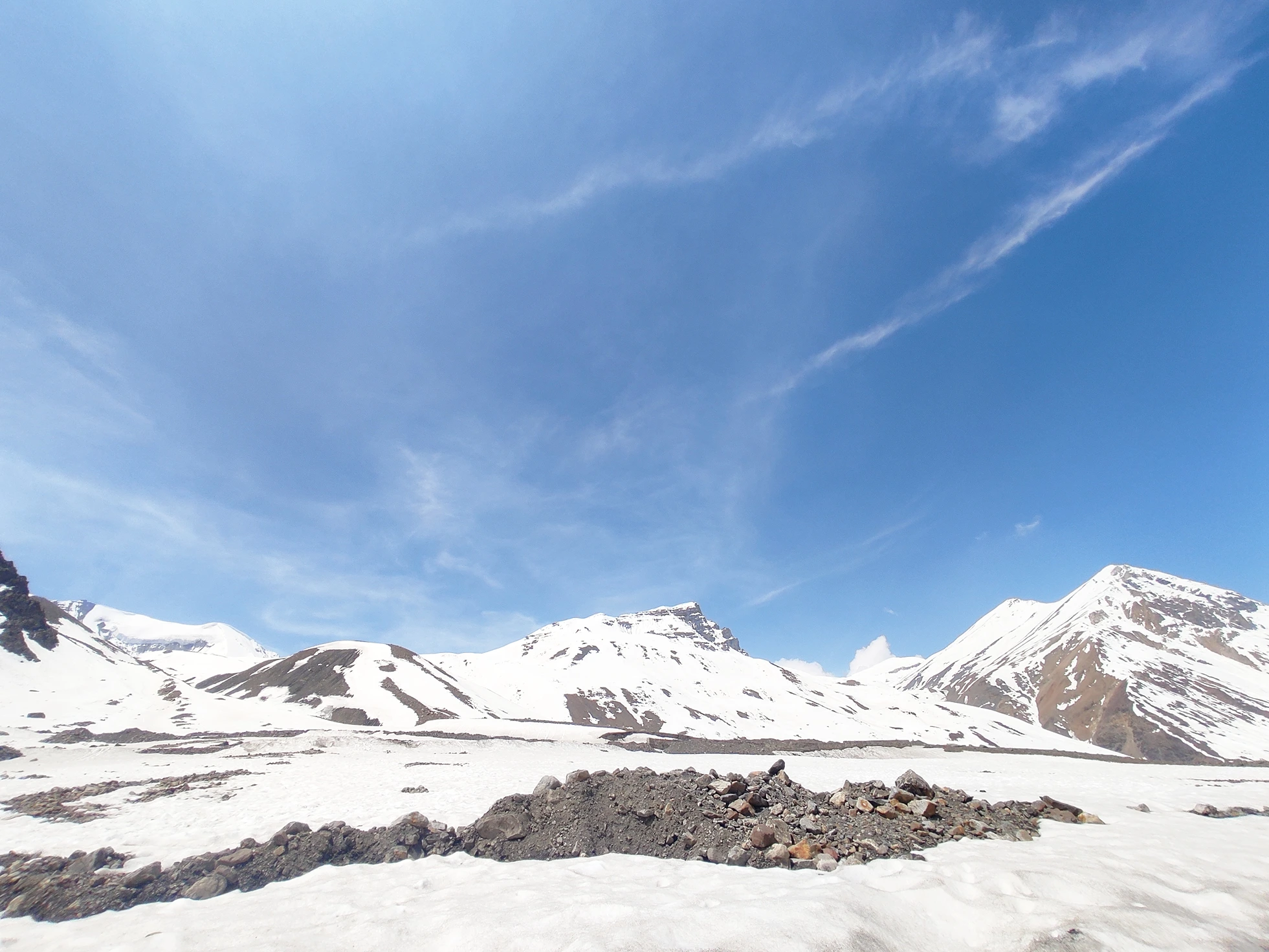
Standing proudly at 6,111 metres (20,049 feet), Yunam Peak is one of the highest non-technical expedition peaks in the Indian Himalayas. Located near Baralacha La Pass in the remote Lahaul region of Himachal Pradesh, the mountain offers an unforgettable high-altitude experience surrounded by vast cold-desert landscapes, snow-covered ridges, and panoramic Himalayan vistas.
Unlike traditional trekking routes, the Yunam Peak Expedition introduces participants to the world of expedition mountaineering. Climbers experience alpine camps, summit planning, basic rope techniques when required, snow travel, and the physical demands of operating in an environment where oxygen levels are nearly half of those at sea level.
Although Yunam Peak is often recommended as a beginner-friendly expedition, success depends on proper acclimatization, physical fitness, and disciplined pacing. The climb is physically demanding, but its comparatively straightforward route makes it one of the best choices for trekkers aiming to complete their first Himalayan summit above 6,000 metres.
Location of Yunam Peak
Yunam Peak is situated in the Lahaul region of Himachal Pradesh, close to the iconic Baralacha La Pass on the Manali–Leh Highway.
The expedition generally follows this approach:
Manali → Jispa/Keylong → Bharatpur → Base Camp → Summit Camp → Yunam Peak Summit
Because Bharatpur is accessible by road, the expedition has one of the shortest trekking approaches among India’s major 6,000-metre peaks. This makes it an excellent objective for climbers seeking a shorter expedition without compromising the high-altitude mountaineering experience.
Quick Facts About Yunam Peak Expedition
| Detail | Information |
| Peak Name | Yunam Peak |
| Elevation | 6,111 m (20,049 ft) |
| State | Himachal Pradesh |
| Region | Lahaul |
| Starting Point | Manali |
| Road Head | Bharatpur |
| Expedition Duration | 7–8 Days |
| Trek Distance | Approximately 22–25 km |
| Difficulty | Moderate to Difficult |
| Expedition Type | High-Altitude Mountaineering |
| Best Season | June to September |
| Maximum Altitude | 6,111 m |
History of Yunam Peak
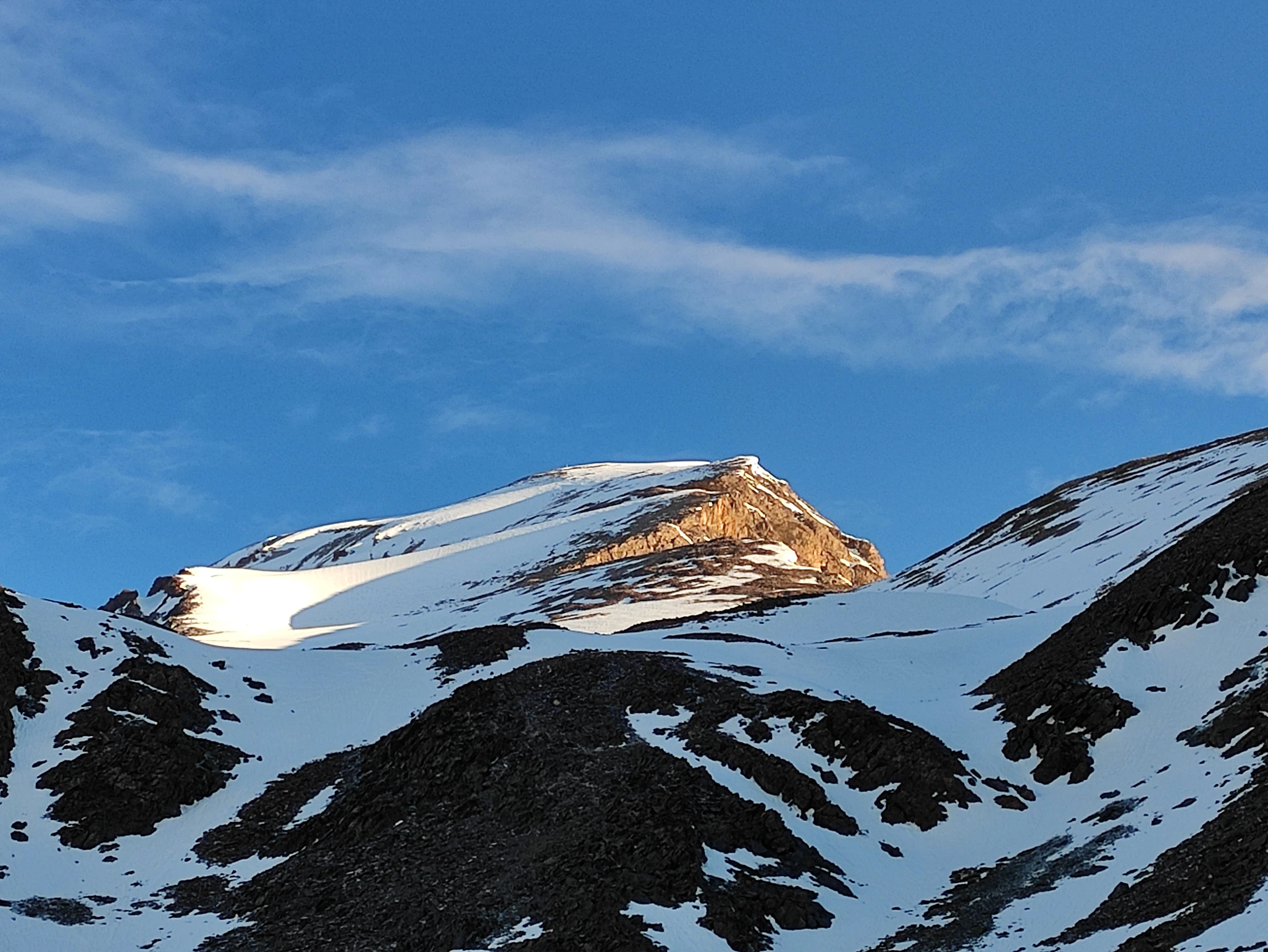
Although Yunam Peak does not have the long climbing history associated with iconic Himalayan giants such as Nun, Kun, or Shivling, it has become one of India’s most respected introductory expedition peaks over the past decade.
Its location near the Manali–Leh Highway, combined with a relatively accessible route and spectacular summit views, has made it increasingly popular among mountaineering institutes, adventure clubs, and experienced trekkers preparing for higher Himalayan objectives.
Today, the Yunam Peak Expedition is widely regarded as one of the best stepping stones into expedition climbing, offering an excellent balance of challenge, safety, and learning. It is particularly valued for teaching the fundamentals of high-altitude mountaineering while remaining achievable for well-prepared climbers.
Why Choose the Yunam Peak Expedition?
Choosing the Yunam Peak Expedition is about more than reaching a summit. It is an opportunity to experience the discipline, teamwork, and resilience required in Himalayan mountaineering.
Some of the reasons why Yunam Peak is considered one of India’s finest beginner expeditions include:
- Summit above 6,000 metres
- One of the most accessible expedition peaks in India
- Short approach trek from Bharatpur
- Limited technical climbing under normal conditions
- Excellent acclimatization schedule
- Spectacular views of the Chandra Bhaga, Mulkila, and Zanskar ranges
- Ideal preparation for more advanced expeditions such as Black Peak, Kang Yatse I, Mt. Kun, and Mt. Nun
- High success rate when attempted with proper fitness and experienced expedition support.
From Manali to the 6,111 Metre Summit
One of the biggest advantages of the Yunam Peak Expedition is its unique approach. Unlike many Himalayan expeditions that require several days of trekking just to reach Base Camp, Yunam Peak begins with a spectacular drive along the legendary Manali–Leh Highway, allowing climbers to reach high altitude quickly while following a carefully planned acclimatization schedule.
The Yunam Peak Expedition Route takes you through lush Himalayan valleys, high mountain passes, crystal-clear alpine lakes, barren cold deserts, and finally onto the vast snow slopes leading to the summit. Every stage introduces a new landscape, making the expedition as visually rewarding as it is physically challenging.
Yunam Peak Expedition Route Overview
Manali → Jispa → Bharatpur → Base Camp → Summit Camp → Yunam Peak Summit → Bharatpur → Manali
Unlike glacier-heavy expeditions such as Black Peak or Mt. Kun, Yunam Peak features a relatively short trekking approach. However, because the expedition starts at a much higher altitude, acclimatization becomes even more important for a successful summit.
Day 1 – Arrival in Manali
Altitude: 2,050 metres
Your Yunam Peak Expedition 2026 begins in Manali, one of India’s most popular mountain towns and the gateway to numerous Himalayan expeditions.
Upon arrival, participants:
- Meet the expedition leader
- Complete document verification
- Undergo equipment inspection
- Attend the expedition briefing
- Receive safety instructions
- Meet fellow climbers
The remainder of the day is kept relaxed to allow recovery from travel before entering higher altitudes.
Day 2 – Drive from Manali to Jispa
Distance: Approximately 100–120 km
Driving Time: 4–5 Hours
Today’s drive is one of the highlights of the expedition.
The journey passes through:
- Solang Valley
- Atal Tunnel
- Sissu
- Tandi
- Keylong
- Bhaga River Valley
After crossing the Atal Tunnel, the scenery changes dramatically. Dense forests gradually give way to the rugged landscapes of Lahaul, with towering snow-covered peaks, waterfalls, and wide river valleys accompanying you throughout the drive.
Jispa, situated on the banks of the Bhaga River, serves as an ideal acclimatization stop before ascending to much higher elevations.
Why Jispa Is an Important Acclimatization Stop
Many climbers underestimate how quickly altitude increases during the Yunam Peak Expedition.
Spending a night at approximately 3,200 metres helps your body gradually adjust before moving to Bharatpur at nearly 4,700 metres.
During the evening, your expedition leader may recommend:
- A short acclimatization walk
- Hydration monitoring
- Oxygen saturation checks
- Gear inspection
These small steps greatly improve summit success later in the expedition.
Day 3 – Jispa to Bharatpur Base Camp
Altitude: Approximately 4,600–4,700 metres
Driving Time: 3–5 Hours
Today the expedition enters the true high Himalayas.
The drive follows one of India’s most spectacular mountain highways.
Major highlights include:
- Deepak Tal
- Suraj Tal
- Baralacha La Pass
- Vast cold-desert landscapes
- Snow-covered mountain ranges
Crossing Baralacha La Pass (approximately 4,890 metres) marks a significant milestone, as you’ll now be travelling above the altitude where many Himalayan treks reach their highest point.
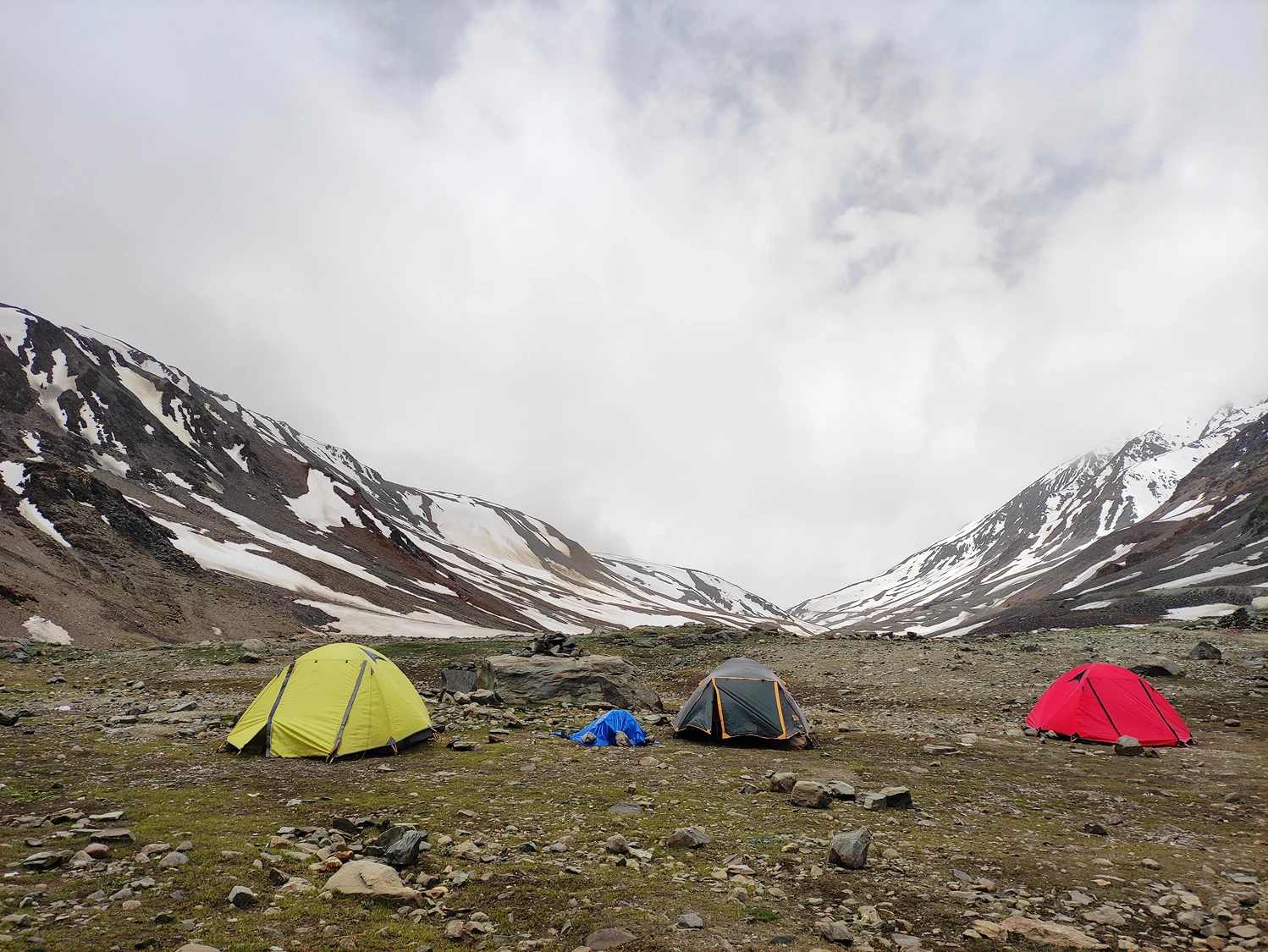
Eventually you arrive at Bharatpur, a seasonal tented settlement that serves as the operational base for the Yunam Peak Expedition.
Bharatpur Base Camp
Bharatpur is unlike traditional Himalayan villages.
Located in a vast cold desert, it offers:
- Open mountain plains
- Dramatic rocky landscapes
- Panoramic Himalayan views
- Crystal-clear night skies
- Easy access to the climbing route
The campsite becomes home for the next few days as climbers begin preparing for the summit.
Day 4 – Acclimatization and Technical Training
This day is one of the most important during the entire Yunam Peak Expedition Itinerary.
Rather than remaining inactive, climbers spend the day adapting to altitude while practising essential mountaineering techniques.
Activities usually include:
- Short acclimatization hikes
- Load ferry practice
- Crampon fitting
- Ice axe handling
- Walking on snow
- Rope techniques (if required)
- Self-arrest demonstrations
- Emergency procedures
Following the principle of “Climb High, Sleep Low,” participants ascend to a higher point before returning to Bharatpur for the night, allowing the body to adapt more effectively to reduced oxygen levels.
Why Acclimatization Matters
Although Yunam Peak is considered one of India’s most accessible 6,000-metre summits, its greatest challenge is altitude—not technical climbing.
At elevations above 5,000 metres, oxygen availability decreases significantly. Without proper acclimatization, climbers are at greater risk of altitude-related illnesses.
Throughout the expedition, the team continuously monitors:
- Oxygen saturation
- Hydration levels
- Heart rate
- Appetite
- Sleep quality
- General health
Proper acclimatization is one of the biggest reasons behind successful summit attempts.
Day 5 – Bharatpur to Summit Camp
Altitude: Approximately 5,300 metres
Today marks the beginning of the actual climbing phase of the Yunam Peak Expedition.
Leaving Bharatpur behind, climbers gradually ascend through:
- Rocky moraine
- Loose scree
- High-altitude desert terrain
- Snow patches (season dependent)
Unlike dense Himalayan forests found on many trekking routes, Yunam Peak offers an open alpine landscape where the summit remains visible for much of the ascent.
The pace is intentionally slow.
Above 5,000 metres, every step requires patience, controlled breathing, and steady movement.
After approximately three to four hours, climbers reach Summit Camp, where tents are established and preparations begin for the summit push.
Summit Camp Preparation
The atmosphere at Summit Camp is noticeably different.
Everyone focuses on the next day’s climb.
Typical preparations include:
- Final weather briefing
- Route discussion
- Equipment inspection
- Packing summit backpacks
- Hydration
- Early dinner
- Rest before midnight departure
Most climbers try to sleep by early evening because summit day begins shortly after midnight.
Summit Day – Climbing Yunam Peak (6,111 m)
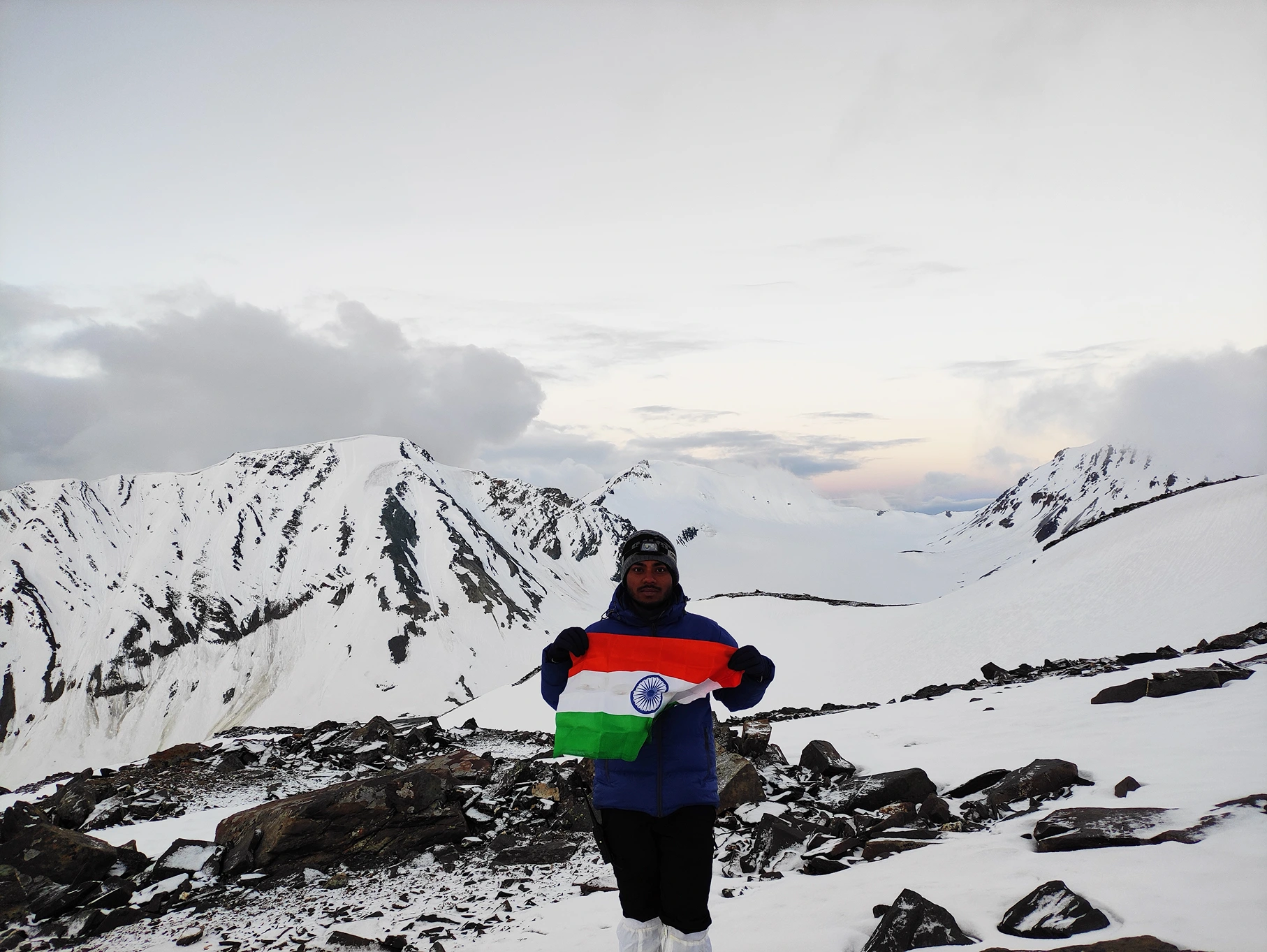
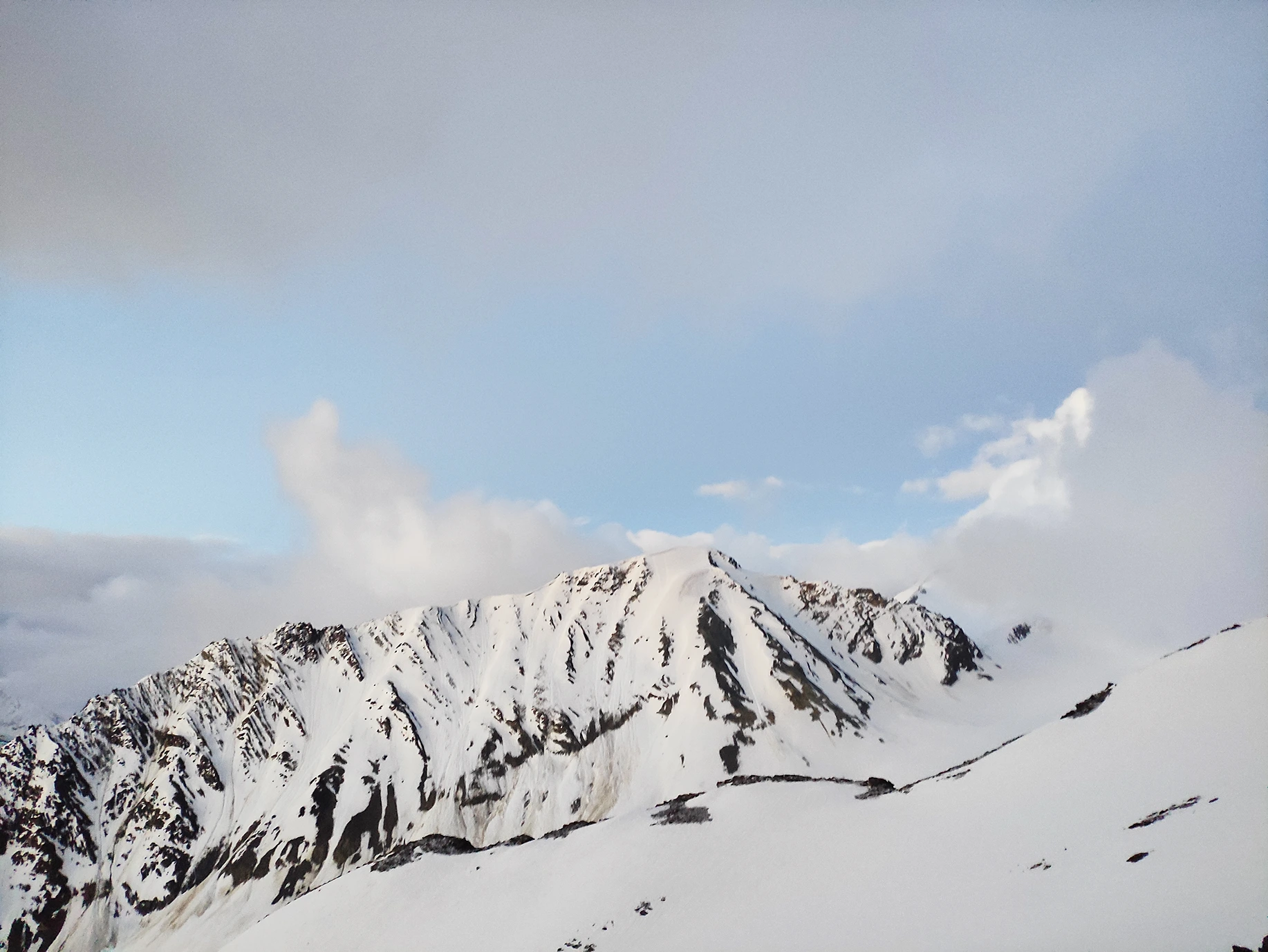
Summit day is undoubtedly the most demanding and rewarding part of the Yunam Peak Expedition. Months of preparation, days of acclimatization, and careful planning all lead to this moment. Standing on the summit of a 6,111-metre Himalayan peak is not simply about reaching the top—it’s about maintaining discipline, conserving energy, and making smart decisions in one of the world’s most challenging environments.
Although Yunam Peak is considered one of India’s best beginner-friendly expedition peaks, summit day should never be underestimated. The combination of extreme altitude, freezing temperatures, strong winds, and reduced oxygen makes every step significantly harder than at lower elevations.
- Summit Altitude: 6,111 metres (20,049 ft)
- Duration: 10–14 Hours
- Difficulty: Challenging
- Most summit attempts begin between 12:00 AM and 2:00 AM.
Starting before midnight allows climbers to:
- Walk on firm frozen terrain
- Avoid afternoon weather deterioration
- Reach the summit during the morning
- Descend safely before snow softens
After a light meal and final equipment check, climbers leave Summit Camp under a sky filled with countless stars. Wearing headlamps, the team moves slowly across the cold mountain slopes, following the guidance of the expedition leader.
The silence of the Himalayas at night, interrupted only by the sound of boots crunching over snow and loose rocks, creates one of the most memorable moments of the entire expedition.
The Initial Ascent
The first section of the climb generally follows gradual rocky slopes before transitioning onto loose scree and snowfields, depending on seasonal conditions.
The terrain usually includes:
- Rocky mountain trails
- Loose scree sections
- Snow patches
- Gentle snow slopes
- High-altitude ridgelines
Unlike heavily glaciated expeditions, Yunam Peak has relatively few objective hazards under normal conditions, making it a suitable first 6,000-metre climb for well-prepared trekkers.
However, the altitude quickly reminds climbers that they are operating in an extreme environment.
Climbing Above 5,500 Metres
This is where the Yunam Peak Expedition truly begins to test both physical endurance and mental resilience.
At this elevation:
- Oxygen levels are nearly half of those at sea level.
- Every step feels slower and more deliberate.
- Even simple tasks require extra effort.
- Rest breaks become more frequent.
Rather than rushing, climbers adopt a slow, steady rhythm—often referred to as the “rest step”—to conserve energy and maintain a consistent pace. Controlled breathing and patience become just as important as physical strength.
Technical Sections
One of the reasons the Yunam Peak Expedition is considered beginner-friendly is that it generally requires only basic mountaineering techniques.
Depending on snow conditions, climbers may use:
- Crampons
- Ice axe
- Helmet
- Harness
- Trekking poles
- Fixed rope (when necessary)
Fresh snowfall or icy conditions may require additional safety measures, and the expedition leader will determine the most appropriate climbing strategy based on the day’s conditions.
The Final Summit Ridge
The final section towards the summit is both physically demanding and emotionally rewarding.
By this stage:
- Breathing becomes noticeably harder.
- The pace slows considerably.
- Climbers focus on one step at a time.
- The summit gradually comes into view.
As dawn breaks, the surrounding Himalayan landscape is illuminated with golden light, revealing endless mountain ranges stretching across Himachal Pradesh, Ladakh, and Zanskar.
These final metres often feel like the longest of the expedition—but they are also the most memorable.
Reaching the Summit
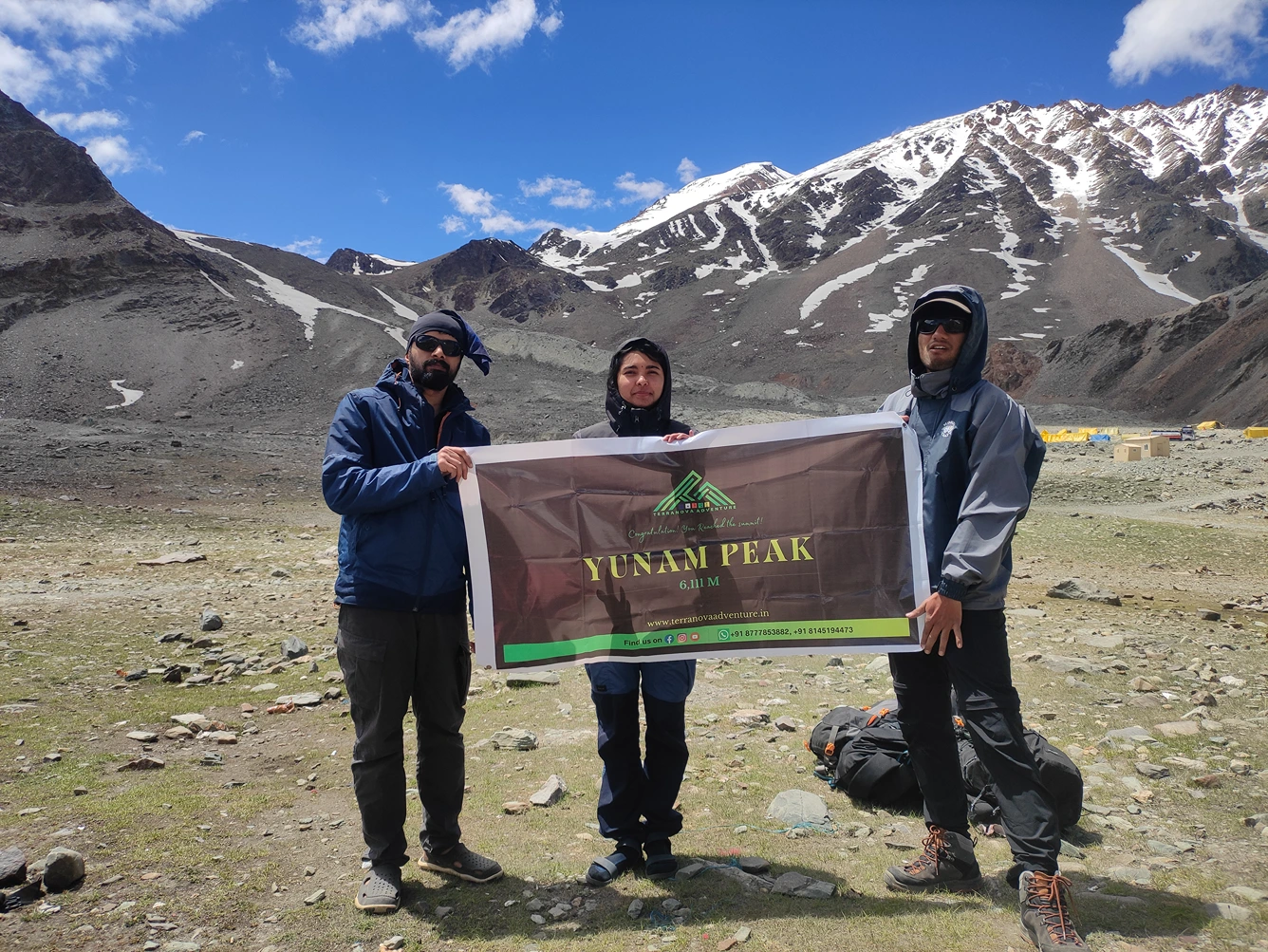
Standing on the summit of Yunam Peak (6,111 metres) is an unforgettable experience.
On a clear day, climbers are rewarded with panoramic views of:
- Baralacha La
- Zanskar Range
- Mulkila Massif
- Chandra Bhaga Range
- Endless cold-desert landscapes
- Snow-covered Himalayan peaks stretching to the horizon
For many participants, this marks their first successful ascent of a Himalayan peak above 6,000 metres—a milestone that opens the door to more ambitious mountaineering objectives.
After photographs, summit celebrations, and a brief rest, the team begins its descent. Time on the summit is intentionally limited, as prolonged exposure to extreme altitude increases the risk of fatigue and weather-related complications.
The Descent
Experienced mountaineers often say:
“The summit is only halfway.”
The descent demands just as much concentration as the ascent.
Fatigue, changing snow conditions, and loose terrain can increase the likelihood of slips or injuries if climbers lose focus.
During the descent, climbers:
- Maintain safe spacing
- Follow the leader’s instructions
- Stay hydrated
- Take regular breaks
- Monitor one another for signs of altitude-related issues
Returning safely to Summit Camp is considered the true completion of summit day.
Day 7 – Summit Camp to Bharatpur
After a well-deserved night’s rest, the expedition begins its return journey.
The descent from Summit Camp to Bharatpur is comparatively easier, allowing climbers to enjoy the spectacular landscapes they may have missed during the ascent.
As altitude decreases, many participants immediately notice:
- Improved breathing
- Increased energy
- Better appetite
- Faster recovery
Back at Bharatpur, the team celebrates the successful expedition, sharing stories and reflecting on the journey from preparation to summit.
Day 8 – Bharatpur to Manali
The final day involves driving back to Manali along the scenic Manali–Leh Highway.
The route retraces the spectacular landscapes of:
- Baralacha La
- Suraj Tal
- Deepak Tal
- Keylong
- Sissu
- Atal Tunnel
For many climbers, the drive back offers time to reflect on how much they have achieved over the past week.
Completing the Yunam Peak Expedition is about far more than standing on a summit. It represents discipline, perseverance, teamwork, and the confidence gained from operating successfully in a high-altitude environment.
Complete Yunam Peak Expedition Itinerary
| Day | Destination | Activity |
| Day 1 | Manali | Arrival, briefing, equipment check |
| Day 2 | Jispa | Drive and acclimatization |
| Day 3 | Bharatpur | Drive via Baralacha La and establish camp |
| Day 4 | Bharatpur | Acclimatization hike and technical training |
| Day 5 | Summit Camp | Trek to Summit Camp |
| Day 6 | Yunam Peak (6,111 m) | Summit push and return to Summit Camp |
| Day 7 | Bharatpur | Descend to Base Camp |
| Day 8 | Manali | Drive back and expedition concludes |
Why Proper Summit Planning Matters
A successful Yunam Peak Expedition 2026 depends on far more than physical fitness. Careful planning, structured acclimatization, favourable weather, and experienced leadership all play a crucial role in increasing summit success while prioritizing safety.
At Terranova Expeditions, every summit attempt follows a conservative, safety-first approach. Decisions are based on real-time weather forecasts, snow conditions, and the health of each participant. While reaching the summit is always the goal, returning safely is the true measure of a successful expedition.
Best Time for Yunam Peak Expedition
Choosing the right season can significantly improve your experience and increase your chances of a successful summit. While Yunam Peak is accessible only for a limited period each year, every month during the climbing season offers a different experience in terms of snow conditions, weather, and route difficulty.
The best time for the Yunam Peak Expedition is from mid-June to late September, when the Manali–Leh Highway is open, camps can be established safely, and weather conditions are generally favourable for climbing.
Whether you’re planning the Yunam Peak Expedition 2026 as your first Himalayan summit or adding another 6,000-metre peak to your climbing portfolio, understanding the seasonal differences will help you choose the ideal departure.
Yunam Peak Expedition in June
June marks the beginning of the expedition season.
As the Manali–Leh Highway reopens after winter, Yunam Peak remains covered in fresh snow, creating classic alpine climbing conditions.
Advantages
- Beautiful snow-covered landscapes
- Firm snow slopes
- Stable summit route
- Cooler temperatures
- Excellent mountaineering experience
Challenges
- Lower temperatures
- Larger snowfields
- Early-season weather fluctuations
For climbers looking for a more authentic alpine experience, June is one of the best months for the Yunam Peak Expedition.
Yunam Peak Expedition in July
July is considered one of the most balanced months for climbing.
Snow begins melting at lower elevations while the upper mountain retains enough snow to provide enjoyable climbing conditions.
Highlights
- Comfortable daytime temperatures
- Longer daylight hours
- Generally stable weather
- Excellent road accessibility
- Good summit success rate
Most expedition operators schedule several fixed departures during July because it offers an ideal combination of accessibility and climbing conditions.
Yunam Peak Expedition in August
August transforms the landscape.
Although lower valleys receive occasional rainfall, the Lahaul region lies in the rain shadow of the Himalayas, meaning precipitation is much lower than in many other trekking destinations.
Advantages
- Pleasant daytime weather
- Colourful alpine vegetation
- Comfortable camping conditions
- Relatively stable summit windows
Things to Remember
Occasional snowfall at higher elevations remains possible, and afternoon clouds can develop quickly.
Early summit starts become especially important during this period.
Yunam Peak Expedition in September
Many experienced mountaineers consider September the finest month for climbing Yunam Peak.
Following the monsoon, the atmosphere becomes exceptionally clear, offering spectacular visibility across the surrounding Himalayan ranges.
Why September Is Exceptional
- Crystal-clear skies
- Outstanding mountain views
- Stable weather
- Cooler temperatures
- Reduced visitor numbers
Photography enthusiasts particularly appreciate September because of the dramatic light and panoramic landscapes visible from the summit.
Which Month Is Best?
If your goal is maximum summit success combined with excellent weather, the following guide can help:
For Snow Lovers
June
Fresh snow creates a true alpine mountaineering experience.
For First-Time Climbers
July
Stable weather and comfortable conditions make July ideal for those attempting their first 6,000-metre summit.
For Comfortable Climbing
August
Warmer temperatures and accessible trails provide an enjoyable expedition.
For Mountain Photography
September
Clear skies and exceptional visibility make September a favourite among photographers and experienced climbers.
Weather During the Expedition
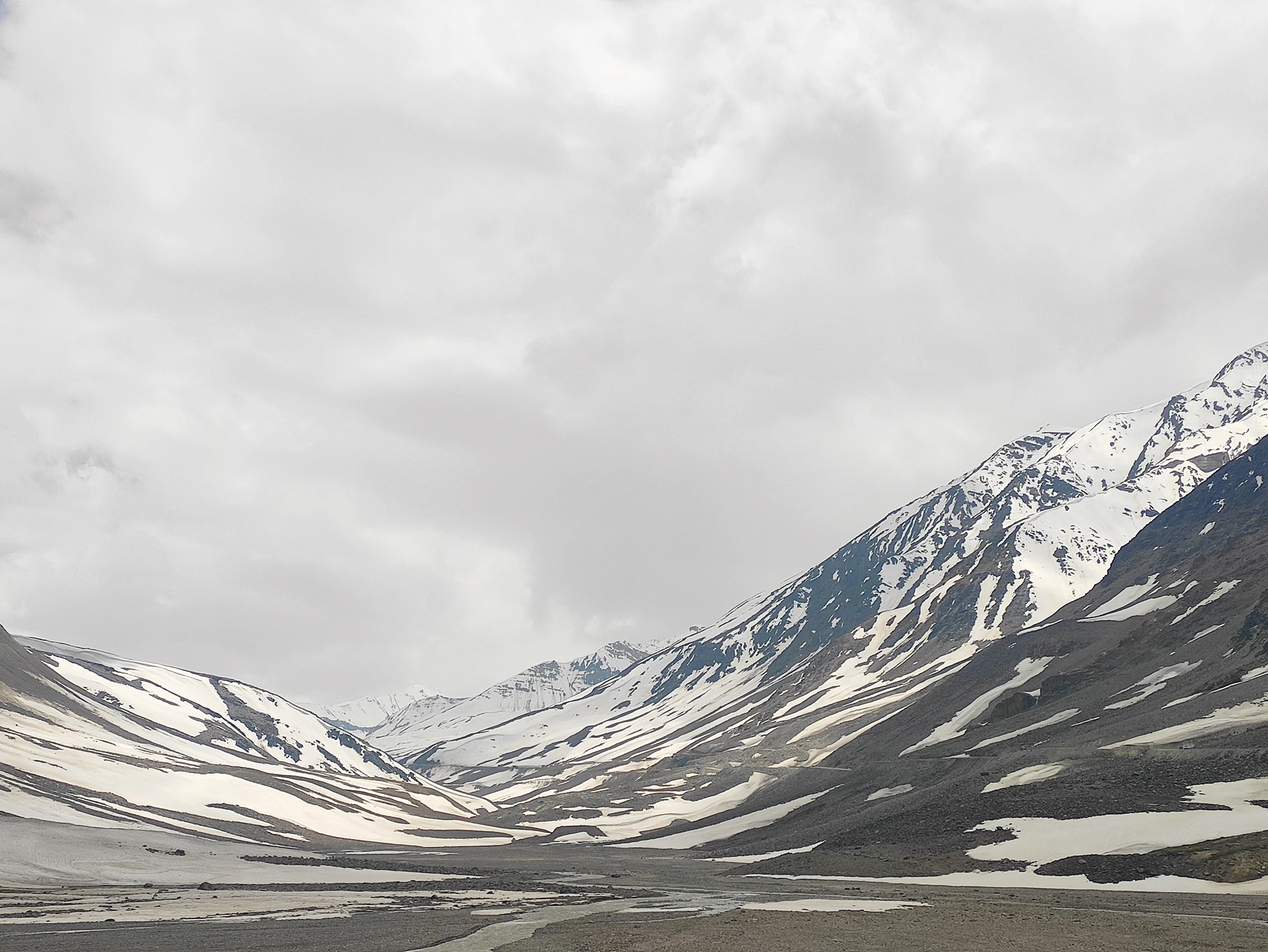
Weather changes rapidly in the Himalayas.
Even during stable periods, climbers should be prepared for:
- Bright sunshine
- Freezing mornings
- Strong summit winds
- Afternoon cloud build-up
- Sudden snowfall
- Large temperature variations
Typical temperatures include:
Bharatpur
- Day: 8°C to 15°C
- Night: -2°C to -8°C
Summit Camp
- Day: -2°C to 6°C
- Night: -8°C to -15°C
Yunam Peak Summit
Early Morning: -10°C to -18°C
Wind chill can make temperatures feel significantly colder, making proper clothing essential throughout the expedition.
Yunam Peak Expedition Difficulty
One of the most common questions we receive is:
“How difficult is the Yunam Peak Expedition?”
The answer is straightforward:
Technically, Yunam Peak is one of India’s easier expedition peaks. Physically, however, it remains a demanding high-altitude challenge.
Unlike highly technical Himalayan mountains requiring advanced climbing experience, Yunam Peak is often described as a beginner-friendly expedition because the route generally involves straightforward snow slopes and rocky terrain under normal conditions.
However, its altitude of 6,111 metres means that participants must still contend with thin air, extreme weather, and long climbing days.
What Makes Yunam Peak Challenging?
Extreme Altitude
The greatest challenge is operating above 6,000 metres.
At these elevations:
- Oxygen levels are approximately 45–50% lower than at sea level.
- Recovery takes longer.
- Physical performance naturally decreases.
- Every movement requires more energy.
Proper pacing becomes essential.
Long Summit Day
Summit day generally involves:
- 10–14 hours of climbing
- Continuous movement
- Cold temperatures
- High winds
- Significant altitude gain
Mental resilience is often just as important as physical strength.
Loose Terrain
The route includes:
- Scree
- Rocky slopes
- Snowfields
- High-altitude desert terrain
Maintaining careful foot placement is essential, especially during the descent.
Weather
Mountain weather can change rapidly.
Conditions may shift from bright sunshine to snowfall within a few hours.
Expedition leaders constantly monitor forecasts before deciding whether to proceed with summit attempts.
Is Yunam Peak Beginner Friendly?
The answer is yes—but with realistic expectations.
Yunam Peak is suitable for:
- Experienced trekkers
- Good endurance athletes
- Individuals who have completed multi-day Himalayan treks
- Climbers looking for their first 6,000-metre summit
It is not recommended for:
- People with no trekking experience
- Those who are unprepared physically
- Individuals with untreated cardiac or respiratory conditions
The expedition is designed to introduce climbers to high-altitude mountaineering while remaining achievable through structured preparation and proper guidance.
Acclimatization Strategy
One of the reasons Terranova Expeditions achieves consistently strong summit success is its emphasis on acclimatization.
Rather than rushing to the summit, every itinerary is planned to allow the body to adapt gradually.
Key acclimatization practices include:
- Spending a night in Jispa before ascending higher.
- Hydrating with 3–4 litres of water daily.
- Participating in acclimatization hikes.
- Monitoring oxygen saturation levels.
- Following the “climb high, sleep low” principle where appropriate.
- Avoiding alcohol and smoking throughout the expedition.
This approach significantly reduces the risk of altitude-related illness and improves overall expedition performance.
Who Should Attempt the Yunam Peak Expedition?
The Yunam Peak Expedition 2026 is ideal for those who:
- Have completed challenging Himalayan treks such as Hampta Pass, Buran Ghati, Rupin Pass, or Friendship Peak.
- Want to transition from trekking to mountaineering.
- Are physically fit and willing to train before the expedition.
- Wish to gain experience above 6,000 metres before attempting more technical peaks like Black Peak, Kang Yatse I, Mt. Kun, or Mt. Nun.
For aspiring mountaineers, Yunam Peak provides the perfect introduction to expedition climbing in a controlled and professionally guided environment.
If you also wanted to do adventures activities then join us at Terranova Adventure .