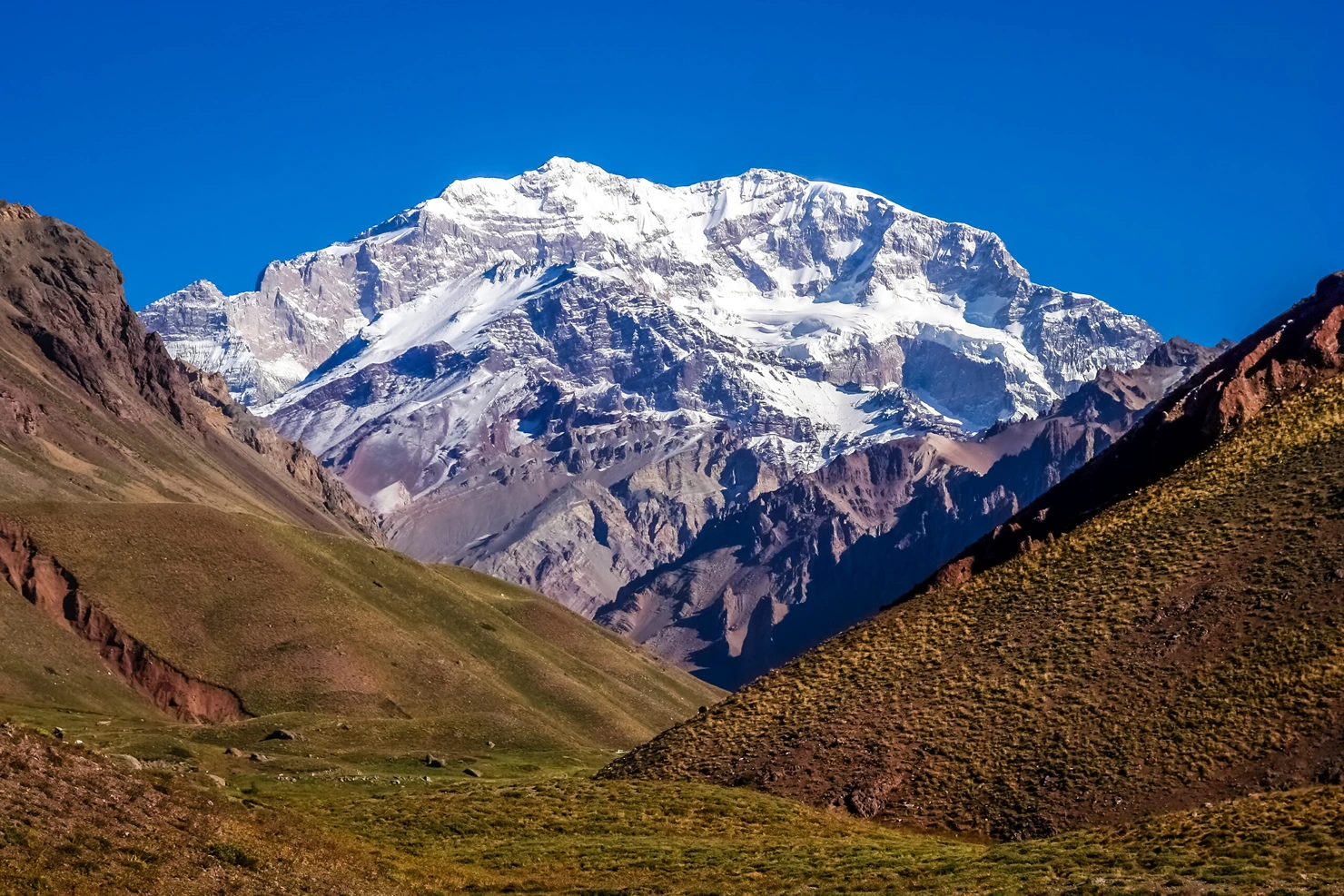
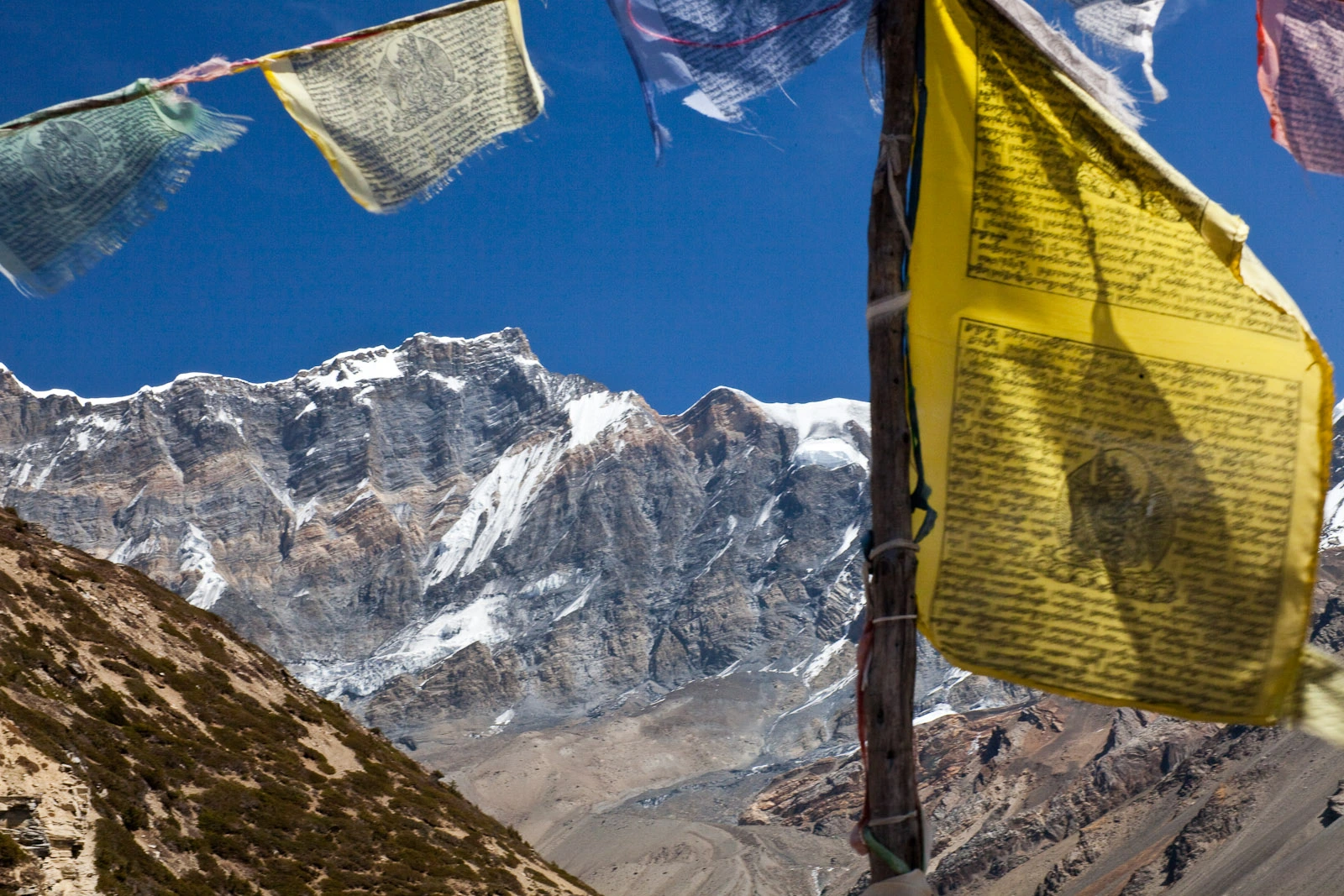
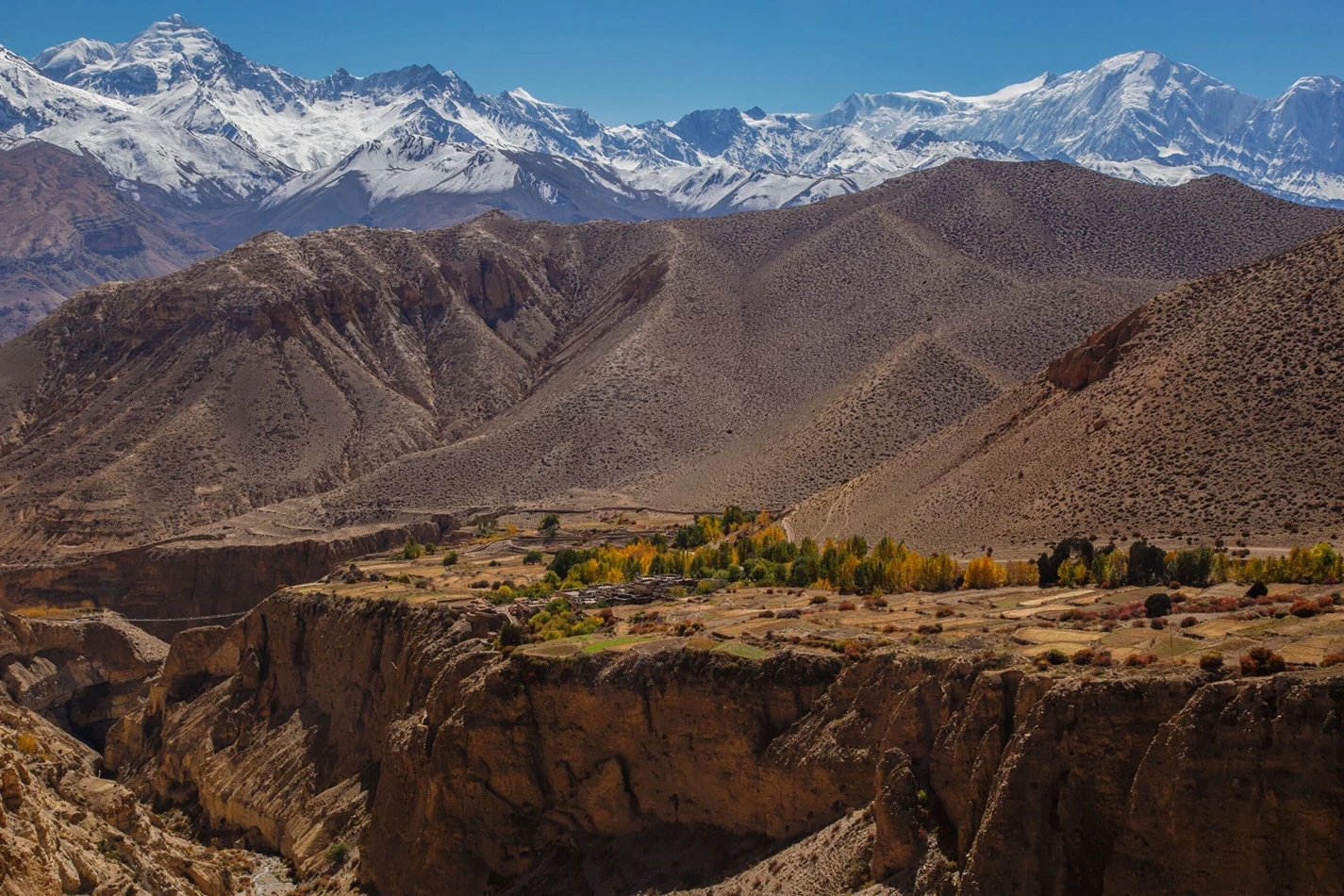
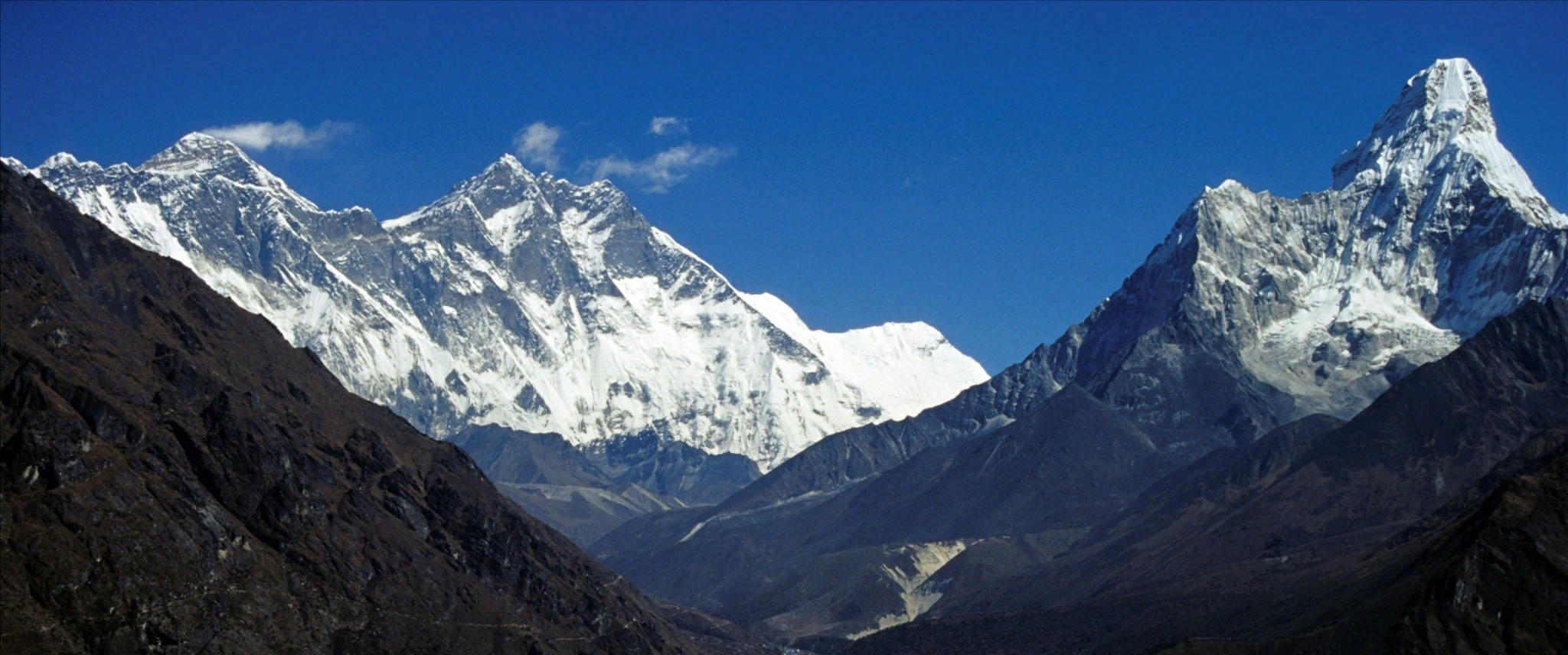
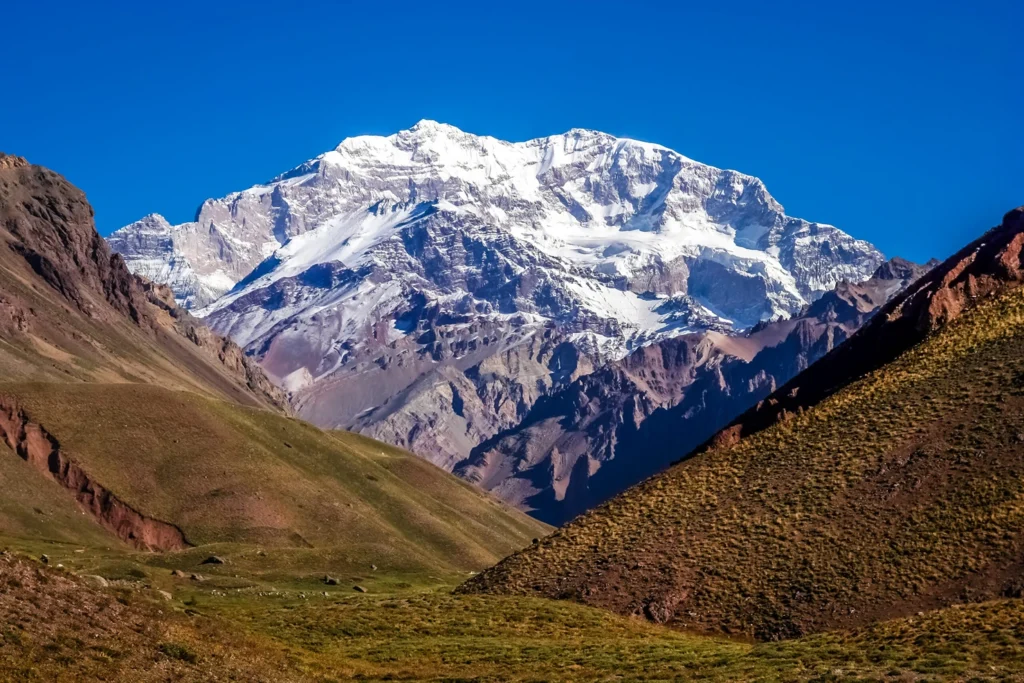
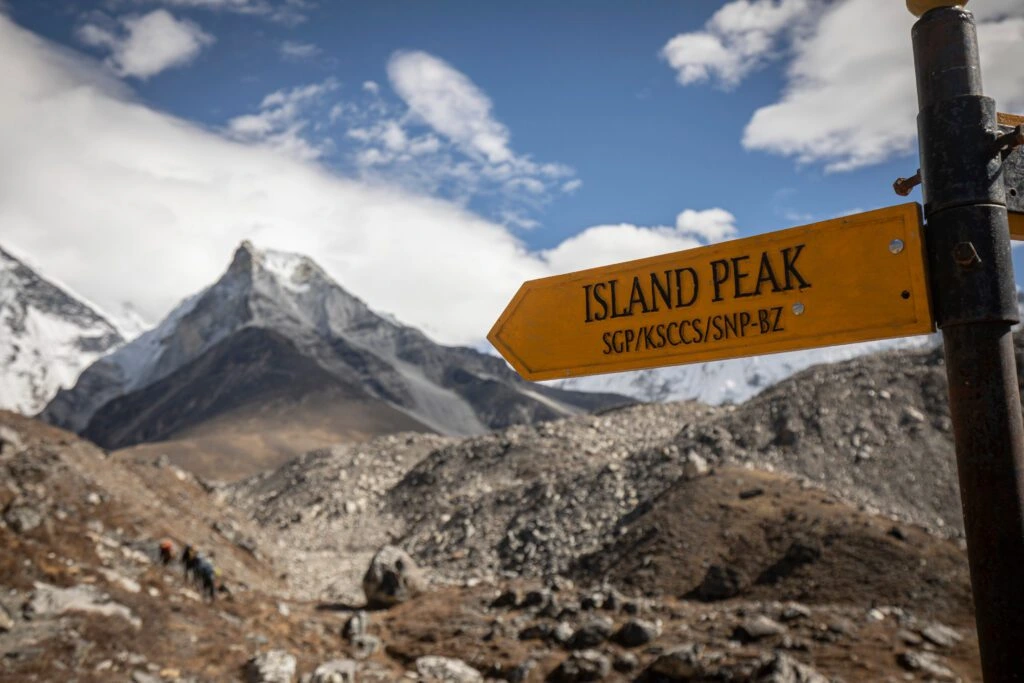
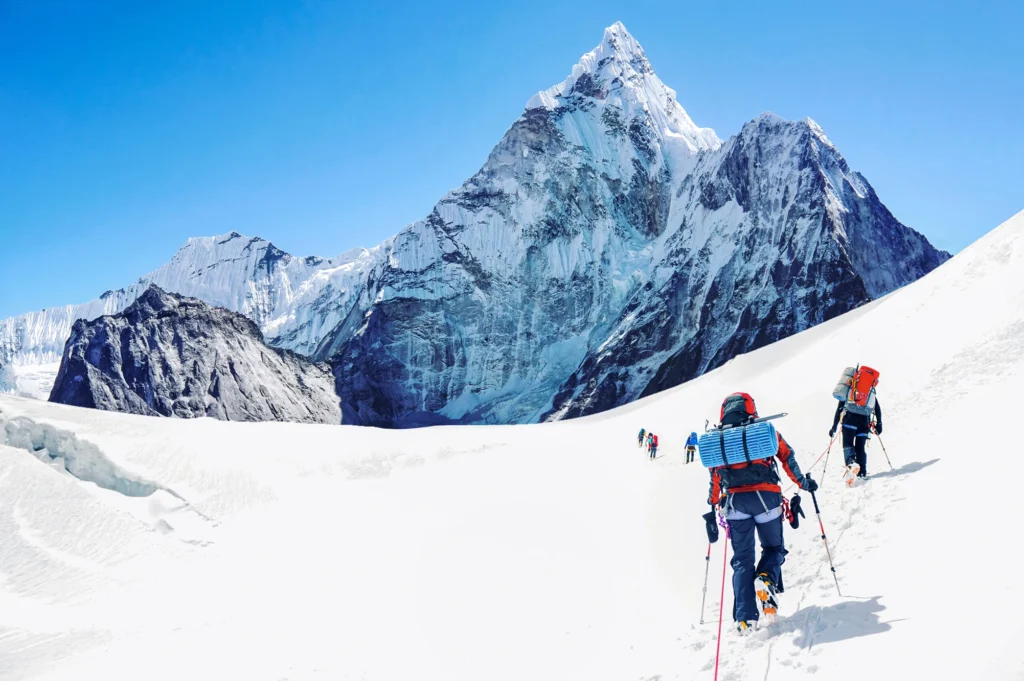
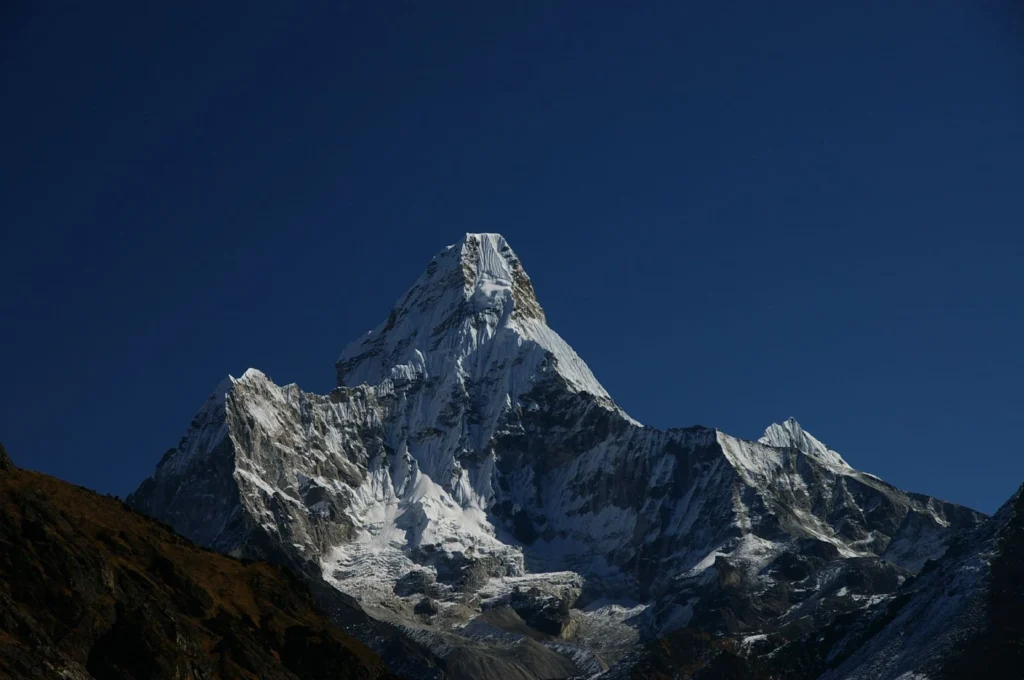
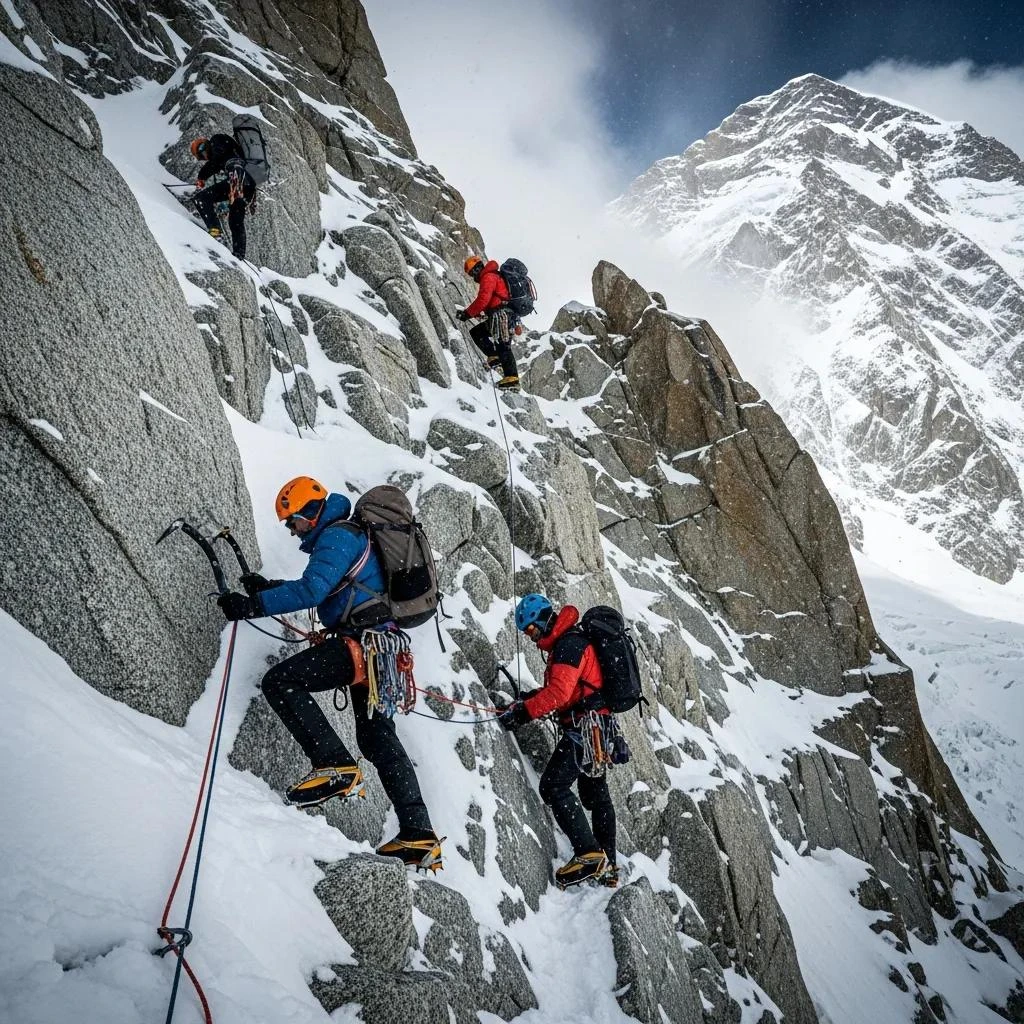
After completing acclimatization at Base Camp, the expedition enters its most demanding and exciting phase—the ascent of Himlung Himal (7,126 m).
Unlike trekking itineraries with fixed daily destinations, Himalayan expeditions require flexibility. Weather conditions, snow stability, route preparation, climber health, and acclimatization determine the exact movement between camps. For this reason, the brochure allocates Days 11 to 23 as the official summit window.
During this period, climbers gradually establish higher camps, complete acclimatization rotations, carry equipment, and wait patiently for the safest summit opportunity.
Professional Climbing Sherpas work continuously to prepare the route, fix ropes where necessary, establish camps, transport expedition equipment, and monitor mountain conditions.
Base Camp (4,850 m)
Himlung Himal Base Camp serves as the operational headquarters for the entire expedition.
Located on the southern side of the Pangri Glacier, Base Camp provides an ideal location for acclimatization, weather monitoring, equipment preparation, and recovery between climbing rotations.
Facilities at Base Camp include:
- Individual sleeping tents
- Dining tent
- Kitchen tent
- Communication tent
- Medical support
- Solar power system
- Expedition logistics
- Equipment storage
- Charging facilities
Each climber receives a private expedition tent, providing additional comfort during the extended stay at Base Camp.
Daily life at Base Camp typically includes:
- Weather briefings
- Health monitoring
- Equipment inspection
- Climbing strategy meetings
- Glacier observation
- Communication with higher camps
- Physical recovery
- Nutrition and hydration
A traditional Puja Ceremony is normally performed before climbing begins, seeking blessings for a safe and successful expedition according to Himalayan mountaineering tradition.
Rotation 1 – Base Camp to Camp 1
Camp 1 Altitude: 5,550 m
The first climbing rotation begins with the ascent from Base Camp to Camp 1.
According to the brochure, the route crosses the Pangri moraine before climbing a rocky gully toward a ridge located near a small alpine lake.
This section introduces climbers to higher-altitude movement while carrying technical equipment and adapting to glacier terrain.
The climb generally requires around 6 hours under normal conditions.
After spending time at Camp 1, climbers usually descend to Base Camp for recovery, allowing the body to adapt naturally before the next rotation.
Camp 1 (5,550 m)
Camp 1 is established on stable terrain above the Pangri Glacier.
The camp offers spectacular views across surrounding glaciers and Himalayan peaks while serving as the first major acclimatization camp of the expedition.
Activities at Camp 1 include:
- Hydration
- Rest
- Health monitoring
- Equipment inspection
- Rope familiarization
- Glacier observation
The expedition leader continuously evaluates every climber before approving further ascent.
Rotation 2 – Camp 1 to Camp 2
Camp 2 Altitude: 6,250 m
The route from Camp 1 to Camp 2 becomes noticeably more technical.
According to the brochure, the climb proceeds northeast across rocky terrain with occasional rock steps and fixed lines before gaining a rock rib that avoids heavily crevassed glacier sections.
Eventually, climbers descend onto the glacier before continuing toward Camp 2.
The complete journey generally requires approximately 6 hours.
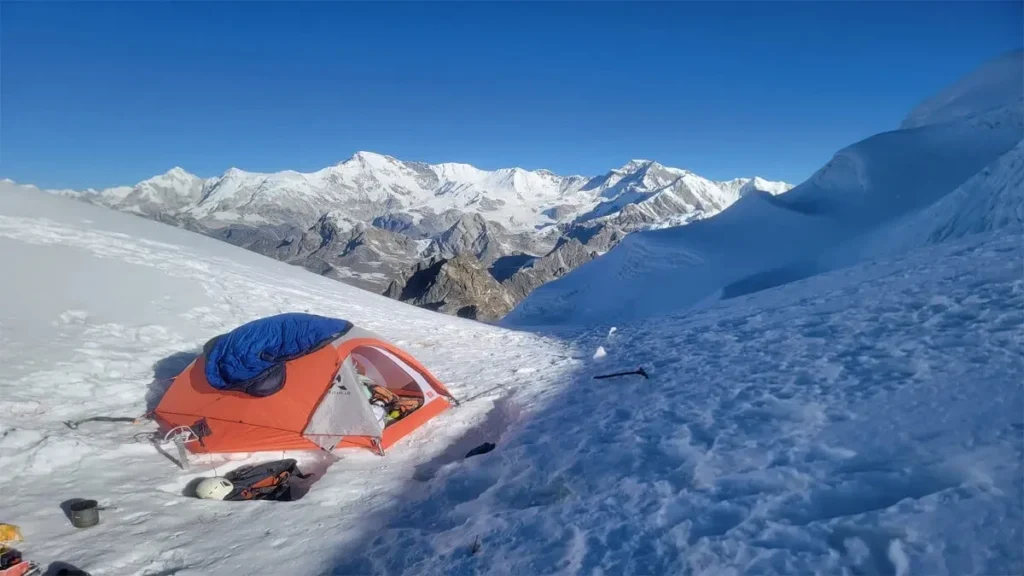
Camp 2 (6,250 m)
Camp 2 represents a significant step into the high-altitude environment.
Here, oxygen levels are dramatically reduced, temperatures become considerably colder, and physical recovery slows substantially.
The expedition team closely monitors:
- Hydration
- Appetite
- Oxygen saturation
- Sleep quality
- Heart rate
- Signs of Acute Mountain Sickness (AMS)
Only climbers responding well to altitude continue toward the summit attempt.
Higher Camp Strategy
The expedition overview notes that three or four camps above Base Camp may be established depending on mountain conditions.
Because the detailed itinerary only specifies Camp 1 and Camp 2, the exact location of any additional high camp is determined during the expedition by the expedition leader based on:
- Snow conditions
- Glacier safety
- Weather forecasts
- Team progress
- Route preparation
- Sherpa recommendations
Terranova Expedition follows a flexible climbing strategy rather than forcing climbers to follow a rigid schedule regardless of mountain conditions.
Summit Push (7,126 m)
Once favorable weather conditions are confirmed, the expedition begins its summit attempt.
The climb starts well before sunrise, allowing climbers to take advantage of firmer snow conditions and calmer morning weather.
According to the brochure, the summit route initially follows the western side of the glacier before ascending an east-west ridge toward the summit face.
A crevassed section located around 6,358 metres is crossed before the final summit slopes.
The total climbing time from Camp 2 to the summit is approximately 8 hours, depending on weather and individual pace.
As climbers approach the summit ridge, breathtaking views unfold across the Manaslu region, the Annapurna Himalayas, and the Tibetan Plateau.
Standing on the summit of Himlung Himal (7,126 m) is the reward for weeks of preparation, teamwork, acclimatization, and perseverance.
After spending a short time on the summit for photographs and celebration, the team begins the careful descent toward the lower camps.
As with every Himalayan expedition, reaching the summit is only half the journey. Safe descent remains the highest priority.
Safety During the Climbing Phase
Throughout the expedition, climbers are supported by:
- Professional Expedition Leader
- Experienced Climbing Sherpas
- Liaison Officer
- Base Camp Management Team
- Kitchen Crew
- Porters and Yaks
- Communication Staff
The brochure also confirms the availability of:
- Hyperbaric Chamber (PAC)
- Emergency Oxygen
- Satellite Telephone
- Radio Communication
- Solar Power Supply
- High Altitude Food Supplies
These facilities significantly enhance expedition safety during extended stays at Base Camp and higher camps.