MERA PEAK EXPEDITION

Days: 22 Days
Altitude: 6476
Distance: 140
Grade: Difficult
Pick Up: Kathmandu, Nepal
Drop: Kathmandu, Nepal
Base Camp: Khare (4,850 M)
Season: Autumn (Sep–Oct)
Stay: Hotel, Tea Houses & High Altitude Camping

MERA PEAK EXPEDITION (6476 M)

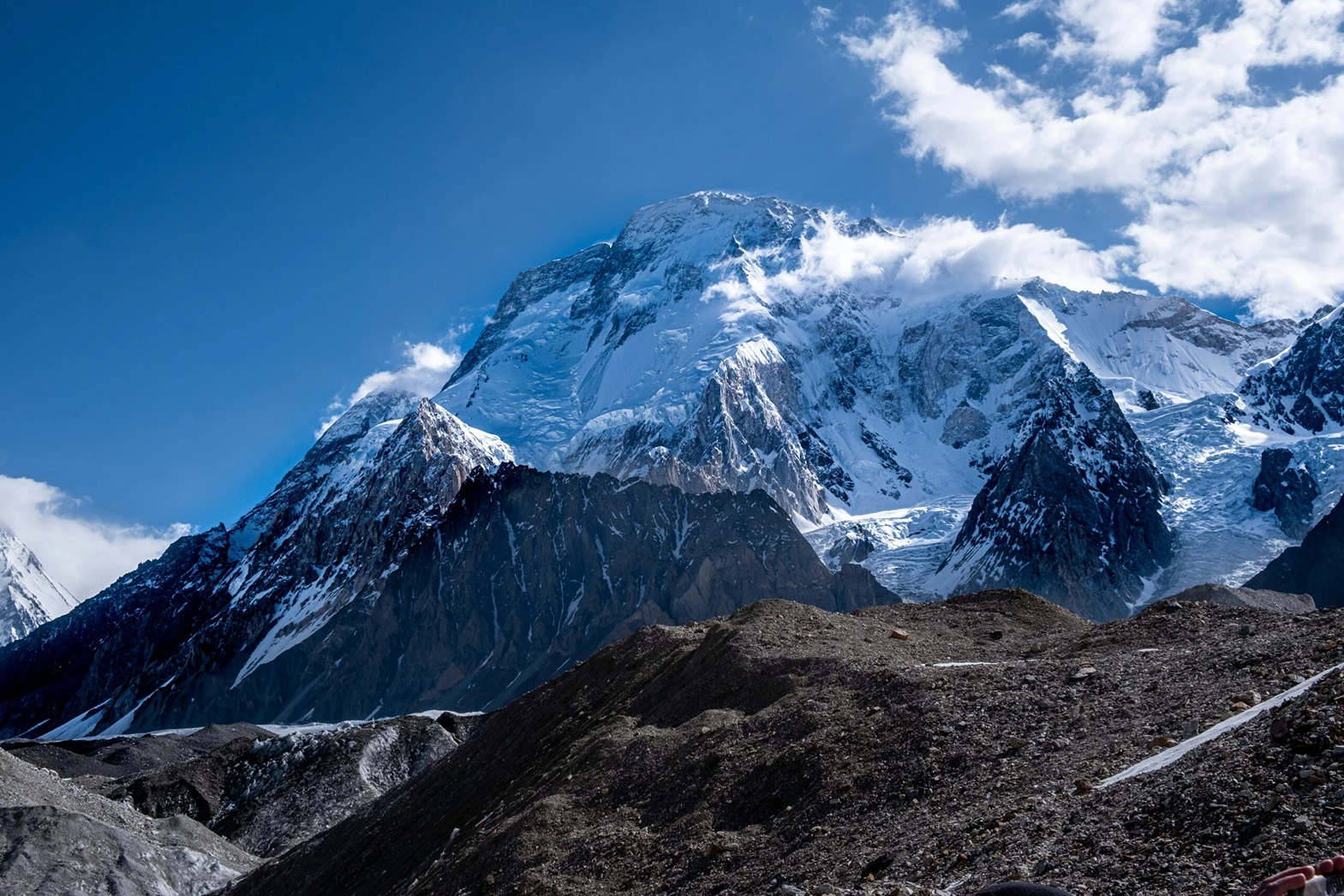
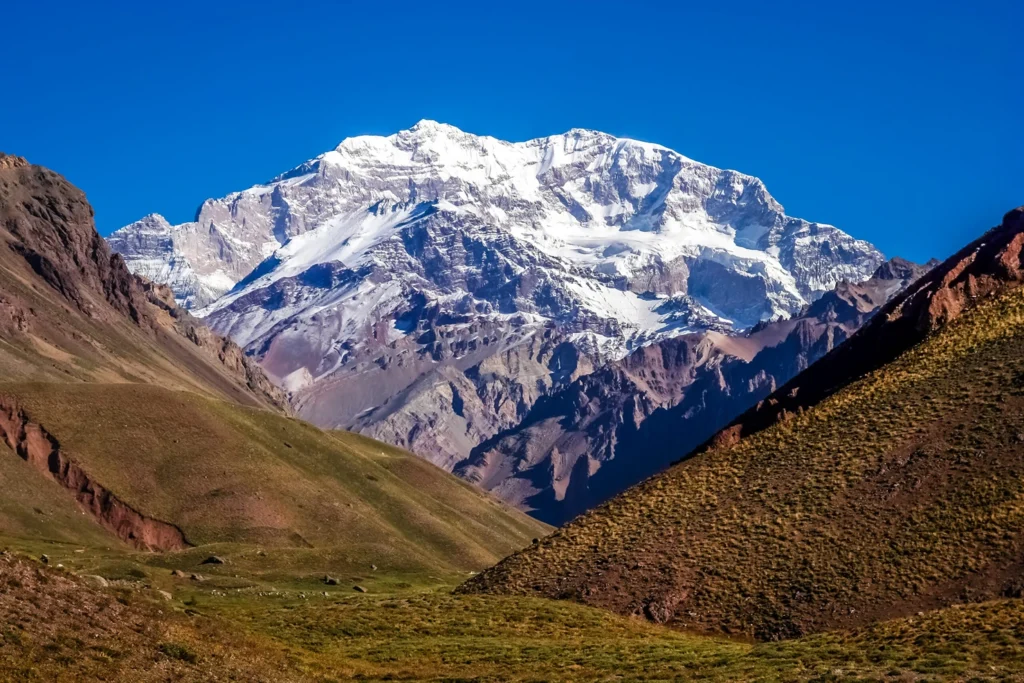
Standing proudly at 6,476 meters, Mera Peak is the highest officially recognized trekking peak in Nepal and one of the finest objectives for climbers aspiring to enter the world of serious Himalayan mountaineering. Although it is often described as a trekking peak, this should not be misunderstood as an easy climb. The expedition involves nearly three weeks of continuous travel, extensive altitude gain, glacier crossings, high-altitude camping, and a physically demanding summit day. Success depends far more on preparation, acclimatization, and endurance than on technical climbing ability.

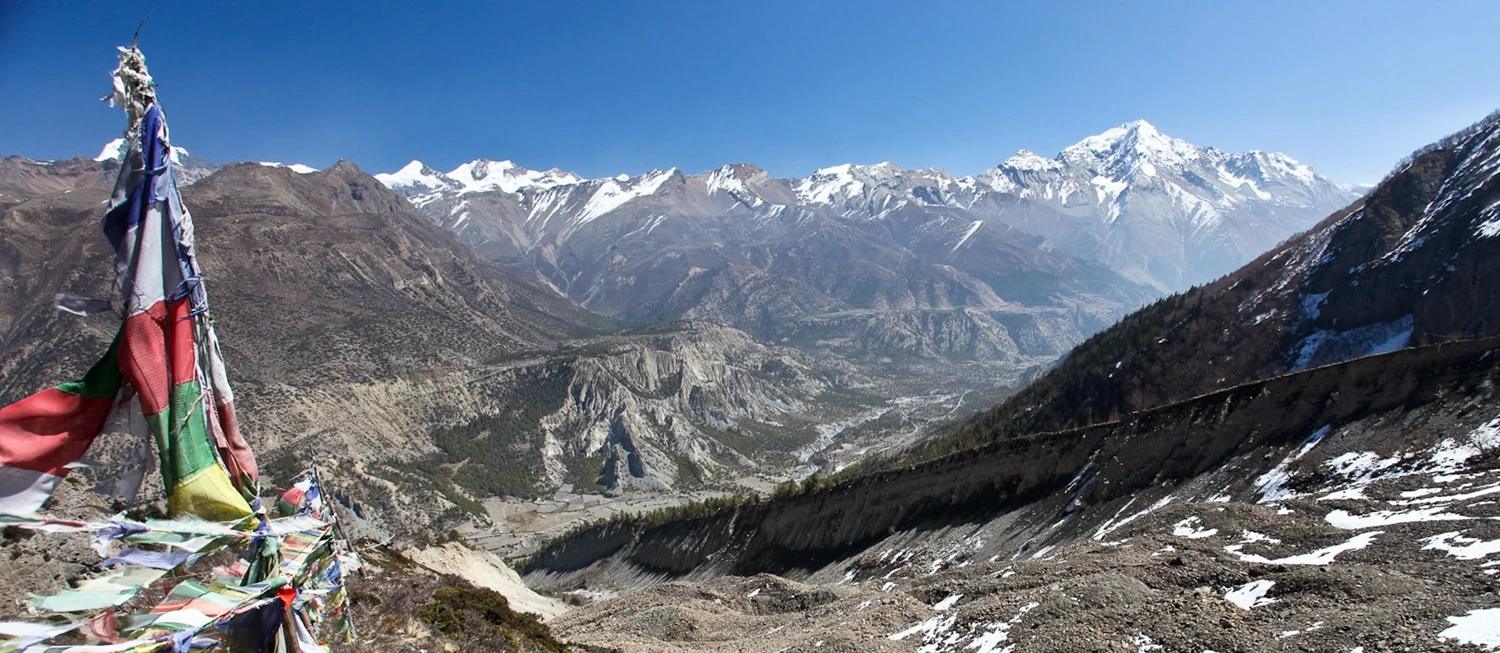
Located in the remote Hinku Valley within Nepal’s Everest region, Mera Peak offers a remarkably wild and less-crowded alternative to the classic Everest Base Camp route. Instead of following busy trekking trails, climbers journey through isolated forests, alpine meadows, glacial valleys, and traditional Sherpa settlements before reaching the mountain’s expansive glacier system. The approach itself is a major highlight, providing a true expedition atmosphere long before the summit attempt begins.

The itinerary has been carefully designed around one of the most important principles of Himalayan mountaineering: gradual acclimatization. According to the expedition brochure, inadequate acclimatization and insufficient fitness were among the main reasons why summit success rates dropped significantly in recent seasons. The expedition therefore incorporates dedicated preparation days at Khote and Khare, ensuring that trekkers have sufficient time to adapt to the increasing altitude before moving higher.

Beginning in Kathmandu, the journey starts with a spectacular mountain flight to Lukla, often considered one of the world’s most dramatic airports. From there, trekkers leave behind the busy Everest trails and enter the peaceful Hinku Valley. Dense rhododendron forests, suspension bridges, pristine rivers, yak pastures, and traditional mountain villages create a constantly changing landscape as the expedition gradually climbs toward the glaciers of Mera Peak.

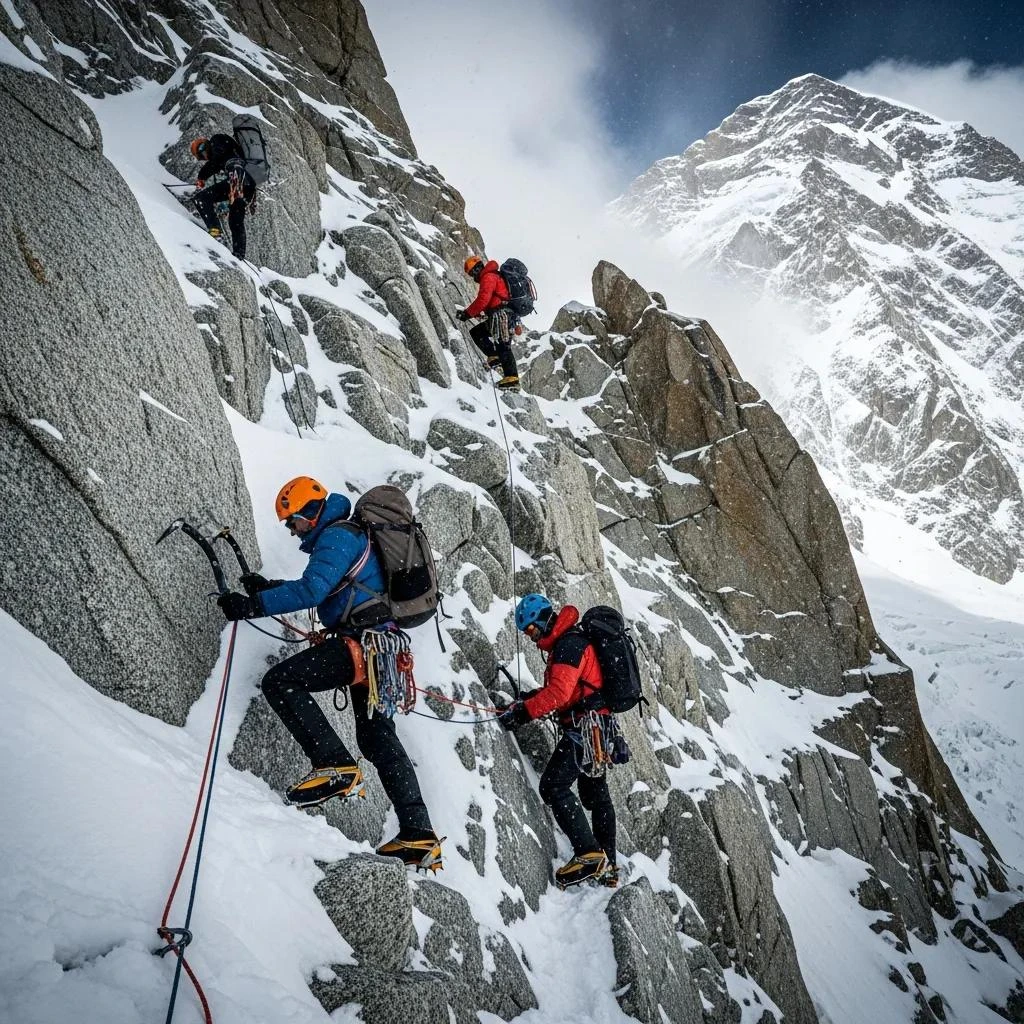
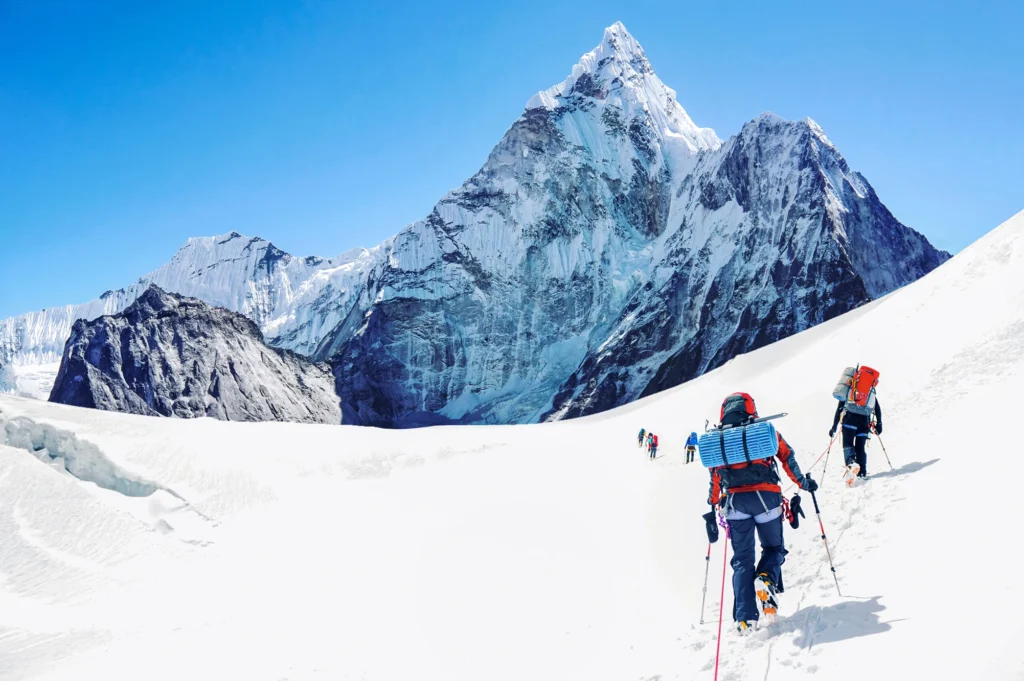
One of the defining features of the Mera Peak Expedition is its balance between trekking and mountaineering. The majority of the approach involves well-established mountain trails and tea-house accommodation, allowing trekkers to enjoy the culture and hospitality of rural Nepal. As the expedition progresses beyond Khare, however, the environment changes dramatically. Snowfields replace hiking trails, temperatures fall sharply, and technical equipment becomes essential. Climbers begin using crampons, harnesses, ice axes, and ropes while moving across glaciers and ascending toward High Camp.

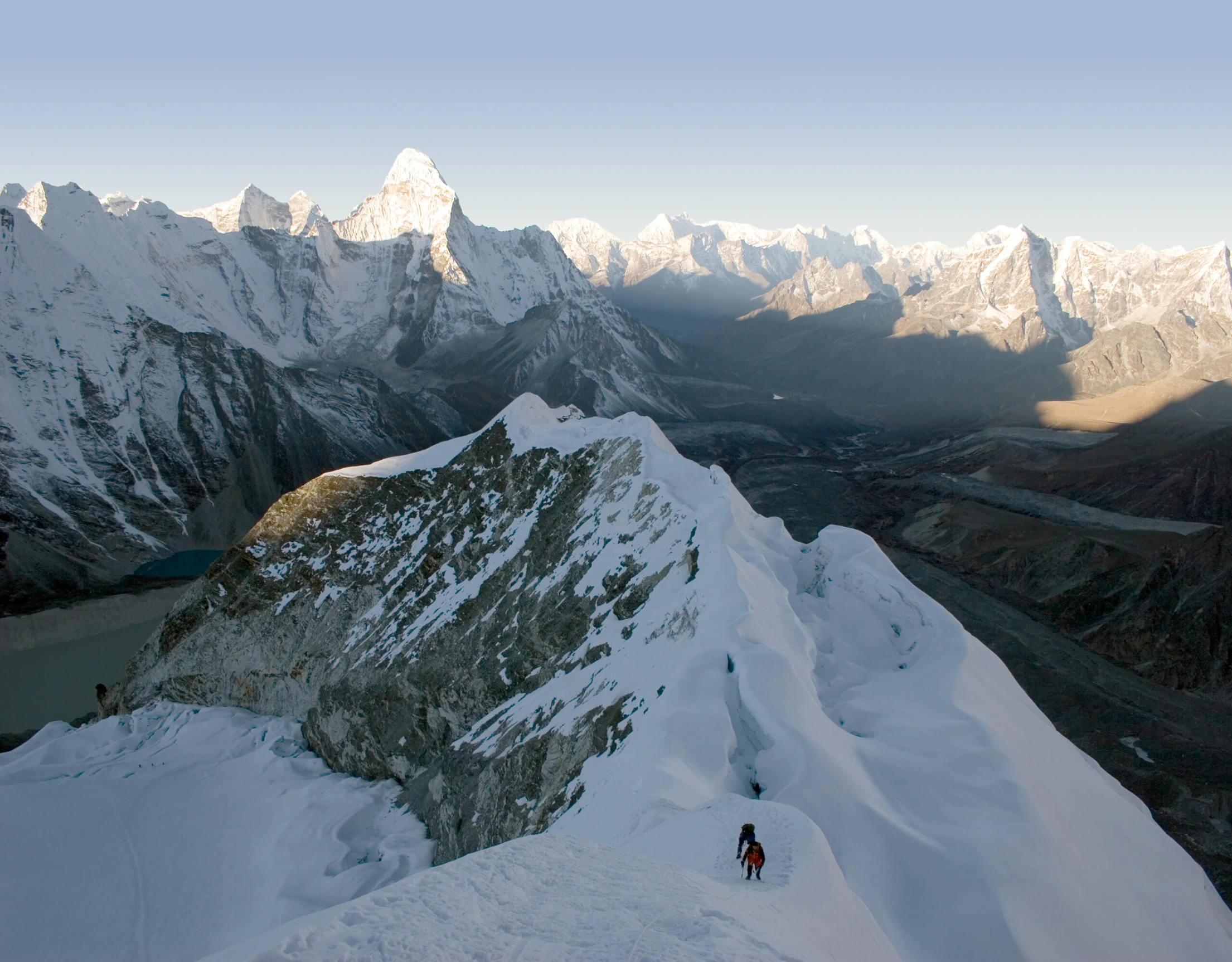
Summit day is an unforgettable experience. Long before sunrise, climbers leave High Camp under a sky filled with stars and begin ascending the broad glacier toward the summit. The final slopes require steady pacing, careful rope travel, and efficient energy management. While the climbing is not highly technical under normal conditions, the altitude of nearly 6,500 meters makes every step physically demanding.

Reaching the summit rewards trekkers with one of the greatest panoramic views anywhere in the Himalayas. On a clear day, the skyline includes Mount Everest (8,848.86 M), Lhotse, Makalu, Cho Oyu, and Kanchenjunga—five of the world’s highest mountains visible from a single summit. Few trekking peaks anywhere on Earth provide such an extraordinary panorama. This spectacular viewpoint is one of the main reasons why Mera Peak remains one of Nepal’s most sought-after mountaineering objectives.

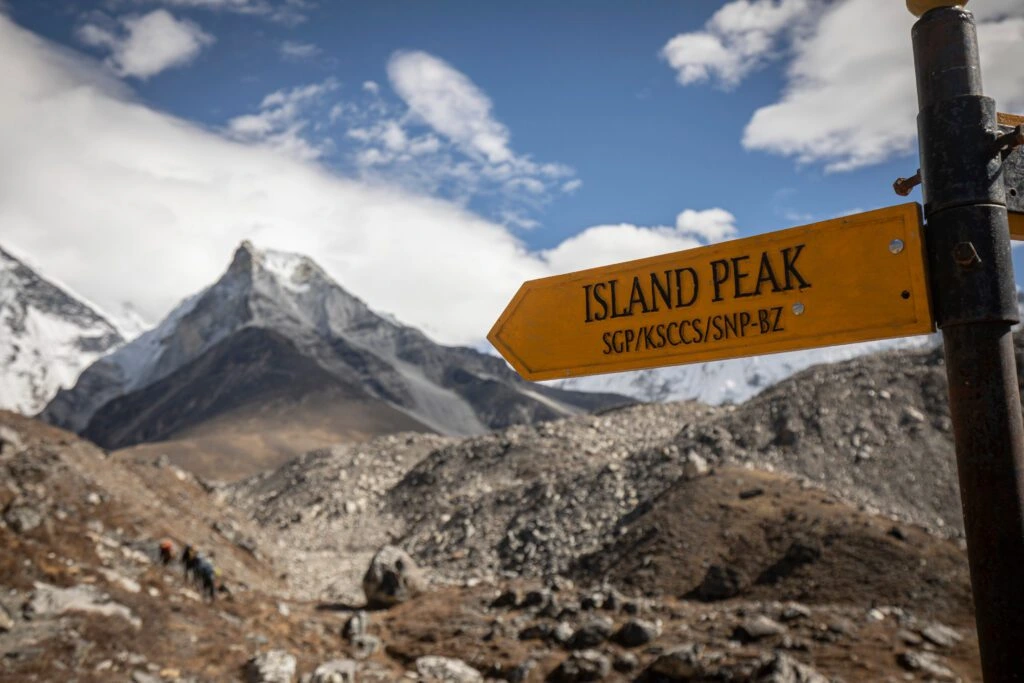
The Mera Peak Expedition is widely recommended as preparation for more challenging climbs such as Island Peak, Lobuche East, Ama Dablam, and eventually the 7000–8000 meter peaks of Nepal and Tibet. It develops high-altitude endurance, glacier travel experience, rope movement skills, and expedition discipline—all essential qualities for future Himalayan climbing.

At Terranova Expedition, we believe that a successful ascent is not measured only by reaching the summit. It is built upon careful preparation, disciplined acclimatization, experienced leadership, responsible decision-making, and respect for the mountain environment. Our professionally managed Mera Peak Expedition provides trekkers with the guidance, logistics, and support required to maximize both safety and summit success.

HIGHLIGHTS OF THE MERA PEAK EXPEDITION

  • Summit Nepal’s highest trekking peak (6476 M)
  • Trek through the spectacular and remote Hinku Valley
  • Scenic mountain flight between Kathmandu and Lukla
  • Extensive acclimatization schedule designed for higher summit success
  • Experience traditional Sherpa villages and tea-house trekking
  • Glacier travel using crampons, harnesses, and ice axe
  • Overnight stay at Mera High Camp (5750 M)
  • Breathtaking summit panorama including Everest, Lhotse, Makalu, Cho Oyu and Kanchenjunga
  • Ideal preparation for Island Peak, Lobuche East and future 7000M expeditions
  • Professionally guided by experienced Himalayan mountaineers

Itinerary

Day 1

Arrival in Kathmandu (1320 M)

Day 2

Preparation Day in Kathmandu

Day 3

Fly to Lukla (2860 M) & Trek to Poyan (2650 M)

Day 4

Trek from Poyan to Pangkongma (2846 M)

Day 5

Pangkongma to Nashing Dingma (2600 M)

Day 6

Nashing Dingma to Chalem Kharka (3600 M)

Day 7

Chalem Kharka to Chunbu Kharka (4300 M)

Day 8

Chunbu Kharka to Khote (4200 M)

Day 9

Acclimatization Day at Khote (4200 M)

Day 10

Khote to Thagnak (4320 M)

Day 11

Thagnak to Khare (4850 M)

Day 12

Acclimatization & Mountaineering Training at Khare

Day 13

Khare to Mera La (5300 M)

Day 14

Mera La to High Camp (5750 M)

Day 15

Summit Mera Peak (6476 M) & Descend to Khare (4850 M)

Day 16

Khare to Thagnak (4320 M)

Day 17

Thagnak to Khote (4200 M)

Day 18

Khote to Tuli Kharka (4300 M)

Day 19

Tuli Kharka to Lukla (2850 M)

Day 20

Fly Lukla to Kathmandu

Day 21

Contingency Day in Kathmandu

Day 22

Departure from Nepal

Inclusions & Exclusions

What’s included

  • All ground transfers by private vehicle as mentioned in the itinerary. 
  • Twin-sharing hotel accommodation in Kathmandu, including breakfast and applicable taxes. 
  • Round-trip domestic airfare between Kathmandu and Lukla
  • Complete trekking arrangements for the Mera Peak Expedition. 
  • Services of an English-speaking trekking guide, including the guide’s daily wages, accommodation, meals, and insurance. 
  • Services of a professional climbing Sherpa, including the Sherpa’s daily wages, accommodation, meals, and insurance. 
  • Necessary porters for carrying expedition loads, including their wages, accommodation, meals, and insurance. 
  • Tea-house accommodation during the trekking section of the expedition. 
  • Breakfast, lunch, and dinner during the trek. 
  • Tea, coffee, and hot drinking water during the trekking period. 
  • Complete camping arrangements for the high-altitude section. 
  • High-quality expedition camping equipment, including: 
    • Two-person tents 
    • Kitchen tent 
    • Dining tent 
    • Toilet tent 
    • Tables and chairs 
    • Mattresses 
    • Pillows 
    • Inner sheets 
    • Other necessary camping equipment 
  • Three freshly prepared meals per day during the camping section. 
  • Professional expedition kitchen crew during camping days. 
  • National Park permit fee. 
  • Peak-climbing permit fee. 
  • First-aid medical kit carried by the expedition guide. 
  • Satellite phone support for emergency communication. 

Complimentary

  • Welcome dinner with a live cultural programme in Kathmandu. 
  • Duffle bag for use during the trek. 

What’s not included

  • International and domestic airport taxes, wherever applicable. 
  • Personal expenses such as: 
    • Bottled drinks 
    • Mineral water 
    • Laundry 
    • Telephone or internet charges 
    • Personal shopping 
    • Other personal expenses 
  • Lunch and dinner while staying in Kathmandu. Only breakfast is included with the hotel accommodation. 
  • Personal climbing equipment. 
  • Rescue and emergency evacuation expenses. 
  • Personal medical insurance. 
  • Travel insurance. 
  • Tips and gratuities for guides, Sherpas, porters, drivers, and support staff. 
  • Additional hotel, transportation, meals, or logistical expenses caused by unforeseen circumstances such as: 
    • Earthquakes 
    • Landslides 
    • Flight delays 
    • Bad weather 
    • Early completion of the expedition 
    • Extension of the trek 
    • Route changes 
  • Any service not specifically mentioned under the inclusions.

Refund & Cancellation

Quick Cancellation Fee Schedule
The following applies to standard group departures. Custom/private departures may have different rules stated on the invoice.
Days before trip start Refund Cancellation fee
30–15 days 85% of the advance amount / expedition cost 15% (admin & blocking cost)
15–7 days 40% of the advance amount / expedition cost 60%
7–0 days 0% 100%

Note: Once issued, permits, insurance, and third-party reservations are usually non-refundable. Such costs are excluded from refunds above.

If You Cancel
  • Advance/booking amount is non-refundable; reschedule credit may be offered if requested ≥ 7 days before departure.
  • Government permits, insurance, accommodation and transport already paid to vendors are non-refundable.
  • Force majeure (weather, landslides, strikes, roadblocks, government orders): trip may be postponed; paid amounts remain non-refundable; credit/reschedule may be offered where possible.
  • Unused services, early return or partial participation do not qualify for refunds.
  • Refunds are processed to the original payment method; allow 7–10 business days.
  • Name change/transfer possible until permits are issued; afterward, standard cancellation terms apply.

Things to Carry

Footwear

  • Waterproof Trekking Shoes [1 pair] Floaters / Slippers [1 pair] Socks [4-5 pair]

Clothing Layers

  • Quick dry T Shirts [3-4] Quick Dry Trek Pants [2] Windproof Pants for Sumit [1] Down Jacket [1] Thermal [1 set] Fleece [1] Windproof Jacket [1]

Rain Protection

  • Lightweight Rain Poncho Rain Jacket

Sun Protection

  • Sun Goggles UV Protected Sun Cap or Head Buff

Hydration

  • Water Bottle / Hydrapack [1L] Thermos Bottle [1L]

Snacks & Energy

  • Energy Bar Trail Mix Dry Fruits

Personal Medicines

  • Prescribed Medicines [If any] ORS

Headlamp & Batteries

  • Head Torch Spare Batteries Power bank Camera [If needed]

Warm Accessories

  • Woollen / Fleece gloves [1 pair] Waterproof Gloves [1 pair] Woollen / Fleece Beanie Neck Protector

Toiletries & Hygiene

  • Toiletery Kit [1 set] Quick Dry Towel [1] Toilet Paper Wet Wipes

Documents & Cash

  • Govt. ID Proof Emergency Cash Emergency Contact Number

Backpack & Daypack

  • 50-60L Rucksack [1] 20-30L Backpack [1]

How to Reach

By Air

International trekkers should fly into Tribhuvan International Airport (Kathmandu, Nepal).

The expedition officially begins in Kathmandu.

Domestic Flight

From Kathmandu, a domestic mountain flight connects trekkers to Lukla Airport, the starting point of the expedition. Flights are weather-dependent and may be rescheduled if conditions are unsuitable. 

Reporting Point

All trekkers should report in Kathmandu on Day 1, allowing sufficient time for expedition briefing, permit formalities, and equipment inspection before departure.

FAQs

Common questions answered

Where is Mera Peak located?

Mera Peak is located in Nepal’s Everest (Khumbu) Region, within the beautiful and remote Hinku Valley. Unlike the busy Everest Base Camp trail, the Hinku Valley offers quieter trekking routes, pristine alpine landscapes, glaciers, and traditional Sherpa settlements before reaching the mountain. 

How high is Mera Peak?

Mera Peak stands at 6,476 meters (21,247 ft) above sea level, making it the highest officially recognized trekking peak in Nepal

Is Mera Peak a trekking peak or a mountaineering expedition?

Mera Peak is officially classified as a trekking peak, but it should not be confused with a normal trekking route.

The approach involves several days of trekking, while the summit requires:

  • Glacier travel 
  • Snow climbing 
  • Rope travel 
  • Crampons 
  • Ice axe 
  • Harness 

making it a true introduction to Himalayan mountaineering.

How difficult is the Mera Peak Expedition?

The expedition is graded as Difficult / Semi-Technical.

Although the climbing itself is not highly technical under normal weather conditions, the altitude, glacier travel, long summit day, and cold weather make it physically demanding.

Can beginners climb Mera Peak?

Mera Peak is not recommended for complete beginners.

Trekkers should already have:

  • Multi-day trekking experience 
  • Good cardiovascular fitness 
  • Experience above 4,000–5,000 meters (preferred) 
  • Basic snow and ice movement knowledge 

The brochure also emphasizes that climbers should be familiar with ice axes, crampons, and fundamental alpine mountaineering skills

Is previous mountaineering experience necessary?

Previous technical mountaineering experience is not mandatory, but basic knowledge of:

  • Rope movement 
  • Ice axe use 
  • Crampon walking 

is strongly recommended.

Why is acclimatization so important on Mera Peak?

According to the expedition brochure, poor acclimatization was one of the primary reasons for unsuccessful summit attempts in recent seasons. The itinerary therefore includes multiple acclimatization days at Khote and Khare to improve adaptation before moving to higher camps. 

What is the best season for the Mera Peak Expedition?

The recommended climbing seasons are:

  • Spring (March–May) 
  • Autumn (September–November) 

These seasons generally offer the most stable weather, good visibility, and favorable climbing conditions. 

How long is the expedition?

The complete expedition lasts 22 days, beginning and ending in Kathmandu. It includes trekking, acclimatization, climbing, contingency time, and return travel. 

Where does the expedition start?

The expedition starts in Kathmandu, followed by a domestic flight to Lukla, which serves as the trekking starting point. 

Why is Lukla famous?

Lukla is known worldwide as the gateway to the Everest region. Its mountain airport provides spectacular Himalayan views and serves as the starting point for numerous Everest and trekking expeditions.

Where is the Base Camp for Mera Peak?

The primary expedition base is Khare (4,850 M), where climbers acclimatize, organize equipment, and receive technical training before moving to Mera La and High Camp. 

What is Mera High Camp?

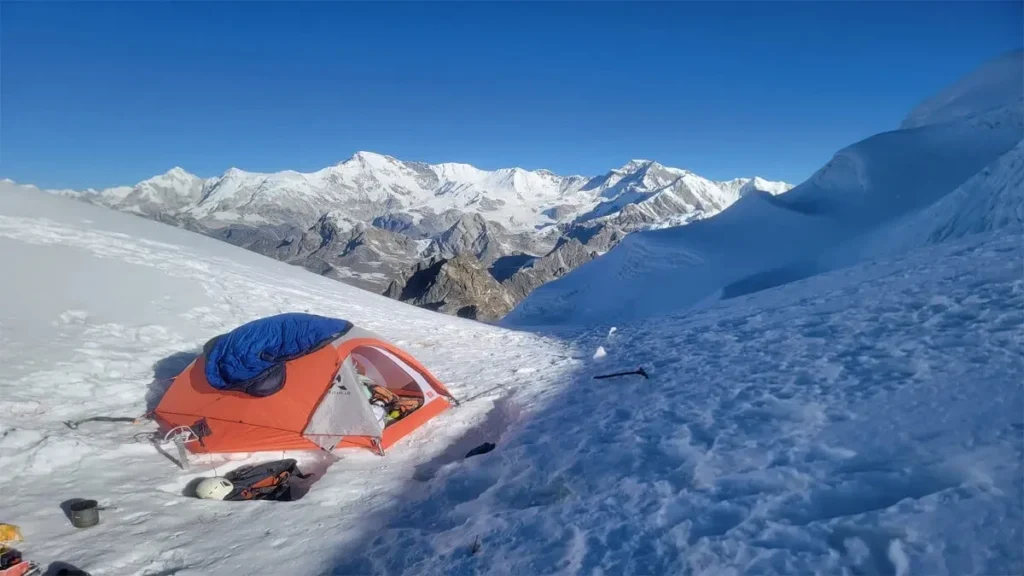
Mera High Camp is established at approximately 5,750 meters and serves as the final overnight camp before the summit push. From here, climbers begin the summit ascent during the early hours of the morning. 

How long is summit day?

Summit day typically lasts 10–12 hours, depending on weather, snow conditions, and the pace of the expedition team.

What equipment is required?

Essential equipment includes:

  • Double-layer mountaineering boots 
  • Crampons 
  • Ice Axe 
  • Harness 
  • Helmet 
  • Ascender 
  • Descender 
  • Locking Carabiners 
  • Down Jacket 
  • Headlamp 
  • Glacier Sunglasses 
  • High-altitude gloves 
  • Trekking poles 

Personal climbing equipment is listed as an exclusion in the brochure and should be arranged separately. 

What accommodation is provided?

Accommodation varies throughout the expedition:

  • Hotel in Kathmandu 
  • Tea Houses during the trekking phase 
  • High-altitude camping at Mera La and High Camp 

This combination allows trekkers to enjoy both local hospitality and a true expedition environment. 

What meals are included?

During the trekking and camping phases, the expedition includes:

  • Breakfast 
  • Lunch 
  • Dinner 
  • Tea / Coffee 
  • Hot drinking water 

Camping meals are prepared by the expedition kitchen crew. 

Are guides and Sherpas included?

Yes.

According to the brochure, the expedition includes:

  • English-speaking trekking guide 
  • Professional Climbing Sherpa 
  • Necessary porters 

Their wages, accommodation, food, and insurance are included. 

Are permits included?

Yes.

The brochure includes:

  • National Park Permit 
  • Peak climbing permit (as listed in the expedition inclusions) 

Trekkers should verify permit requirements at the time of booking, especially if regulations change. 


Is emergency communication available?

Yes.

The expedition carries a Satellite Phone for emergency communication in remote mountain areas. 

Is medical support available?

Yes.

The brochure includes:

  • First Aid Medical Kit 
  • Trained expedition guide 
  • Emergency communication equipment 

Trekkers should still carry personal medicines.

Is rescue included?

No.

The brochure specifically lists rescue and evacuation as an exclusion. Trekkers should arrange suitable personal travel and rescue insurance before joining the expedition. 

Is travel insurance required?

Yes.

Since personal medical insurance and evacuation costs are excluded, comprehensive adventure travel insurance is highly recommended. 

What is the weather like on Mera Peak?

Trekkers should expect:

  • Mild daytime temperatures at lower elevations 
  • Sub-zero nights above 4,500 meters 
  • Strong winds near High Camp 
  • Extremely cold summit morning conditions 

Weather in the Himalayas can change rapidly.

How fit should I be?

Trekkers should comfortably be able to:

  • Trek 7–9 hours daily 
  • Carry a daypack 
  • Climb steep mountain trails 
  • Maintain endurance over three weeks 
  • Recover well after consecutive trekking days 


How should I prepare before the expedition?

Preparation should ideally begin 8–12 weeks before departure and include:

  • Running 
  • Stair climbing 
  • Hiking with a backpack 
  • Strength training 
  • Core exercises 
  • Flexibility training 
  • Cardiovascular conditioning 
Is Mera Peak suitable before climbing Island Peak?

Yes.

Many mountaineers use Mera Peak as preparation before attempting:

  • Island Peak 
  • Lobuche East 
  • Ama Dablam 
  • Higher Himalayan expeditions 

because it provides valuable experience in altitude management and glacier travel.

Which famous mountains can be seen from the summit?

On clear days, climbers enjoy breathtaking views of:

  • Mount Everest 
  • Lhotse 
  • Makalu 
  • Cho Oyu 
  • Kanchenjunga 

One of the reasons Mera Peak is so highly regarded is the opportunity to see five of the world’s highest mountains from a single summit

Can solo trekkers join the expedition?

Yes.

Solo trekkers can join scheduled group departures organized by Terranova Expedition and climb alongside fellow mountaineers under the supervision of experienced guides.

Is the summit guaranteed?

No.

Summit success always depends on:

  • Weather 
  • Snow conditions 
  • Individual health 
  • Acclimatization 
  • Safety assessments by the expedition leader 

Safety always takes precedence over reaching the summit.

Why is there a contingency day in Kathmandu?

The itinerary includes a contingency day because flights to and from Lukla are frequently affected by mountain weather. This extra day helps accommodate delays without disrupting international travel plans. 

Is there mobile network coverage throughout the expedition?

Mobile coverage is generally available in Kathmandu and parts of the lower trekking route, but connectivity becomes limited or unavailable at higher elevations. Trekkers should be prepared for extended periods without reliable network access.

What kind of backpack should I carry?

A combination of:

  • 60–70L expedition backpack or duffel for main gear 
  • 25–35L daypack for daily essentials 

is recommended for comfort and efficient load management.

Is drinking water available during the trek?

Yes. Hot drinking water is included during the trekking phase according to the brochure. Trekkers should carry reusable bottles or insulated flasks and use purification methods if advised by the expedition team. 

What makes the Hinku Valley route special?

Unlike the busier Everest Base Camp trail, the Hinku Valley offers:

  • Fewer crowds 
  • Remote wilderness 
  • Traditional villages 
  • Glacial rivers 
  • Broad alpine valleys 
  • A more expedition-style approach 

This quieter environment is one of the highlights of the Mera Peak journey.

Why choose Terranova Expedition for Mera Peak?

Terranova Expedition emphasizes:

  • Small group sizes 
  • Experienced expedition leaders 
  • Structured acclimatization 
  • High safety standards 
  • Professional logistical support 
  • Personalized guidance from arrival to departure 

These factors help create a safer and more rewarding Himalayan experience.

What environmental practices should trekkers follow?

Trekkers are encouraged to:

  • Carry back non-biodegradable waste 
  • Respect local customs and monasteries 
  • Avoid disturbing wildlife 
  • Minimize plastic use 
  • Follow Leave No Trace principles throughout the expedition 

Responsible travel helps preserve the fragile Himalayan ecosystem.

What should I pack besides climbing equipment?

In addition to technical gear, pack:

  • Layered clothing 
  • Waterproof shell 
  • Thermal base layers 
  • Warm sleeping accessories 
  • Sunscreen and lip balm 
  • Personal medications 
  • Power bank 
  • Extra batteries 
  • Snacks for long trekking days 


What makes Mera Peak different from other trekking peaks?

Mera Peak combines a long, scenic approach through remote valleys with a high-altitude glacier climb and one of the finest summit panoramas in Nepal. It is less technically demanding than some alpine objectives but requires excellent endurance and disciplined acclimatization.

How can I book the Mera Peak Expedition?

You can contact Terranova Expedition through the official website, email, or phone to receive available departure dates, expedition pricing, equipment guidance, and booking assistance.

Hurry — Limited Seats
0.00
/pp
Choose Date
Male
Female

Send an Enquiry

Your Name
Email
Phone
Preferred Date
Message

Reviews

What our clients say

No ratings yet
5★
0
4★
0
3★
0
2★
0
1★
0

Write a Review

Please log in to write a review.

Recent Reviews

No reviews yet — be the first to write one.

Other Related Peaks

Price Per Person
0