CHOLATSE EXPEDITION (6440 M)
The Cholatse Expedition (6,440 M) is a serious Himalayan mountaineering objective that combines a long acclimatization journey through Nepal’s Everest region with a technically demanding ascent involving steep ice, mixed terrain, fixed ropes and high-altitude expedition camps. It is not designed as a beginner-level trekking peak. The expedition is intended for experienced climbers who are already comfortable with multi-day Himalayan travel, prolonged exposure to altitude and the disciplined use of technical mountaineering equipment.
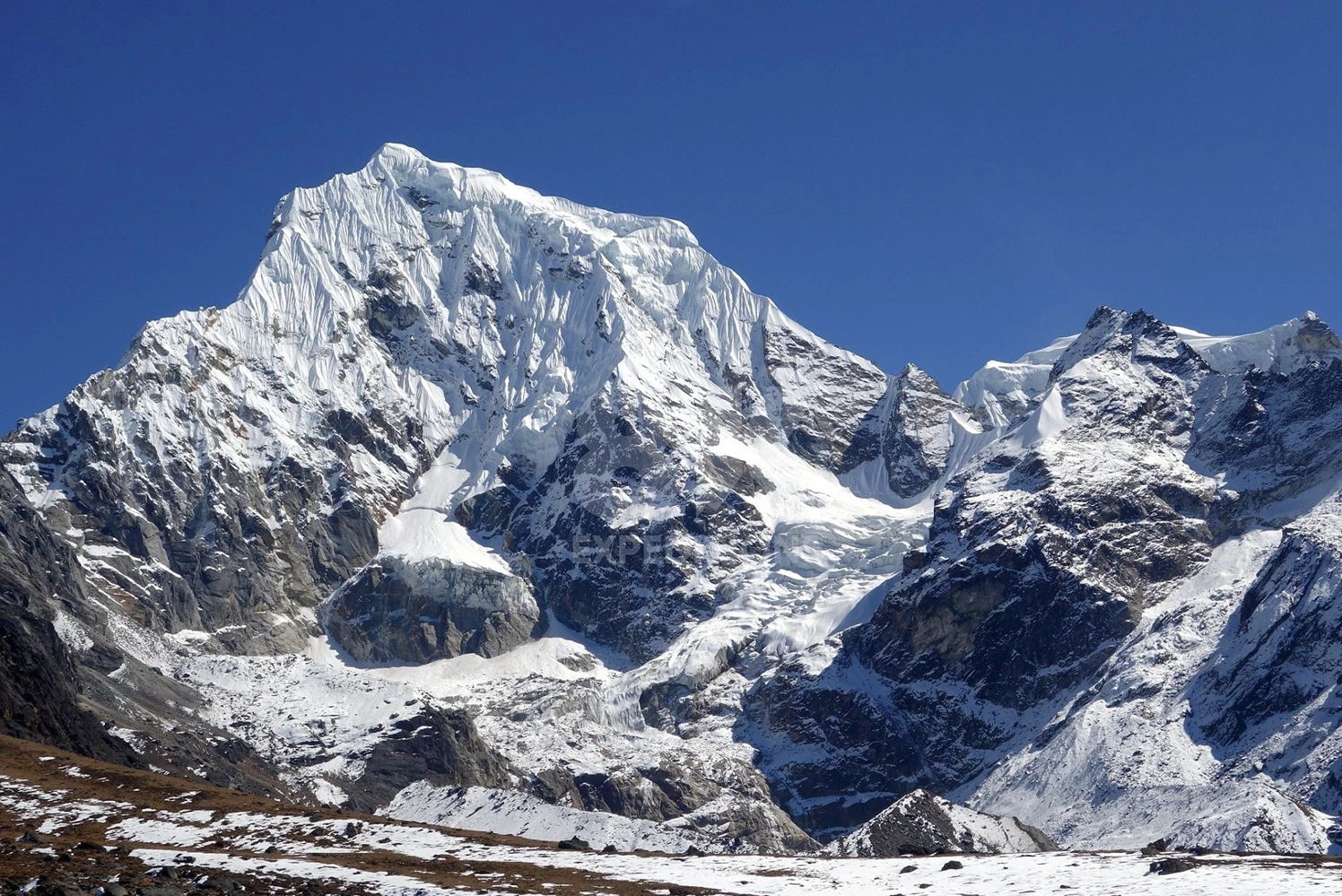
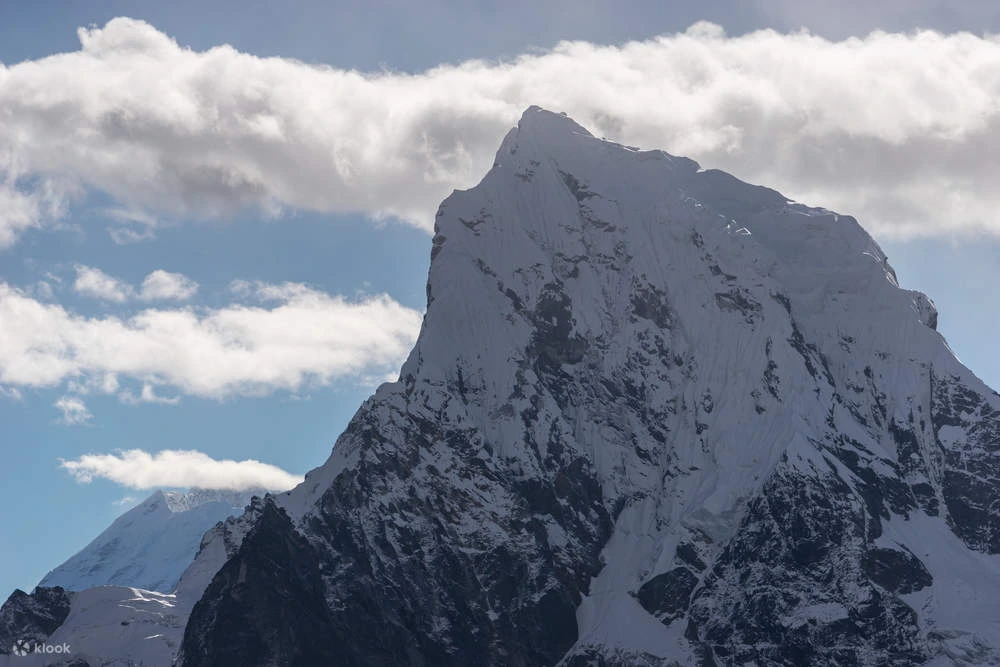
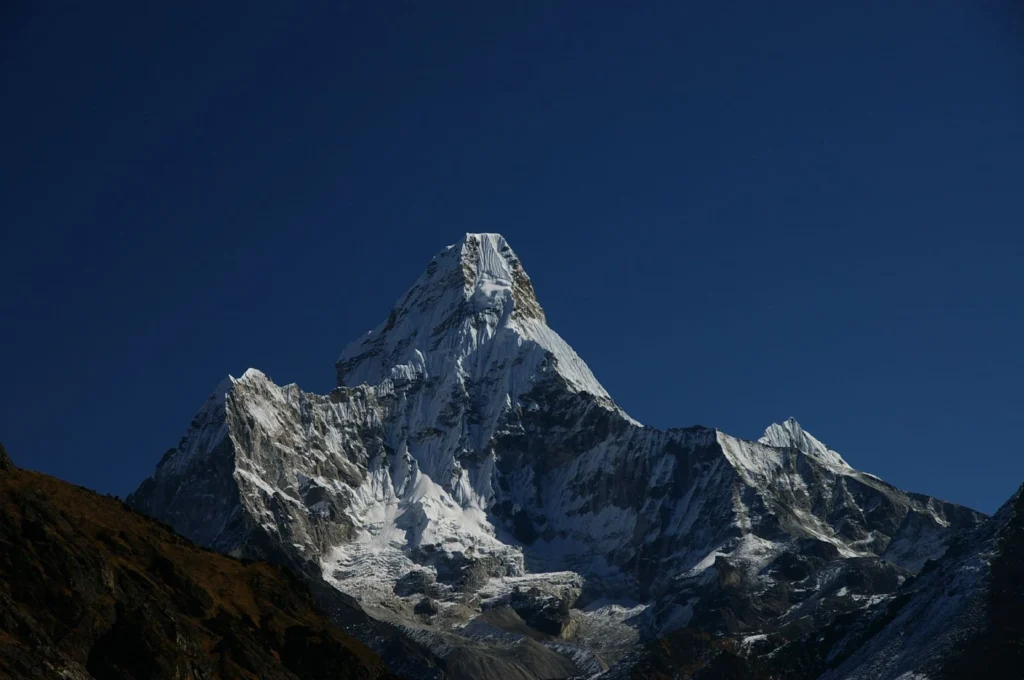
Situated in the Everest region of Nepal, Cholatse rises above a landscape of glacial valleys, high passes and dramatic Himalayan ridges. Its steep profile and technical character make it substantially more demanding than a straightforward snow ascent. The brochure describes the programme as a balanced combination of high-altitude trekking, gradual acclimatization and technical climbing, with the summit phase conducted through Camp I and Camp II using fixed ropes on steep ice and mixed sections.
The 29-day itinerary begins in Kathmandu, where climbers complete final preparations before taking a mountain flight to Lukla. From Lukla, the expedition follows the classic trail to Phakding and Namche Bazaar, gradually entering the heart of the Khumbu. Namche serves as the first major acclimatization point, allowing the expedition team to rest and adapt before moving toward the quieter Gokyo side of the Everest region.
Instead of taking the most direct line toward Cholatse, the route proceeds through Phortse Tenga, Dole and Machermo, gaining elevation in carefully planned stages. This gradual approach is one of the strongest features of the expedition programme. High-altitude success depends not only on climbing ability but also on how well the body adapts before the summit rotation begins. The itinerary therefore includes rest days at Namche Bazaar and Machermo, followed by additional acclimatization in Gokyo.
The journey to Gokyo (4,750 M) introduces climbers to a more remote and open high-altitude environment. A dedicated ascent of Gokyo Ri is included before the team continues toward Dragnag and the challenging crossing of Cho La Pass. The brochure identifies the Gokyo Valley and Gokyo Ri phase as an important part of the expedition’s acclimatization strategy, while the Cho La crossing marks the transition from trekking terrain toward the more serious mountaineering environment surrounding Cholatse.
After crossing Cho La and reaching Dzongla, the expedition proceeds to Cholatse Base Camp at 4,590 metres. Here, the team enters the full expedition phase. Base Camp becomes the operational centre for acclimatization, technical preparation, weather assessment, equipment organization and movement toward the upper camps.
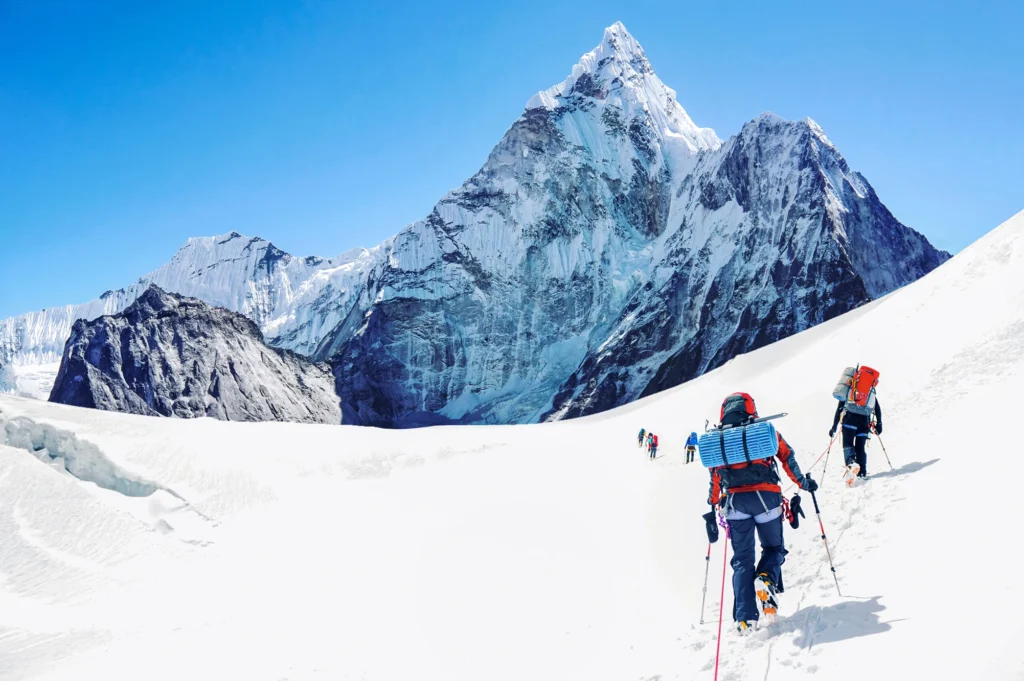
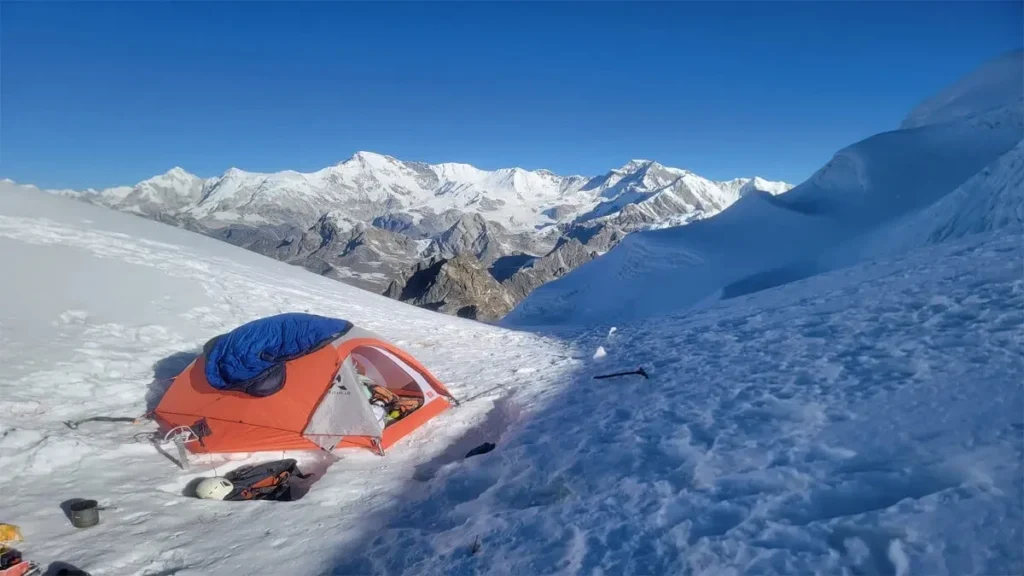
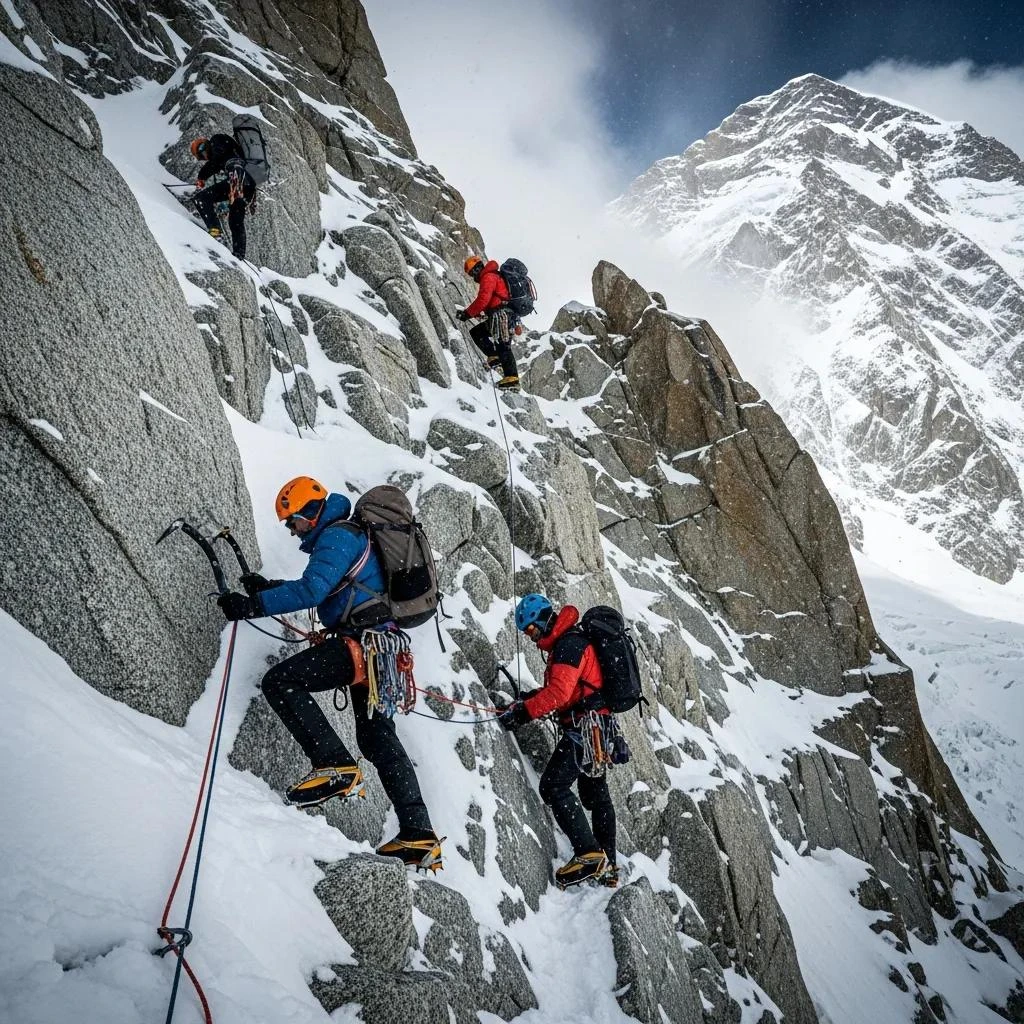
The source itinerary places Camp I at 5,700 metres and Camp II at 6,000 metres. The climbing phase includes movement between these camps, rest and preparation days, and a summit push to 6,440 metres. The brochure specifically describes the climbing terrain as involving fixed ropes on steep ice and mixed sections. This means climbers must be able to ascend and descend fixed lines efficiently, manage technical equipment in cold conditions and remain composed on exposed alpine terrain.
Two spare summit days are built into the schedule. These are not casual rest days; they are critical operational windows that allow the expedition leader to adjust the summit plan according to weather, route safety, snow and ice conditions, climber recovery and acclimatization. On a technical peak, flexibility is part of risk management. A summit attempt should never be forced simply because a calendar date has arrived.
The descent retraces the route through Pangboche, Namche Bazaar and Lukla, followed by the return flight to Kathmandu. A further contingency day is kept in Kathmandu in case of poor weather or disruption to mountain flights.
The expedition brochure also outlines a substantial support structure. It includes professional Nepalese expedition staff, a climbing Sherpa ratio of 2:1, a Base Camp guide, porters, a government liaison officer, camping equipment for Base Camp and higher camps, high-altitude food supplies, emergency oxygen, a Gamow bag, medical support and satellite-phone access.
For Terranova Expedition, Cholatse should be approached as a disciplined technical expedition rather than a commercial summit trek. Physical fitness is essential, but it is not sufficient by itself. Climbers must arrive with previous high-altitude experience, familiarity with crampons and ice axes, competence on fixed ropes and the ability to remain methodical while tired, cold and exposed.
The true appeal of the Cholatse Expedition lies in its completeness. It brings together Sherpa culture, the Gokyo Valley, high-pass trekking, acclimatization on Gokyo Ri, technical ice and mixed climbing, multi-camp expedition logistics and a serious summit objective. For mountaineers seeking a demanding progression beyond trekking peaks, Cholatse offers a substantial Himalayan challenge.
HIGHLIGHTS OF THE CHOLATSE EXPEDITION
- Attempt the summit of Cholatse at 6,440 metres.
- Complete a 29-day technical mountaineering programme in Nepal.
- Trek through the classic Everest-region gateway of Lukla.
- Acclimatize gradually through Phakding and Namche Bazaar.
- Follow the quieter approach through the Gokyo Valley.
- Trek through Phortse Tenga, Dole and Machermo.
- Complete an acclimatization ascent of Gokyo Ri.
- Cross the challenging Cho La Pass.
- Establish Cholatse Base Camp at 4,590 metres.
- Move through Camp I at 5,700 metres and Camp II at 6,000 metres.
- Climb fixed ropes on steep ice and mixed terrain.
- Benefit from two spare summit days for weather and safety.
- Receive climbing Sherpa support at a 2:1 climber-to-Sherpa ratio.
- Use organized Base Camp and high-altitude camping services.
- Access emergency oxygen, a Gamow bag, medical support and satellite communication.
- Return through Pangboche, Namche Bazaar and Lukla.
- Experience a complete combination of trekking, acclimatization and technical climbing.