ISLAND PEAK EXPEDITION WITH EVEREST BASE CAMP TREK
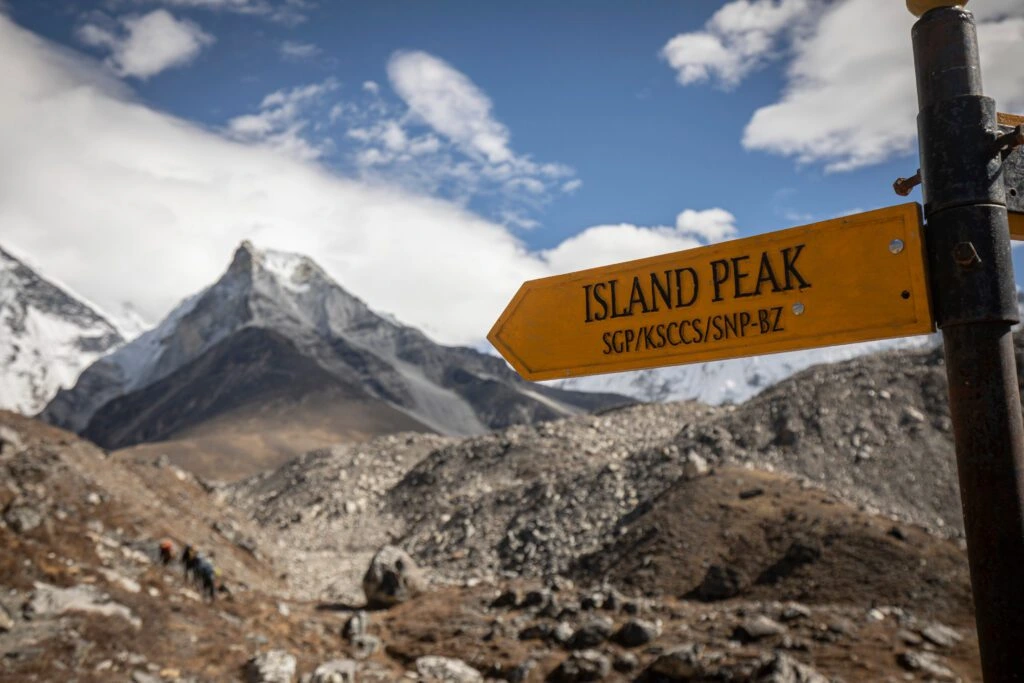
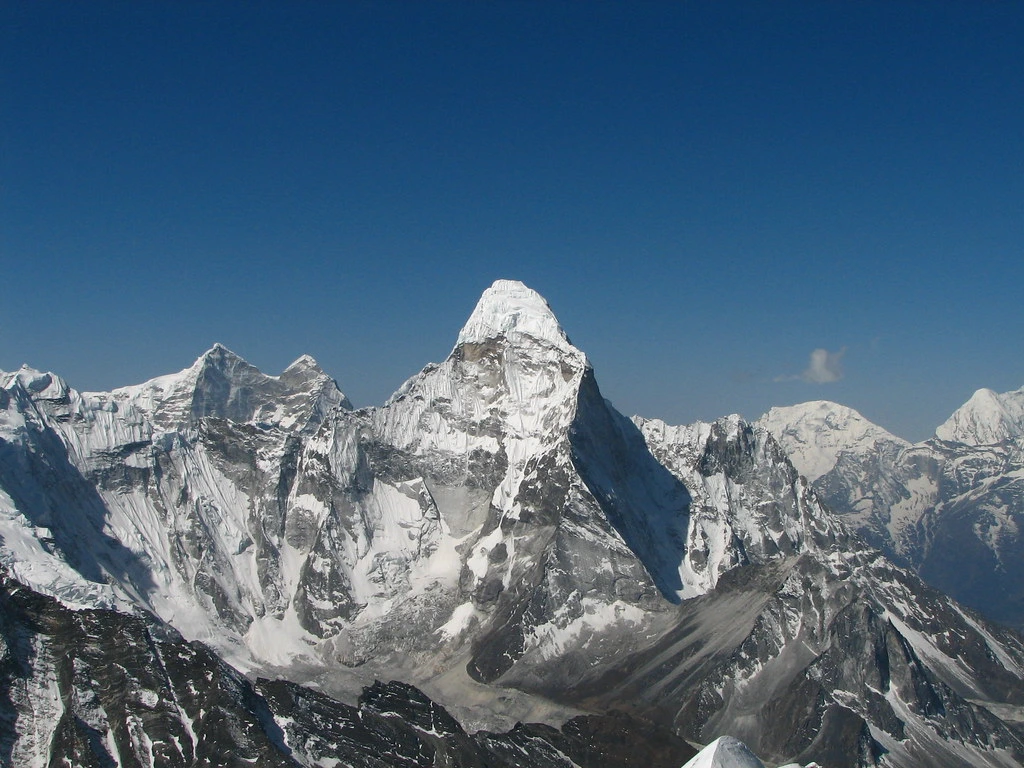
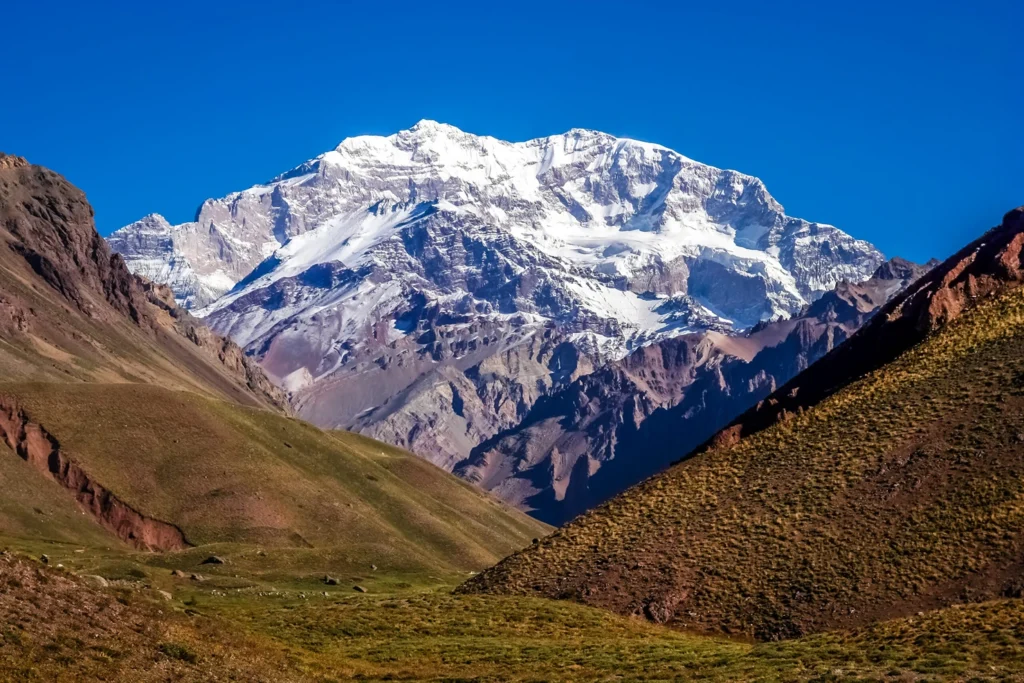
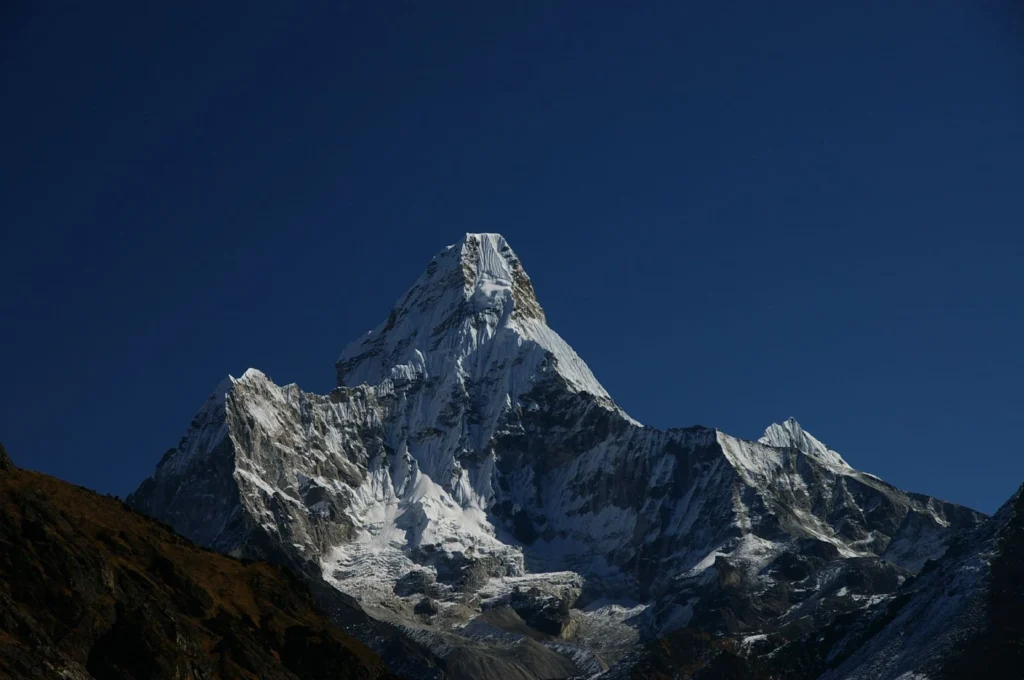
The Island Peak Expedition with Everest Base Camp Trek is a 20-day Himalayan journey that combines two of the most rewarding experiences in Nepal’s Khumbu region: trekking to Everest Base Camp and attempting a high-altitude summit from Island Peak Base Camp and High Camp.
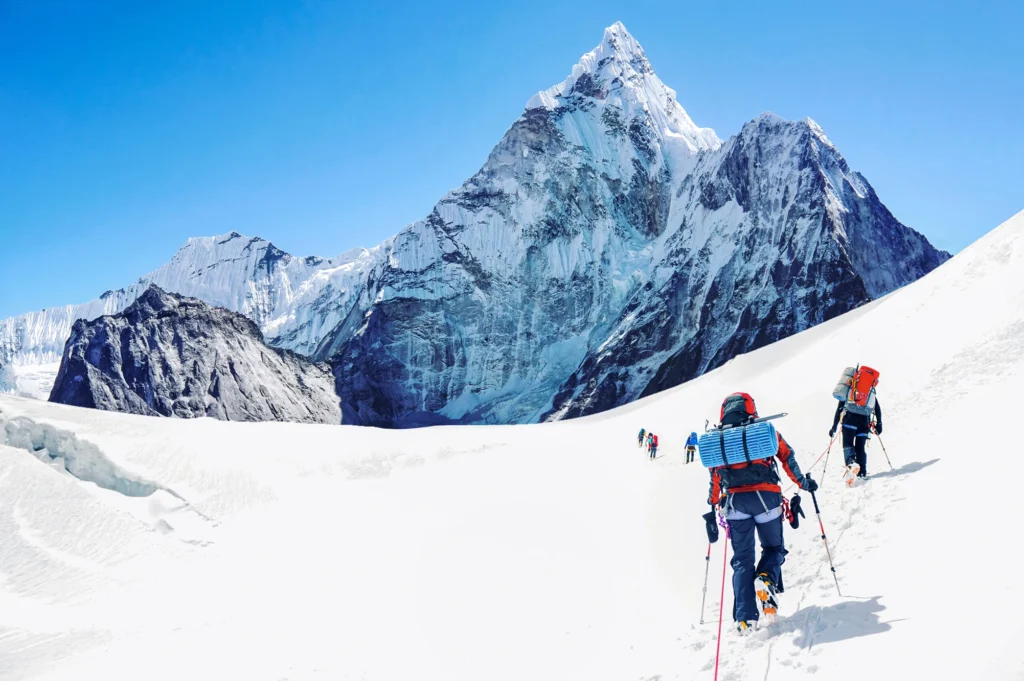
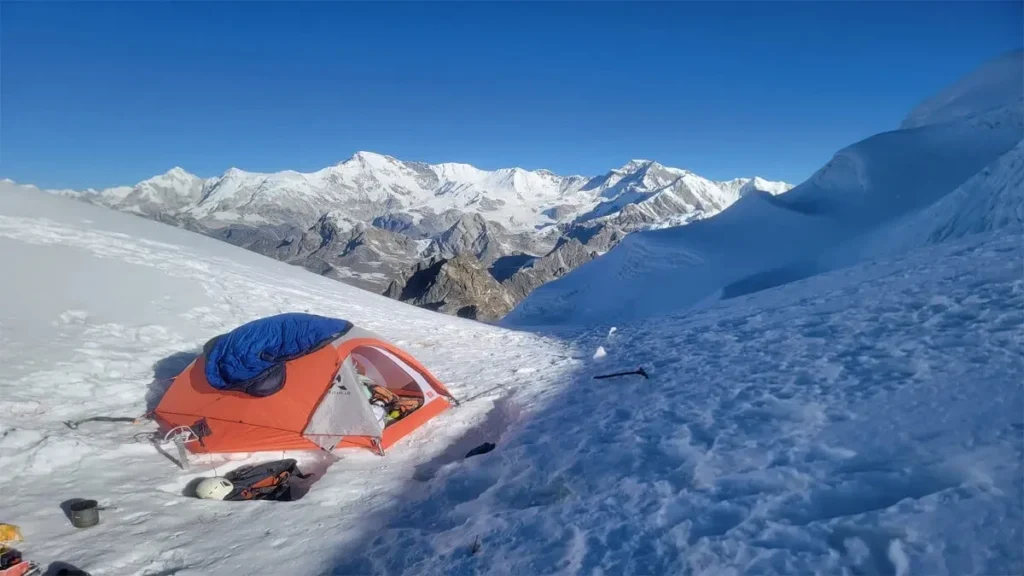
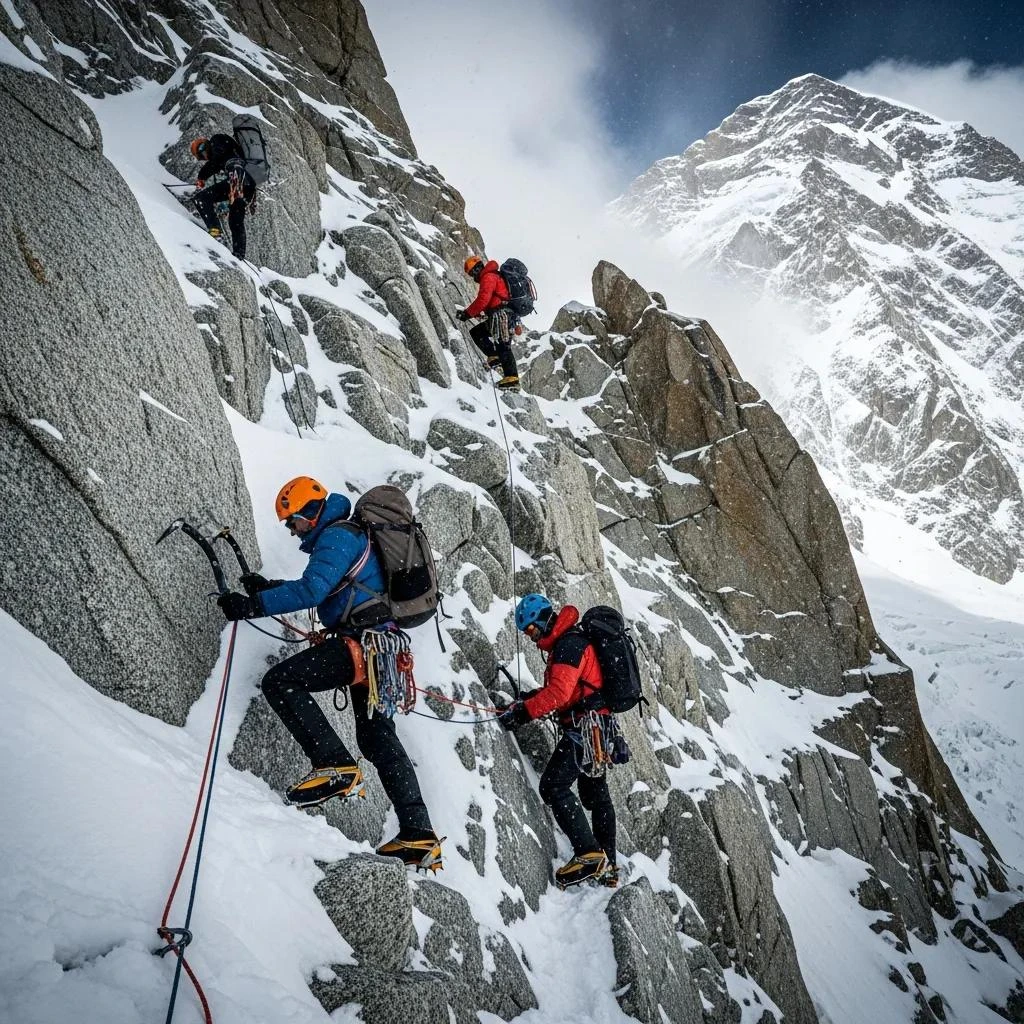
The expedition is designed as more than a standard trekking programme. Its first half follows the celebrated Everest trail through Sherpa villages, high-altitude settlements, valleys, monasteries and dramatic mountain landscapes. The second half moves beyond trekking into a climbing environment, where the expedition team establishes Island Peak Base Camp at 5,100 metres, continues to High Camp at 5,600 metres and undertakes a long summit attempt before descending toward Base Camp or Chhukung.
The expedition begins in Kathmandu, where climbers arrive, settle into their hotel and complete final preparations. A free day is included before the mountain journey, providing time for sightseeing, equipment organization and recovery from international travel.
From Kathmandu, the expedition takes a domestic flight to Lukla, the primary gateway to the Everest region. The first trekking stage leads to Phakding, followed by a longer ascent to Namche Bazaar. Namche is one of the most important acclimatization points in the entire itinerary. A dedicated rest day is included here, together with a visit to Khumjung Valley, before the team continues higher.
The route then proceeds through Pangboche and Dingboche. These settlements help the expedition team gain altitude gradually before reaching the more exposed terrain around Lobuche and Gorakshep. A rest day at Dingboche adds another important acclimatization stage before the ascent toward Everest Base Camp.
The itinerary reaches Lobuche at 4,940 metres before continuing to Gorakshep at 5,164 metres and visiting Everest Base Camp. This is one of the defining experiences of the programme. Rather than ending at Everest Base Camp, however, the route continues with an ascent of Kala Patthar, followed by a long trek to Chhukung at 4,730 metres.
This progression is important because the Everest Base Camp and Kala Patthar stages help prepare the body for the higher Island Peak camps. By the time the expedition team reaches Chhukung, climbers have already spent several days at considerable altitude and completed multiple demanding trekking stages.
From Chhukung, the expedition moves to Island Peak Base Camp at 5,100 metres and then to High Camp at 5,600 metres. The source itinerary allocates approximately three to four hours for the trek to Base Camp and approximately six hours for the move to High Camp. The summit day is listed as a 10-hour programme, followed by descent to Base Camp or Chhukung.
Although the package includes an English-speaking trekking guide, porters, camping arrangements, permits, tea-house accommodation, meals, a first-aid kit and satellite-phone access, the climbing phase requires additional preparation. Climbers should be ready for cold conditions, high altitude, a long summit day and the use of technical mountaineering equipment where required by route conditions.
The expedition is therefore best suited to trekkers who want to progress beyond a conventional Everest Base Camp itinerary and experience a structured introduction to Himalayan climbing. It combines cultural travel, high-altitude trekking, a major Himalayan viewpoint, expedition camping and a summit objective in one continuous programme.
The route is also professionally paced. Acclimatization days are included at both Namche Bazaar and Dingboche, while the approach to Everest Base Camp and Kala Patthar creates further altitude exposure before the team enters the Island Peak section. This gradual progression is one of the strongest features of the itinerary.
The return journey follows a practical and familiar route through Pangboche, Namche Bazaar and Lukla, followed by the flight to Kathmandu. A contingency day is included in Kathmandu in case of poor weather or flight disruption. This is particularly important because flights serving Lukla can be affected by mountain conditions.
For Terranova Expedition, this programme should be presented as a complete Himalayan progression route: cultural trekking, acclimatization, Everest Base Camp, Kala Patthar, expedition camping and an Island Peak summit attempt.
It is not simply an Everest Base Camp trek with an added summit day. The climbing phase changes the physical, logistical and technical character of the journey. Climbers must therefore prepare with greater seriousness than they would for a trekking-only itinerary.
HIGHLIGHTS OF THE EXPEDITION
- Complete a 20-day Himalayan journey in Nepal.
- Trek through the Khumbu and Imja valleys.
- Fly from Kathmandu to Lukla.
- Walk through traditional Sherpa villages.
- Experience prayer flags, Mani stones and Himalayan Buddhist culture.
- Explore Sagarmatha National Park.
- Trek from Lukla to Phakding and Namche Bazaar.
- Acclimatize in Namche Bazaar.
- Visit Khumjung Valley.
- Continue through Pangboche and Dingboche.
- Complete a second acclimatization day in Dingboche.
- Trek to Lobuche at 4,940 metres.
- Reach Gorakshep at 5,164 metres.
- Visit Everest Base Camp.
- Ascend Kala Patthar.
- Trek to Chhukung in the Imja Valley.
- Establish Island Peak Base Camp at 5,100 metres.
- Move to Island Peak High Camp at 5,600 metres.
- Attempt Island Peak on a dedicated 10-hour summit day.
- Descend to Base Camp or Chhukung after the summit attempt.
- Stay in hotels, tea houses and expedition camps.
- Receive trekking-guide and porter support.
- Benefit from included National Park and Island Peak climbing permits.
- Access a first-aid medical kit and satellite phone.
- Use a built-in contingency day for possible flight delays.