AMA DABLAM EXPEDITION

Days: 30 Days
Altitude: 6812
Distance: 140
Grade: Difficult
Pick Up: Kathmandu, Nepal
Drop: Kathmandu, Nepal
Base Camp: Ama Dablam Base Camp (4,450 M)
Season: Autumn (Sep–Oct)
Stay: Hotel, Tea Houses & High Altitude Expedition Camps

AMA DABLAM EXPEDITION (6812 M)

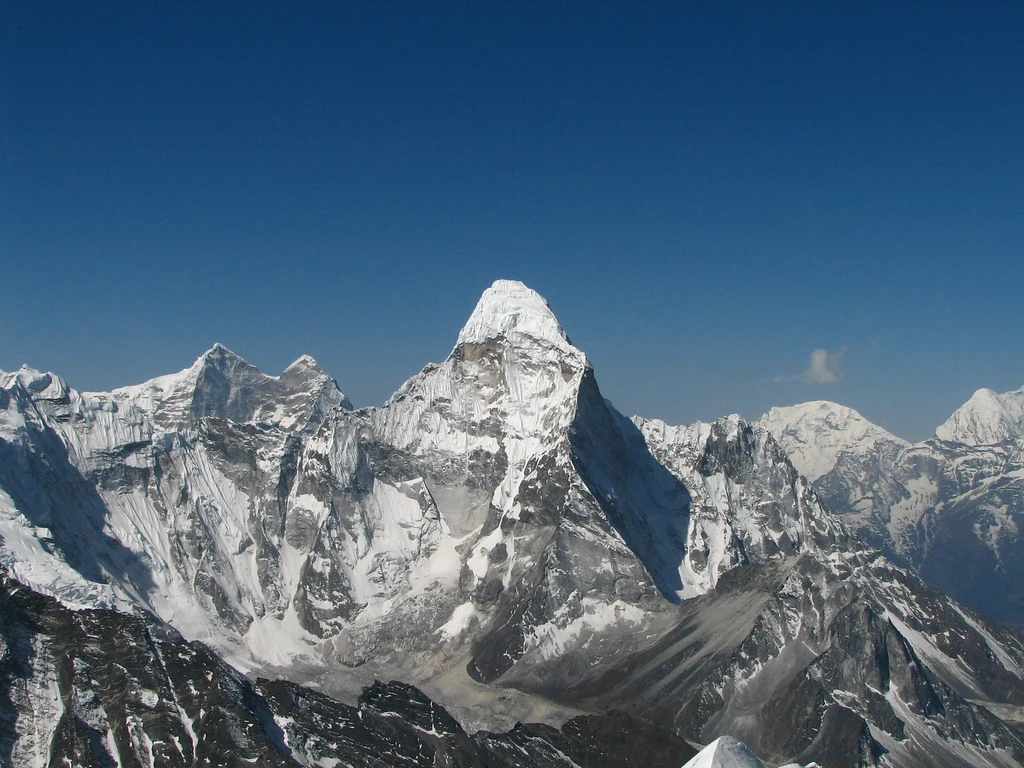
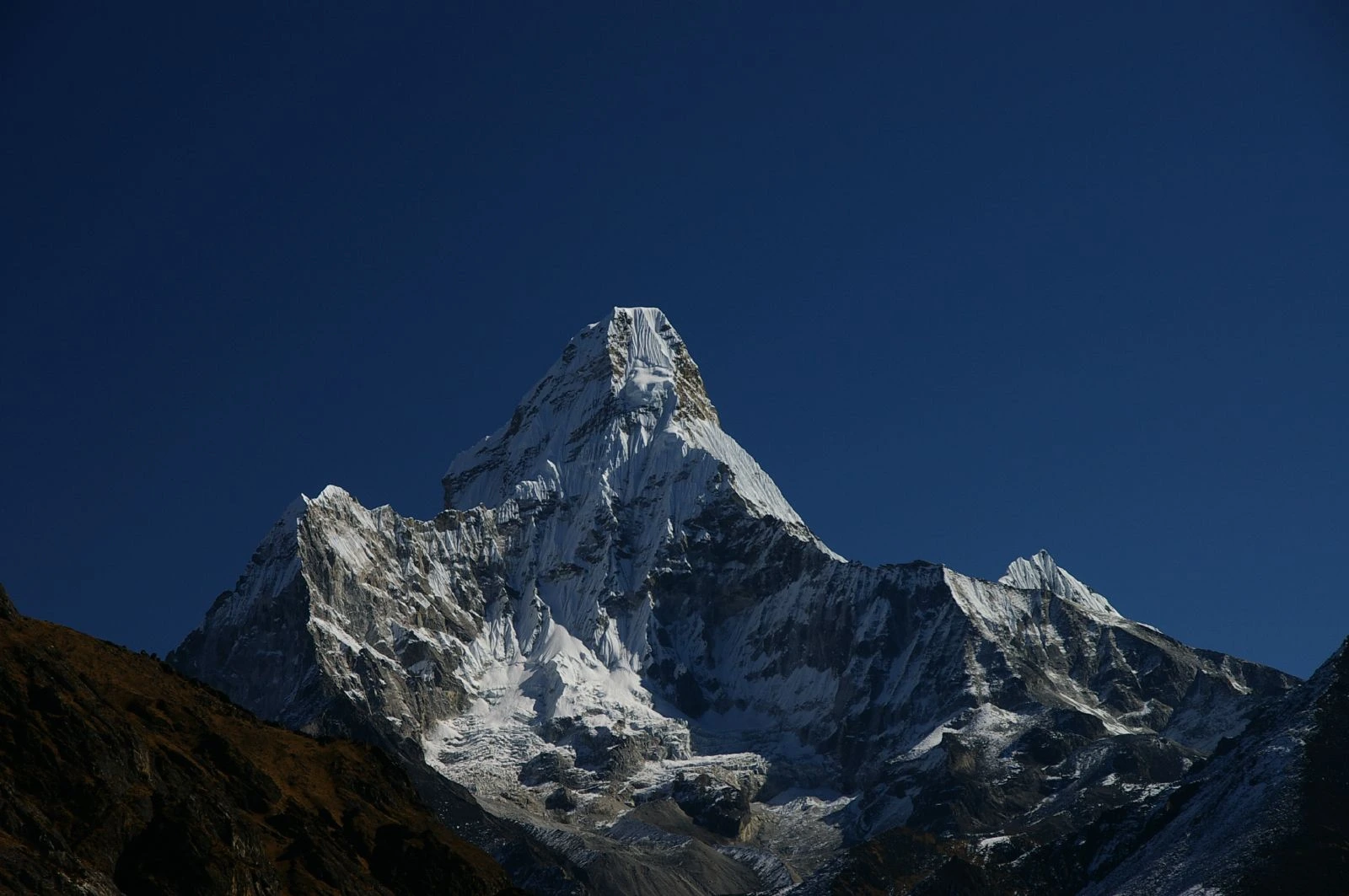
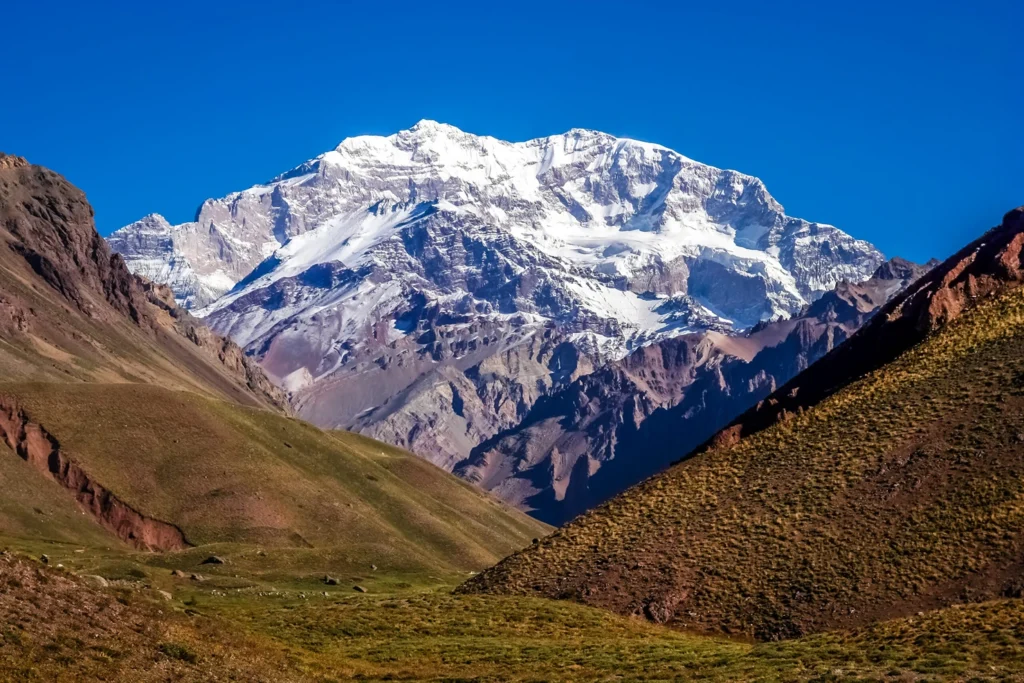
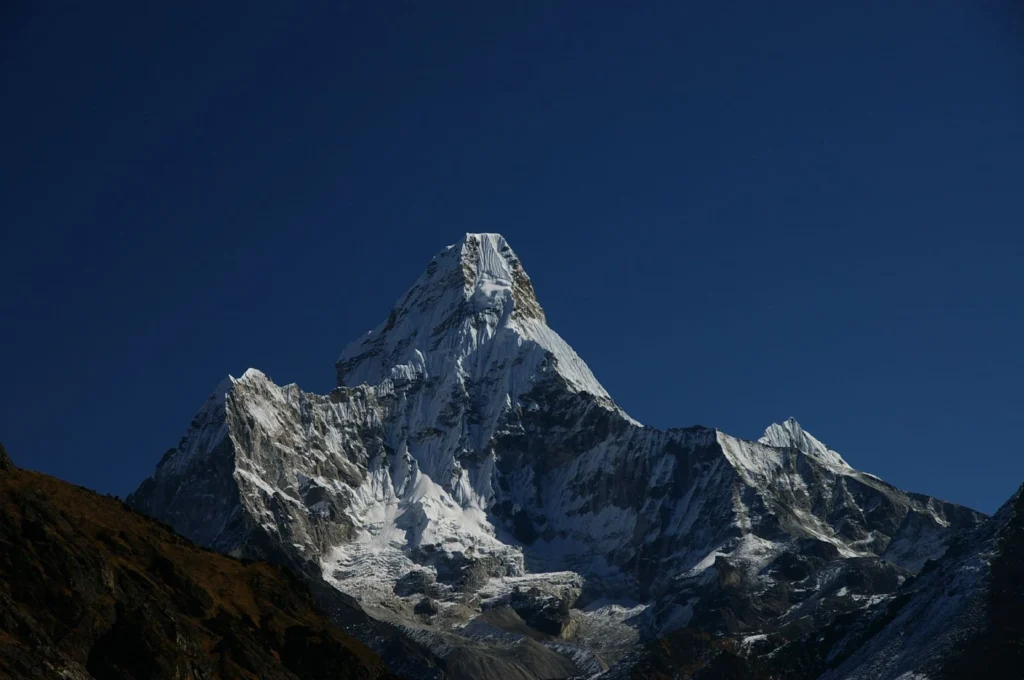
Few mountains anywhere in the world possess the striking beauty, technical challenge, and iconic reputation of Ama Dablam (6,812 M). Often described as the Matterhorn of the Himalayas, its perfectly sculpted pyramid dominates the skyline of Nepal’s Khumbu Valley, inspiring mountaineers from across the globe. While its elevation remains below the 7,000-meter mark, Ama Dablam is widely regarded as one of the most technically demanding alpine expeditions in the Himalayas due to its combination of steep granite rock, exposed ridges, fixed-rope climbing, mixed snow and ice terrain, and sustained exposure. The expedition brochure itself highlights that Ama Dablam is famous for its distinctive shape and offers a technically harder climb featuring rock, ice, scrambling, spectacular views, and a professionally guided ascent for competent mountaineers. 

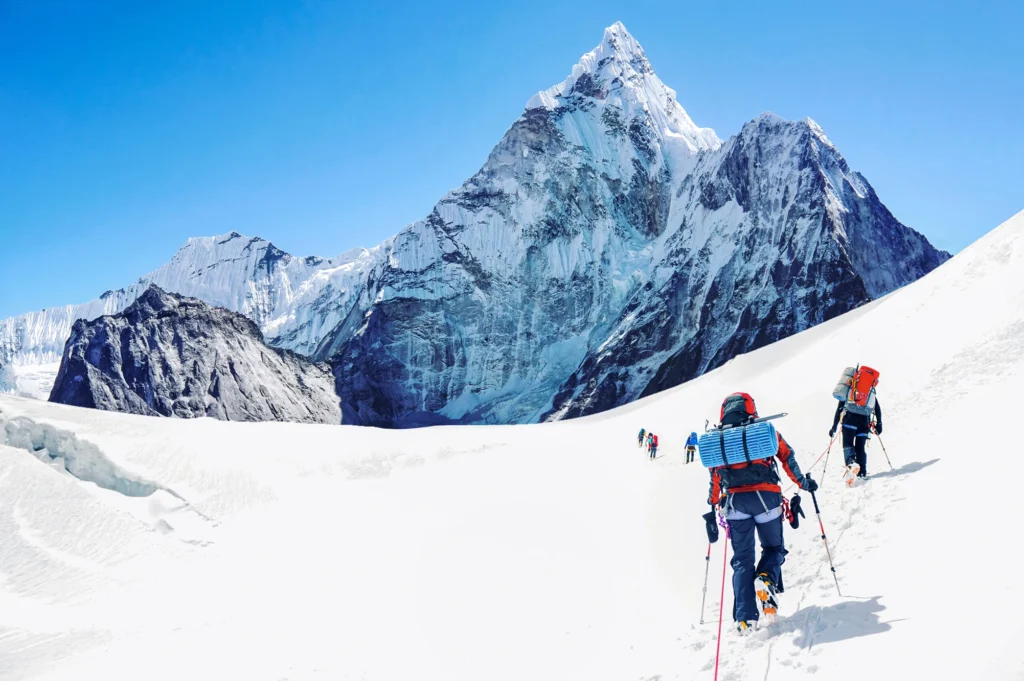
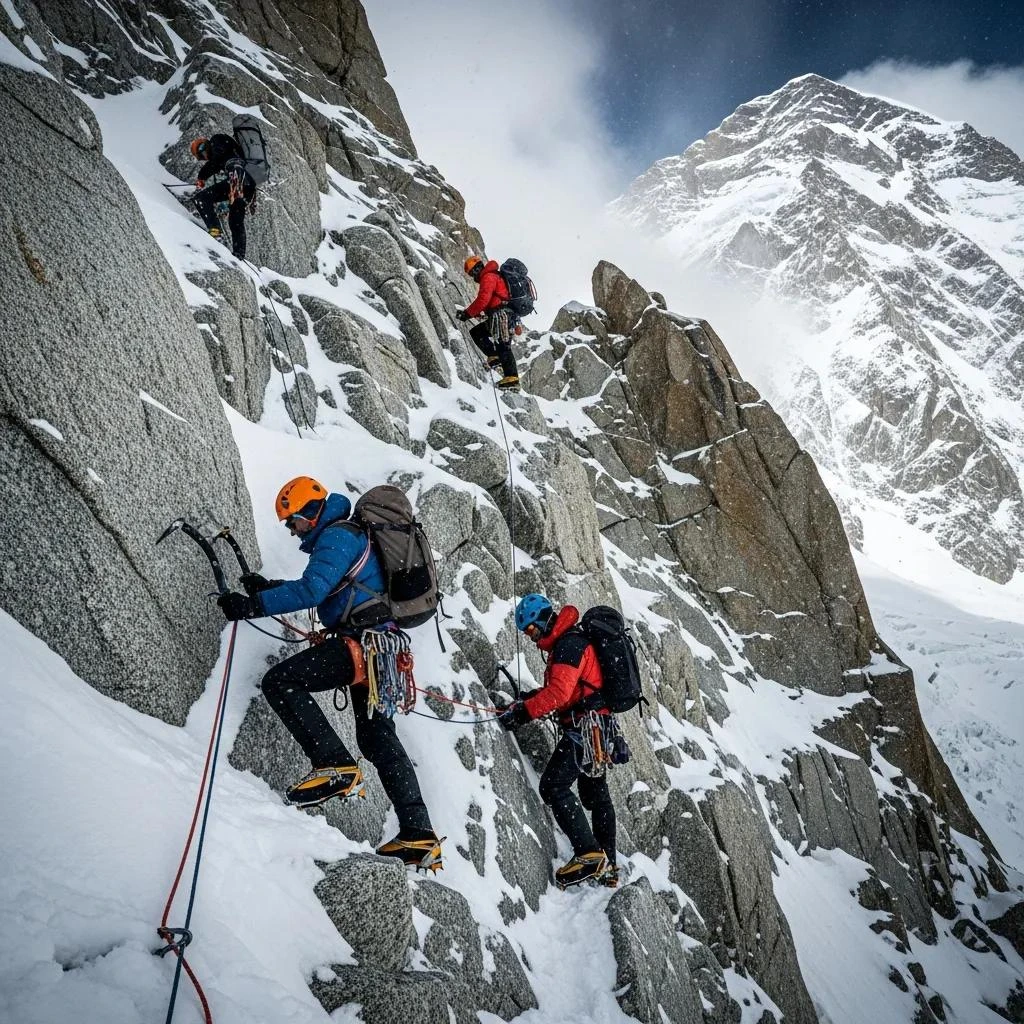
Unlike many Himalayan expeditions where physical endurance alone may be sufficient, climbing Ama Dablam demands a complete range of mountaineering skills. Every climber must possess confidence on exposed terrain, experience using fixed ropes, proficiency with jumars, crampons, ice axes, and harness systems, together with the mental composure required to climb long sections of technical terrain several thousand meters above the valleys below.

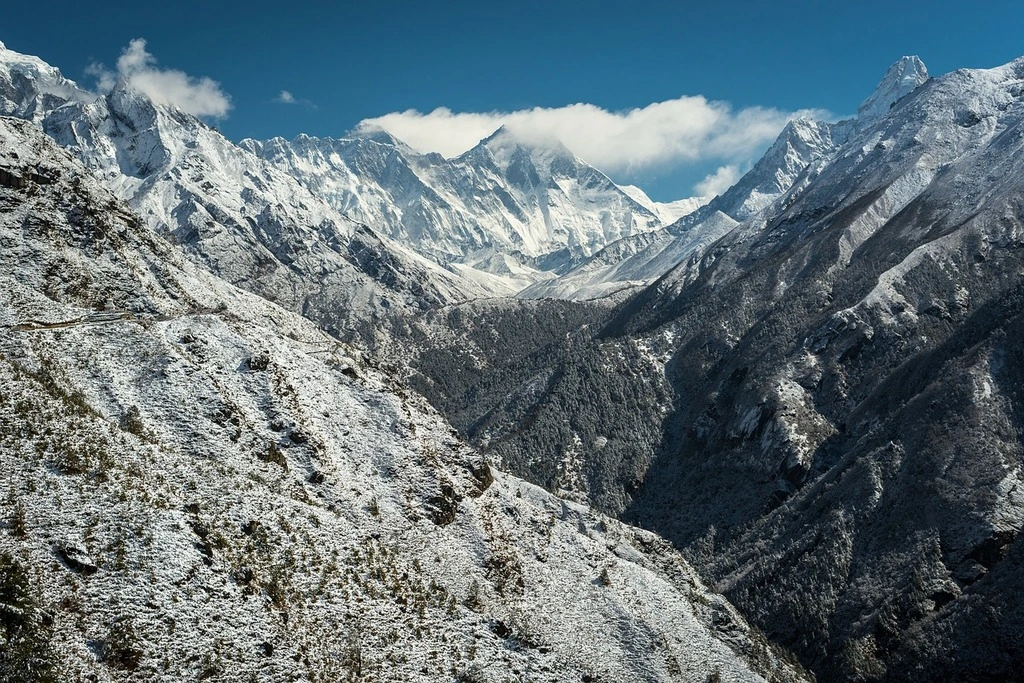
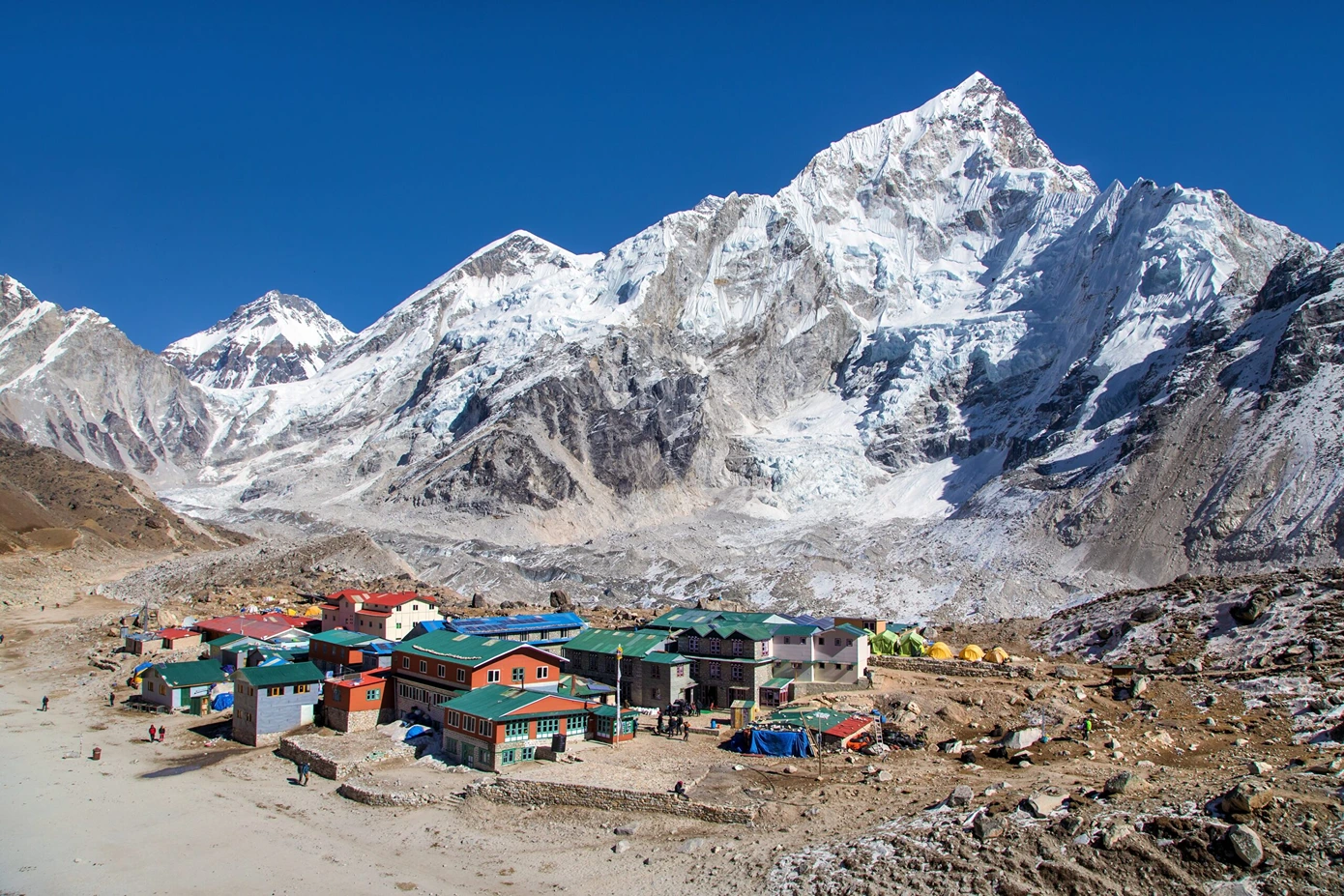
The journey begins in Kathmandu, followed by the spectacular mountain flight to Lukla, gateway to the Everest region. The approach follows portions of the famous Everest trekking trail through traditional Sherpa villages including Phakding, Namche Bazaar, Tengboche, and Pangboche before leaving the main trekking route and climbing toward the peaceful alpine meadows that form the beautiful Ama Dablam Base Camp. 

One of the defining strengths of the expedition is its carefully structured acclimatization program. Several rest days are incorporated before the climbing phase begins, allowing climbers to gradually adapt to increasing altitude. According to the itinerary, these acclimatization days form an important part of the expedition strategy and significantly improve both safety and summit success. 

Ama Dablam’s Southwest Ridge is considered one of the world’s finest alpine climbing routes. The climb combines enjoyable granite scrambling, technical rock climbing, fixed-rope ascents, exposed traverses, narrow ridges, and snow-covered summit slopes into a single continuous mountaineering experience.

Among the most celebrated sections of the climb are:

  • The enormous granite slabs approaching Camp 1. 
  • The famous Yellow Tower, regarded as the principal technical crux of the route.
  • The exposed Grey Tower.
  • The breathtaking Mushroom Ridge, where climbers traverse a narrow snow crest suspended high above the Khumbu Valley.
  • The final summit snowfields leading toward one of Nepal’s most spectacular viewpoints. 

The expedition is professionally guided with experienced climbing Sherpas, support crews, Base Camp staff, emergency communication systems, oxygen support, and carefully organized logistics. The brochure specifies a 1:1 climbing Sherpa ratio, together with Base Camp guides, porters, liaison officers, emergency oxygen, satellite phone facilities, Gamow bag support, and complete Base Camp services. 

Success on Ama Dablam is never guaranteed. Weather, snow conditions, climber health, acclimatization, and technical performance all influence summit opportunities. What makes this mountain truly special is not only reaching the summit but successfully climbing one of the world’s most elegant and technically respected Himalayan peaks.

At Terranova Expedition, our philosophy extends beyond simply guiding climbers to the summit. Every expedition is planned around professional leadership, disciplined acclimatization, technical competence, and responsible decision-making. Whether you are preparing for 7,000-meter objectives or dreaming of future 8,000-meter expeditions, Ama Dablam represents one of the finest training grounds available in the Himalayas.

HIGHLIGHTS OF THE AMA DABLAM EXPEDITION

  • Climb one of the world’s most iconic alpine mountains. 
  • Follow the legendary Southwest Ridge Route
  • Technical rock, snow, and mixed climbing. 
  • Scenic flight between Kathmandu and Lukla. 
  • Trek through the Everest region and Sherpa villages. 
  • Visit Namche Bazaar and Tengboche Monastery. 
  • Beautiful alpine Base Camp beside mountain streams. 
  • Professional climbing Sherpa support (1:1). 
  • Fixed-rope climbing across Yellow Tower and Grey Tower. 
  • Traverse the spectacular Mushroom Ridge. 
  • Incredible summit panorama over Everest, Lhotse, Nuptse, Makalu, Baruntse, Thamserku, Kangtega, and surrounding Himalayan peaks. 
  • Full Base Camp services with expedition kitchen. 
  • Emergency oxygen, Gamow bag, and satellite communication. 
  • Excellent preparation for future 7000M and 8000M expeditions. 
Itinerary

Day 1

Day 1 – Arrival in Kathmandu

Day 2

Day 2 – Kathmandu Sightseeing & Expedition Preparation

Day 3

Day 3 – Fly to Lukla (2800 M) & Trek to Phakding (2610 M)

Day 4

Day 4 – Phakding to Namche Bazaar (3440 M)

Day 5

Day 5 – Acclimatization Day at Namche Bazaar

Day 6

Day 6 – Namche Bazaar to Pangboche (3930 M)

Day 7

Day 7 – Pangboche to Ama Dablam Base Camp (4450 M)

Day 8

Day 8 – Acclimatization Day at Base Camp

Day 9

Day 9 – Equipment Load Carry & Rotation to Camp 1 (5700 M)

Day 10

Day 10 – Rest & Technical Skills Review at Base Camp

Day 11

Day 11 – Base Camp to Camp 1 (5700 M)

Day 12

Day 12 – Camp 1 to Camp 2 (5950 M)

Day 13

Day 13 – Descent to Base Camp

Day 14

Day 14 – Rest Day at Base Camp

Day 15

Day 15 – Weather Monitoring & Summit Preparation

Day 16

Day 16 – Base Camp to Camp 1

Day 17

Day 17 – Camp 1 to Camp 2

Day 18

Day 18 – Summit Preparation at Camp 2

Day 19

Day 19 – Summit Day – Ama Dablam (6812 M)

Day 20

Day 20–24 – Contingency & Additional Summit Window

Day 21

Day 25 – Base Camp to Tengboche (3860 M)

Day 22

Day 26 – Tengboche to Monjo (2840 M)

Day 23

Day 27 – Monjo to Lukla

Day 24

Day 28 – Fly to Kathmandu

Day 25

Day 29 – Leisure Day in Kathmandu

Day 26

Day 30 – Departure from Nepal

Inclusions & Exclusions

What’s included

  • All land transportation by private vehicle as specified in the expedition itinerary. 
  • Airport-to-hotel and hotel-to-airport transfers in Kathmandu. 
  • Expedition and trekking pickup and drop services. 
  • Round-trip domestic airfare between Kathmandu and Lukla
  • Domestic airport taxes and applicable cargo charges for the Kathmandu–Lukla–Kathmandu sector. 
  • Transportation of expedition food, climbing equipment, and group supplies to Ama Dablam Base Camp and back. 
  • Porter or yak transportation for expedition equipment between Base Camp and Lukla. 
  • Carriage allowance of up to 30 kg of expedition equipment or barrels per climber on the return journey from Base Camp to Lukla, as stated in the brochure. 
  • Three-star hotel accommodation in Kathmandu on a bed-and-breakfast basis. 
  • Tea-house or lodge accommodation during the approach and return trek. 
  • Fully furnished Base Camp accommodation. 
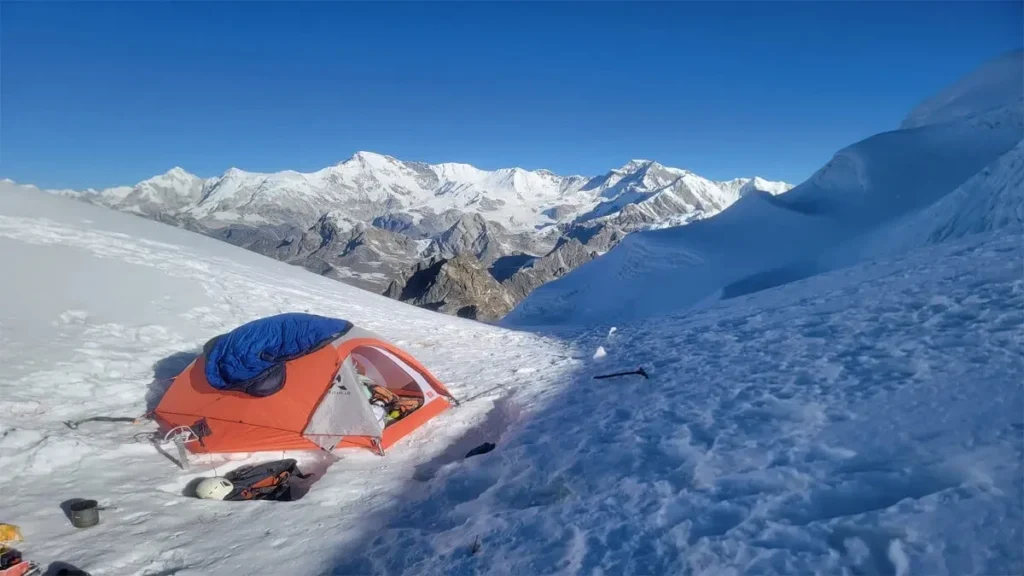
  • High-altitude expedition tents and necessary camp arrangements during the climbing period.
  • Breakfast at the Kathmandu hotel. 
  • Three hot and hygienically prepared meals—breakfast, lunch, and dinner—during the trek up to Base Camp. 
  • Full-board meals at Ama Dablam Base Camp. 
  • High-altitude food supplies for the upper camps. 
  • Energy bars and essential climbing food for the high-altitude phase. 
  • Fuel and cooking systems, including EPI gas where applicable. 
  • Pots, pans, utensils, and other necessary kitchen equipment. 
  • Base Camp kitchen and dining support.
  • Experienced and professional Nepalese expedition crew.
  • One climbing Sherpa for each climber, as stated in the source brochure. 
  • One Base Camp guide. 
  • Necessary porters for the approach and expedition logistics. 
  • Government liaison officer. 
  • Support staff required for operating Base Camp and the climbing expedition. 
  • Crew wages, food, accommodation, equipment allowance, expedition insurance, and other required facilities. 
  • Daily allowance, food, equipment allowance, and air ticket for the liaison officer. 
  • Ama Dablam expedition permit fee. 
  • Trekking permit fees. 
  • Sagarmatha National Park fees. 
  • Government liaison officer charges. 
  • Agency service charges and applicable local taxes. 
  • Emergency oxygen bottles at Base Camp and higher camps. 
  • Gamow bag or emergency oxygen support for life-saving intervention in cases of altitude-related illness. 
  • First-aid and medical kit for the Nepalese expedition crew. 
  • Basic medical assistance for climbers up to Base Camp. 
  • Satellite phone availability for emergency communication. 

Complimentary Services

  • Expedition kit bag for carrying personal equipment. 
  • Welcome dinner in Kathmandu. 
  • Live Nepali cultural programme during the welcome dinner. 

What’s not included

  • International flights to and from Nepal. 
  • International airport taxes. 
  • Excess baggage charges on international or domestic flights. 
  • Nepal visa fees. 
  • Lunch and dinner while staying in Kathmandu. 
  • Personal climbing equipment and technical gear. 
  • Personal ropes, carabiners, ice screws, snow bars, and similar climbing hardware. 
  • Personal medical insurance. 
  • Personal travel insurance. 
  • Personal rescue and evacuation insurance. 
  • Personal expenses such as: 
    • Bar bills 
    • Laundry 
    • Telephone calls 
    • Internet charges 
    • Bottled beverages 
    • Personal shopping 
  • Additional permits required for filming, professional photography, drone operations, or other specialised activities. 
  • Summit bonus payable after a successful climb. 
  • Tips and gratuities for climbing Sherpas, guides, cooks, porters, drivers, and other staff. 
  • Any service not specifically mentioned under the inclusions. 
  • Additional expenses caused by early completion of the expedition. 
  • Additional expenses caused by extended stays, route changes, flight delays, weather disruption, or other circumstances outside the scheduled programme. 

Refund & Cancellation

Quick Cancellation Fee Schedule
The following applies to standard group departures. Custom/private departures may have different rules stated on the invoice.
Days before trip start Refund Cancellation fee
30–15 days 85% of the advance amount / expedition cost 15% (admin & blocking cost)
15–7 days 40% of the advance amount / expedition cost 60%
7–0 days 0% 100%

Note: Once issued, permits, insurance, and third-party reservations are usually non-refundable. Such costs are excluded from refunds above.

If You Cancel
  • Advance/booking amount is non-refundable; reschedule credit may be offered if requested ≥ 7 days before departure.
  • Government permits, insurance, accommodation and transport already paid to vendors are non-refundable.
  • Force majeure (weather, landslides, strikes, roadblocks, government orders): trip may be postponed; paid amounts remain non-refundable; credit/reschedule may be offered where possible.
  • Unused services, early return or partial participation do not qualify for refunds.
  • Refunds are processed to the original payment method; allow 7–10 business days.
  • Name change/transfer possible until permits are issued; afterward, standard cancellation terms apply.

Things to Carry

Footwear

  • Waterproof Trekking Shoes [1 pair] Floaters / Slippers [1 pair] Socks [4-5 pair]

Clothing Layers

  • Quick dry T Shirts [3-4] Quick Dry Trek Pants [2] Windproof Pants for Sumit [1] Down Jacket [1] Thermal [1 set] Fleece [1] Windproof Jacket [1]

Rain Protection

  • Lightweight Rain Poncho Rain Jacket

Sun Protection

  • Sun Goggles UV Protected Sun Cap or Head Buff

Hydration

  • Water Bottle / Hydrapack [1L] Thermos Bottle [1L]

Snacks & Energy

  • Energy Bar Trail Mix Dry Fruits

Personal Medicines

  • Prescribed Medicines [If any] ORS

Headlamp & Batteries

  • Head Torch Spare Batteries Power bank Camera [If needed]

Warm Accessories

  • Woollen / Fleece gloves [1 pair] Waterproof Gloves [1 pair] Woollen / Fleece Beanie Neck Protector

Toiletries & Hygiene

  • Toiletery Kit [1 set] Quick Dry Towel [1] Toilet Paper Wet Wipes

Documents & Cash

  • Govt. ID Proof Emergency Cash Emergency Contact Number

Backpack & Daypack

  • 50-60L Rucksack [1] 20-30L Backpack [1]

How to Reach

By International Air

  • The expedition begins in Kathmandu, Nepal. International climbers should book flights to Tribhuvan International Airport.
  • After arrival, the expedition team arranges transfer to the designated hotel in Kathmandu according to the package schedule.

Kathmandu to Lukla

  • The mountain approach begins with a domestic flight from Kathmandu to Lukla, situated at approximately 2,800 metres.
  • The flight is subject to mountain weather, visibility, airport operations, and flight schedules. Delays or changes may occur, which is why flexibility is essential on Everest-region expeditions.
  • The return flight from Lukla to Kathmandu is scheduled for Day 28 of the 30-day programme. 
  • Lukla to Ama Dablam Base Camp

From Lukla, the approach follows the Khumbu trekking route through:

Lukla → Phakding → Namche Bazaar → Pangboche → Ama Dablam Base Camp

The expedition itinerary includes acclimatization at Namche Bazaar before continuing toward Pangboche and Base Camp. 

Reporting Point

All climbers should report in Kathmandu on Day 1.

The Kathmandu phase includes:

  • Airport transfer 
  • Hotel check-in 
  • Documentation 
  • Expedition briefing 
  • Equipment inspection 
  • Cultural programme 
  • Final preparation before flying to Lukla 
FAQs

Common questions answered

Where is Ama Dablam located?

Ama Dablam is located in the Khumbu or Everest region of eastern Nepal. The approach follows the classic Everest trail through Lukla, Phakding, Namche Bazaar, Tengboche, and Pangboche before leaving the main route for Ama Dablam Base Camp.

What is the height of Ama Dablam?

The expedition brochure identifies Ama Dablam as a 6,812-metre mountain. One technical section contains a different summit figure, but the package title and permit description use 6,812 metres. 

How many days are required for the Ama Dablam Expedition?

The full itinerary is planned for 30 days, beginning with arrival in Kathmandu and ending with international departure from Nepal. 

Is Ama Dablam harder than a normal 6000-metre peak?

Yes. The brochure describes Ama Dablam as a technically difficult mountain involving rock, ice, scrambling, fixed ropes, exposed ridges, and mixed alpine climbing. Its technical demands are considerably greater than those of a straightforward trekking peak. 

Which route is used for the expedition?

The expedition follows the classic Southwest Ridge, which is the route described in the brochure.

What makes the Southwest Ridge technical?

The route includes granite slabs, rocky terraces, snowy ledges, fixed-rope climbing, the Yellow Tower, Grey Tower, Mushroom Ridge, and the final summit snowfields.

Who should attempt Ama Dablam?

The brochure describes the climb as a professionally guided ascent for competent mountaineers with enough experience to climb the mountain without undue risk. It is therefore intended for climbers with strong prior mountaineering experience. 

Can a complete beginner join the expedition?

No. Ama Dablam is not suitable for a climber without previous technical mountaineering experience.

A prospective climber should already be comfortable using fixed ropes, jumars, crampons, harnesses, descenders, and other alpine equipment.

Is previous rock-climbing experience required?

Rock-climbing experience is strongly relevant because the route includes exposed granite slabs, towers, traverses, and fixed-rope ascents. Climbers must be able to move efficiently on steep and exposed terrain.

Is previous high-altitude experience required?

Yes. Climbers should have prior experience at significant Himalayan altitude and should understand the physical and mental effects of reduced oxygen, cold, fatigue, and prolonged expedition living.

What is the grade of the expedition?

The expedition should be treated as extremely difficult and technical. The brochure does not provide a single overall commercial grade, but its climbing description clearly establishes that the mountain demands advanced alpine competence.

What is the best season to climb Ama Dablam?

The brochure lists spring and autumn as the operating seasons. 

Where is Ama Dablam Base Camp?

Ama Dablam Base Camp is situated at approximately 4,450 metres in alpine meadows above the Imja Khola.

What is special about Ama Dablam Base Camp?

Unlike many moraine-based Himalayan camps, the brochure describes Ama Dablam Base Camp as a pleasant meadow location with streams and open alpine surroundings. 

How high is Camp 1?

Camp 1 is established at approximately 5,700 metres at the foot of the Southwest Ridge.

How long does it take to reach Camp 1 from Base Camp?

The brochure states that the first journey may take approximately five to six hours, with the time often decreasing after better acclimatization. 

Is there a glacier approach to Camp 1?

According to the brochure, there is no conventional glacier approach. The route initially follows grassy ridges before reaching granite boulders and slabs.

What mountains are visible on the approach to Camp 1?

The source specifically mentions views of Cho Oyu, Numbur, and Tawoche

How high is Camp 2?

Camp 2 is located at approximately 5,950 metres.

What is the Yellow Tower?

The Yellow Tower is a steep rock section just below Camp 2. The brochure identifies it as the main technical crux of the Southwest Ridge route.

Climbers generally ascend it using fixed ropes and jumars. 

How long does Camp 1 to Camp 2 take?

The brochure gives an estimated climbing time of approximately three to five hours, depending on acclimatization, traffic, conditions, and individual climbing speed. 

What is the Grey Tower?

The Grey Tower is another prominent technical obstacle above Camp 2. It forms part of the route toward the upper snow and ice terrain.

What is Mushroom Ridge?

Mushroom Ridge is an exposed, corniced snow crest connecting the mixed Southwest Ridge with the upper summit snowfields.

The brochure emphasizes that this section tests a climber’s ability to remain composed in highly exposed terrain. 

Is Camp 3 established during the expedition?

The brochure describes a traditional Camp 3 position at around 6,400 metres, but it also states that Camp 3 may not be established because of risk and security concerns.

Under that strategy, the summit attempt is made directly from Camp 2. 

Why might the summit be attempted from Camp 2?

The source attributes this decision to high risk and security considerations associated with establishing Camp 3.

The final strategy depends on route conditions, weather, snow stability, team strength, and the expedition leader’s judgment.

How long does the final summit section take?

In the traditional Camp 3 description, the brochure estimates approximately three to four hours from the high camp to the summit. This figure should not be treated as the total timing for a modern Camp 2 summit push, which would be considerably longer. 

What is the final summit terrain like?

The upper route consists mainly of fixed-rope climbing over snowfields, with one short, steep icy bulge mentioned in the brochure.

Is the summit ascent guided?

Yes. The expedition is described as a guided ascent led by professional expedition staff and climbing Sherpas.

What climbing Sherpa support is included?

The brochure specifies one climbing Sherpa per climber

Are fixed ropes included?

The brochure confirms fixed-rope climbing as part of the route, but personal ropes and certain technical items are listed under exclusions.

Climbers should confirm exactly which group ropes and route-fixing services are included in the final contract.

What technical equipment should a climber bring?

The brochure lists personal climbing gear as an exclusion. Climbers should therefore arrange appropriate personal technical equipment, including equipment required for rock, snow, ice, fixed-rope ascent, and descent.

The exact list should be issued by Terranova Expedition before departure.

Is oxygen used on Ama Dablam?

The brochure includes emergency oxygen at Base Camp and higher camps. It does not describe routine supplementary oxygen use for every climber. 

Is a Gamow bag available?

Yes. A Gamow bag or emergency oxygen support is listed as part of the expedition’s altitude-sickness response equipment.

Hurry — Limited Seats
0.00
/pp
Choose Date
Male
Female

Send an Enquiry

Your Name
Email
Phone
Preferred Date
Message

Reviews

What our clients say

No ratings yet
5★
0
4★
0
3★
0
2★
0
1★
0

Write a Review

Please log in to write a review.

Recent Reviews

No reviews yet — be the first to write one.

Other Related Peaks

Price Per Person
0