CHALUNG PEAK EXPEDITION

Days: 9 Days + 1 Buffer Day
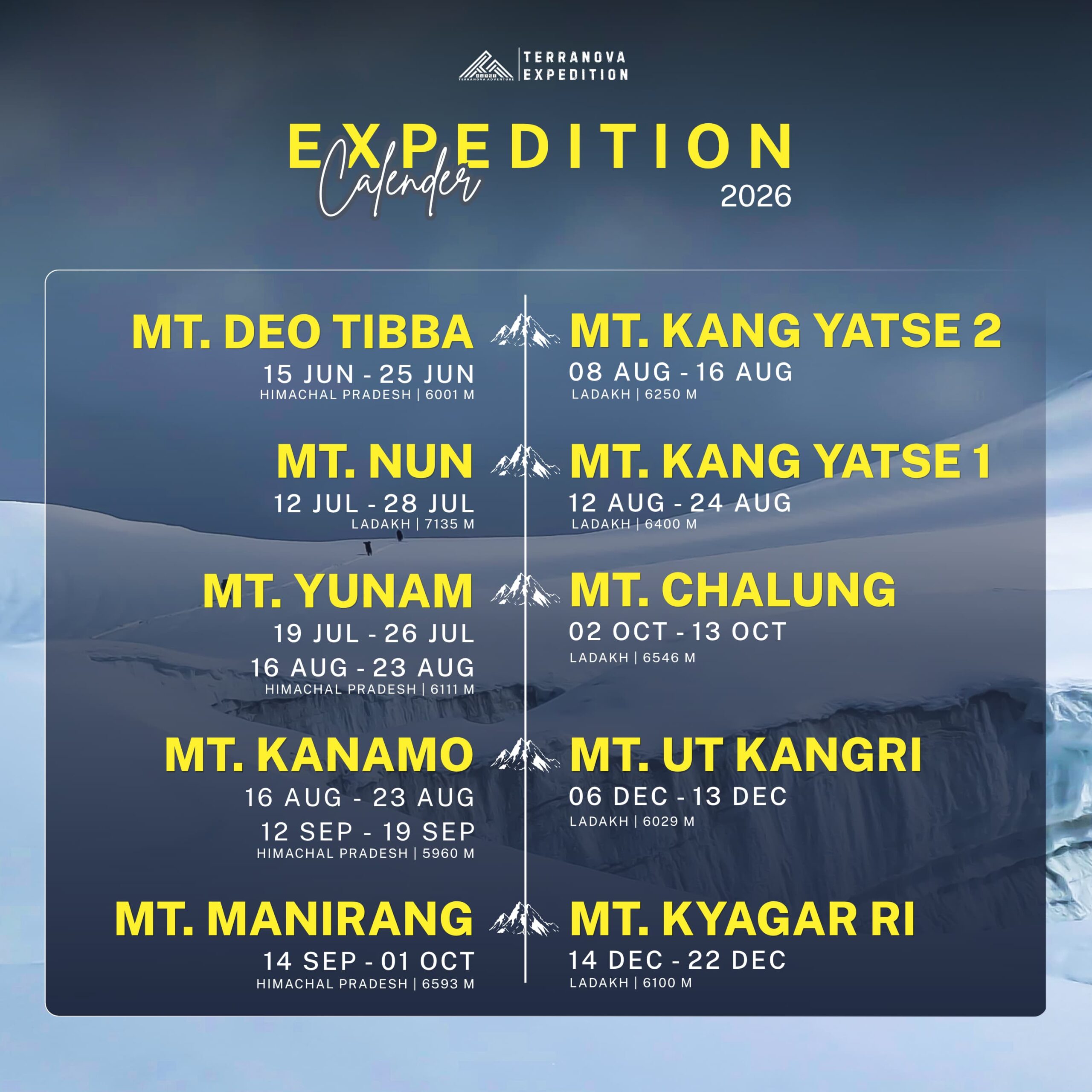
Altitude: 6546
Distance: 50
Grade: Difficult
Pick Up: Manali
Drop: Manali
Base Camp: Chalung Base Camp – 5200 M
Season: Autumn (Sep–Oct)
Stay: Hotel, High Altitude Camps & Expedition Tents

CHALUNG PEAK EXPEDITION (6546 M)

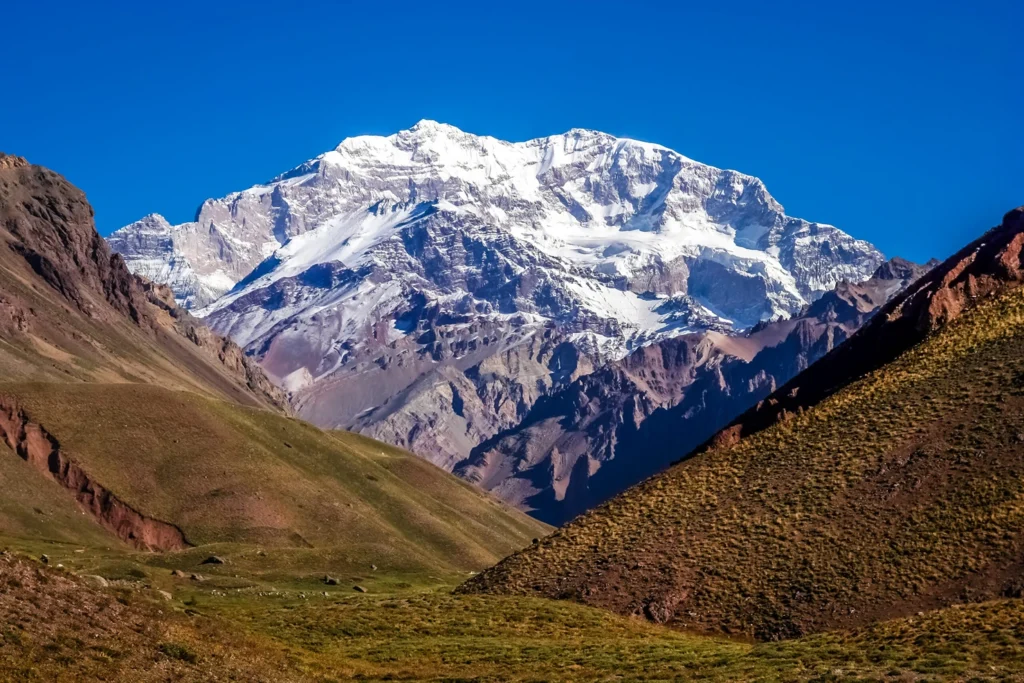
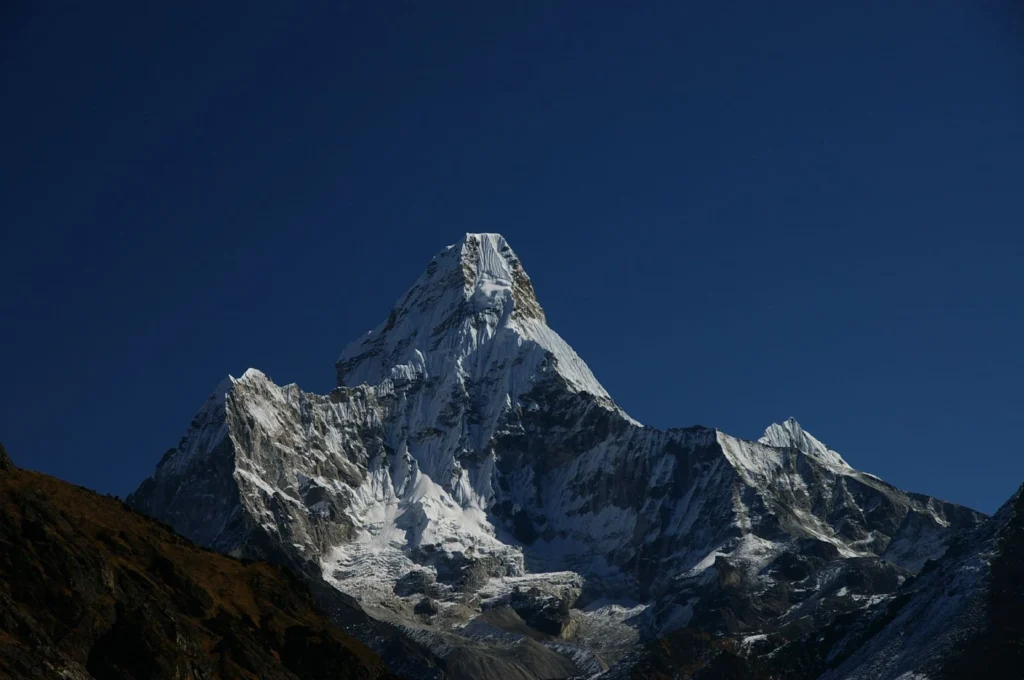
Standing proudly at 6,546 meters, Chalung Peak is among the finest technical climbing objectives in the remote mountains of Ladakh. Unlike commercial Himalayan trekking routes, the Chalung Peak Expedition offers a true expedition experience where every stage of the climb demands commitment, patience, technical knowledge, and mental resilience.

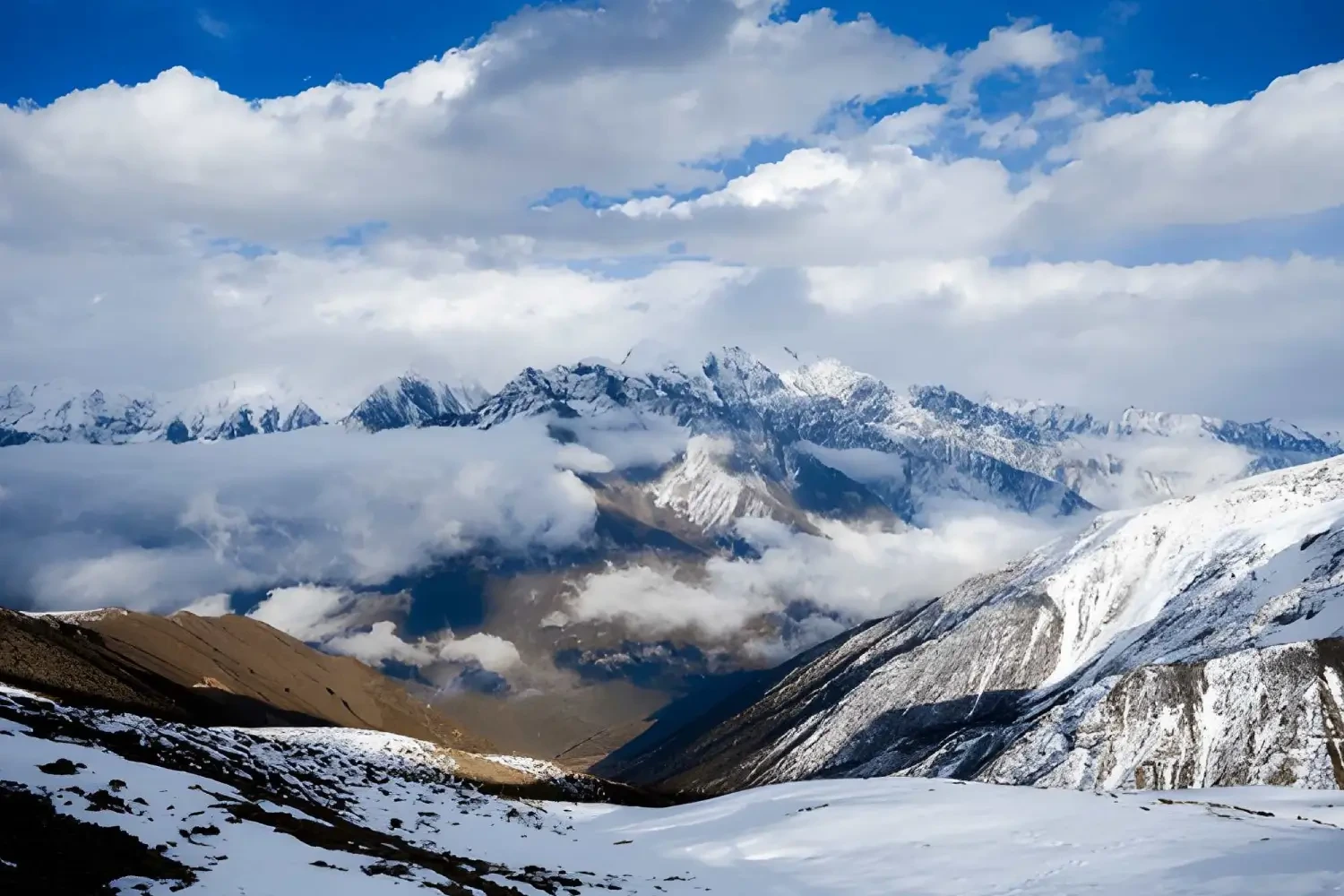
Situated close to the breathtaking Tso Moriri region, Chalung Peak rises above one of the most isolated landscapes in the Indian Himalayas. Endless cold deserts, ancient Tibetan settlements, geothermal valleys, glaciers, and snow-covered ridges combine to create an expedition unlike any other in India.

For experienced trekkers who aspire to move beyond trekking and enter the world of technical mountaineering, Chalung Peak is an exceptional progression. The expedition introduces climbers to every aspect of a professional Himalayan ascent—from glacier travel and advanced acclimatization to fixed-rope climbing and high-altitude camp management.

Unlike shorter climbing programs, this expedition follows a carefully designed altitude profile. Every camp, acclimatization day, and movement has been planned to maximize summit safety and improve physiological adaptation. Instead of rushing toward the summit, trekkers gradually allow their bodies to adapt to decreasing oxygen levels while learning how to function efficiently in a true expedition environment.

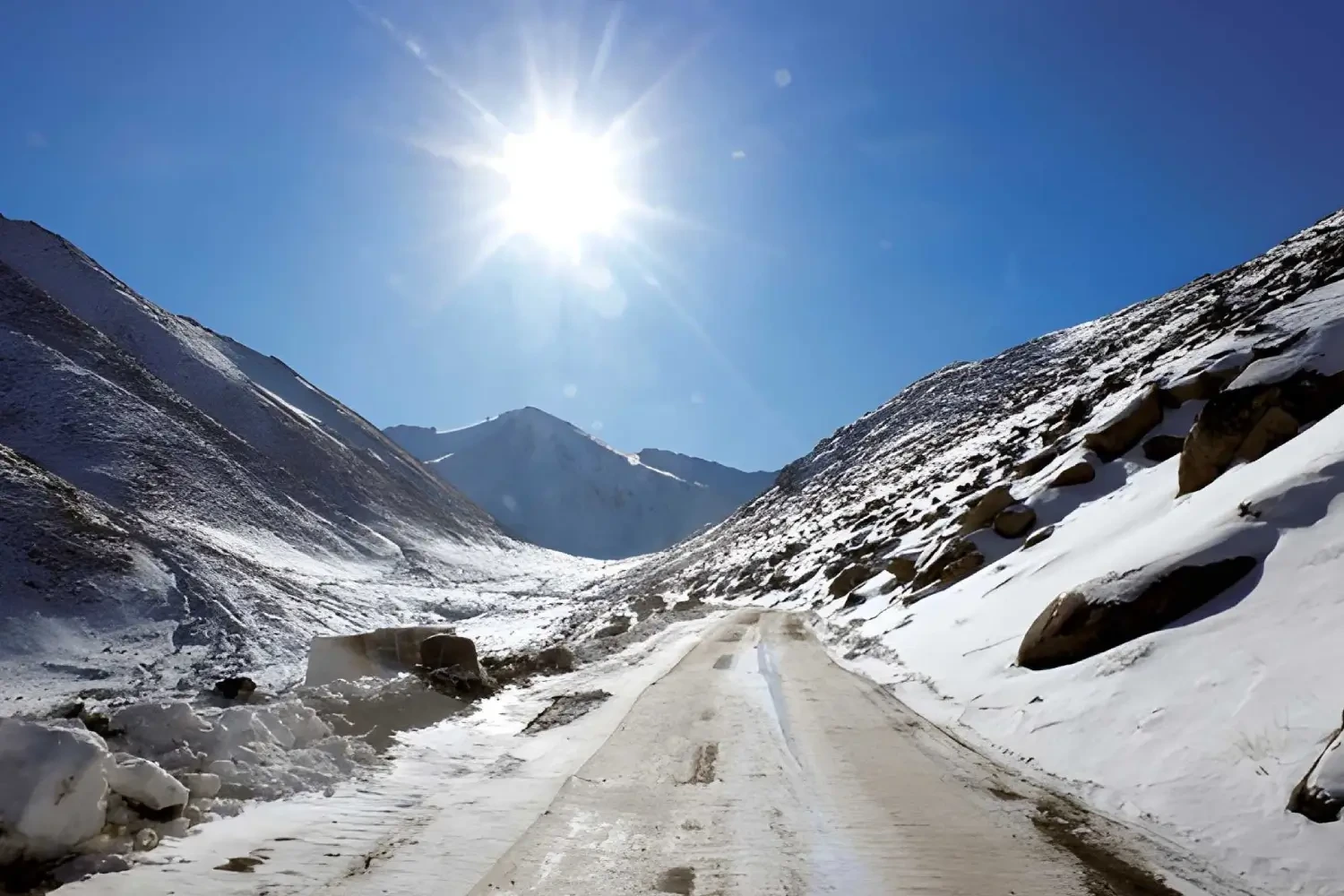
The journey itself is equally rewarding. Beginning from Manali, the route crosses some of the highest motorable mountain passes in the Himalayas before entering the vast wilderness of Ladakh. The transition from lush green valleys to the dramatic cold desert landscape is remarkable. Trekkers pass through Sarchu, Puga Valley, and Sumdho, experiencing Ladakhi culture before leaving civilization behind and entering completely remote expedition terrain.

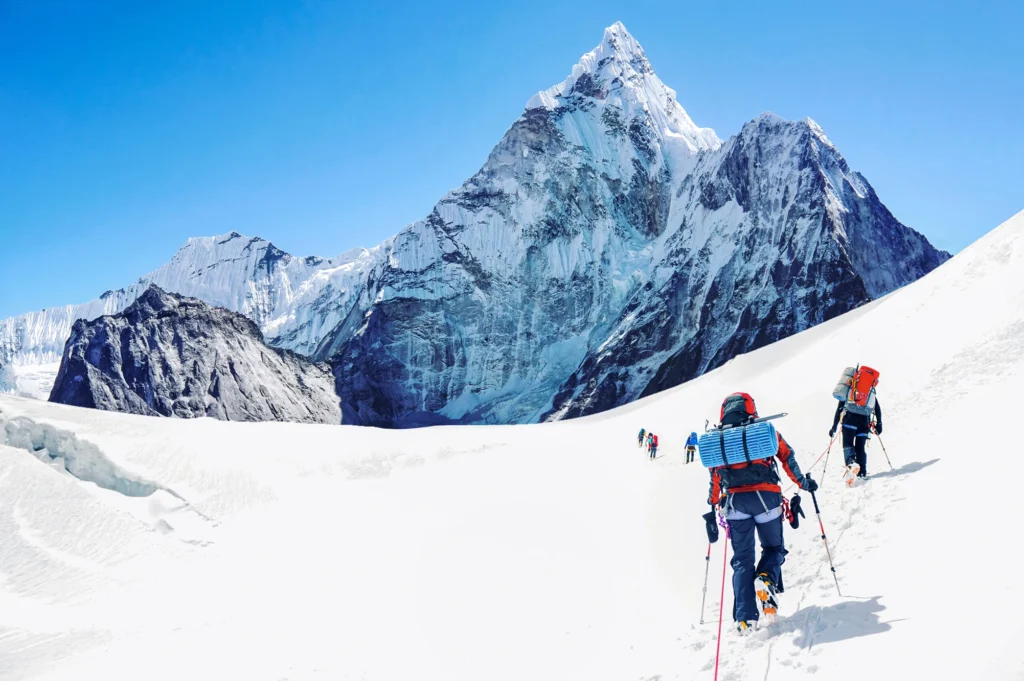
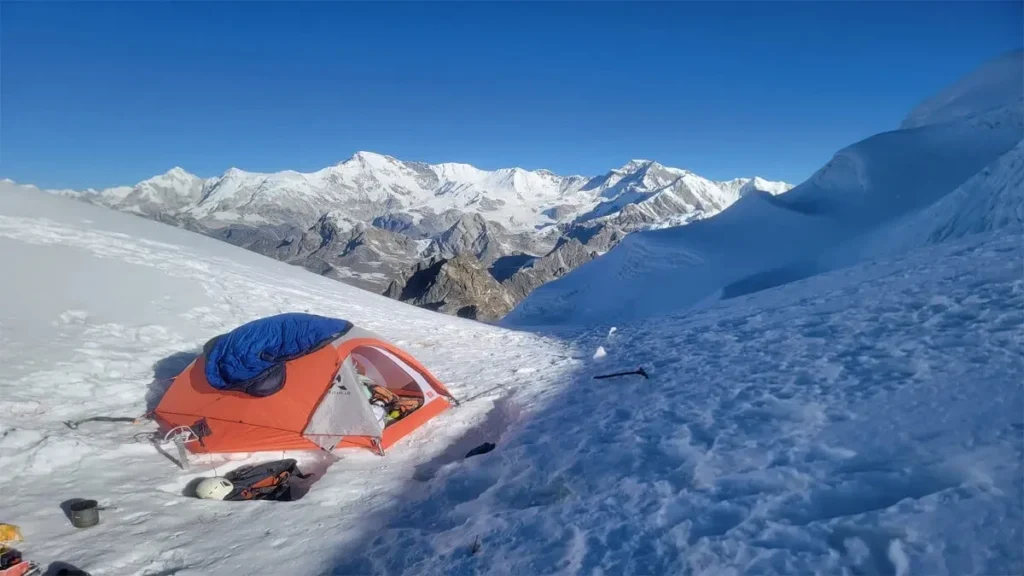
From Chalung Base Camp (5200 M) onward, the landscape changes dramatically. Vegetation disappears completely, replaced by glacial moraines, snowfields, frozen streams, and towering mountain faces. Every step becomes slower due to thinner air, and even simple tasks require greater effort. These are the conditions that define a genuine Himalayan expedition.

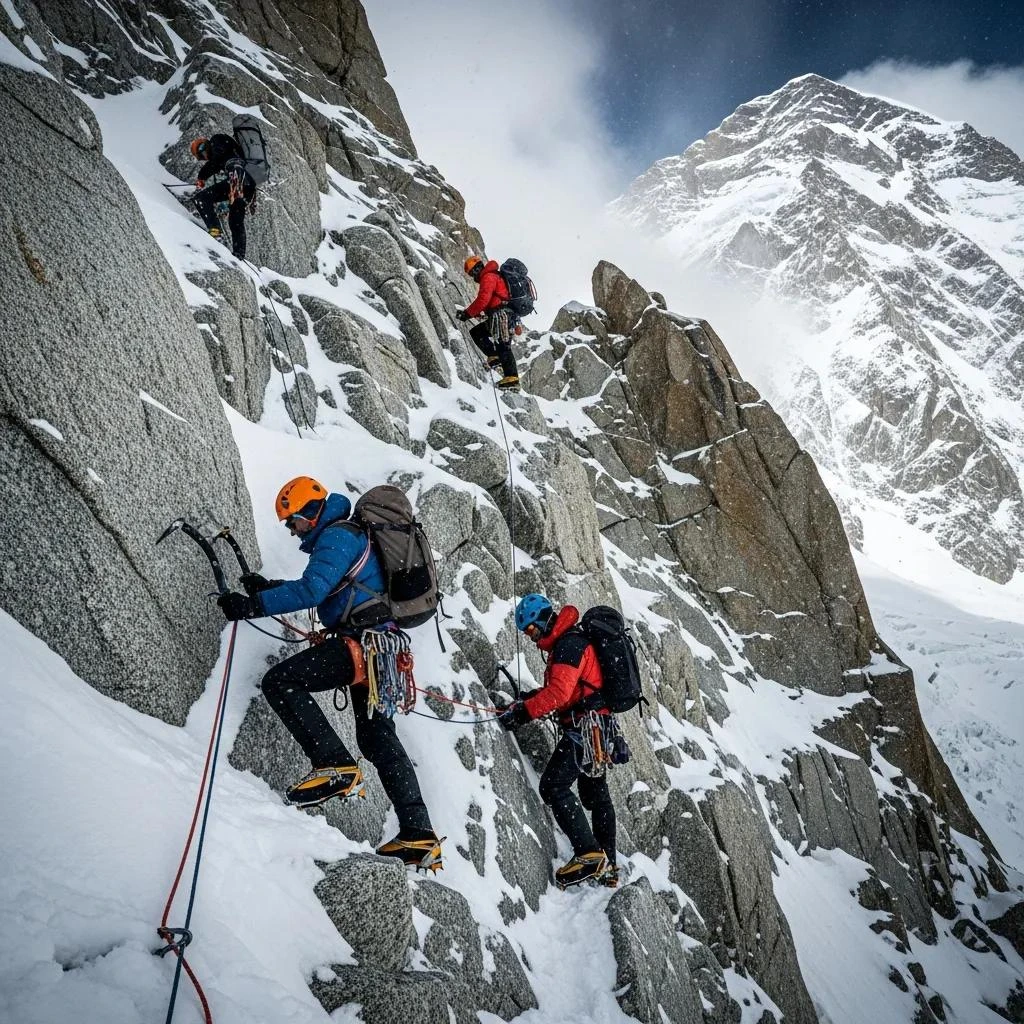
One of the defining characteristics of the Chalung Peak Expedition is the spectacular summit day. The climb begins well before midnight under thousands of stars. Headlamps illuminate the glacier while rope teams steadily gain elevation. The final section consists of steep snow slopes and mixed rock-and-snow climbing, requiring concentration and teamwork. The summit rewards every effort with panoramic views across the Ladakh Himalayan Range, Kyagar So, Tso Moriri, and countless unnamed Himalayan giants stretching toward the horizon.

This expedition is not simply about reaching a summit. It is about understanding expedition discipline, mountain ethics, teamwork, technical climbing techniques, and the patience required to operate safely at nearly 6,500 meters.

For climbers preparing for future expeditions such as Nun, Kun, Kamet, Lenin Peak, or international alpine objectives, the Chalung Peak Expedition serves as an outstanding training ground.

Whether your goal is to expand your mountaineering experience, develop technical climbing skills, or stand on one of Ladakh’s most spectacular summits, Terranova Expedition offers a professionally managed climbing experience focused on safety, preparation, and responsible mountaineering.

HIGHLIGHTS OF CHALUNG PEAK EXPEDITION

Summit one of the finest technical climbing peaks in Ladakh
Experience true expedition-style mountaineering
Explore the spectacular landscapes surrounding Tso Moriri
Journey through remote Ladakhi villages including Sumdho
Cross famous Himalayan passes including Baralacha La, Nakee La, and LachulungLa
Learn glacier movement and fixed-rope climbing
High-altitude camping above 5,000 meters
Spectacular summit views over the Ladakh Himalaya
Carefully planned acclimatization schedule
Guided by experienced expedition leaders and Sherpa support

Itinerary

Day 1

Arrival in Manali (2050 M) | Expedition Briefing & Preparation

Day 2

Manali to Sarchu (4290 M)

Day 3

Sarchu to Sumdho (4500 M)

Day 4

Sumdho to Chalung Base Camp (5200 M)

Day 5

Acclimatization & Expedition Preparation

Day 6

Move from Base Camp to Summit Camp (5900 M

Day 7

Summit Attempt (6546 M) & Return to Base Camp

Day 8

Base Camp to Sumdho

Day 9

Drive from Sumdho to Manali

Day 10

Buffer Day

Inclusions & Exclusions

What’s included

  • You will be staying in tents during the expedition on a sharing basis.
  • Stay included in Manali hotel (sharing basis).
  • Transportation from Manali to Sumdho and return to Manali.
  • Breakfast, lunch, dinner, snacks, soup, tea, hot drinks during expedition
  • High altitude meals.
  • Trekking/Expedition permits from Indian Mountaineering Foundation (For Indians).
  • Local permits.
  • Garbage cleaning charges.
  • Weather forecast report from the Indian Meteorological Department & Windy.
  • Certificate of accomplishment.
  • Accidental Policy (High Risk Adventure Insurance).
  • High altitude expedition tents, summit tents, sleeping bag, mattress, kitchen tent, cutlery, dining & meeting tent, toilet tent, tables & stools till Base Camp.
  • First aid, medical kit, oxygen cylinders, blood pressure monitor, pulse oximeter, etc. will be available at all campsites to deal with emergencies.
  • Ice axe, snow boots, harness, carabiners, ascenders, descenders, gaiters, helmet, crampons, tape sling, fixed ropes and all necessary technical climbing & safety equipment.
  • Certified Trek Leader, Expedition Guide & Sherpa support from Terranova Expedition.
  • High altitude cook, helpers, support staff and mule support for expedition equipment.
  • Cloakroom facility for left luggage.

What’s not included

  • Mules or porters charges to carry personal luggage
  • 5% GST.
  • Meals during road journeys.
  • Meals in Manali Hotel.
  • Any kind of personal expenses.
  • Expedition permits for Foreign Nationals (if applicable).
  • Any early return travel costs or accommodation except for the days as per the itinerary.
  • Any personal mountaineering clothing or equipment not mentioned under inclusions.
  • Documentary filming, camera and drone permit fee (if required).
  • Any emergency evacuation.
  • For Heli Rescue, opt for ASC 360 High Altitude Adventure Sport Insurance.
  • Tips for expedition staff.
  • Anything apart from the inclusions.

Refund & Cancellation

Quick Cancellation Fee Schedule
The following applies to standard group departures. Custom/private departures may have different rules stated on the invoice.
Days before trip start Refund Cancellation fee
30–15 days 85% of the advance amount / expedition cost 15% (admin & blocking cost)
15–7 days 40% of the advance amount / expedition cost 60%
7–0 days 0% 100%

Note: Once issued, permits, insurance, and third-party reservations are usually non-refundable. Such costs are excluded from refunds above.

If You Cancel
  • Advance/booking amount is non-refundable; reschedule credit may be offered if requested ≥ 7 days before departure.
  • Government permits, insurance, accommodation and transport already paid to vendors are non-refundable.
  • Force majeure (weather, landslides, strikes, roadblocks, government orders): trip may be postponed; paid amounts remain non-refundable; credit/reschedule may be offered where possible.
  • Unused services, early return or partial participation do not qualify for refunds.
  • Refunds are processed to the original payment method; allow 7–10 business days.
  • Name change/transfer possible until permits are issued; afterward, standard cancellation terms apply.

Things to Carry

Footwear

  • Waterproof Trekking Shoes [1 pair] Floaters / Slippers [1 pair] Socks [4-5 pair]

Clothing Layers

  • Quick dry T Shirts [3-4] Quick Dry Trek Pants [2] Windproof Pants for Sumit [1] Down Jacket [1] Thermal [1 set] Fleece [1] Windproof Jacket [1]

Rain Protection

  • Lightweight Rain Poncho Rain Jacket

Sun Protection

  • Sun Goggles UV Protected Sun Cap or Head Buff

Hydration

  • Water Bottle / Hydrapack [1L] Thermos Bottle [1L]

Snacks & Energy

  • Energy Bar Trail Mix Dry Fruits

Personal Medicines

  • Prescribed Medicines [If any] ORS

Headlamp & Batteries

  • Head Torch Spare Batteries Power bank Camera [If needed]

Warm Accessories

  • Woollen / Fleece gloves [1 pair] Waterproof Gloves [1 pair] Woollen / Fleece Beanie Neck Protector

Toiletries & Hygiene

  • Toiletery Kit [1 set] Quick Dry Towel [1] Toilet Paper Wet Wipes

Documents & Cash

  • Govt. ID Proof Emergency Cash Emergency Contact Number

Backpack & Daypack

  • 50-60L Rucksack [1] 20-30L Backpack [1]

How to Reach

By Air

The nearest airport to Manali is Bhuntar Airport (Kullu-Manali Airport), approximately 50 kilometres away. Regular flights connect Bhuntar with Delhi and a few other major cities, depending on the season. From Bhuntar, taxis and private vehicles are readily available for the drive to Manali.

By Road

Manali is well connected by road with major North Indian cities.

Approximate travel distances:

  • Delhi to Manali – 540 km
  • Chandigarh to Manali – 310 km
  • Shimla to Manali – 250 km

Luxury Volvo buses, private taxis, and self-drive options are available throughout the year.

By Rail

The nearest major railway stations are:

  • Chandigarh Railway Station
  • Pathankot Railway Station

Both stations have reliable road connectivity to Manali through overnight buses and taxis.

Reporting Point

All trekkers are required to report in Manali on Day 1 of the expedition for documentation, equipment inspection, and briefing before departure toward Ladakh.

FAQs

Common questions answered

Where is Chalung Peak located?

Chalung Peak is located in the remote Changthang region of Ladakh, near the breathtaking Tso Moriri Lake. Unlike commercial trekking destinations, this mountain lies in a relatively unexplored section of the Indian Himalayas, offering climbers an authentic expedition experience amidst vast cold deserts, glaciers, and high-altitude alpine terrain.

What is the height of Chalung Peak?

The summit of Chalung Peak stands at 6,546 meters (21,476 ft) above sea level, making it one of the significant expedition peaks in the Indian Himalayas for experienced climbers.

How difficult is the Chalung Peak Expedition?

The Chalung Peak Expedition is graded as Difficult / Technical. Trekkers should expect:

  • Glacier travel
  • Snow climbing
  • Fixed rope sections
  • Steep snow slopes
  • High altitude exposure
  • Technical mountaineering equipment
  • Long summit day

It is not suitable for first-time trekkers.

Is Chalung Peak a technical climbing expedition?

Yes.

Unlike non-technical peaks where trekking is the primary activity, Chalung Peak involves genuine alpine climbing techniques including:

  • Rope travel
  • Ice axe usage
  • Crampon climbing
  • Fixed rope ascent
  • Snow anchors
  • Glacier movement

This makes it an excellent objective for experienced Himalayan climbers.

Who should attempt Chalung Peak?

This expedition is recommended for:

  • Experienced trekkers
  • Basic mountaineers
  • Climbers who have completed Friendship Peak or similar expeditions
  • Those preparing for 7000m expeditions
  • Climbers looking for technical Himalayan experience
Is previous trekking experience mandatory?

Yes.

Trekkers should have completed at least one or more high-altitude expeditions above 5000 meters before attempting Chalung Peak.

Previous experience on peaks like:

  • Friendship Peak
  • Shitidhar Peak
  • Kang Yatse II
  • Mentok Kangri
  • Yunam Peak

is highly recommended.

Is previous mountaineering experience required?

Basic knowledge of:

  • Ice axe
  • Crampons
  • Rope movement
  • Snow climbing

is strongly recommended.

Trekkers without any snow experience may find the expedition extremely challenging.

What is the best time for the Chalung Peak Expedition?

The best climbing season is:

  • August
  • September
  • October

These months generally provide stable snow conditions and relatively predictable weather.

Why does the expedition start from Manali instead of Leh?

Starting from Manali allows trekkers to gain altitude gradually while crossing multiple Himalayan passes, which supports better acclimatization before entering the higher camps. This approach also offers a spectacular overland journey through Himachal Pradesh into Ladakh.

What is the highest camp before the summit?

The highest overnight camp is Summit Camp at approximately 5,900 meters, from where the summit push begins.

Why is acclimatization important on this expedition?

At altitudes above 5,000 meters, oxygen availability decreases significantly. Without proper acclimatization, trekkers face a much higher risk of Acute Mountain Sickness (AMS). The itinerary includes gradual altitude gain, acclimatization hikes, and dedicated rest days to improve the body’s adaptation.

What is a Load Ferry and why is it used?

A load ferry involves carrying equipment to a higher altitude before returning to a lower camp to sleep. This “climb high, sleep low” strategy helps the body acclimatize more effectively and improves summit success rates.

What kind of terrain should trekkers expect?

The expedition passes through:

  • Cold desert
  • River crossings
  • Rocky moraine
  • Loose scree
  • Glacier sections
  • Permanent snowfields
  • Mixed snow and rock terrain
  • Steep summit slopes

Each stage presents different challenges and requires careful movement.

How long is the summit day?

Summit day usually takes 10–12 hours, including ascent and descent. Climbers begin between 1:00 AM and 2:00 AM and return to Base Camp later the same day.

What temperatures can trekkers expect?

Approximate temperatures are:

  • Day: 5°C to 15°C
  • Night: -10°C to -15°C
  • Summit push: Wind chill may make it feel significantly colder.

What equipment is required?

Essential personal equipment includes:

  • Double-layer mountaineering boots
  • Crampons
  • Ice Axe
  • Helmet
  • Harness
  • Ascender
  • Descender
  • Carabiners
  • Gaiters
  • Down Jacket
  • Headlamp
  • Glacier Sunglasses

The expedition also uses ropes and other technical equipment supplied by the organizing team where applicable.

What accommodation is provided?

Trekkers stay in:

  • Hotel in Manali
  • Two-sharing expedition tents
  • High-altitude alpine camps

Accommodation changes as the expedition progresses into increasingly remote terrain.

What meals are provided?

Meals include:

  • Breakfast
  • Lunch
  • Evening Snacks
  • Dinner
  • Tea
  • Hot Drinks
  • Summit Food
  • High-calorie expedition meals

The menu is designed to meet the increased nutritional demands of high-altitude climbing.

Is emergency oxygen available?

Yes.

The expedition carries emergency oxygen and a first-aid kit for high-altitude emergencies.

What medical support is available?

Medical support includes:

  • Expedition First Aid
  • Oxygen Cylinder
  • Generic medicines
  • Trained expedition staff

Trekkers should also carry their personal medications.

Is travel insurance included?

Yes. Adventure insurance is included for trekkers as listed in the expedition inclusions.

What permits are required?

The expedition includes:

  • Local permits
  • IMF Permit for Indian trekkers

Foreign nationals may require additional permits.

Is there mobile network coverage?

Network coverage is available in Manali and limited in some transit locations. Beyond Sumdho and at higher camps, trekkers should expect little to no mobile connectivity.

Is there electricity at the camps?

No.

Trekkers should carry:

  • Power banks
  • Spare batteries
  • Headlamp batteries
What fitness level is required?

Trekkers should be capable of:

  • Walking 8–10 hours daily
  • Carrying a loaded backpack
  • Running 5–10 km comfortably
  • Climbing stairs with weight
  • Maintaining endurance over multiple consecutive days
What training should I do before joining?

Recommended preparation:

  • Running
  • Cycling
  • Swimming
  • Stair climbing
  • Strength training
  • Backpack hiking
  • Flexibility exercises

Training should ideally begin at least 8–10 weeks before the expedition.

What makes Chalung Peak different from Friendship Peak?

While Friendship Peak is primarily a non-technical expedition, Chalung Peak is a full technical climb requiring glacier travel, fixed ropes, and advanced snow climbing techniques.

What mountains are visible from the summit?

On a clear day, trekkers enjoy panoramic views of:

  • Ladakh Himalayan Range
  • Kyagar Tso
  • Tso Moriri
  • Surrounding unnamed Himalayan summits
Can solo trekkers join the expedition?

Yes.

Solo trekkers are welcome to join scheduled group departures organized by Terranova Expedition.

Is the summit guaranteed?

No.

Summit success depends on:

  • Weather
  • Snow conditions
  • Team safety
  • Individual health
  • Expedition leader’s assessment

Safety always takes priority over reaching the summit.

Why is a Buffer Day included?

The Buffer Day provides flexibility in case of adverse weather, heavy snowfall, high winds, or any unforeseen circumstances. It improves the chances of a safe summit attempt without compromising decision-making.

Will I receive an expedition certificate?

Yes.

Trekkers who successfully complete the expedition receive an official Terranova Expedition Completion Certificate.

What luggage should I carry?

Carry:

  • 60–70L expedition backpack
  • 20–30L summit daypack
  • Waterproof duffel bag (optional)

Pack only essential items to reduce unnecessary weight.

Is drinking water available?

Yes.

Water is sourced and treated by the expedition team. Trekkers are encouraged to carry reusable bottles or hydration systems.

Can beginners join this expedition?

No.

Chalung Peak is intended for experienced trekkers and climbers who already have exposure to high-altitude trekking and basic mountaineering.

What makes Terranova Expedition different?

Terranova Expedition focuses on:

  • Small expedition teams
  • Professional mountain leadership
  • Certified expedition guides
  • Safety-first approach
  • Proper acclimatization
  • Technical climbing instruction
  • High-quality expedition logistics
Why choose Chalung Peak?

The expedition offers:

  • Technical climbing
  • Stunning Ladakh landscapes
  • Remote Himalayan experience
  • Excellent preparation for higher peaks
  • Professional expedition environment

How should trekkers prepare mentally?

Mental preparation is as important as physical fitness. Climbers should be prepared for:

  • Long days in harsh environments
  • Cold temperatures
  • Limited comforts
  • Teamwork under pressure
  • Flexible decision-making due to weather
  • A positive attitude and patience are key to enjoying the expedition.
What environmental practices should trekkers follow?

Terranova Expedition encourages responsible mountaineering by following Leave No Traceprinciples:

  • Carry back all non-biodegradable waste
  • Avoid disturbing wildlife
  • Respect local culture and customs
  • Minimize camp impact
  • Use water responsibly
How can I book the Chalung Peak Expedition?

You can contact Terranova Expedition through the official website, email, or phone to receive departure dates, expedition costs, equipment guidance, and booking assistance.

Hurry — Limited Seats Save 6,000.00 (13%)
40,000.00
46,000.00
/pp
Choose Date
Male
Female

Send an Enquiry

Your Name
Email
Phone
Preferred Date
Message

Reviews

What our clients say

No ratings yet
5★
0
4★
0
3★
0
2★
0
1★
0

Write a Review

Please log in to write a review.

Recent Reviews

No reviews yet — be the first to write one.

Other Related Peaks

Price Per Person
40,000 46,000