Mountaineering looks simple from a distance.
People see climbers standing on summits and assume the challenge is mostly physical—walk hard, endure cold weather, and keep moving upward. But once you step into real expedition climbing, you quickly realize that mountaineering is far more technical and structured than most people imagine.
The mountains are not just testing fitness.
They test:
• Movement efficiency
• Technical understanding
• Decision-making
• Rope systems
• Terrain judgment
• Mental control under fatigue
And this is exactly why expedition grades and climbing techniques matter.
When I first entered mountaineering, I believed expedition progression depended mostly on altitude. A 6000m peak was harder than a 5000m peak, and a 7000m mountain must naturally be the next logical step.
But after multiple Himalayan expeditions, that thinking completely changed.
Some lower mountains felt technically terrifying. Some high-altitude climbs felt physically brutal but technically manageable. A few peaks demanded more mental resilience than physical strength.
Eventually, one thing became clear:
Good mountaineers are not defined only by the mountains they climb. They are defined by how well they understand movement, systems, and progression.
This guide explains expedition grades and mountaineering techniques in a realistic and practical way, combining technical understanding with real Himalayan climbing experience.
Why Expedition Grades Matter in Mountaineering
One of the biggest reasons climbers struggle in the Himalayas is poor objective selection.
Many people choose peaks emotionally:
• Based on social media
• Summit photographs
• Altitude numbers
• Trend popularity
But mountains are complex environments.
A technically difficult 6000m peak can easily feel harder than a straightforward 7000m mountain.
Expedition grades exist to help climbers understand:
• Technical complexity
• Terrain exposure
• Physical demands
• Altitude challenge
• Objective hazards
• Required climbing skills
Without understanding grades properly, climbers often underestimate mountains badly.
Expedition Difficulty is Never Based on Altitude Alone
This is the first major lesson every climber must learn.
Altitude matters—but it is only one part of mountain difficulty.
Other critical factors include:
• Glacier systems
• Ice climbing sections
• Rock exposure
• Avalanche terrain
• Crevasse risk
• Weather instability
• Route finding complexity
• Length of summit push
• Isolation and rescue accessibility
This explains why some relatively “lower” peaks are considered elite mountaineering objectives.
Understanding Expedition Grade Categories
While grading systems vary internationally, most Himalayan expeditions can generally be understood through progressive categories.
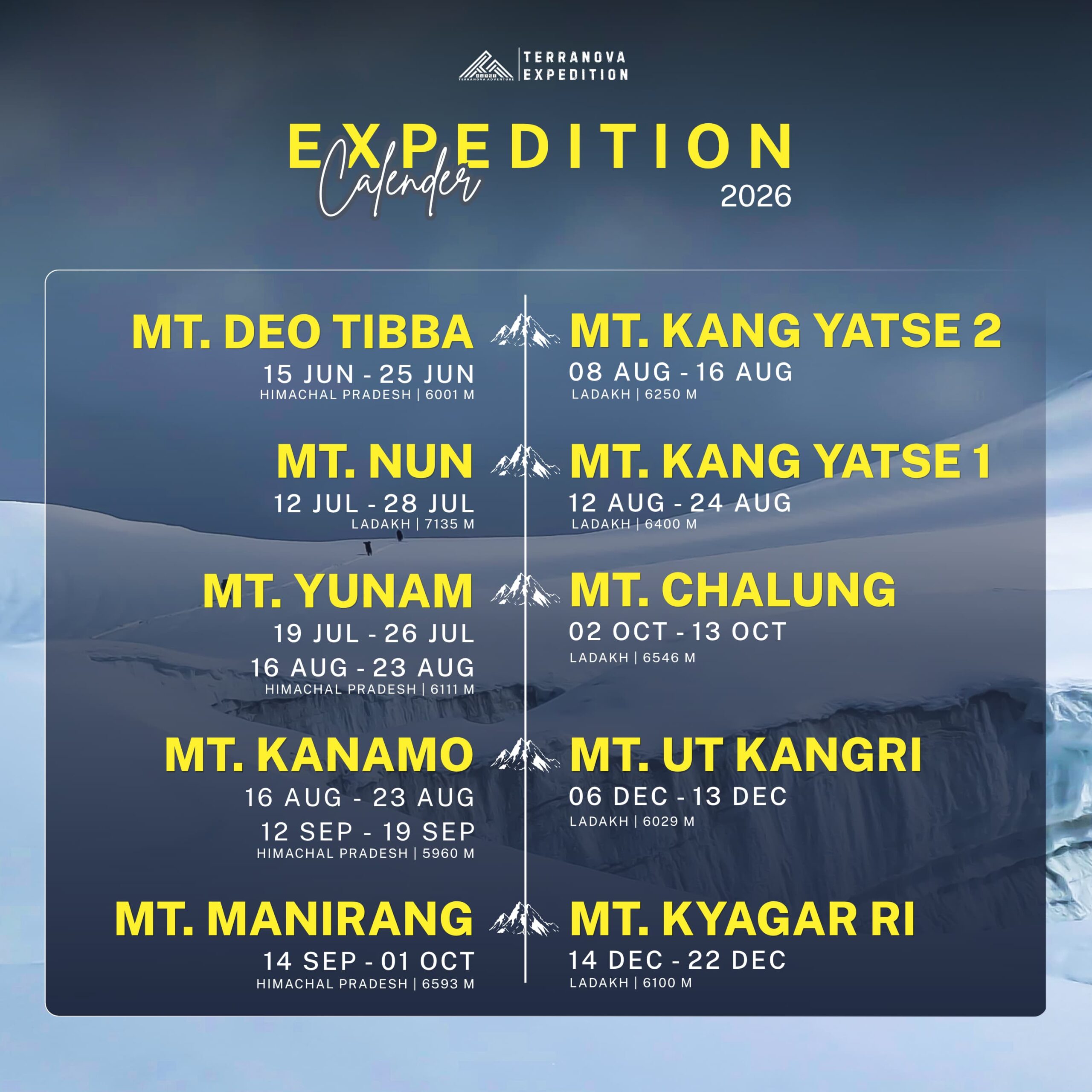
1. Beginner Expedition Grade
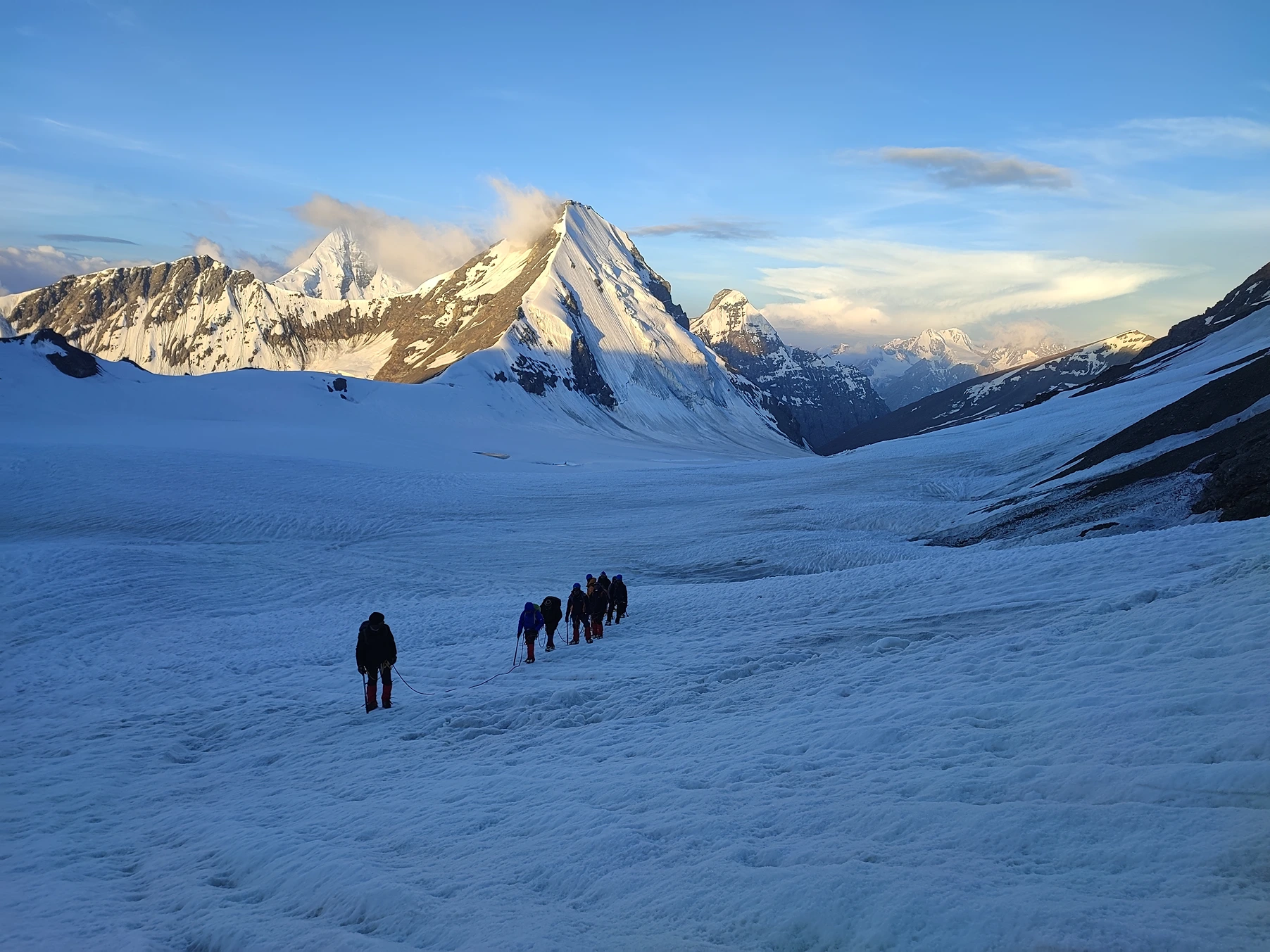
These climbs are designed for mountaineers transitioning from trekking into expedition climbing.
Typical characteristics:
• Moderate snow slopes
• Basic glacier travel
• Limited technical exposure
• Beginner rope systems
• Straightforward summit routes
Examples often include:
• Friendship Peak
• Yunam Peak
• Kang Yatse II
These expeditions teach:
• High-altitude adaptation
• Basic crampon movement
• Ice axe usage
• Expedition systems
• Controlled pacing
My First Realization at Beginner Level
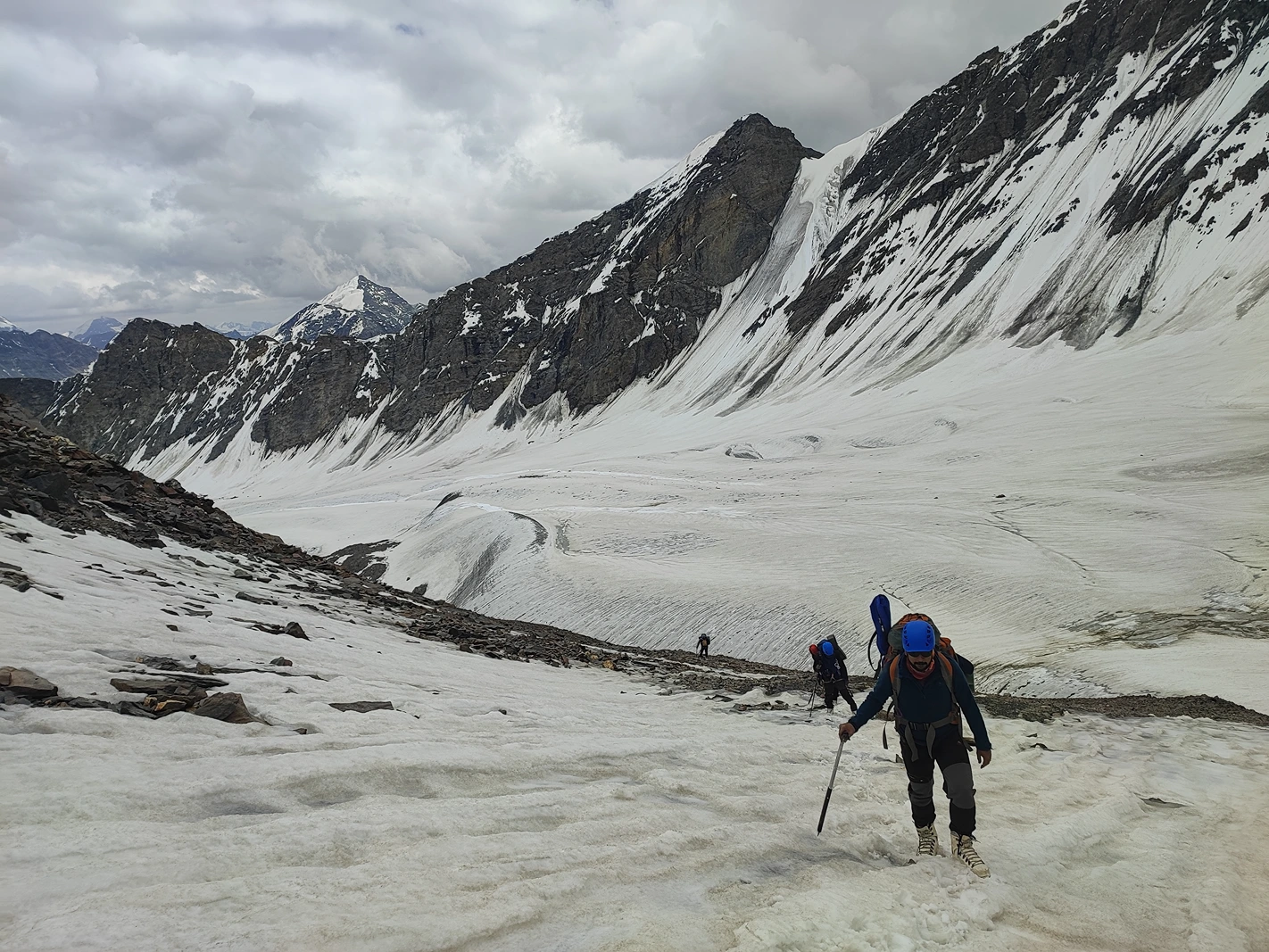
The biggest shock during my first beginner expedition was how quickly altitude changes movement.
At sea level, carrying a backpack uphill feels manageable.
Above 5,000 meters, even basic movement becomes exhausting if pacing is poor.
That was the first moment I understood that mountaineering is less about aggression and more about efficiency.
Lesson from Experience:
The mountains reward controlled movement—not rushed effort.
2. Intermediate Expedition Grade
Intermediate mountains introduce greater technical and environmental complexity.
Characteristics usually include:
• Steeper snow slopes
• Glacier navigation
• Fixed rope sections
• Longer summit duration
• Increased exposure
Examples may include:
• Black Peak (Kalanag)
• Shinkun West
• Technical 6000m peaks
At this stage:
• Technical mistakes become more serious
• Energy management becomes critical
• Decision-making matters more
This is often where climbers truly transition from trekkers into mountaineers.
3. Advanced Expedition Grade
Advanced-level expeditions involve serious technical climbing and harsh conditions.
Typical features:
• Sustained technical terrain
• Ice climbing sections
• Mixed climbing
• Complex glacier systems
• Objective hazards
• Long technical summit ridges
Examples:
• Shivling
• Thalay Sagar
• Bhagirathi peaks
• Technical alpine routes
These climbs demand:
• Technical precision
• Efficient rope systems
• Strong acclimatization
• Advanced mental resilience
At this level, mountaineering becomes highly specialized.
4. Extreme Expedition Grade
These are elite Himalayan objectives.
Features include:
• Extreme altitude (7000m+)
• Technical alpine climbing
• Severe weather exposure
• Long summit pushes
• High commitment terrain
Examples:
• Mt. Kun
• Mt. Nun
• Kamet
• Abi Gamin
At this stage:
• Recovery becomes extremely slow
• Small mistakes become dangerous
• Efficiency becomes survival
This level demands years of experience.
Mountaineering Techniques Every Climber Must Understand
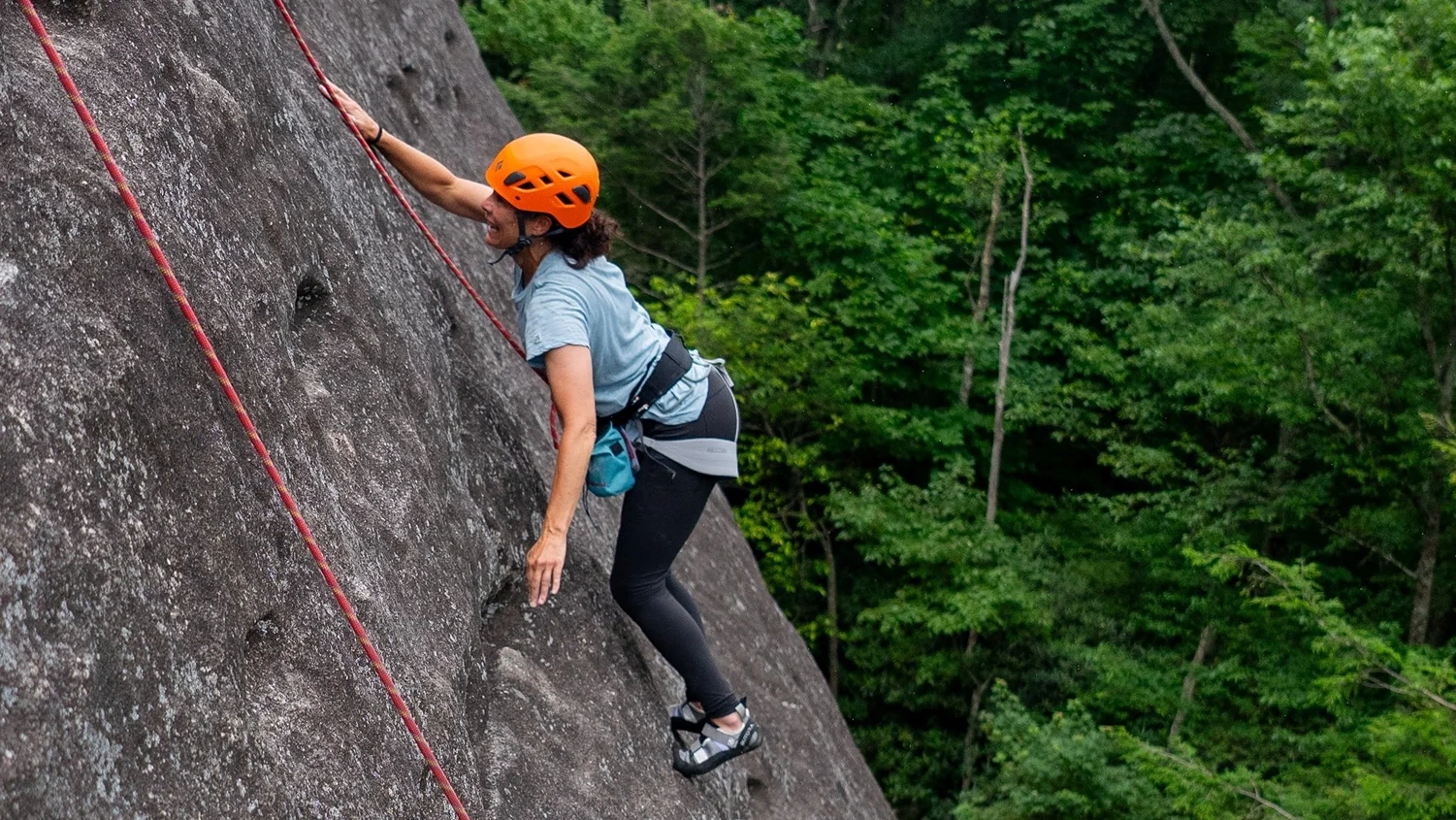
Grades tell you how difficult a mountain is.
Techniques determine whether you can climb it safely.
Technique 1: Pressure Breathing
One of the first real altitude techniques climbers learn is pressure breathing.
At high altitude:
• Oxygen availability decreases significantly
• Breathing naturally becomes shallow
Pressure breathing helps improve oxygen intake by:
• Exhaling forcefully
• Creating stronger breathing rhythm
This technique becomes extremely important above 6000m.
During one summit push, controlled breathing became more important than leg strength itself.
Lesson from Experience:
At altitude, breathing becomes part of climbing technique.
Technique 2: Rest Step
The rest step is one of the most important movement techniques in mountaineering.
Instead of continuous walking, climbers briefly lock one leg between steps, allowing micro-rest moments during ascent.
This:
• Conserves energy
• Slows heart rate increase
• Improves long-duration movement efficiency
Without this technique, fatigue builds much faster during summit pushes.
Technique 3: Crampon Walking
Crampons completely change movement mechanics.
Poor crampon movement causes:
• Tripping
• Instability
• Energy waste
Basic crampon techniques include:
• Flat-footing on snow slopes
• Front-pointing on steeper ice
• Controlled foot placement
Early in my mountaineering journey, I realized that efficient crampon movement is not about speed.
It is about rhythm and balance.
Technique 4: Ice Axe Usage
The ice axe is one of the most important tools in mountaineering.
Its functions include:
• Balance support
• Self-arrest during slips
• Stability on steep terrain
• Snow anchor systems
Many beginners treat the ice axe like a walking stick.
It is actually a critical safety tool.
Technique 5: Rope Team Movement
Glacier travel often requires climbers to move roped together.
This system:
• Protects against crevasse falls
• Improves team safety
• Maintains spacing discipline
Good rope movement requires:
• Consistent pace
• Controlled slack management
• Communication awareness
Poor rope discipline creates danger for the entire team.
Technique 6: Fixed Rope Climbing
Steep sections often use fixed ropes for safety.
Climbers use:
• Ascenders
• Harness systems
• Safety backups
Efficiency on fixed ropes matters significantly because:
• Delays increase fatigue
• Congestion increases cold exposure
Smooth transitions save energy.
Technique 7: Glacier Navigation
Glaciers are not simple snow fields.
They contain:
• Hidden crevasses
• Ice instability
• Snow bridges
• Changing surface conditions
Navigation requires:
• Route awareness
• Rope systems
• Careful pacing
This is where guides and experienced mountaineers become critical.
Technique 8: Layer Management
One underrated mountaineering skill is temperature regulation.
Improper layering causes:
• Sweating
• Heat loss during stops
• Cold management problems
Good climbers constantly adjust layers based on:
• Movement intensity
• Wind conditions
• Altitude changes
Overheating can become as dangerous as cold exposure.
Technique 9: Energy Management
Mountaineering rewards efficiency more than strength.
Strong beginners often fail because they waste energy early.
Experienced climbers:
• Move steadily
• Avoid unnecessary stops
• Maintain sustainable rhythm
• Conserve strength for summit day
This lesson becomes brutally clear on long Himalayan expeditions.
Technique 10: Mental Control
The higher the expedition grade, the more important mental stability becomes.
Mountains create:
• Fear
• Fatigue
• Isolation
• Uncertainty
Good mountaineers learn:
• Calm decision-making
• Emotional control
• Risk assessment under pressure
At high altitude, panic wastes energy faster than climbing itself.
Why Progression Matters More Than Ambition
One of the biggest mistakes modern climbers make is skipping progression.
Social media creates pressure to chase difficult summits quickly.
But mountaineering does not reward impatience.
Every expedition teaches:
• Technical movement
• Gear systems
• Altitude adaptation
• Mental resilience
• Risk management
Skipping these learning stages creates dangerous experience gaps.
What I Personally Learned About Expedition Grades
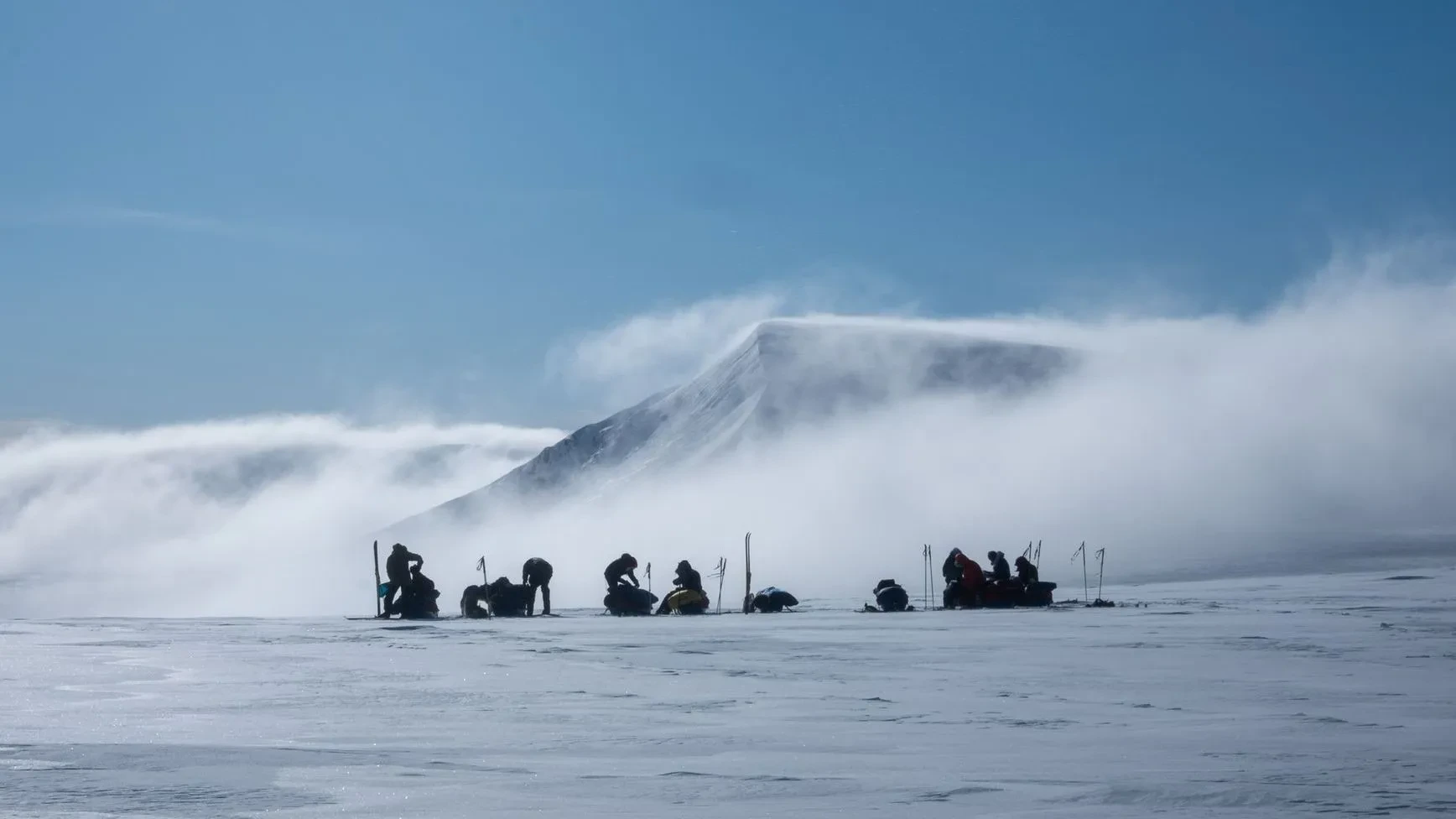
Initially, I judged mountains based mostly on height.
Over time, I realized that:
• Technical terrain matters enormously
• Weather changes difficulty dramatically
• Mental fatigue affects performance heavily
• Lower peaks can feel terrifyingly hard
Eventually, expedition grades stopped feeling like numbers.
They started feeling like systems of responsibility.
Choosing the Right Expedition for Yourself
Before selecting a climb, ask:
• Do I have the required technical skills?
• Have I experienced similar altitude before?
• Can I manage glacier movement safely?
• Am I mentally ready for exposure and uncertainty?
• Do I understand recovery at altitude?
Choose mountains that challenge you without overwhelming you.
Good progression creates long-term mountaineers.
Final Advice for Beginners
Do not rush toward advanced grades.
The strongest climbers are usually not the most aggressive.
They are the ones who:
• Build systems gradually
• Respect progression
• Learn continuously
• Move efficiently under pressure
Mountaineering is a long-term craft.
Treat it that way.
Conclusion
Expedition grades and climbing techniques form the foundation of safe and effective mountaineering.
Grades help climbers understand the true challenge of a mountain, while techniques determine how efficiently and safely they move through that challenge.
After multiple Himalayan expeditions, one lesson became absolutely clear:
The mountains are not testing how badly you want the summit.
They are testing how well you understand movement, discipline, systems, and respect for the environment you are entering.
And the climbers who understand that are usually the ones who keep climbing for years.