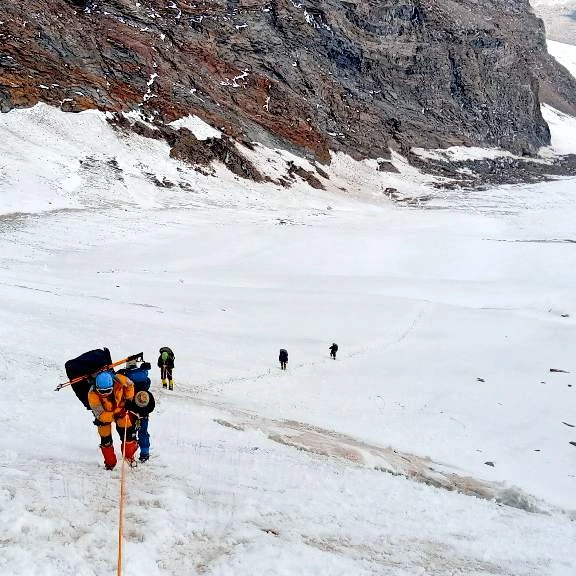
There is a point in mountaineering where the mountains stop feeling adventurous and start feeling serious. Mt. Kun was that point.
Standing at 7,077 meters in the Nun-Kun massif of Ladakh, Mt. Kun is not just another Himalayan summit. It is a true high-altitude expedition where the mountain constantly tests your preparation, patience, and ability to make decisions under pressure.
Before this climb, several peaks had already been completed—trekking peaks, beginner expeditions, and a few 6000-meter mountains. But Kun felt different from the beginning. The scale was larger, the environment harsher, and the margin for mistakes significantly smaller.
This was not just about reaching another summit. This was about stepping into the world of serious Himalayan mountaineering.
The First Realization: A 7000m Peak is Different
It is difficult to explain the difference between a 6000m peak and a 7000m peak until you experience it yourself.
At lower altitudes, fatigue can usually be managed with rest and determination. Above 7,000 meters, the body behaves differently. Recovery slows dramatically. Movement becomes painfully slow. Even simple decisions require mental effort.
That reality became clear during the preparation phase itself.
Training was more structured. Endurance sessions became longer. Load carrying became more important. Recovery and nutrition had to be taken seriously.
This expedition demanded respect long before reaching the mountain.
Lesson:
A 7000m climb begins months before the expedition starts.
Arrival in the Suru Valley: The Scale of the Mountain
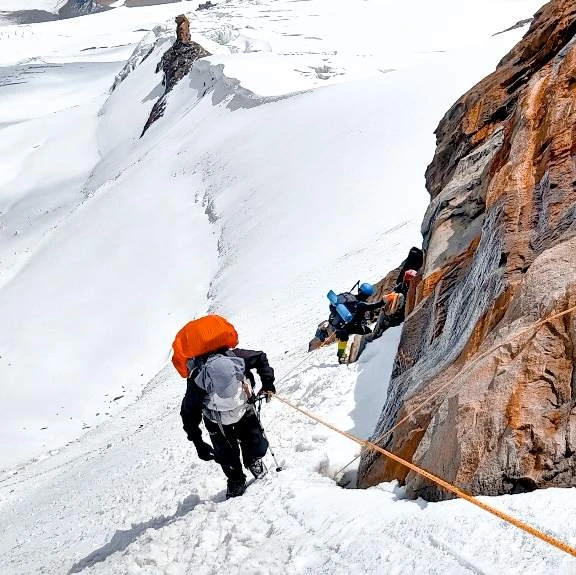
The drive into the Suru Valley was unforgettable.
As the Nun-Kun massif first appeared in the distance, the scale of the mountain immediately changed the atmosphere within the team. Photos and maps had never fully captured how massive the terrain actually was.
Kun did not look inviting. It looked powerful.
The valley itself felt remote and isolated. Unlike crowded trekking regions, there was a sense of seriousness here. The mountain dominated everything around it.
At that moment, the summit no longer felt like an idea. It became a responsibility.
The Approach Trek: Conserving Energy Early
The early days of the expedition involved moving gradually toward base camp through moraine sections and glacier terrain.
The excitement of the expedition made it tempting to move quickly, but experience from previous climbs helped avoid that mistake.
The focus remained entirely on pacing.
Every step was controlled. Breaks were short but regular. Hydration was prioritized constantly, even when the cold reduced thirst.
This approach felt almost “too slow” at times, but later in the expedition, it became clear how important it was.
Lesson:
Energy saved early becomes strength later.
Base Camp: Where the Mountain Begins
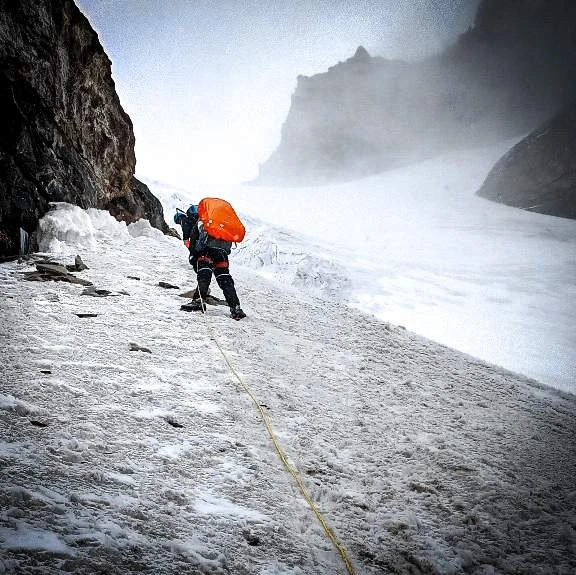
Base camp on Mt. Kun Expedition felt completely different from lower expeditions.
The environment was colder, more exposed, and mentally heavier. The mountain was now directly above camp, and its steep glacier sections made the route ahead look intimidating.
This was where the expedition shifted from trekking rhythm to mountaineering discipline.
Training refreshers began again—rope systems, glacier movement, crampon techniques. Even experienced climbers repeated these systems because mistakes at this altitude can become fatal quickly.
At night, the cold intensified. Sleep became inconsistent. Appetite dropped noticeably.
The body had begun reacting to altitude.
Lesson:
At high altitude, routine becomes survival.
Acclimatization Rotations: The Hardest Phase
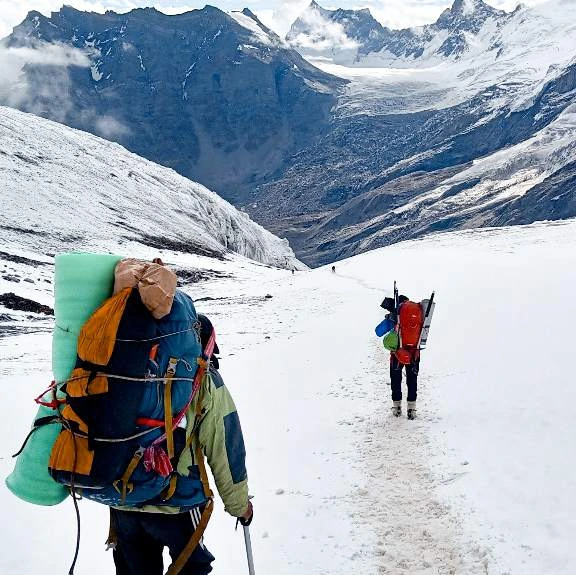
The acclimatization phase on Kun was one of the most physically demanding experiences of the expedition.
Load carries between camps involved steep glacier movement while carrying heavy equipment. Progress was slow, and every climb felt exhausting.
This phase tested patience more than strength.
There were moments where fatigue built up heavily, and motivation disappeared completely. But the rotations continued because everyone understood their importance.
The body slowly adapted. Breathing improved slightly. Movement became more efficient. Confidence started replacing uncertainty.
This phase was where the summit was truly earned.
Lesson:
Acclimatization is not optional work. It is the foundation of success.
Camp 1 and Camp 2: Living in Thin Air
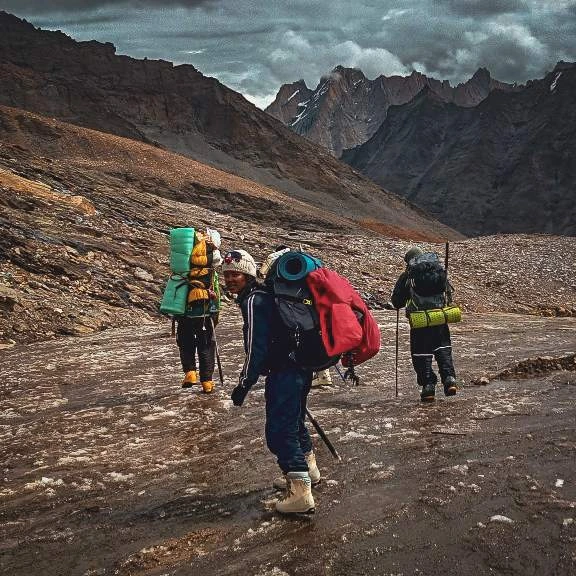
Moving above base camp introduced a completely different level of discomfort.
At Camp 1 and higher, every action required effort. Wearing boots, adjusting ropes, melting snow for water—nothing felt simple anymore.
The glacier sections became more technical, and movement required constant concentration. Rope systems were now part of daily movement.
The biggest challenge, however, was not technical—it was the altitude itself.
Above 6,500 meters, recovery almost disappeared. Sleep no longer felt restorative. Eating became difficult. Breathing remained heavy even while resting.
This is where mountaineering becomes mental.
Lesson:
Above a certain altitude, discipline matters more than motivation.
Summit Push: Entering the Real Test
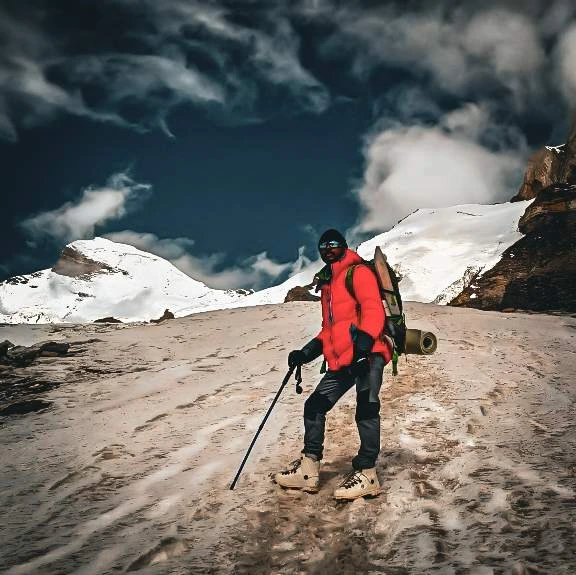
Summit day began deep in the night under freezing conditions.
The climb started slowly across glacier terrain before moving onto steeper snow slopes. The cold was severe, and the wind made every stop uncomfortable.
At this altitude, movement slows naturally. Every step requires breathing control. The body constantly asks for rest.
The pace became extremely methodical—step, breathe, step, breathe.
The mountain felt endless.
There were moments where the summit seemed unreachable, not because the terrain was impossible, but because the body felt completely drained.
This is where experience from previous climbs became critical. Instead of focusing on the summit, the focus shifted to maintaining rhythm and avoiding mistakes.
The final ridge required full concentration. Snow conditions changed constantly, and every foot placement mattered.
And then finally, after hours of slow climbing, the summit was reached.
There was no shouting. No dramatic reaction.
Only silence.
And relief.
Lesson:
At 7000m, the summit belongs to those who stay consistent when everything slows down.
The Descent: Where Success Was Protected
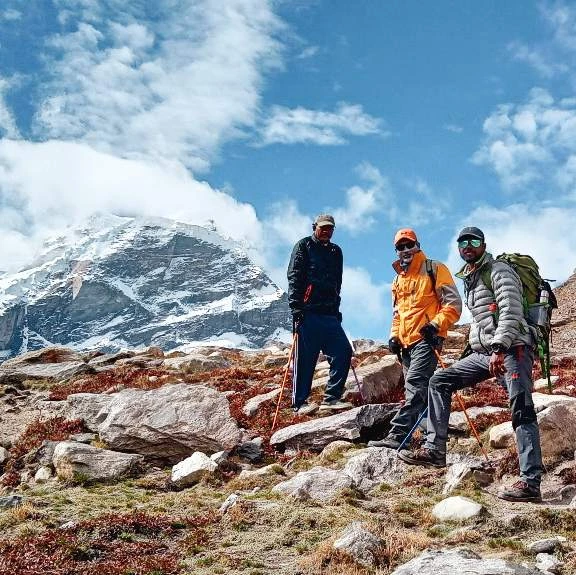
Descending from Kun was harder than expected.
The exhaustion after the summit was overwhelming. Concentration dropped naturally, and movement became less efficient.
This was where the expedition could still fail.
The descent required patience and careful movement, especially through glacier sections. Every climber stayed focused because everyone understood the risk of relaxing mentally too early.
Reaching lower camp safely felt like the real completion of the expedition.
Lesson:
The summit is only part of the climb. Safe descent completes the success.
The Emotional Side of the Climb
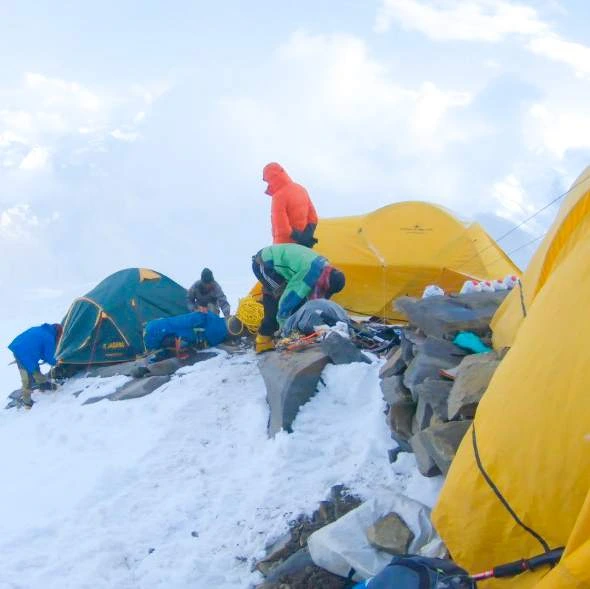
What made Mt. Kun special was not just the altitude or the summit—it was the internal transformation.
The climb forced patience in moments of frustration. It demanded calmness during uncertainty. It exposed weaknesses but also showed what disciplined preparation can achieve.
At some point during the expedition, the mountain stopped feeling like an opponent. It became a teacher.
Mistakes That Could Have Changed Everything
There were still moments where small mistakes could have become serious problems.
Hydration was occasionally neglected during colder days. Gloves were once packed inefficiently, causing unnecessary delay during a technical section.
At lower altitude, these mistakes would feel minor. On Kun, they felt significant.
This expedition reinforced how important systems and organization are in mountaineering.
Lesson:
On high mountains, small mistakes grow quickly.
What Mt. Kun Teaches You
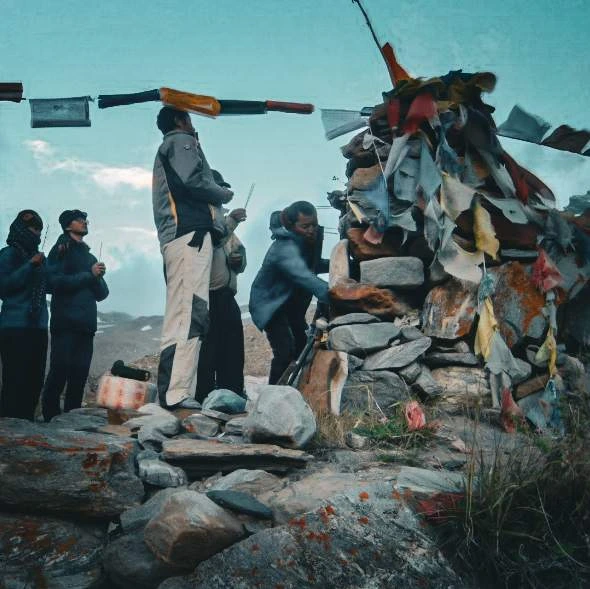
Kun teaches humility.
It teaches climbers how fragile the body becomes at extreme altitude and how important patience is during long expeditions.
It also teaches that mountaineering success is rarely dramatic. It is built through controlled movement, good decisions, and respect for the mountain.
Most importantly, it teaches climbers to separate ego from judgment.
Who Should Attempt Mt. Kun?
Mt. Kun is suitable only for climbers with:
• Prior 6000m expedition experience
• Strong acclimatization understanding
• Glacier travel and rope experience
• High endurance and mental resilience
• Ability to operate efficiently in harsh conditions
This is not a beginner expedition. It is a serious Himalayan objective.
Final Takeaways
Mt. Kun proved that mountaineering success is not about strength alone.
It is about preparation, pacing, systems, and decision-making under fatigue.
The summit was not won through aggression—it was earned through patience.
And that is what made the experience unforgettable.
Conclusion
The success story on Mt. Kun was not built in a single moment.
It was built over weeks of preparation, disciplined acclimatization, careful climbing, and controlled decisions under pressure.
Standing on the summit was simply the visible result of everything that happened before it.
Because mountains like Kun do not reward ambition alone.