Success in the mountains is rarely loud. It doesn’t come with instant celebration moments. It builds quietly—step by step, decision by decision, often through discomfort, doubt, and discipline. That is exactly what Mt. Black Peak (Kalanag) teaches you.
Standing at 6,387 meters in the Garhwal Himalaya, Black Peak is often considered a beginner-friendly 6000m objective. But that description only makes sense after you climb it. Before that, it is simply a serious mountain that demands respect.
This success story is not about a perfect climb. It is about a real one—where preparation mattered, mistakes were made, lessons were learned, and ultimately, the summit was earned.
The Beginning: A Goal with Doubt
When the idea of climbing Black Peak first came up, it felt like a logical next step after high-altitude treks and basic mountaineering training. On paper, everything seemed aligned—fitness was decent, gear was ready, and the experience box was partially checked.
But internally, there was doubt.
Not fear of the mountain, but uncertainty about whether the body and mind were ready for a sustained high-altitude effort. That doubt stayed quiet in the background, growing slightly stronger as the expedition approached.
Looking back, that doubt was not a weakness. It was awareness.
Lesson:
If you feel uncertain before a big climb, it usually means you understand the challenge. That’s a good place to start.
The Approach: Finding Rhythm Early
The trek toward base camp followed the classic route through Sankri, moving toward Ruinsara Tal and gradually into the glacier region.
The first few days felt comfortable. The terrain was familiar, and the excitement of the expedition made movement easy. But this is exactly where the first important decision was made—to slow down.
Instead of pushing hard, the focus shifted to maintaining a steady pace. This decision made a significant difference later in the climb.
Energy was conserved. Fatigue was controlled. And more importantly, the body began adapting properly.
Lesson:
A successful summit often starts with how you walk on Day 1.
Base Camp: Facing the Reality
Reaching base camp changed the tone of the expedition.
The mountain was now visible in full scale. The terrain had shifted from trekking trails to glacier and snow. The environment felt colder, harsher, and more serious.
This is where the expedition stopped feeling like an adventure and started feeling like a responsibility.
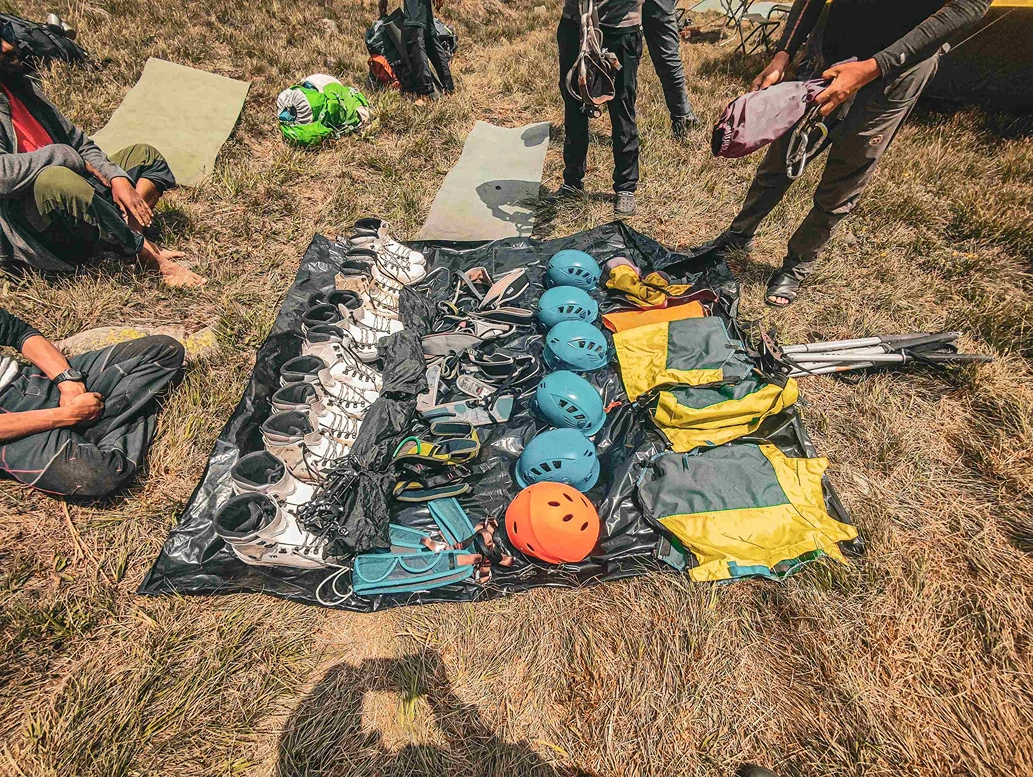
Training sessions began—crampon use, ice axe handling, rope systems. Even though these were practiced before, doing them at altitude made everything feel different.
Sleep became lighter. Appetite reduced. The body started reacting to altitude in subtle ways.
But instead of fighting these changes, the focus shifted to managing them.
Lesson:
You don’t control the mountain. You control how you respond to it.
Acclimatization: The Turning Point
The acclimatization phase was the most important part of the expedition.
Load carries to higher camps and returning to base camp felt repetitive and physically draining. There was no excitement here—only discipline.
But something changed during this phase.
The body started adjusting. Breathing became more controlled. Movement felt slightly easier. Confidence began to replace doubt.
This was the moment where the climb started becoming real—not because the summit was near, but because the body was adapting.
Lesson:
Summits are earned during acclimatization, not on summit day.
High Camp: The Silent Pressure
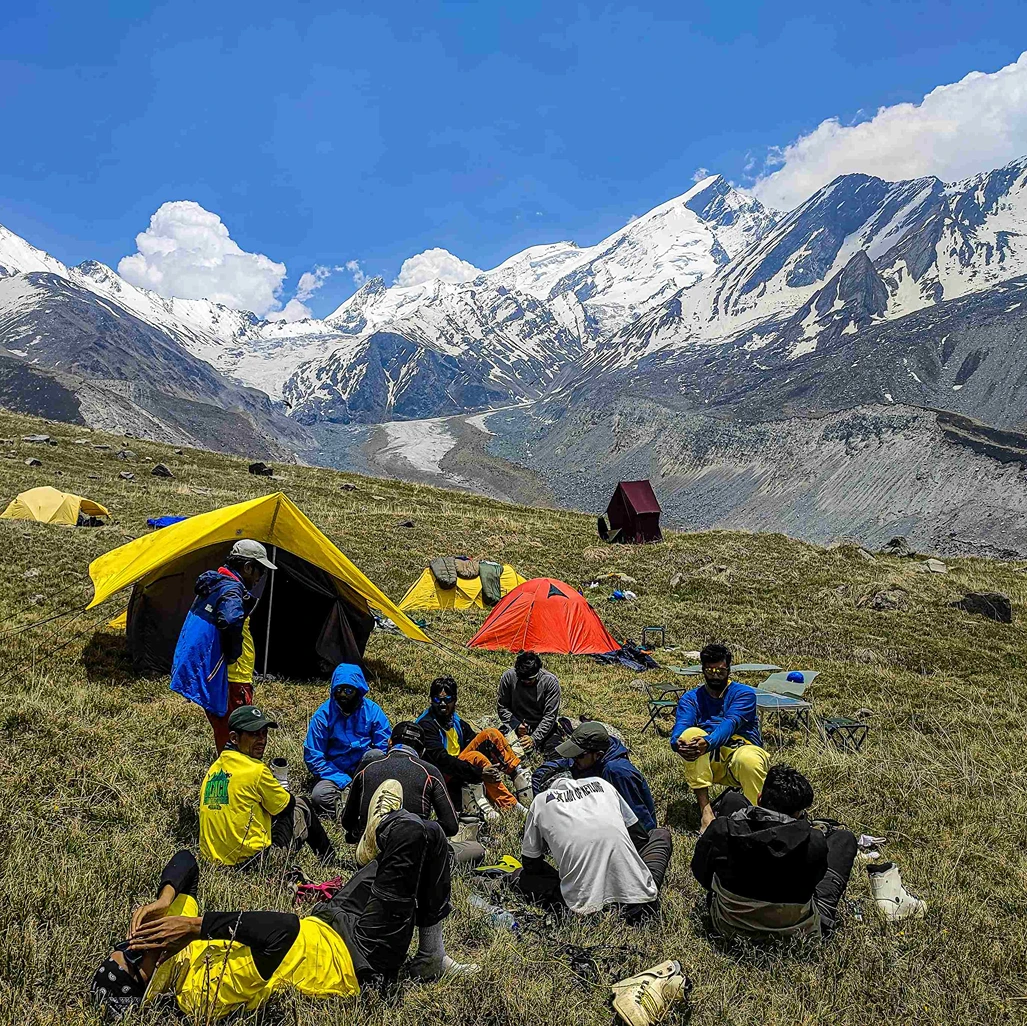
Moving to high camp brought a different kind of challenge.
At this altitude, everything slowed down. Even simple tasks required effort. Conversations became shorter. Everyone focused inward.
There was a quiet pressure in the air. Not spoken, but understood.
This was the final stage before the summit attempt, and everyone knew it.
Preparation became precise—gear checked, layers organized, hydration maintained.
Sleep was minimal, but rest was enough.
Lesson:
At high altitude, efficiency is everything. Every unnecessary movement costs energy.
Summit Push: Where Success is Decided
Summit day began in the early hours, under complete darkness.
The cold was intense. The wind added to the challenge. But the real difficulty was not external—it was internal.
Above 6,000 meters, the body resists movement. Every step feels heavier. Breathing becomes the main focus.
The climb followed a slow, consistent rhythm. There was no rushing. No sudden bursts of speed. Just controlled movement.
There were moments of doubt. Moments where turning back felt like a reasonable option.
But the difference between success and failure came down to one thing—continuing at a sustainable pace.
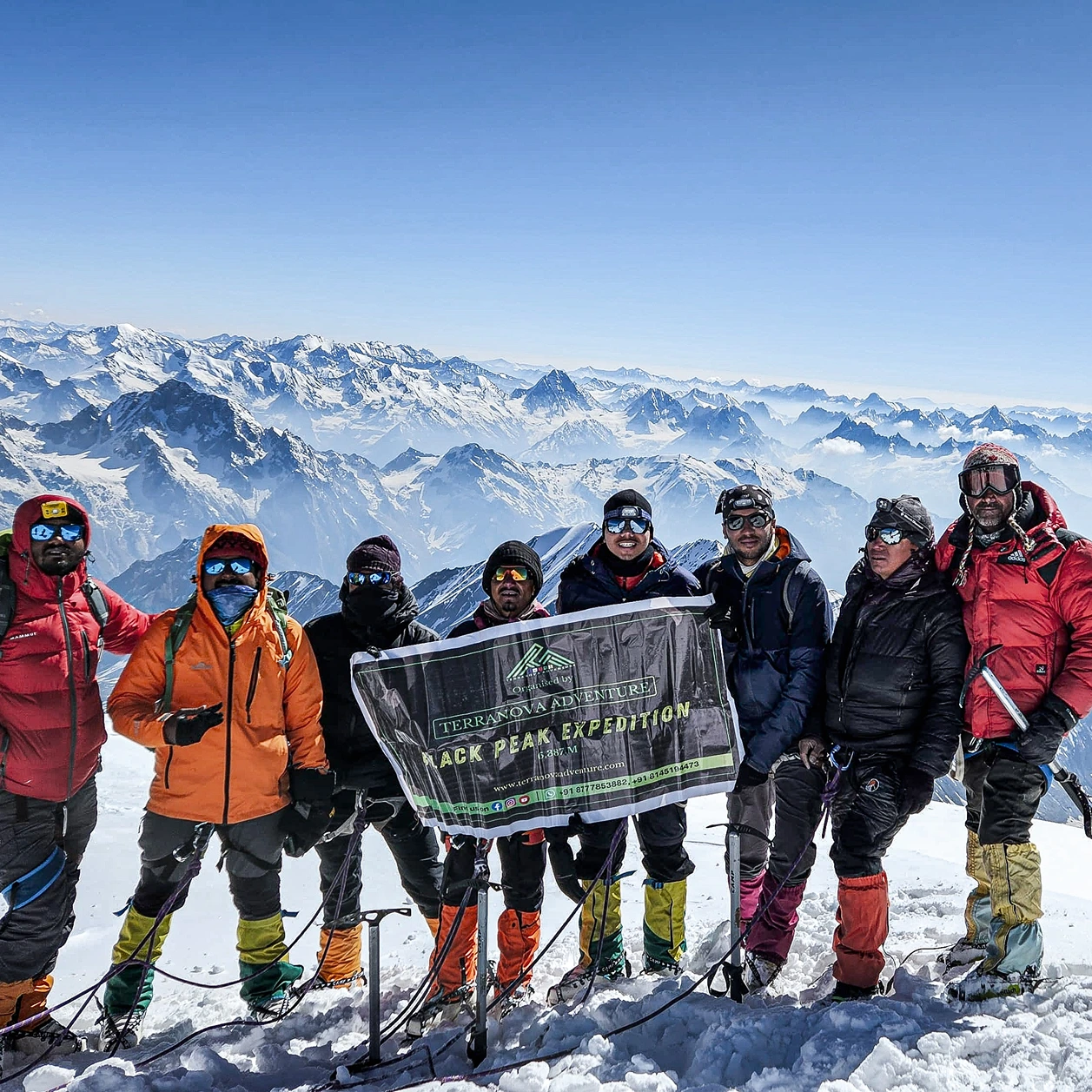
The summit ridge was the final challenge. Careful foot placement, full concentration, and complete focus were required.
And then, after hours of effort, the summit was reached.
There was no dramatic reaction. Just silence, relief, and a deep understanding of what it took to get there.
Lesson:
Success at altitude is not about strength. It is about consistency.
The Descent: Completing the Story
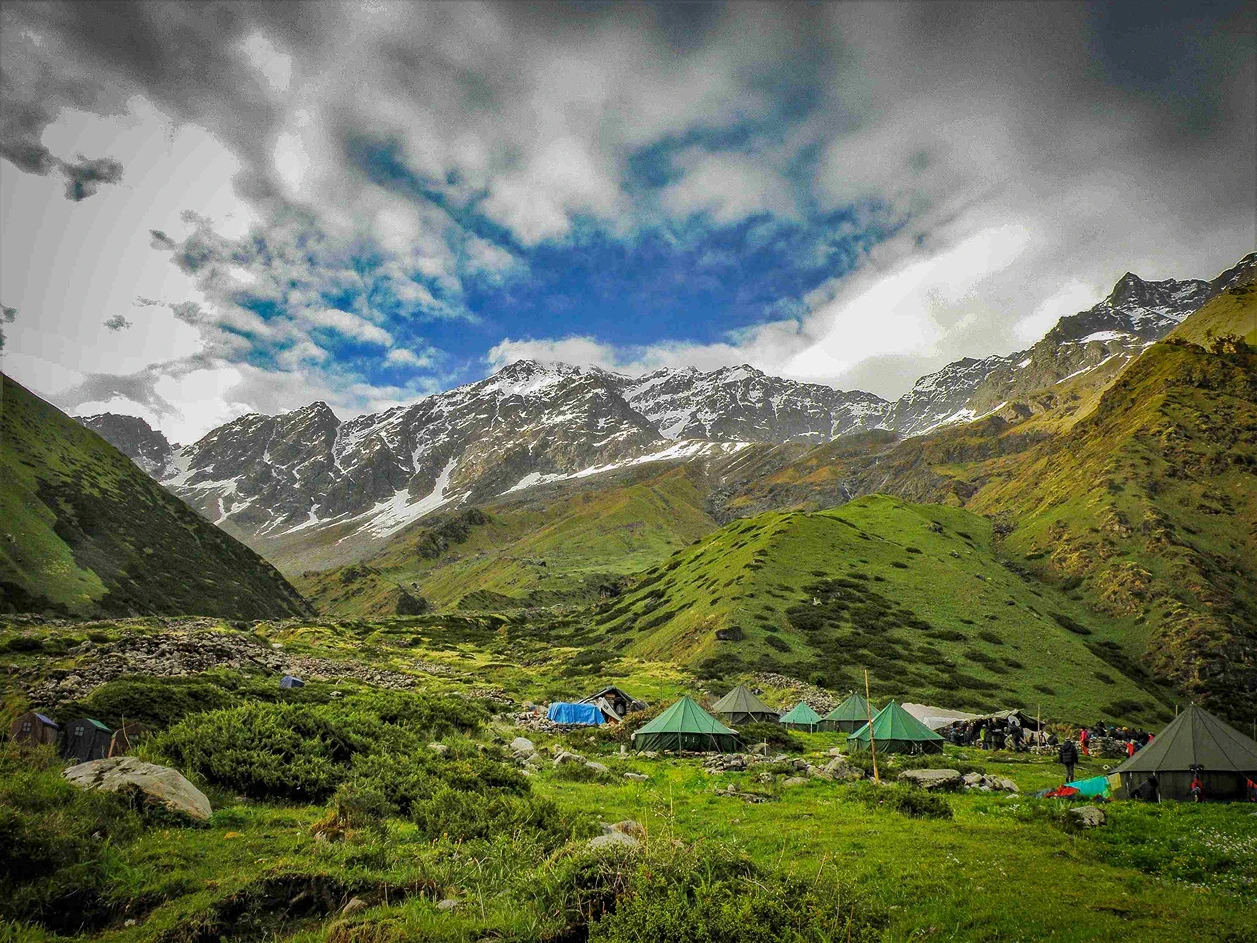
The descent from Black Peak was where the success was truly completed.
Fatigue was at its highest. Focus was harder to maintain. But discipline remained.
Every step down was taken with the same attention as the climb up.
There was no celebration until base camp was reached safely.
This is something many climbers overlook—the summit is only halfway.
Lesson:
A climb is only successful when you return safely.
What Made This a Success
Looking back, the success of this climb was not defined by reaching the summit alone.
It was defined by the decisions made throughout the expedition.
Choosing to pace properly during the approach. Respecting acclimatization. Managing energy instead of chasing speed. Listening to the body instead of ignoring warning signs.
These small decisions added up.
There was no single moment that guaranteed success. It was a series of controlled actions over multiple days.
Mistakes That Could Have Changed the Outcome
Despite the success, there were mistakes.
There were moments of overexertion early in the trek. Hydration was not always consistent. Some minor symptoms were initially ignored.
These mistakes did not lead to failure, but they highlighted how easily things could have gone wrong.
Mountaineering does not forgive repeated errors.
Lesson:
Even successful climbs contain mistakes. Learn from them before the next one.
Who Should Attempt Black Peak?
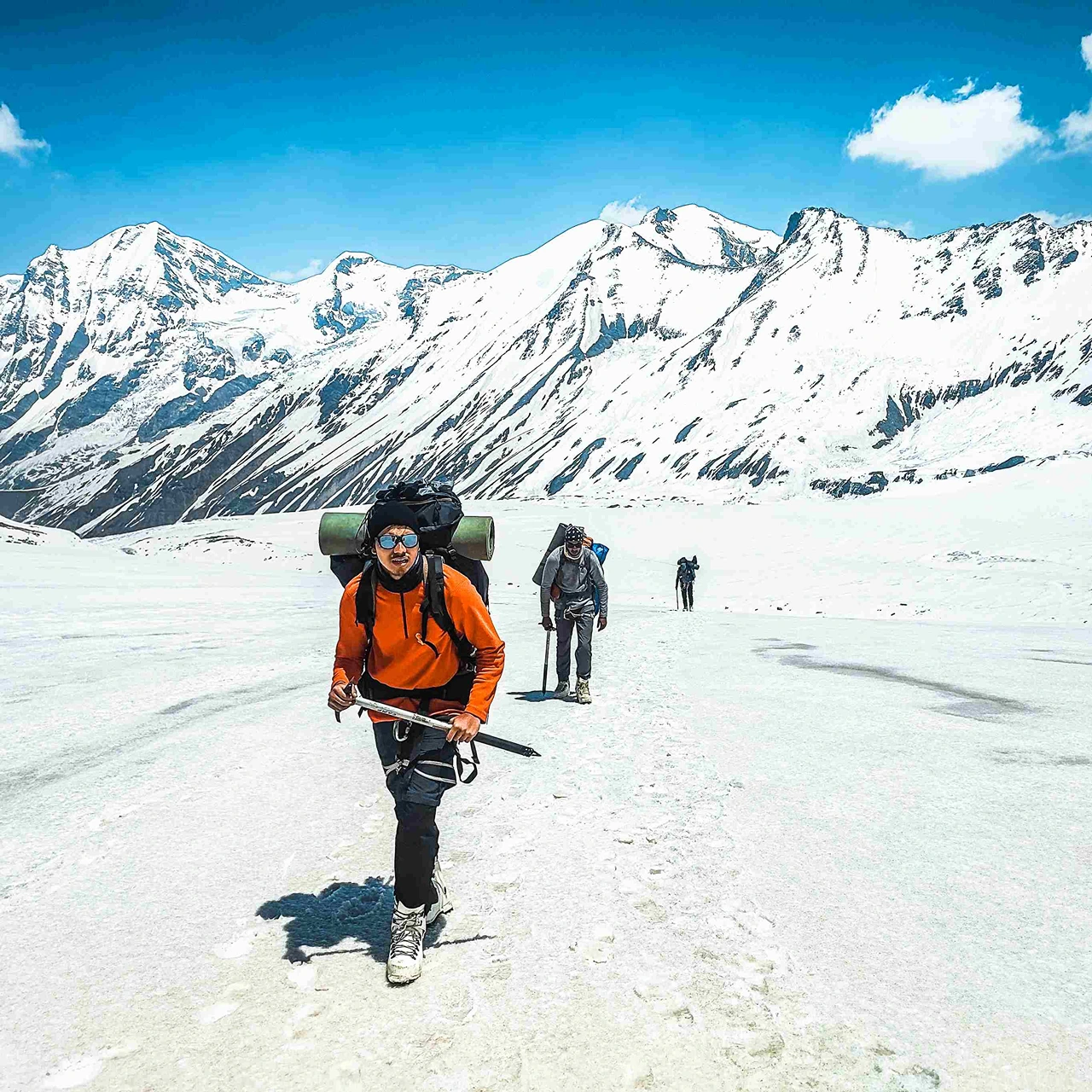
Black Peak is suitable for climbers who have:
• Prior high-altitude trekking experience
• Basic mountaineering training
• Good endurance and pacing ability
• Willingness to follow a structured approach
It is not a beginner trek. It is an entry-level expedition that requires preparation.
Final Takeaways
Black Peak does not give you success easily. It requires patience, discipline, and respect.
It teaches you how to move at altitude, how to manage energy, and how to make decisions under pressure.
Most importantly, it shows you that success in mountaineering is not about pushing harder—it is about moving smarter.
Conclusion
The success on Mt. Black Peak was not a moment—it was a process.
It was built over days of controlled effort, careful decisions, and constant awareness.
Standing on the summit was just the visible result of everything that happened before it.
And that is what makes mountaineering different.
Because in the mountains, success is not given.
It is earned.