When people talk about mountains, the focus is almost always on the summit. Photographs capture climbers raising their hands at the top, social media celebrates personal achievements, and expedition stories often revolve around individual success. What remains largely unseen is the network of people who make these journeys possible.
Behind every successful trek or expedition in the Himalayas stands a team of highly skilled individuals—Sherpas, mountain guides, and trek leaders—who operate quietly in the background, managing risk, logistics, safety, and decision-making. They are the ones who carry loads through dangerous terrain, fix ropes on steep slopes, navigate unpredictable weather, and make critical calls that often determine whether a climber returns safely.
These individuals are not just support staff. They are professionals who possess deep knowledge of the mountains, years of experience, and an understanding of high-altitude environments that goes far beyond what most climbers bring with them.
This article takes a closer look at these often-overlooked heroes, their roles, their responsibilities, and why they are the true backbone of every Himalayan journey.
Who Are Sherpas?
The term “Sherpa” is often misunderstood. It is not a job title—it is an ethnic group native to the Himalayan region, primarily in Nepal. Over time, however, the word has become synonymous with high-altitude expertise because many individuals from the Sherpa community have built exceptional reputations as climbers and expedition specialists.
Sherpas are widely recognized for their ability to perform in extreme high-altitude environments. Generations of living in mountainous regions have contributed to physiological adaptations that allow them to function more efficiently in low-oxygen conditions. However, it is important to understand that their capabilities are not just biological—they are the result of experience, training, and deep cultural connection to the mountains.
In large expeditions, Sherpas often take on some of the most dangerous responsibilities. They carry heavy loads through avalanche-prone zones, establish high camps, fix ropes on steep sections, and make multiple trips up and down the mountain to support climbers.
Their work requires both physical endurance and technical expertise. More importantly, it requires a level of risk acceptance that most climbers do not fully comprehend.
The Role of Mountain Guides
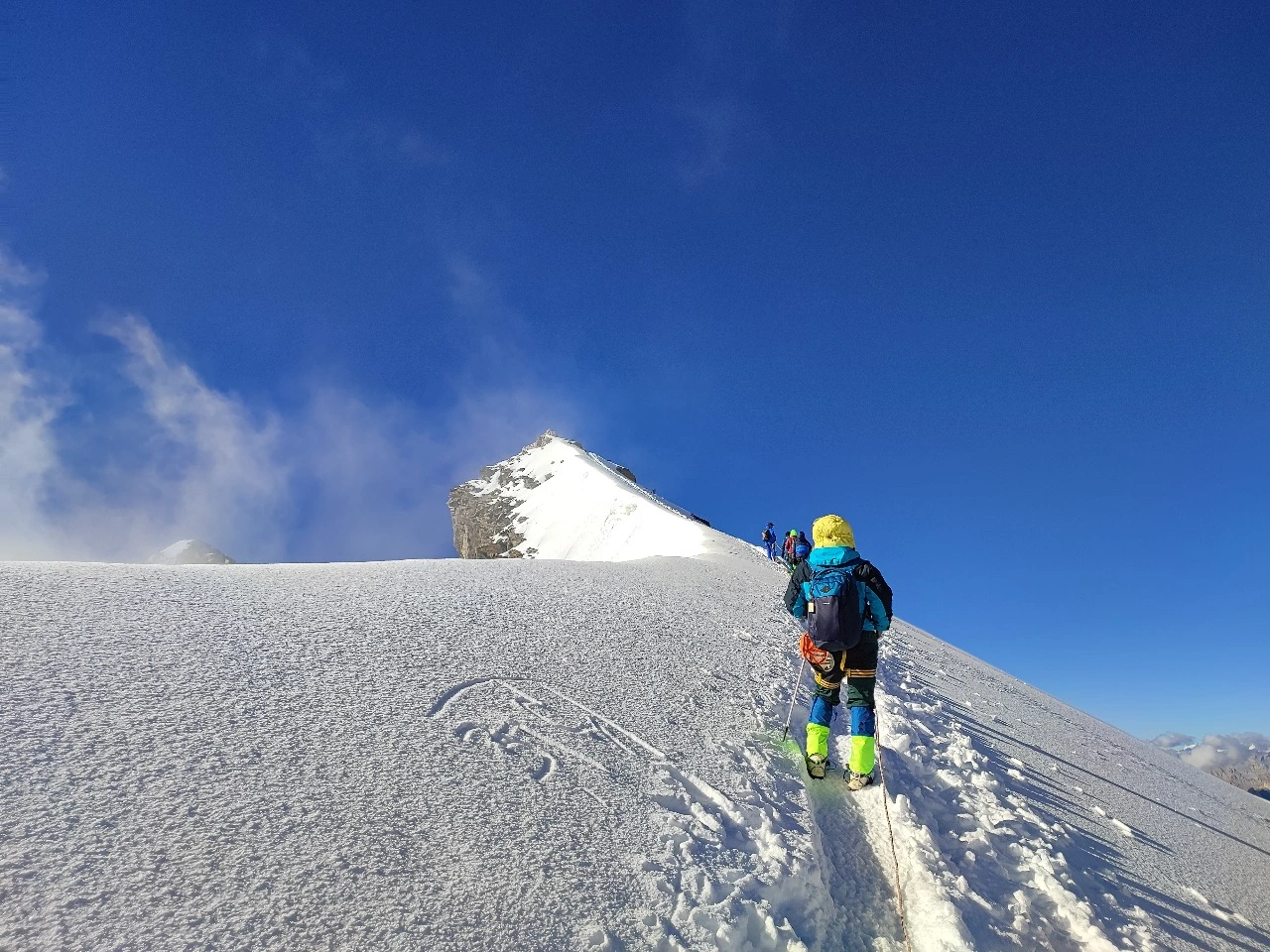
Mountain guides are trained professionals responsible for leading climbers safely through mountain environments. Unlike general support staff, guides carry the primary responsibility for route planning, risk management, and decision-making during expeditions.
A professional guide’s role begins long before the climb starts. They study weather patterns, analyze route conditions, and plan the expedition timeline. During the climb, they continuously assess terrain, snow stability, and team performance.
Guides are often the ones who make the most critical calls on the mountain—whether to proceed, delay, or turn back. These decisions are not based on emotion or ambition but on experience and safety judgment.
In technical sections, guides fix ropes, secure anchors, and assist climbers in navigating difficult terrain. They also monitor climbers for signs of fatigue, dehydration, or altitude sickness, intervening early when necessary.
What sets great guides apart is not just their technical ability but their ability to manage people under stress. They maintain calm, provide direction, and ensure that the team moves efficiently even in challenging conditions.
Trek Leaders: The Backbone of Every Trek
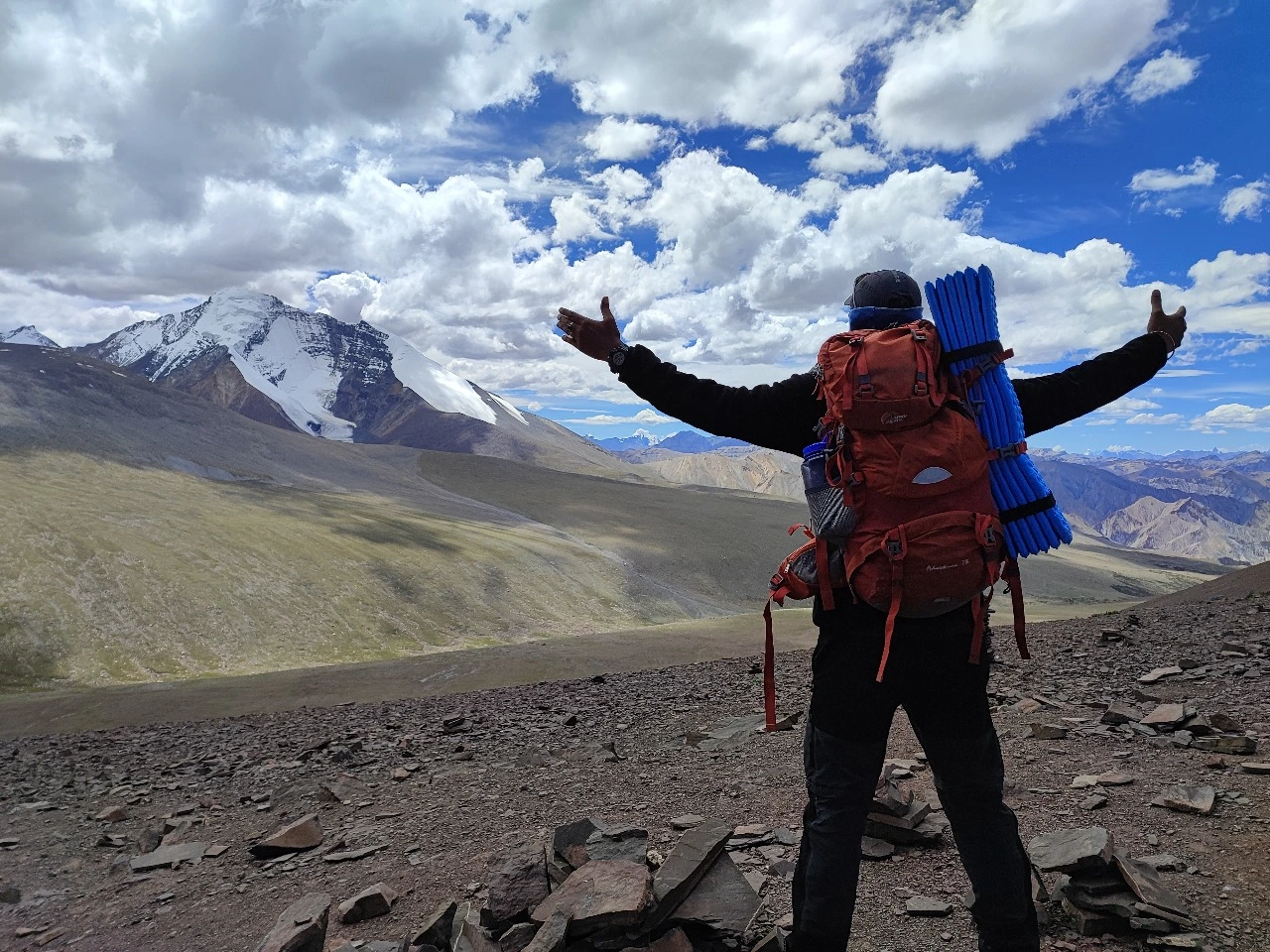
While mountaineering expeditions rely heavily on guides and Sherpas, trekking operations are led by trek leaders who manage the overall experience for participants.
A trek leader’s role is often underestimated because trekking is perceived as less technical than mountaineering. However, managing a group of trekkers in high-altitude environments requires a unique combination of leadership, communication, and situational awareness.
Trek leaders are responsible for pacing the group, ensuring proper acclimatization, managing daily schedules, and maintaining group morale. They monitor participants for signs of altitude sickness and make decisions regarding rest days or descent when necessary.
In many cases, trek leaders also handle logistics such as campsite coordination, food arrangements, and communication with local support teams.
The effectiveness of a trek leader often determines the overall experience of the group. A well-managed trek feels smooth and enjoyable, while poor leadership can quickly lead to confusion and safety concerns.
Meet the Team
Behind every successful expedition is a team of experienced and dedicated professionals who make the journey safe, smooth, and memorable. Get to know some of the people who bring these mountain experiences to life.
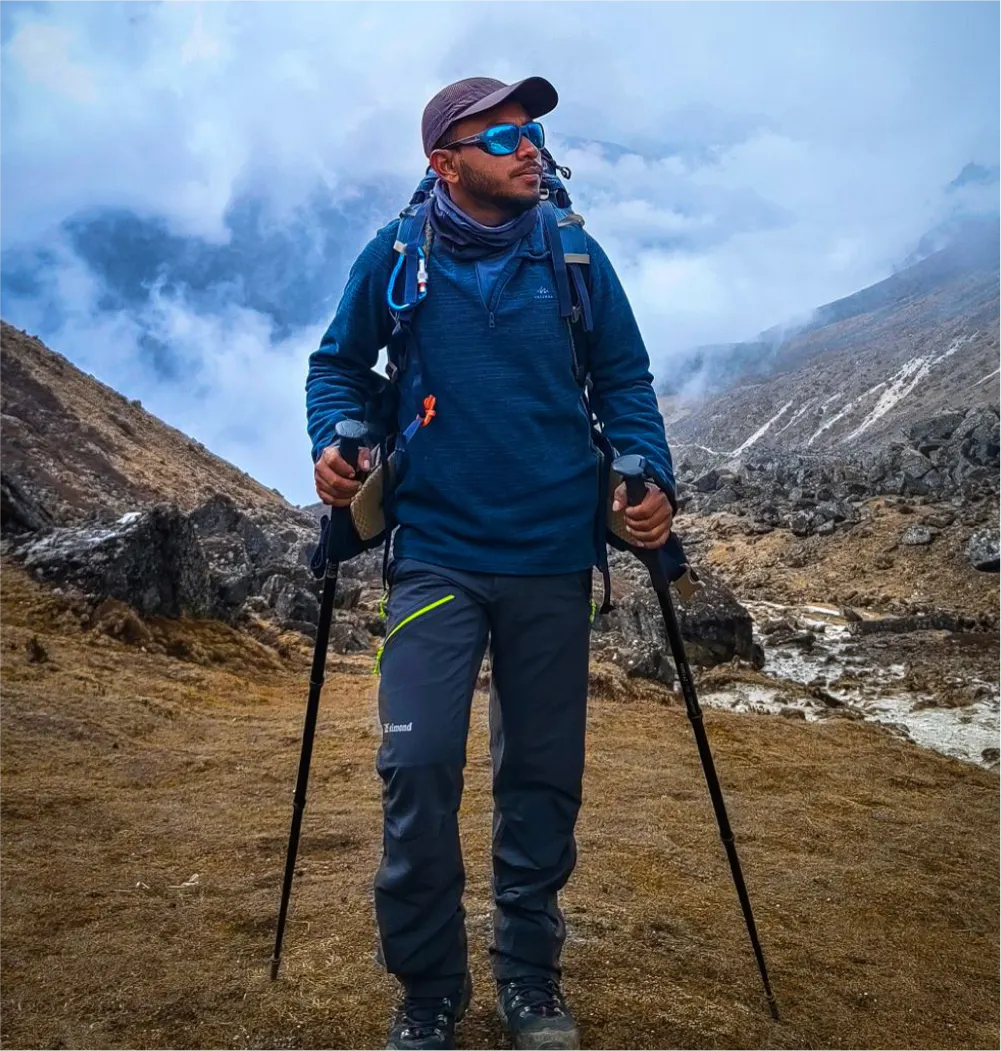
Name: Debnath Mondal
Position: High Altitude Trek Leader | Expedition Guide
About:
Energetic and determined, Debnath leads high-altitude treks with confidence, backed by experience on multiple 6000-meter expeditions. His dedication to the mountains and strong support for fellow trekkers make him a reliable presence on challenging trails.
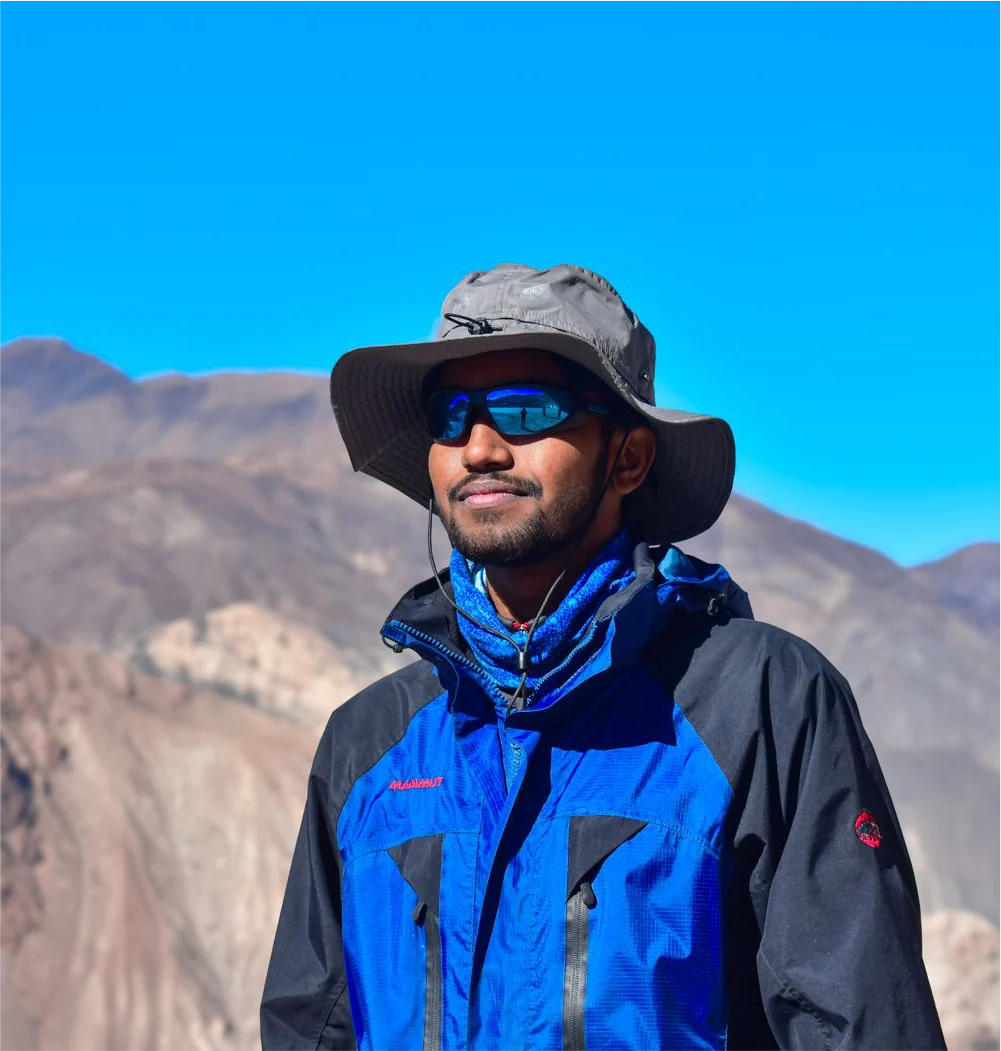
Name: Soham Mondal
Position: Trek Leader | Mountain Skills Instructor
About:
Soham is a young and passionate mountaineer with a Basic Mountaineering certification, steadily advancing his skills in rock and ice craft. Despite his age, his growing experience in high-altitude expeditions highlights his potential as a disciplined and promising future leader.
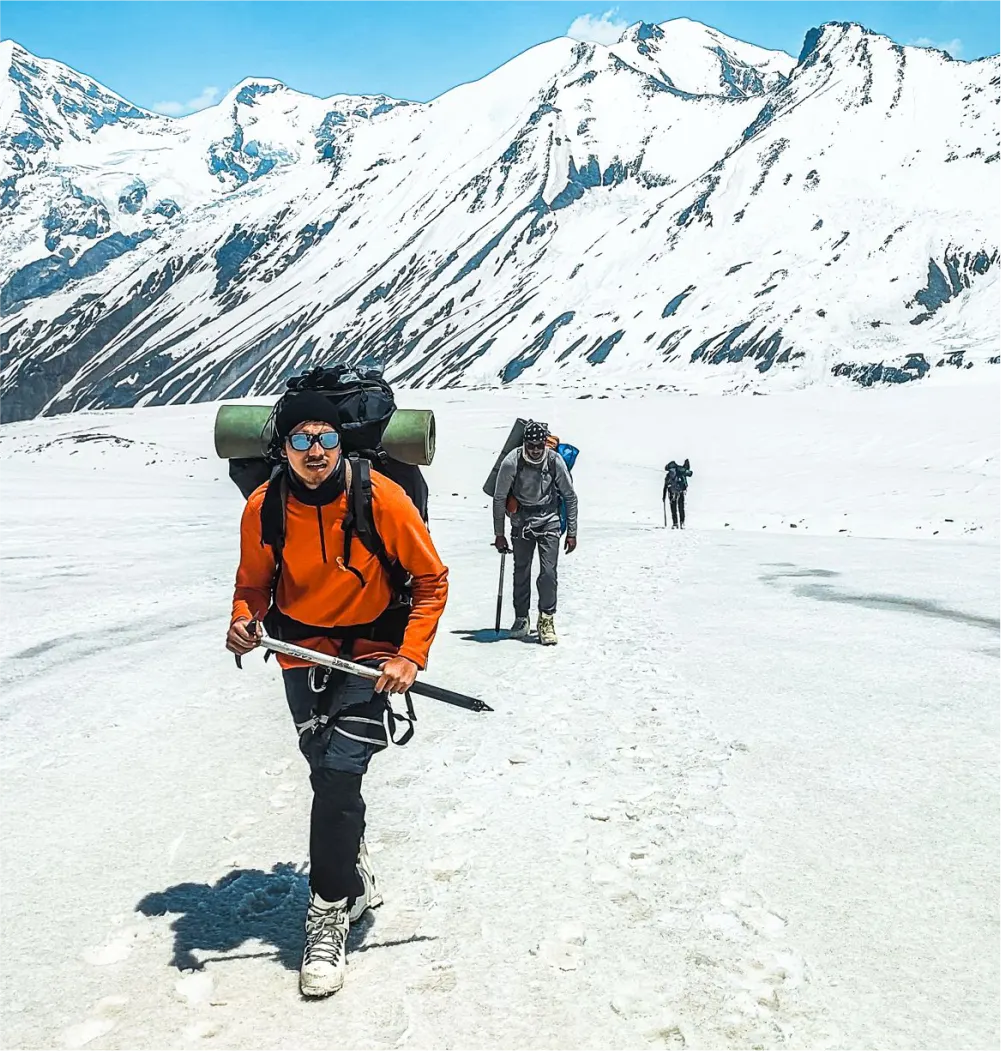
Name: Mithlesh Upreti
Position: Trek Leader & Adventure Consultant
About:
Energetic and engaging, Mithilesh is a Basic Mountaineering Course graduate with solid expedition experience. His strong understanding of the Himalayas and lively approach make him popular with trekkers, while he also assists in crafting personalized mountain journeys.
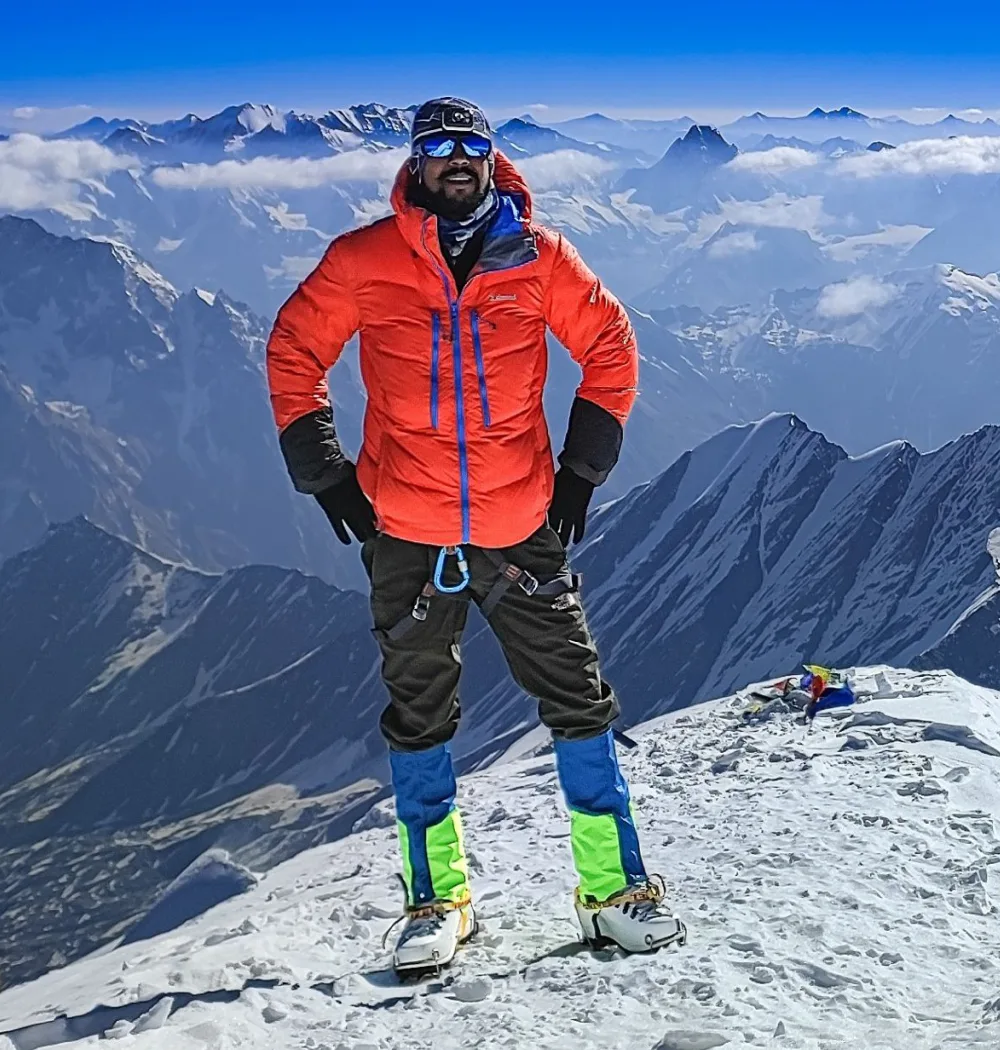
Name: Anupam Chatterjee
Position: Founder | Chief Expedition Leader
About:
With 15+ years in mountaineering, Anupam Chatterjee is the driving force behind Terranova Adventure. Certified in both Basic and Advanced Mountaineering, he has led demanding expeditions across the Indian Himalayas, including the Nun-Kun Massif, shaping the brand’s focus on safety, sustainability, and exploration.
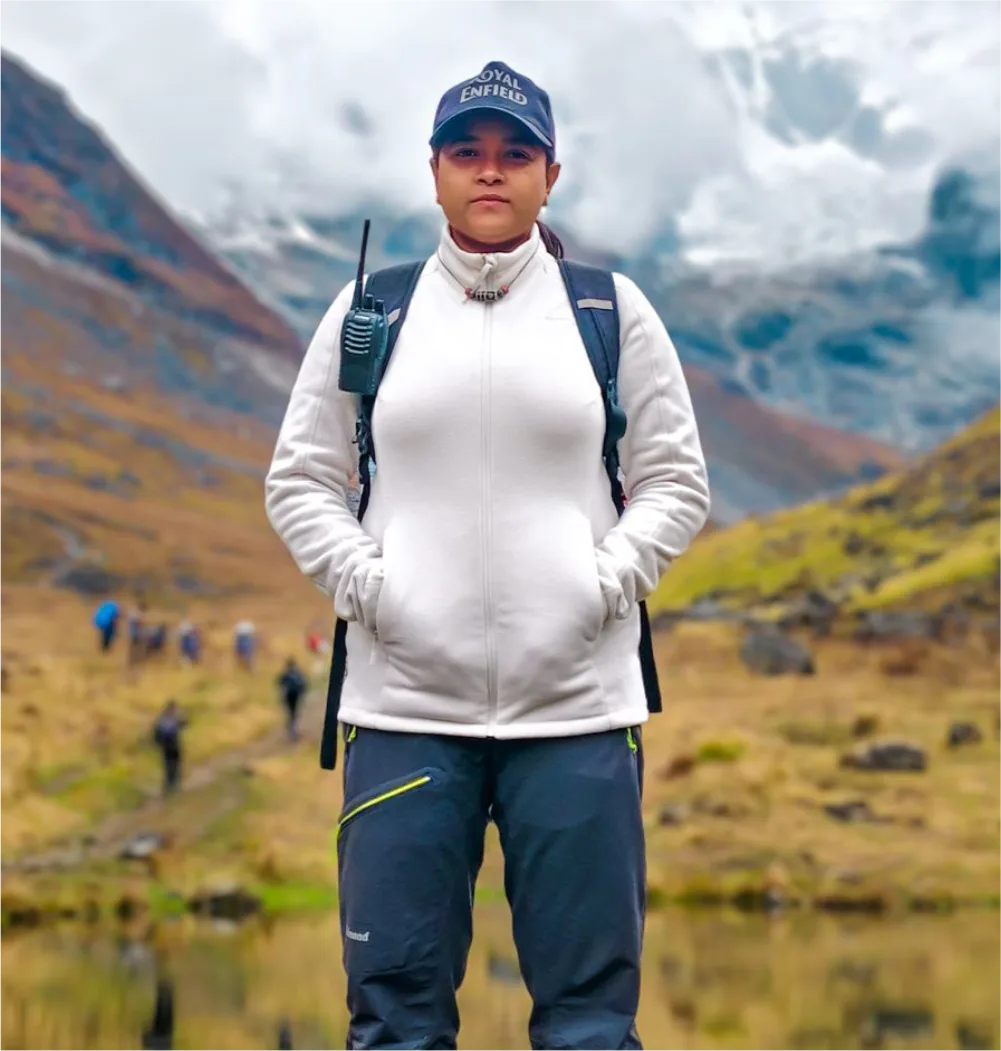
Name: Jyoti Karmakar
Position: Expedition Co-ordinator | Social Media Strategist
About:
Jyoti leads the brand’s marketing and digital presence with creativity and precision. An Advanced Mountaineering graduate, she has guided multiple high-altitude treks and ensures Terranova’s story reaches explorers worldwide.
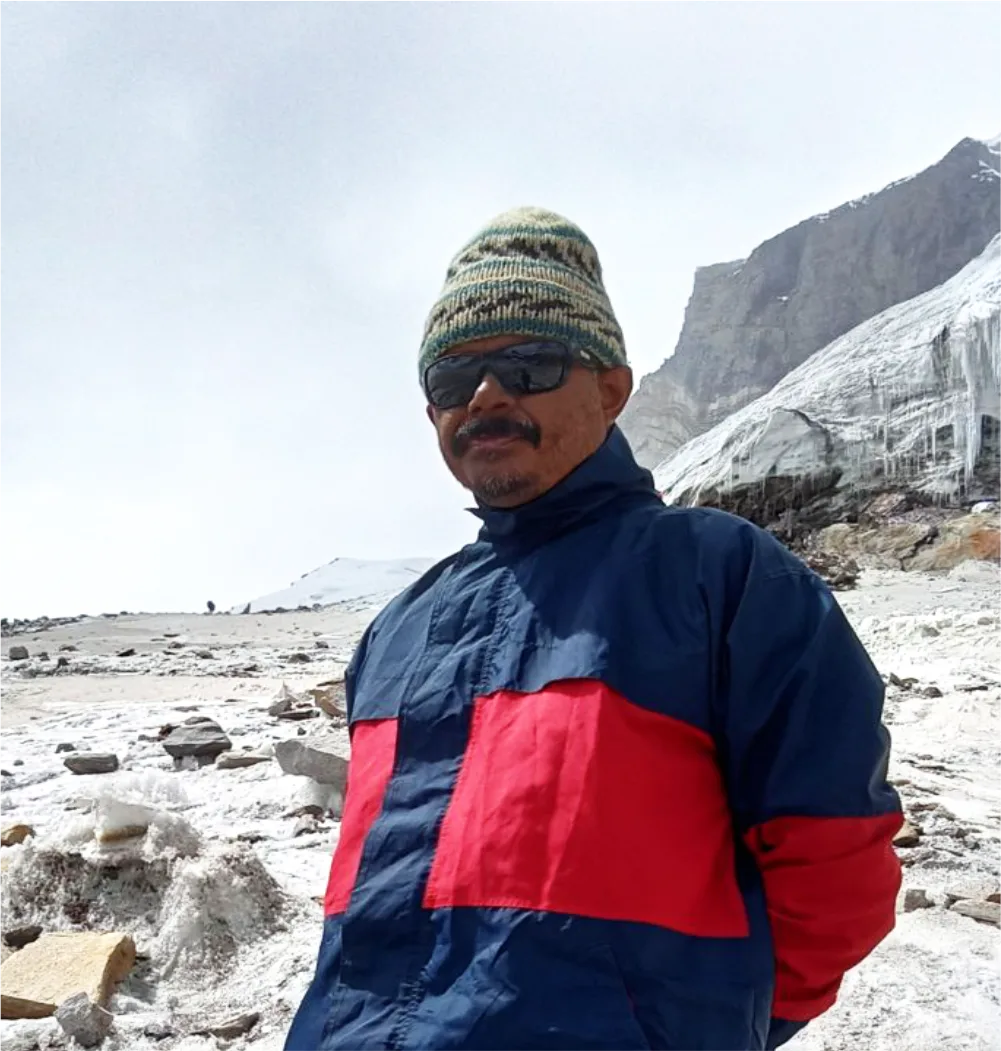
Name: Debabrata Dutta
Position: Senior Mountaineer | Expedition Mentor
About:
A seasoned climber and mentor, Debabrata has been part of major expeditions to peaks like Trishul, Mukut Parvat, Chaukhamba, and Kun, and is among the early summiteers of Swargarohini. His vast experience and technical expertise make him vital to expedition planning and team training.
What They Actually Do on the Mountain
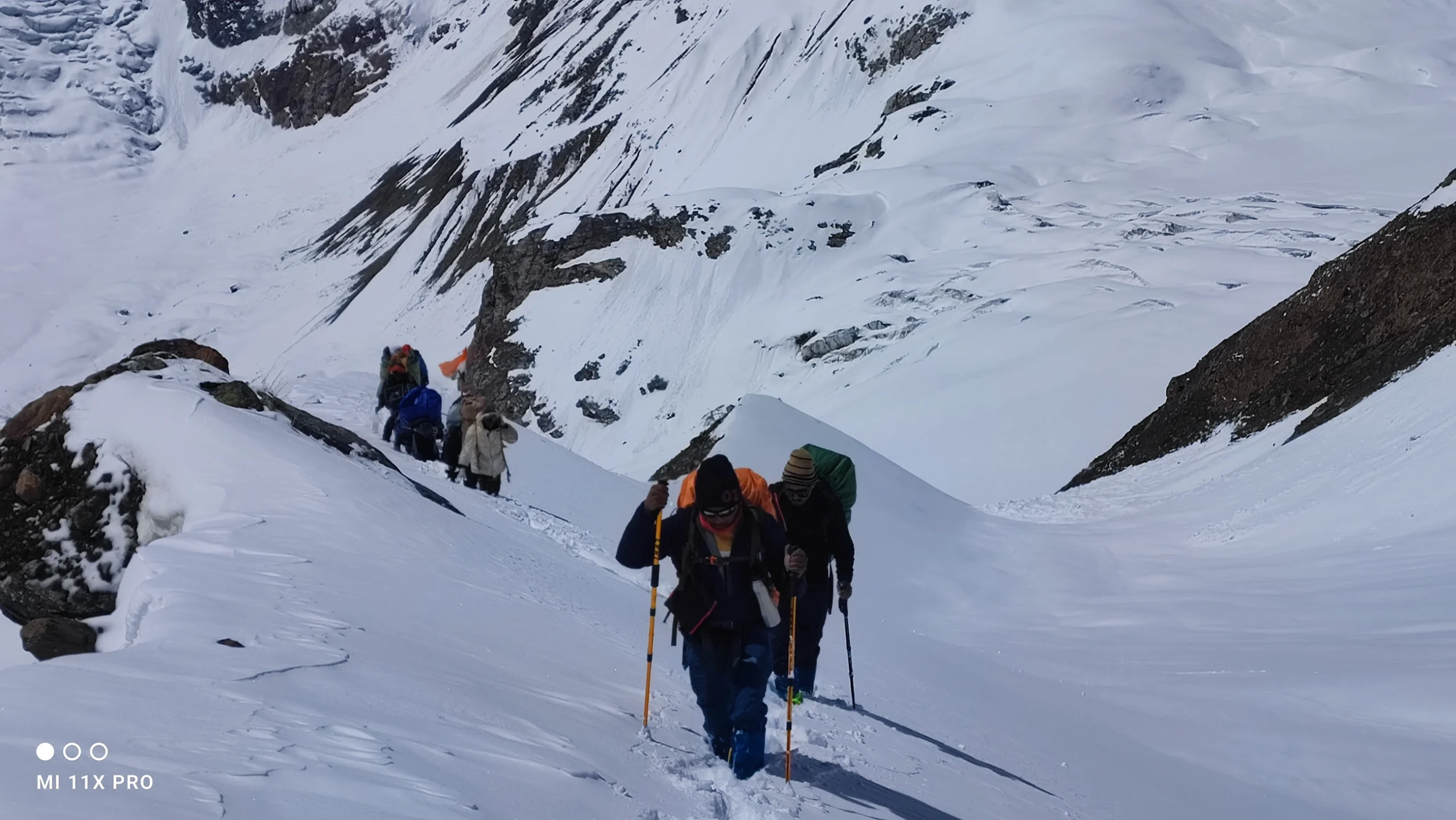
From the outside, it may seem like Sherpas, guides, and trek leaders simply “assist” climbers. In reality, their responsibilities are far more extensive and often involve taking on the most demanding and risky tasks.
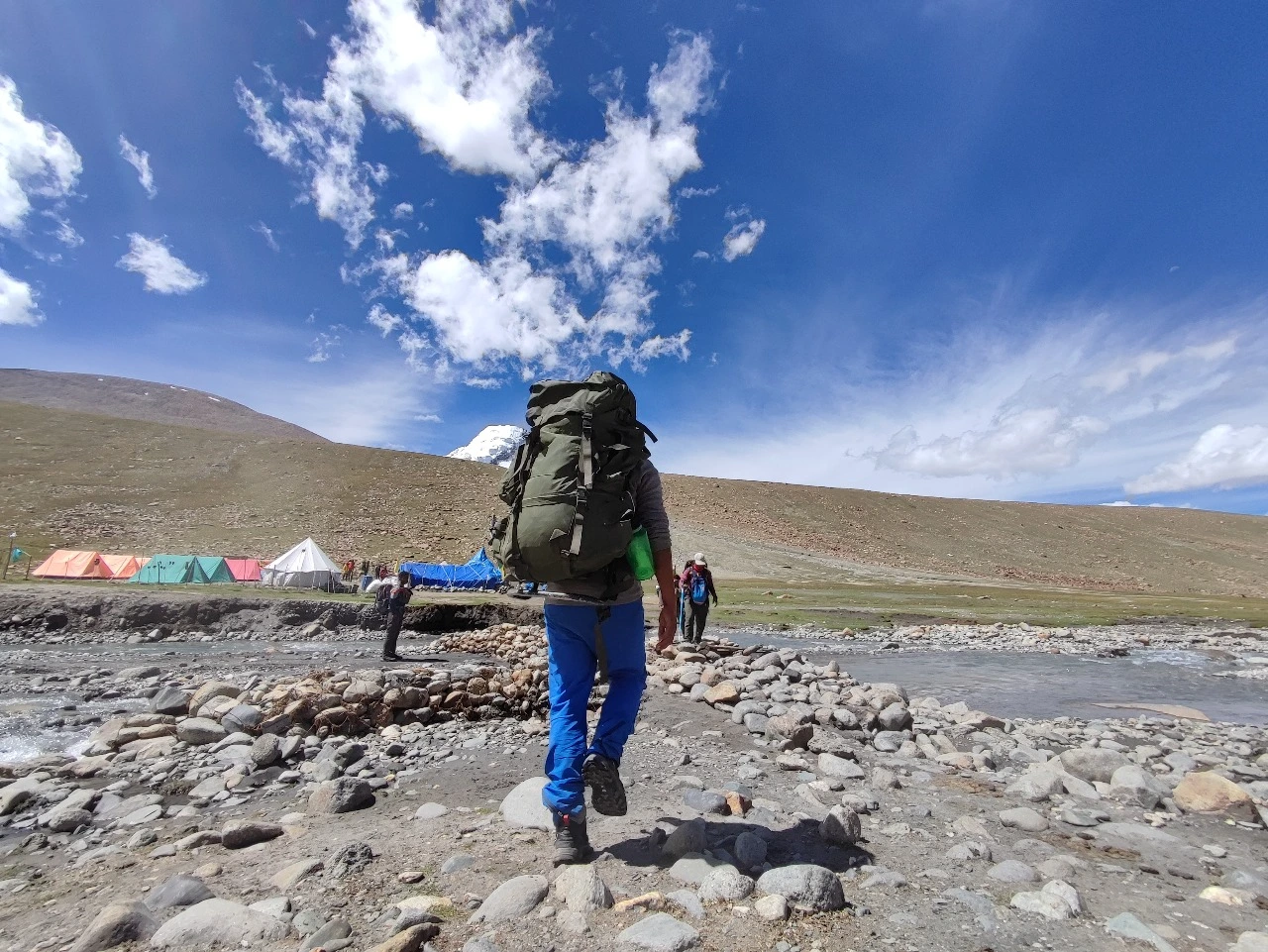
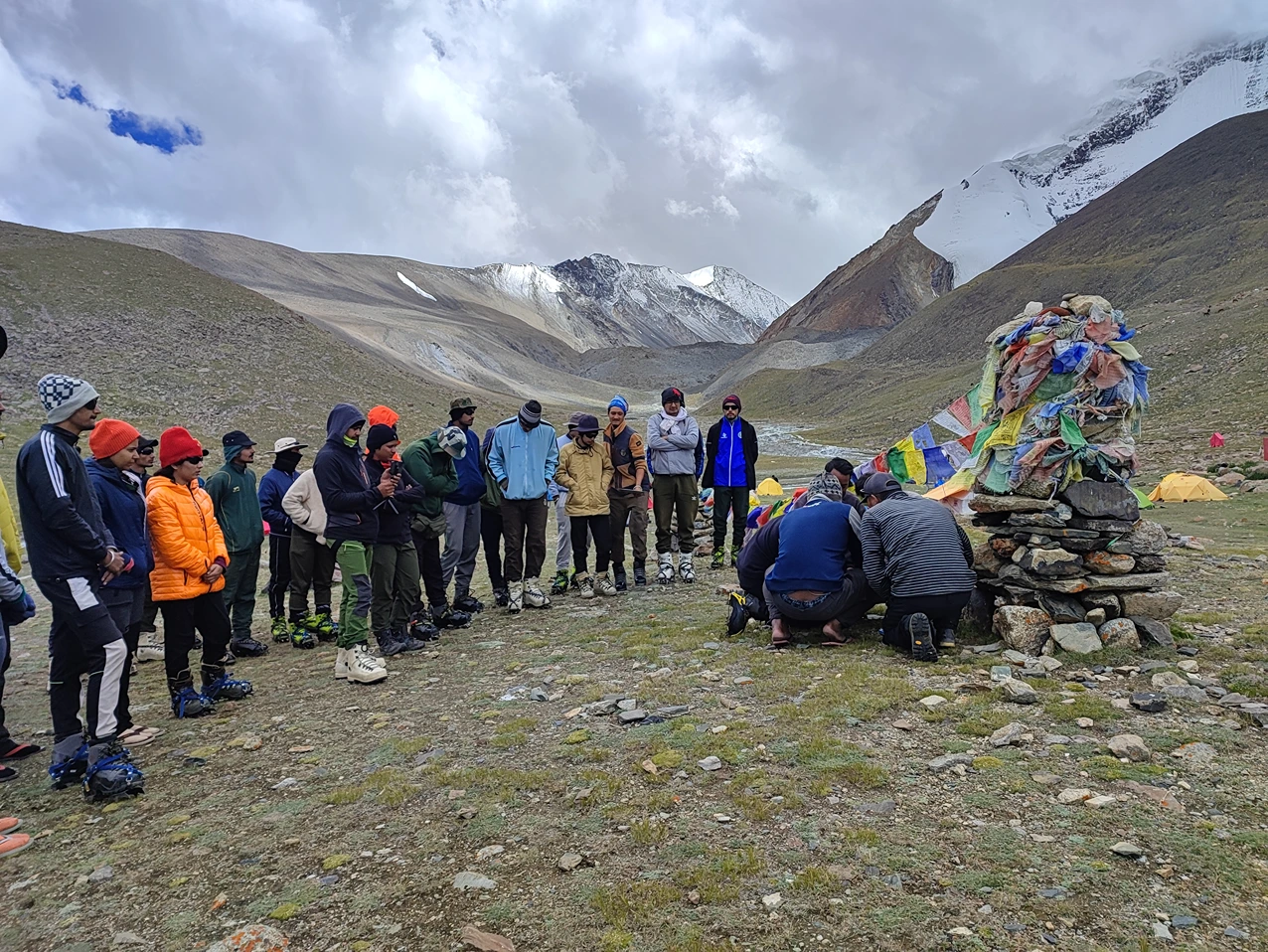
They carry loads that can exceed 20–30 kilograms across difficult terrain, often at altitudes where even walking without weight is exhausting. They establish camps in remote locations, ensuring that tents, food, and essential equipment are ready before climbers arrive.
In mountaineering expeditions, they fix ropes on steep slopes and secure pathways across glaciers. This work is physically demanding and requires repeated exposure to hazardous zones.
They also act as the first line of response in emergencies. Whether it is a fall, injury, or altitude-related illness, they are often the ones who provide immediate assistance and coordinate evacuation if needed.
Their work continues even after climbers rest. While others recover, they prepare for the next day’s movement, ensuring that the expedition continues smoothly.
The Risks They Take
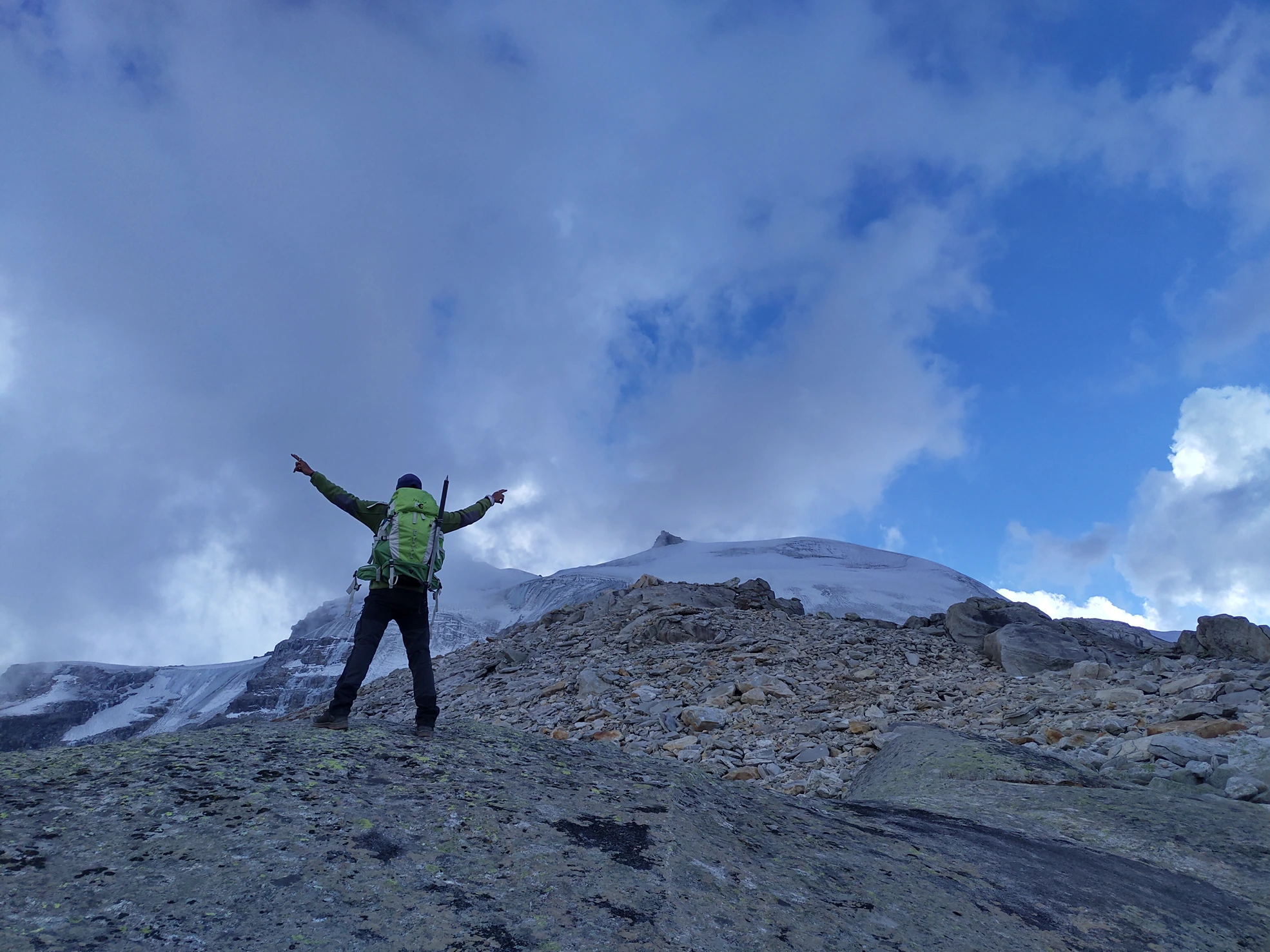
One of the most overlooked aspects of their role is the level of risk they are exposed to. While climbers typically make a single summit attempt, Sherpas and guides often move up and down the mountain multiple times during an expedition.
This repeated exposure increases their chances of encountering hazards such as avalanches, rockfall, crevasses, and extreme weather. In many cases, they are the first to cross dangerous sections to make them safe for others.
The physical toll is also significant. Carrying heavy loads at altitude places immense strain on the body, and recovery becomes more difficult over time.
Despite these risks, they continue to perform their roles with professionalism and dedication. Their work often goes unrecognized, even though it is essential to the success of every expedition.
Skills That Set Them Apart
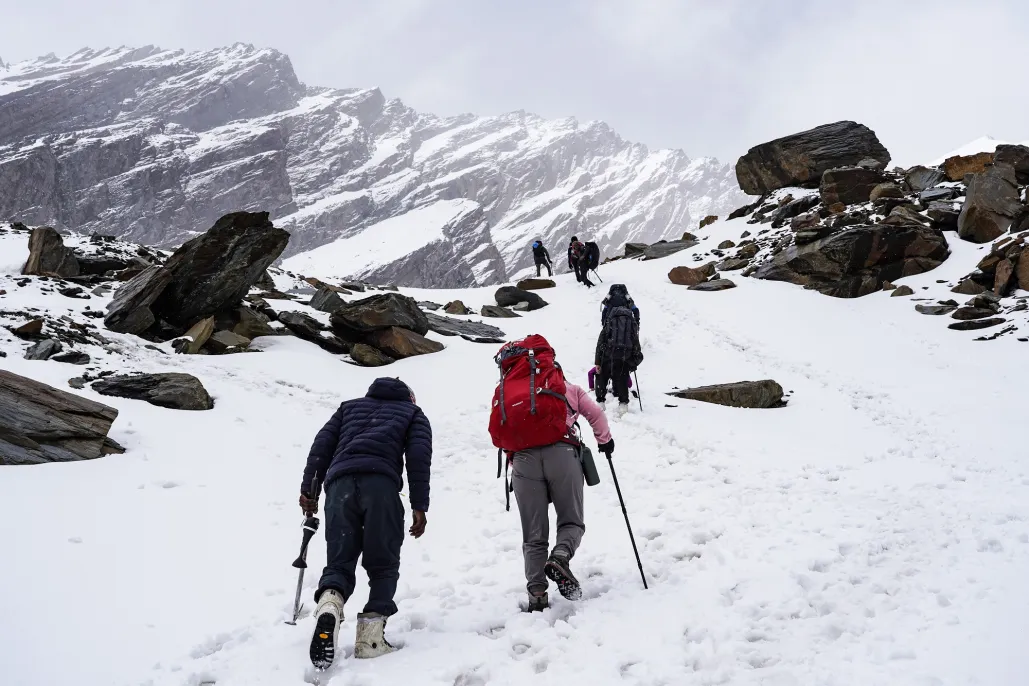
The expertise of Sherpas, guides, and trek leaders comes from a combination of training, experience, and deep familiarity with mountain environments.
They possess advanced technical skills, including rope handling, ice climbing, and navigation in complex terrain. Their understanding of weather patterns allows them to anticipate changes and adjust plans accordingly.
Perhaps more importantly, they have strong decision-making abilities. In the mountains, conditions can change rapidly, and the ability to make the right call at the right time is critical.
Their communication skills also play a vital role. They must coordinate with team members, provide clear instructions, and maintain group cohesion under challenging circumstances.
These skills are developed over years of experience and cannot be replaced by short-term training.
Why You Should Respect and Trust Them
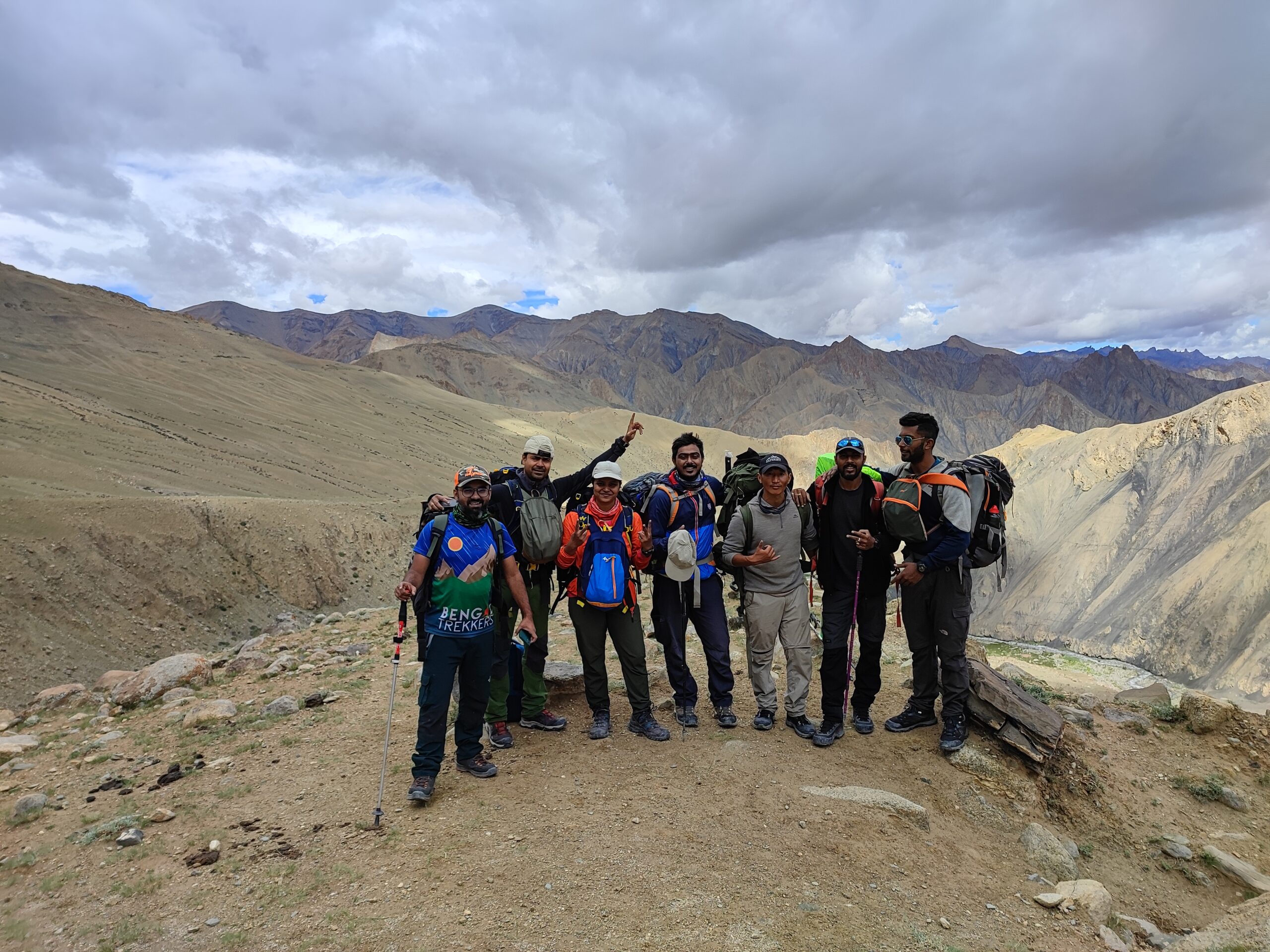
For many climbers and trekkers, especially beginners, it is easy to focus on personal goals and overlook the expertise of the support team. However, trusting your guides and leaders is one of the most important aspects of a safe and successful expedition.
They bring knowledge that cannot be learned from books or short courses. Their understanding of the mountain environment is based on real-world experience, often gained over multiple expeditions.
Listening to their advice, following their instructions, and respecting their decisions can significantly reduce risk and improve overall performance.
In many cases, their guidance is the difference between reaching the summit and turning back safely.
The Human Side of the Mountains
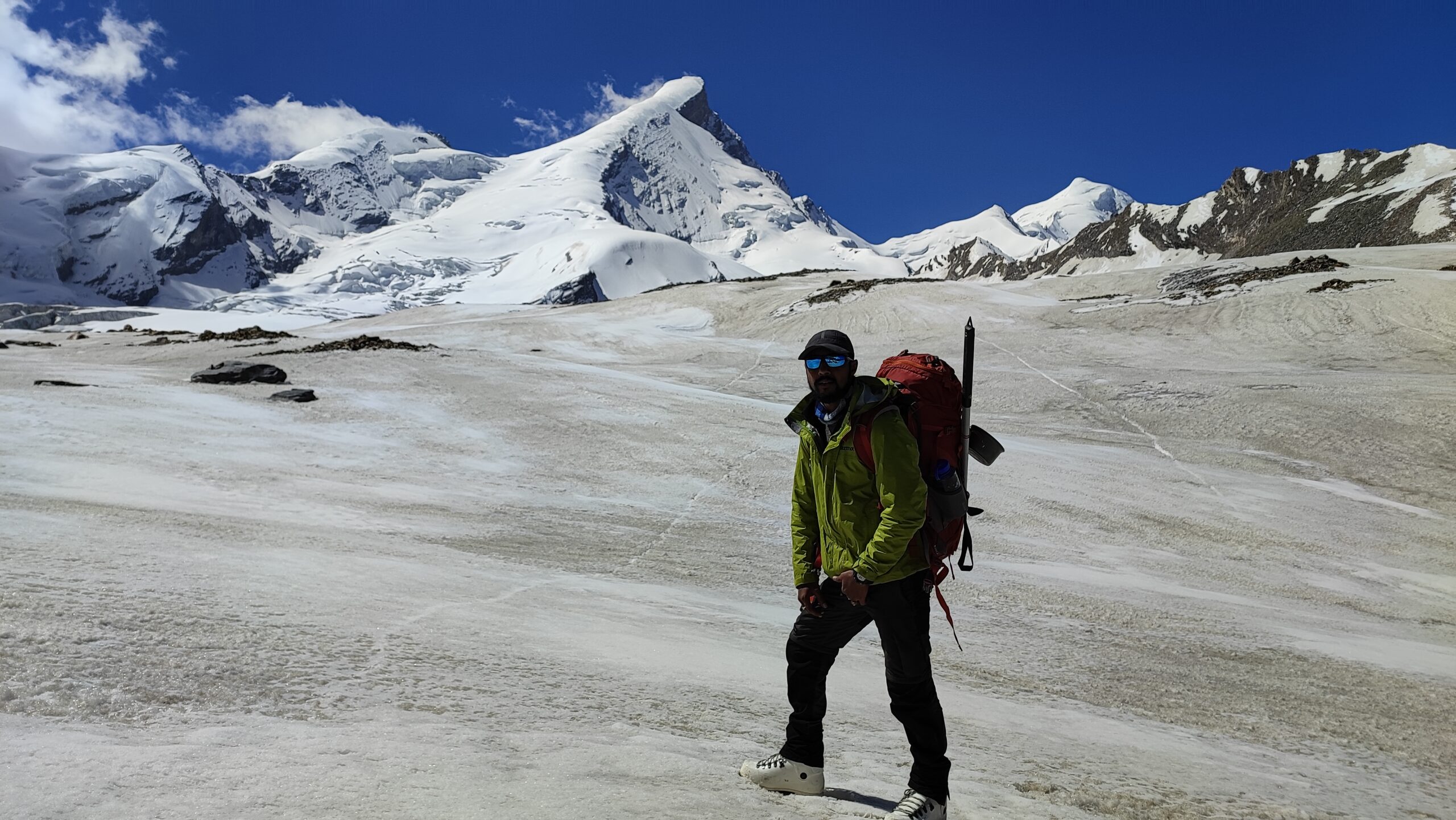
Beyond their professional roles, Sherpas, guides, and trek leaders bring a human element to the mountain experience. They share stories, provide encouragement, and create a sense of camaraderie that becomes an important part of the journey.
Their connection to the mountains is often deeply rooted in culture and tradition. For many, the mountains are not just a workplace but a way of life.
Understanding this perspective adds a new dimension to the experience of trekking or climbing. It reminds us that the mountains are not just physical landscapes but also cultural and human spaces.
Conclusion
Every successful journey in the Himalayas is built on a foundation of teamwork, experience, and trust. Sherpas, guides, and trek leaders form the core of that foundation.
They are the ones who navigate uncertainty, manage risk, and ensure that others can experience the mountains safely. Their work often happens behind the scenes, but its impact is felt in every step taken on the mountain.
Recognizing their contribution is not just about appreciation—it is about understanding the reality of mountaineering and trekking. No summit is reached alone.
The next time you think about a mountain journey, remember the people who make it possible. Because behind every climb, there are heroes whose stories deserve to be told.