
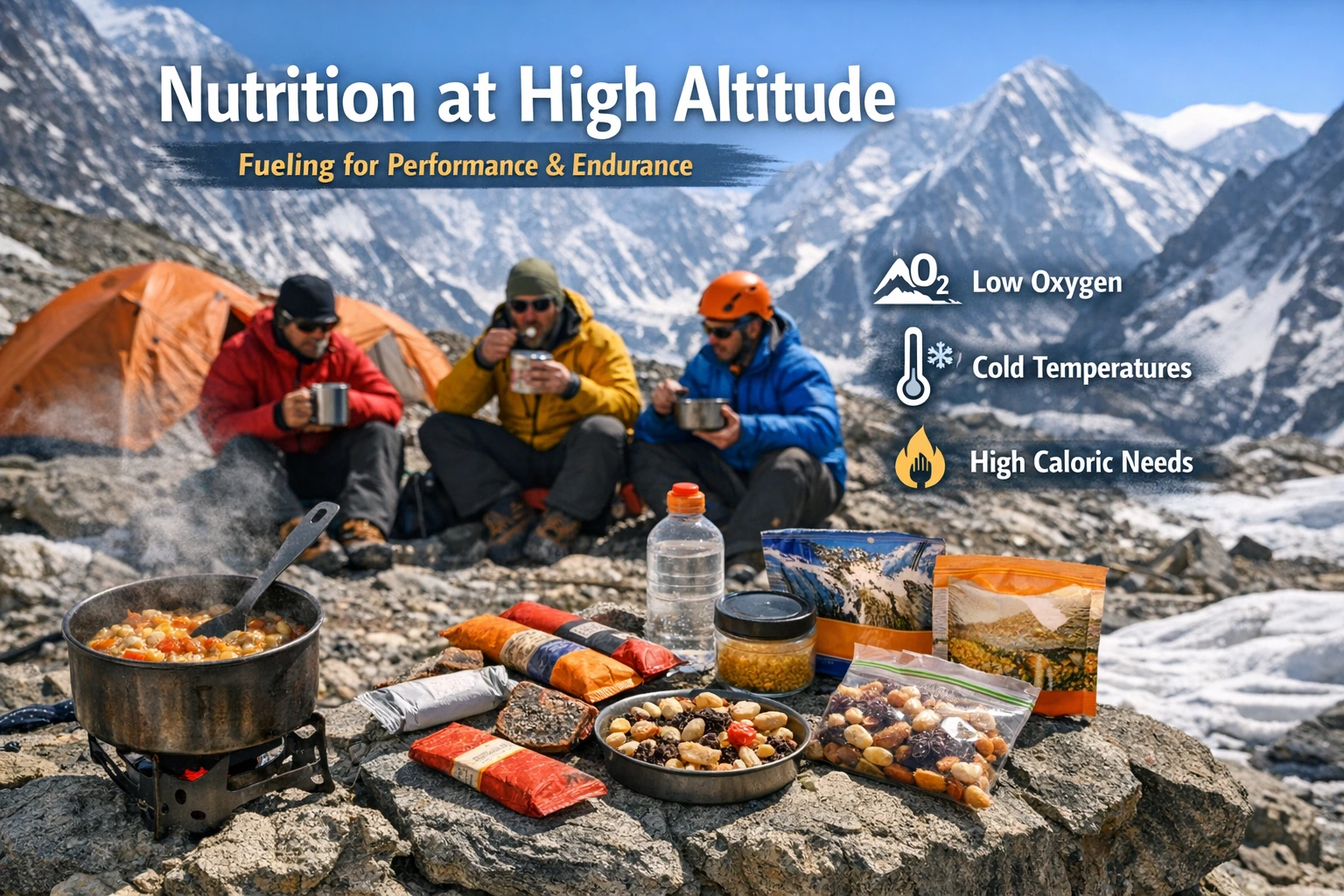
High-altitude environments place the human body under a form of stress that most people never experience in daily life. As elevation increases, oxygen availability drops, temperatures fall, metabolic demand rises, and appetite often declines. These changes alter how the body burns fuel, repairs tissue, regulates temperature, and maintains mental clarity. For trekkers and mountaineers, nutrition stops being a background concern and becomes a primary performance factor.
Many expedition failures are quietly rooted in poor fueling. Fatigue builds faster, recovery slows, decision-making weakens, and susceptibility to altitude sickness increases when nutritional intake is inadequate. Climbers often focus heavily on gear, route planning, and physical training, yet overlook how profoundly diet influences performance at elevation.
Nutrition at altitude is not just about eating more food. It is about eating the right combination of calories, macronutrients, and micronutrients in forms the body can digest efficiently in low-oxygen conditions. The goal is sustained energy, improved acclimatization, muscle preservation, and stable mental function over multi-day efforts in harsh terrain.
This guide explains how nutrition strategies shift in high mountains and how trekkers and expedition climbers can fuel their bodies effectively for safety, endurance, and performance.
Why Nutrition Matters More at High Altitude
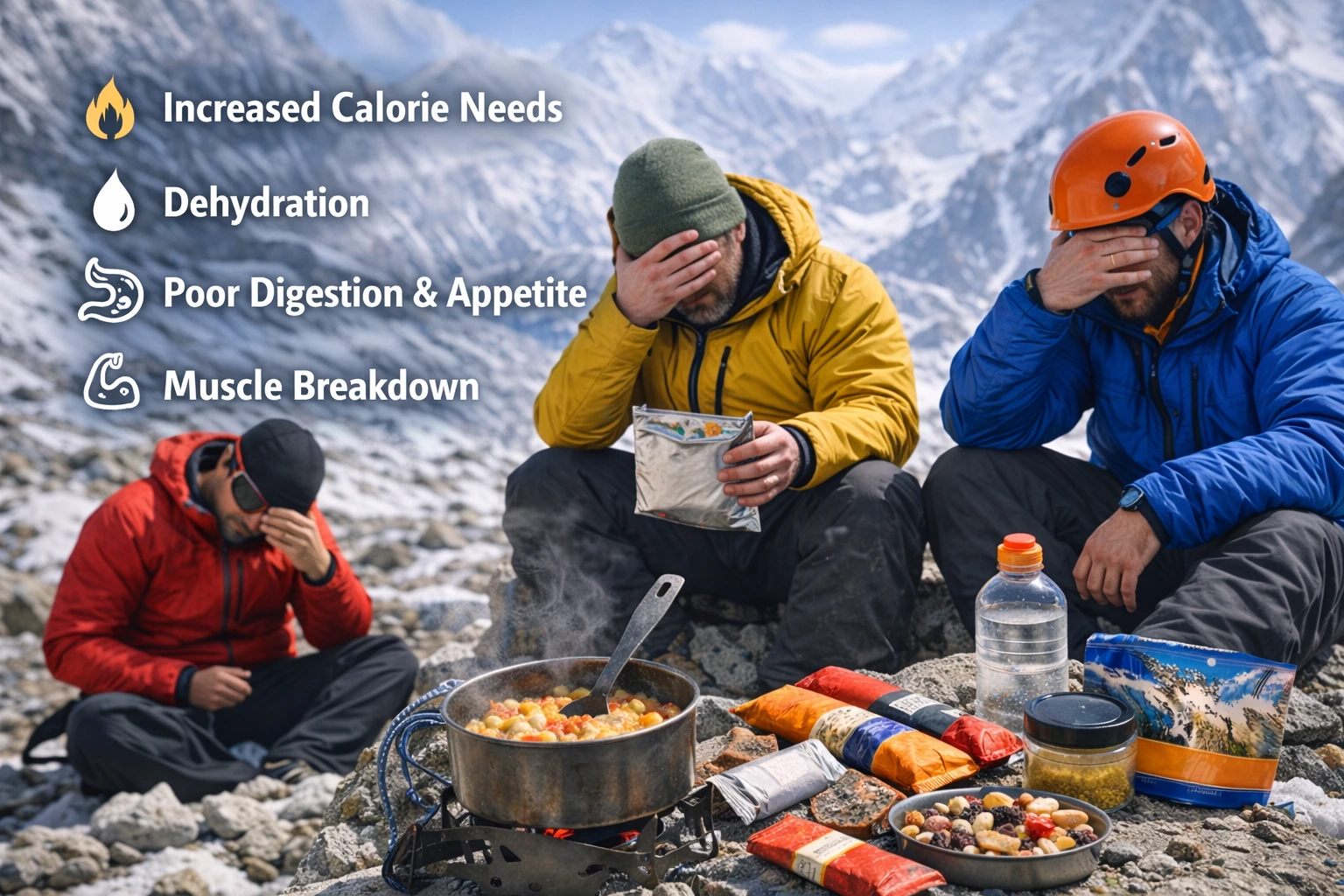
At sea level, the body operates in a stable oxygen-rich environment where metabolism follows predictable patterns. At altitude, physiology changes significantly. Reduced oxygen availability forces the body to work harder for basic functions, increasing resting metabolic rate and energy expenditure even before physical activity begins.
Breathing becomes faster and deeper to compensate for thinner air, which increases respiratory water loss and contributes to dehydration. Cold temperatures demand additional calories for thermoregulation. Steep terrain and load carrying further elevate energy burn. As a result, calorie needs increase while appetite commonly decreases — a challenging mismatch.
Altitude also affects digestion. Blood flow is prioritized to vital organs and working muscles rather than the gastrointestinal tract. This can slow digestion, cause nausea, and reduce hunger signals. Many trekkers eat less than they need without realizing it.
Muscle breakdown is another concern. Inadequate protein and calorie intake force the body to break down lean muscle tissue for energy, reducing strength and endurance. Recovery between climbing days becomes slower, increasing cumulative fatigue.
Nutrition also plays a direct role in acclimatization. Proper carbohydrate intake supports efficient oxygen utilization. Adequate hydration helps maintain blood volume and circulation. Electrolytes support nerve function and muscle contraction. Micronutrients assist in red blood cell production and cellular repair.
Poor nutrition amplifies altitude stress. Good nutrition buffers it.
How Many Calories Do You Need?
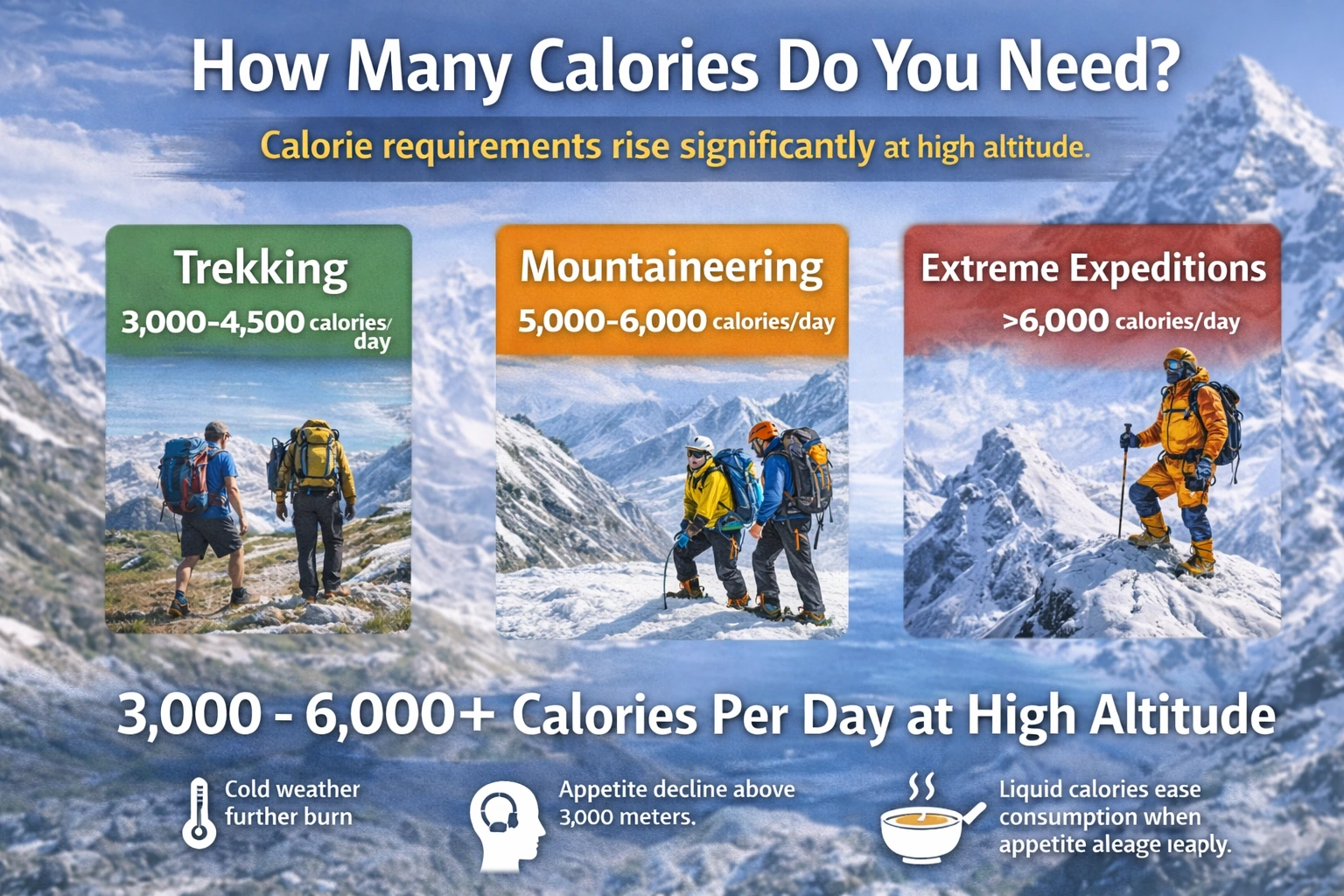
Calorie requirements rise significantly at high altitude due to increased metabolic strain and physical exertion. While exact needs vary by body weight, terrain, temperature, and load carried, most trekkers underestimate their energy expenditure.
At moderate altitude during multi-day trekking, energy needs typically range between 3,000 to 4,500 calories per day. For technical mountaineering expeditions involving heavy load carries, glacier travel, and summit pushes, requirements can climb to 5,000–6,000 calories per day.
Cold weather further increases caloric demand. The body burns additional energy to maintain core temperature, especially during rest periods and overnight stays. Wind exposure and wet conditions accelerate heat loss and energy consumption.
Despite these demands, appetite often declines above 3,000 meters. Hormonal changes suppress hunger, and fatigue reduces motivation to eat. This creates a calorie deficit that accumulates daily, leading to rapid weight loss, weakness, and reduced performance.
Frequent small meals are more effective than large infrequent meals. Eating every two to three hours helps maintain blood sugar stability and consistent energy supply. Liquid calories such as soups, broths, smoothies, and hot beverages are often easier to consume when appetite is low.
Monitoring intake intentionally becomes necessary. Waiting for hunger cues is unreliable at altitude. Eating must be planned, not instinctive.
Best Macronutrient Ratio for High Altitude
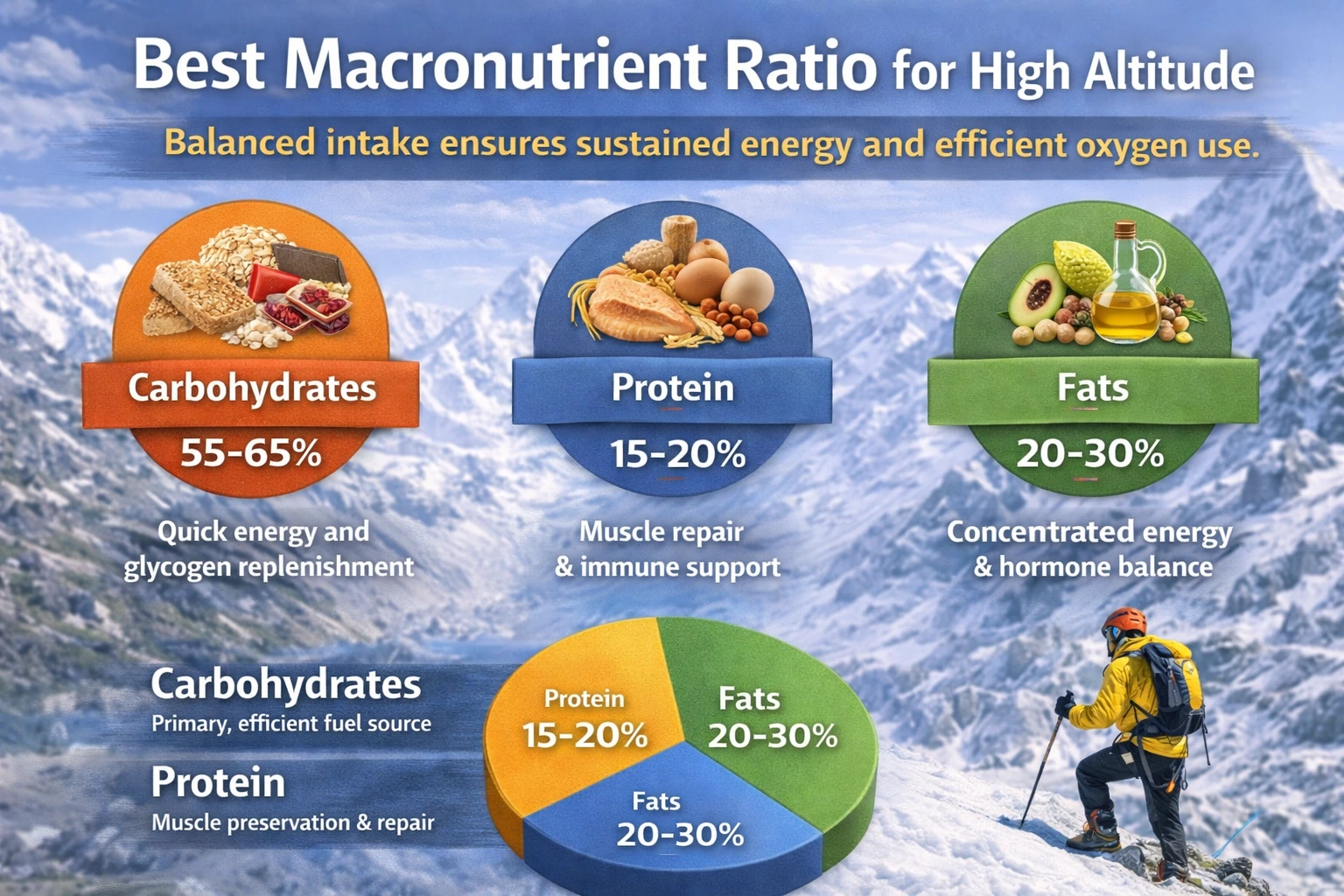
Macronutrient balance shifts at altitude because the body prioritizes efficient oxygen use and sustained energy release.
Carbohydrates become the primary fuel source. They require less oxygen to metabolize compared to fats, making them more efficient in oxygen-limited environments. Carbohydrates also replenish glycogen stores, which are essential for endurance and sustained output on steep terrain.
At altitude, carbohydrates should typically account for about 55–65% of total calorie intake. Complex carbohydrates provide slow-release energy, while simple carbohydrates offer quick fuel during exertion.
Protein remains essential for muscle repair, immune function, and recovery. Prolonged trekking and climbing create micro-damage in muscle fibers that must be repaired overnight. Inadequate protein intake accelerates muscle loss and delays recovery. Protein should contribute roughly 15–20% of daily calories.
Fats provide concentrated energy and support hormone regulation, but they require more oxygen for metabolism and digest more slowly. Excess fat intake can cause digestive discomfort at altitude. Healthy fats should contribute around 20–30% of daily calories.
Balanced macronutrient intake ensures sustained energy, muscle preservation, and metabolic efficiency.
Best Foods to Eat During Treks and Expeditions

Food selection at altitude must prioritize digestibility, energy density, portability, and cooking practicality. Complex preparation is unrealistic in extreme environments, so simplicity matters.
Whole grains such as oats, rice, quinoa, and whole wheat products provide stable carbohydrate energy and are easy to prepare in expedition kitchens. Porridge is particularly effective for breakfast as it is warm, hydrating, and easy to digest.
Potatoes and sweet potatoes are excellent carbohydrate sources that also provide potassium and fiber. They help replenish glycogen stores after long trekking days.
Lean proteins such as lentils, beans, eggs, paneer, tofu, and chicken support muscle repair and satiety. Protein-rich soups and stews are ideal because they provide warmth, hydration, and nourishment simultaneously.
Dairy products like cheese and milk powder add calorie density and calcium for bone support. Yogurt, when available, supports gut health.
Vegetables contribute essential vitamins, antioxidants, and minerals that assist recovery and immune defense. While fresh produce availability may be limited, dehydrated vegetables and soups help fill the gap.
Fruits provide natural sugars, hydration, and micronutrients. Bananas, apples, oranges, and dried fruits are practical options.
Warm meals are preferable. Cold food reduces morale and core temperature in harsh weather. Hot meals improve comfort and digestion.
High-Energy Snacks to Carry
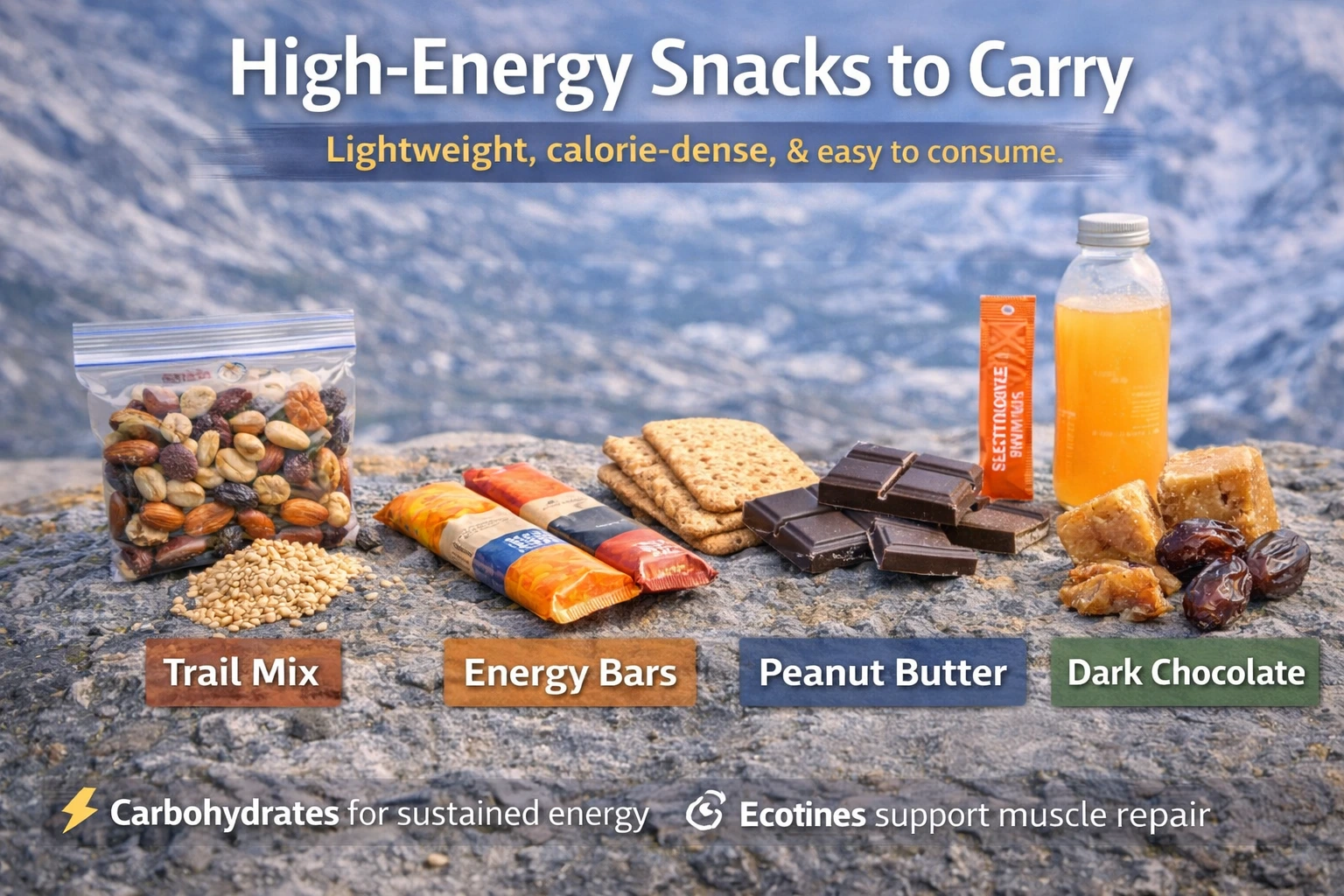
Snacking becomes critical during long trekking stretches when stopping for full meals is impractical. High-energy snacks should be lightweight, non-perishable, calorie-dense, and easy to consume without preparation.
Trail mix combining nuts, seeds, and dried fruits delivers carbohydrates, healthy fats, and micronutrients in compact form. Nuts provide sustained energy, while dried fruits offer quick glucose replenishment.
Energy bars designed for endurance sports provide balanced macronutrients and are convenient during movement. Choose bars that are not overly hard in cold temperatures.
Peanut butter sachets are compact and calorie-dense. They pair well with crackers or bread and provide both protein and fats.
Dark chocolate offers quick energy and morale benefits. It remains stable in cold conditions and provides antioxidants.
Electrolyte drink mixes help replace salts lost through heavy breathing and sweating. Proper electrolyte balance supports hydration and muscle function.
Jaggery, dates, and local energy sweets provide quick carbohydrate boosts and are culturally familiar options for many trekkers.
Frequent snacking prevents energy crashes and maintains consistent pace.
Foods That Help Prevent Altitude Sickness
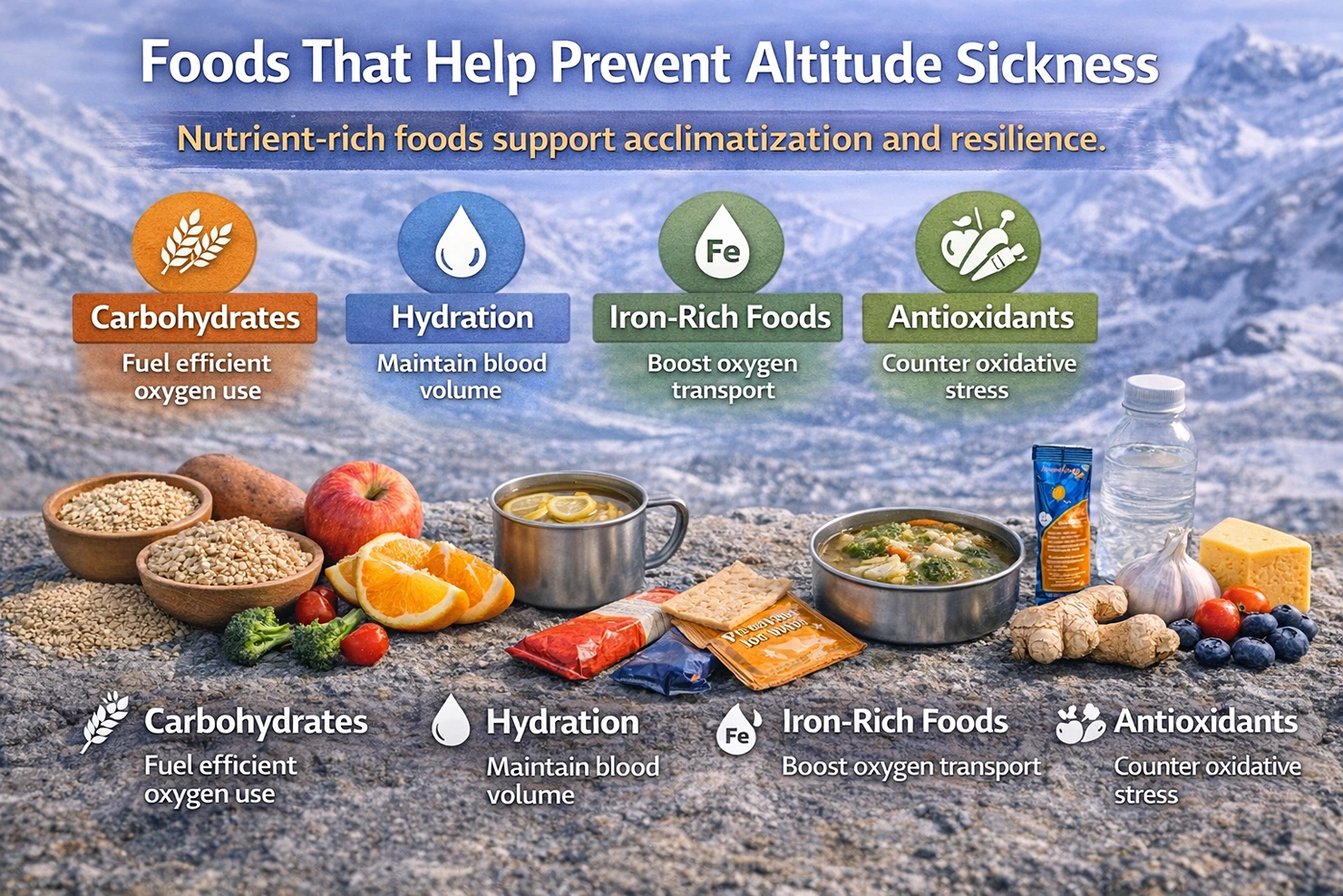
Altitude sickness is influenced by ascent rate, hydration, acclimatization, and overall physiological resilience. Nutrition supports the body’s ability to adapt.
Carbohydrate-rich foods improve oxygen utilization efficiency, reducing metabolic strain. Meals centered around grains, fruits, and vegetables support this process.
Hydration is critical. Fluids maintain blood volume and circulation, helping oxygen delivery. Warm water, herbal teas, soups, and electrolyte beverages support fluid intake.
Iron-rich foods support red blood cell production, which improves oxygen transport capacity. Lentils, beans, leafy greens, nuts, seeds, and fortified cereals are useful sources.
Antioxidant-rich foods help counter oxidative stress caused by altitude exposure. Fruits and vegetables with strong natural colors typically contain beneficial antioxidants.
Ginger and garlic are traditionally valued for circulation support and digestive comfort. Ginger tea may help reduce nausea.
Light, frequent meals are preferable to heavy meals that strain digestion.
Alcohol and smoking impair oxygen utilization and should be avoided entirely during acclimatization.
Practical Expedition Nutrition Strategy
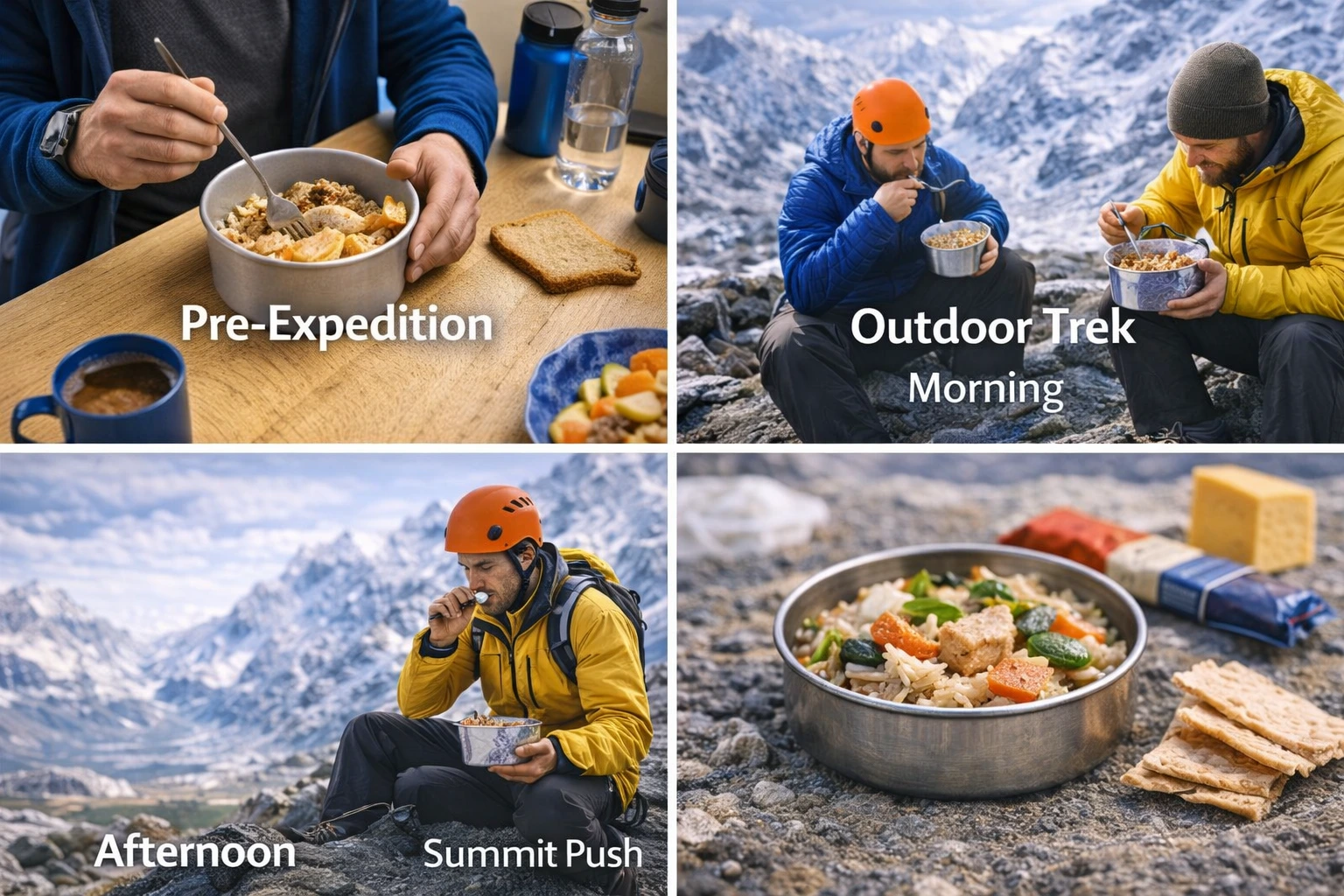
Preparation begins before departure. Gradually increasing carbohydrate intake in the days before ascent supports glycogen storage. Hydration should be optimized prior to travel.
During the trek, a consistent meal schedule helps regulate energy levels. Breakfast should be carbohydrate-rich. Midday meals should be light but energy-sustaining. Dinner should support recovery with carbohydrates and protein.
Summit push days require easily digestible, quick-access foods. Heavy meals are impractical before intense climbing efforts.
Post-climb recovery meals should replenish glycogen and support muscle repair.
Listening to the body matters, but structured intake is more reliable than appetite signals.
Common Nutrition Mistakes at High Altitude
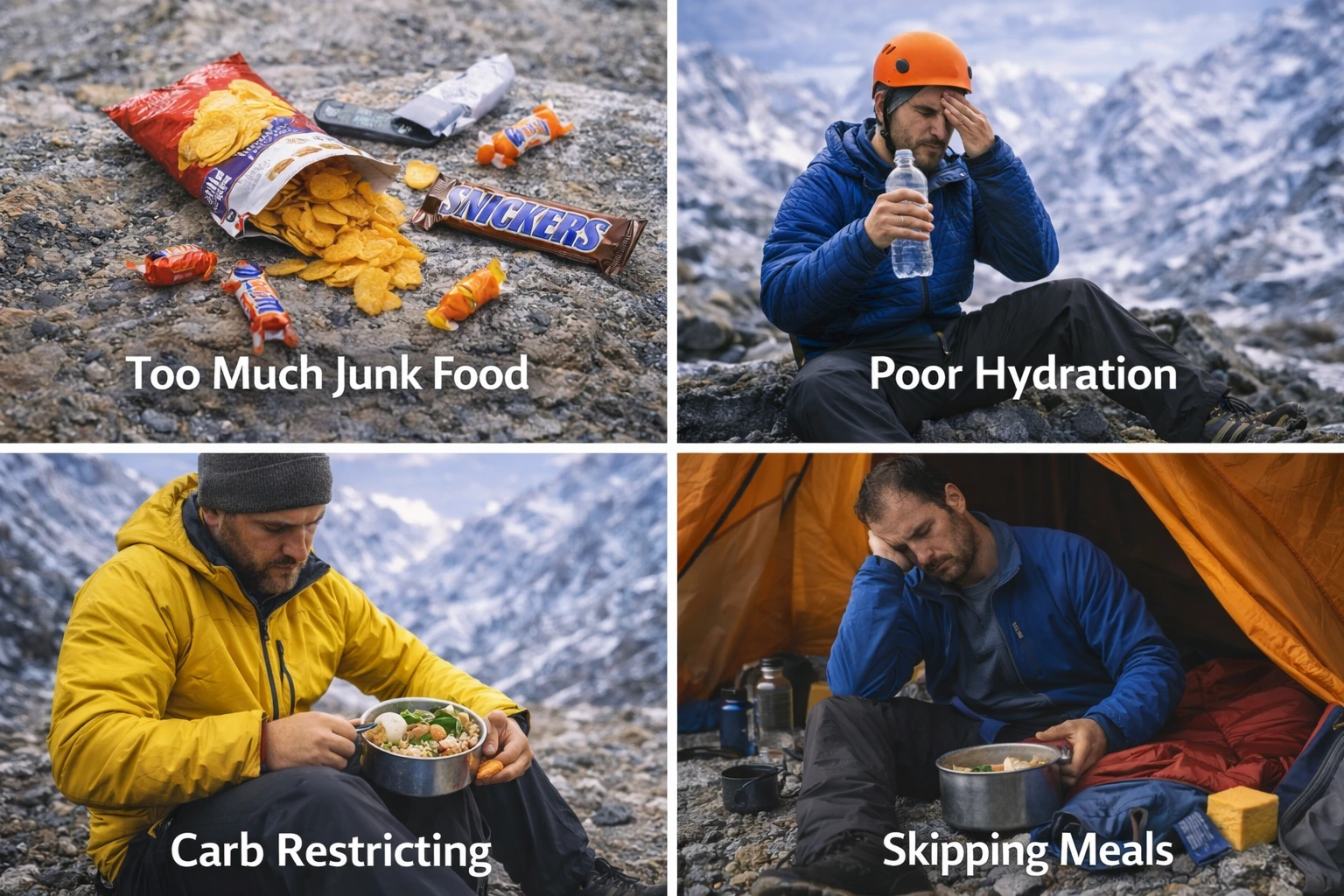
Many trekkers rely too heavily on packaged junk food, which provides calories but lacks essential nutrients. Others underestimate hydration needs in cold environments. Some avoid carbohydrates unnecessarily, reducing energy efficiency. Skipping meals due to fatigue worsens overall performance. Overconsumption of caffeine contributes to dehydration. Poor planning leads to limited food variety and appetite fatigue.
Small mistakes compound over multi-day expeditions.
Conclusion
High-altitude trekking, expedition and mountaineering test human endurance in ways that demand thoughtful preparation. Nutrition is not secondary to performance — it is foundational to it.
The right balance of calories, macronutrients, hydration, and food timing supports acclimatization, preserves strength, sharpens focus, and reduces health risks. Trekkers who fuel strategically move more efficiently, recover faster, and experience mountains with greater resilience.
Food becomes more than sustenance in high places. It becomes a tool for survival, performance, and safe return.
To start your expedition journey with proper nutrition guidance and safety, reach out to the Terranova Expedition.
