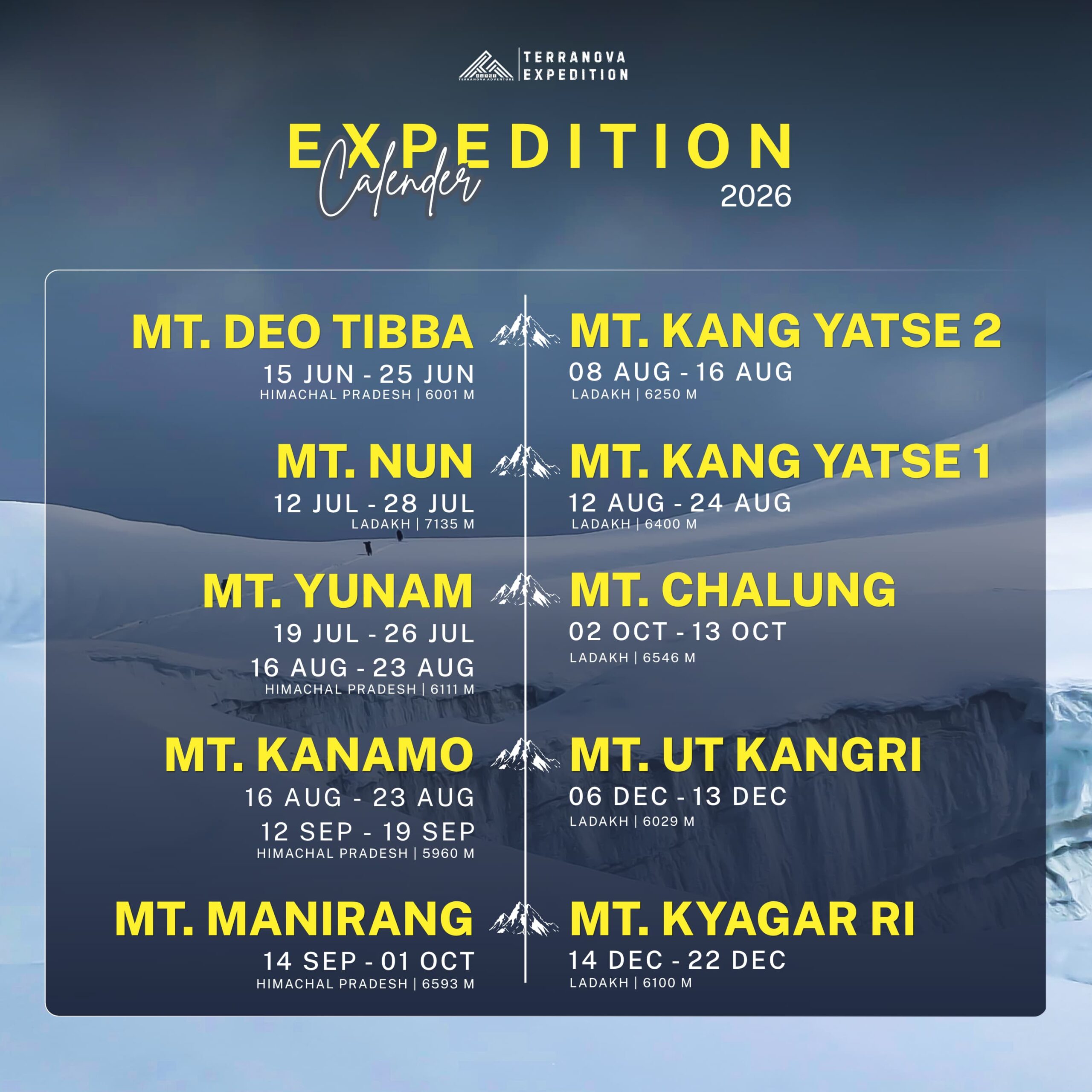
Every climber reaches a point where trekking is no longer enough. You start looking at distant summits differently. You begin to wonder what lies beyond high passes and scenic valleys. For me, that shift happened when I decided to attempt my first 6000-meter peak—Kang Yatse II (6,250m) in the Ladakh Himalaya.
Kang Yatse II is often described as a beginner-friendly 6000m peak, but that label can be misleading. Yes, it is more accessible than many technical peaks, but it still demands discipline, endurance, and a deep respect for altitude. It is not a trek. It is a real expedition.
Climbing Kang Yatse II was not just about reaching a summit. It was about understanding what high-altitude mountaineering actually feels like—physically, mentally, and emotionally.
The Decision: Why Kang Yatse II?
Choosing your first 6000m peak is not about picking the easiest option. It is about selecting a mountain that teaches you the right lessons without overwhelming you.
Kang Yatse II stood out because it offered a combination of high altitude, glacier approach, and a structured summit push, all within a relatively manageable technical framework. The climb is approached via the famous Markha Valley, which allows gradual acclimatization before entering the harsher alpine environment.
Looking back, this choice made a difference. The mountain did not feel easy—but it felt fair. It tested me without breaking me.
Tip from Experience:
Do not chase difficulty for your first 6K. Choose a peak that helps you learn, not just survive.
The Journey Begins: Leh and the First Signs of Altitude
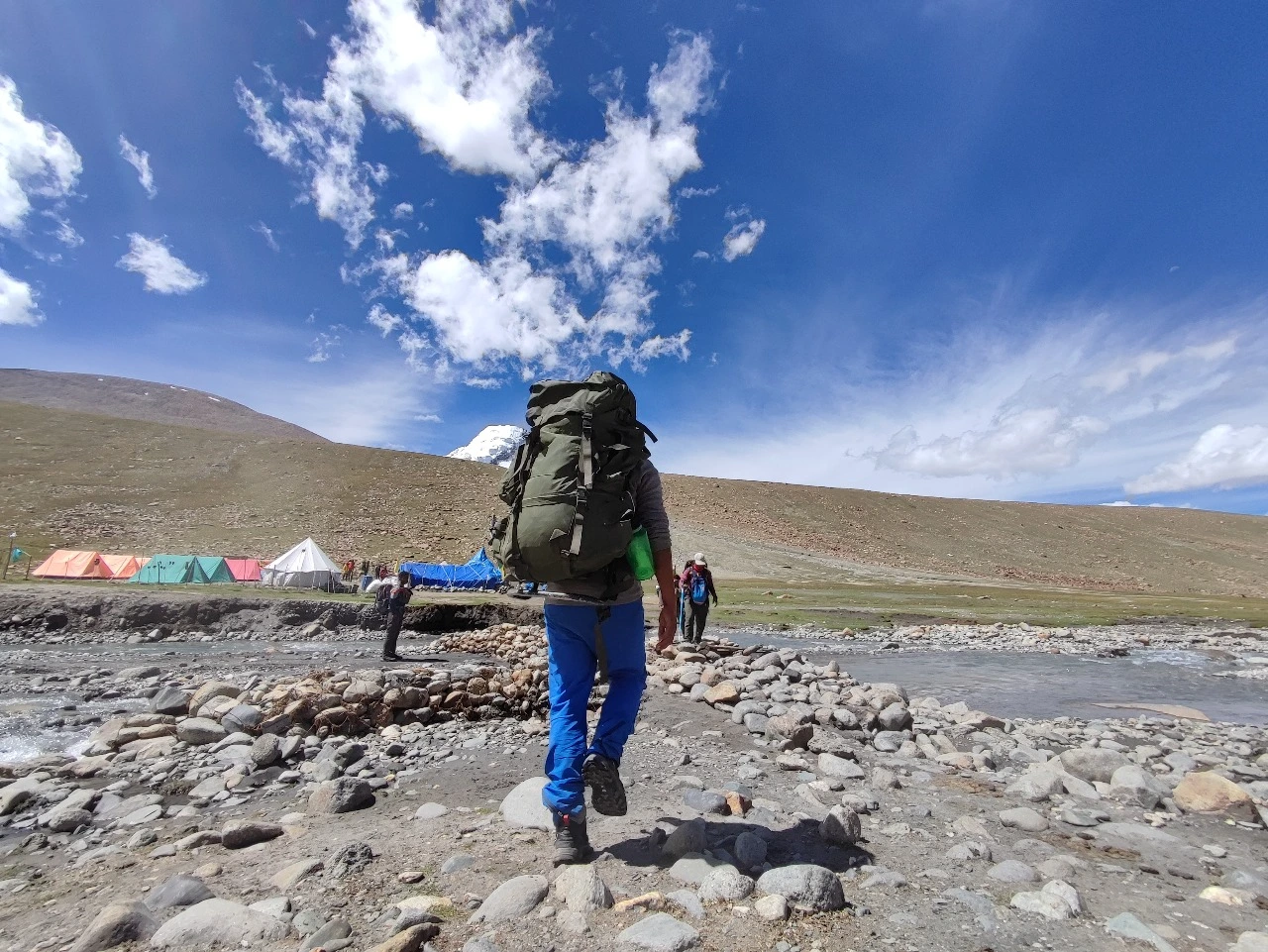
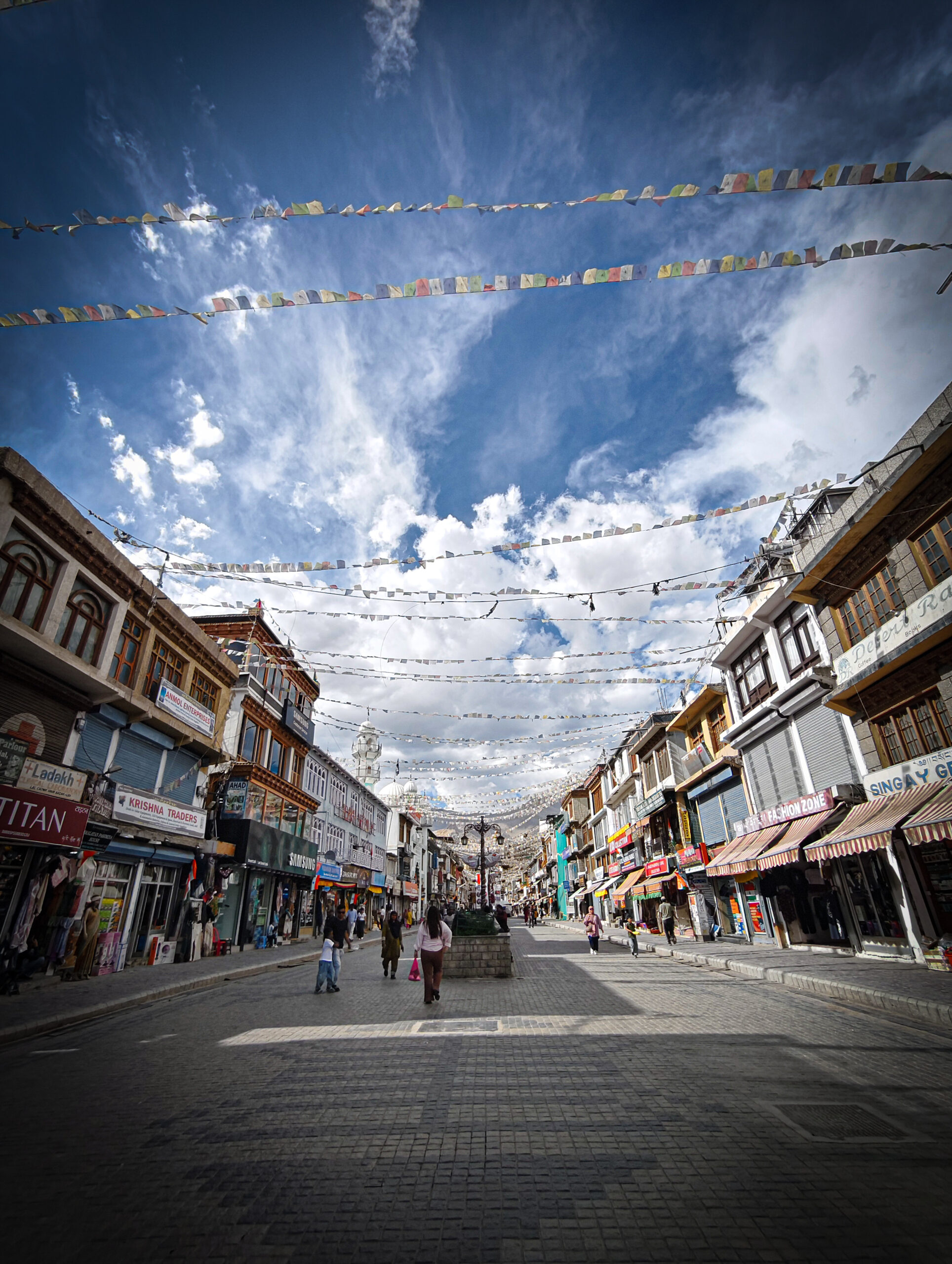
Arriving in Leh is where the expedition truly starts, even though you are not yet on the mountain.
At around 3,500 meters, the effects of altitude begin almost immediately. The first day feels strange—slight headaches, heavier breathing, and an unusual sense of fatigue. This is your first reminder that everything from here onward will be different.
The acclimatization days in Leh are not optional. They are essential. Walking slowly, staying hydrated, and allowing your body to adjust becomes the priority.
This phase teaches your first real lesson:
Mountaineering starts before the climb begins.
Tip from Experience:
Take acclimatization seriously. Skipping it is one of the fastest ways to fail later.
Markha Valley Approach: Beauty with Purpose
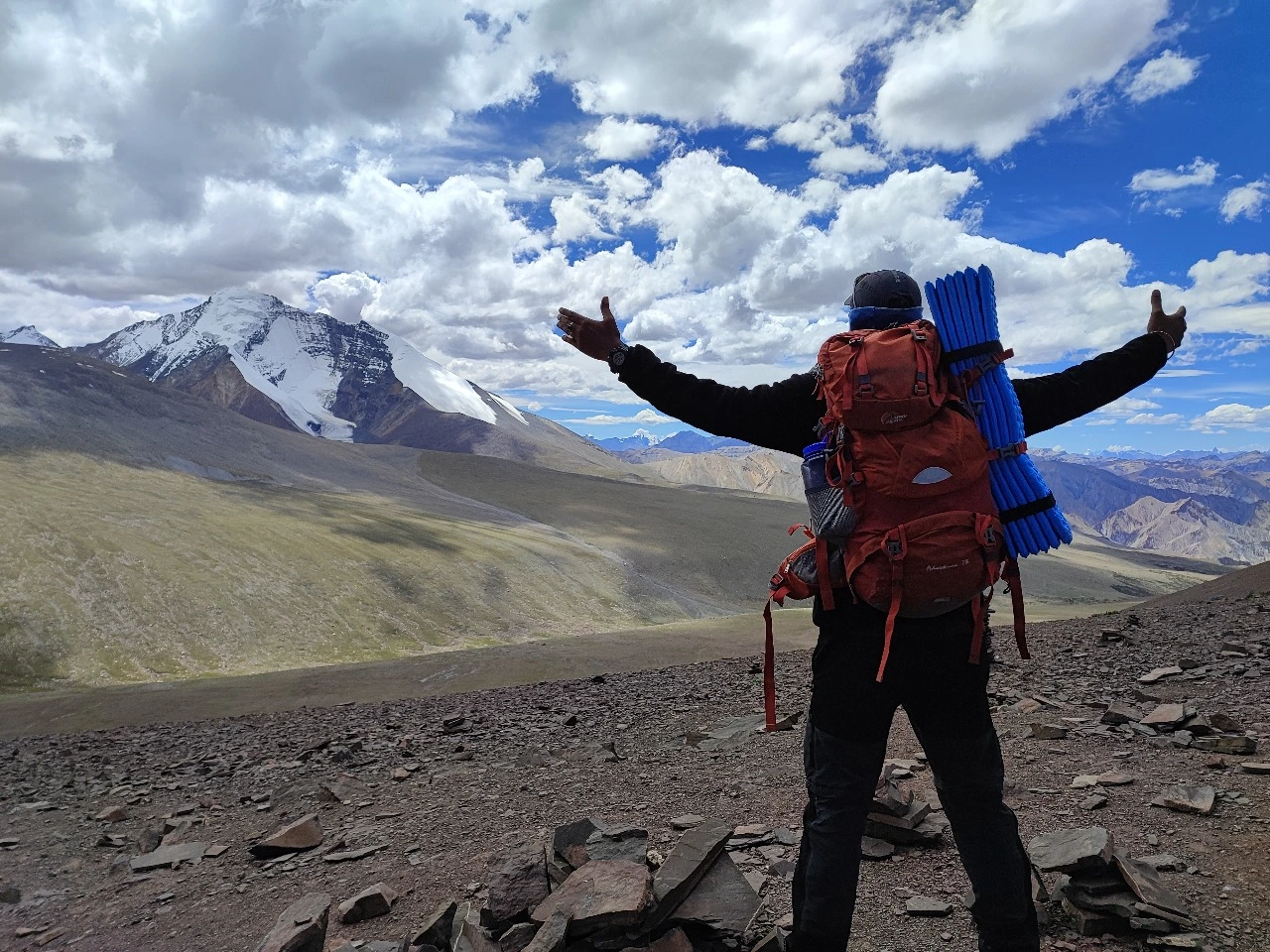
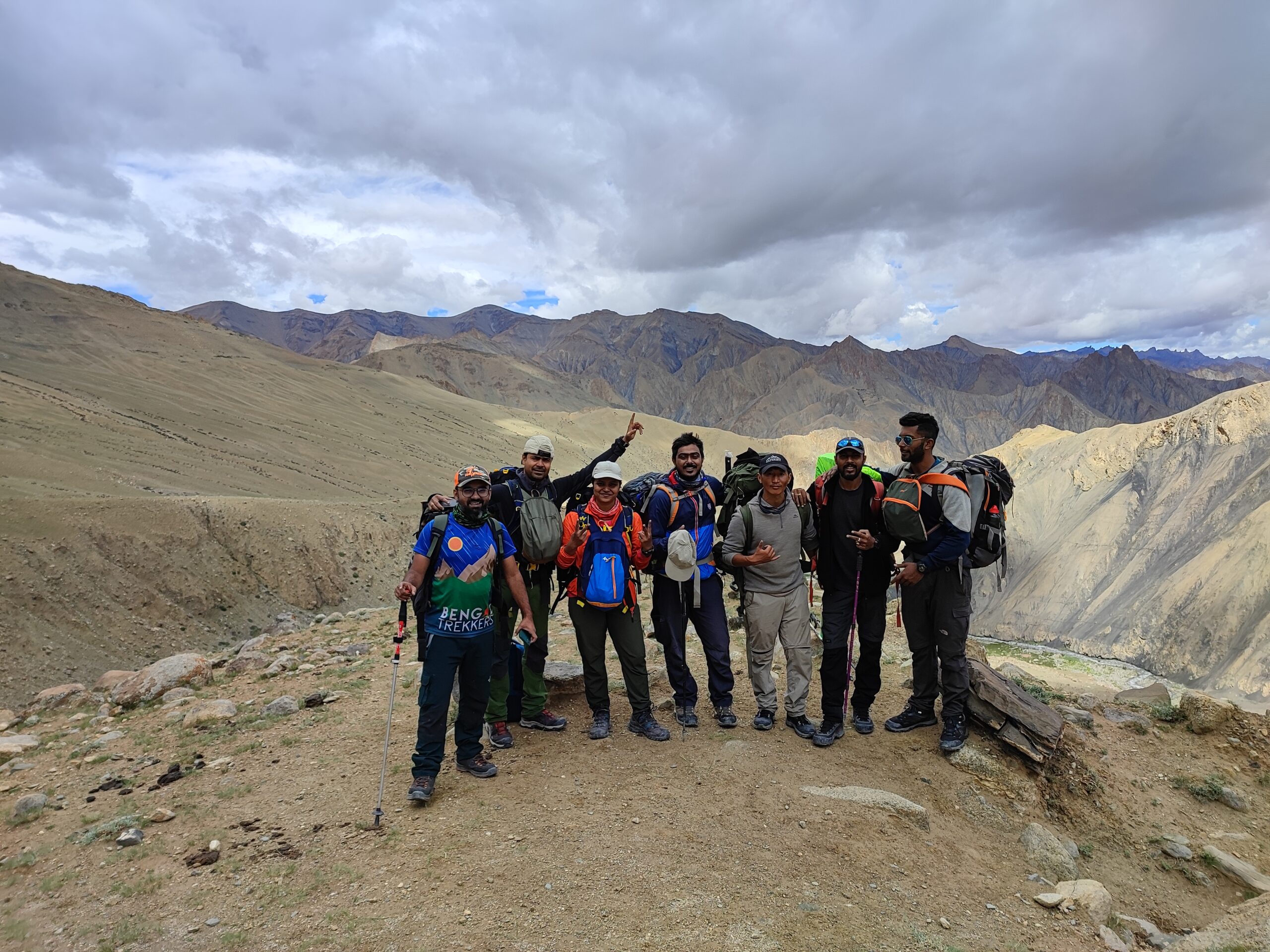
The trek through Markha Valley is often described as one of the most beautiful in Ladakh—and it truly is. But during an expedition, this beauty has a purpose.
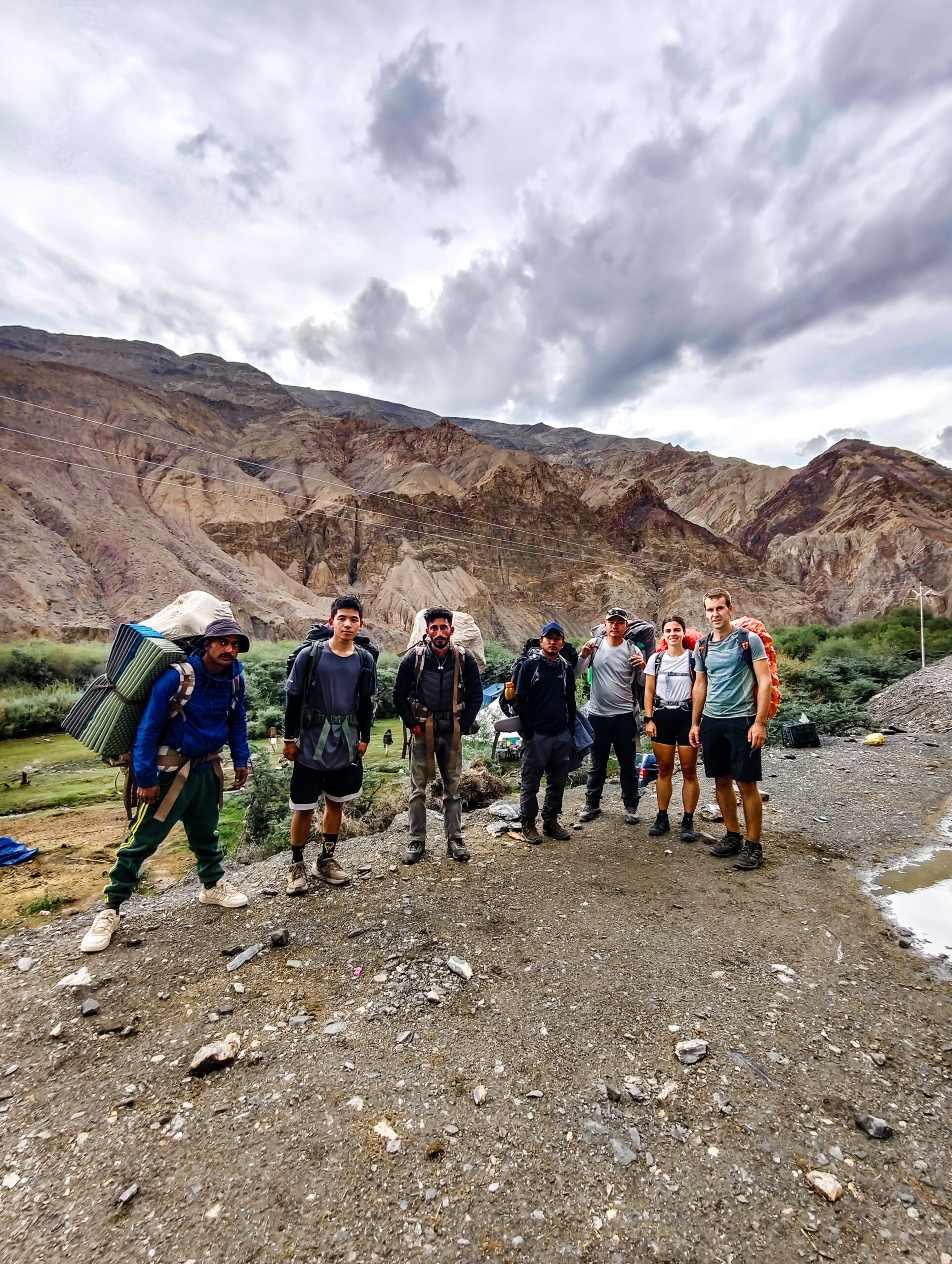
Each day of trekking is designed to help your body adjust gradually to increasing altitude. You cross rivers, pass through remote villages, and walk through vast landscapes that slowly become more barren and high-altitude in nature.
The terrain is not technically difficult, but the distance and altitude make it physically demanding. Carrying a backpack over multiple days begins to build fatigue.
What stood out to me during this phase was how important pacing was. Walking too fast on Day 2 or 3 can quietly affect your performance on summit day.
Tip from Experience:
Walk at a pace where you can breathe comfortably. If you’re out of breath, you’re moving too fast.
Base Camp: Where the Real Shift Happens
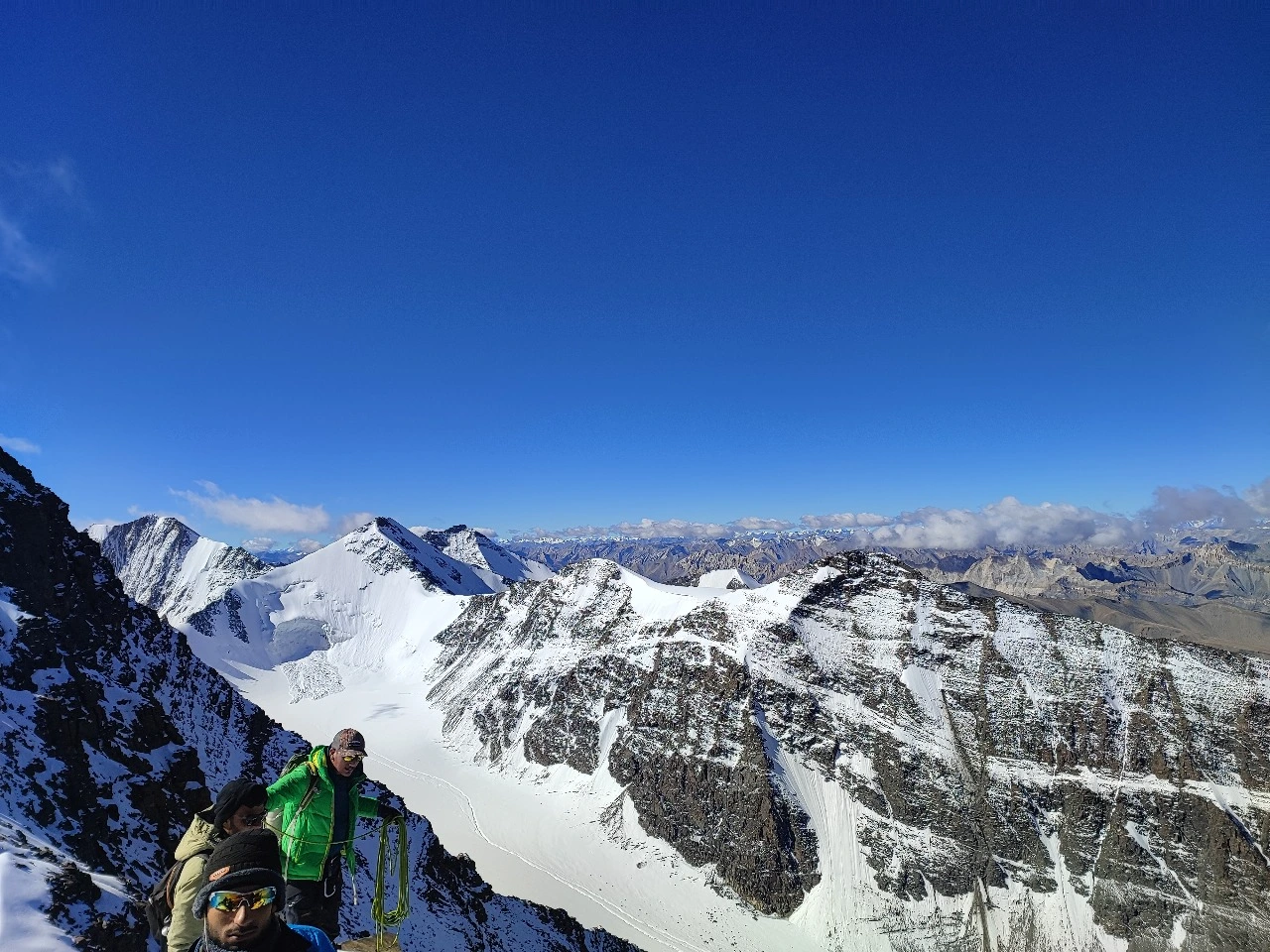
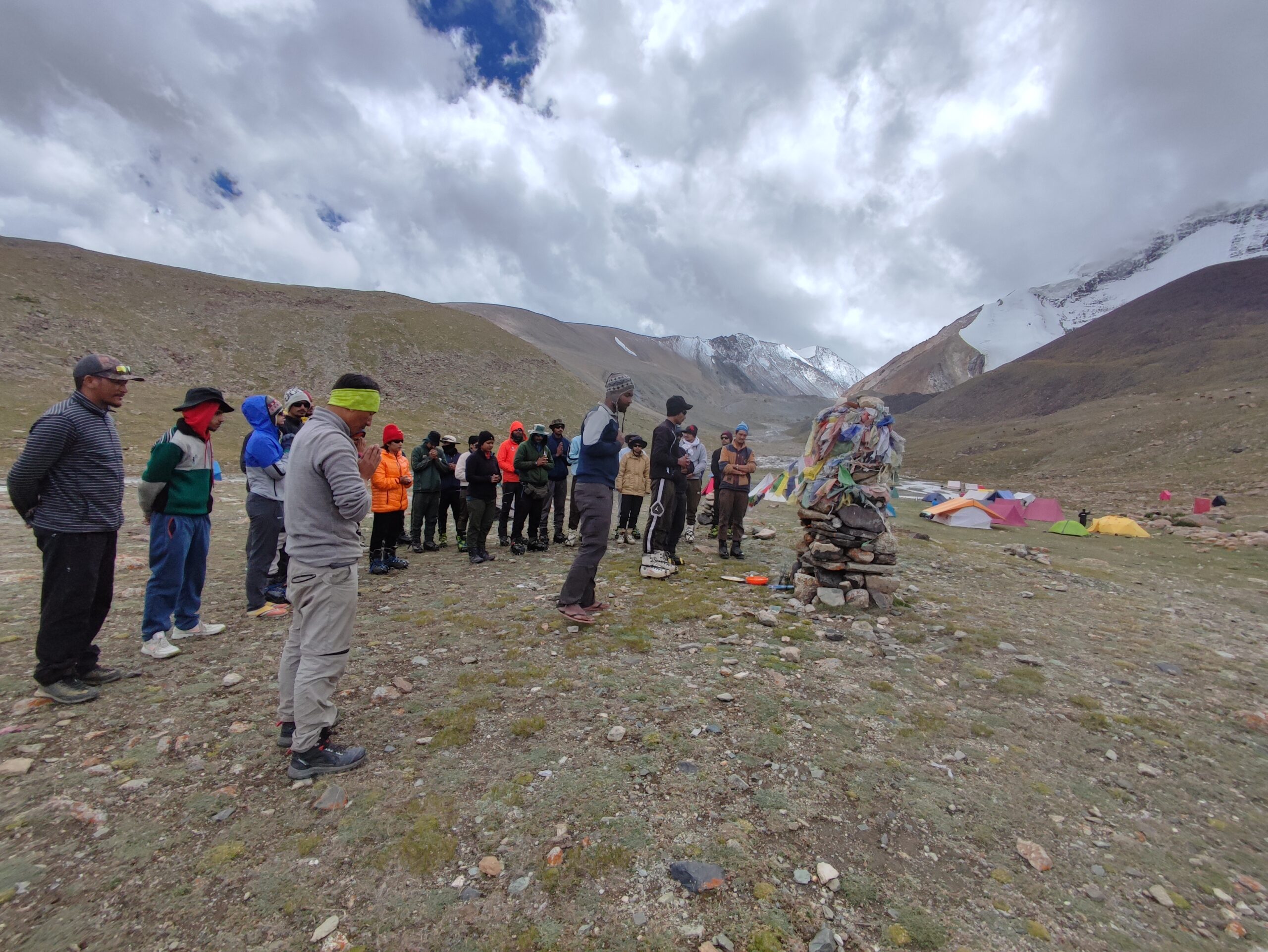
Reaching base camp near Kang Yatse II feels like entering a different environment altogether.
The green valley disappears. The landscape turns rugged, cold, and exposed. The mountain is now in front of you—not as a distant idea, but as a real objective.
At this altitude, everything changes. Appetite drops. Sleep becomes lighter. Even basic movements feel slower.
This is also where technical preparation begins. Practicing with crampons and ice axes on snow sections felt completely different from training at lower altitudes. The cold, the wind, and the thin air add layers of difficulty.
Tip from Experience:
Train with your gear before the expedition. Learning at altitude is harder than expected.
Acclimatization & Load Carry: The Hidden Challenge
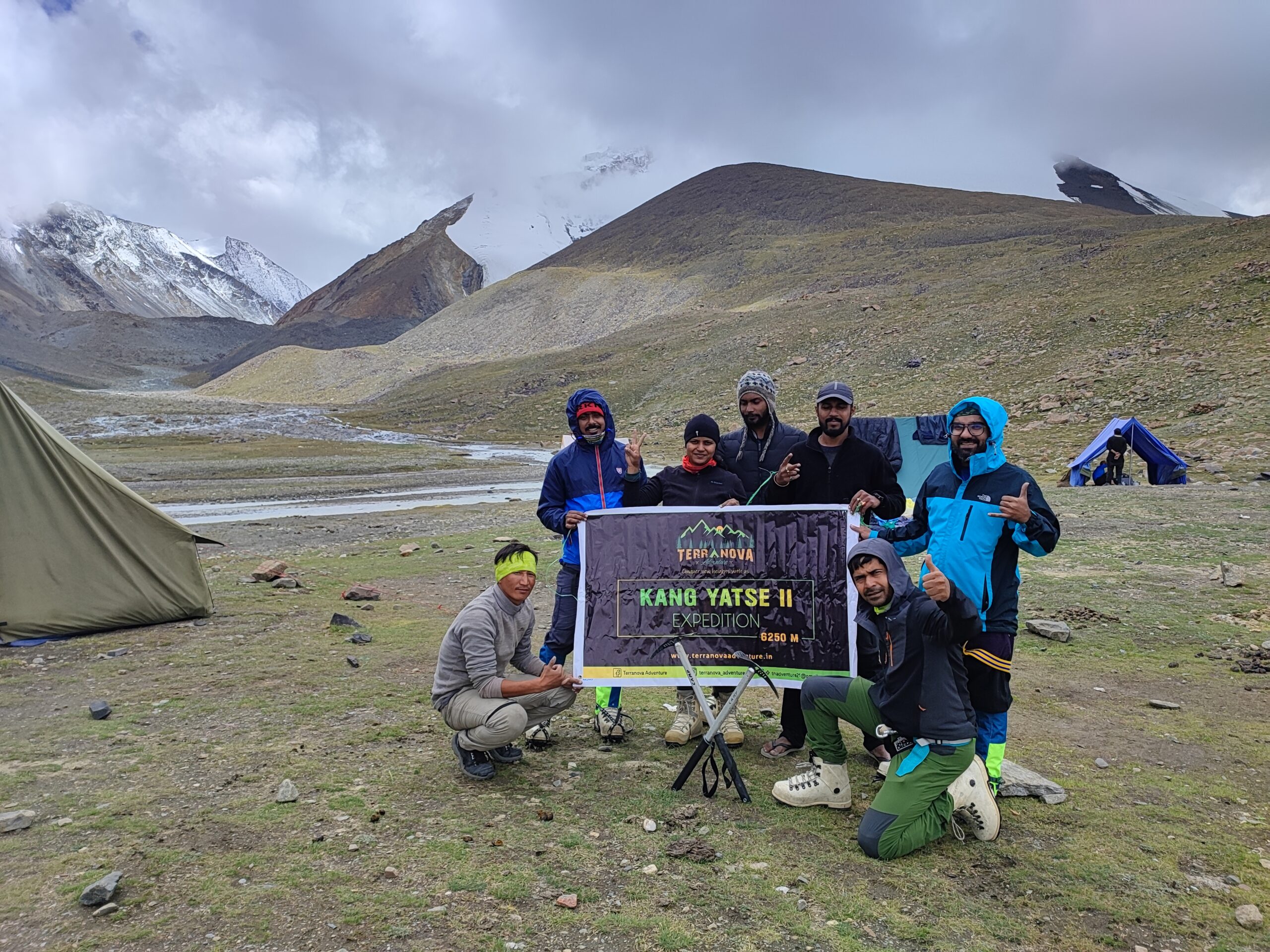
Before attempting the summit, we carried loads to higher camps and returned to base camp. This process felt repetitive, but it was critical for acclimatization.
Carrying weight at altitude is not the same as carrying weight at sea level. Every step feels heavier, and recovery takes longer.
This phase also exposed me to my first real mental challenge. There is no excitement here—just discipline. You climb, return, rest, and repeat.
But this is where your body adapts.
Tip from Experience:
Do not rush acclimatization. Your summit depends on these “boring” days.
High Camp: Entering the Thin Zone
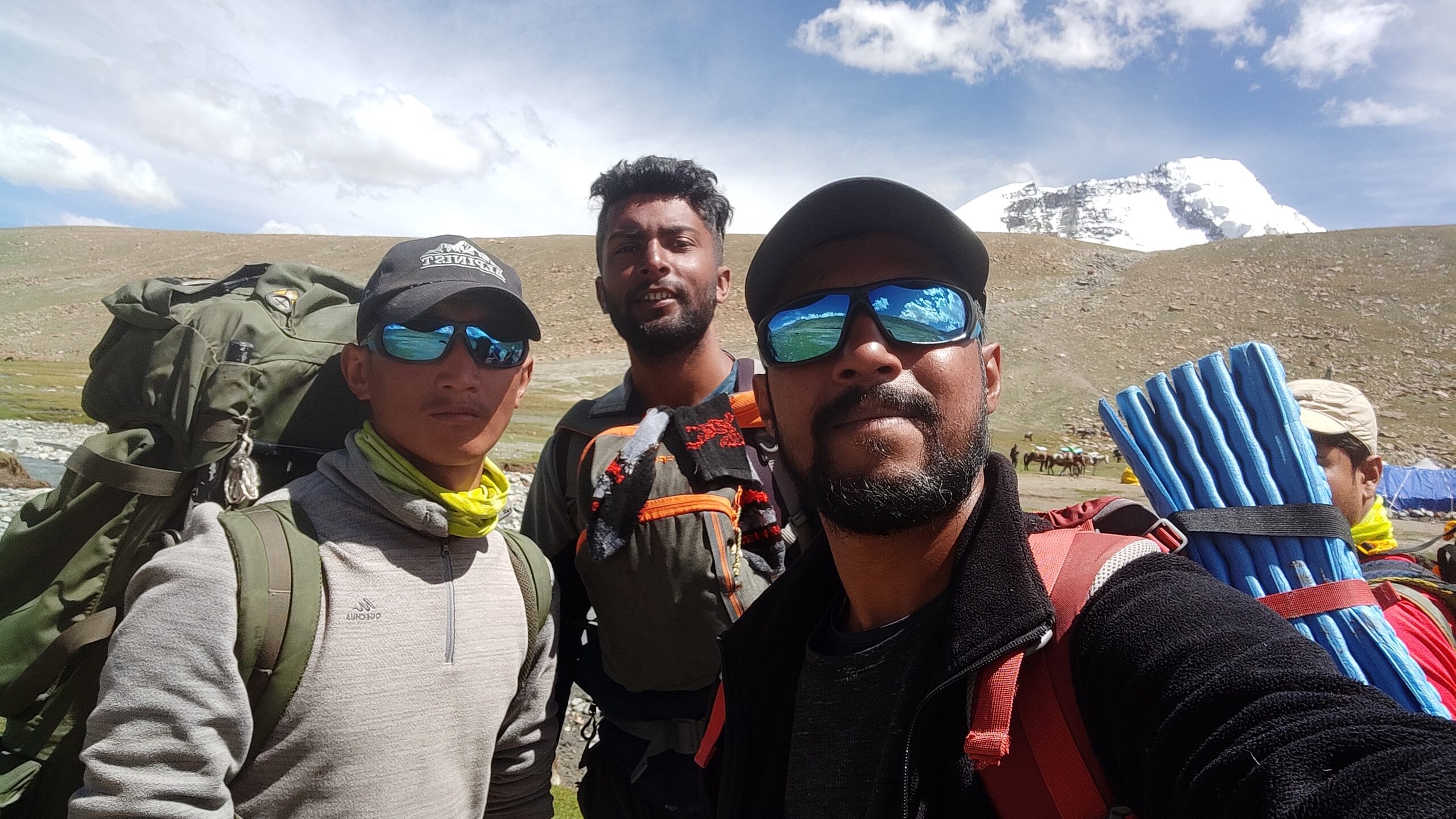
Moving to high camp was where the climb became real.
At this altitude, breathing is noticeably harder, even while sitting still. Every movement requires effort. Packing your bag, wearing your boots, even stepping outside the tent feels slower.
The cold is sharper, and the environment feels more serious. There is a quiet understanding among climbers—this is where mistakes matter more.
Sleep is minimal. You rest, but you don’t fully recover.
Tip from Experience:
Keep your movements slow and controlled. Efficiency matters more than speed.
Summit Push: The Longest Climb
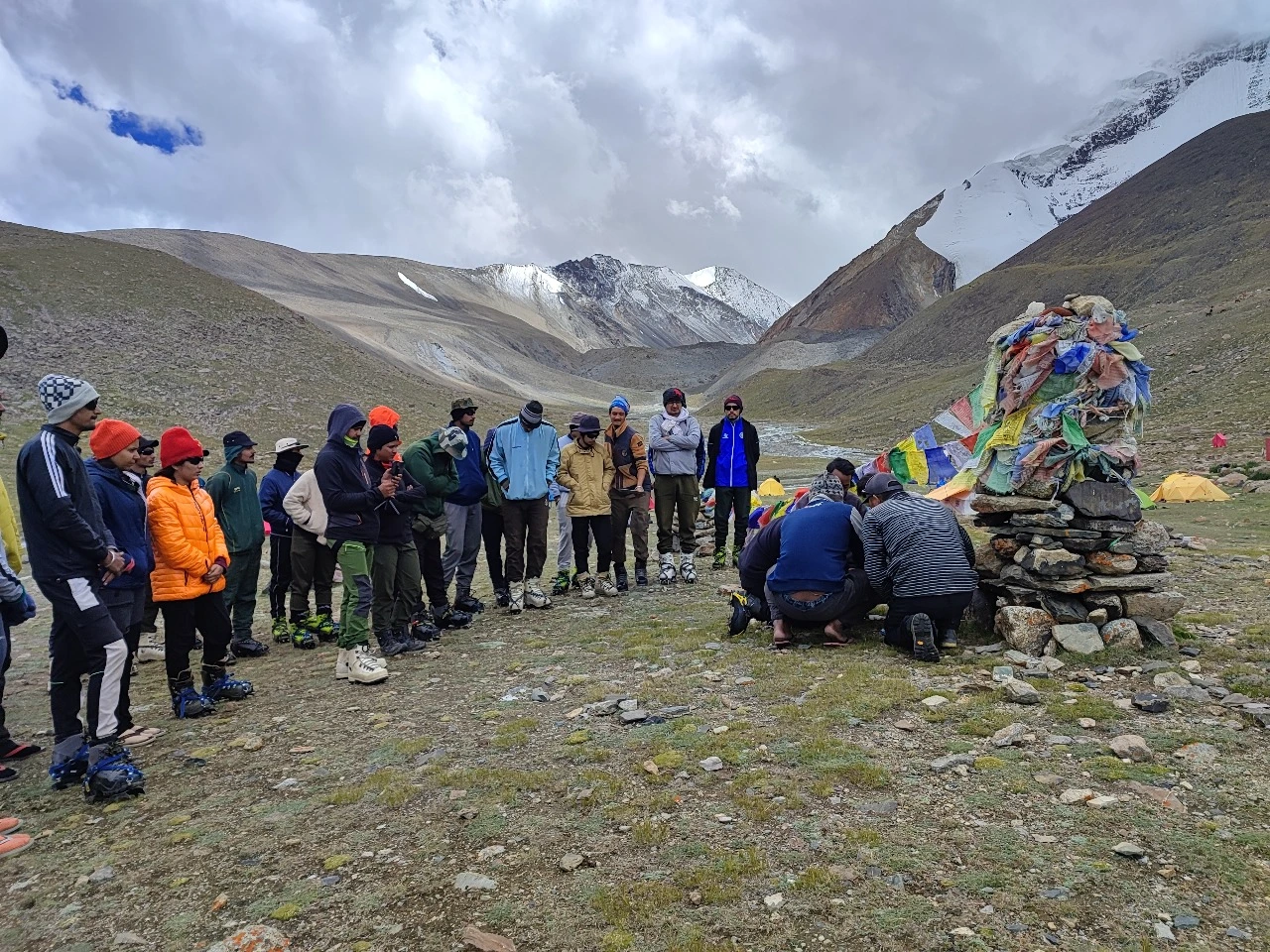
Summit day started in complete darkness. The temperature was extremely low, and even putting on gloves felt difficult.
The climb began slowly. Step, breathe, step, breathe. That rhythm becomes everything above 6,000 meters.
The terrain included snow slopes and sections where crampons were essential. While not extremely technical, the altitude made even simple movements exhausting.
There were moments where I questioned whether I could continue. Not because the terrain was impossible, but because my body felt pushed to its limit.
The final stretch felt endless. The summit always seemed just a little further.
And then suddenly, it wasn’t.
Standing at the top of Kang Yatse II was not about excitement—it was about realization. You understand what it took to get there.
The Descent: The Real Test of Discipline
Descending from the summit was harder than expected.
Fatigue was at its peak. Focus started dropping. The temptation to relax was strong—but this is where most mistakes happen.
Loose snow, tired legs, and reduced concentration made every step important.
This is where I understood one of the most important rules of mountaineering:
The climb is not over until you are back safely.
Tip from Experience:
Stay mentally engaged during descent. This is where accidents happen.
Mistakes I Made (And You Should Avoid)
I started the trek slightly faster than I should have, which affected my energy later. I also underestimated how much hydration I needed at altitude.
There were moments where I ignored small symptoms, thinking they would pass on their own. That was a mistake.
I also carried a few unnecessary items, which added weight and reduced efficiency.
These mistakes did not stop me—but they made the climb harder than it needed to be.
What Kang Yatse II Teaches You
This mountain teaches you how altitude really feels. Not in theory, but in practice.
It teaches you pacing, patience, and energy management. It forces you to slow down and focus on the basics—breathing, movement, and decision-making.
It also teaches humility. No matter how fit you are, the mountain decides the pace.
Most importantly, it teaches you that mountaineering is not about strength alone. It is about control.
Who Should Attempt Kang Yatse II?
Kang Yatse II is ideal for:
• Trekkers with prior high-altitude experience (above 4,000m)
• Climbers attempting their first 6000m peak
• Individuals with good endurance and discipline
• Those ready to move from trekking into mountaineering
It is not a casual climb, but it is one of the best learning peaks in India.
Final Tips for Your First 6K Peak
Train for long-duration effort, not short bursts. Endurance matters more than speed.
Focus on hydration and nutrition even when you don’t feel like eating.
Respect acclimatization. It is the foundation of your climb.
Keep your gear minimal and functional.
Stay mentally calm. Panic wastes energy at altitude.
And most importantly, respect the mountain.
Conclusion
Kang Yatse II was more than my first 6000-meter peak—it was my introduction to real mountaineering.
It showed me what my body is capable of, what my limits feel like, and how important preparation and discipline are in high-altitude environments.
If you are planning your first 6K peak, Kang Yatse II is not just a good choice—it is a meaningful one.
Because some climbs don’t just give you a summit.
They change the way you approach every mountain after that.