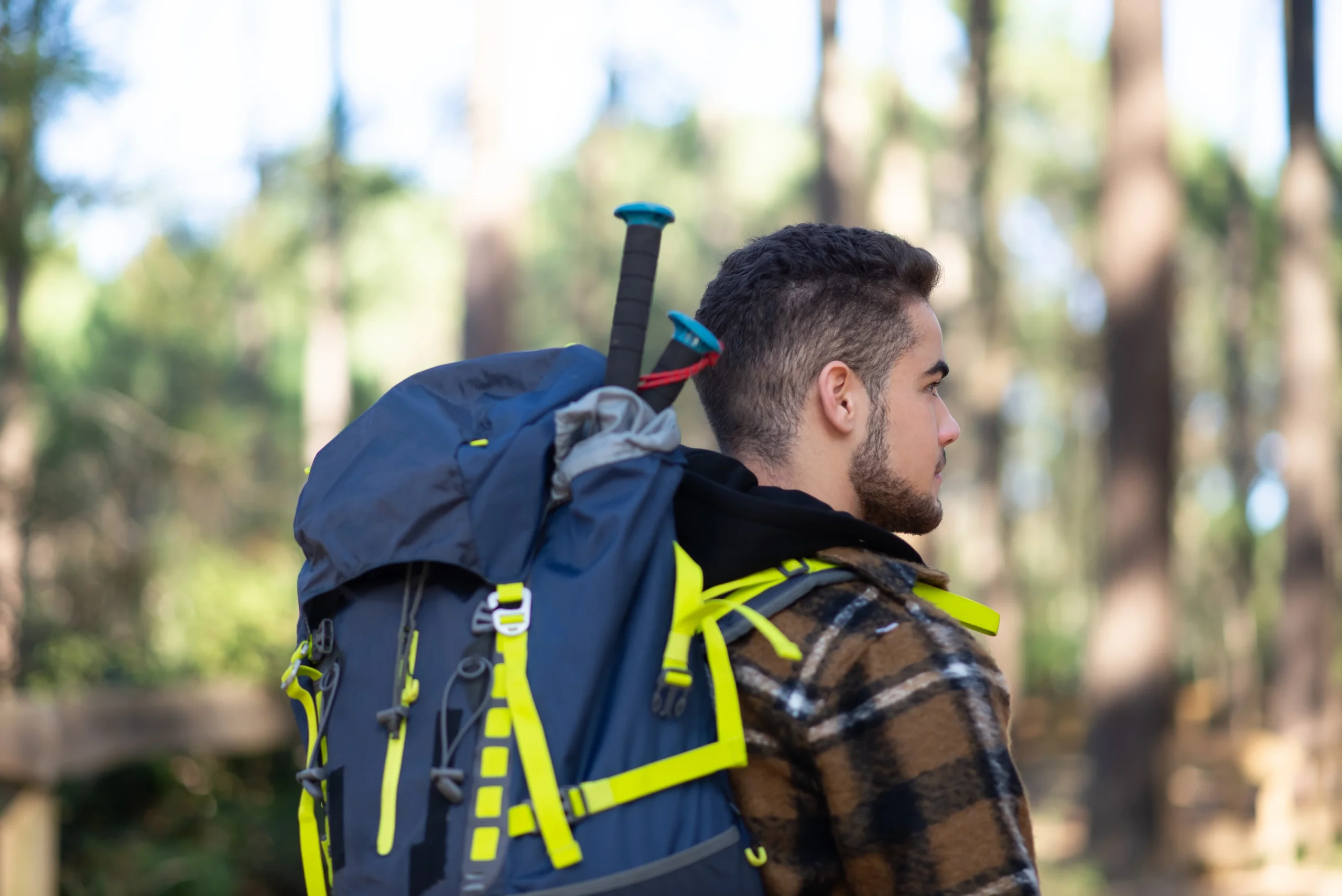
A good rucksack can quietly improve your entire mountain experience. A bad one can ruin it from Day 1.
Most beginners focus heavily on jackets, shoes, or gadgets when preparing for a trek or expedition, but they underestimate how important a properly selected backpack actually is. In the mountains, your rucksack becomes more than storage—it becomes part of your movement system. It affects posture, balance, energy consumption, pacing, and even mental comfort during long climbing days.
I understood this properly only after my first serious high-altitude climb.
During one of my early expeditions, I made the classic beginner mistake of choosing a backpack based mainly on appearance and storage capacity. On paper, it looked perfect—multiple compartments, large volume, and “mountaineering-style” design. But after several days of trekking and load carries at altitude, the problems became obvious.
The fit was wrong. The weight distribution was poor. Shoulder pressure increased every day. By the time summit rotation started, the backpack itself had become part of the struggle.
That expedition taught me something important:
A rucksack is not about how much you can carry. It is about how efficiently you can carry it.
This guide combines practical mountain knowledge with real experience to help you choose the right rucksack for trekking, mountaineering, and high-altitude expeditions.
Why Selecting the Right Rucksack Matters
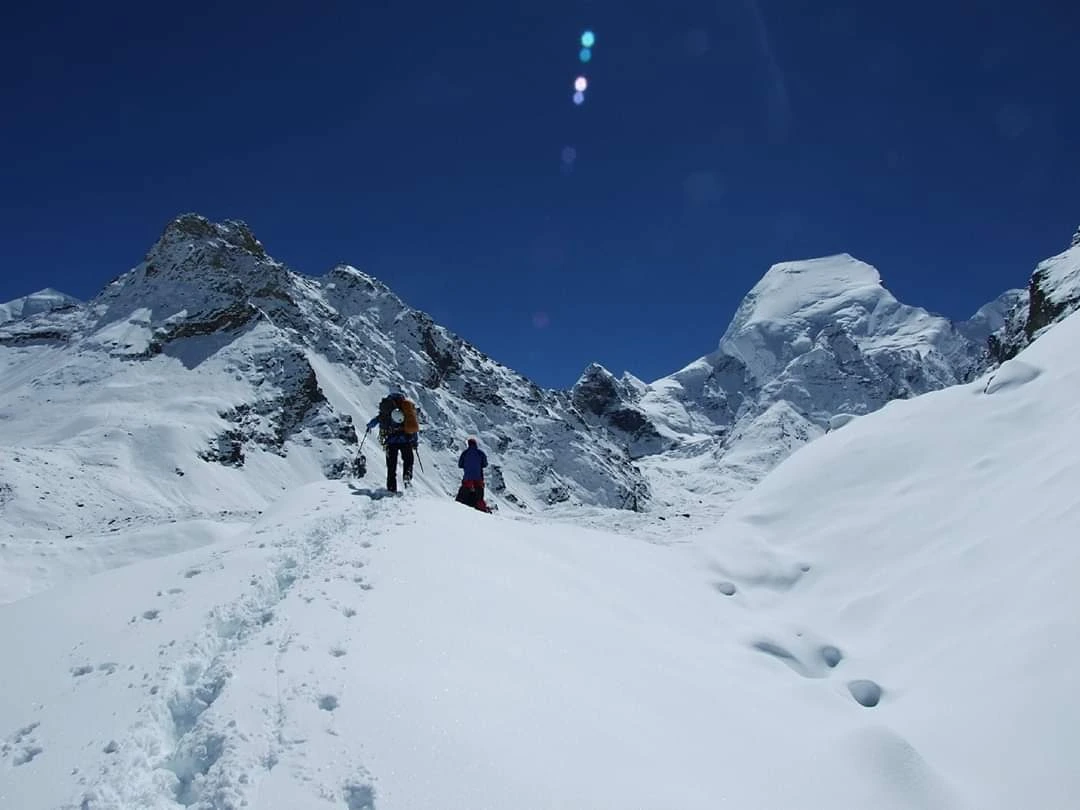
In mountain environments, inefficiency becomes expensive.
A poorly fitted backpack affects posture and movement, which leads to faster fatigue. Shoulder strain increases, hips carry uneven load, and lower back pressure builds gradually over multiple days.
At altitude, even small discomforts become amplified because the body is already under stress from reduced oxygen and continuous movement.
An efficient rucksack helps distribute weight correctly across the hips and back, allowing you to conserve energy over long distances.
This becomes especially important during:
• Multi-day treks
• Load carries
• Glacier movement
• Summit pushes
• Long descents
The goal is not just carrying equipment—it is carrying it without wasting unnecessary energy.
Understand the Difference Between Trekking and Mountaineering Rucksacks
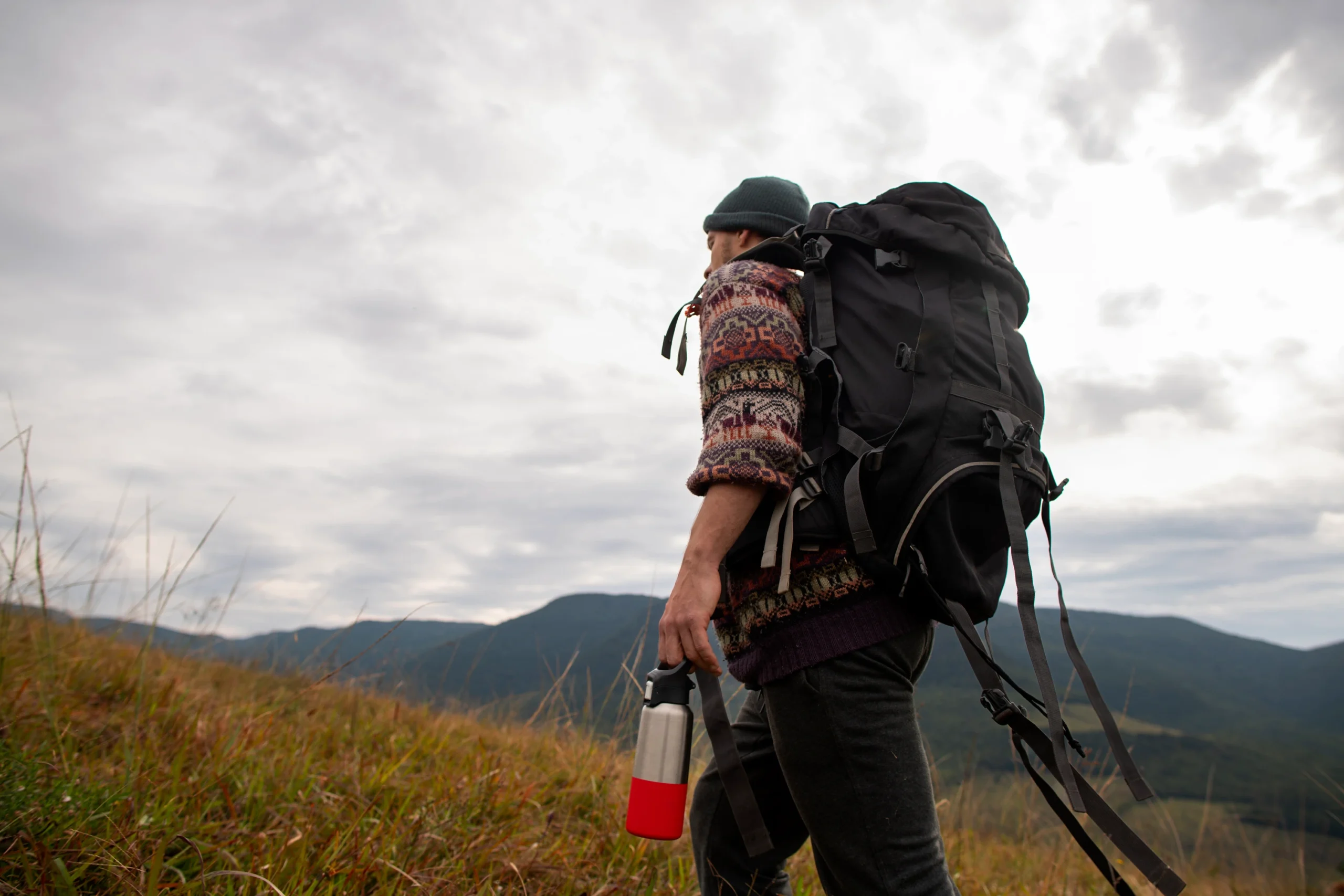
One of the first things people get wrong is buying the wrong category of backpack.
Not all rucksacks are designed for the same purpose.
Trekking Rucksacks
Trekking backpacks are built for:
• Long walking days
• Comfort over distance
• Better ventilation
• Larger storage capacity
These are ideal for:
• Multi-day treks
• Base camp approaches
• Non-technical expeditions
They usually prioritize comfort and organization.
Mountaineering Rucksacks
Mountaineering packs are designed differently.
They focus more on:
• Compact load control
• Technical movement
• Durability
• Ice axe and rope attachment systems
These bags are usually slimmer and closer to the body because climbers need balance while moving on steep terrain.
They sacrifice some comfort for efficiency and technical functionality.
Choosing the Correct Capacity (Liters)
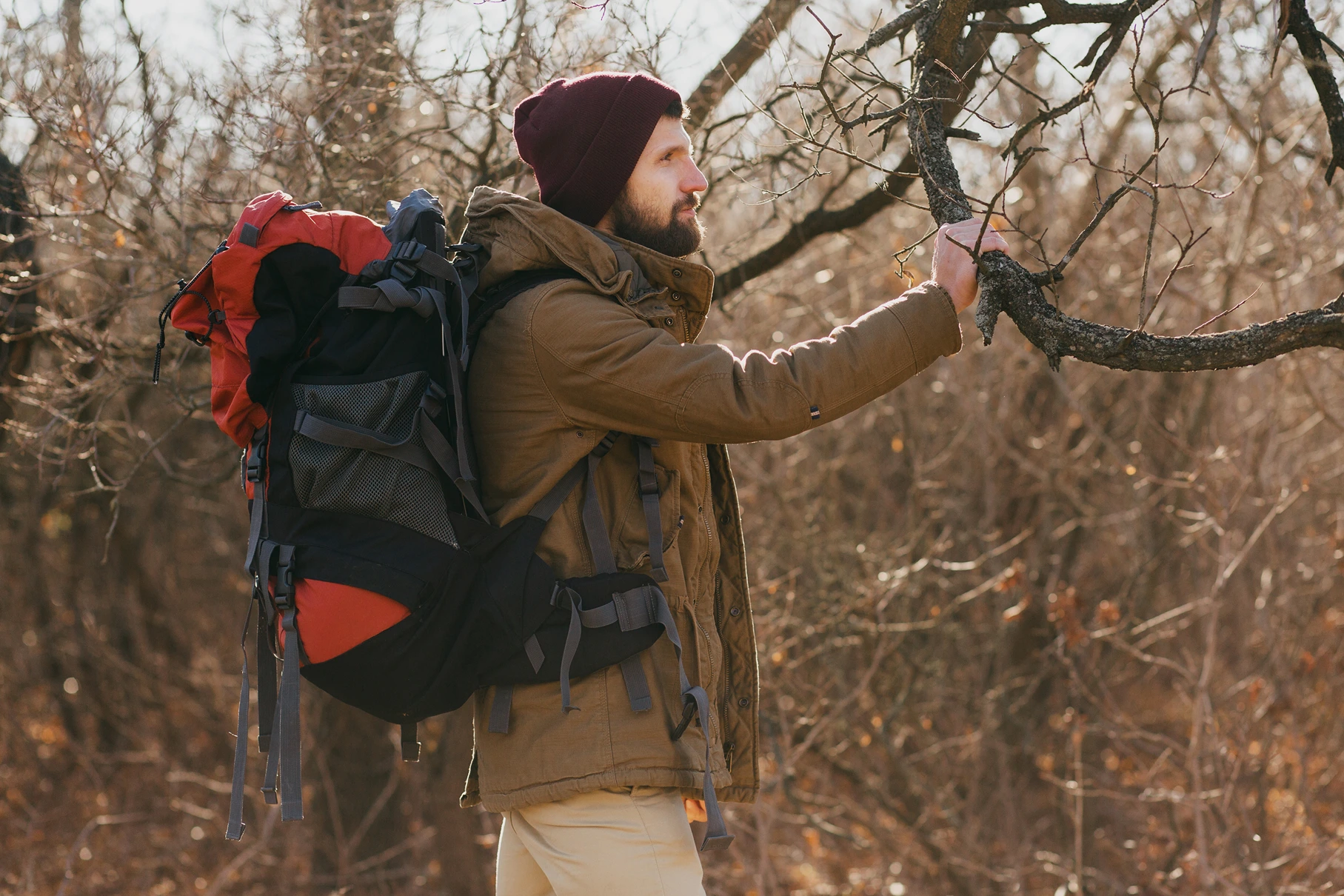
Capacity is one of the most misunderstood aspects of backpack selection.
Beginners often buy oversized rucksacks thinking “more space is better.” In reality, extra space usually means unnecessary packing.
Your backpack size should match the objective.
20–30L Backpacks
Suitable for:
• Day hikes
• Summit pushes
• Short climbs
These are lightweight and minimal.
40–50L Backpacks
Ideal for:
• Weekend treks
• Lightweight alpine climbs
• Short mountaineering expeditions
This is often the sweet spot for versatile mountain use.
55–70L Backpacks
Best for:
• Multi-day Himalayan treks
• Expedition-style climbing
• Winter trekking
• High-altitude mountaineering
This range is commonly used for serious Himalayan objectives.
Personally, after multiple expeditions, I realized that 55–60L works best for most Himalayan climbs if packing is efficient.
70L+ Backpacks
These are suitable only for:
• Extended expeditions
• Heavy winter loads
• Self-supported alpine trips
Most beginners overestimate how much space they need.
Fit Matters More Than Brand
This is probably the most important lesson I learned through experience.
A famous brand does not guarantee comfort.
The best rucksack is the one that fits your body correctly.
A backpack should:
• Sit properly on the hips
• Keep weight close to the back
• Avoid excessive shoulder pressure
• Allow balanced movement
The hip belt should carry most of the weight—not the shoulders.
During one expedition in Ladakh, I noticed that even though my pack weight was reasonable, my shoulders were constantly sore. Later, I realized the torso length of the bag was slightly incorrect for my body size.
That small mismatch created continuous strain over several days.
Lesson from Experience:
Even an expensive backpack becomes useless if the fit is wrong.
Torso Length is Extremely Important
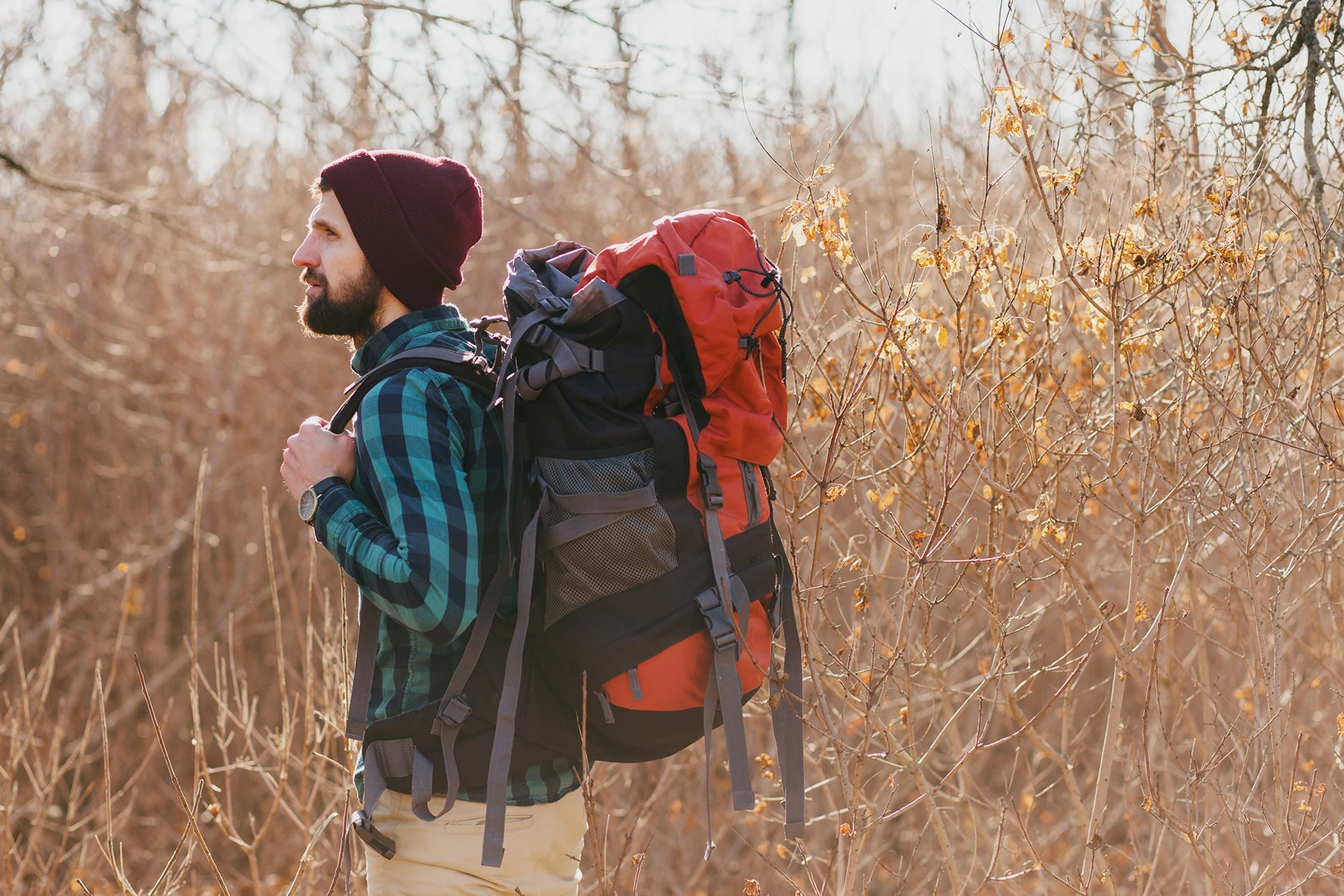
Most people check only the liter capacity while buying a backpack. Very few check torso length.
Torso size determines how the bag aligns with your back and hips.
If the torso length is too long:
• The hip belt sits incorrectly
• Weight pulls backward
• Balance feels unstable
If it is too short:
• Shoulder pressure increases
• Load distribution becomes inefficient
A properly fitted pack feels stable while walking, climbing, and descending.
Weight of the Backpack Itself
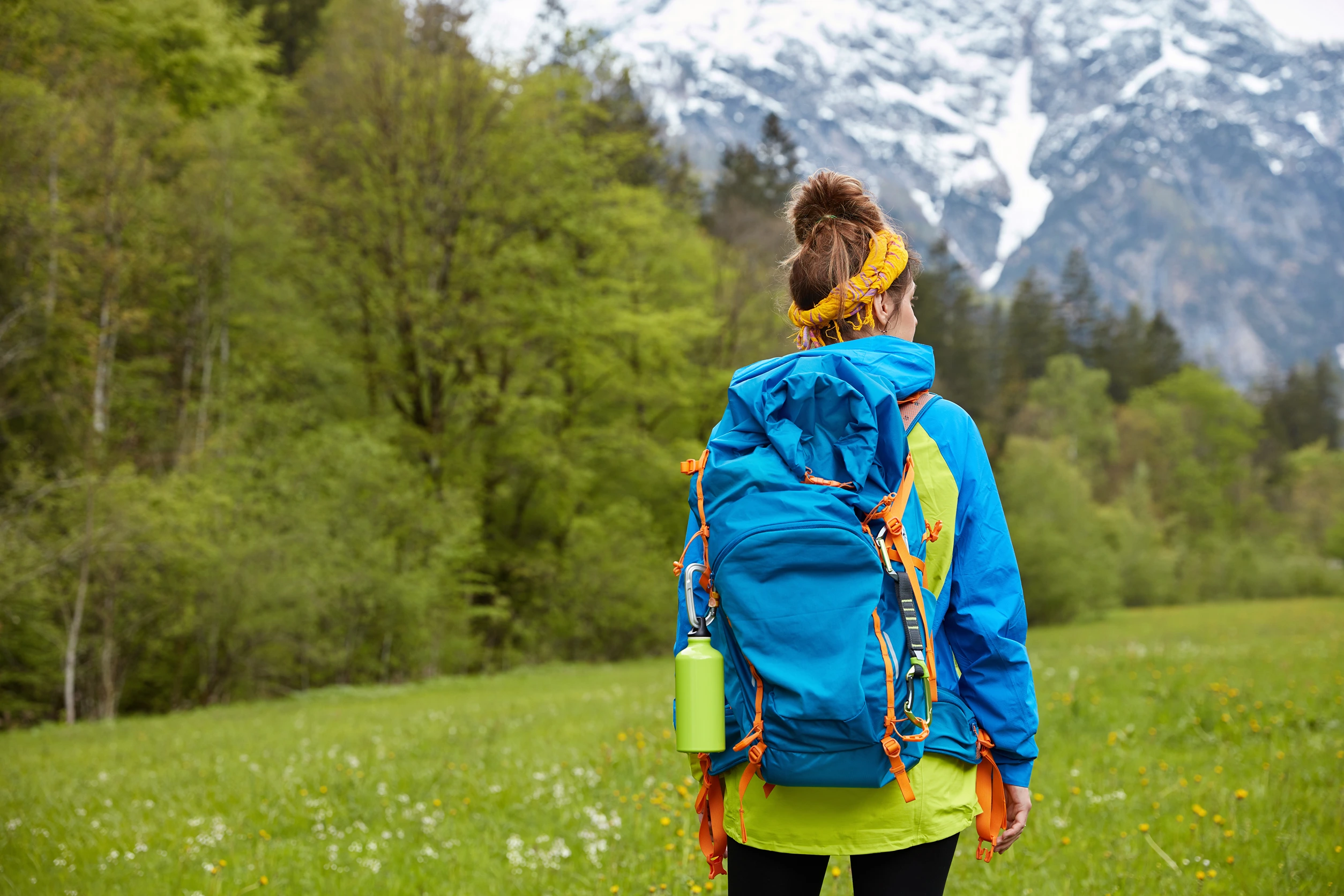
Heavy backpacks create hidden fatigue.
Some beginners buy overly bulky bags with excessive zippers, frames, and compartments. These features increase dead weight before you even start packing.
Modern mountaineering philosophy focuses heavily on:
• Lightweight systems
• Efficient organization
• Minimal unnecessary features
Your backpack should feel durable—but not oversized or heavy.
Frame System: Internal vs External
Most modern trekking and mountaineering backpacks use internal frame systems.
Internal Frame Packs
Advantages:
• Better balance
• Closer load control
• Improved movement on technical terrain
These are ideal for Himalayan use.
External Frame Packs
These are now less common and mostly used for:
• Heavy hauling
• Specialized long-distance loads
For mountaineering and trekking, internal frame systems are generally preferred.
Importance of Load Distribution
A backpack can feel completely different depending on how it is packed.
One of the biggest mistakes beginners make is poor weight distribution.
Heavy items should stay:
• Close to the spine
• Centered vertically
Lighter items should go toward outer compartments.
Improper packing causes:
• Backward pulling
• Shoulder strain
• Imbalance during climbing
This becomes dangerous on snow slopes and glacier sections.
Features That Actually Matter
Many backpacks advertise dozens of features, but only a few are truly useful in the mountains.
Important Features:
• Good hip belt support
• Adjustable shoulder straps
• Ice axe loops
• Compression straps
• Hydration compatibility
• Durable fabric
• Rain cover
Features That Matter Less:
• Excessive compartments
• Decorative attachments
• Heavy zipper systems
• Overly complex designs
Simple systems are usually more reliable in mountain environments.
Ventilation vs Stability
Ventilated back systems feel comfortable during trekking, especially in warmer conditions.
However, highly ventilated systems sometimes move the load slightly away from the body, reducing balance on technical terrain.
For trekking:
• Ventilation is useful
For mountaineering:
• Stability matters more
Your choice should depend on your primary activity.
Waterproofing and Weather Protection
No backpack is fully waterproof in extreme mountain conditions.
Always use:
• Rain covers
• Dry bags inside the pack
• Waterproof packing systems
During one expedition, unexpected snowfall soaked the outer layer of my backpack completely. Fortunately, critical gear inside was packed separately in dry sacks.
That single decision saved the summit attempt.
Lesson from Experience:
Protect your essential gear from moisture before the mountain tests you.
Common Mistakes Beginners Make
Buying Oversized Bags
Extra space encourages overpacking.
Ignoring Fit
Many people buy online without checking torso compatibility.
Prioritizing Looks Over Comfort
A mountain does not care how your backpack looks.
Carrying Too Much Weight
Overpacking reduces efficiency and increases fatigue.
Poor Packing Strategy
Even a good bag performs badly if packed incorrectly.
My Personal Realization After Multiple Expeditions
Over time, I realized something surprising.
The “perfect backpack” does not exist.
Instead, the right rucksack depends on:
• Your climbing style
• Your body structure
• Your expedition type
• Your packing discipline
What matters most is familiarity.
Once you find a pack that fits properly and performs reliably, stick with it and learn its system completely.
Because in the mountains, familiarity reduces stress.
Renting vs Buying a Rucksack
For beginners attempting their first expedition, renting can be practical.
It allows you to:
• Understand sizing
• Test load capacity
• Learn preferences
However, for frequent trekkers or climbers, investing in a personal backpack becomes worthwhile.
A properly fitted personal rucksack gradually adapts to your movement style and packing habits.
Final Tips Before Buying
Before selecting a backpack:
• Wear it with weight inside
• Walk for at least 15–20 minutes
• Check hip support carefully
• Test shoulder comfort
• Adjust straps properly
• Simulate trekking movement
Never buy a backpack empty and judge it only visually.
Conclusion
A rucksack may seem like a simple piece of gear, but in the mountains, it becomes part of your survival system.
The right backpack improves efficiency, conserves energy, and reduces unnecessary strain during long expeditions. The wrong one slowly drains your strength without you realizing it.
After multiple Himalayan climbs, one thing became very clear:
A good rucksack does not make the mountain easier.
It simply allows you to focus more on the mountain and less on the discomfort behind your back.
And in high-altitude environments, that difference matters more than most people realize.