For most beginners, mountaineering starts with training, gear, and physical preparation. But once you begin planning serious Himalayan expeditions in India, another reality appears very quickly—the paperwork.
And among all administrative requirements in Indian mountaineering, the IMF expedition permit is one of the most important.
The Indian Himalayas are not open-access climbing zones where anyone can simply choose a mountain and start climbing. Many peaks, especially expedition peaks, require official authorization from the Indian Mountaineering Foundation (IMF) before any climbing activity can begin.
The first time I became involved in an IMF permit process, I assumed it would be a simple online form and approval system. It wasn’t.
There were route details, liaison requirements, peak classifications, environmental obligations, team documentation, and timelines that had to be handled carefully. One missing detail could delay approvals significantly.
That experience taught me something important:
Mountaineering in the Himalayas is not only about climbing skills. It is also about understanding expedition systems.
This article explains the IMF expedition permit process in detail—from how permits work, what documents are needed, common mistakes teams make, and what climbers should realistically expect before planning a Himalayan expedition in India.
What is the Indian Mountaineering Foundation (IMF)?
The Indian Mountaineering Foundation is the primary governing body responsible for mountaineering activities in India.
Established to regulate and promote climbing activities in the Indian Himalayas, the IMF manages:
• Expedition permits
• Peak access approvals
• Mountaineering coordination
• Environmental compliance
• Liaison systems for expeditions
Any major climbing expedition on notified peaks in India generally requires IMF authorization.
The organization acts as the central coordination authority between climbers, state governments, border authorities, and local administrations.
Why Do You Need an IMF Permit?
An IMF permit is not just a formal document—it is legal authorization to conduct a climbing expedition in restricted Himalayan regions.
Without proper approval:
• Expedition access may be denied
• Local checkpoints may stop movement
• Insurance claims can become problematic
• Rescue coordination becomes difficult
• Teams may face legal issues
The permit system also helps authorities:
• Monitor climbing activity
• Manage environmental impact
• Track foreign and Indian expeditions
• Ensure security in border-sensitive regions
Many Himalayan peaks in India lie close to sensitive international borders, which makes permit regulation extremely important.
Which Peaks Require IMF Permission?
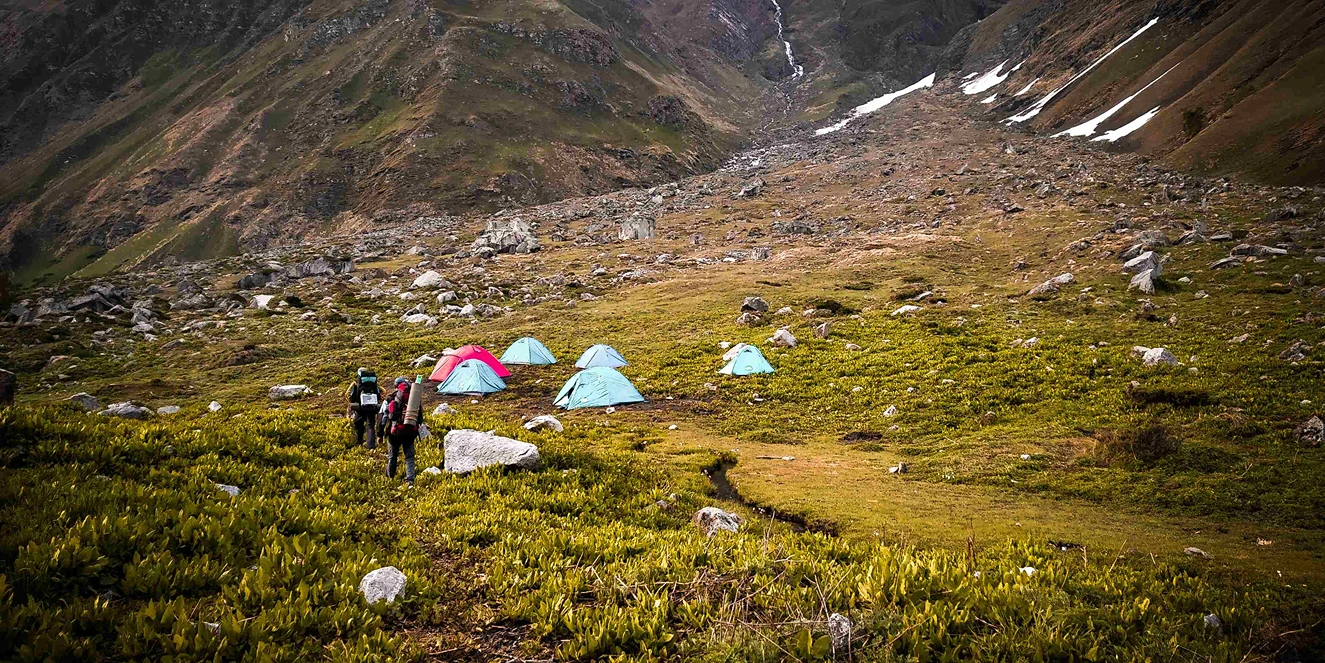
Not every trekking route requires IMF approval.
Generally:
• Standard trekking routes usually do not require IMF expedition permits
• Mountaineering peaks and technical expeditions usually do
Peaks above trekking category classification, especially glacier and technical objectives, often require official clearance.
Some examples include:
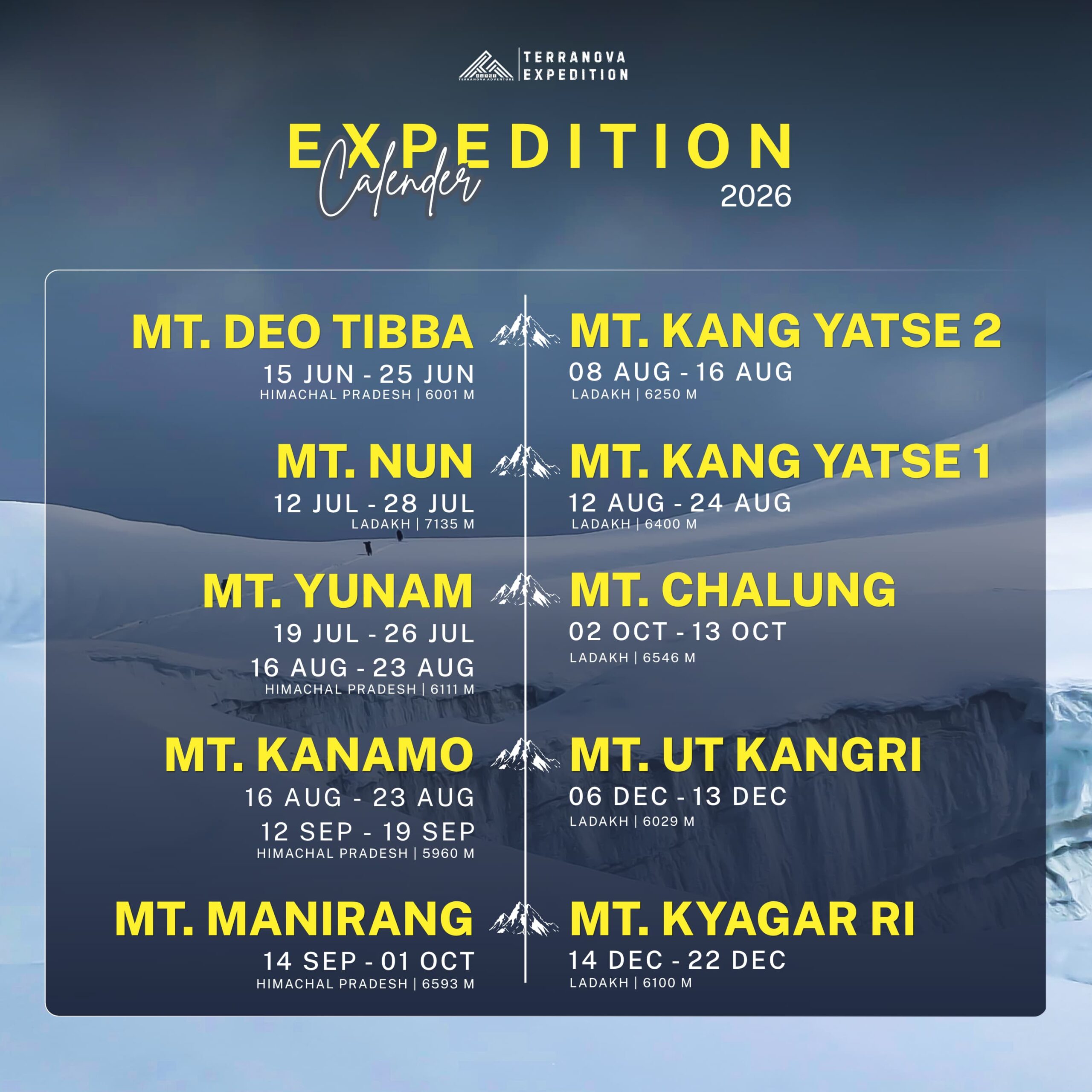
• Mt. Kun
• Mt. Nun
• Black Peak (Kalanag)
• Abi Gamin
• Kamet
• Shivling
• Bhagirathi peaks
• Kang Yatse expeditions (depending on route structure)
Permit requirements may vary depending on:
• Region
• Altitude
• Border sensitivity
• Expedition type
Always verify the latest classification before planning.
Understanding Open, Restricted, and Closed Peaks
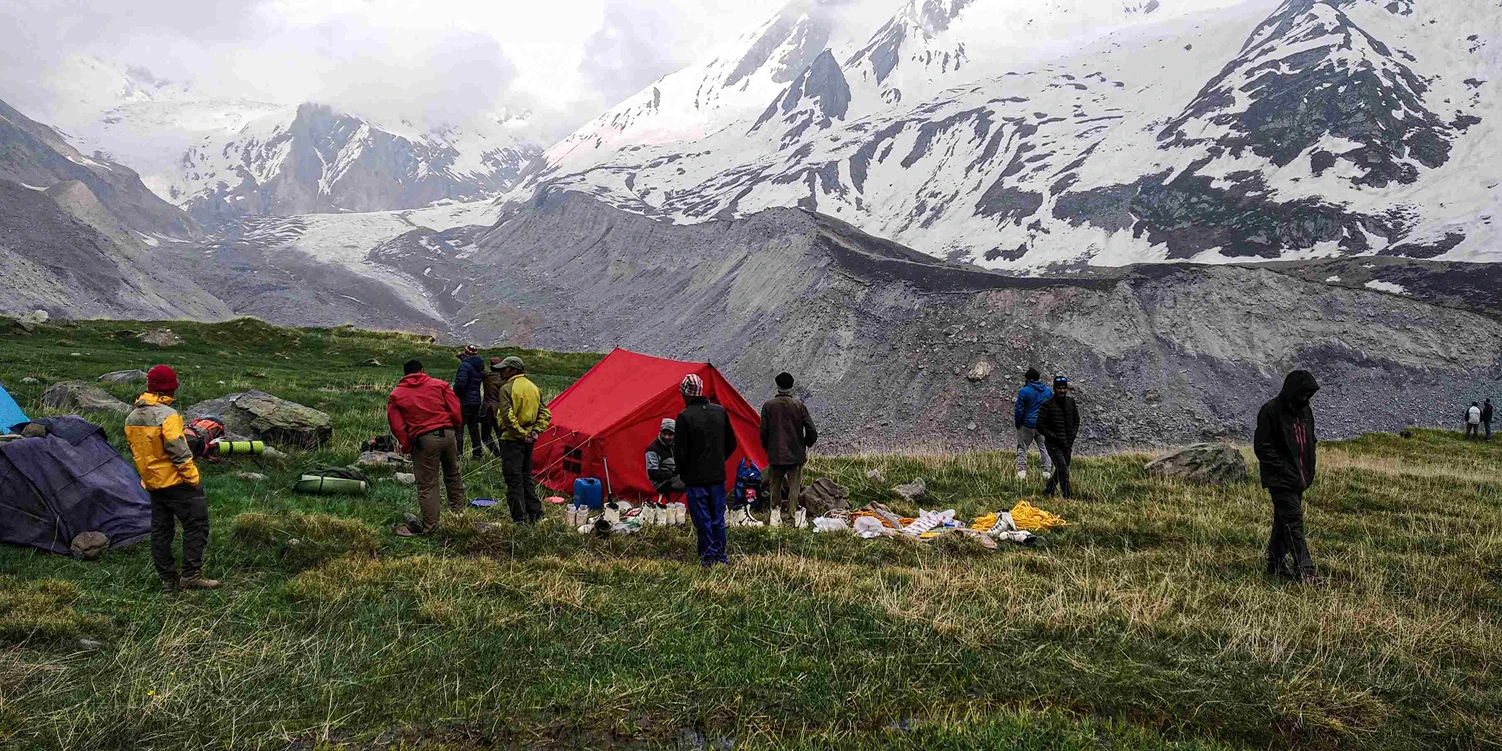
One thing many beginners misunderstand is that all peaks are not equally accessible.
The IMF categorizes peaks differently:
• Open peaks
• Restricted peaks
• Closed peaks
Open Peaks
These are relatively accessible and generally easier to obtain permits for.
Most beginner and commercial expedition peaks fall under this category.
Restricted Peaks
These require additional approvals due to:
• Border proximity
• Military sensitivity
• Environmental concerns
Approval timelines are longer.
Closed Peaks
Some mountains remain closed for climbing due to:
• Religious significance
• Political sensitivity
• Environmental protection
• Security concerns
No permits are issued for these peaks.
The Basic IMF Permit Process
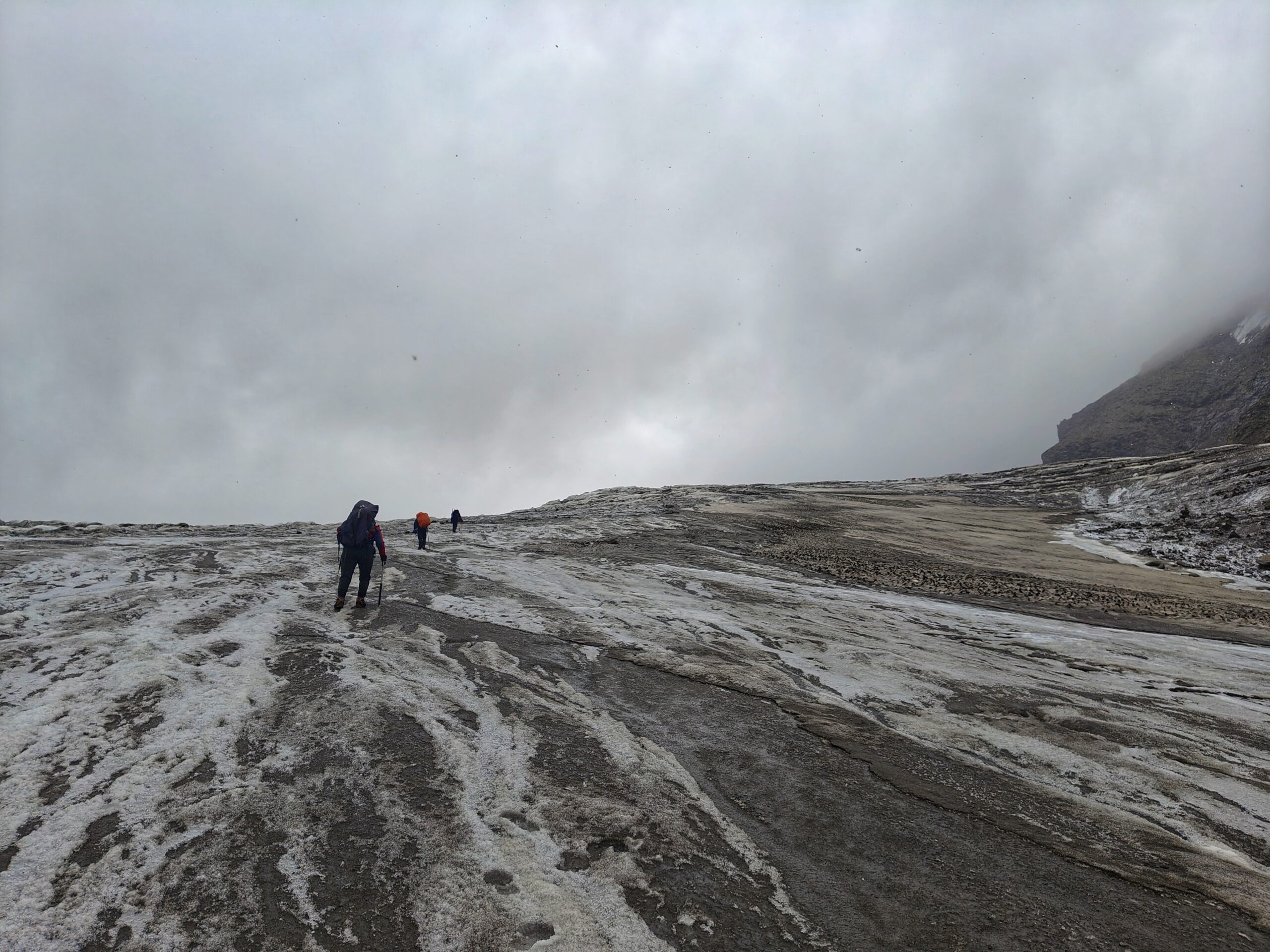
The overall process usually follows these stages:
1. Expedition planning
2. Peak selection
3. Application submission
4. Document verification
5. Government and regional approvals
6. Fee payment
7. Permit issuance
8. Expedition reporting after completion
On paper, this sounds simple.
In reality, timelines and coordination require careful attention.
Step 1: Finalize Your Expedition Objective
Before applying, your expedition plan must be clear.
You need:
• Peak name
• Route details
• Expedition dates
• Team size
• Team member information
• Expedition leader details
This stage matters because route selection affects:
• Permit category
• Security clearance
• Liaison requirements
• Cost structure
Changing major details later can complicate approvals.
Step 2: Team Documentation
The IMF typically requires detailed team information.
This usually includes:
• Identity documents
• Passport details (for foreign climbers)
• Medical fitness certificates
• Climbing experience records
• Emergency contact details
Expedition leadership details are especially important.
For serious peaks, prior mountaineering experience becomes highly relevant.
Step 3: Route and Expedition Details
This section requires:
• Approach route
• Base camp location
• Summit strategy
• Duration of expedition
• Equipment plans
• Rescue preparedness
The first time I saw the level of detail expected in expedition planning, it became obvious how much logistics matter in Himalayan climbing.
The permit system expects teams to demonstrate that they understand the mountain environment responsibly.
Step 4: Environmental and Waste Management Requirements
Environmental responsibility is a major part of modern Himalayan expeditions.
Teams are generally expected to:
• Minimize waste
• Carry back non-biodegradable materials
• Follow eco-sensitive protocols
• Respect local environmental regulations
In some cases, environmental deposits or compliance checks may apply.
This is becoming increasingly important as Himalayan regions face rising expedition traffic.
Step 5: Security Clearance (Important for Border Areas)
Many Indian Himalayan peaks lie near international border regions.
As a result, expeditions may require:
• Internal security approvals
• Military coordination
• Additional government clearance
This stage can increase approval timelines significantly.
One expedition planning process taught me how important it is to apply early. A small delay in security clearance can affect the entire climbing season.
Lesson from Experience:
Never plan Himalayan expedition permits at the last minute.
Step 6: Permit Fees and Charges
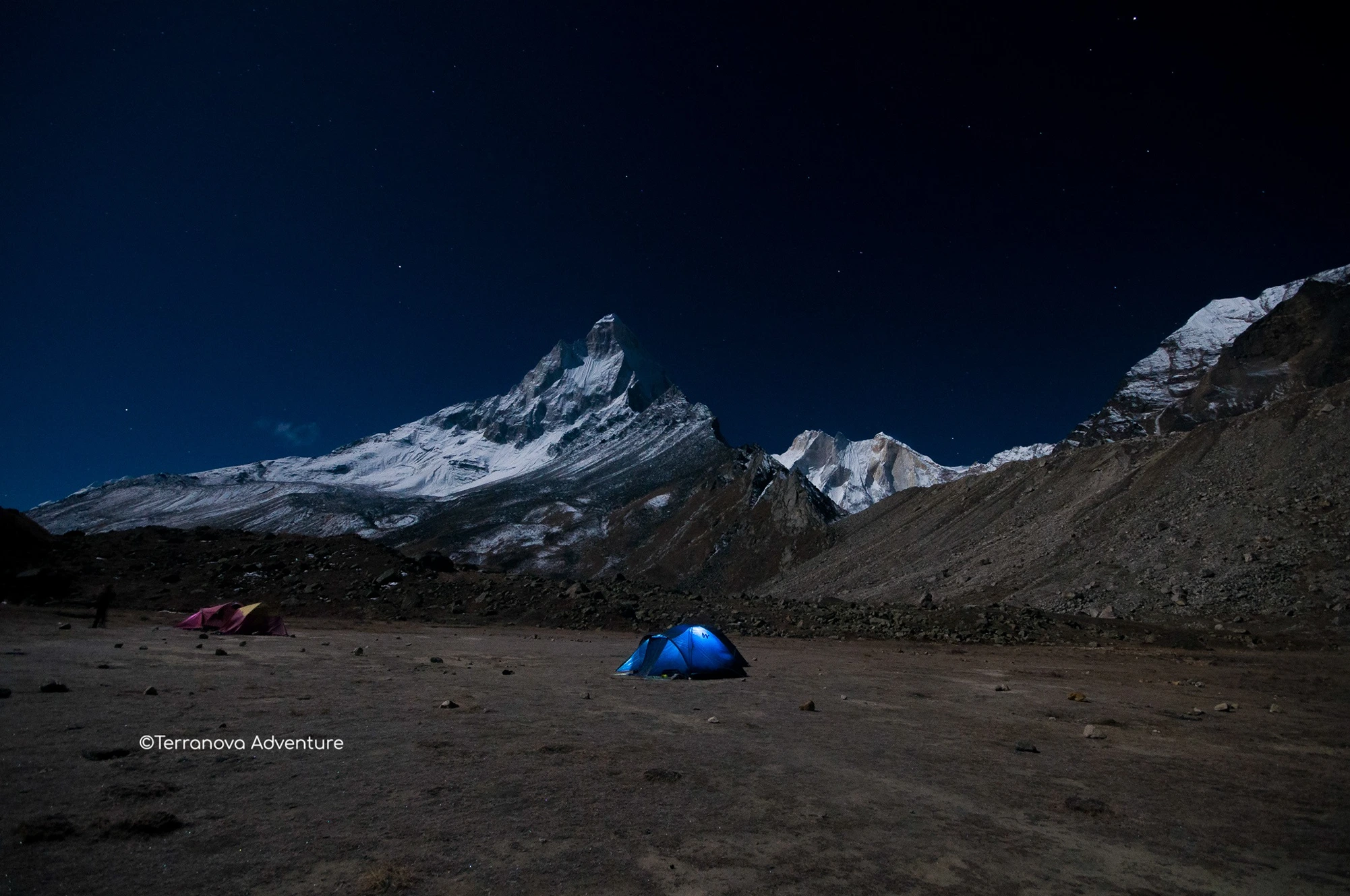
IMF permits usually involve multiple fee categories.
These may include:
• Peak royalty fees
• IMF administrative charges
• Environmental deposits
• Liaison officer expenses
• Insurance-related costs
Costs vary depending on:
• Peak category
• Team size
• Indian vs foreign climbers
• Expedition duration
Higher and more technical peaks generally involve larger permit expenses.
What is a Liaison Officer?
For certain expeditions, especially foreign or sensitive-region climbs, the IMF may assign a Liaison Officer (LO).
The LO acts as:
• Government representative
• Expedition observer
• Coordination authority
Responsibilities may include:
• Monitoring expedition compliance
• Communication support
• Administrative coordination
Many beginners misunderstand this role. A liaison officer is not a climbing guide. Their purpose is administrative and regulatory.
Timeline: How Early Should You Apply?
This is one of the biggest mistakes expedition teams make.
Permits should ideally be initiated:
• Several months before expedition season
• Earlier for restricted peaks
Factors affecting timelines include:
• Security clearance
• Seasonal workload
• Route approvals
• Incomplete documentation
Waiting too long creates unnecessary pressure.
Common Mistakes Teams Make
Over time, several recurring mistakes become obvious in expedition planning.
Incomplete Documentation
Missing documents delay approval quickly.
Unrealistic Timelines
Teams underestimate processing duration.
Poor Expedition Planning
Vague route descriptions weaken applications.
Ignoring Local Regulations
Different states may impose additional conditions.
Last-Minute Applications
This creates avoidable administrative problems.
The Difference Between Trekking Permission and Expedition Permit
This confuses many beginners.
Trekking permissions:
• Usually simpler
• Managed locally
• Lower regulation
Expedition permits:
• More detailed
• Centrally coordinated
• Technically regulated
• Often security-sensitive
Mountaineering carries greater risk and environmental impact, which is why regulation becomes stricter.
My Biggest Realization About Expedition Permits
Initially, permits felt like a bureaucratic obstacle.
But over time, I understood their actual purpose.
The Himalayas are not controlled environments. They involve:
• Harsh terrain
• Rescue challenges
• Environmental fragility
• Border sensitivities
The permit process forces teams to think seriously about logistics, safety, and responsibility before stepping onto the mountain.
And honestly, that structure is necessary.
Why Professional Expedition Organizers Matter
Handling IMF permits independently is possible, but it requires:
• Experience
• Coordination
• Administrative understanding
• Regional familiarity
Professional expedition operators simplify this process significantly.
Experienced organizers usually manage:
• Documentation
• Liaison coordination
• Permit communication
• Route approvals
• Local logistics
This allows climbers to focus more on preparation and training.
Final Tips Before Applying
Before starting the IMF process:
• Finalize your team early
• Confirm peak classification
• Understand regional restrictions
• Apply well in advance
• Keep backup timelines
• Maintain document accuracy
Administrative mistakes become expensive in expedition planning.
Conclusion
Getting an IMF expedition permit is an essential part of serious mountaineering in India.
The process may seem administrative, but it reflects the complexity and responsibility involved in Himalayan climbing. Mountains in India are not just adventure destinations—they are sensitive, high-risk environments that require coordination, planning, and accountability.
After being involved in real expedition logistics, one thing became very clear:
A successful summit begins long before reaching base camp.
It begins with preparation, systems, and respecting every part of the expedition process—including the paperwork behind the climb.
For more details, please connect to Terranova Exped.