One of the most misunderstood aspects of mountaineering is expedition grading.
Beginners often assume that mountain difficulty is determined only by altitude. A 7000-meter peak must automatically be harder than a 6000-meter peak, and a technical-looking mountain must always be more dangerous than a less steep one.
In reality, mountaineering difficulty is far more complex.
A lower peak with highly technical terrain can be significantly harder than a higher mountain with straightforward snow slopes. Similarly, two mountains of the same altitude may feel completely different depending on glacier conditions, route exposure, weather, objective hazards, and technical requirements.
I truly understood this only after moving beyond trekking and into actual expedition climbing.
During my early mountaineering phase, I focused heavily on summit height. But after climbing multiple Himalayan peaks, it became clear that altitude is only one part of expedition difficulty.
Some mountains exhaust you physically. Others challenge you technically. A few break you mentally.
That is why expedition grading systems exist—to help climbers understand what kind of challenge a mountain actually presents.
This guide explains expedition grades in a practical and realistic way, combining general mountaineering understanding with real Himalayan climbing experience.
What Are Expedition Grades?
Expedition grades are systems used to classify the overall difficulty of a climb.
These grades help climbers understand:
• Technical complexity
• Physical demands
• Terrain exposure
• Objective dangers
• Required climbing skills
• Commitment level
A mountain grade is not just about reaching the summit.
It reflects the total challenge involved in:
• Approaching the mountain
• Climbing safely
• Managing altitude
• Descending successfully
Expedition grades exist because mountains are complex environments. Two climbs may have similar altitude but completely different risk profiles.
Why Expedition Grades Matter
Understanding expedition grades is critical for safe progression in mountaineering.
One of the biggest reasons climbers struggle on expeditions is not lack of motivation—it is choosing objectives beyond their current capability.
A climber may have excellent fitness but lack technical snow skills. Another may climb technical terrain confidently but struggle with altitude adaptation.
Grades help match climbers to appropriate objectives.
They allow mountaineers to:
• Build progression gradually
• Reduce unnecessary risk
• Prepare correctly
• Understand required skills realistically
Ignoring grades usually leads to:
• Poor decision-making
• Under-preparation
• Dangerous situations at altitude
Difficulty in Mountaineering is Multi-Dimensional
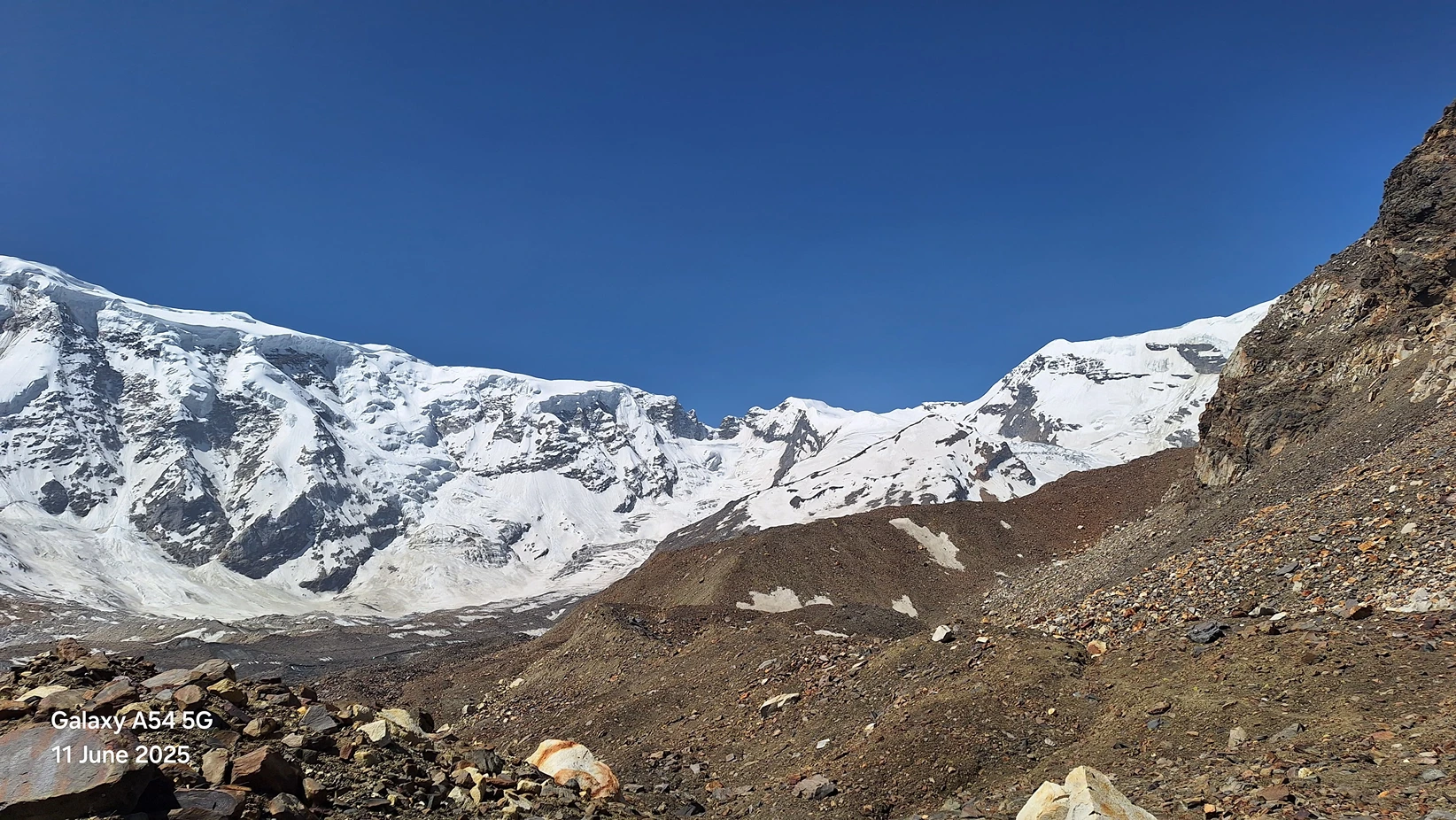
This is one of the most important things to understand.
Expedition difficulty is never based on one factor alone.
A mountain becomes difficult because of multiple overlapping elements:
• Altitude
• Technical terrain
• Weather exposure
• Glacier conditions
• Avalanche risk
• Isolation
• Route finding complexity
• Climbing duration
• Logistics
For example:
A technically straightforward 7000m peak may feel physically brutal due to altitude alone.
Meanwhile, a lower alpine peak may require advanced ice climbing techniques despite lower elevation.
This is why experienced mountaineers evaluate mountains holistically—not emotionally.
Understanding Expedition Grade Categories
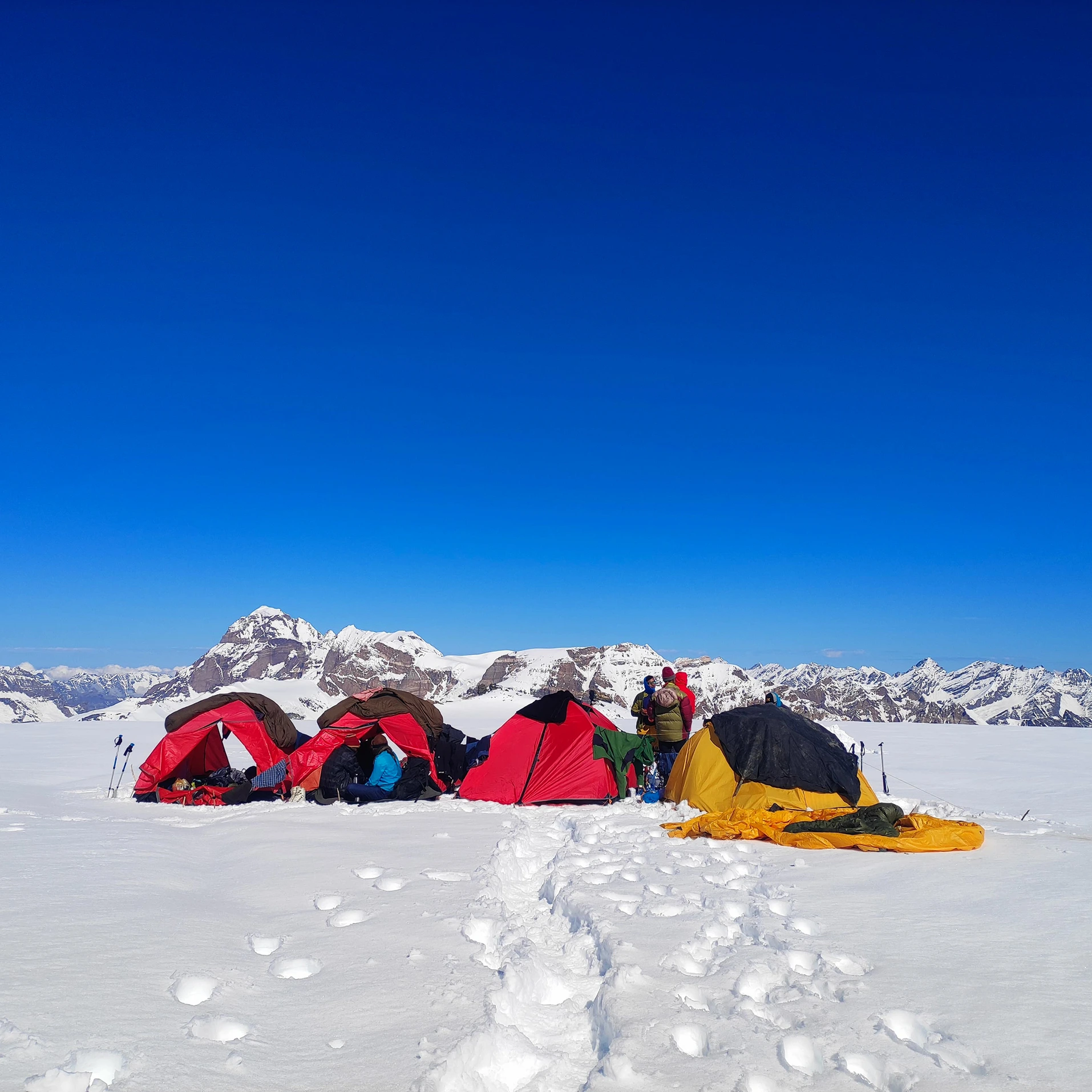
While grading systems vary internationally, most Himalayan expeditions generally fall into broad progression categories.
1. Beginner Expedition Grade
These are entry-level expedition peaks designed for climbers transitioning from trekking into mountaineering.
Typical features:
• Moderate snow slopes
• Limited technical climbing
• Basic rope systems
• Glacier walking introduction
• Relatively straightforward routes
Examples often include:
• Friendship Peak
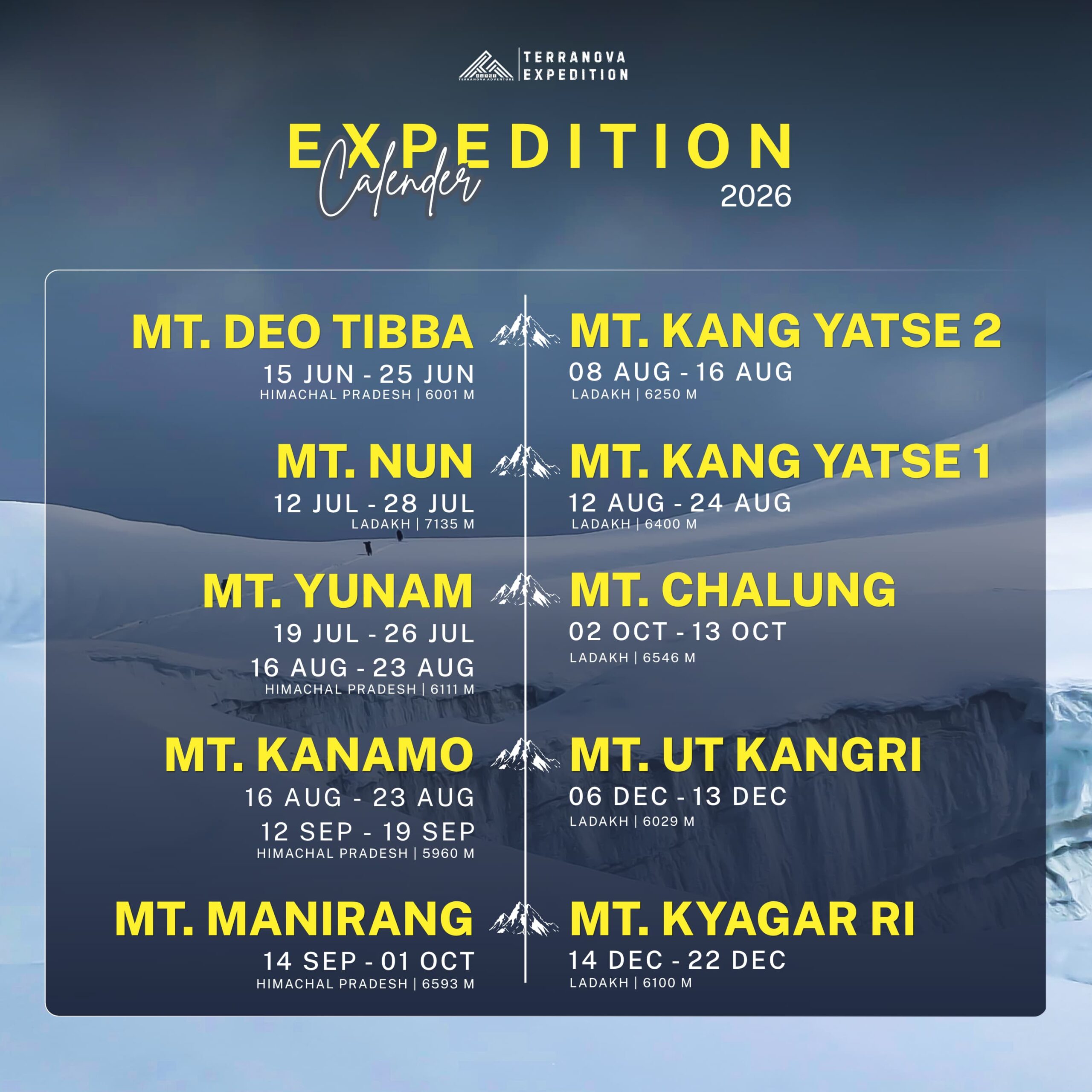
• Yunam Peak
• Kang Yatse II
• Stok Kangri (historically)
These climbs focus on:
• Acclimatization learning
• Crampon movement
• Expedition systems
• High-altitude adaptation
What Makes Beginner Peaks Challenging?
Many people misunderstand “beginner expedition” as “easy.”
They are not easy.
Even beginner expedition peaks involve:
• High altitude
• Cold exposure
• Multi-day climbing effort
• Summit fatigue
• Basic technical terrain
My first beginner expedition taught me how quickly altitude changes everything.
Simple uphill walking suddenly became exhausting above 5,500 meters.
Lesson from Experience:
A beginner mountain still feels like a mountain.
2. Intermediate Expedition Grade
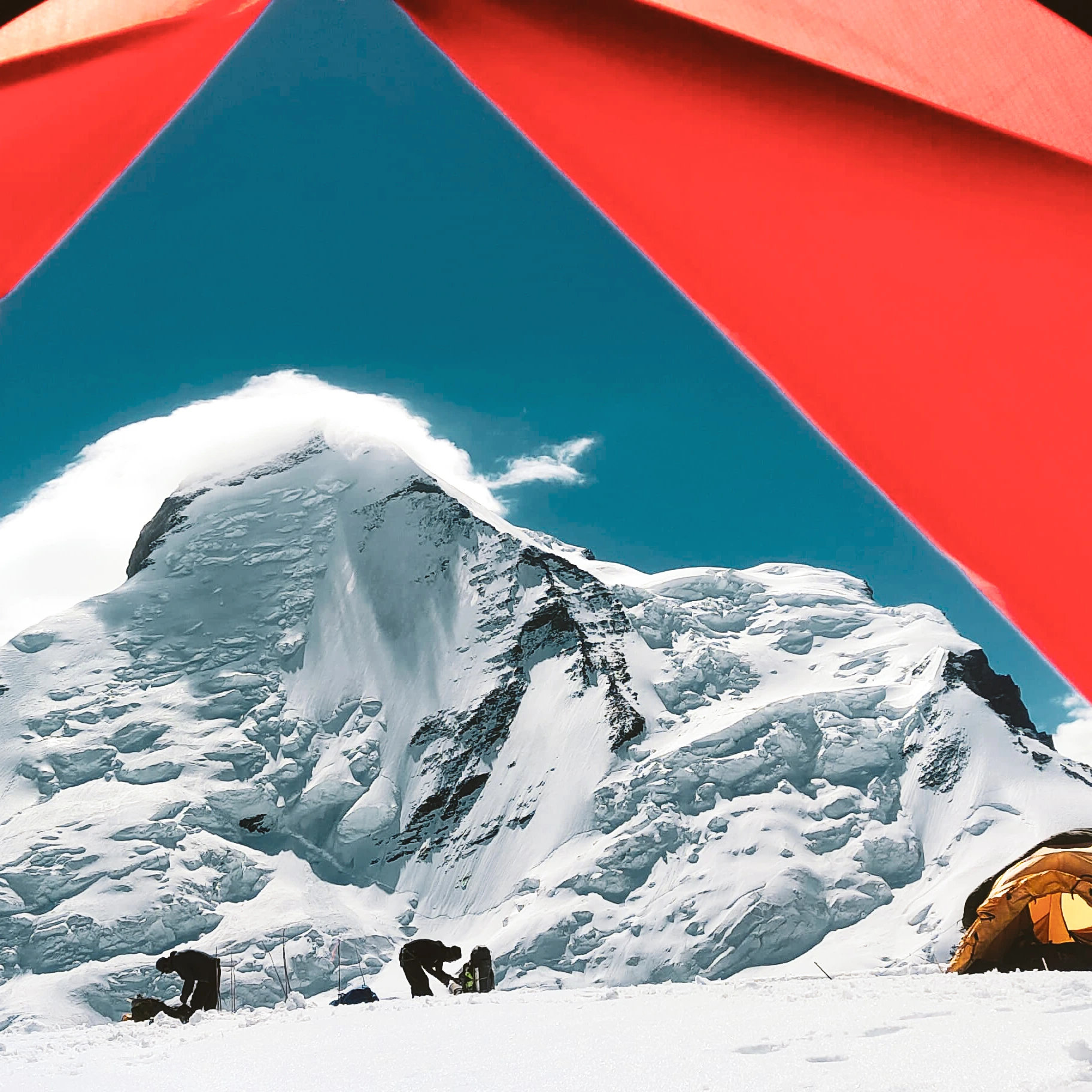
Intermediate peaks introduce greater technical and physical demands.
Typical characteristics:
• Steeper snow slopes
• More glacier complexity
• Fixed rope sections
• Longer summit pushes
• Increased exposure
These mountains require:
• Strong acclimatization understanding
• Efficient crampon movement
• Rope handling familiarity
• Better endurance management
Examples may include:
• Black Peak (Kalanag)
• Shinkun West
• Certain technical 6000m objectives
These expeditions often expose climbers to their first real mountaineering pressure.
The Biggest Shift at Intermediate Level
The major difference at this stage is decision-making.
At beginner level:
• Guides often manage most systems
At intermediate level:
• Climbers must contribute more actively
• Technical awareness becomes essential
• Efficiency matters significantly
This is where mountaineering becomes mentally demanding.
3. Advanced Expedition Grade
Advanced expeditions involve serious technical climbing and harsh environments.
Typical features:
• Technical snow and ice sections
• Crevasse danger
• Mixed terrain climbing
• Sustained exposure
• Complex summit routes
• Harsh weather systems
These climbs demand:
• Technical proficiency
• High endurance
• Efficient movement systems
• Advanced rescue understanding
• Strong mental resilience
Examples may include:
• Shivling
• Thalay Sagar
• Bhagirathi peaks
• Technical alpine objectives
At this level, mountaineering becomes highly specialized.
What Makes Advanced Peaks Dangerous?
At advanced level:
• Mistakes become less recoverable
• Technical errors carry greater consequence
• Fatigue affects judgment severely
• Weather windows become critical
This is where experience matters more than fitness alone.
4. Extreme Expedition Grade
These are elite-level Himalayan objectives.
Characteristics often include:
• Extreme altitude (7000m+)
• Technical mixed climbing
• Severe weather exposure
• Long summit duration
• Objective hazards
• Isolation and commitment
Examples include:
• Kamet
• Nun
• Kun
• Abi Gamin
• Highly technical alpine routes
These climbs require years of progression and expedition experience.
At this stage, mountaineering becomes less about adventure and more about precision.
Why 7000m Peaks Feel Different
Crossing into serious 7000m climbing changes everything.
The altitude itself becomes a major obstacle:
• Recovery slows dramatically
• Appetite decreases heavily
• Sleep quality collapses
• Decision-making becomes harder
Even simple movement becomes exhausting.
On my first serious high-altitude expedition, I realized that above certain elevations, mountaineering stops rewarding aggression.
It rewards patience.
Lesson from Experience:
At extreme altitude, efficiency becomes survival.
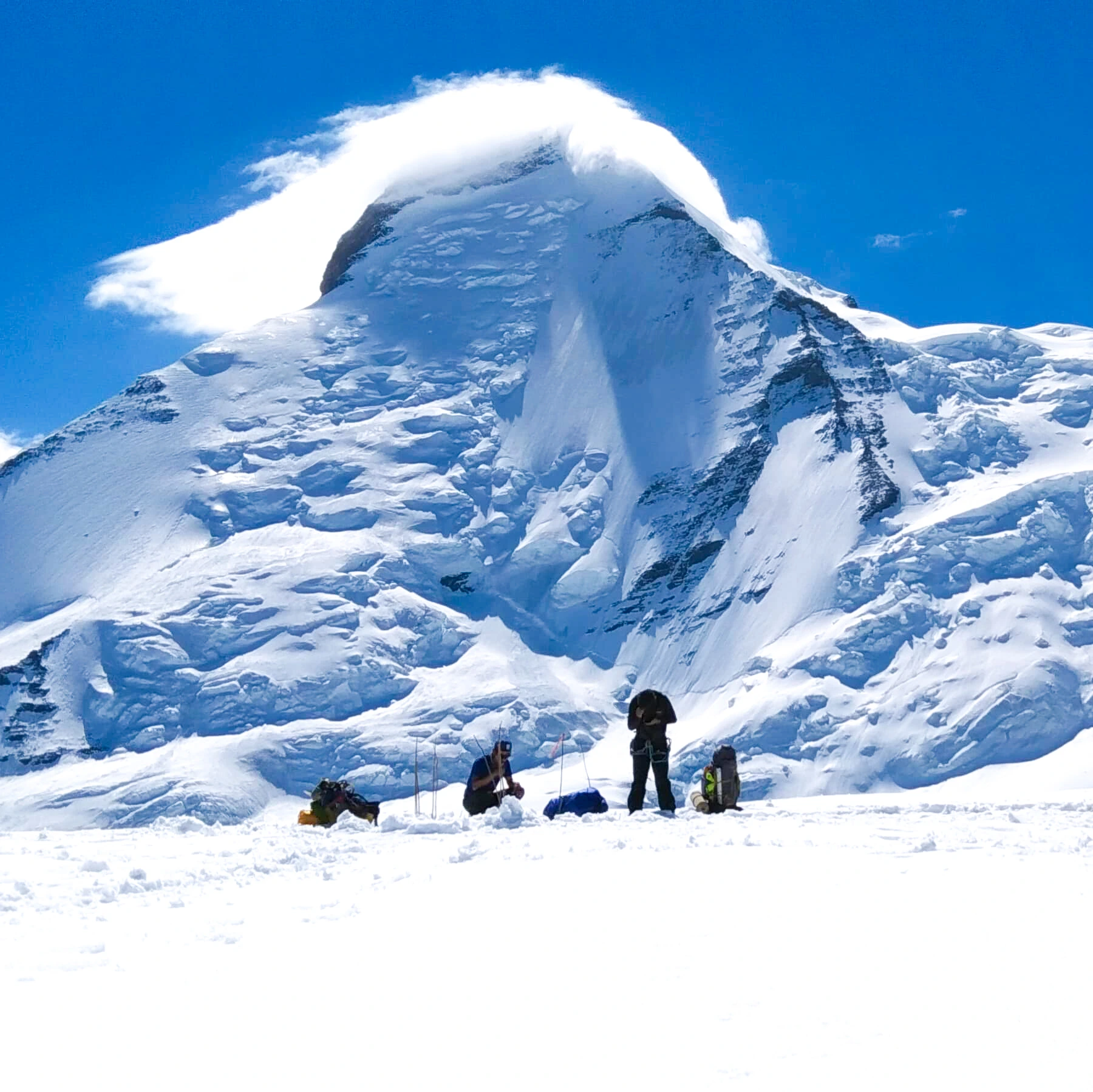
Technical Grades vs Expedition Grades
This confuses many beginners.
A mountain may have:
• Moderate expedition difficulty
• But highly technical climbing sections
Or:
• Minimal technical climbing
• But extreme altitude challenge
Technical grading usually focuses on:
• Ice difficulty
• Rock climbing difficulty
• Mixed terrain complexity
Expedition grading evaluates:
• Overall mountain challenge
Both systems matter.
Objective Hazards Matter More Than Many Realize
Some mountains become difficult not because of technical climbing, but because of objective hazards:
• Avalanches
• Seracs
• Rockfall
• Crevasses
• Weather instability
These dangers exist independently of climber skill.
A technically simple route through avalanche-prone terrain may still be extremely dangerous.
Experienced mountaineers respect objective hazards more than summit ambition.
Physical Fitness vs Technical Skill
One major misunderstanding in expedition grading is assuming fitness alone guarantees success.
Fitness is critical—but not enough.
Mountaineering also requires:
• Technical movement
• Efficient pacing
• Cold management
• Mental control
• Risk awareness
Some highly fit trekkers struggle badly on technical expeditions because they lack mountain systems understanding.
Mental Difficulty Increases With Grade
This is rarely discussed openly.
As expedition grades increase:
• Fear management becomes important
• Exposure affects concentration
• Fatigue impacts decision-making
• Isolation becomes mentally heavy
The psychological side of mountaineering grows dramatically at advanced levels.
Some climbs feel physically manageable but mentally exhausting.
Why Progression Matters
One of the biggest mistakes climbers make is skipping progression.
Social media often creates pressure to attempt difficult mountains too early.
But mountaineering rewards gradual learning.
Every expedition teaches:
• Movement efficiency
• Gear management
• Altitude adaptation
• Mental control
• Risk awareness
Skipping these learning stages creates dangerous gaps in experience.
How I Personally Understood Expedition Grades
Initially, I judged mountains mostly by height.
After several Himalayan expeditions, that mindset completely changed.
Some lower peaks felt technically terrifying. Some higher peaks felt physically brutal but technically straightforward.
Eventually, I realized something important:
A mountain’s grade reflects how complete the challenge is—not just how high the summit stands.
Choosing the Right Expedition Grade for Yourself
When selecting an expedition, ask:
• Do I have the required technical skills?
• Have I handled similar altitude before?
• Can I manage sustained fatigue?
• Do I understand glacier systems?
• Am I mentally ready for exposure and uncertainty?
Choose mountains that challenge you—but still allow room for safe learning.
Final Advice for Beginners
Do not rush toward difficult grades.
Strong mountaineers are built through:
• Progressive exposure
• Consistent learning
• Repeated mountain experience
The best climbers are not always the fastest.
They are often the ones who progress intelligently.
Conclusion
Expedition grades exist for a reason.
They help climbers understand the true nature of a mountain beyond just altitude or appearance. They create structure in progression and help reduce unnecessary risk in high-altitude environments.
After multiple Himalayan expeditions, one lesson became clear:
Mountaineering difficulty is not defined by how impressive a mountain looks.
It is defined by how much skill, judgment, endurance, and discipline the mountain demands from you.
And understanding that difference is what separates ambition from preparation.