The winter of 2026–27 could play an important role in shaping the next Friendship Peak climbing season. As fresh snow begins accumulating across the higher reaches of the Pir Panjal mountains, mountaineers preparing for the Friendship Peak Expedition 2027 face an important question: will the coming winter make the summit route easier, more technically demanding or potentially more hazardous?
Located near Manali in Himachal Pradesh, Friendship Peak rises to approximately 5,289 metres (17,352 feet). It is one of the better-known Himalayan peaks for experienced trekkers transitioning into technical mountaineering. The expedition combines high-altitude trekking, rocky moraine, snow slopes, glacier terrain and a challenging summit ascent requiring appropriate climbing equipment and skills.
However, conditions on Friendship Peak can change considerably from one climbing season to another. Winter snowfall, wind redistribution, temperature fluctuations and spring snowmelt can all influence the approach to base camp and the upper climbing route.
The 2026 season has already provided examples of how quickly mountain conditions can affect expedition plans. With the winter months approaching, climbers considering a Friendship Peak Expedition Package for 2027 should understand what the coming snowfall could mean for the mountain.
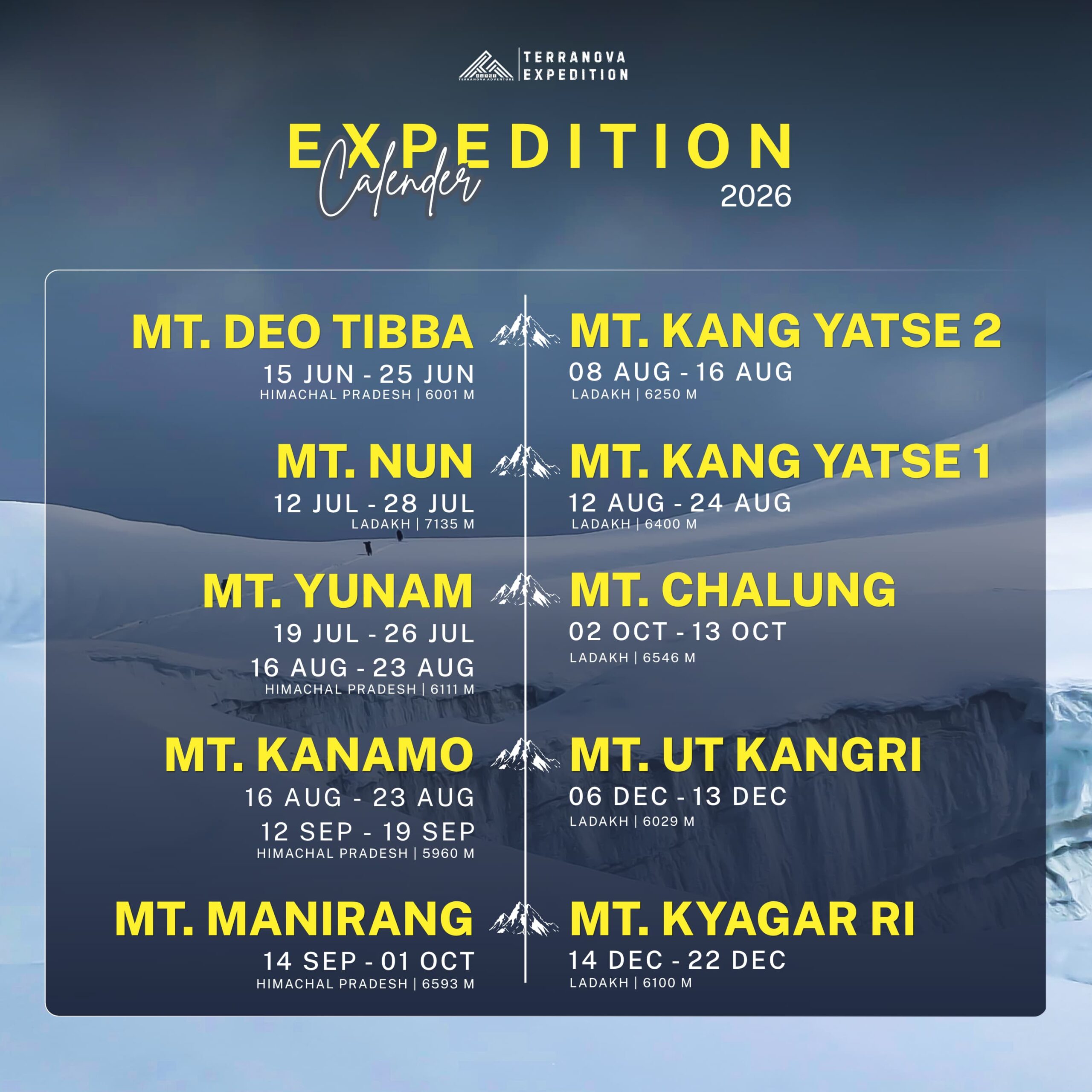
This article examines recent Friendship Peak Expedition Updates, winter snow accumulation, possible route changes, climbing risks, expedition costs and how Friendship Peak can prepare mountaineers for more demanding objectives such as Kang Yatse 1 and other high-altitude Himalayan expeditions.
Friendship Peak Expedition 2026: Recent Snowfall and Climbing Updates
The 2026 climbing season has demonstrated why expedition teams cannot rely solely on historical weather patterns when planning a summit attempt.
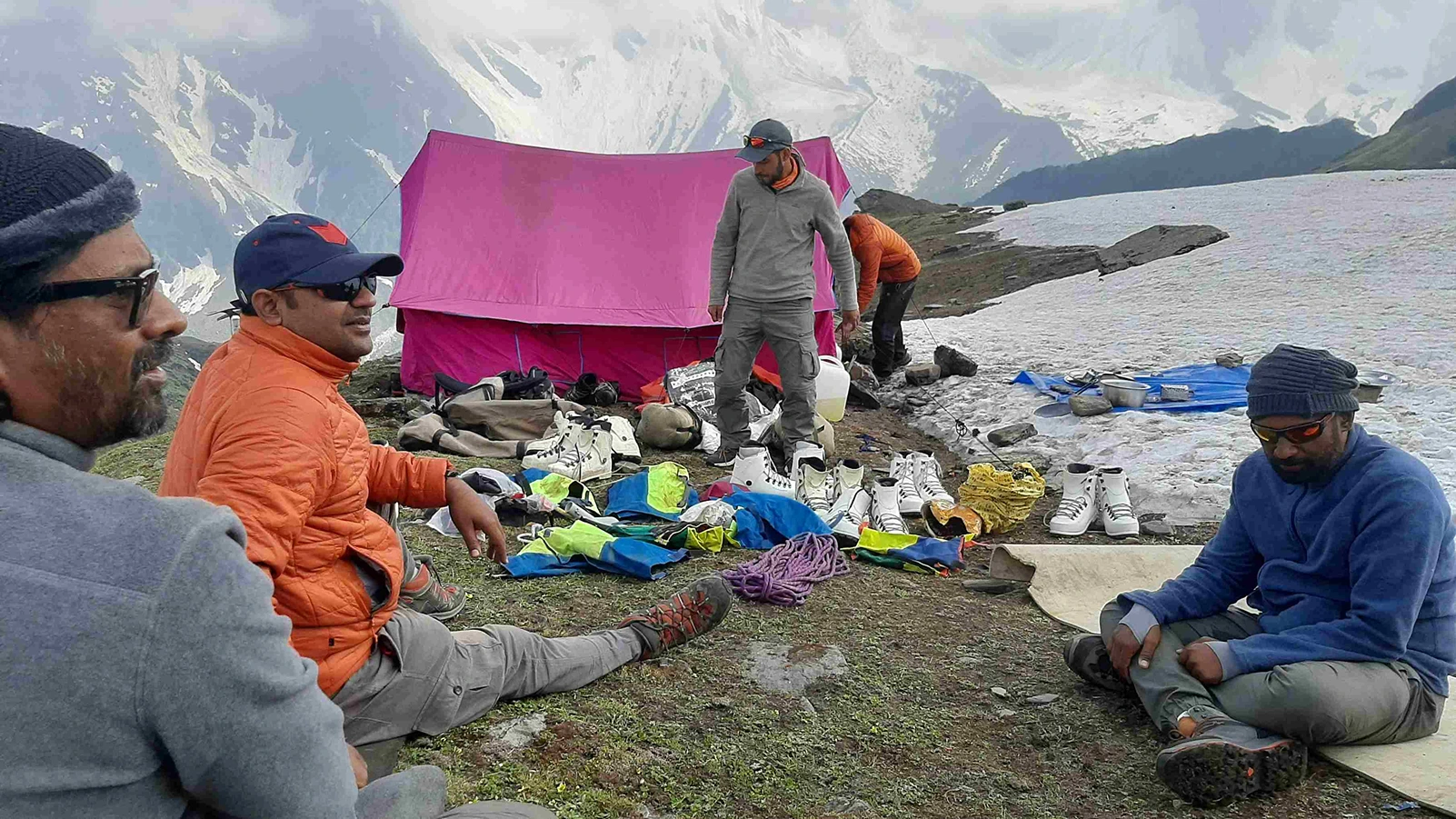
One notable development occurred in April 2026, when a Friendship Peak Expedition organized by White Expedition returned without attempting the summit. According to the team’s published field report dated 19 April, heavy snowfall, unstable mountain conditions and avalanche concerns made continuing towards the summit unsafe. All participants returned safely.
This was a particularly useful example of how spring snow conditions can affect mountaineering decisions. Although April marks the transition towards warmer weather in Himachal Pradesh, accumulated snow and changing temperatures can still create hazardous conditions on exposed slopes.
Later in the year, snowfall returned to the higher Kullu–Manali region during September. A snow report published on 19 September 2026 described fresh snowfall around the high-altitude mountain sector that includes Beas Kund and the surrounding Pir Panjal ranges. The report referenced snowfall on 17–18 September, including approximately four inches at Rohtang Pass and reports of snowfall around Beas Kund.
These developments are relevant because Friendship Peak’s approach passes through the Solang–Dhundi–Beas Kund mountain region. Nevertheless, snowfall measurements from nearby passes cannot establish the actual snow depth, stability or climbing conditions on Friendship Peak itself.
As of 15 October 2026, publicly available information reviewed for this article does not establish a verified snow-depth measurement from Friendship Peak’s upper climbing route or provide a reliable forecast of how much snow will accumulate during the entire 2026–27 winter.
Another indication of ongoing autumn expedition activity comes from commercial operators advertising October departures. For example, Broza Adventures lists multiple Friendship Peak expedition dates through late October 2026. These are advertised schedules rather than confirmation that the routes are safe or that the expeditions have successfully summited.
For mountaineers planning the next season, the important lesson is that winter snowfall must be assessed alongside actual field conditions, rather than treated as a simple indication of whether climbing will be easy or difficult.
Why Winter 2026–27 Could Influence Friendship Peak Expedition 2027
Snowfall during December, January and February can affect the conditions climbers encounter when the next pre-monsoon expedition season begins.
During winter, successive weather systems may deposit fresh snow across the upper slopes of Friendship Peak. Strong winds can then redistribute this snow, removing it from exposed ridges while building deeper accumulations on sheltered slopes and in gullies.
By spring, the mountain may contain a complex snowpack consisting of layers formed during different storms and temperature conditions. Some layers may become well consolidated, while others can retain weaknesses that affect slope stability.
As temperatures rise during March, April and May, the snowpack begins responding to changing weather. Melt-freeze cycles may strengthen the surface under certain conditions, but warming can also weaken snow, particularly when temperatures remain high or liquid water enters the snowpack.
These processes can influence the timing of safe climbing opportunities. A mountain with extensive winter snow accumulation may retain snow coverage later into spring, while a relatively dry winter could leave more rocky terrain and hard ice exposed.
Neither outcome automatically makes the expedition safer.
The distribution, bonding and stability of the snowpack are often more important than the total amount of snowfall. Therefore, predicting the exact conditions of Friendship Peak Expedition 2027 in October 2026 would be premature.
Instead, climbers should monitor winter developments and obtain updated route assessments closer to their intended departure dates.
How Winter Snowfall Changes the Friendship Peak Climbing Route
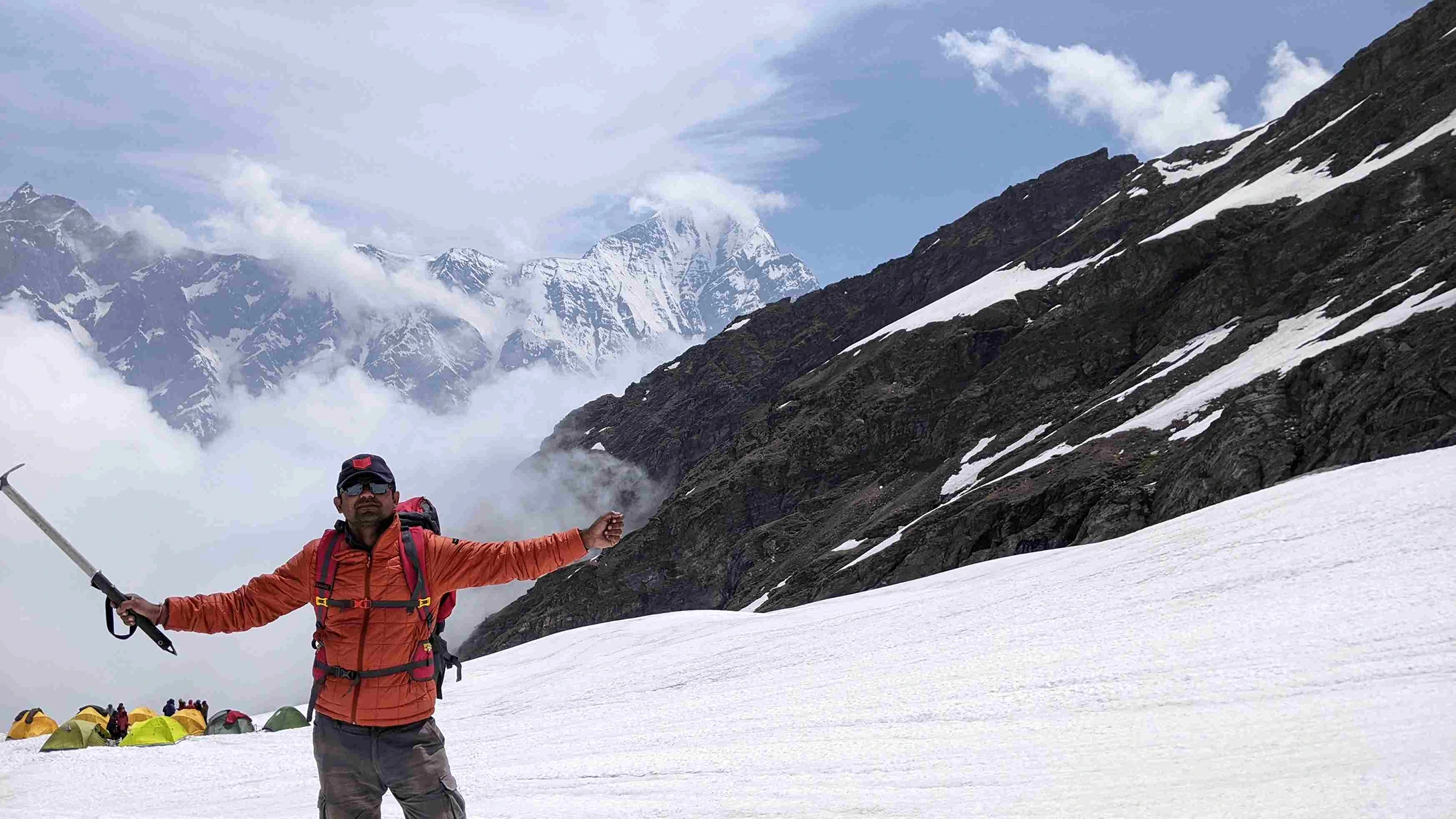
The standard Friendship Peak Expedition generally begins in the Manali region and approaches the mountain through Solang Valley, Dhundi and the alpine terrain around Bakarthach or Beas Kund, depending on the itinerary and chosen route.
As the route gains altitude, forested landscapes give way to open meadows, moraine, snowfields and steeper mountain slopes. The final summit approach requires more technical movement than the lower trekking sections.
Winter snowfall can affect each stage differently.
Changes around Solang Valley and Dhundi
The lower approach may become snow-covered during winter, particularly after periods of heavy precipitation. Snow accumulation can obscure established trails, while freezing temperatures can create icy surfaces on shaded sections.
By late spring, much of the lower route may become accessible again, but conditions depend on the severity of winter and the timing of snowmelt.
Changes around Bakarthach and the base camp approach
Higher up, snowfall may persist for longer. Snow-covered moraine can be particularly challenging because the underlying terrain is uneven and may contain gaps between rocks.
As snow melts, loose stones and unstable footing can become exposed. Depending on the season, climbers may encounter a mixture of snow, wet ground, loose rock and frozen surfaces during the approach to base camp.
Changes on the upper snow slopes
The upper climbing route is where winter accumulation can have the greatest influence on technical difficulty.
Fresh snow may conceal irregular terrain and crevasse hazards. Wind-loaded slopes can present avalanche concerns, while exposed hard snow or ice may require secure crampon technique and rope protection.
A route that was manageable during one season may demand additional time, different protection arrangements or a revised line during another.
The summit approach should therefore be evaluated by qualified mountaineering leaders using current observations, rather than relying exclusively on photographs or reports from previous years.
Could Heavy Winter Snowfall Make Friendship Peak More Difficult in May and June 2027?
May and June are among the commonly advertised periods for Friendship Peak climbing, but the condition of the mountain during these months depends heavily on preceding weather.
If winter 2026–27 brings substantial snowfall, snow may remain across the higher route well into the pre-monsoon season. This can influence climbing in several ways.
Deep or unconsolidated snow can slow movement and increase physical exertion. Climbers may have to break trail, negotiate soft surfaces or wait for more favourable conditions before attempting exposed sections.
Fresh or wind-drifted snow may also create avalanche concerns on sufficiently steep slopes. Snow bridges over crevasses can present additional uncertainty, particularly when temperatures begin rising.
On the other hand, continuous and suitably consolidated snow coverage can sometimes provide more straightforward movement than exposed loose rock or irregular ice. This is why experienced guides assess snow quality and stability rather than judging the route solely by how white it appears.
A relatively low-snow winter may create different challenges. Exposed moraine, hard ice and mixed terrain can require more technical movement, especially on steep sections.
The most important consideration for Friendship Peak Expedition 2027 will therefore be the condition of the actual climbing route during the planned summit window.
Avalanche Risk and Snow Stability: What Climbers Should Understand
Avalanche risk is one of the most important concerns when evaluating snow-covered mountain terrain.
Avalanches occur when snow on a slope becomes unstable and releases under the influence of gravity. The likelihood of an avalanche depends on factors including slope angle, snowpack structure, wind loading, temperature changes and additional stress placed on the snow.
Friendship Peak’s upper terrain contains steep snow slopes where changing conditions require careful assessment.
During winter, strong winds can transport snow from exposed areas and deposit it on sheltered slopes, forming wind slabs. These deposits may remain unstable depending on how well they bond with the underlying snow.
During spring, warming temperatures and solar radiation can affect snow strength. Conditions may change substantially between early morning and afternoon, particularly on sun-exposed slopes.
Climbers should understand that clear skies do not necessarily indicate safe snow conditions. Avalanche hazards can remain after a storm has passed, and recent snowfall may continue affecting slope stability even during apparently favourable weather.
Professional expedition leaders must assess the terrain, recent weather and snowpack before committing to exposed sections. In some circumstances, the appropriate decision is to delay or cancel the summit attempt.
The April 2026 Friendship Peak expedition that turned back because of heavy snowfall and avalanche concerns illustrates the importance of such decisions.
Friendship Peak Expedition 2027: Best Climbing Season After Winter
The two commonly advertised climbing windows for Friendship Peak are May–June and September–October. Both have advantages, but neither guarantees suitable conditions.
| Climbing period | Typical considerations |
| March–April | Transitional conditions; potentially unstable snow and difficult upper-route access |
| May–June | Main pre-monsoon window; remaining winter snow and changing spring temperatures |
| July–August | Monsoon-related weather uncertainty and precipitation |
| September–October | Post-monsoon window; potentially clearer visibility, but increasing cold and variable snow or ice |
| November–February | Severe winter conditions; generally outside the standard commercial climbing season |
For climbers planning Friendship Peak Expedition 2027, May and June are sensible months to investigate first. However, the final choice should depend on current snow conditions, weather forecasts, available permits and professional route assessments.
September and early October can provide another opportunity, particularly for mountaineers who prefer the post-monsoon period. Nevertheless, late-season conditions may include colder temperatures, exposed ice and early snowfall.
The safest approach is to choose a suitable seasonal window while retaining flexibility for weather-related changes.
Friendship Peak Expedition Package 2027: What Should Be Included?
Choosing the right Friendship Peak Expedition Package is an important part of preparing for the 2027 climbing season. Although the mountain is often promoted as an introductory Himalayan mountaineering objective, it requires technical preparation, appropriate equipment and experienced leadership.
Most commercial expeditions operate from Manali and include several days for the approach, acclimatization, climbing and return journey. Depending on the itinerary, teams may spend approximately six to eight days completing the expedition.
A properly organized package should account for transportation from Manali to the trailhead, accommodation during the expedition, meals, camping arrangements, mountain guides and group climbing equipment.
Technical equipment arrangements deserve particular attention. Climbers should confirm whether the package provides helmets, harnesses, ropes, crampons and ice axes, and whether personal mountaineering boots must be rented or purchased separately.
Acclimatization is another essential consideration. Although Friendship Peak is below 6,000 metres, the summit is high enough to create a significant risk of altitude-related illness. Climbers need a suitable ascent schedule and clear procedures for responding to symptoms.
Before confirming a Friendship Peak expedition package for 2027, participants should verify the qualifications of their guides, group size, rescue arrangements, applicable permits, cancellation policies and the number of days available for weather delays.
A package offering a short itinerary at an attractive price may not necessarily provide the same level of logistical support or flexibility as a more comprehensive expedition.
Friendship Peak Expedition Cost 2027: What Should Climbers Expect?
The Friendship Peak Expedition Cost varies depending on the operator, group size, itinerary, equipment inclusions and support services.
Published 2026 examples show considerable differences in advertised prices. Broza Adventures lists a promotional package price of ₹25,500 per person, while the Karnataka Mountaineering Association’s October 2026 programme estimated approximately ₹35,000 per participant for eligible members. These figures are examples from 2026 listings, not confirmed 2027 prices.
For planning purposes, climbers may use approximately ₹25,000–₹45,000 per person as an indicative range for standard commercial offerings, while recognizing that actual quotations may fall outside it.
The final expenditure can be higher when personal technical equipment, transportation to Manali, insurance, accommodation before or after the expedition, and other exclusions are considered.
Winter conditions may also affect costs indirectly. If heavy snowfall delays access or requires additional support, an expedition may need extra resources or itinerary changes.
Therefore, comparing the advertised price alone is not enough. Climbers should request a complete breakdown of inclusions, exclusions and additional charges before booking.
Friendship Peak Expedition Tickets and Booking for 2027
Travellers searching for Friendship Peak Expedition Tickets should understand that climbing Friendship Peak is not the same as purchasing an entry ticket to a tourist attraction.
A commercial expedition normally involves booking a guided climbing programme. Applicable mountain permissions, protected-area requirements and administrative charges must be checked separately according to the route and operator.
The booking process usually involves selecting a departure date, reviewing the itinerary, confirming eligibility and experience requirements, and paying an advance to reserve a place.
Before making payment, climbers should confirm whether the quoted price includes the necessary permits and whether the operator will arrange them. They should also review the refund policy for cancellations caused by severe weather, unsafe snow conditions or official restrictions.
For 2027, early enquiries may help climbers arrange equipment and training, but advance booking should never be interpreted as a guarantee that the summit will be accessible on the selected date.
Friendship Peak vs Kang Yatse 1 Expedition: Which Is the Better Next Challenge?
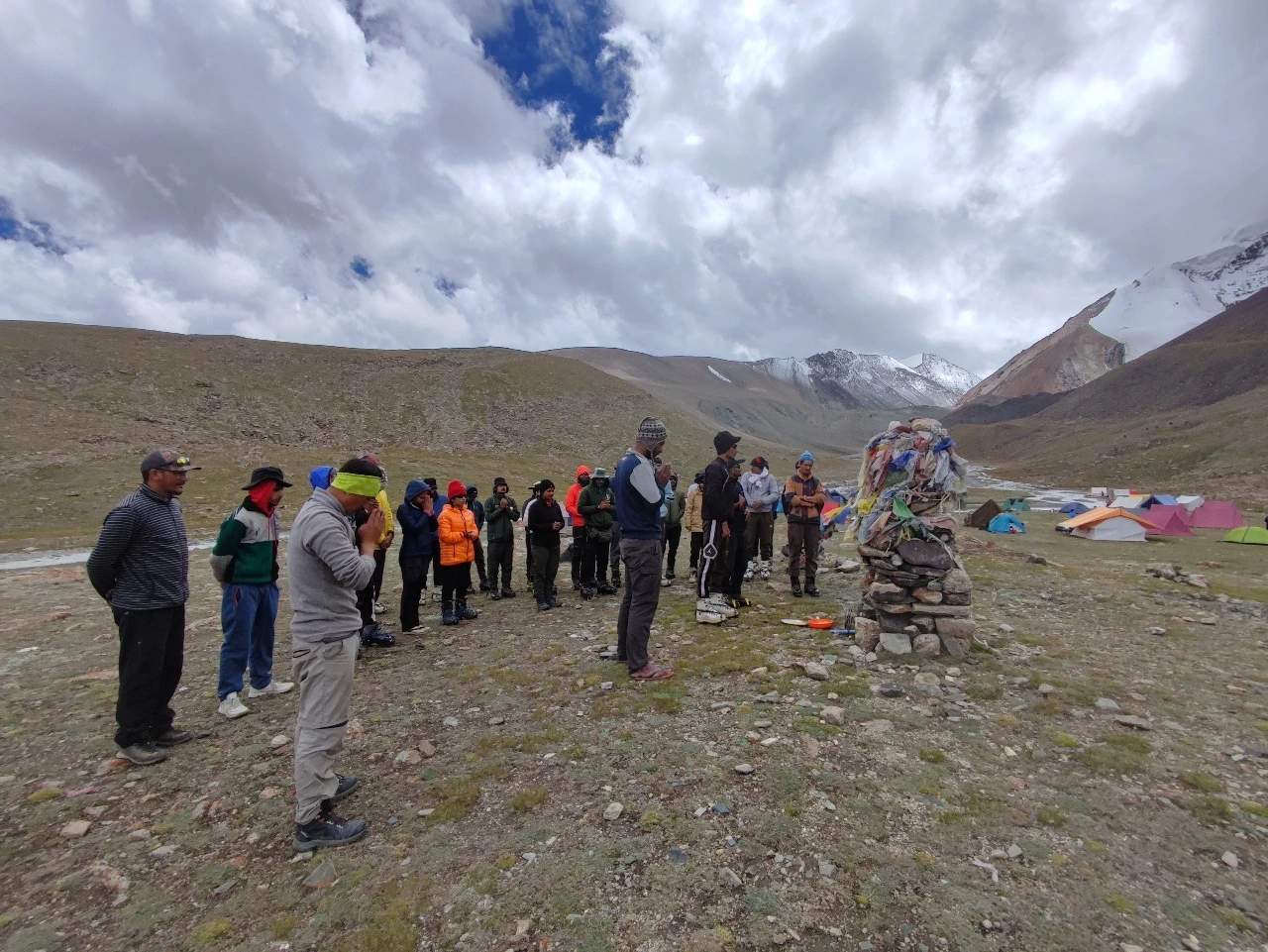
For mountaineers considering more demanding Himalayan summits, the Kang Yatse 1 Expedition represents a significant progression beyond Friendship Peak.
Friendship Peak stands at approximately 5,289 metres in Himachal Pradesh, while Kang Yatse 1 rises to approximately 6,400 metres in the Markha Valley region of Ladakh. The difference in altitude is substantial, and Kang Yatse 1 generally involves more demanding high-altitude climbing and technical mountaineering.
Friendship Peak is often selected by experienced trekkers who want to develop their skills in snow climbing, crampon movement, ice-axe use and rope systems. The route offers an opportunity to understand expedition life while operating at a lower altitude than many major Himalayan objectives.
Kang Yatse 1, by contrast, is a considerably more serious mountaineering undertaking. The mountain requires strong acclimatization, advanced technical competence and the ability to operate safely on demanding snow and ice terrain at elevations exceeding 6,000 metres.
A Kang Yatse 1 Package should therefore be evaluated on the basis of technical support, expedition duration, acclimatization, climbing equipment and emergency arrangements rather than price alone.
It is also important not to confuse Kang Yatse 1 with Kang Yatse 2. Although both belong to the same mountain massif, their standard climbing routes and technical demands differ significantly.
For someone progressing from high-altitude trekking into mountaineering, Friendship Peak may be an appropriate intermediate objective after suitable training. Kang Yatse 1 is better considered after gaining substantial technical climbing experience.
Completing Friendship Peak does not automatically qualify a climber for Kang Yatse 1, but it can contribute valuable experience towards a longer-term mountaineering progression.
From Friendship Peak to 6000 m Peaks in India
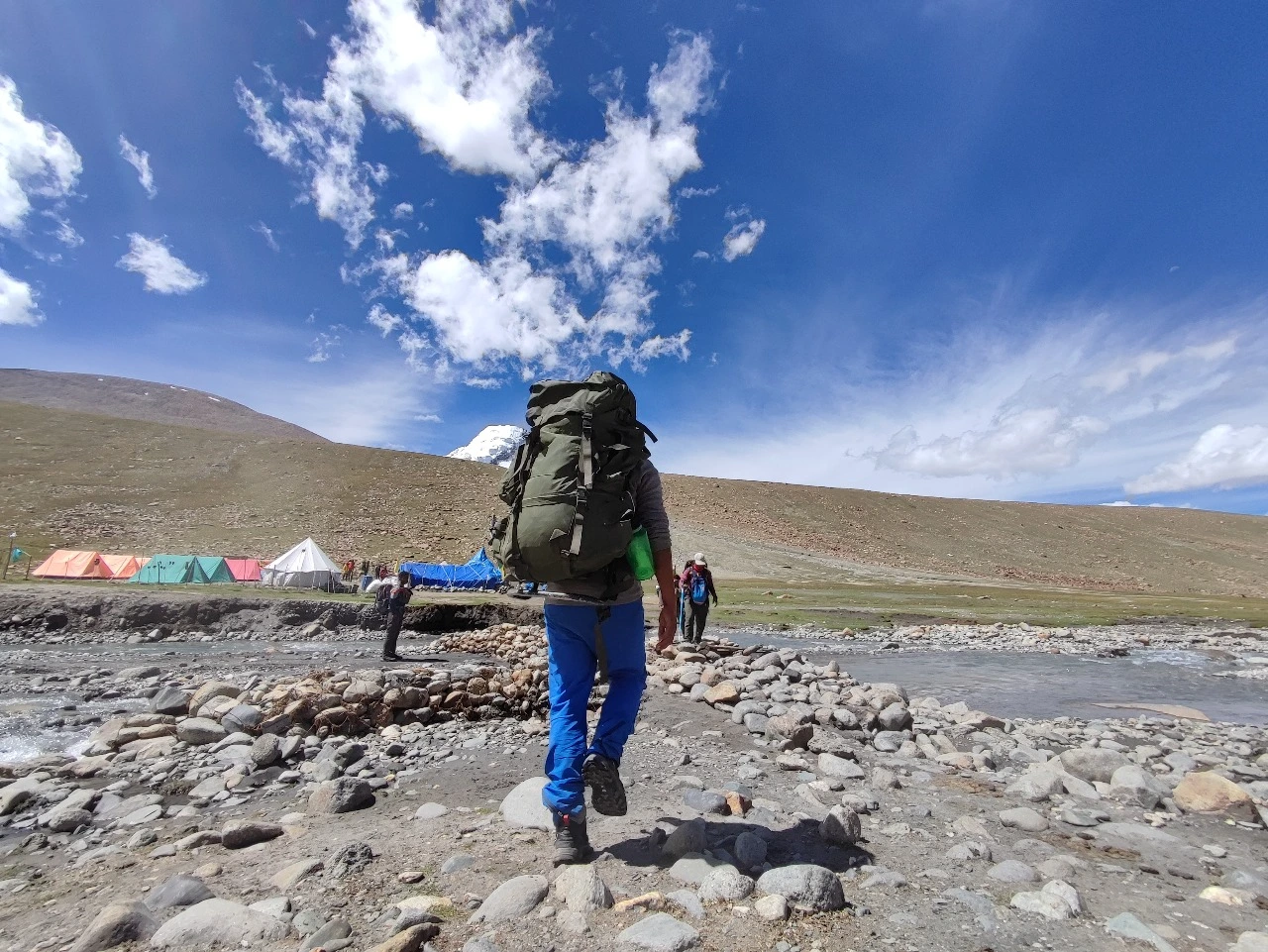
For many climbers, Friendship Peak marks the beginning of a journey towards the 6000 m Peaks in India.
India offers numerous mountaineering objectives above 6,000 metres, particularly in Ladakh, Himachal Pradesh and Uttarakhand. However, these peaks vary considerably in technical difficulty, access, weather conditions and expedition requirements.
Some 6,000-metre mountains have comparatively straightforward standard routes under favourable conditions, while others involve sustained glacier travel, steep ice climbing and highly exposed terrain.
Examples include Yunam Peak in Himachal Pradesh, Kang Yatse 2 in Ladakh, Friendship Peak’s more demanding Himalayan counterparts such as Deo Tibba, and technical objectives such as Black Peak in Uttarakhand.
The progression from a 5,000-metre summit to a 6,000-metre expedition should involve more than improved fitness. Climbers must develop their understanding of acclimatization, rope management, crevasse rescue, mountain weather and technical climbing techniques.
Altitude alone does not determine the difficulty of a mountain. A technically complex 5,000-metre peak can present greater climbing challenges than a relatively straightforward 6,000-metre route.
Nevertheless, the increased altitude generally places additional demands on endurance, recovery and acclimatization.
For climbers planning Friendship Peak Expedition 2027, the mountain can provide a useful opportunity to evaluate their readiness for more advanced objectives.
Preparing for 7000 m Peaks in India: Why Smaller Expeditions Matter
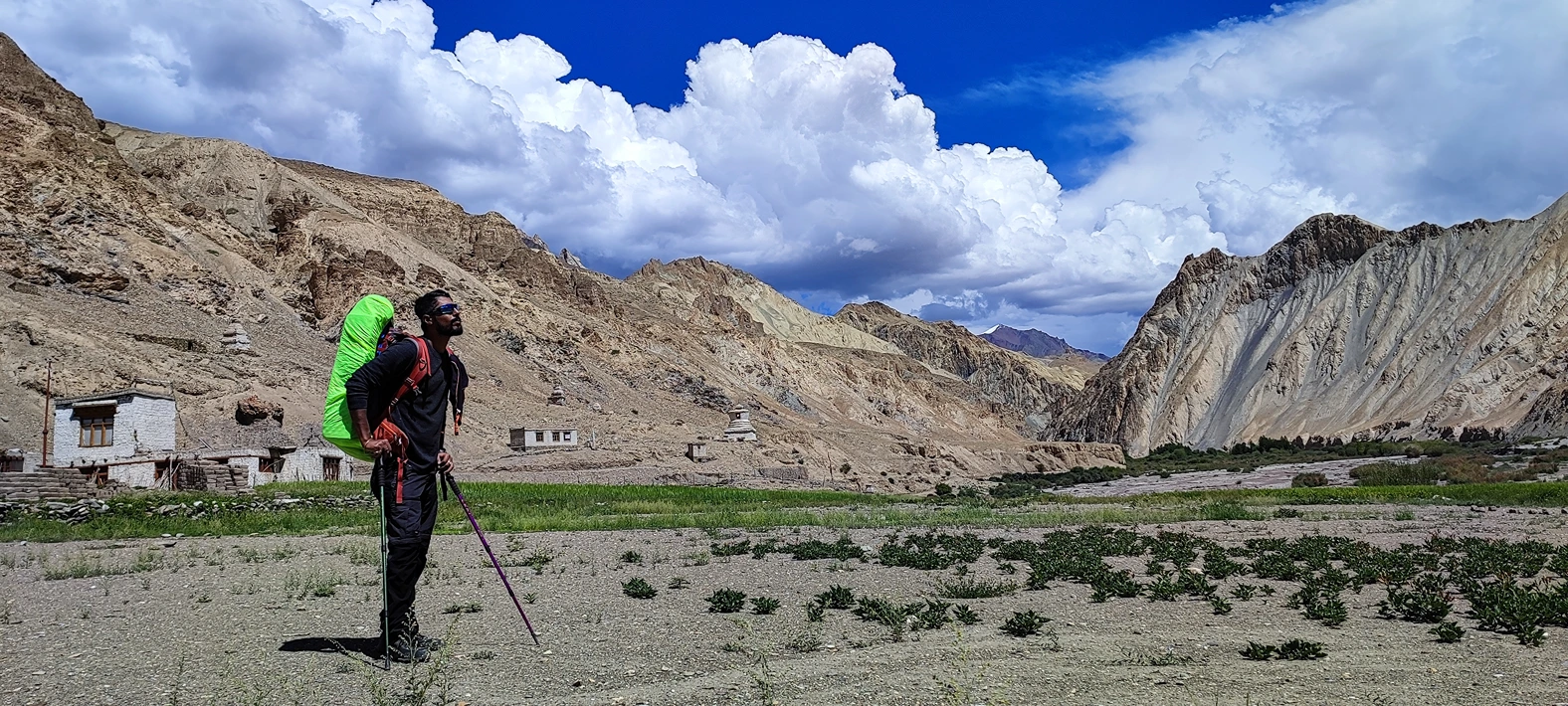
The journey towards the 7000 m Peaks in India requires years of progressive training, technical experience and exposure to demanding Himalayan environments.
Major Indian Himalayan mountains such as Kamet, Satopanth, Nun and Kun represent substantially more serious expedition objectives than Friendship Peak. These mountains involve greater altitude, longer climbing schedules, complex logistics and potentially more difficult rescue conditions.
Climbers attempting 7,000-metre summits must be prepared for sustained exposure to low oxygen levels, severe weather and demanding technical terrain. High-altitude camp management, expedition teamwork and the ability to make sound decisions under physical and mental stress become increasingly important.
Friendship Peak can serve as one of the early stages in this progression.
The experience of carrying equipment, establishing camps, climbing on snow, following a structured acclimatization schedule and responding to changing weather can help climbers understand the demands of Himalayan mountaineering.
However, a successful Friendship Peak summit is only one step. Mountaineers should subsequently gain experience on appropriate 6,000-metre peaks, complete advanced technical training and develop a record of sound decision-making before considering major 7,000-metre expeditions.
The objective should be to build competence gradually rather than pursue higher summits without sufficient preparation.
How to Prepare for Friendship Peak Expedition 2027 During Winter
The winter of 2026–27 offers a useful preparation period for climbers planning to attempt Friendship Peak during the following climbing season.
Physical training should begin several months before departure. A combination of cardiovascular exercise, hiking, strength training and progressive load carrying can help develop the endurance needed for long climbing days.
Technical preparation is equally important. Participants should become familiar with crampon techniques, ice-axe use, rope handling and movement on steep snow. Formal training from qualified mountaineering instructors is preferable to attempting to learn these skills for the first time during a summit push.
Climbers should also understand the symptoms of altitude-related illness and the importance of acclimatization. Fitness does not eliminate the risk of acute mountain sickness, and any expedition must allow for appropriate responses to deteriorating health.
Equipment preparation should include testing boots, clothing layers, gloves, backpacks and climbing equipment well before departure. Improperly fitted mountaineering boots or inadequate cold-weather protection can create serious difficulties at altitude.
Finally, prospective climbers should maintain realistic expectations. Snowfall during winter may influence the condition of Friendship Peak in spring, but it is impossible to guarantee a particular summit outcome months in advance.
The most valuable preparation combines physical conditioning, technical skills, reliable information and a willingness to adjust plans when the mountain demands it.
Conclusion: Winter 2026–27 Will Help Shape the Next Friendship Peak Climbing Season
The Friendship Peak Expedition 2027 will be influenced by the conditions that develop across the Pir Panjal mountains during the approaching winter. Snowfall accumulation, wind redistribution, spring temperatures and snowmelt can all affect the route from the lower approach to the summit slopes.
The 2026 season has already demonstrated the importance of careful mountaineering decisions. Heavy snowfall and avalanche concerns forced at least one documented expedition to abandon its summit objective, while fresh September snowfall signalled the seasonal transition in the wider Manali mountain region.
These developments do not establish what conditions will be like in May or June 2027, but they reinforce an important principle: successful expedition planning requires current information, suitable training and flexibility.
For climbers considering a Friendship Peak expedition package, the coming months offer an opportunity to develop technical skills, improve fitness and prepare for the challenges of high-altitude mountaineering.
Whether Friendship Peak is a climber’s first technical Himalayan summit or a stepping stone towards Kang Yatse 1, other 6000 m peaks in India or eventually 7000 m peaks in India, the same principle applies.
The mountain should determine the climbing decision—not the departure date, the booking price or the pressure to reach the summit.
Frequently Asked Questions About Friendship Peak Expedition 2027
1. Will winter snowfall affect Friendship Peak Expedition 2027?
Yes. Winter snowfall can influence snow depth, snowpack stability, glacier conditions and the technical difficulty of the upper climbing route. However, the precise impact will depend on weather developments throughout winter and spring.
2. What is the best time for Friendship Peak Expedition in 2027?
May–June and September–October are generally the preferred climbing windows. The most suitable departure will depend on actual snow conditions, forecasts and route assessments.
3. What is the Friendship Peak Expedition cost for 2027?
As a preliminary planning estimate, standard commercial packages may cost approximately ₹25,000–₹45,000 per person. Confirmed 2027 prices and inclusions should be obtained directly from expedition operators.
4. Can beginners climb Friendship Peak?
Friendship Peak may be suitable for fit trekkers progressing into mountaineering, provided they receive appropriate technical training and climb with qualified professionals. It is not an ordinary beginner trek.
5. Can Friendship Peak be climbed in January or February?
Winter climbing may be technically possible for specialized teams, but January and February fall outside the usual commercial season. Severe cold, snow instability and difficult access can make an ascent significantly more challenging.
6. How difficult is Friendship Peak compared with Kang Yatse 1?
Kang Yatse 1 is generally a substantially more demanding mountaineering objective because of its higher altitude and technical climbing requirements. Friendship Peak is often a more appropriate early-stage expedition for developing mountaineers.
7. What are Friendship Peak expedition tickets?
The phrase usually refers to expedition bookings rather than a single tourist entry ticket. Climbers should book an organized expedition and confirm applicable permits and charges with the operator.
8. Is Friendship Peak suitable before attempting 6000 m peaks in India?
Yes, for appropriately trained climbers, Friendship Peak can provide useful experience before progressing to selected 6,000-metre mountains. Additional technical training and high-altitude experience may still be necessary.
9. How many days are required for Friendship Peak Expedition?
Many commercial itineraries last approximately six to eight days from Manali, depending on the approach, acclimatization schedule and contingency arrangements.
10. Can heavy snowfall make the Friendship Peak route easier?
Consolidated snow can sometimes make particular sections easier to negotiate than exposed loose rock or irregular ice. However, deep snow, unstable layers and concealed hazards can also increase difficulty. The overall safety of the route must be assessed on location.