Kanamo Peak Expedition

Days: 8D/7N
Altitude: 5974
Distance: 35
Grade: Difficult
Pick Up: Manali
Drop: Manali
Base Camp: Kanamo Base Camp
Season: Autumn (Sep–Oct)
Stay: Tents & Homestay

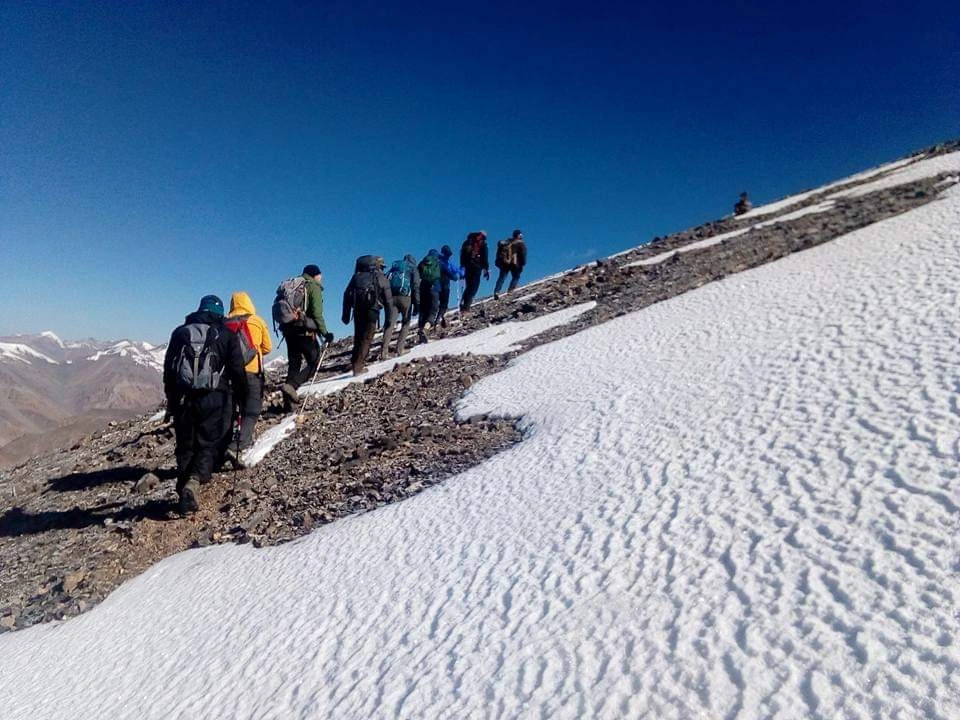
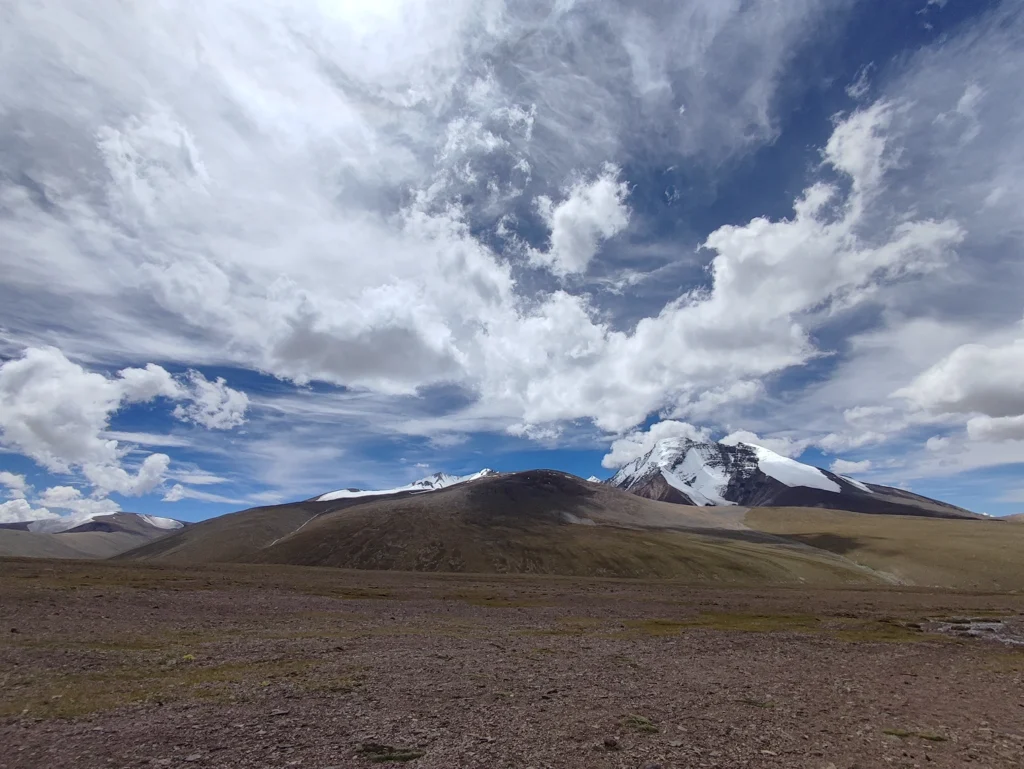
The Kanamo Peak Expedition (5,974 M) is one of the most accessible yet physically demanding non-technical high-altitude expeditions in the Indian Himalayas. Located above the ancient village of Kibber in the Spiti Valley, Kanamo Peak offers trekkers the rare opportunity to climb nearly 6,000 meters without technical mountaineering, relying instead on endurance, acclimatization, and mental strength.

Despite being categorized as non-technical, Kanamo Peak is not an easy climb. The challenge lies in its altitude, thin air, steep final ascent, and long summit day. Oxygen availability above 5,500 meters drops sharply, making every step labor-intensive. This expedition tests a trekker’s ability to pace themselves, manage fatigue, and remain focused in extreme altitude conditions.

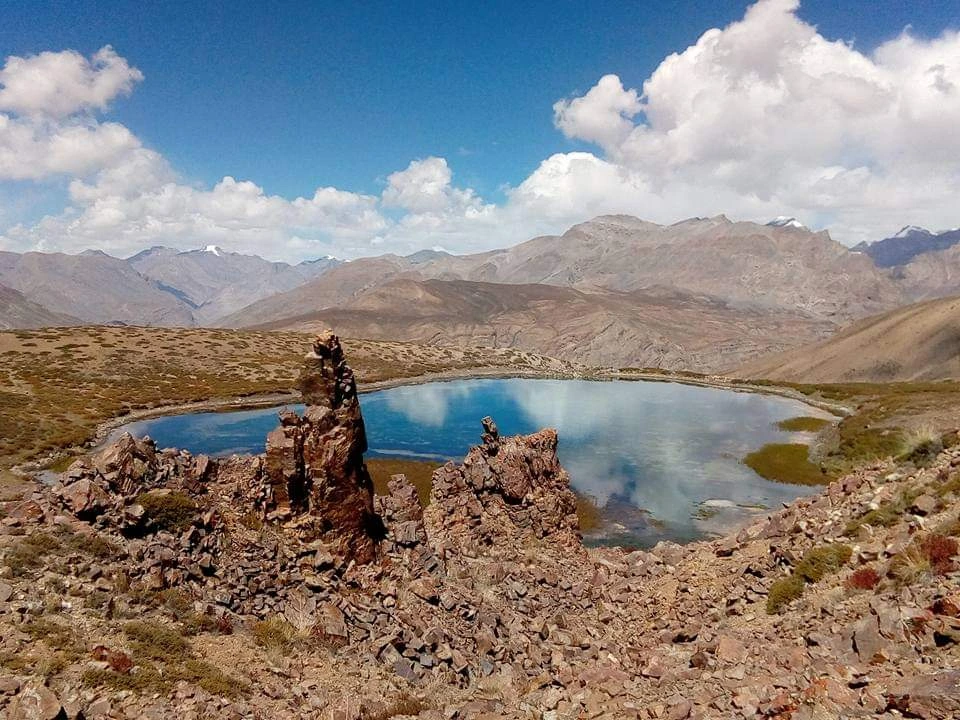
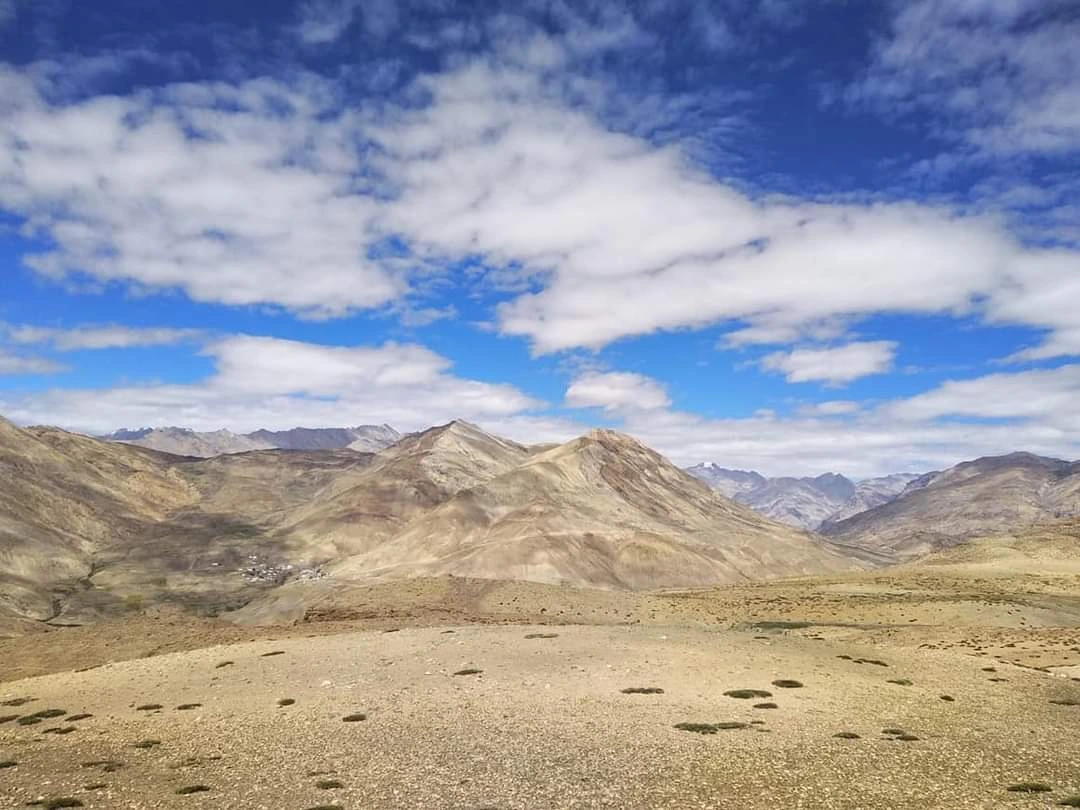
The journey begins in Manali, crossing into the high-altitude cold desert of Spiti via dramatic mountain roads. As trekkers move from Kaza to Kibber, they experience a complete transformation of landscape—from green valleys to barren mountains, monasteries perched on cliffs, and vast open horizons.

The expedition is structured with multiple acclimatization days, ensuring safe altitude adaptation before summit attempt. The Kanamo Base Camp (4,700 M) is among the highest base camps in India, and time spent here is crucial for summit success.

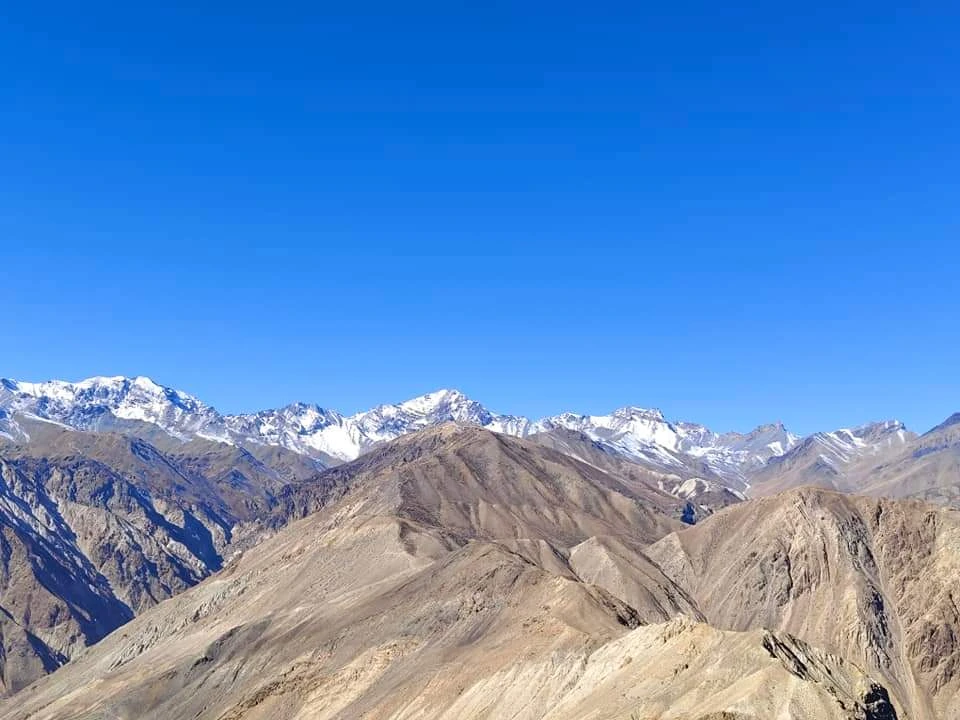
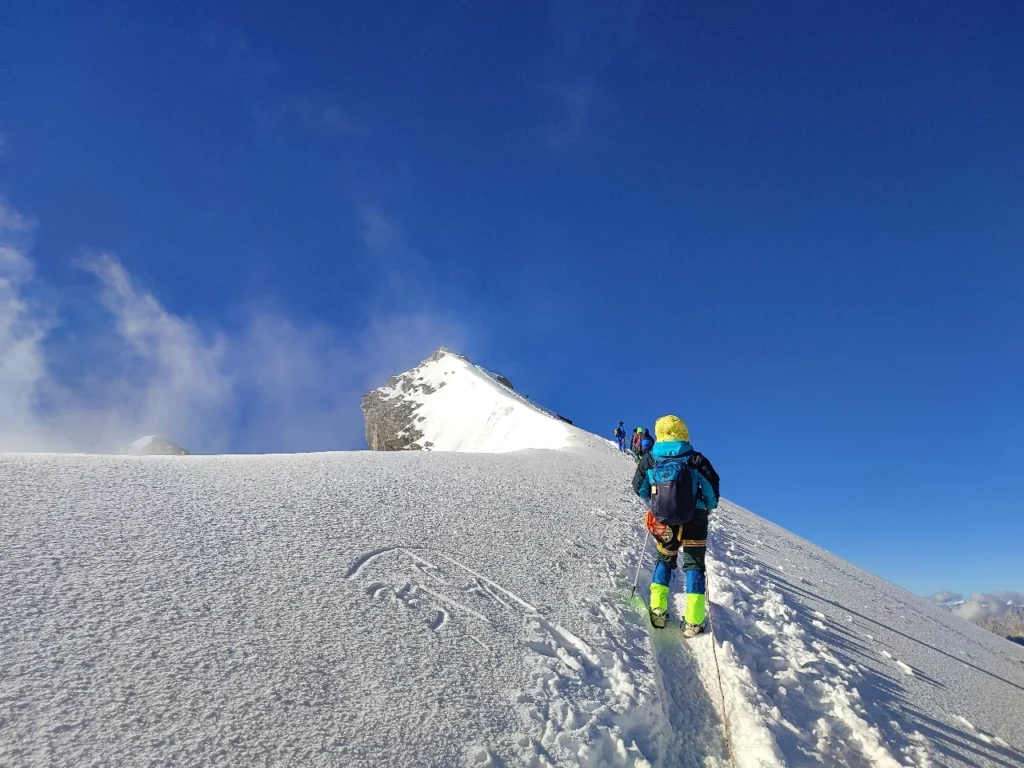
The summit day is long, demanding, and deeply rewarding. From the top of Kanamo Peak, trekkers are treated to panoramic views of the Spiti Valley, Parang La range, Chau ChauKang Nilda, and the Tibetan Plateau—a perspective few ever experience.

Kanamo Peak is often considered a gateway expedition for trekkers preparing for technical 6000-meter or future 7000-meter climbs. It builds altitude confidence, mental resilience, and expedition discipline without requiring ropes or ice climbing.

HIGHLIGHTS OF THE KANAMO PEAK EXPEDITION

  • One of the highest non-technical peaks in India
  • Ideal transition from trekking to peak climbing
  • Stunning views of Spiti Valley & Tibetan Plateau
  • High-altitude base camp above 4,700 meters
  • Strong acclimatization-focused itinerary
  • Long, challenging summit day experience
  • Cultural exposure to remote Spiti villages

Itinerary

Day 1

Arrival in Manali (2,000 M)

Day 2

Manali to Kaza (3,800 M)

Day 3

Kaza to Kibber (4,100 M)

Day 4

Acclimatization Day at Kibber

Day 5

Trek from Kibber to Kanamo Base Camp (4,700 M)

Day 6

Acclimatization Day at Base Camp

Day 7

Summit Day: Kanamo Peak (5,974 M)

Day 8

Base Camp to Kibber, Drive to Kaza – Manali | Expedition Closure

Inclusions & Exclusions

What’s included

  • You will be staying in tents during expedition on sharing basis.
  • Stay included in Manali, Kaza & Kibber hotel (sharing basis).
  • Transportation Manali to Kibber and return to Manali.
  • Breakfast, lunch, dinner, snacks, soup, tea, hot drinks during expedition [Day 2 Dinner to Day 8 packed lunch]
  • High altitude meals.
  • Trekking/Expedition permits from Indian Mountaineering Foundation.
  • Local forest permit from Himachal Pradesh Forest Department.
  • Garbage cleaning charges.
  • Weather forecast report from the Indian Meteorological department & Windy.
  • Certificate of accomplishment
  • Accidental Policy (High risk insurance)
  • 3 men all season tents, sleeping bag, mattress, kitchen tent, cutlery, dining tent & toilet tent
  • First aid, medical kit, oxygen cylinders, Blood pressure monitor, Oximeter, etc. will be available at all campsites to deal with emergencies.
  • Ice axe, snow boots, harness, carabiners, ascenders, descenders, gaiters, helmet, crampons, tape sling (all necessary safety & climbing gears)
  • Certified trek leader & Expedition guide / Sherpa from Terranova Expedition.
  • Cook, helper, mules support [till base camp].
  • High altitude cook & supporting staff for upper camp.
  • Cloakroom facility for left luggage.


What’s not included

  • Mules or porters charge to carry personal luggage [Offload – upto 10 kgs per bag].
  • 5% GST
  • Meals during transfers.
  • Meals in Manali Hotel.
  • Any kind of personal expenses.
  • Any early return travel costs or accommodation except for the days as per the itinerary.
  • Anything apart from inclusions.
  • Documentary filming, camera, and drone permit fee (if require)
  • Any emergency evacuation.
  • For Heli Rescue, opt ASC 360 High Altitude Adventure Sport Insurance.
  • Tips for staffs

Refund & Cancellation

Quick Summary
Policy WindowRefund
30+ days before departure85%
20–29 days70%
15–19 days50%
7–14 days25%
< 7 days or no-showNo refund
If You Cancel
  • Advance/booking amount is non-refundable; reschedule credit may be offered if requested ≥ 7 days before departure.
  • Government permits, insurance, accommodation and transport already paid to vendors are non-refundable.
  • Force majeure (weather, landslides, strikes, roadblocks, government orders): trip may be postponed; paid amounts remain non-refundable; credit/reschedule may be offered where possible.
  • Unused services, early return or partial participation do not qualify for refunds.
  • Refunds are processed to the original payment method; allow 7–10 business days.
  • Name change/transfer possible until permits are issued; afterward, standard cancellation terms apply.

Things to Carry

Footwear

  • Waterproof Trekking Shoes [1 pair] Floaters / Slippers [1 pair] Socks [4-5 pair]

Clothing Layers

  • Quick dry T Shirts [3-4] Quick Dry Trek Pants [2] Windproof Pants for Sumit [1] Down Jacket [1] Thermal [1 set] Fleece [1] Windproof Jacket [1]

Rain Protection

  • Lightweight Rain Poncho Rain Jacket

Sun Protection

  • Sun Goggles UV Protected Sun Cap or Head Buff

Hydration

  • Water Bottle / Hydrapack [1L] Thermos Bottle [1L]

Snacks & Energy

  • Energy Bar Trail Mix Dry Fruits

Personal Medicines

  • Prescribed Medicines [If any] ORS

Headlamp & Batteries

  • Head Torch Spare Batteries Power bank Camera [If needed]

Warm Accessories

  • Woollen / Fleece gloves [1 pair] Waterproof Gloves [1 pair] Woollen / Fleece Beanie Neck Protector

Toiletries & Hygiene

  • Toiletery Kit [1 set] Quick Dry Towel [1] Toilet Paper Wet Wipes

Documents & Cash

  • Govt. ID Proof Emergency Cash Emergency Contact Number

Backpack & Daypack

  • 50-60L Rucksack [1] 20-30L Backpack [1]

How to Reach

By Air

  • Nearest airport: Bhuntar Airport (Kullu–Manali) – approx. 50 km from Manali
  • Direct flights available from Delhi, Chandigarh & selected metro cities

By Road

  • Delhi → Manali: 540 km (overnight Volvo buses available)
  • Chandigarh → Manali: 310 km
  • Shimla → Manali: 250 km

By Train

  • Nearest railway stations: Chandigarh & Pathankot
  • Taxi & bus connectivity available
FAQs

Common questions answered

Is Kanamo Peak non-technical?

Yes, Kanamo Peak does not require ropes or technical climbing equipment, but it is physically demanding due to altitude.

How difficult is Kanamo Peak?

Kanamo Peak is non-technical but difficult, primarily due to altitude and long summit day.

Is prior trekking experience required?

Yes. Trekkers should have prior experience above 4,500 meters.

How cold does it get on summit day?

Temperatures can drop to –10°C to –15°C, with strong winds.

What peaks is Kanamo good preparation for?

Mentok Kangri, Kang Yatse II, Stok Kangri alternatives, and future technical expeditions.

What is the trekking distance of the expedition?

Total travel distance is 38–45 km including approach, ascent and descent.

What is the best season to climb Kanamo Peak?

The ideal climbing windows are:

  • May–June (Summer climbing season with stable snow)
  • September–October (Post-monsoon clean cold weather)
What makes Kanamo Peak an ideal peak for training?

It offers steep snow climbs, rope-team travel, semi-technical summit ridge, crampon movement and weather exposure — all essential skills for future 6000M and 7000M expeditions such as Kang Yatse II, Mentok Kangri, Mera Peak, Lobuche East, Island Peak & Stok Kangri.

What physical fitness is required?

Trekkers must be capable of:

  • Trekking 8–10 hours a day
  • Climbing steep terrain with backpack weight
  • Managing cold, wind chill and altitude exposure
  • Cardiovascular endurance & leg strength
What training should I do before joining?

Recommended preparation includes:

  • Running/cycling/swimming (5–8 km, 5 days/week)
  • Stair climbing with backpack (10–20 floors/day)
  • Strength workouts for legs and core
  • Practice hikes carrying 8–10 kg backpack
Can someone with no climbing experience attempt this expedition?

No. Without basic trekking and altitude exposure, acclimatization difficulty and summit risk increase significantly.

What equipment is required for the expedition?

Required equipment includes:

  • Ice Axe, Crampons, Helmet, Harness, Gaiters
  • Layered clothing system (Base/Insulation/Shell)
  • High altitude trekking boots
  • Down jacket, gloves, sunglasses, headlamp

Technical equipment may be rented via Terranova.

What food is served during the expedition?

Nutritious vegetarian meals + eggs. High-calorie options are prepared for summit push days including soup, porridge, energy bars and hydration boosters.

What is the temperature on summit night?

Wind chill can drop between –15°C to –20°C.

What kind of accommodation is provided?
  • Comfortable homestay in Manali
  • High-quality alpine expedition tents during the climb
Is mobile network available on the route?

Limited network up to Bakarthach. No network at Lady Leg and Summit Camp.

What is the role of load ferry?

Load ferry helps the body adapt to altitude by exposing trekkers to higher elevation temporarily and then returning to lower elevation for recovery. This strategy reduces AMS risk and increases summit success.

Does Terranova Expedition carry emergency oxygen?

Yes. Medical oxygen and first aid kits are carried for emergency response.

What safety measures are in place?

Safety plan includes:

  • Daily pulse & oxygen saturation monitoring
  • Guide-to-trekker ratio planning
  • Strict turnaround time
  • Weather window management
  • Trained team for rescue coordination
Will there be rope fixing?

Rope assistance is used for safety during steep incline and summit ridge traversal. The technical lead determines rope strategy based on snow & ice quality.

What if I feel unwell or have altitude sickness symptoms?

Immediate descent is enforced as safety rule. Our guides are trained in AMS, HAPE & HACE protocols.

What are AMS symptoms?

Headache, nausea, appetite loss, fatigue, dizziness, breathing difficulty, bluish lips. Strict medical reporting is mandatory.

Is the summit guaranteed?

No Himalayan summit is guaranteed. Safety and weather conditions determine decision.

Can I attempt the summit if I am struggling?

Only if medically cleared and within turnaround safety limits.

Is rescue helicopter service available?

Arrangements available depending on government and weather conditions.

Is travel insurance required?

Highly recommended.

What is the minimum age requirement?

Minimum recommended age: 16+ with fitness certificate.

Can older trekkers attempt this expedition?

Yes, if medically cleared.

Can international climbers join?

Yes — full support provided from Manali.

What makes Kanamo Peak special?

Its semi-technical nature, beautiful training environment and outstanding summit ridge view make it one of the most respected Himalayan climbing programs.

What makes Terranova Expedition different?

Experienced Himalayan mountaineering team, safety-first approach, technical instruction, structured acclimatization and personalized expedition handling.

How is weather assessed for summit push?

Wind speed, snow firmness, cloud formation, temperature drop and avalanche possibilities are analyzed daily.

Can trekkers rent gear from Terranova?

Yes, subject to availability.

Is group customization available?

Private and professional-level batches available.

What are the next peak recommendations after Kanamo Peak?

Friendship Peak, Kang Yatse II, Mentok Kangri, Mera Peak, Island Peak.

How many hours a day do trekkers walk?

5–7 hours on average; Summit Day is longest (10–13 hours).

What happens on the buffer day?

Used only for weather delay or safety extension.

Is tipping the team expected?

Optional but considered respectful.

Will I get a summit certificate?

Yes, after successful submission and safe return.

How do I register for the expedition?

Contact Terranova Expedition through phone, WhatsApp or website enquiry form.

Hurry — Limited Seats Save 7,000.00 (26%)
19,999.00
26,999.00
/pp
Choose Date
Male
Female

Send an Enquiry

Your Name
Email
Phone
Preferred Date
Message

Reviews

What our clients say

No ratings yet
5★
0
4★
0
3★
0
2★
0
1★
0

Write a Review

Please log in to write a review.

Recent Reviews

No reviews yet — be the first to write one.

Other Related Peaks

Price Per Person
19,999 26,999