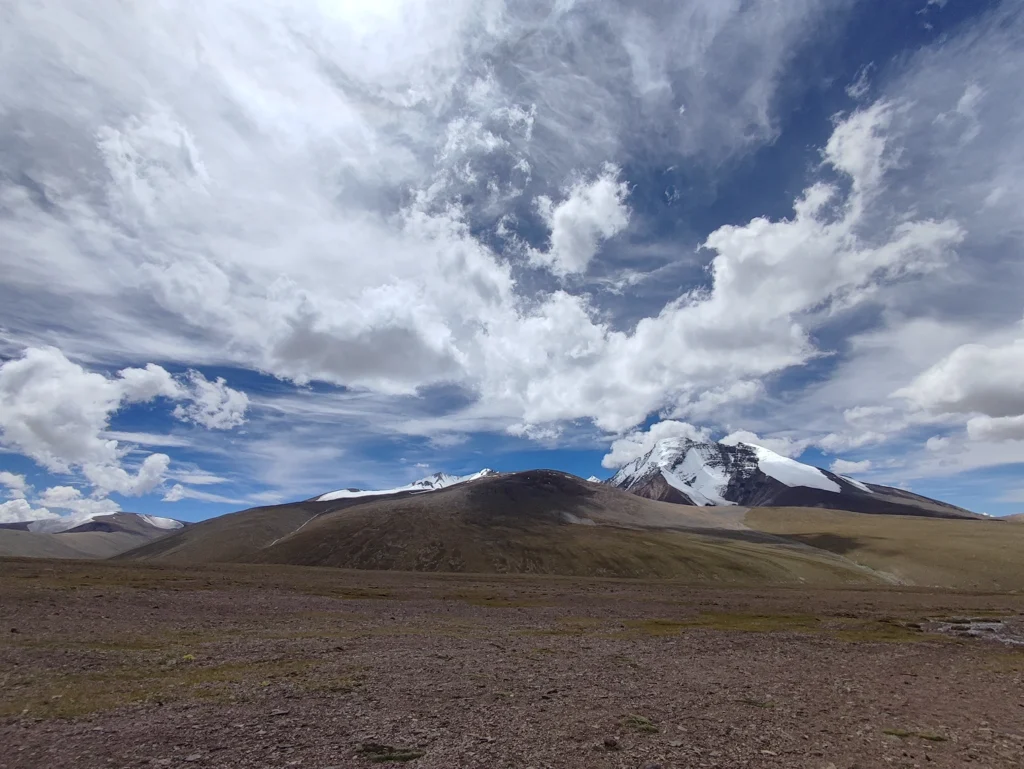
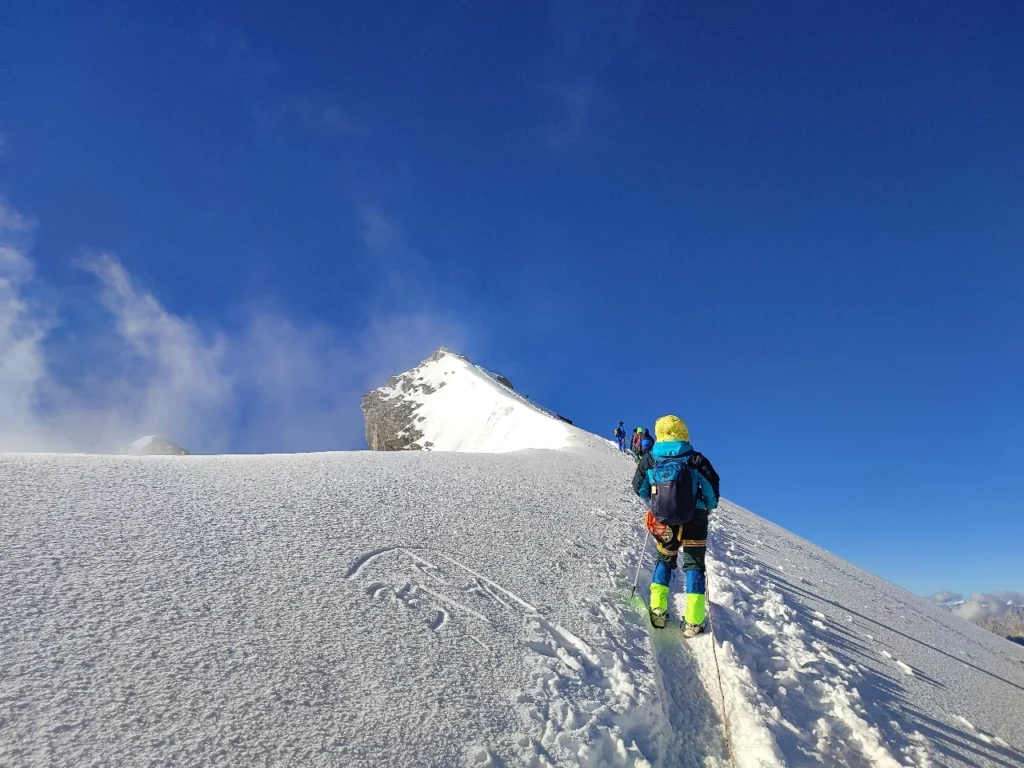
The Baljuri Peak Expedition (5,922 M) is a remote and rewarding non-technical high-altitude expedition situated deep within the Kumaon Himalayas of Uttarakhand. Though the climb does not involve ropes or technical ice climbing, Baljuri Peak demands strong endurance, disciplined acclimatization, and mental resilience, making it a serious expedition rather than a simple trek.
Baljuri Peak is known for its long approach, extended camping duration, and sustained exposure to altitude. The journey unfolds through some of the most beautiful forested and alpine landscapes in Kumaon, passing traditional villages like Khati, lush valleys, glacial rivers, and eventually into stark high-altitude terrain dominated by rock, snow, and silence.
The expedition begins from Kathgodam, gradually ascending through Khati Village and Dwali, allowing trekkers to acclimatize naturally before entering the expedition phase. Baljuri Base Camp (3,340 M) serves as the central operational hub, from where acclimatization hikes, load ferry rotations, and summit planning take place.
Despite being categorized as non-technical, the altitude of nearly 6,000 meters makes the summit push physically demanding. The thin air, cold temperatures, and long summit day require trekkers to maintain steady pacing and strong mental focus.
From the summit, trekkers are rewarded with breathtaking views of Nanda Devi, Nanda Kot, Maiktoli, and the surrounding Kumaon ranges, offering a sense of solitude rarely found on more popular peaks.
Baljuri Peak is ideal for trekkers looking to bridge the gap between high-altitude trekking and future technical expeditions, while experiencing a classic Himalayan expedition environment.
HIGHLIGHTS OF THE BALJURI PEAK EXPEDITION
- Remote and lesser-climbed Himalayan peak
- Long, immersive expedition journey through Kumaon
- Extended acclimatization and multi-camp experience
- Nearly 6,000 m non-technical summit
- Stunning views of major Kumaon peaks
- Ideal preparation for future technical expeditions
- Rich cultural experience in traditional mountain villages