
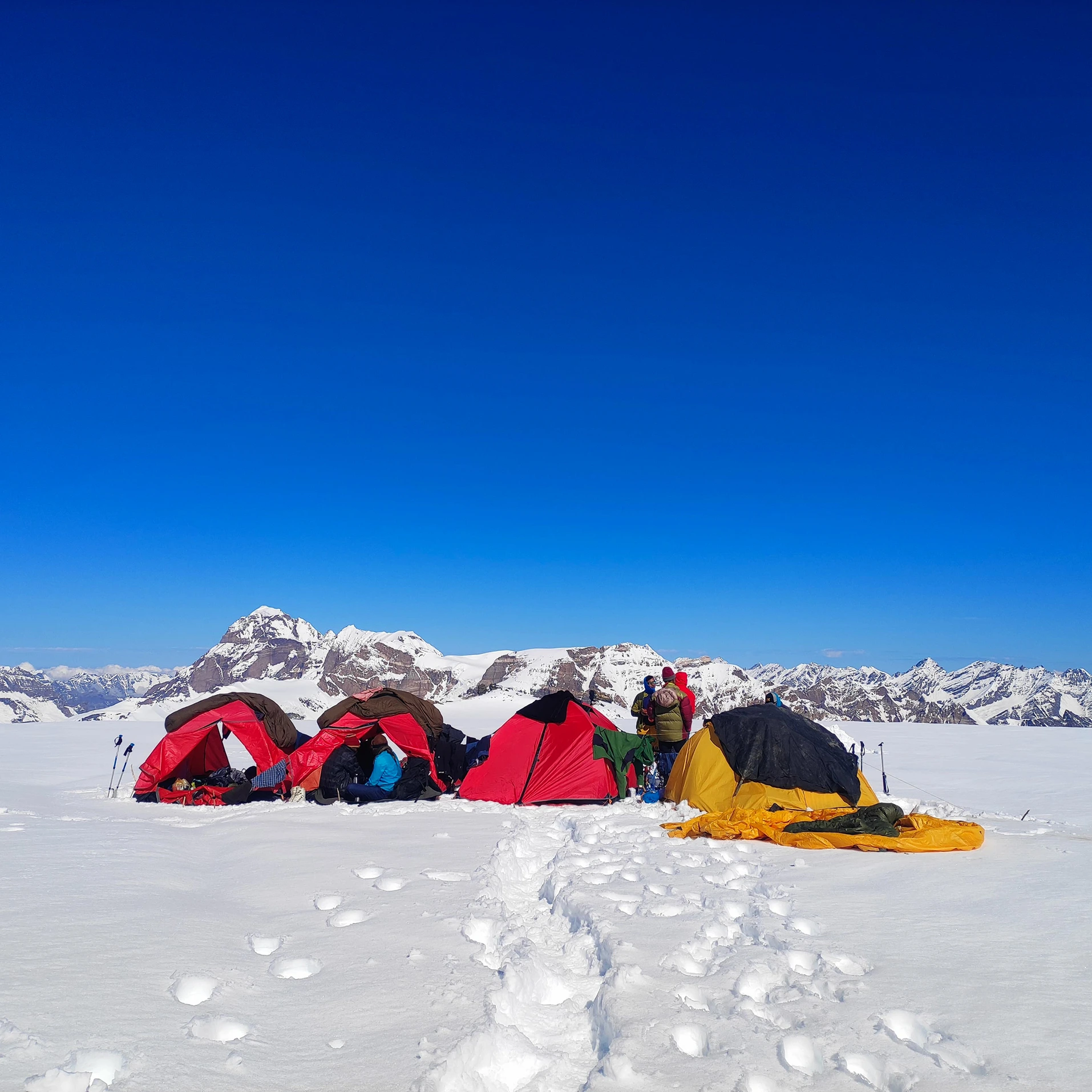
Packing for a high-altitude expedition is not a routine travel task—it is a critical survival system. Every item you carry has a purpose, and every gram of weight affects your movement, energy expenditure, and safety margin. Unlike standard trekking, where you can often compensate for missing gear, high-altitude climbing environments are unforgiving. A missing layer, inadequate gloves, or improper boots can directly impact your ability to function in extreme cold, strong winds, and oxygen-deprived conditions.
An effective expedition packing strategy is built on three core principles: functionality, redundancy, and weight optimization. Each item must serve a clear purpose, essential items must have backups where failure is critical, and overall load must remain manageable for sustained movement at altitude.
This guide provides a detailed breakdown of every category involved in high-altitude expedition packing, explaining not just what to carry, but why each item matters and how it fits into the larger system of safe climbing.
Why Packing Matters in High-Altitude Expeditions
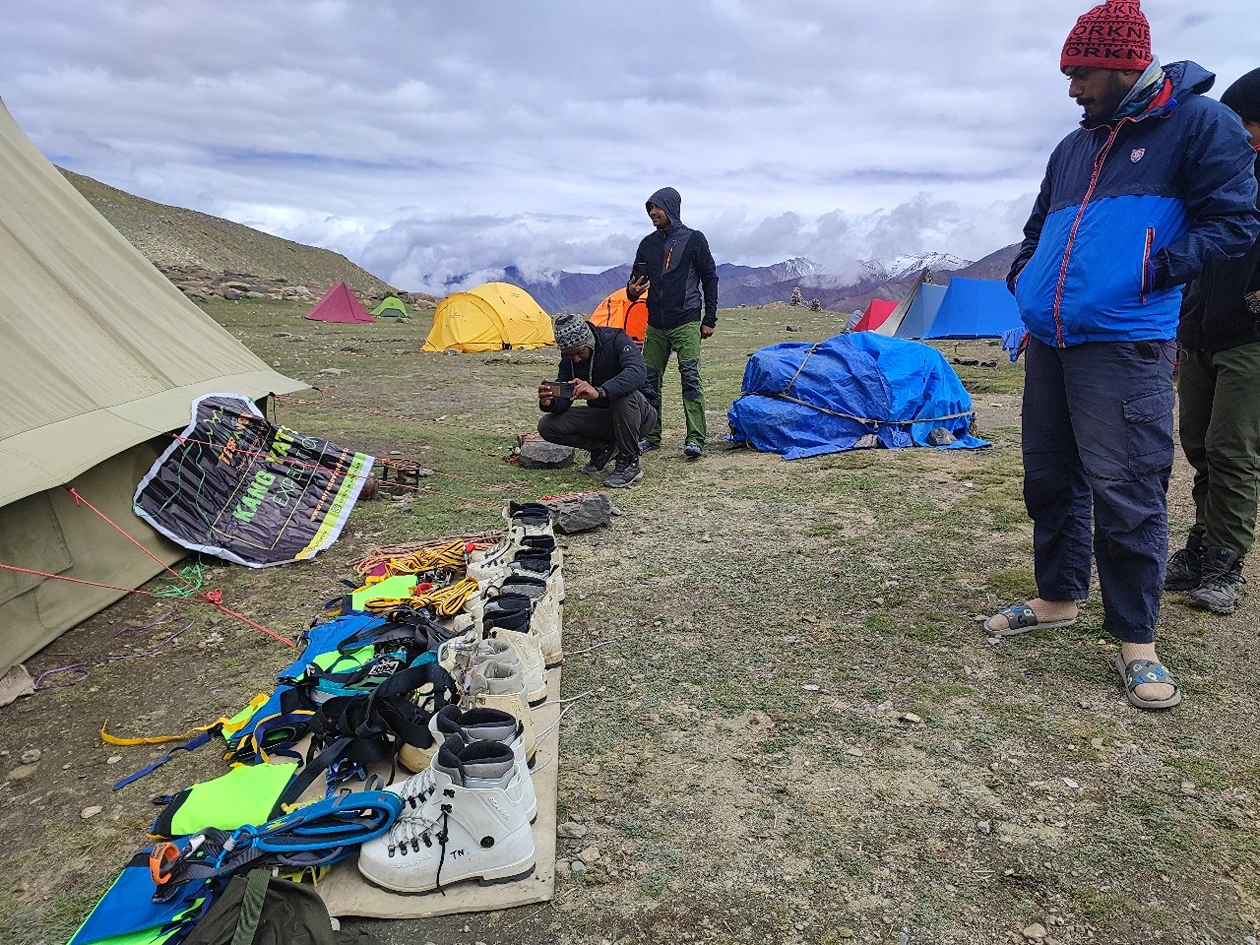
At high altitude, the margin for error is extremely narrow. Environmental conditions such as sub-zero temperatures, high winds, intense UV exposure, and reduced oxygen levels create a scenario where improper packing can escalate from inconvenience to life-threatening risk.
Packing directly affects thermoregulation, which is the body’s ability to maintain core temperature. Inadequate layering or poor-quality insulation can lead to hypothermia or frostbite, especially during summit pushes where exposure is prolonged.
Weight management is equally important. Carrying excessive load increases fatigue, slows pace, and raises the risk of exhaustion. At altitude, even minor inefficiencies compound quickly due to reduced oxygen availability. Efficient packing allows climbers to conserve energy and maintain steady progress.
Packing also impacts decision-making and safety response. Access to critical gear such as gloves, headlamps, or emergency layers must be immediate. Poor organization can delay response time in rapidly changing conditions.
In essence, packing is not just preparation—it is part of your climbing system.
Clothing System (Layering is Key)
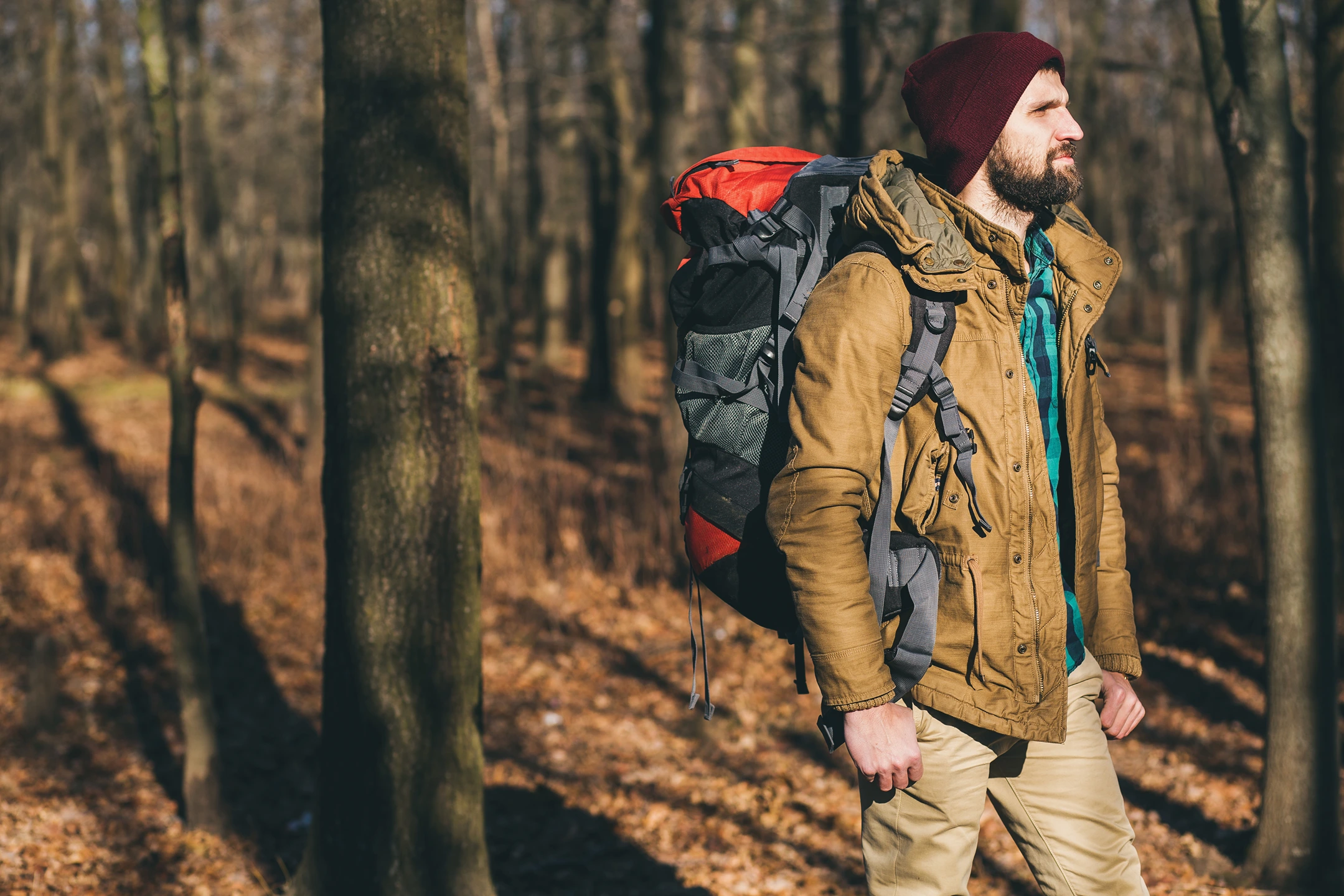
The clothing system for high-altitude climbing is built around layering, which allows climbers to regulate body temperature by adding or removing layers based on activity level and weather conditions.
The base layer is responsible for moisture management. It sits directly against the skin and should be made of materials that wick sweat away efficiently. Keeping the skin dry is critical in preventing heat loss.
The mid layer provides insulation. Fleece jackets, softshell layers, or lightweight insulated jackets trap body heat and maintain warmth during movement. This layer should balance insulation with breathability to avoid overheating.
The outer shell acts as a barrier against wind, snow, and moisture. High-quality waterproof and windproof jackets and pants are essential for protecting against harsh mountain weather. Breathability is equally important to allow moisture to escape.
Insulation layers, such as down jackets, are used during rest periods and at high camps where temperatures drop significantly. These layers provide maximum warmth with minimal weight.
Accessories such as thermal gloves, mittens, balaclavas, and insulated hats are crucial for protecting extremities. Layering should extend to the hands and face, as these areas are most vulnerable to frostbite.
A well-designed layering system allows climbers to adapt quickly to changing conditions without compromising comfort or safety.
Footwear
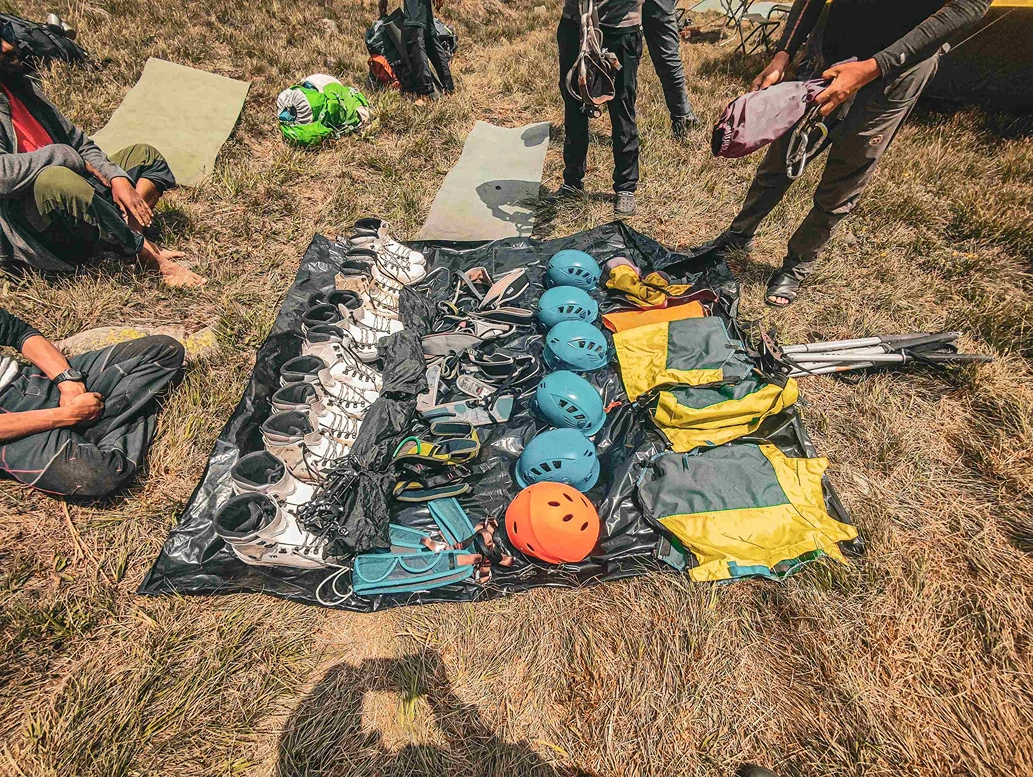
Footwear is one of the most critical components of any high-altitude expedition. The right boots must provide insulation, support, compatibility with crampons, and protection against extreme cold.
High-altitude boots are typically double or triple-layered systems designed to retain heat while allowing moisture to escape. These boots often include removable inner liners that can be dried inside sleeping bags overnight.
Crampon compatibility is essential. Boots must have rigid soles and secure attachment points to ensure stability on ice and snow. Poorly fitted boots can lead to instability, blisters, and increased fatigue.
Socks play an equally important role. Layered sock systems, including moisture-wicking liners and insulated outer socks, help maintain warmth and reduce friction.
Gaiters are used to prevent snow from entering boots and to provide additional insulation around the lower leg.
Footwear failures at altitude can quickly escalate into serious problems, making this category non-negotiable in terms of quality and fit.
Technical Climbing Equipment
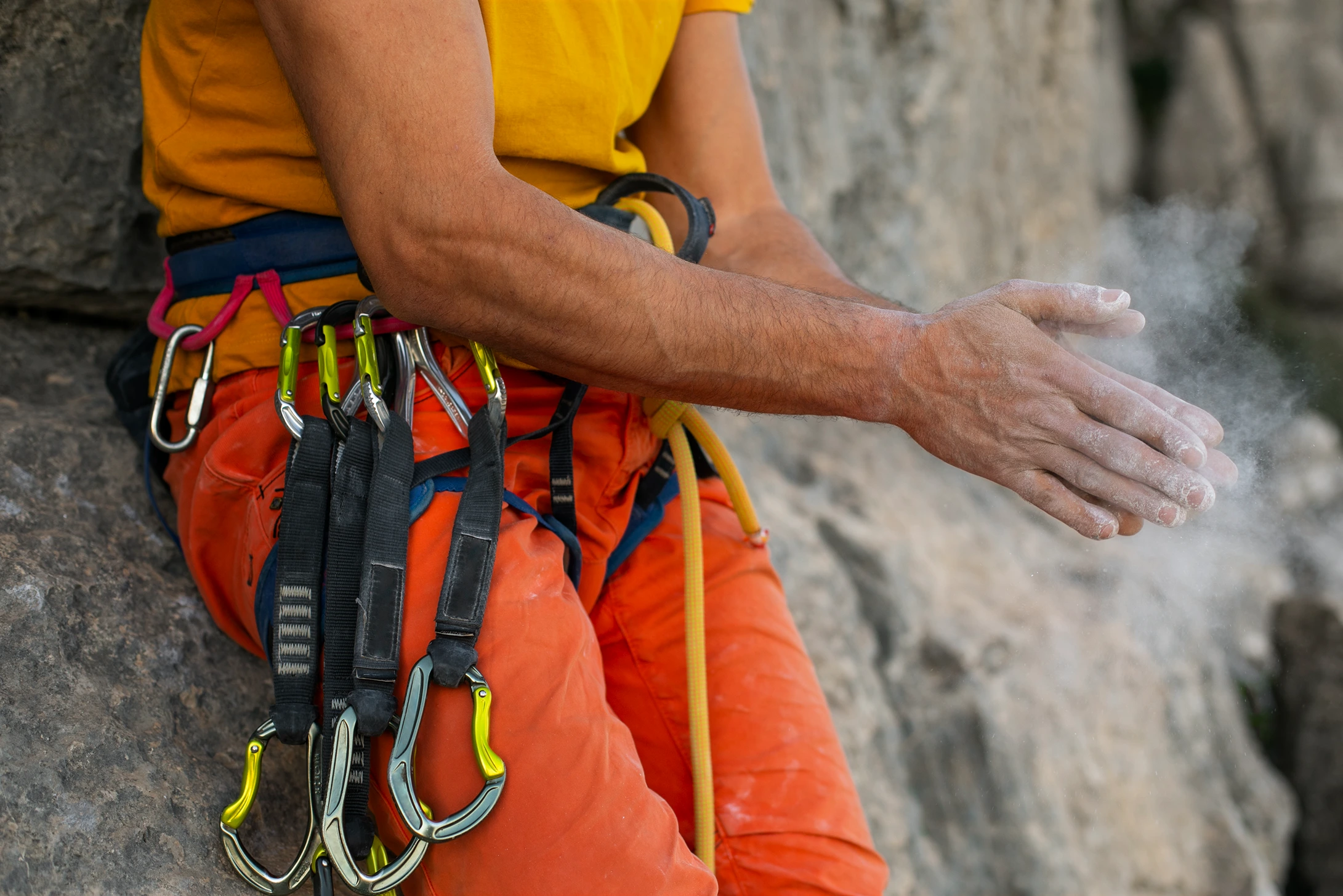
Technical gear forms the backbone of mountaineering safety systems. Each piece must be reliable, properly maintained, and familiar to the climber.
Crampons are essential for movement on ice and hard snow. They provide traction and stability on steep slopes. Proper adjustment and fitting are crucial for safe use.
Ice axes serve multiple functions, including balance, self-arrest, and anchoring. Climbers must be proficient in using the ice axe in various situations.
Harnesses, carabiners, and rope systems are used for securing climbers during ascent and descent. Ascenders and descenders are used for moving along fixed ropes, which are common on steep sections.
Helmets protect against falling rocks and ice, which are common hazards in alpine environments.
Each item must be tested and practiced with before the expedition. Technical gear is only effective if the climber knows how to use it efficiently under stress.
Backpacks and Bags
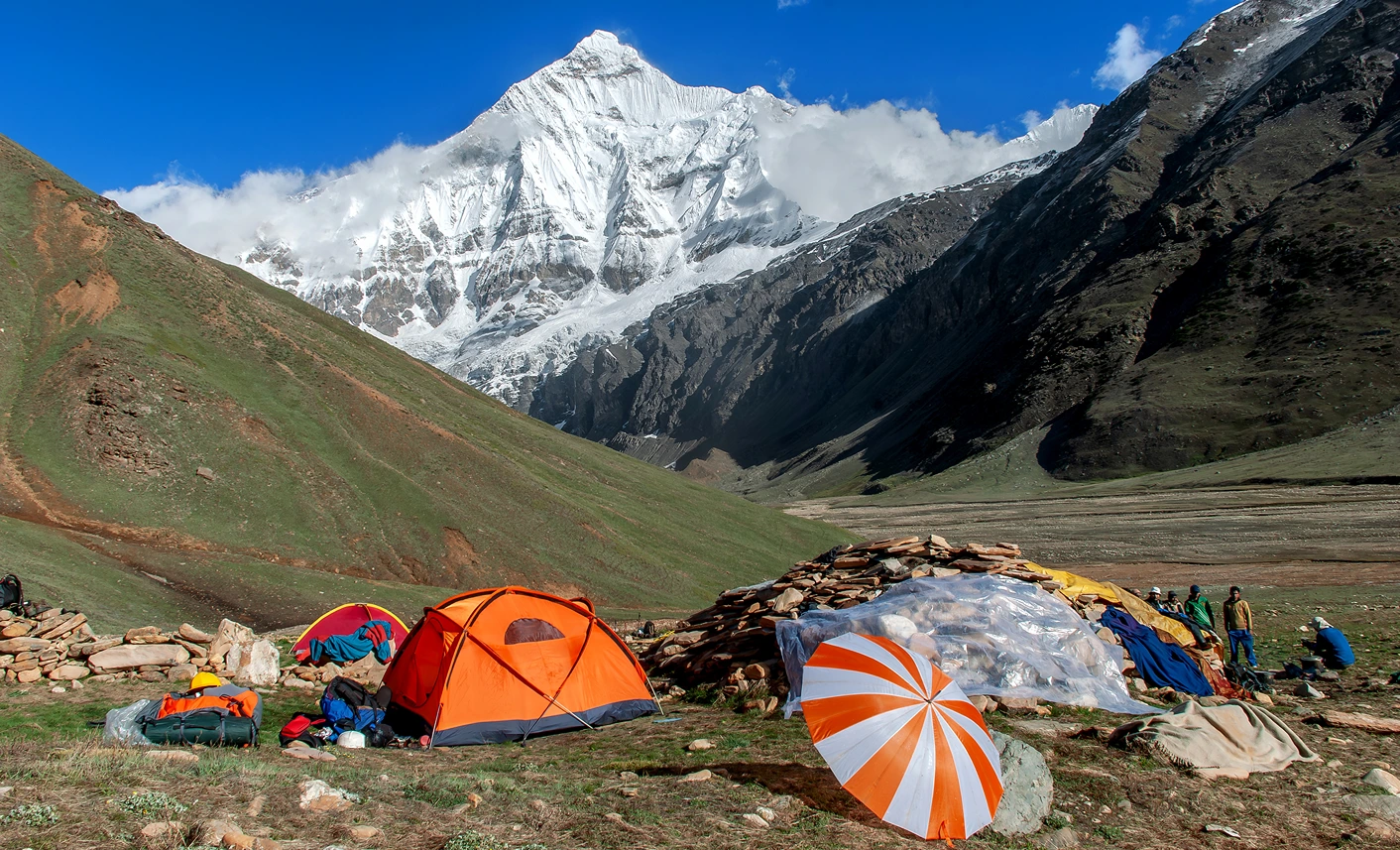
Load management begins with selecting the right backpack system. High-altitude expeditions typically involve multiple bags, including a large duffel for transport and a technical backpack for climbing days.
The main expedition duffel is used to carry bulk gear to base camp. It should be durable, weather-resistant, and spacious enough to accommodate all equipment.
The climbing backpack should be lightweight, ergonomic, and designed for technical movement. It must allow easy access to essential gear such as water, snacks, gloves, and safety equipment.
Proper weight distribution within the backpack reduces strain on the back and improves balance. Heavier items should be positioned close to the body’s center of gravity.
Compression systems and external attachment points help secure gear and prevent movement during climbing.
Sleeping Gear
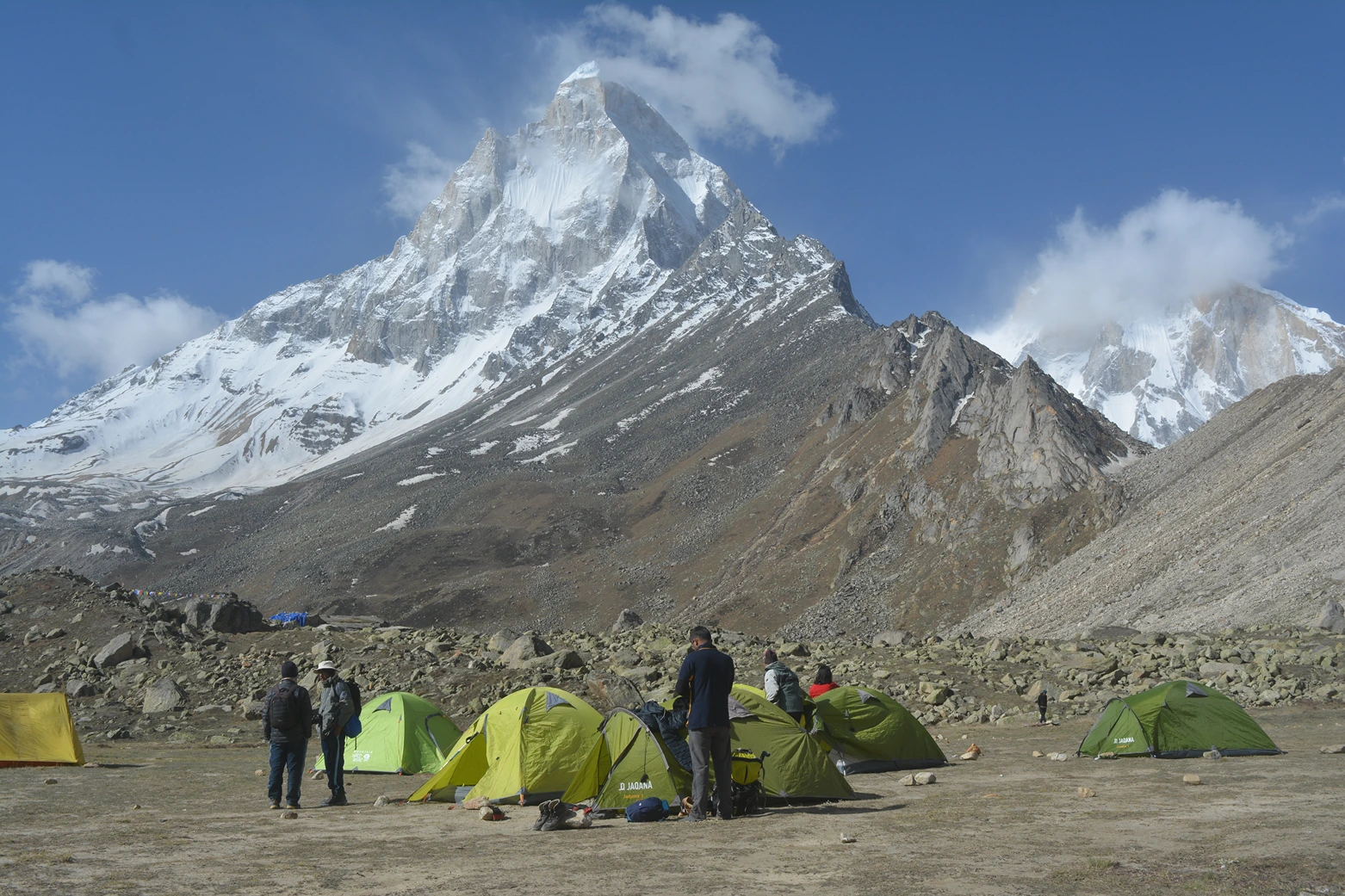
Rest and recovery at altitude are directly linked to sleeping systems. Poor sleep reduces energy levels, slows recovery, and impairs decision-making.
Sleeping bags for high-altitude expeditions must be rated for extreme cold conditions. Down-filled sleeping bags are preferred for their high warmth-to-weight ratio.
Sleeping mats provide insulation from the cold ground and improve comfort. Inflatable mats combined with foam layers offer better insulation and redundancy.
Sleeping bag liners can add additional warmth and help maintain hygiene over long expeditions.
A reliable sleeping system ensures that climbers recover effectively between climbing days.
Personal Accessories
Small accessories often have a significant impact on comfort and efficiency. Items such as sunglasses with UV protection are essential to prevent snow blindness at high altitude.
Headlamps are critical for early morning summit pushes and nighttime movement. Extra batteries should always be carried, as cold temperatures reduce battery performance.
Water bottles or hydration systems must be insulated to prevent freezing. Wide-mouth bottles are preferred as they are easier to use in cold conditions.
Trekking poles help reduce strain on knees and improve balance during long approaches and descents.
These accessories may seem minor, but they contribute significantly to overall expedition efficiency.
Nutrition and Personal Snacks
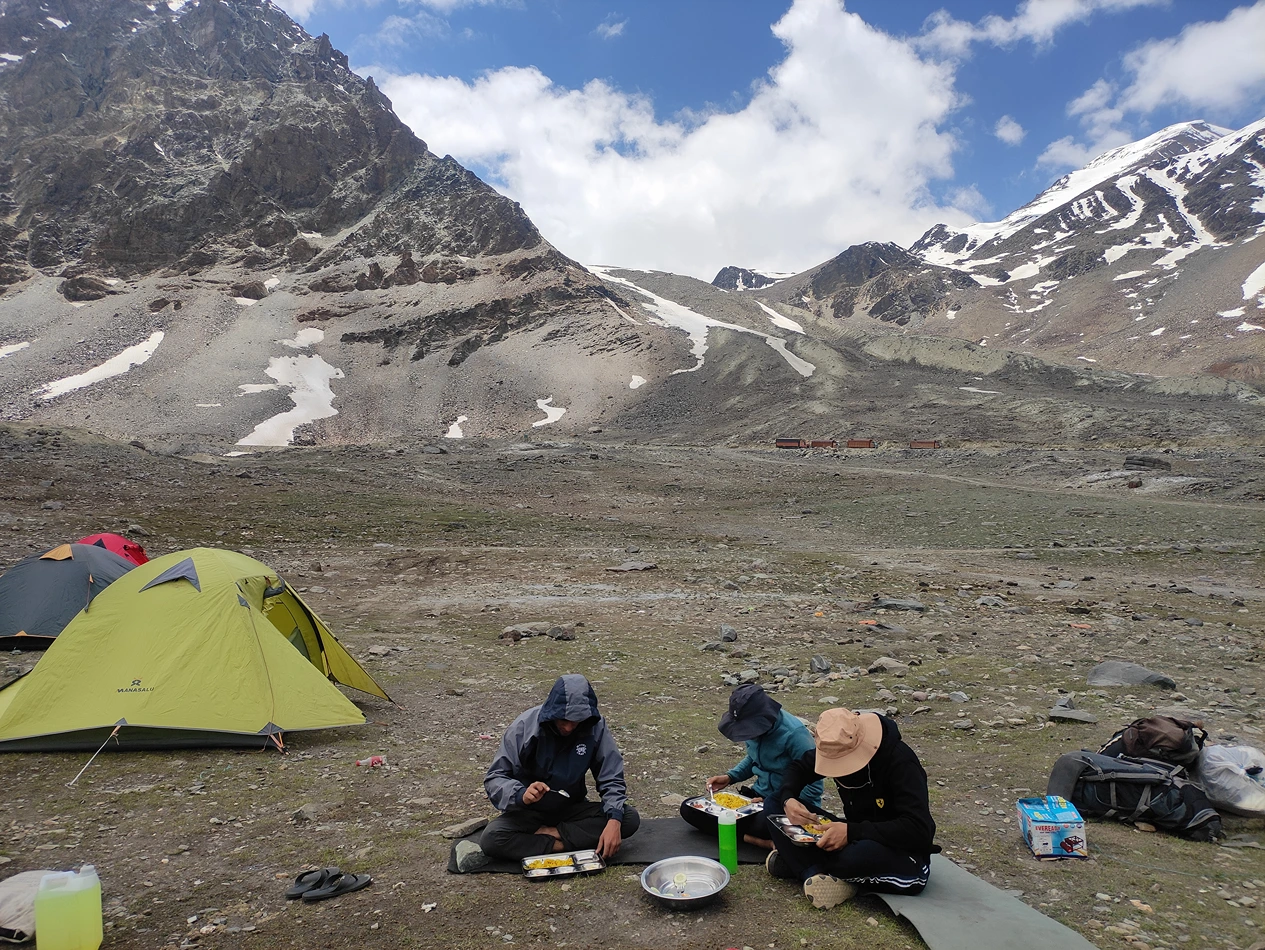
Food planning at altitude must focus on energy density, digestibility, and convenience. Personal snacks play a key role in maintaining energy levels during long climbing days.
Climbers should carry a mix of carbohydrates, proteins, and fats in easily consumable forms. Energy bars, nuts, dried fruits, and chocolate are common choices.
Hot drinks such as tea, coffee, and soups provide both hydration and warmth, improving morale in harsh conditions.
Personal preferences matter. Familiar foods are easier to consume when appetite decreases at altitude.
Regular snacking helps maintain stable energy levels and prevents fatigue.
Medical and First Aid Kit
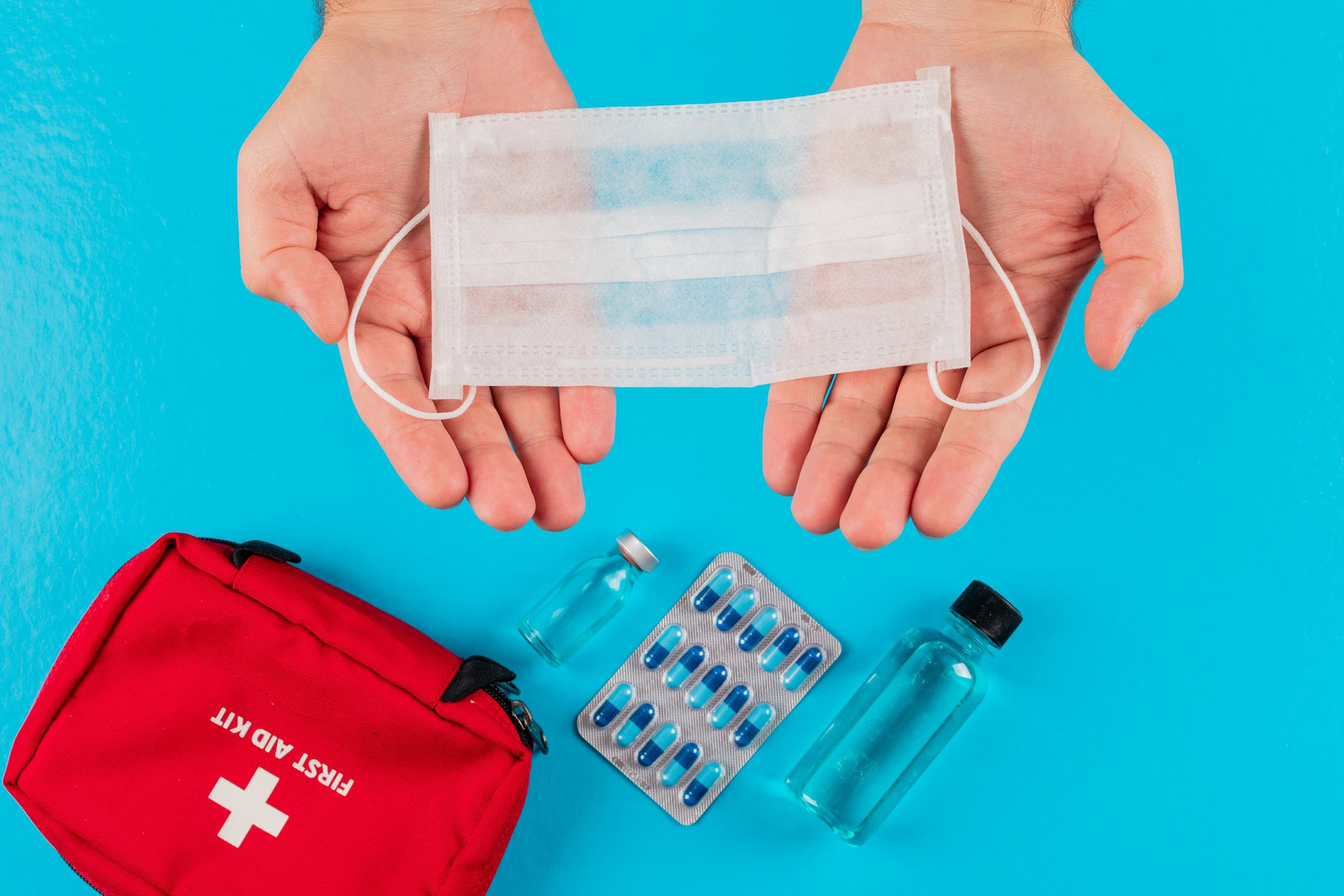
A well-prepared medical kit is essential for managing minor injuries and responding to early signs of altitude-related issues.
Basic supplies include bandages, antiseptics, pain relievers, and blister treatment materials. Altitude-specific medications may also be included based on medical advice.
Personal medications must be carried in sufficient quantity for the entire expedition.
Understanding how to use the contents of the medical kit is as important as carrying it.
Documents and Essentials
Administrative preparedness is often overlooked but is crucial for expedition success. Permits, identification documents, and insurance papers must be securely stored and easily accessible.
Climbers should carry both physical and digital copies of important documents. Waterproof storage solutions protect documents from damage.
Emergency contact information should be clearly documented and accessible.
Electronics and Navigation
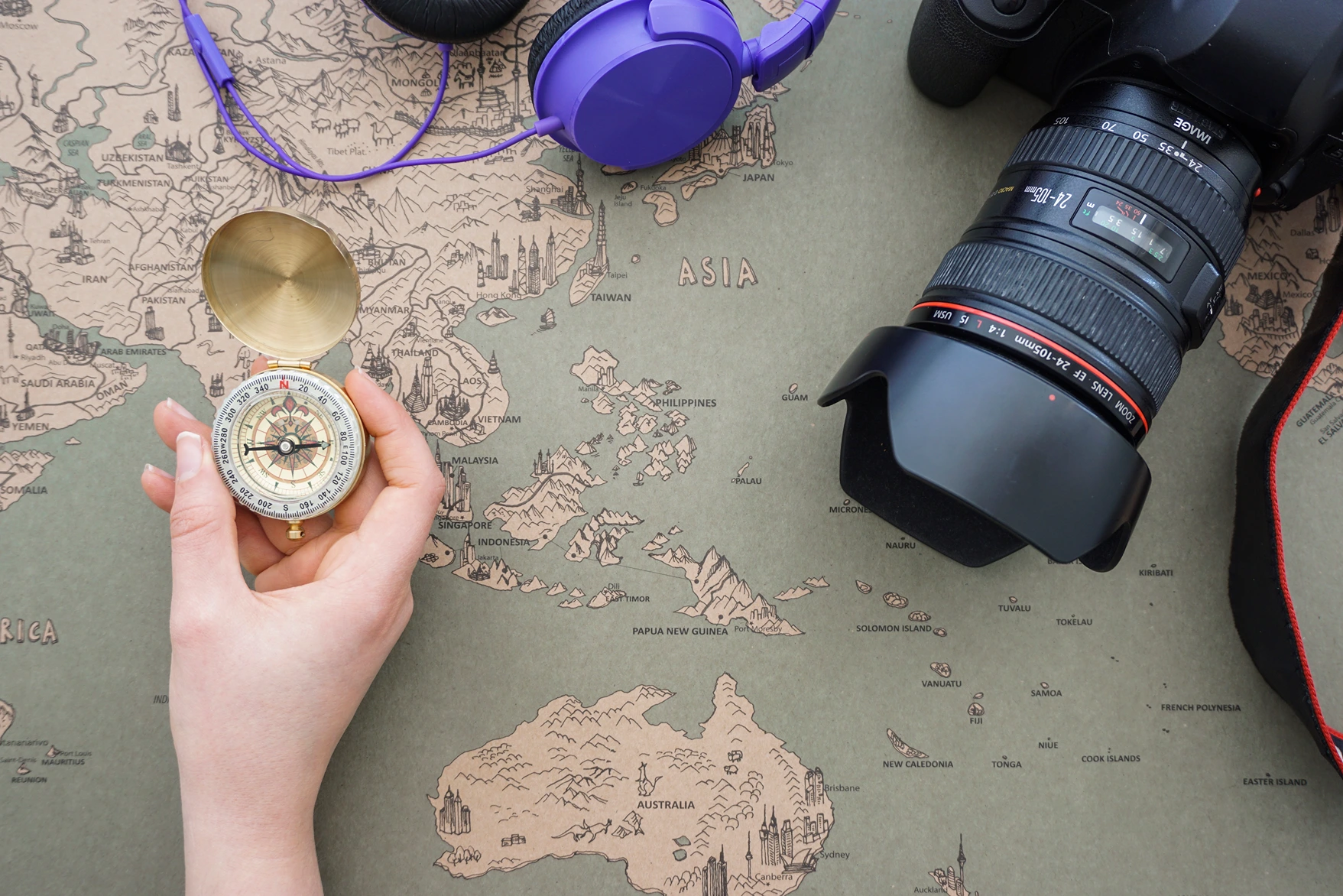
Modern expeditions rely on a combination of traditional navigation skills and electronic tools. GPS devices, satellite communication systems, and altimeters are commonly used.
Power management becomes critical in cold environments. Extra batteries and power banks are necessary, and devices should be insulated to prevent battery drain.
Navigation tools must be backed up with physical maps and compass knowledge.
Hygiene and Comfort Items
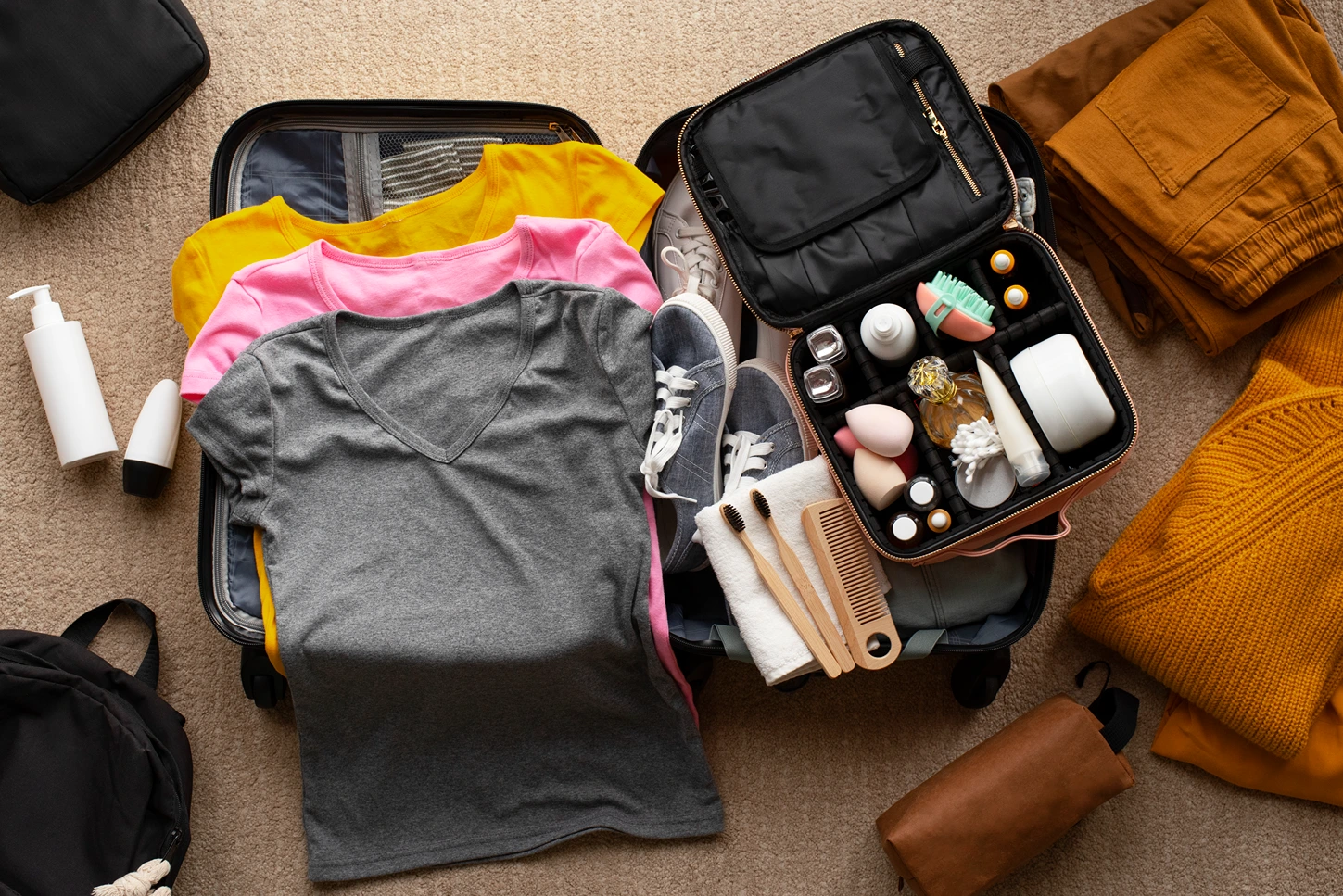
Maintaining hygiene at altitude is challenging but important for health and morale. Wet wipes, biodegradable soap, and small towels help maintain basic cleanliness.
Lip balm, sunscreen, and moisturizers protect against extreme dryness and UV exposure.
Toilet supplies must be managed responsibly, especially in environmentally sensitive areas.
Comfort items such as a small pillow or personal keepsake can improve mental well-being during long expeditions.
What NOT to Pack
Overpacking is one of the most common mistakes in expedition planning. Unnecessary items add weight without providing functional value.
Items such as heavy clothing, duplicate gear without purpose, and non-essential electronics should be avoided.
Luxury items that do not contribute to safety, performance, or recovery should be minimized.
Every item must justify its place in your pack.
Packing Tips from Expedition Experts
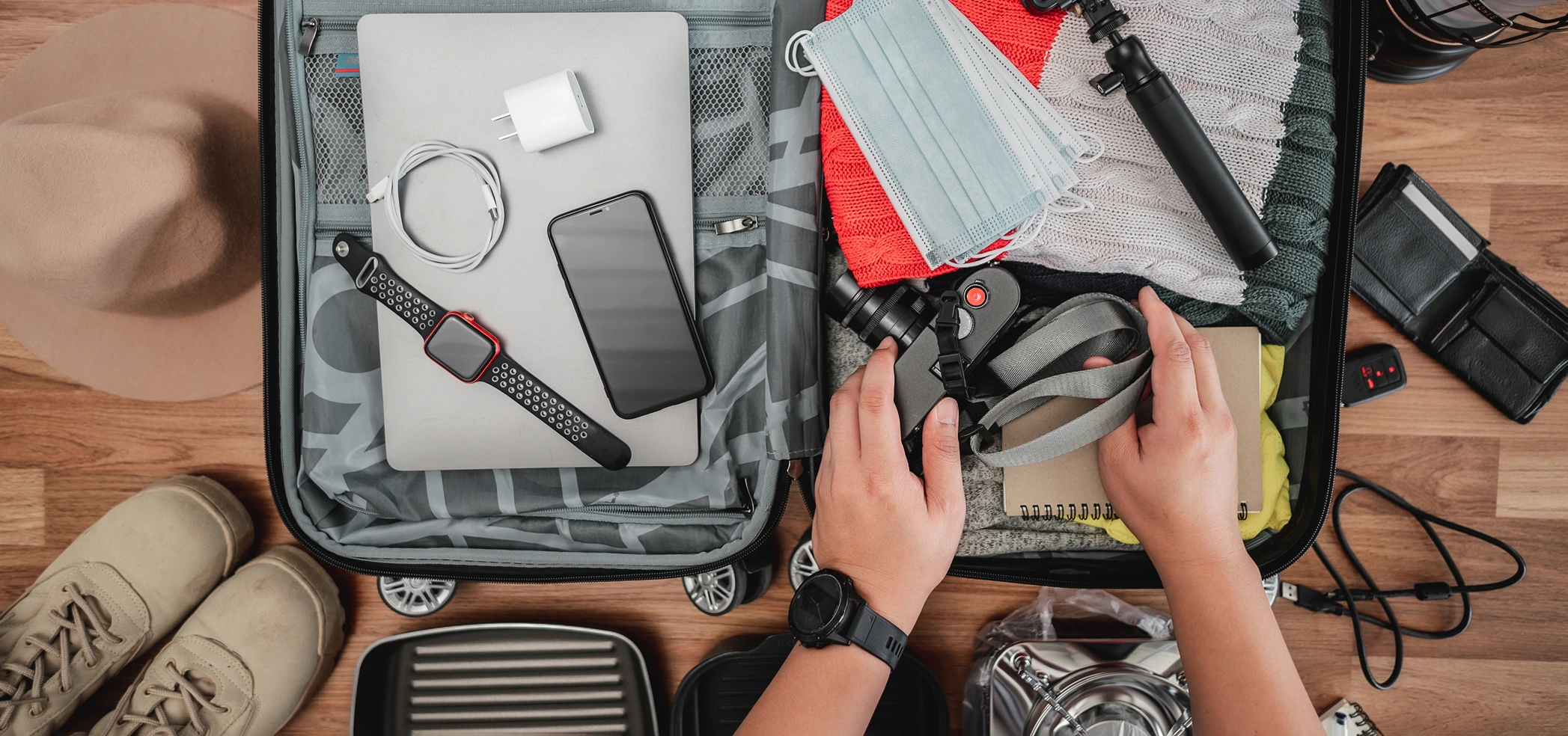
Experienced climbers focus on organization and accessibility. Gear should be categorized and packed in a way that allows quick retrieval.
Critical items such as gloves, headlamps, and snacks should be easily accessible without unpacking the entire bag.
Waterproof packing systems protect gear from snow and moisture.
Testing your packing system before the expedition helps identify inefficiencies.
Efficiency in packing translates directly into efficiency on the mountain.
Renting vs Buying Gear
For beginners or occasional climbers, renting high-altitude gear can be a cost-effective option. Renting allows access to specialized equipment without large upfront investment.
However, personal gear such as boots, base layers, and gloves should ideally be owned to ensure proper fit and comfort.
Experienced climbers often invest in high-quality gear tailored to their needs, which improves reliability and long-term performance.
The decision between renting and buying depends on frequency of climbing, budget, and personal preference.
Sample Packing Weight Guide
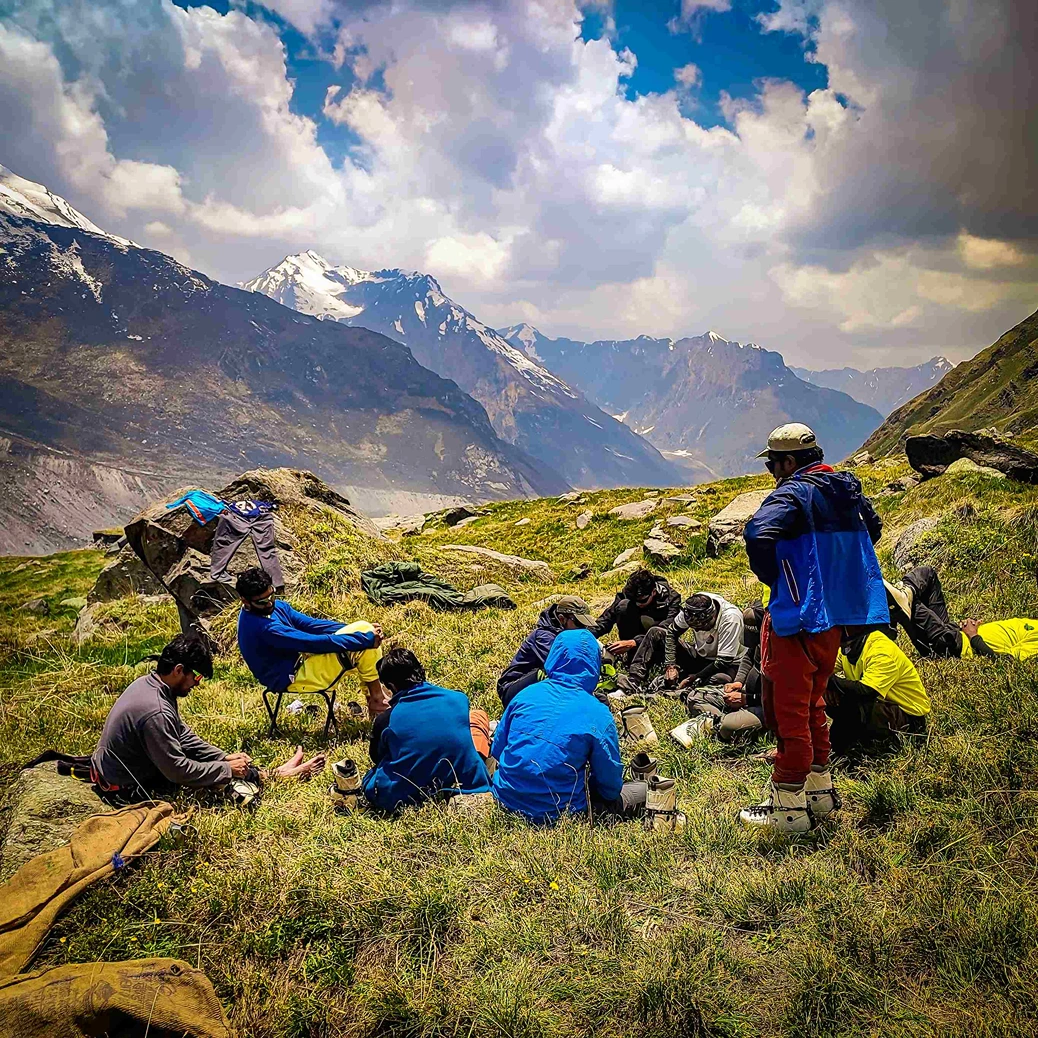
Weight management is critical for maintaining efficiency at altitude. A typical high-altitude expedition pack is divided into categories based on use.
Approach and base camp gear is often heavier, as it includes sleeping systems and bulk equipment. Summit packs are lighter and contain only essential climbing gear, food, and safety items.
A well-balanced system ensures that climbers carry only what is necessary at each stage of the expedition.
Understanding how to distribute weight across different phases of the climb helps optimize performance and reduce fatigue.
Conclusion
Packing for a high-altitude expedition is a deliberate and strategic process that directly influences safety, performance, and overall success. Each item must serve a purpose within a carefully planned system that balances functionality, weight, and reliability.
From layering systems and technical equipment to nutrition and medical preparedness, every component plays a role in supporting the climber in extreme environments. Efficient packing not only improves movement and endurance but also enhances the ability to respond effectively to changing conditions.
A well-packed expedition is not just organized—it is prepared.
