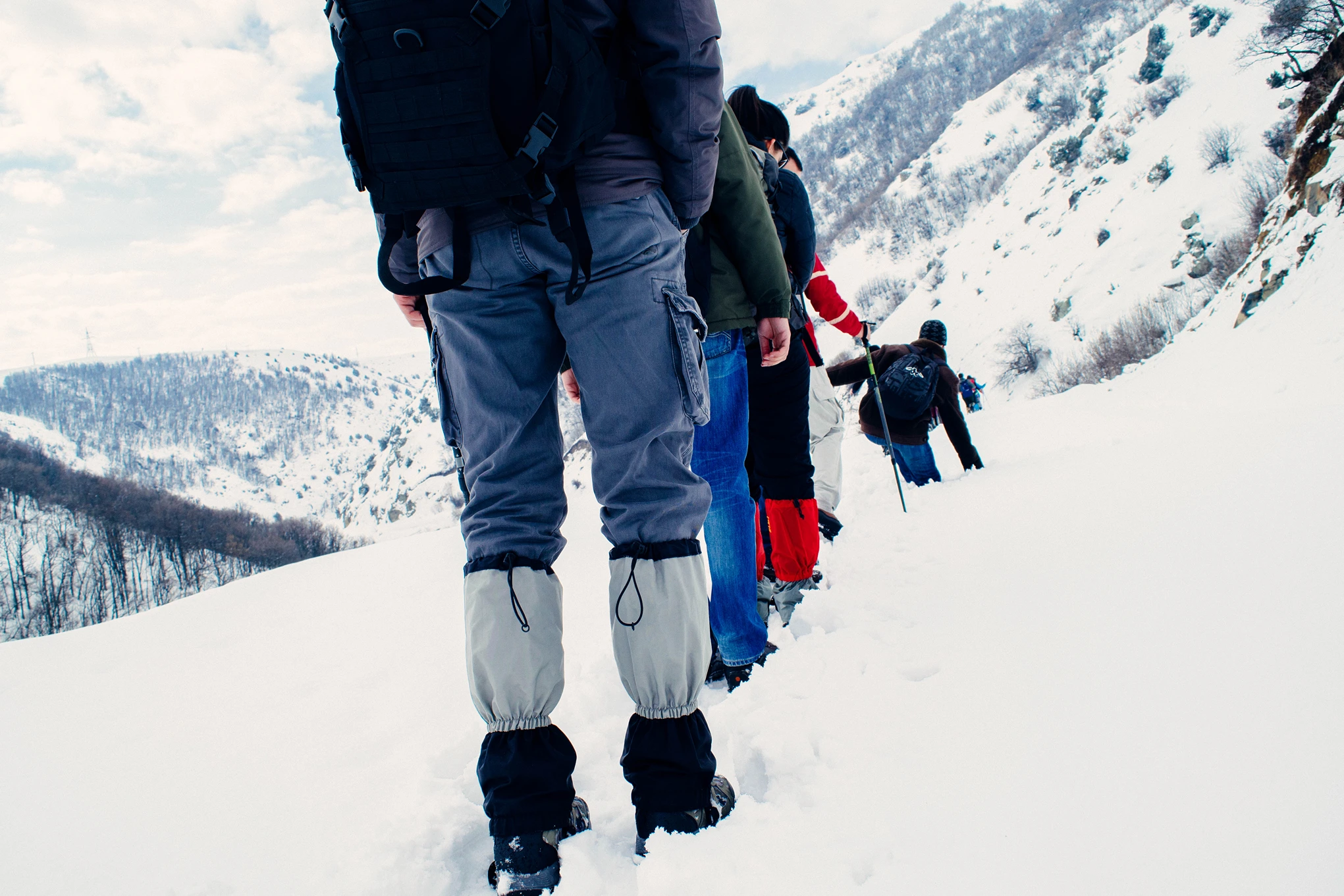
The first time you wear crampons and hold an ice axe in the Himalayas, something changes mentally.
Until that moment, trekking still feels familiar. You walk on trails, climb ridges, and manage altitude. But once snow slopes appear and mountaineering equipment comes out of the backpack, the mountains begin feeling more serious.
That transition is unforgettable.
I still remember my first proper snow slope training session during an expedition preparation climb. The crampons felt awkward, heavy, and strangely aggressive under my boots. Every step sounded metallic against hard snow. The ice axe felt less like a tool and more like something I did not yet fully understand.
Within the first ten minutes, I accidentally hit my own pant leg with a crampon point.
That was my first lesson.
Because ice axes and crampons are not “accessories” in mountaineering.
They are survival tools.
And like every survival tool in the mountains, they demand respect, technique, and practice.
This guide breaks down the fundamentals of ice axe and crampon usage for beginners—not in an overly technical classroom format, but through practical Himalayan understanding and real climbing experience.
Why Ice Axes and Crampons Matter
Once trekkers enter snow and glacier terrain, regular walking techniques stop working efficiently.
Snow creates:
• Slippery surfaces
• Steep slopes
• Hidden instability
• Loss of traction
This is where crampons and ice axes become essential.
Together, they help climbers:
• Maintain grip on snow and ice
• Improve balance
• Prevent dangerous slips
• Move efficiently on steep terrain
• Arrest falls if slipping occurs
Without proper technique, however, these tools can become dangerous very quickly.
Understanding the Ice Axe
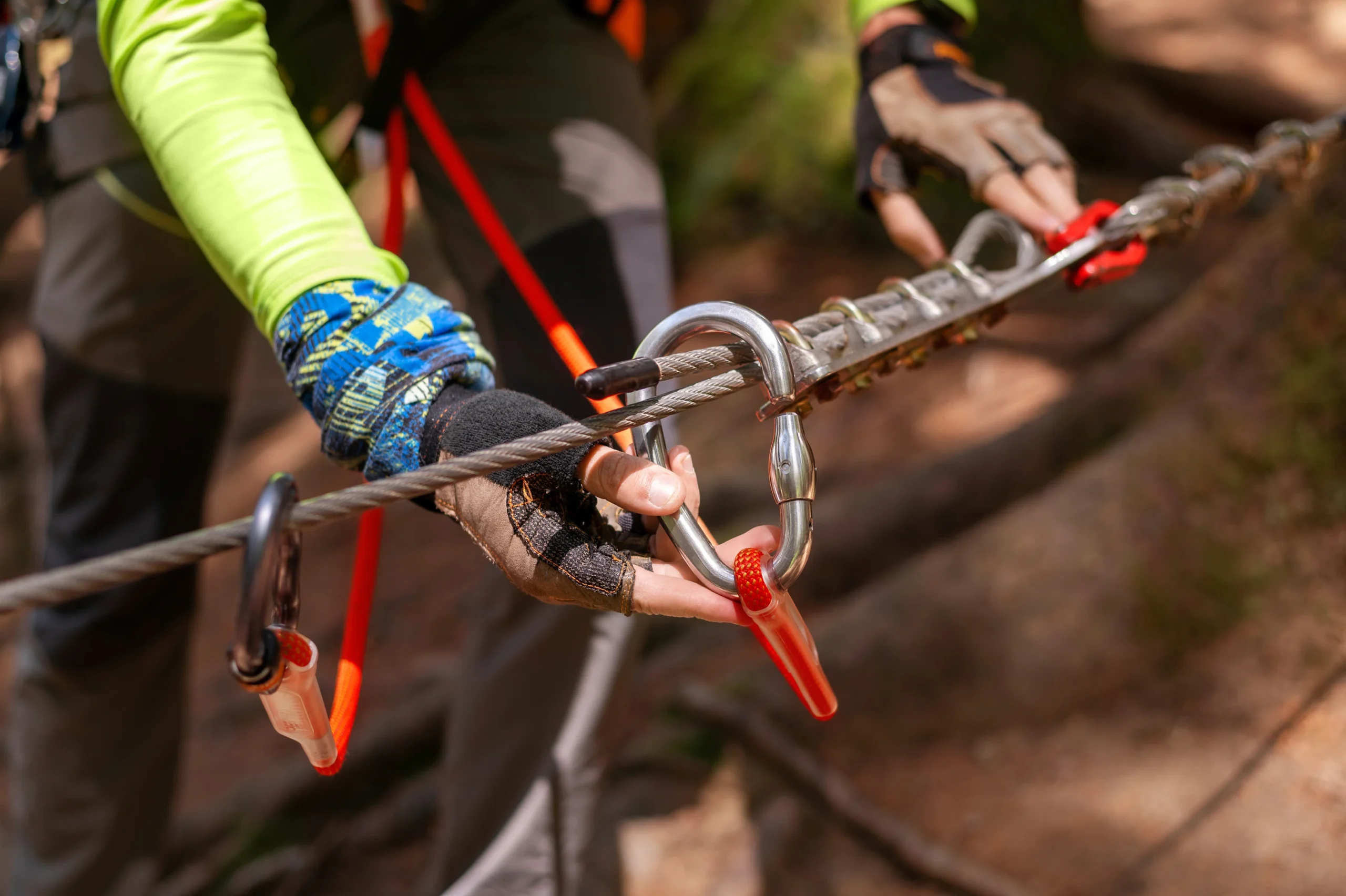
An ice axe is one of the most iconic tools in mountaineering.
But beginners often misunderstand its purpose.
It is not only for dramatic summit photographs.
A properly used ice axe helps with:
• Stability
• Balance
• Snow climbing
• Self-arrest during slips
• Anchoring on snow slopes
In simple terms:
The ice axe becomes an extension of your movement system on snow terrain.
Parts of an Ice Axe
Before using it properly, every beginner should understand its basic structure.
Head
The top metal section.
Usually includes:
• Pick
• Adze
Pick
The pointed curved side used for:
• Grip on hard snow or ice
• Self-arrest during falls
Adze
The flat blade-like side.
Used for:
• Cutting steps
• Snow platform work
Shaft
The main handle of the axe.
Spike
The pointed bottom tip used for:
• Stability while walking
• Snow penetration during movement
My First Mistake with an Ice Axe
During one early snow climb, I treated the ice axe like a trekking pole.
That was a mistake.
Instead of planting it correctly into snow, I used it casually for balance without understanding proper grip or positioning.
Later, while crossing a steeper section, I realized how important proper hand placement and axe orientation actually are.
That moment changed how I approached snow movement.
Lesson from Experience:
An ice axe only becomes useful when technique becomes instinctive.
Basic Ice Axe Grip for Beginners
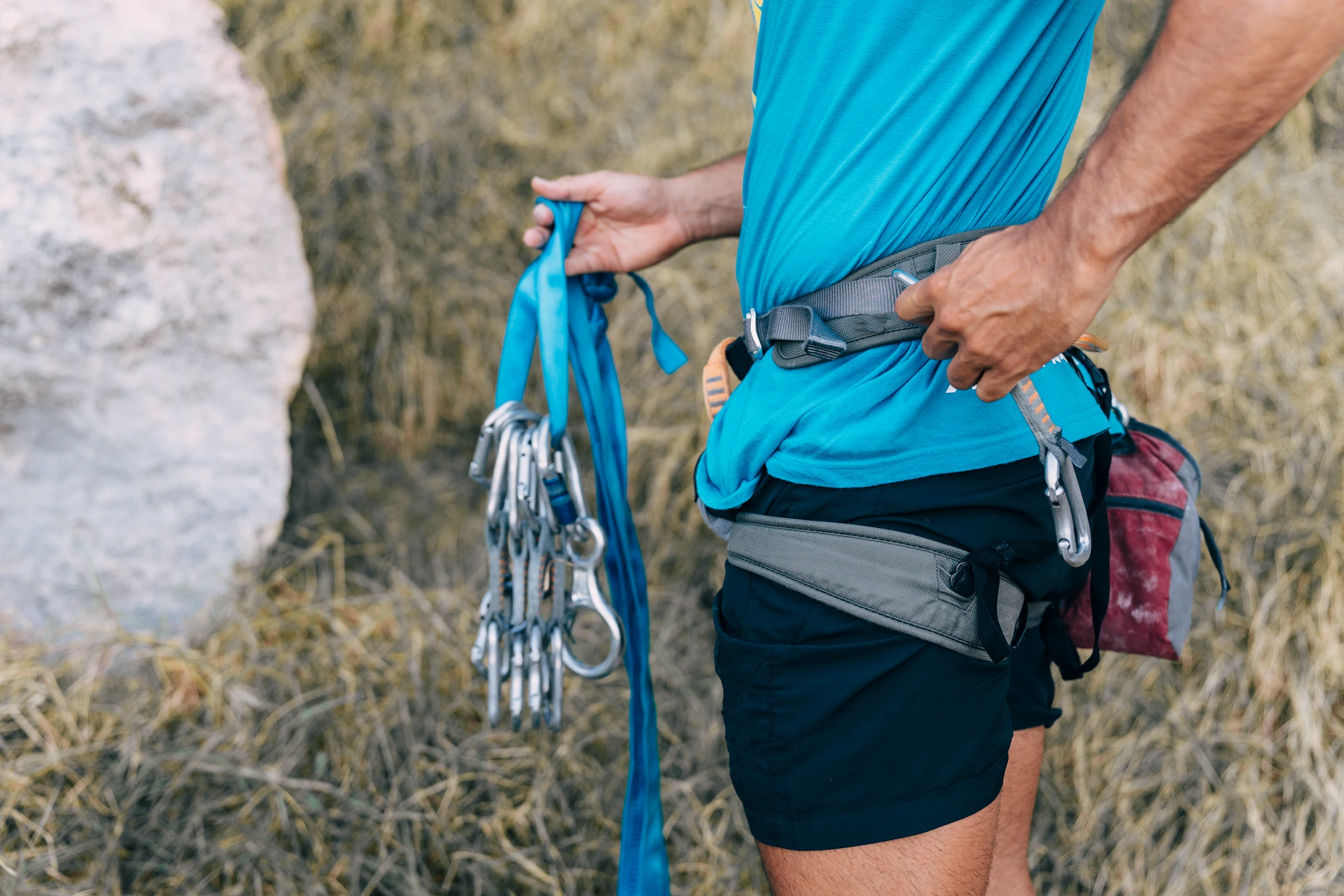
The most common beginner grip is:
• Hold the axe by the head
• Keep the pick facing backward while ascending moderate snow slopes
This allows:
• Better stability
• Faster self-arrest positioning
• Controlled movement on snow
Grip changes depending on:
• Slope angle
• Terrain steepness
• Climbing direction
Walking with an Ice Axe
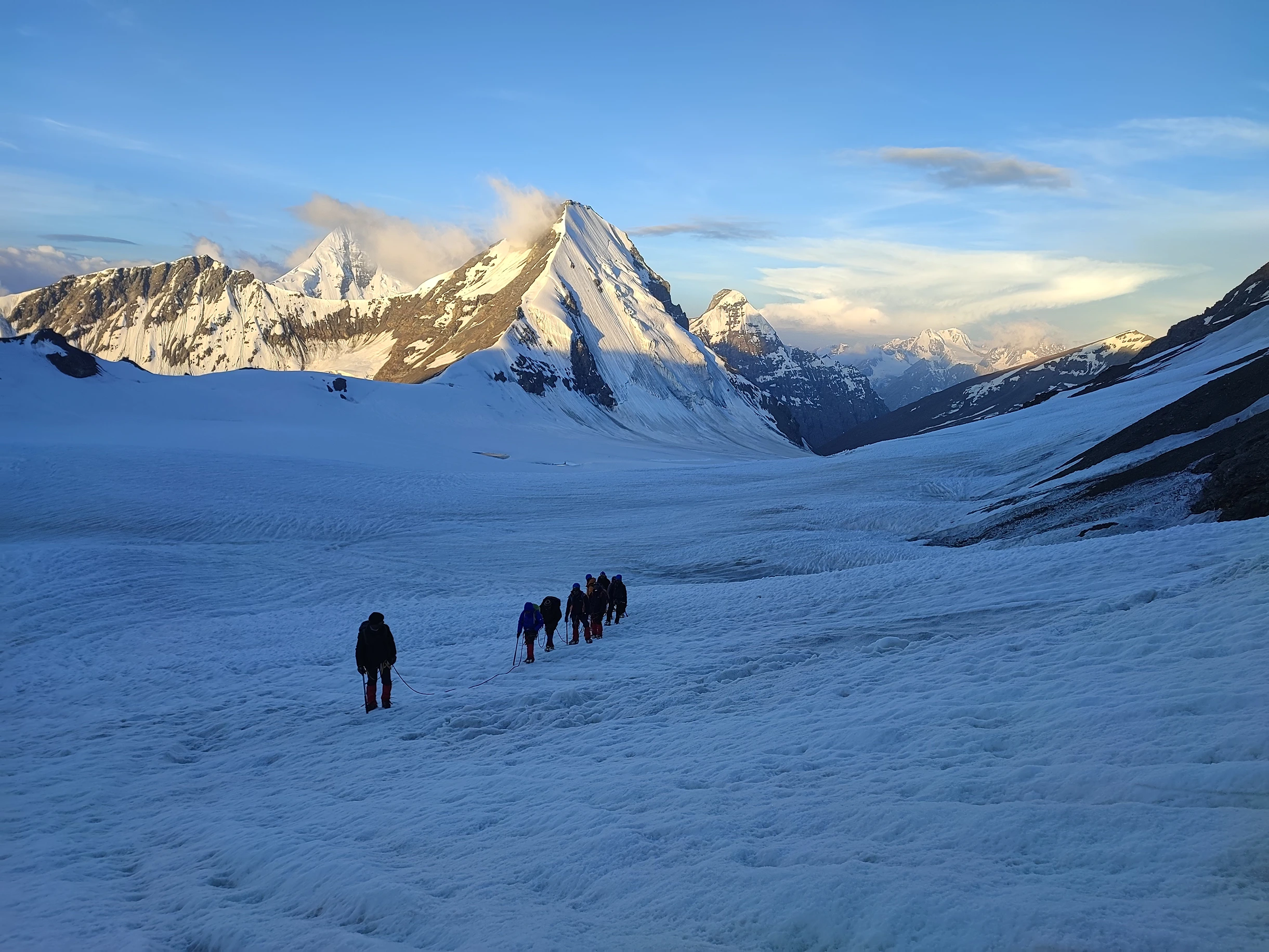
One of the first skills beginners learn is rhythm.
Movement on snow is not rushed.
A simple basic pattern becomes:
• Step
• Plant axe
• Stabilize
• Move again
The axe should feel like a third point of balance.
Initially, this movement feels slow and unnatural.
Over time, it becomes automatic.
Understanding Self-Arrest
Self-arrest is one of the most important ice axe skills in mountaineering.
It is the technique used to stop yourself after slipping on snow.
The first time I practiced self-arrest during training, it looked simple while instructors demonstrated it.
Then my turn came.
The moment your body starts sliding downhill unexpectedly, panic arrives fast.
That is exactly why repetition matters.
Because in real mountain conditions, reaction time becomes critical.
What Happens During a Slip on Snow
When climbers slip:
• Speed increases rapidly
• Control disappears quickly
• Panic destroys coordination
Without proper self-arrest technique, even moderate snow slopes can become dangerous.
Basic Self-Arrest Technique
The general principle involves:
• Rolling into arrest position quickly
• Driving the pick into snow
• Keeping body weight over the axe
• Using feet carefully to avoid flipping backward
This technique must be practiced repeatedly in controlled environments.
Reading about it is never enough.
Understanding Crampons
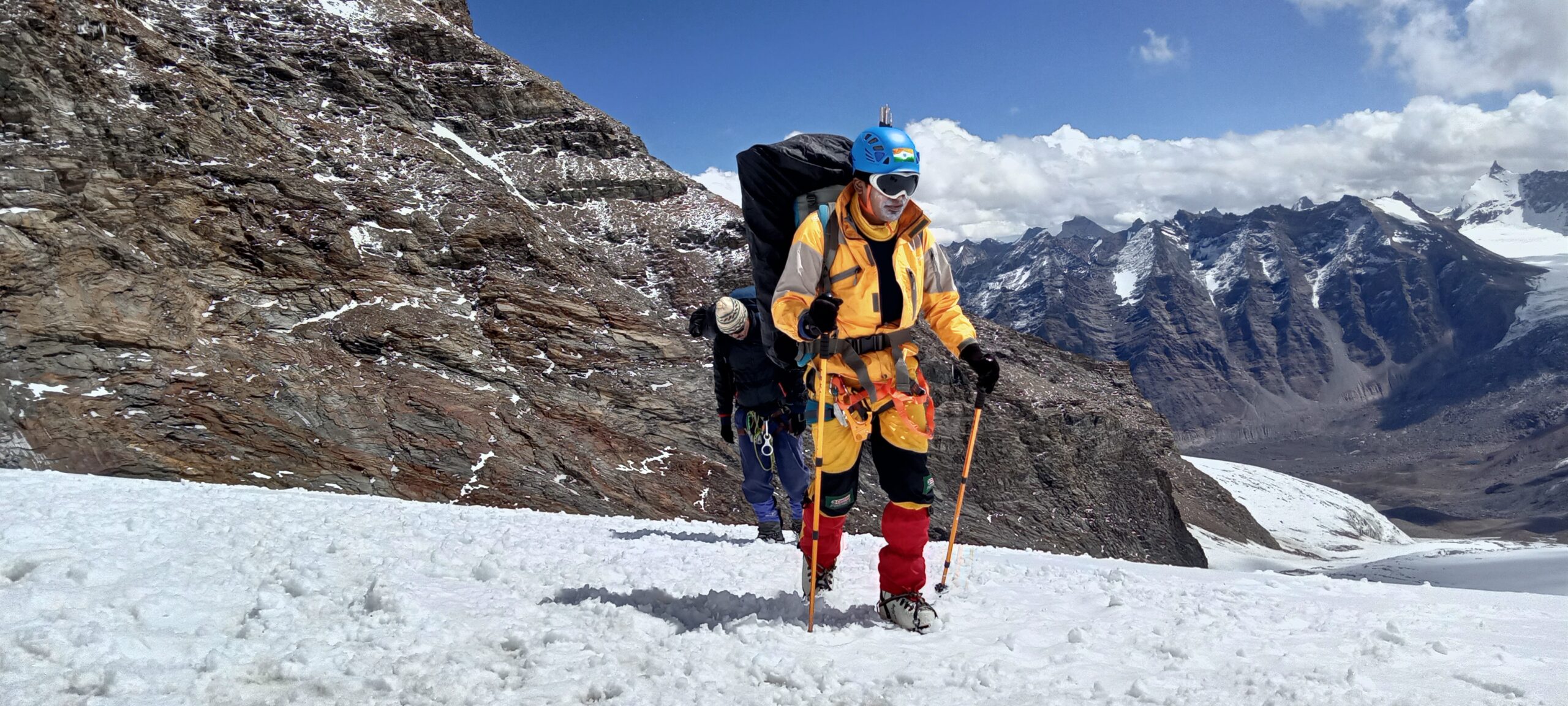
Crampons are metal traction devices attached to mountaineering boots.
Their purpose is simple:
• Provide grip on snow and ice
But proper crampon movement is far less simple than most beginners expect.
The first time I walked in crampons, I realized something immediately:
You cannot walk casually anymore.
Every step becomes deliberate.
Parts of a Crampon
Most crampons include:
• Front points
• Secondary points
• Heel section
• Binding system
Different crampons are designed for:
• Trekking peaks
• Glacier travel
• Technical ice climbing
• Alpine mountaineering
For beginners, general mountaineering crampons are usually sufficient.
The Biggest Beginner Problem: Tripping
Almost every beginner trips in crampons initially.
Why?
Because normal walking habits continue automatically.
Crampons are wider than regular boots.
If climbers walk naturally:
• Pants get caught
• Crampon points snag
• Feet strike each other
I remember catching my own gaiter repeatedly during my first glacier walk.
It felt awkward and frustrating.
Eventually, one instructor gave very simple advice:
“Walk like you are slightly bow-legged.”
That instantly improved movement.
Lesson from Experience:
Crampon walking is not natural. It must be learned consciously.
Basic Crampon Walking Techniques
Flat-Foot Technique
Used on:
• Moderate snow slopes
• Glacier terrain
The goal:
• Keep all crampon points contacting snow evenly
This provides maximum grip and stability.
Front Pointing
Used on:
• Steeper ice or snow slopes
The climber kicks front points into snow or ice directly.
This technique demands stronger calves and better balance.
Hybrid Techniques
Most real mountain movement combines multiple styles depending on terrain angle and snow condition.
Why Footwork Matters More Than Strength
One major mountaineering realization eventually becomes obvious:
Efficient footwork saves enormous energy.
Poor crampon movement causes:
• Slipping
• Extra effort
• Faster fatigue
• Mental stress
Strong climbers are not always the fastest.
Often, they are simply the most efficient movers on snow.
Using Ice Axe and Crampons Together
The real challenge begins when both tools must work together naturally.
Good snow movement becomes a rhythm:
• Stable foot placement
• Controlled axe positioning
• Balanced pacing
• Calm breathing
Initially, beginners focus heavily on each individual movement.
Over time, the body learns the system.
That is when climbing starts feeling smoother.
Snow Conditions Change Everything
One thing beginners rarely expect is how dramatically snow quality affects movement.
Snow may be:
• Hard-packed
• Powdery
• Wet
• Icy
• Wind-loaded
Each condition changes:
• Axe placement
• Foot penetration
• Energy expenditure
• Stability
This is why experienced mountaineers constantly evaluate snow rather than blindly following tracks.
The Mental Side of Snow Climbing
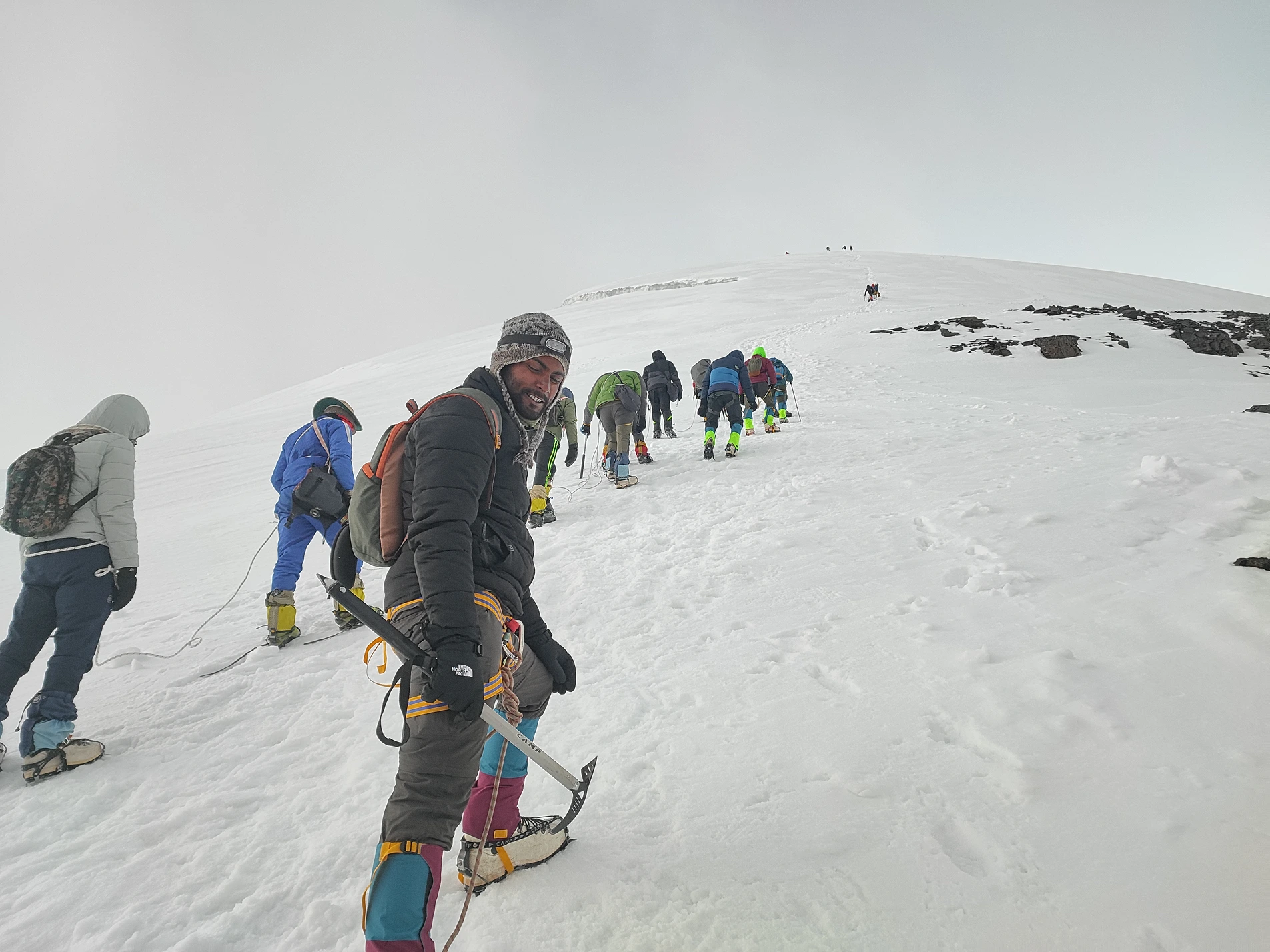
Snow movement affects psychology too.
The first few steep snow traverses feel intimidating for many beginners because:
• Slopes look exposed
• Foot slips feel dangerous
• Movement feels unfamiliar
That nervousness is normal.
Confidence only comes through:
• Repetition
• Controlled practice
• Gradual exposure
No one feels fully comfortable immediately.
Common Beginner Mistakes with Ice Axes
Carrying the Axe Incorrectly
Improper grip reduces control.
Treating the Axe Like a Trekking Pole
An ice axe has different movement mechanics.
Delayed Self-Arrest Practice
Reaction speed matters enormously.
Ignoring Terrain Angle
Technique must adapt to slope steepness.
Common Beginner Mistakes with Crampons
Walking Normally
Natural walking causes tripping.
Poor Strap Adjustment
Loose crampons become dangerous quickly.
Looking Only at Feet
This destroys balance and rhythm.
Rushing on Snow Slopes
Snow punishes hurried movement.
Why Training Slopes Matter
Many beginners become impatient during training sessions.
They want:
• Summit movement
• Real glacier terrain
• Technical sections immediately
But controlled snow practice builds:
• Muscle memory
• Confidence
• Reaction speed
• Efficient movement habits
And in mountaineering, muscle memory matters enormously.
What I Personally Learned About Snow Movement
Eventually, I realized something important:
Ice axes and crampons are not about aggression.
They are about control.
The mountains reward climbers who:
• Move calmly
• Place feet carefully
• Maintain rhythm
• Stay balanced mentally and physically
Not those trying to look fast or dramatic on snow.
Essential Tips for Beginners
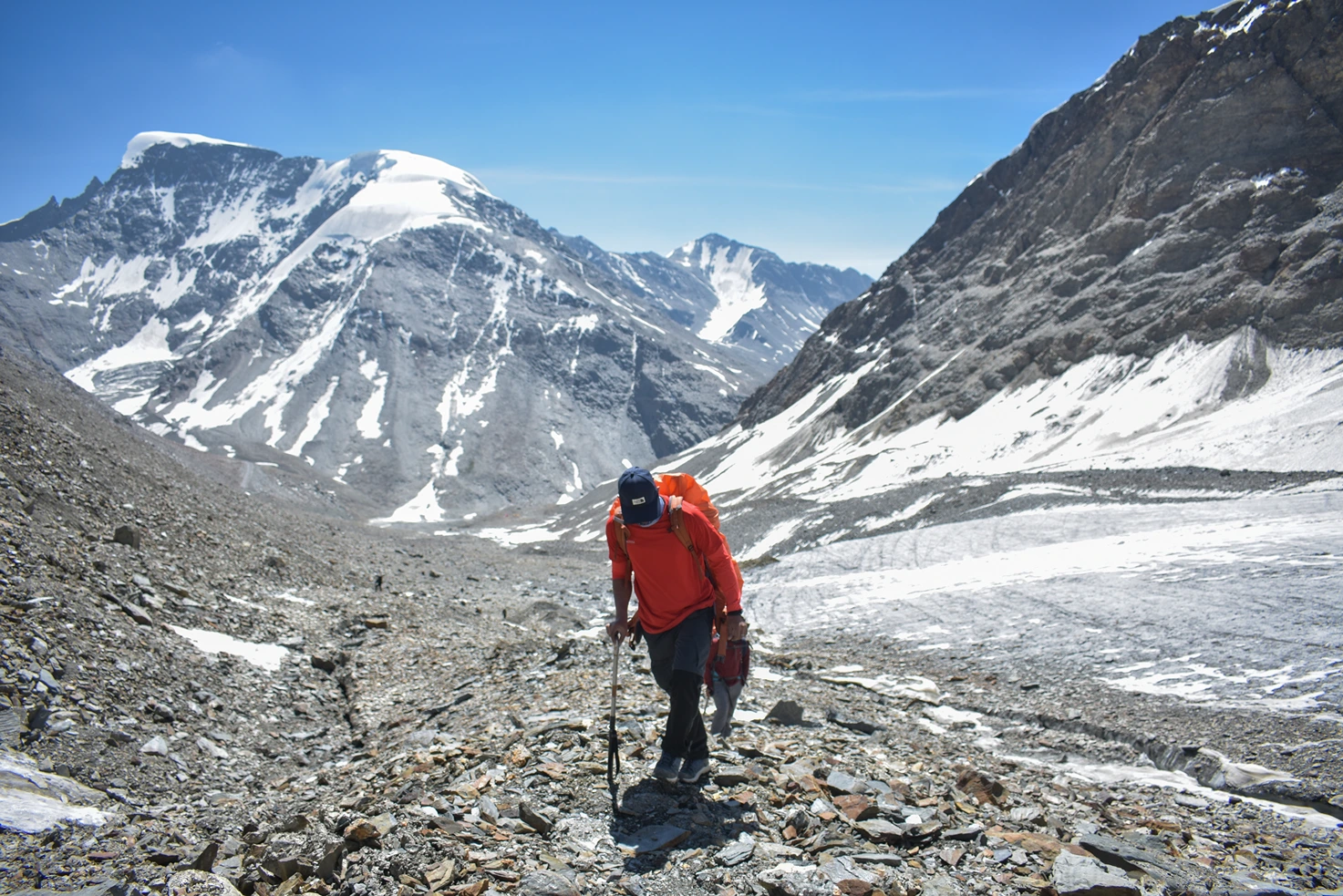
Before your first snow expedition:
• Practice with full gear repeatedly
• Learn self-arrest properly
• Walk slowly initially
• Focus on balance before speed
• Respect snow conditions constantly
Because once the terrain becomes exposed, technique matters far more than confidence.
Final Advice for First-Time Snow Climbers
If snow movement feels awkward initially, that is completely normal.
Every mountaineer goes through the same learning process.
The goal is not immediate perfection.
The goal is developing:
• Safe movement habits
• Calmness on snow
• Efficient technique
• Trust in your equipment and systems
That confidence builds gradually with exposure.
Conclusion
Ice axes and crampons are among the most important tools in mountaineering.
They allow climbers to move safely and efficiently across snow and ice terrain, but only when combined with proper technique, patience, and consistent practice.
After multiple Himalayan expeditions, one lesson became very clear:
Snow climbing is not about overpowering the mountain.
It is about learning how to move with precision, rhythm, and respect inside an environment where every step matters.