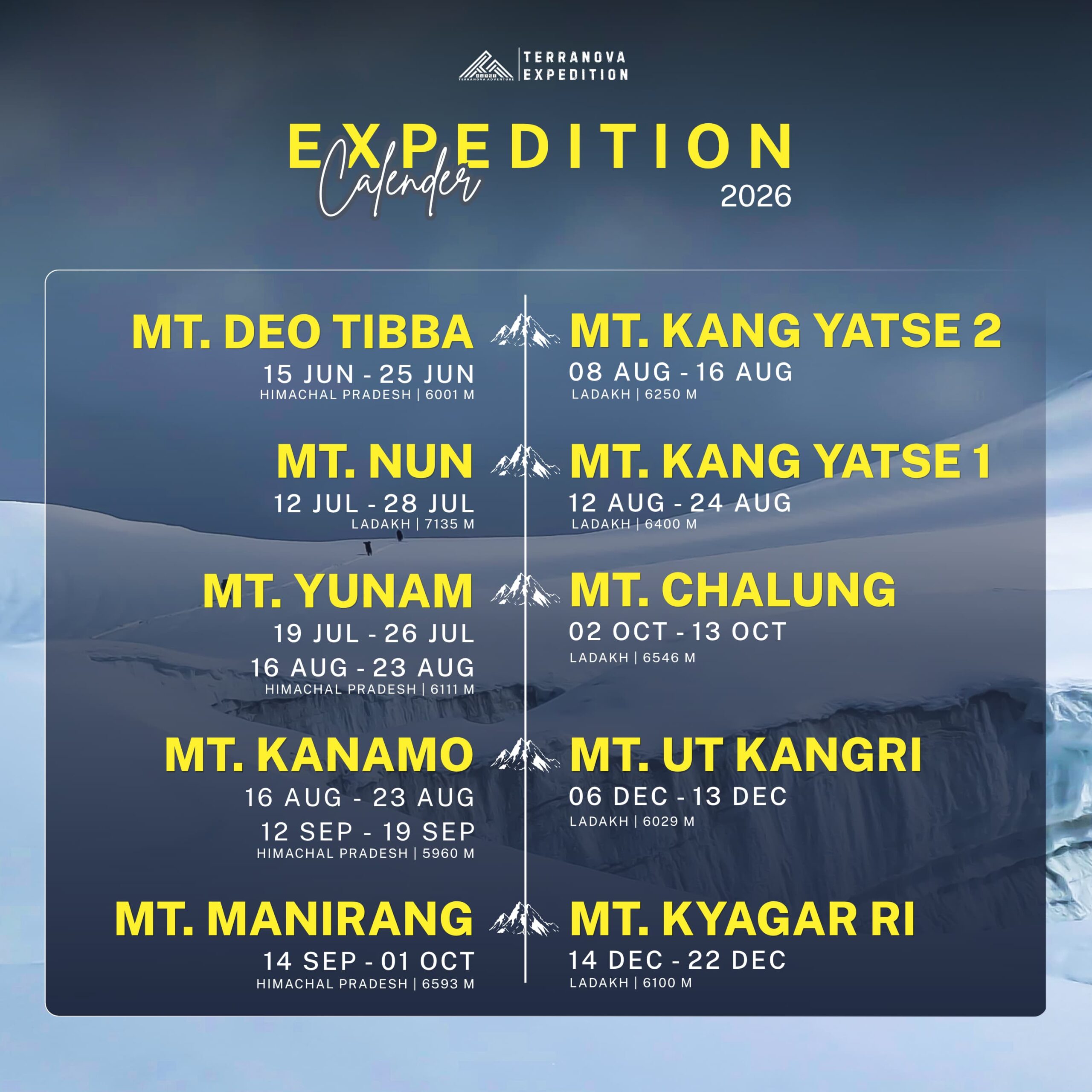
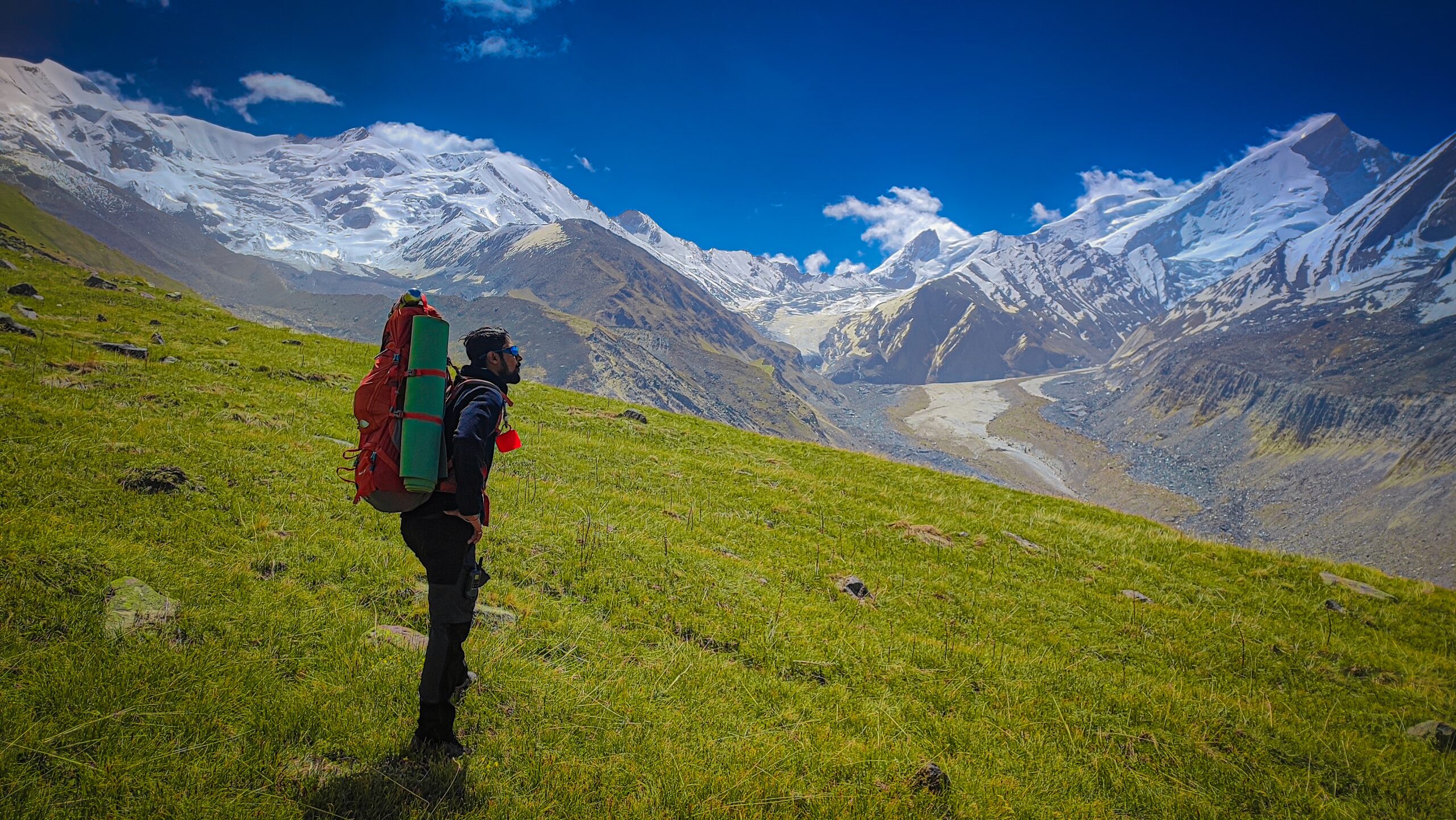
Most people think mountaineering becomes difficult only after the climbing starts.
In reality, the struggle often begins with the backpack itself.
Before my first serious Himalayan expedition, I believed backpacking was simple—just fit all the gear inside and start walking. I had completed several treks before, so I assumed the same approach would work for mountaineering.
I was wrong.
During one of my early high-altitude climbs, my backpack became my biggest enemy within the first few days. The weight distribution was poor, unnecessary gear added extra load, critical items were packed in the wrong places, and every time I needed something important, I had to unpack half the bag.
At lower altitude, these mistakes feel irritating. At 5,000–6,000 meters, they become exhausting.
That expedition taught me something important:
Mountaineering backpacking is not about carrying more. It is about carrying smarter.
Over time, after multiple Himalayan expeditions, load carries, glacier approaches, summit pushes, and uncomfortable lessons, backpacking slowly became a system instead of a random packing habit.
This article is not just a gear guide. It is a realistic breakdown of how backpacking works in mountaineering, what beginners misunderstand, and what actually matters when your entire climb depends on what you carry on your back.
Mountaineering Backpacking is Completely Different from Normal Trekking
This is the first thing people need to understand.
Backpacking for mountaineering is not the same as backpacking for regular trekking.
On a normal trek:
• Comfort matters most
• Walking rhythm stays relatively stable
• Terrain is predictable
• Camps are usually lower altitude
• Technical gear is minimal
In mountaineering:
• Technical equipment increases significantly
• Terrain constantly changes
• Weight management becomes critical
• High altitude amplifies fatigue
• Every unnecessary gram matters
The purpose of your backpack changes completely.
A trekking backpack supports movement.
A mountaineering backpack supports survival, performance, and efficiency.
The Biggest Mistake Beginners Make: Overpacking
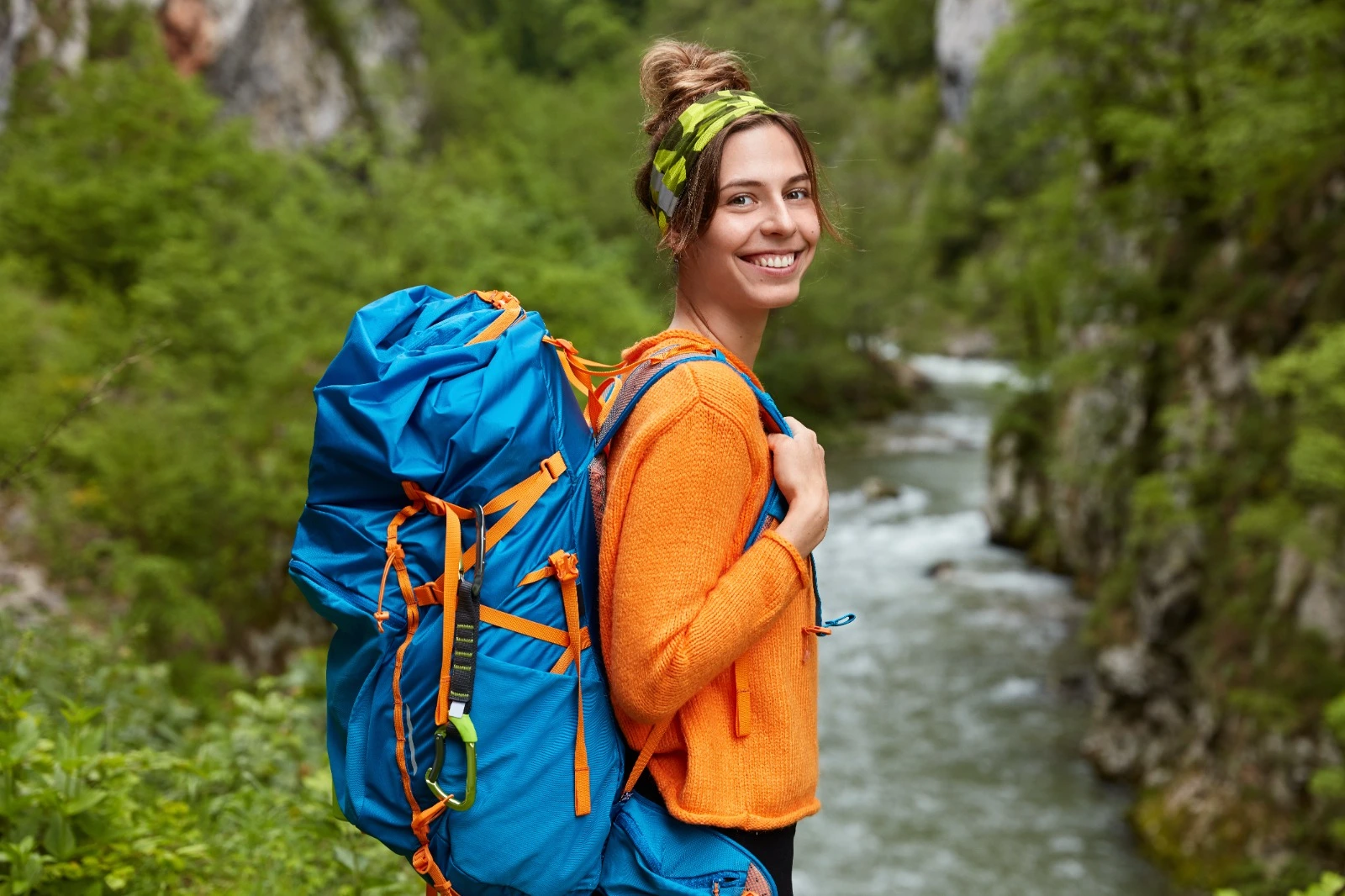
Every beginner overpacks.
I did too.
The mindset is understandable:
“What if I need this later?”
So people carry:
• Extra jackets
• Multiple unnecessary clothing layers
• Backup items for backup items
• Heavy food
• Gadgets they never use
• Luxury items that become dead weight
At sea level, extra weight feels manageable.
At altitude, it becomes punishment.
I still remember carrying unnecessary items during one expedition in Ladakh because I wanted to “be prepared.” By the second load carry day, that extra weight felt brutal.
And the worst part?
Most of those items were never used.
Lesson from Experience:
If something stays unused for multiple expeditions, it probably does not belong in your backpack.
Understanding Weight Distribution Changed Everything
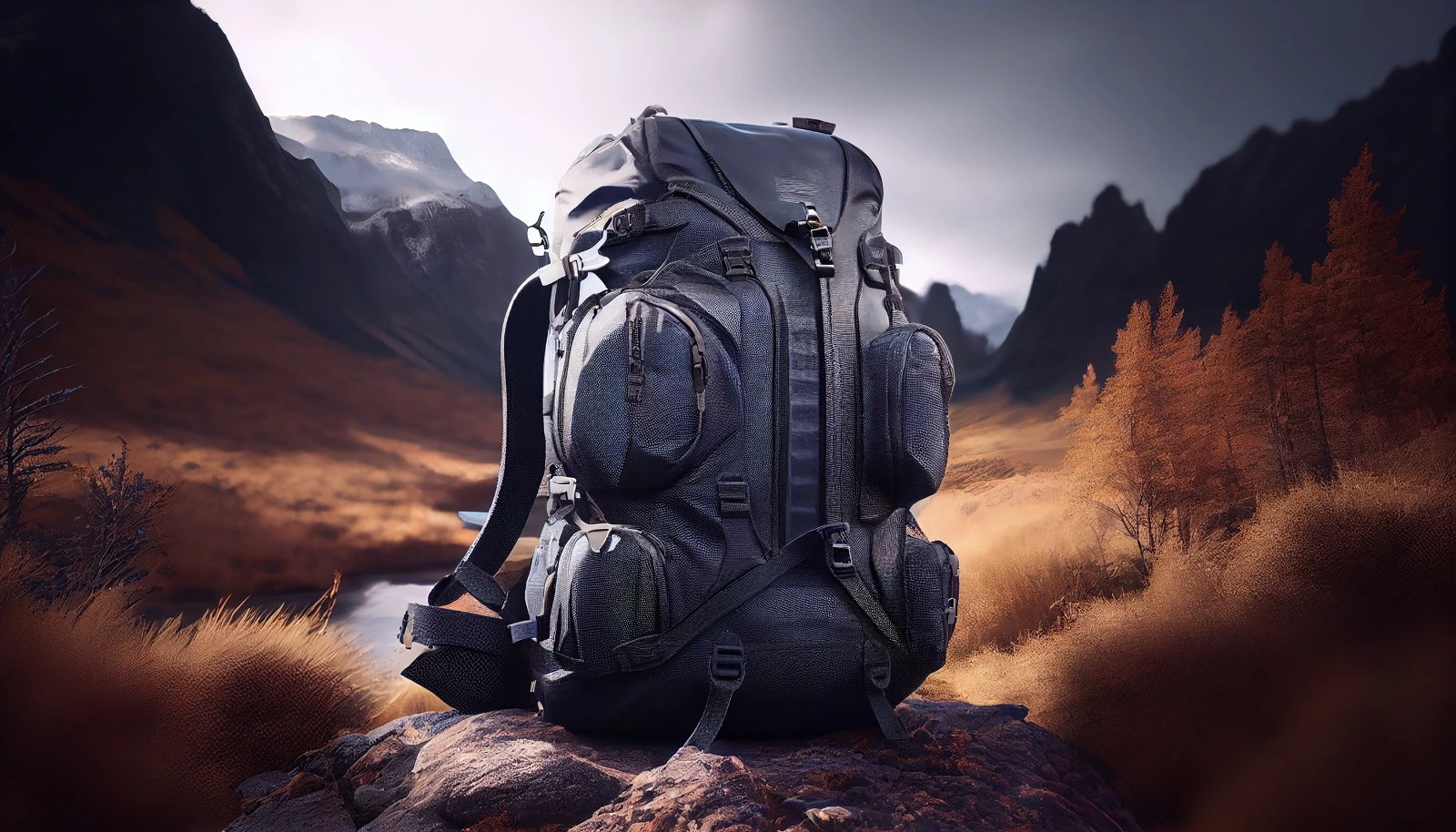
One of the biggest breakthroughs in my mountaineering learning process came from understanding weight placement.
Initially, I packed randomly:
• Heavy gear at the bottom
• Frequently needed items buried deep
• Uneven side balance
The result:
• Constant shoulder pressure
• Poor balance on technical terrain
• Faster fatigue
• Back strain during descents
Eventually, experienced climbers explained something simple but critical:
Heavy items should stay:
• Close to your spine
• Centered vertically
• Stable with minimal movement
This changed everything.
The backpack immediately felt more balanced, movement became smoother, and energy loss reduced significantly.
Every Item in Mountaineering Must Earn Its Place
This is one of the most important mindset shifts in expedition backpacking.
Every item must answer one question:
“Why am I carrying this?”
If the answer is unclear, it probably does not belong in the pack.
This does not mean ultralight minimalism without safety.
It means intentional packing.
Good mountaineers are not people who carry the least gear.
They are people who carry exactly what is needed.
Backpacking Systems Matter More Than Expensive Gear
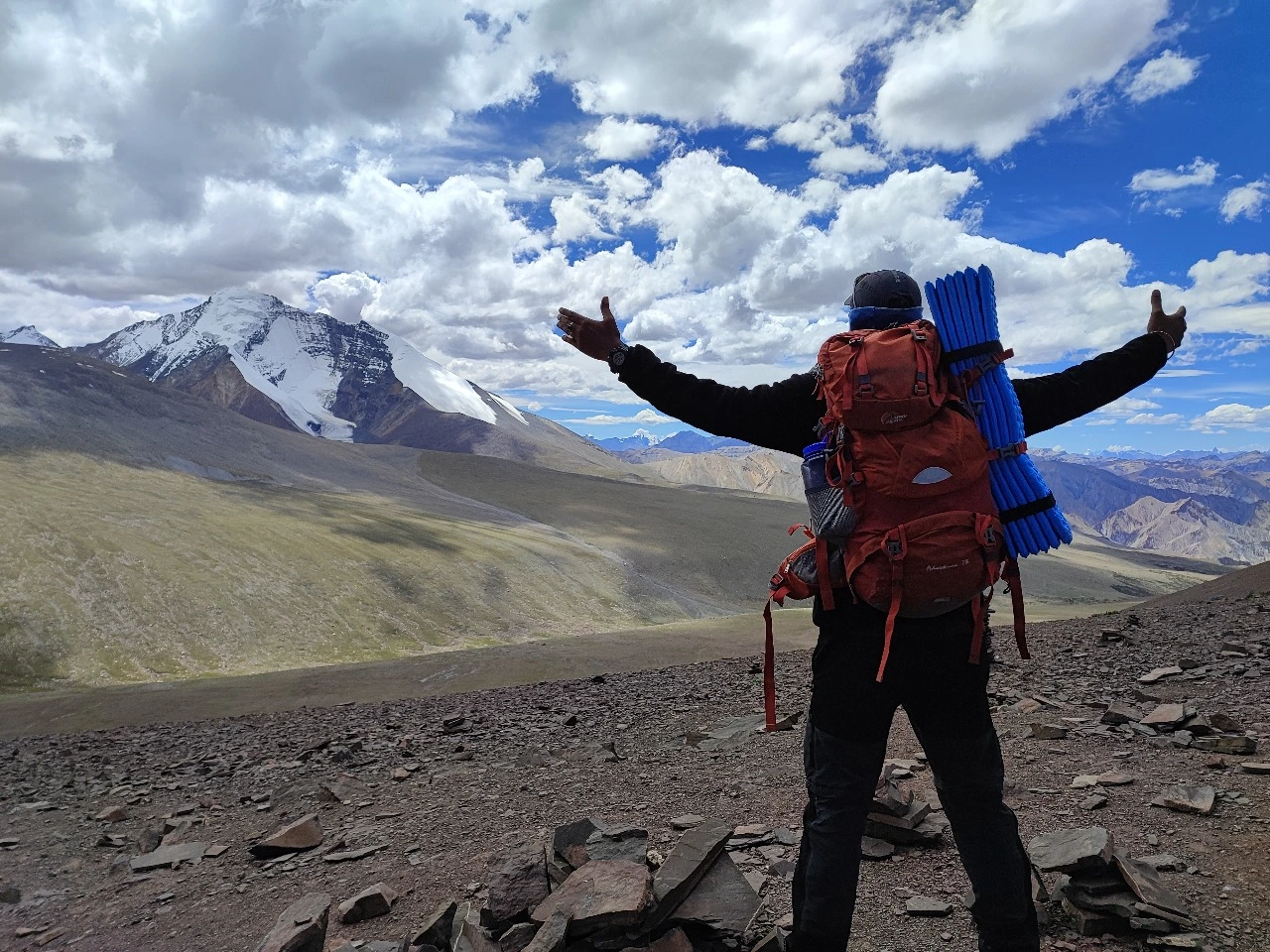
One thing I misunderstood early on was assuming better gear automatically meant better efficiency.
It doesn’t.
An expensive backpack packed badly still performs poorly.
Mountaineering efficiency comes from:
• Organization
• Accessibility
• Packing discipline
• Weight distribution
• Familiarity with your system
Over time, I stopped focusing on “what gear looks professional” and started focusing on “what system works consistently.”
That shift improved my climbing far more than buying new equipment.
Clothing Packing Strategy: Don’t Pack Emotionally
Clothing creates one of the biggest overpacking problems.
Beginners often carry too many layers because cold weather creates psychological fear.
But mountaineering layering works differently.
You need:
• Functional layering
• Controlled redundancy
• Efficient warmth systems
Not random clothing volume.
I once carried three extra thermal layers during an expedition because I was worried about cold nights.
The result?
Unnecessary pack weight and reduced space for actually useful gear.
Lesson from Experience:
Pack systems, not random comfort items.
Accessibility is as Important as Weight
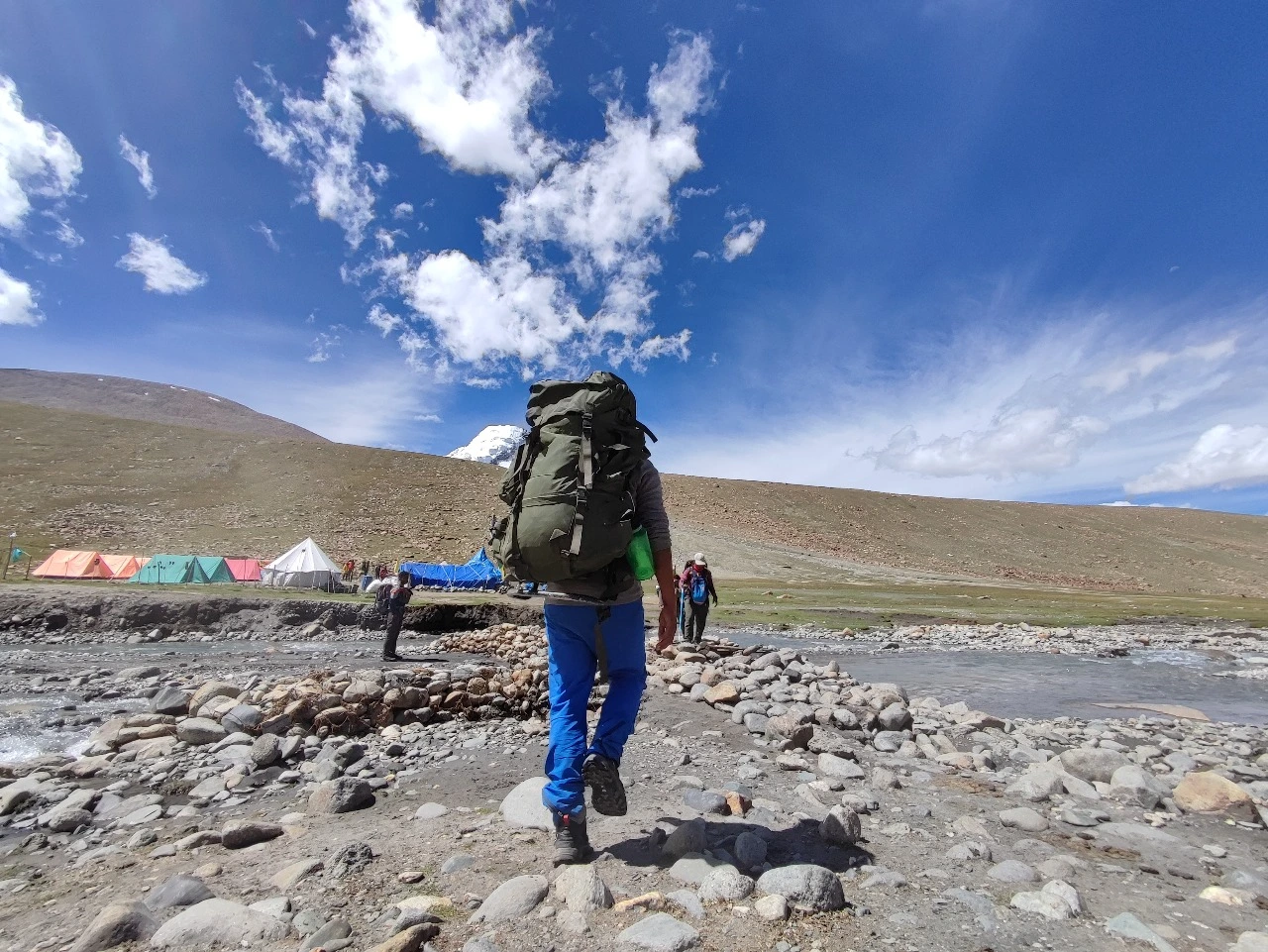
One thing no one explains properly is how frustrating poor accessibility becomes during climbing.
If your gloves are buried deep inside the backpack during sudden weather change, you lose time and body heat.
If your water bottle is difficult to access, hydration reduces naturally.
If snacks require full unpacking, you stop eating consistently.
This becomes dangerous at altitude.
Now I organize gear based on:
• Frequency of use
• Urgency during emergencies
• Weather exposure needs
Critical items always stay easily accessible.
Technical Gear Changes Backpacking Completely
Mountaineering introduces equipment that regular trekkers rarely manage:
• Crampons
• Ice axe
• Helmet
• Rope systems
• Harness
• Carabiners
• Snow protection equipment
This changes packing strategy entirely.
Technical gear must remain:
• Secure
• Balanced
• Accessible when needed
Loose technical gear creates:
• Imbalance
• Safety hazards
• Delays during transitions
During one glacier section, poorly attached crampons kept shifting outside the pack and constantly disrupted movement.
That small mistake became mentally exhausting over several hours.
Lesson from Experience:
Poorly managed gear drains energy even before technical climbing starts.
Summit Packs vs Expedition Packs
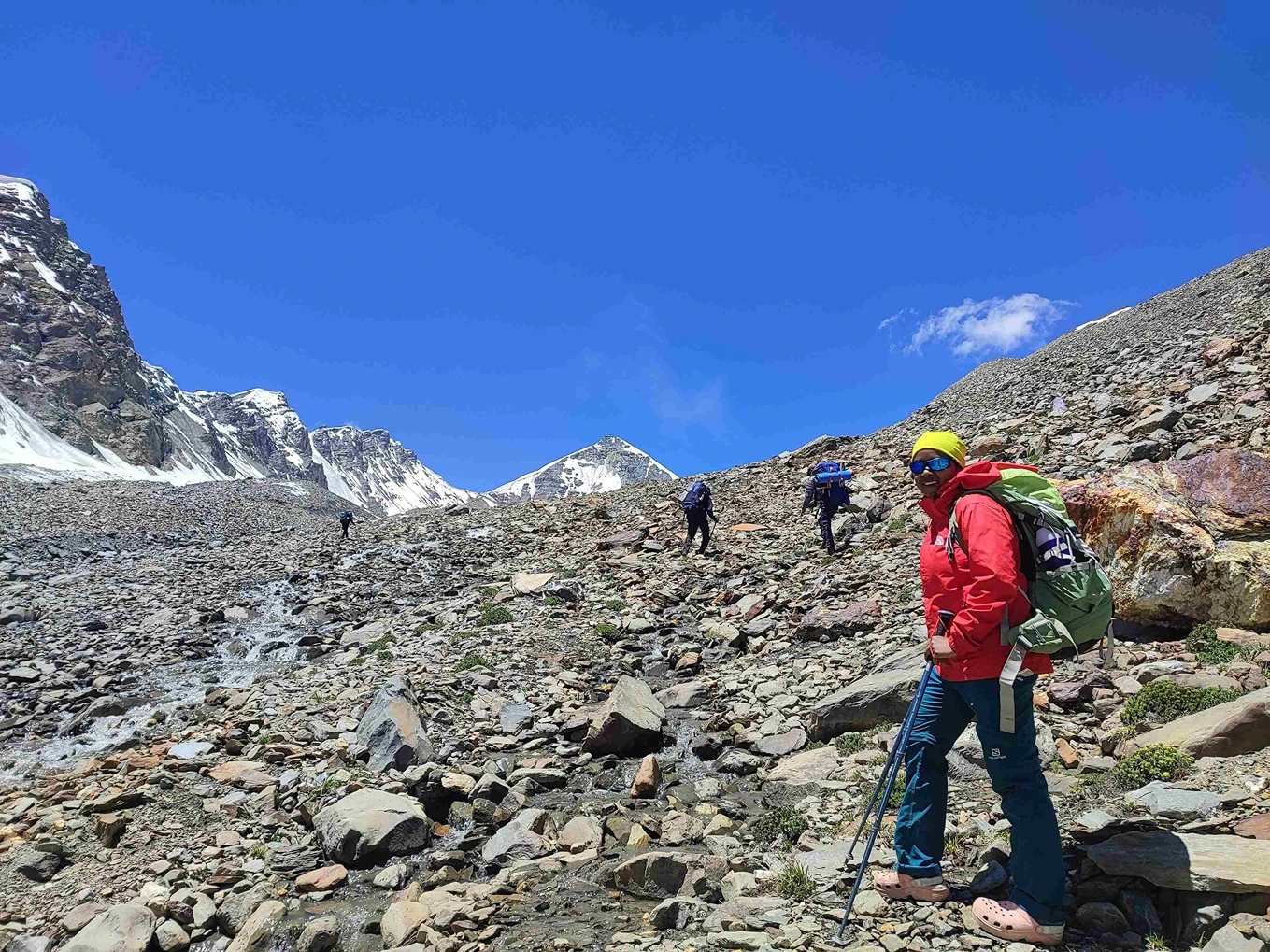
One important realization in mountaineering is that you do not carry the same load throughout the expedition.
At lower camps:
• Heavier expedition loads are necessary
During summit push:
• Minimal lightweight systems become critical
Summit backpacks should carry:
• Water
• Snacks
• Emergency layer
• Technical gear
• Safety essentials
Nothing extra.
The difference between a heavy summit pack and an efficient summit pack becomes extremely noticeable above 6,000 meters.
Backpacking at Altitude Feels Completely Different
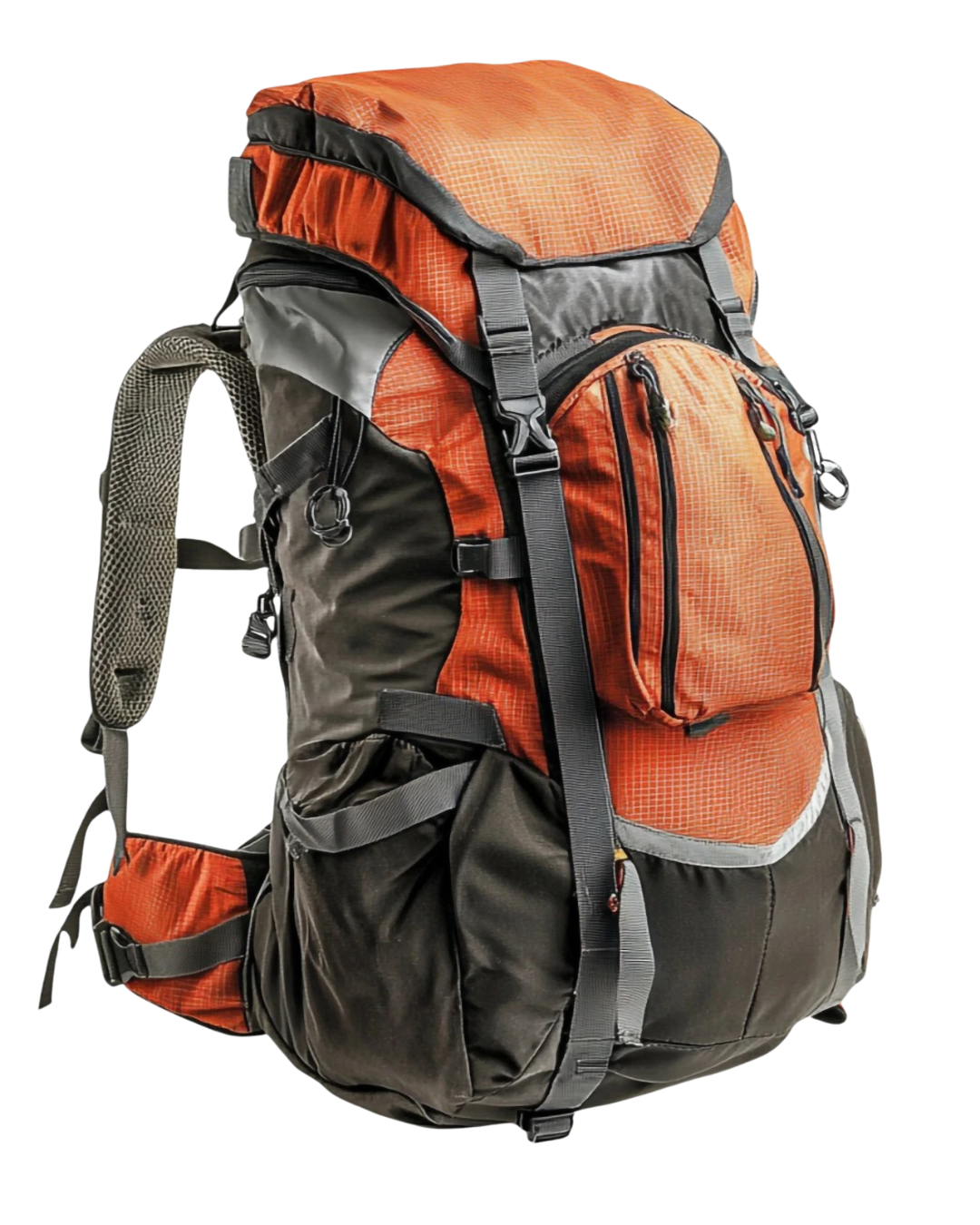
This is difficult to explain unless experienced personally.
At sea level, a 15kg backpack feels manageable.
At 6,000 meters, the same weight feels dramatically heavier.
Why?
Because:
• Oxygen is lower
• Recovery is slower
• Balance becomes harder
• Fatigue accumulates faster
This is why mountaineering backpacking focuses heavily on efficiency.
Altitude punishes waste.
Food Packing: The Hidden Energy System
Food is one of the most overlooked parts of expedition backpacking.
Initially, I packed food emotionally:
• Too many snacks
• Heavy packaged items
• Unnecessary “comfort food”
Over time, I learned to prioritize:
• Energy density
• Weight efficiency
• Easy accessibility
• Cold-weather usability
At altitude, even opening complicated food packaging becomes frustrating in gloves and freezing wind.
Simple systems always work better.
Water Management is More Important Than Beginners Realize
Dehydration at altitude happens quickly.
Cold weather reduces thirst sensation, but fluid loss through breathing increases significantly.
Now I always organize hydration systems carefully:
• Easy-access bottles
• Insulated storage
• Electrolyte support
• Backup systems in freezing conditions
One poorly managed hydration day can affect summit performance badly.
The Psychological Side of Backpacking
Something surprising happens during long expeditions.
A well-organized backpack reduces mental stress.
You move more confidently because:
• You know where everything is
• Gear transitions become smoother
• Decision-making feels calmer
Disorganized systems create invisible psychological fatigue.
This matters more than people realize during long summit days.
What I Stopped Carrying After Multiple Expeditions
Over time, several things disappeared permanently from my pack:
• Extra casual clothing
• Heavy gadgets
• Duplicate luxury items
• Overly large toiletry kits
• “Just in case” random equipment
Every expedition simplified the system further.
Not because minimalism looks cool—but because efficiency matters.
What I Never Compromise On Now
Some items always remain non-negotiable:
• Reliable gloves
• Proper insulation layers
• Emergency medical essentials
• Waterproof organization systems
• Functional headlamp
• Hydration support
Experience teaches you where cutting weight becomes dangerous.
My Biggest Backpacking Realization in the Himalayas
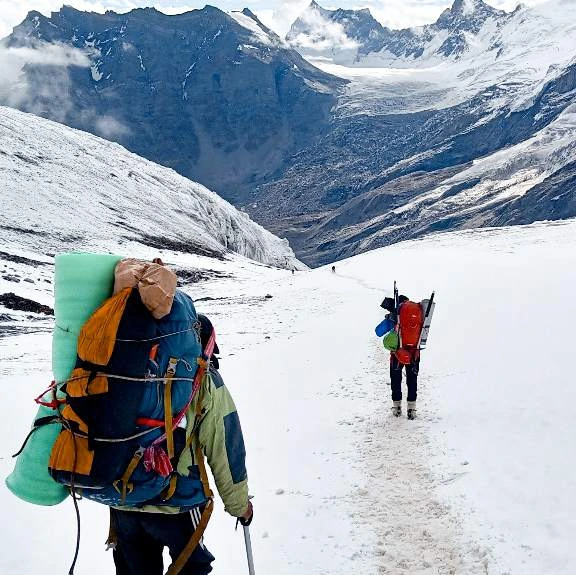
Eventually, I realized something simple:
Good backpacking is invisible.
When your system works:
• Movement feels smoother
• Fatigue reduces
• Focus improves
• Climbing becomes more efficient
You stop thinking about the backpack itself.
And that is exactly how it should be.
Final Tips for Mountaineering Backpacking
Before every expedition:
• Repack your bag multiple times
• Test load distribution
• Remove unnecessary items
• Practice accessing critical gear quickly
• Learn your system completely
Because once the climb starts, fixing poor backpacking becomes difficult.
Conclusion
Backpacking for mountaineering is not about stuffing gear into a large bag.
It is a system built around movement, efficiency, survival, and energy conservation.
Every item, every layer, and every kilogram affects how you perform in the mountains.
After multiple Himalayan expeditions, one lesson became absolutely clear:
The best mountaineers are not the ones carrying the heaviest loads.
They are the ones carrying exactly what they need—and carrying it intelligently.
Because in high-altitude climbing, efficiency is not comfort.