Choosing an experienced trekking company is one of the most important decisions you’ll make before planning a Himalayan expedition.
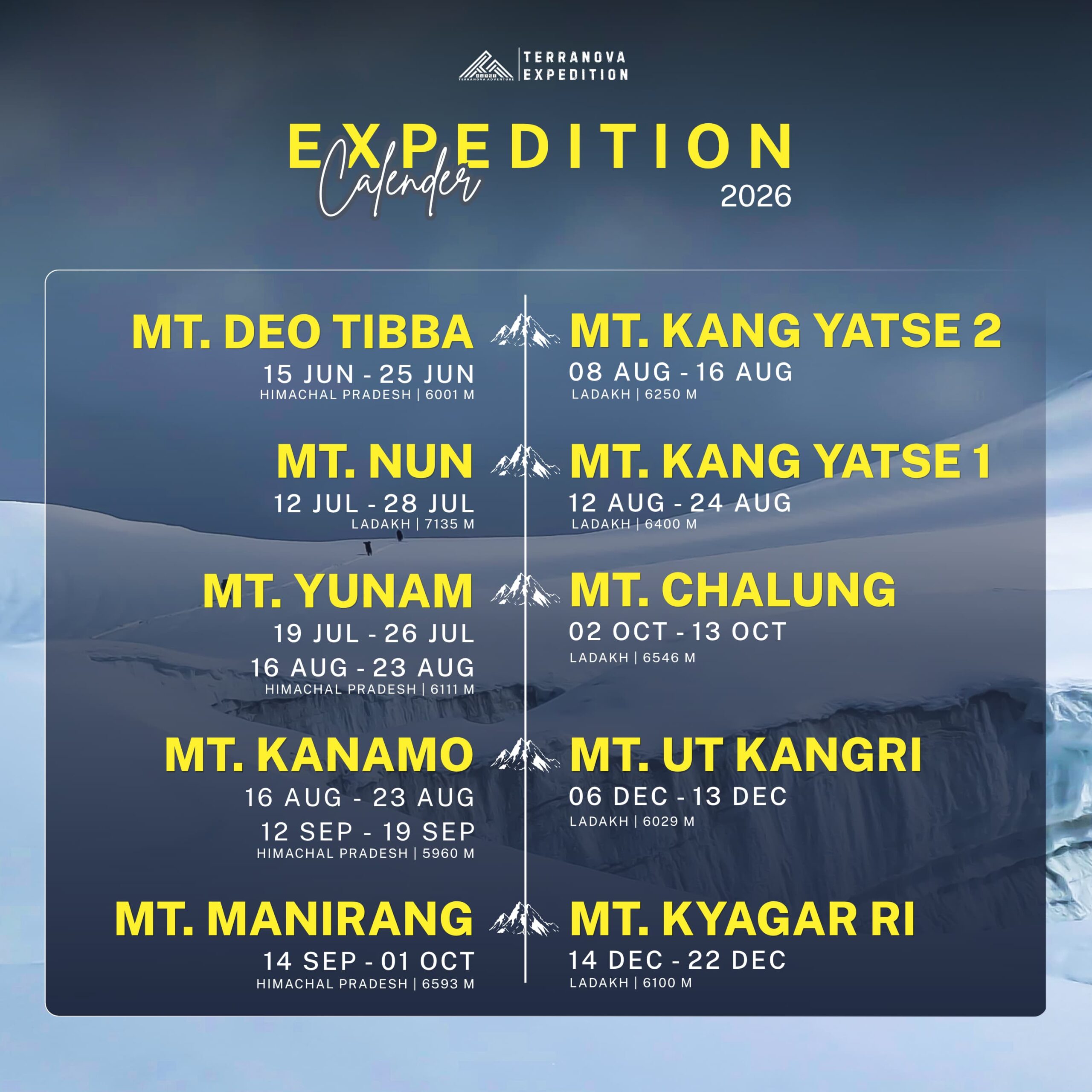
The thought of standing on a snow-covered summit, watching the first rays of sunlight illuminate the world’s highest mountains, is enough to inspire any adventure enthusiast. Whether your dream is climbing Friendship Peak, reaching the summit of Yunam Peak, attempting the technical challenge of Kang Yatse 1, standing proudly on Kang Yatse 2, or preparing for the demanding glaciers of Black Peak, every expedition begins with one important decision.
Who should you trust to take you there?
Many first-time climbers spend weeks comparing mountains, equipment, and fitness plans. Surprisingly, very little attention is given to choosing the expedition organizer.
That can be one of the biggest mistakes.
After spending years in the Himalayas and interacting with climbers from different backgrounds, I have realized one thing repeatedly:
A mountain may remain the same, but your experience depends greatly on the company leading the expedition.
An experienced trekking and mountaineering company does much more than arrange transportation and camps. They become responsible for your safety, acclimatization, logistics, emergency response, technical guidance, and ultimately your chances of returning home with unforgettable memories.
This guide explains why selecting an experienced expedition company is one of the most important decisions you’ll make before stepping into the Himalayas.
An Expedition Is Much More Than Reaching the Summit
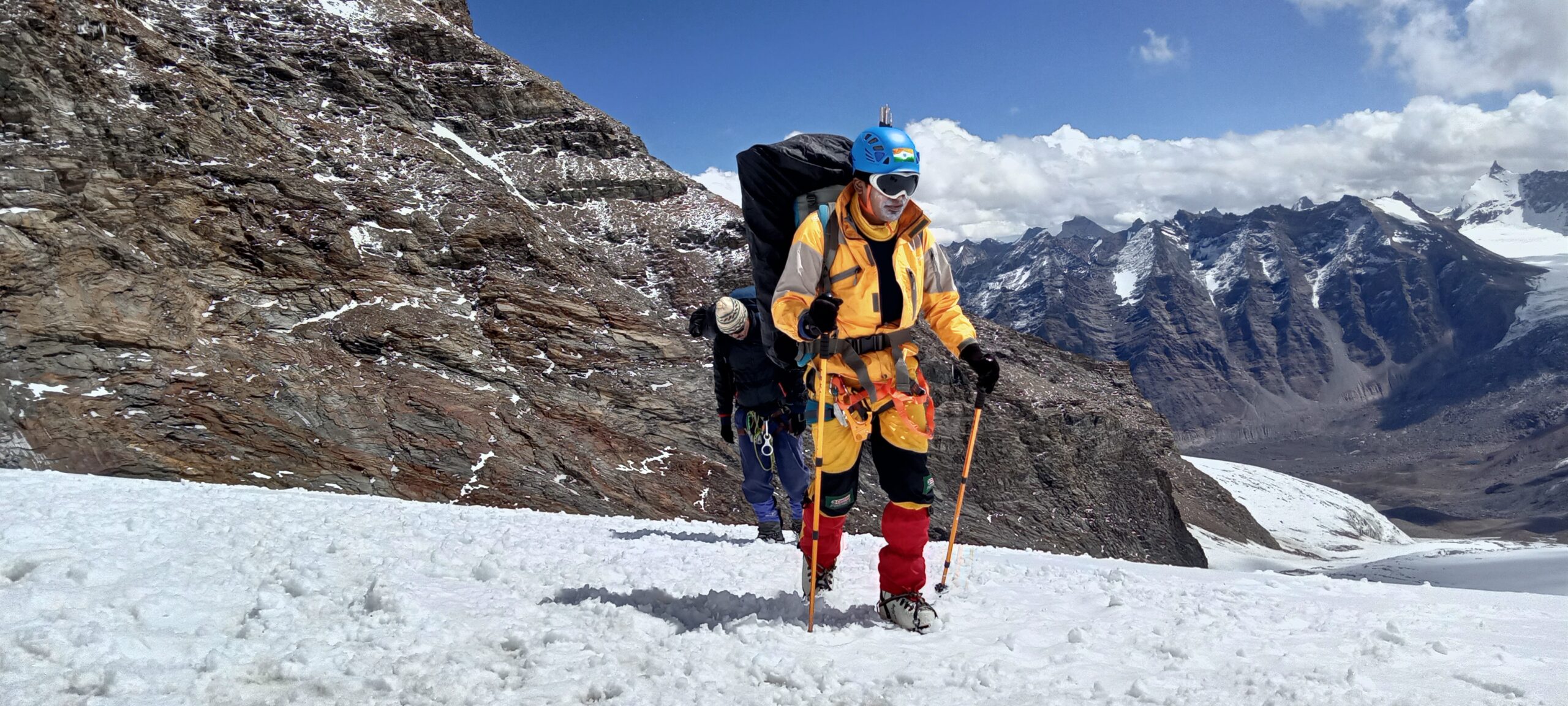
Many beginners believe an expedition simply involves walking to the mountain and climbing it.
In reality, a successful Himalayan expedition involves months of planning and countless logistical decisions.
Professional expeditions in India also require permits and adherence to mountaineering guidelines issued by the Indian Mountaineering Foundation (IMF), making it important to climb with an operator familiar with these procedures.
- Route planning
- Weather monitoring
- Permit arrangements
- Camp logistics
- Equipment planning
- Acclimatization schedules
- Medical preparedness
- Emergency evacuation planning
- Technical support
- Team coordination
Professional expedition companies manage all these responsibilities so climbers can focus on climbing safely.
Why an Experienced Trekking Company Prioritizes Safety
The Himalayas are unpredictable.
Weather changes rapidly.
Altitude affects every individual differently.
Snow conditions evolve throughout the season.
Even experienced climbers cannot control these factors.
What they can control is preparation.
Experienced trekking companies establish systems that significantly reduce unnecessary risk through:
- Daily health monitoring
- Acclimatization planning
- Weather-based decision making
- Technical route assessment
- Emergency protocols
- Constant communication within the team
These systems are built from years of experience rather than guesswork.
Experienced Leaders Understand the Mountains Beyond Maps
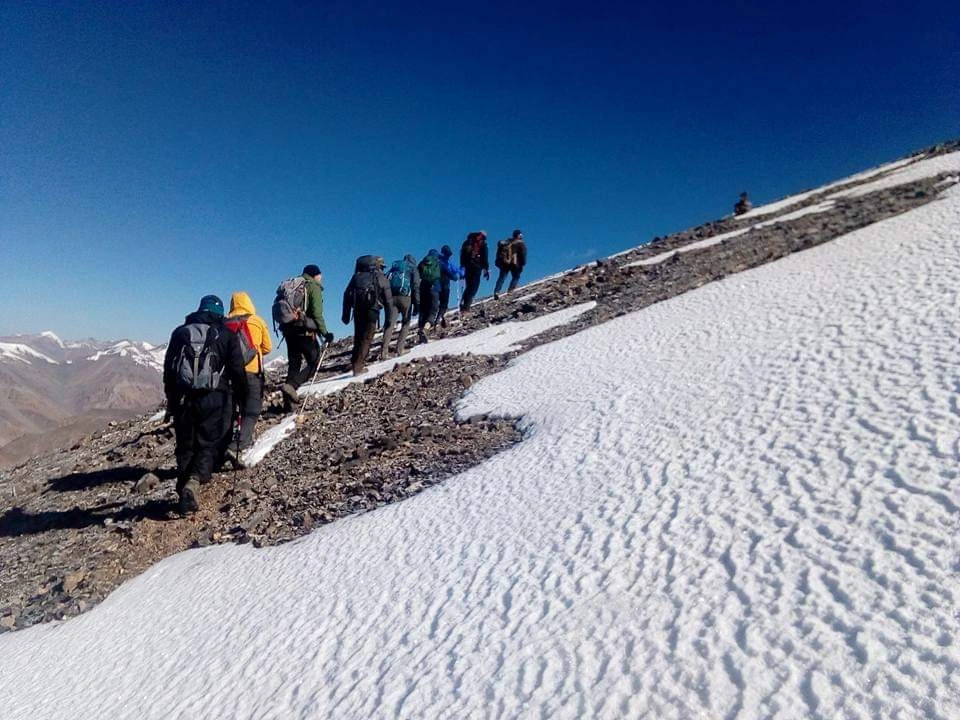
A map can show a route.
Experience explains how that route behaves.
One section may become dangerous after fresh snowfall.
Another glacier may develop new crevasses after the monsoon.
Certain summit ridges may become exposed depending on seasonal conditions.
These observations come only through repeated expeditions.
I have often noticed experienced expedition leaders making small route adjustments that appeared unnecessary at first.
Hours later, after changing weather or deteriorating snow conditions, those decisions made complete sense.
Lesson from Experience
Good mountain leaders do not simply know where to go.
They know when, how, and sometimes when not to go.
How an Experienced Trekking Company Plans Proper Acclimatization
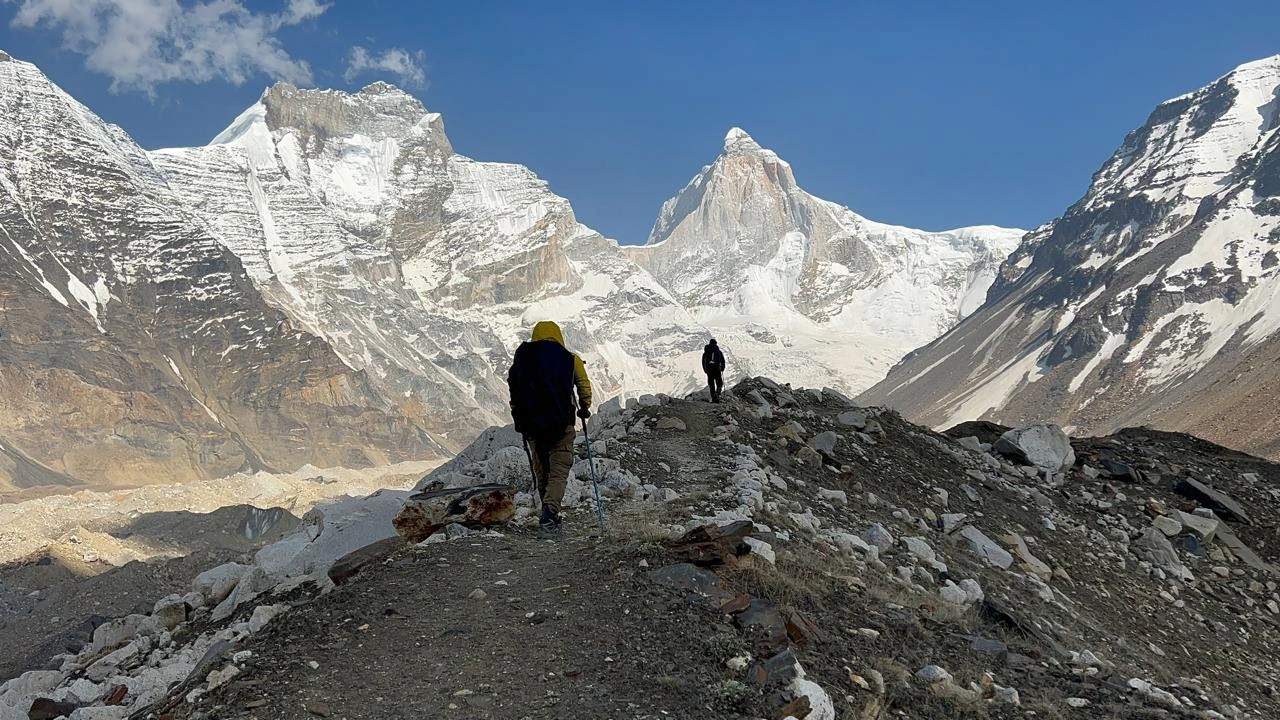
Altitude sickness remains one of the most common reasons expeditions fail.
Many climbers underestimate acclimatization because it appears slow and repetitive.
Professional expedition companies understand that acclimatization is the foundation of summit success.
A good itinerary includes:
- Gradual altitude gain
- Acclimatization hikes
- Load carries
- Recovery days
- Health monitoring
- Flexible schedules if required
These strategies improve both safety and summit success.
No experienced expedition company should rush altitude simply to save time.
An Experienced Trekking Company Handles Every Expedition Detail
One of the best signs of a professionally managed expedition is that participants rarely think about logistics.
Everything simply works.
Vehicles arrive on time.
Permits are ready.
Accommodation is organized.
Meals are planned.
Camping equipment is prepared.
Load distribution is managed efficiently.
When logistics run smoothly, climbers conserve energy for what matters most—the mountain.
Technical Guidance Builds Confidence
Not every climber arrives with advanced mountaineering experience.
Many expedition participants attempt their first technical peak under professional supervision.
Good expedition companies provide guidance on:
- Crampon walking
- Ice axe usage
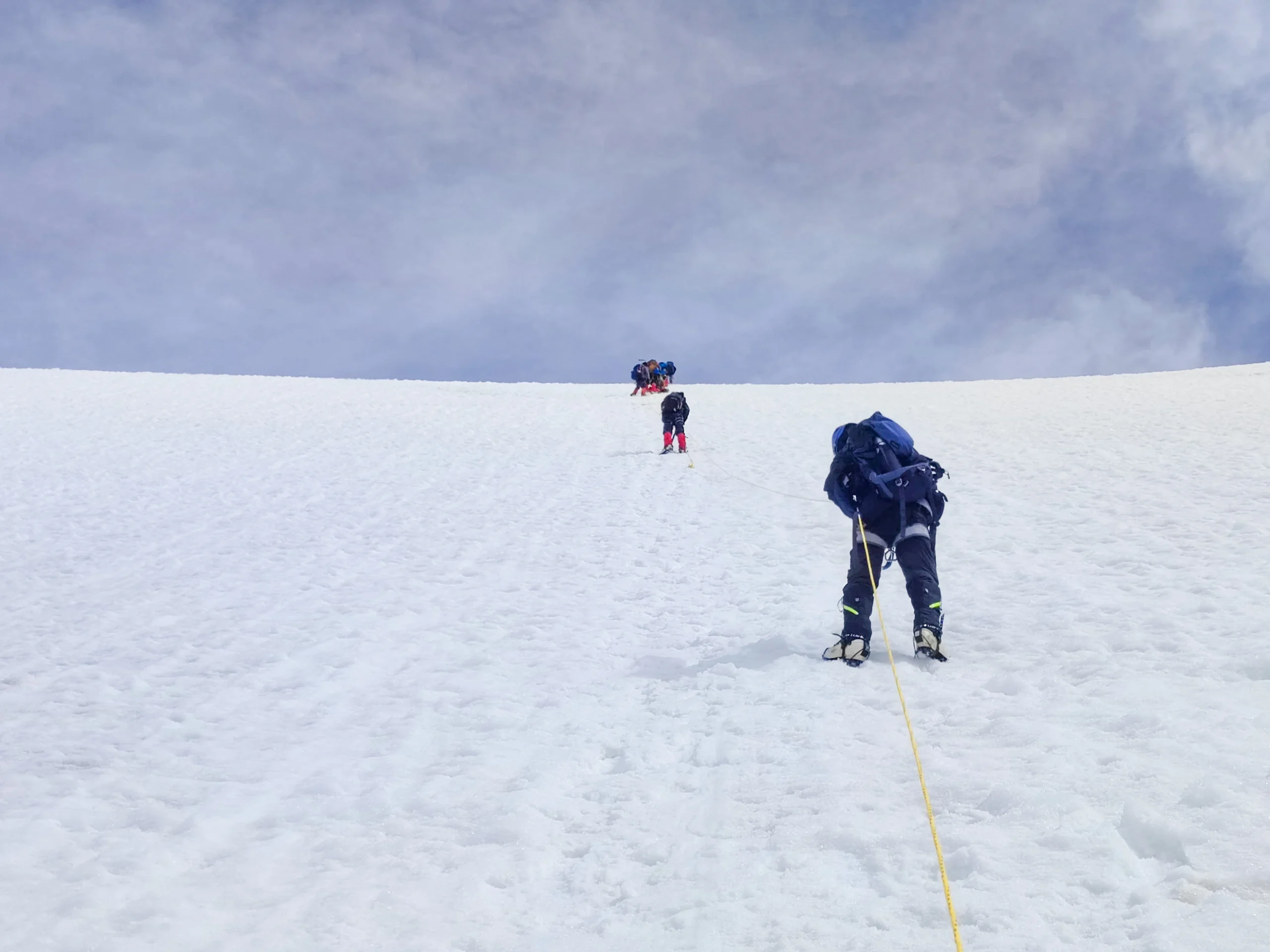
- Rope techniques
- Glacier movement
- Fixed rope climbing
- Self-arrest basics
- Summit pacing
These practical lessons often become invaluable for future expeditions.
Emergency Planning by an Experienced Trekking Company
No climber expects emergencies.
Yet experienced expedition companies prepare for them anyway.
A professional operator should have systems for:
- First aid
- Altitude illness management
- Oxygen support where appropriate
- Satellite communication (where required)
- Evacuation coordination
- Local rescue contacts
Preparation is not a sign that something will go wrong.
It is a sign of responsible leadership.
Better Decision-Making During Difficult Situations
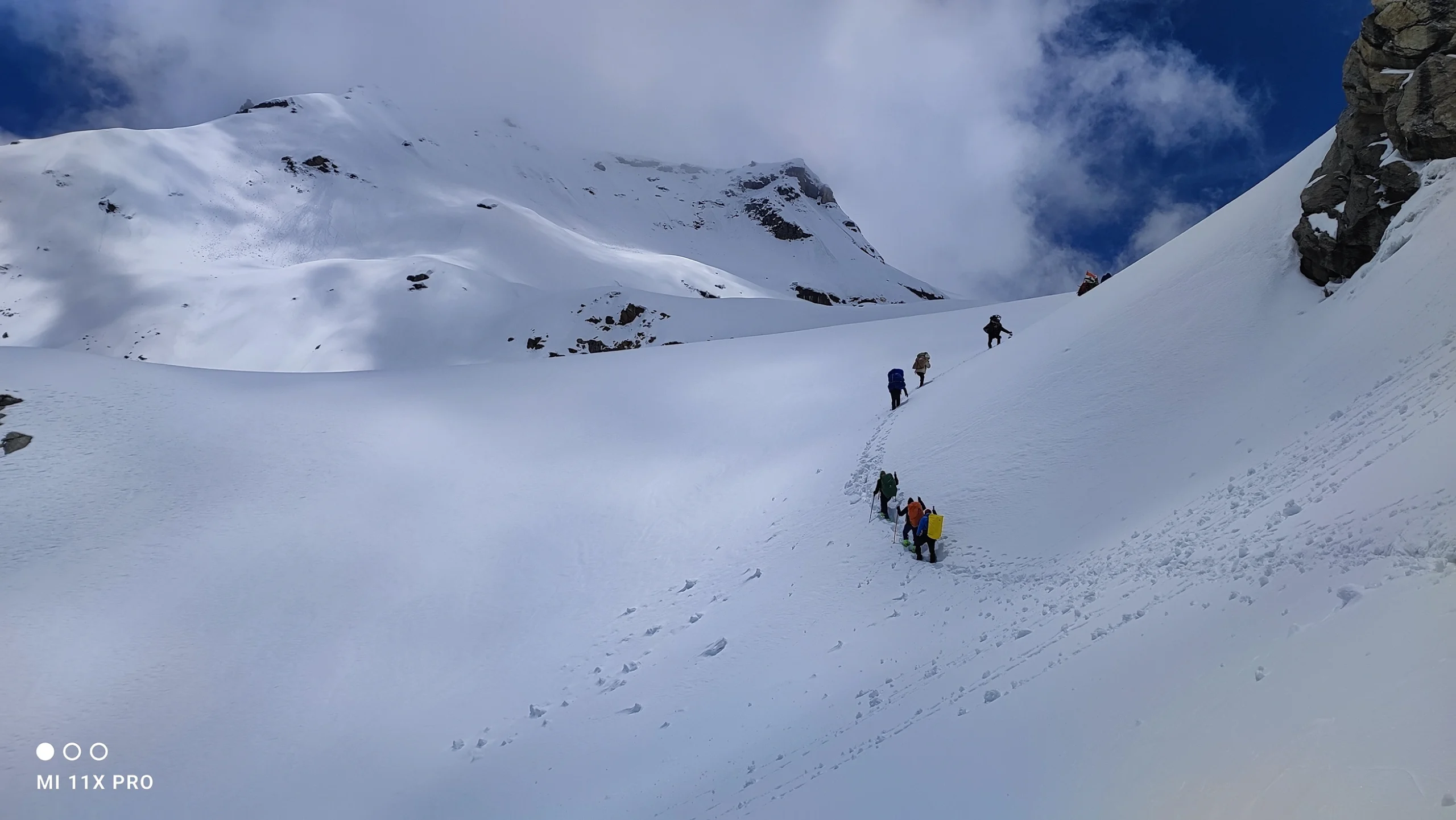
Mountains constantly present decisions.
Should the team continue?
Should they wait?
Should they descend?
Should the summit attempt be postponed?
These choices require experience.
One of the most valuable qualities of an expedition leader is knowing when turning back is the correct decision.
Some of the strongest leaders I have met measured success not by summit photographs but by bringing every climber home safely.
High-Quality Equipment Makes a Difference
Professional expedition companies invest heavily in equipment because reliability matters.
This often includes:
- Expedition tents
- Technical ropes
- Snow anchors
- Communication devices
- Kitchen systems
- Safety equipment
- Medical supplies
Reliable equipment improves both comfort and safety throughout the expedition.
Local Knowledge Is an Underrated Advantage
Experienced Himalayan operators work closely with:
- Local guides
- Porters
- High-altitude staff
- Rescue teams
- Forest departments
- Local communities
These relationships improve expedition efficiency while supporting local mountain economies.
Local knowledge also helps teams adapt quickly when weather or trail conditions change unexpectedly.
Team Leadership from an Experienced Trekking Company
Every expedition consists of climbers with different:
- Fitness levels
- Experience
- Walking pace
- Acclimatization speed
Managing these differences requires leadership.
Professional companies know how to:
- Maintain team morale
- Monitor weaker members
- Adjust pace
- Build communication
- Encourage safe decision-making
This creates a stronger and more enjoyable mountain experience for everyone.
Why Peak Selection Also Matters
Experienced trekking companies help climbers choose objectives that match their current abilities.
For example:
Friendship Peak
One of the best beginner expedition peaks for learning glacier travel, crampon techniques, and high-altitude camping.
Yunam Peak
An excellent choice for climbers looking to experience a non-technical 6,000-meter summit while developing altitude confidence.
Kang Yatse 2
Ideal for trekkers progressing toward their first major Himalayan expedition, combining glacier travel with relatively straightforward climbing.
Kang Yatse 1
A much more technical objective that demands previous mountaineering experience, strong rope skills, and confidence on steep snow and mixed terrain.
Black Peak
One of the most respected expedition peaks in India, requiring solid acclimatization, glacier travel experience, technical competence, and excellent endurance.
An experienced company will recommend the right mountain based on your current skill level—not simply the most popular one.
Professional Training Before the Summit
Many expedition companies conduct technical training before summit day.
This often includes:
- Rope practice
- Ice axe drills
- Crampon movement
- Harness fitting
- Glacier safety
- Equipment familiarization
These sessions dramatically increase confidence during the actual climb.
Transparent Communication Builds Trust
One characteristic of experienced operators is honest communication.
They explain:
- Expedition difficulty
- Fitness expectations
- Weather uncertainty
- Summit probabilities
- Equipment requirements
- Potential risks
They do not promise guaranteed summits.
Instead, they prepare climbers for realistic mountain conditions.
Common Mistakes People Make While Choosing an Expedition Company
Choosing Only Based on Price
The cheapest option often compromises logistics, staffing, or safety.
Ignoring Guide Experience
Experienced leadership is one of the most valuable parts of an expedition.
Not Researching Previous Expeditions
Past expedition history says a great deal about professionalism.
Overlooking Safety Standards
Medical preparedness, emergency plans, and technical competence should never be optional.
Expecting Guaranteed Summits
No ethical expedition company guarantees success.
Mountains always have the final decision.
My Biggest Realization After Multiple Expeditions
One lesson became clear over the years:
A successful expedition is rarely remembered only because of the summit.
People remember:
- The leadership
- The teamwork
- The learning
- The confidence they gained
- The friendships formed
- The professionalism of the support team
The right expedition company creates an experience that stays with you long after the climb ends.
Final Advice Before Booking Your Expedition
Before choosing any trekking or mountaineering company, ask yourself:
- Do they have real experience on this mountain?
- Is safety clearly prioritized?
- Do they have qualified guides and trek leaders?
- Is the itinerary designed for proper acclimatization?
- Do they communicate honestly about risks?
- Do previous climbers recommend them?
Choosing the right expedition partner is not an expense.
It is one of the most important investments you make for your mountain journey.
Conclusion
Booking an expedition with an experienced trekking company is about much more than convenience. It is about climbing with a team that understands the Himalayas, respects mountain ethics, prioritizes safety, and has the knowledge to guide you through every stage of the journey.
Whether your goal is Friendship Peak, Yunam Peak, Kang Yatse 2, the technical challenge of Kang Yatse 1, or the legendary Black Peak, the mountain will always test your preparation.
A professional expedition company cannot control the weather or guarantee a summit.
But it can give you the best possible chance to climb safely, learn continuously, make informed decisions, and return home with an experience that inspires your next adventure.