The Black Peak Expedition (Kalanag Expedition) continues to be one of the most sought-after 6,000-metre mountaineering expeditions in the Indian Himalayas. Located in the Govind Wildlife Sanctuary of Uttarkashi, Uttarakhand, Black Peak offers an ideal progression for experienced trekkers looking to step into technical mountaineering.
The 2026 climbing season is expected to provide excellent opportunities for summit attempts during both the pre-monsoon and post-monsoon windows. Stable snow conditions, improved expedition logistics, and increasing interest in Himalayan climbing have made Black Peak one of the most recommended introductory technical peaks in India.
Unlike commercial trekking routes, the Black Peak Expedition combines long approach treks, glacier travel, technical snow climbing, rope work, and high-altitude camping, making it a complete Himalayan mountaineering experience.
Black Peak Expedition 2026 Bookings Are Now Open
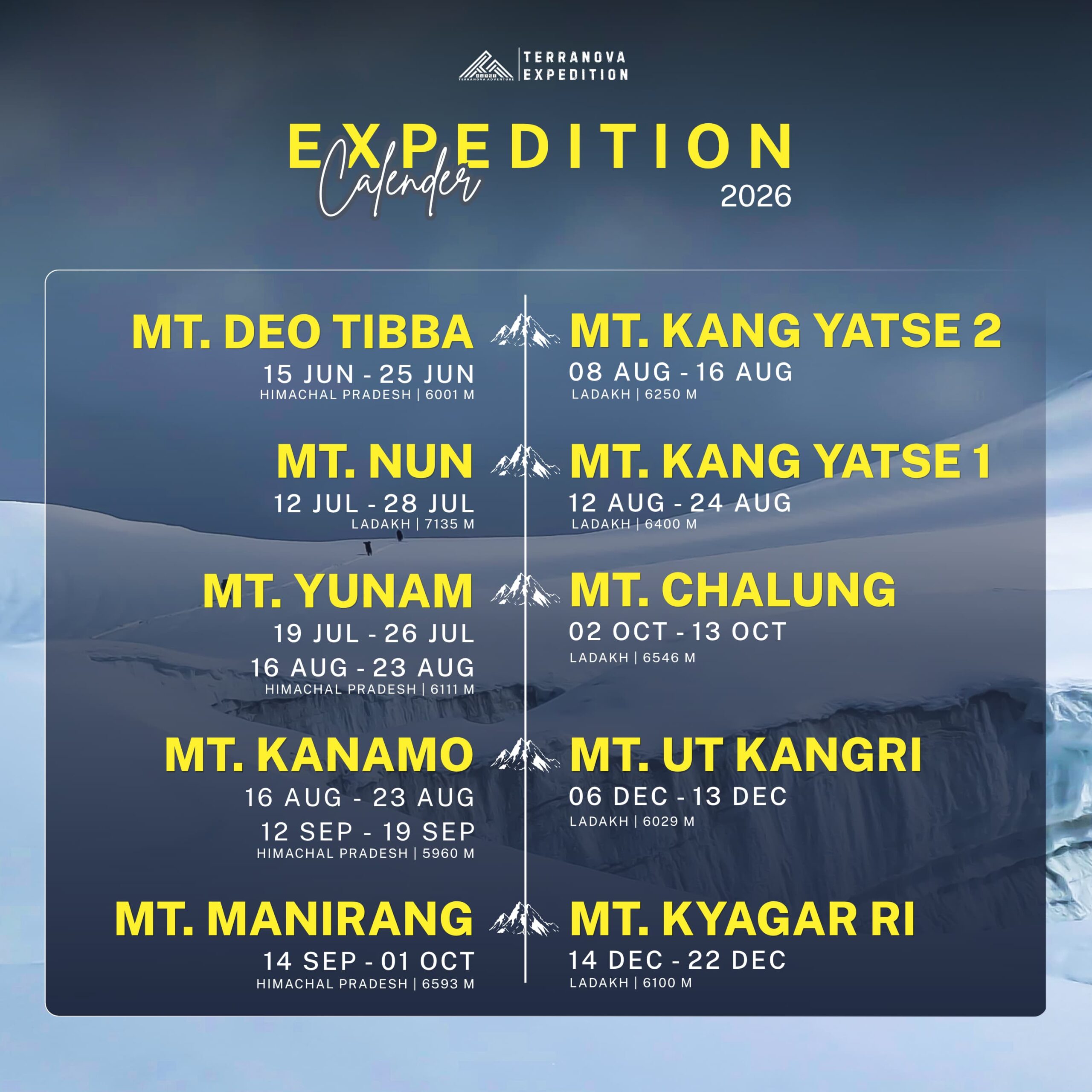
Fixed departure expeditions for the 2026 season are now open with Terranova Expeditions.
Our professionally guided expeditions include:
- IFMGA/NIM-certified expedition leaders
- Experienced climbing guides
- Complete expedition logistics
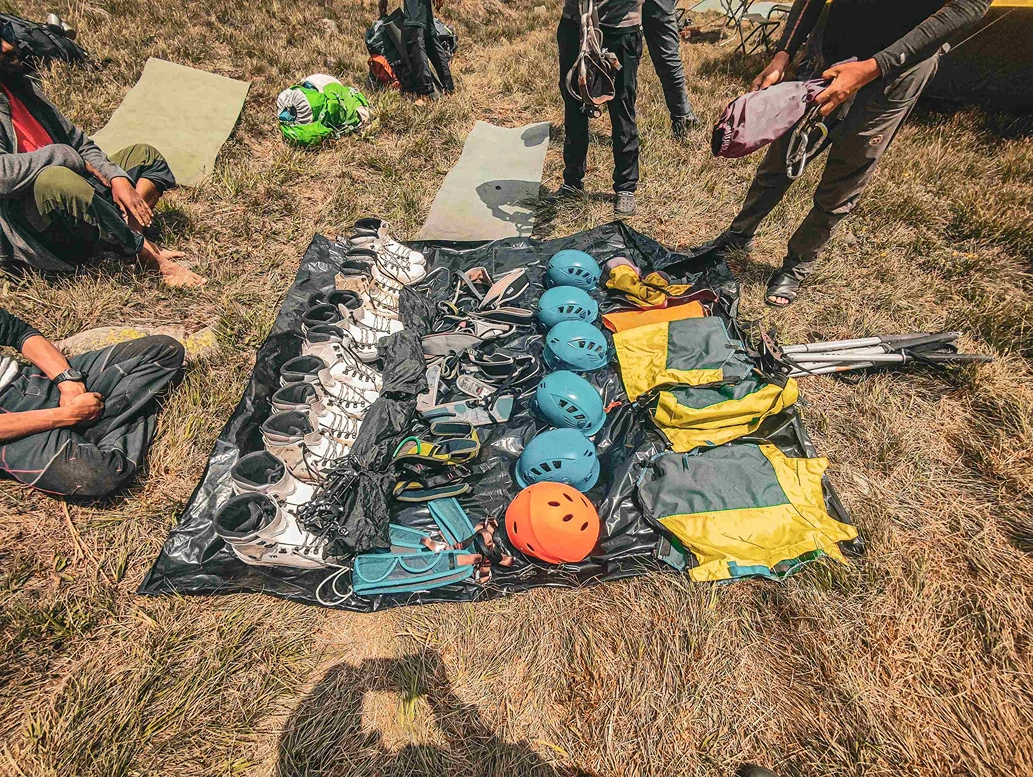
- Technical climbing equipment support
- Base Camp management
- High-altitude safety equipment
- Nutritious expedition meals
- Medical support and oxygen backup
- Summit strategy planning
- Leave No Trace expedition practices
Whether you’re preparing for your first 6,000-metre summit or building experience for higher Himalayan objectives, Black Peak offers one of the most rewarding climbing journeys in India.
Why the 2026 Season Is Special
The Black Peak Expedition 2026 season is expected to attract climbers from across India and around the world due to several favourable conditions. With stable weather windows, excellent snow coverage, and growing interest in Himalayan mountaineering, 2026 is shaping up to be one of the best years to attempt this iconic 6,387-metre summit.
Stable Snow Conditions
Healthy winter snowfall is expected to create well-covered glaciers during the early climbing season, improving route conditions across many technical sections.
Excellent Summit Windows
Historically, late May to June and September to early October provide the most stable weather windows for Black Peak, offering better summit opportunities.
Growing Interest in Indian Mountaineering
More trekkers are now progressing toward technical climbing after completing popular Himalayan treks such as Friendship Peak, Kang Yatse II, Yunam Peak, and Stok Kangri alternatives.
Black Peak has naturally become one of the preferred next-step expeditions.
Improved Expedition Support
With better logistics, experienced expedition operators, and improved safety standards, climbers now have access to world-class expedition support throughout the journey.
Current Climbing Conditions
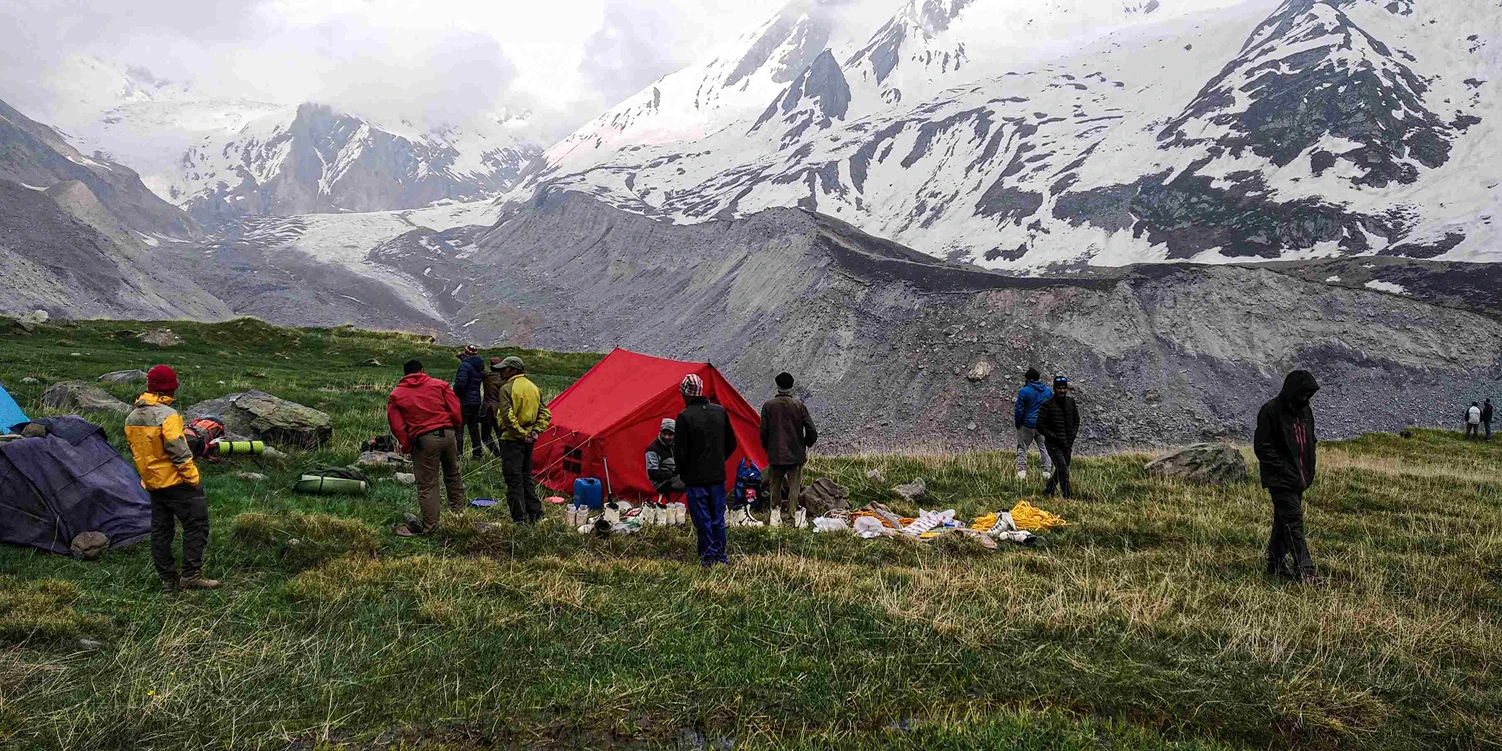
During the climbing season, the route generally remains accessible from Sankri through Taluka, Seema, Ruinsara Tal, and Kyarkoti Base Camp.
Higher camps are established depending on:
- Snow accumulation
- Glacier conditions
- Crevasse safety
- Weather forecasts
- Summit window availability
Since Himalayan weather changes rapidly, summit plans are always adjusted according to real-time mountain conditions.
Safety remains the highest priority throughout the expedition.
About the Black Peak Expedition
Standing proudly at 6,387 metres (20,955 feet), Black Peak, also known as Kalanag, is one of the highest trekking-accessible technical peaks in the Garhwal Himalayas.
Situated inside the Govind Pashu Vihar National Park in Uttarkashi district, the mountain derives its name from its distinctive summit ridge, which resembles the raised hood of a black cobra when viewed from the Ruinsara Valley.
Unlike conventional Himalayan treks, Black Peak introduces climbers to the true world of mountaineering.
The expedition combines:
- High-altitude trekking
- Glacier travel
- Snow climbing
- Fixed rope ascents
- Ice axe techniques
- Crampon walking
- Rope management
- Alpine camping
- Summit strategy
Every stage of the journey gradually develops the skills required for climbing higher Himalayan peaks in the future.
For many mountaineers, Black Peak serves as the perfect bridge between advanced trekking and full-scale Himalayan expeditions.
Location of Black Peak
Black Peak lies within the Bandarpoonch Massif in the Garhwal Himalayas of Uttarakhand.
The expedition begins from the picturesque Himalayan village of Sankri, one of India’s most famous trekking hubs.
The approach route passes through:
- Dense pine forests
- Traditional Himalayan villages
- Alpine meadows
- Glacial valleys
- Ruinsara Tal
- Kyarkoti Base Camp
- Snowfields
- Glaciers
- High Camps
- Black Peak Summit
This gradual transition from lush valleys to alpine terrain is one of the expedition’s greatest attractions.
Quick Facts About Black Peak Expedition
| Detail | Information |
| Peak Name | Black Peak (Kalanag) |
| Elevation | 6,387 m (20,955 ft) |
| Mountain Range | Garhwal Himalayas |
| State | Uttarakhand |
| District | Uttarkashi |
| Base Village | Sankri |
| Base Camp | Kyarkoti |
| Expedition Duration | 16–18 Days |
| Difficulty | Difficult (Technical Expedition) |
| Best Season | May–June & September–October |
| Highest Camp | Summit Camp (~5,700 m) |
| Expedition Style | Alpine Mountaineering |
| Climbing Grade | PD+/Easy Alpine |
| Suitable For | Experienced Trekkers & Aspiring Mountaineers |
History of Black Peak (Kalanag)
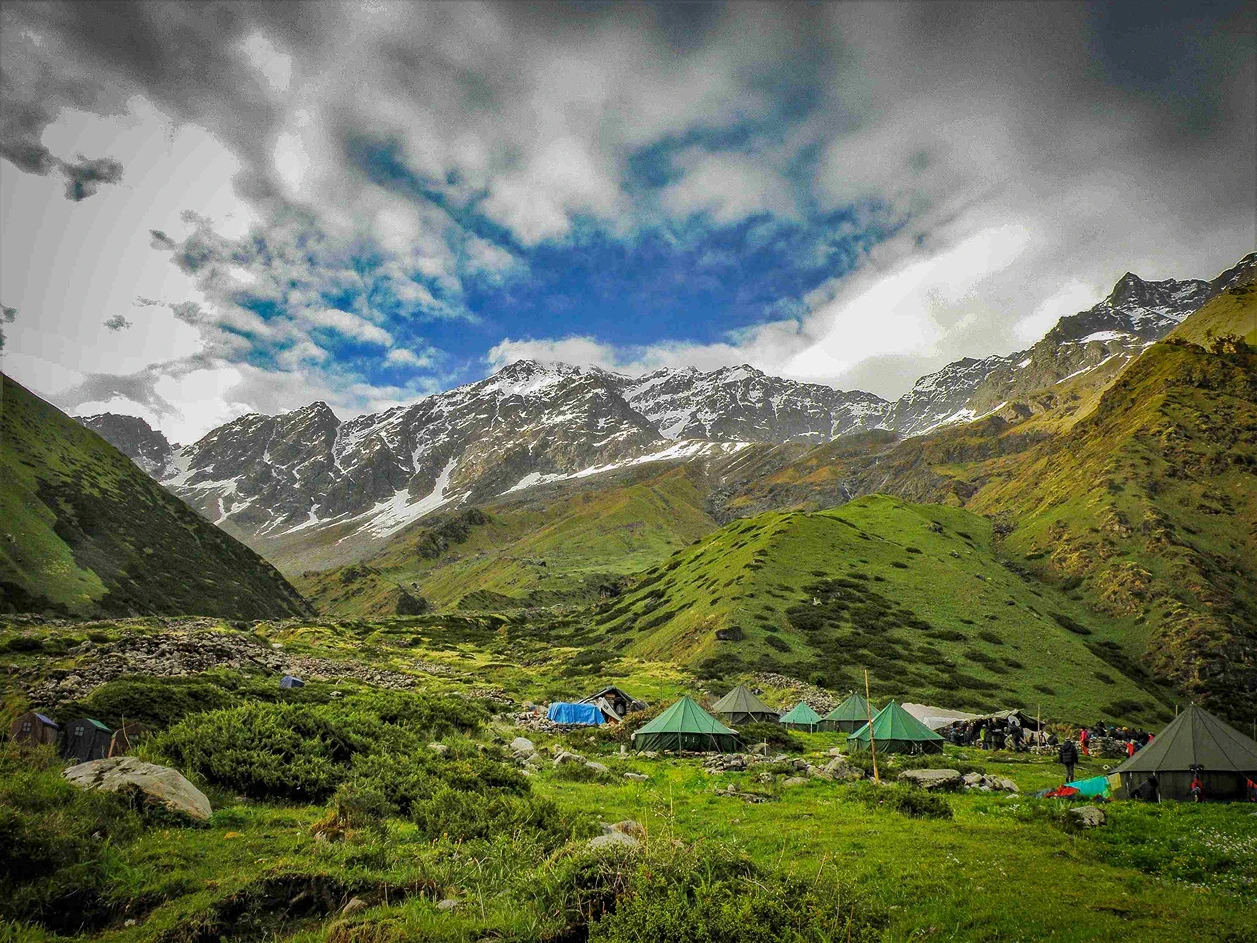
Black Peak has long been regarded as one of the classic mountaineering objectives in the Indian Himalayas. Rising above the Ruinsara Valley, it has attracted climbers for decades because of its striking appearance and relatively accessible approach compared to many other Himalayan giants.
The mountain earned the local name Kalanag, meaning “Black Cobra,” because its dark rocky summit resembles the raised hood of a cobra when viewed from the surrounding valleys.
The first recorded ascent of Black Peak was made in 1955 by an Indian expedition led by Jack Gibson, marking an important milestone in Himalayan climbing history. Since then, the mountain has become a respected training ground for mountaineers preparing for more demanding expeditions across the Himalayas.
Over the years, Black Peak has been climbed by Indian mountaineering institutes, defence expeditions, international alpine teams, and experienced independent climbers. Its combination of glacier travel, snow slopes, and moderate technical sections makes it one of India’s finest introductory 6,000-metre peaks.
Today, it remains a favourite objective for climbers looking to build high-altitude experience before attempting larger Himalayan summits such as Nun, Kun, Satopanth, Shivling, or peaks in the Karakoram.
Why Choose the Black Peak Expedition?
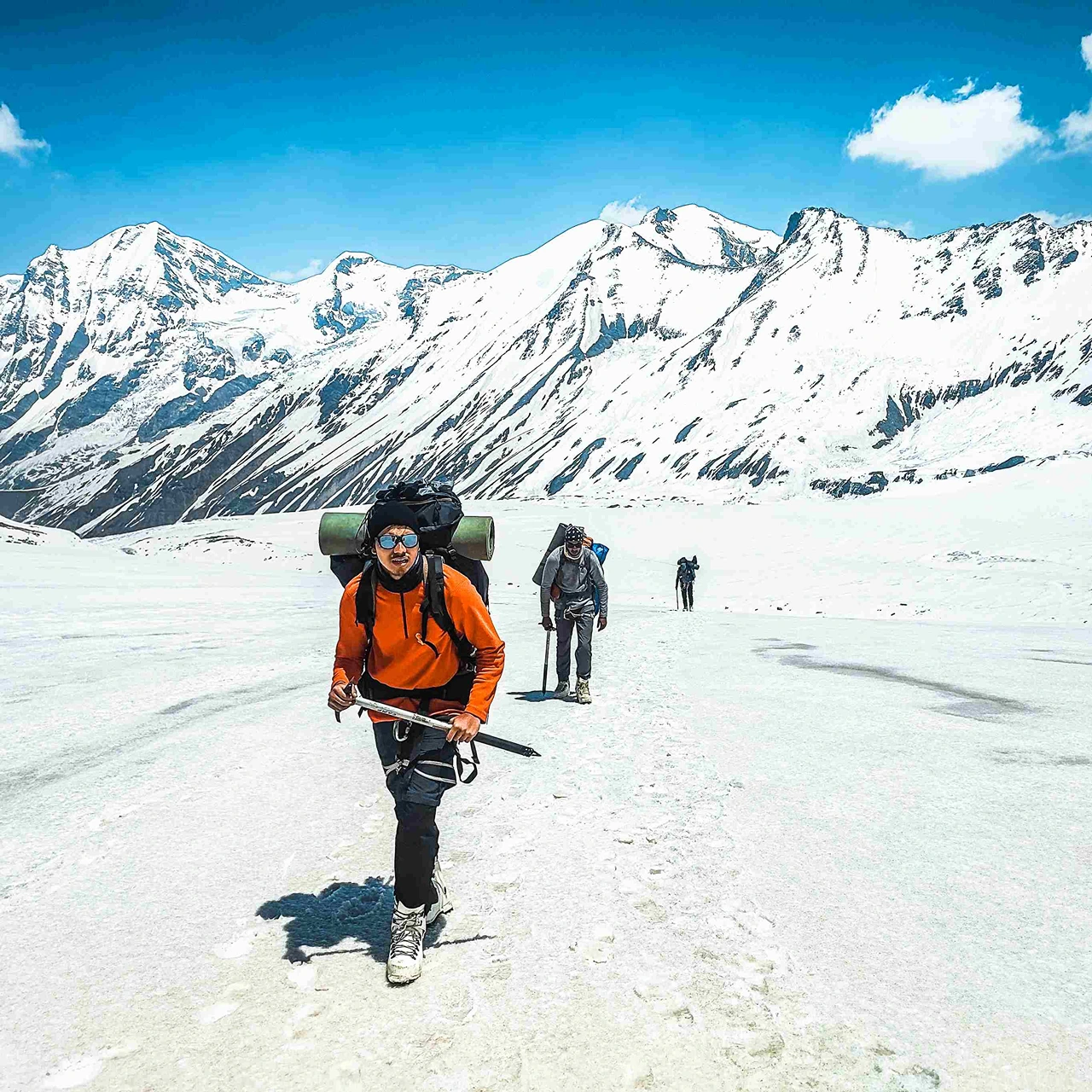
Among India’s many high-altitude climbs, Black Peak stands out because it offers much more than a summit. It is a complete mountaineering journey that develops technical skills, endurance, decision-making, and confidence in the alpine environment.
A True Himalayan Mountaineering Experience
Unlike trekking peaks that require only endurance, Black Peak introduces climbers to glacier travel, fixed ropes, crampons, ice axe techniques, and high-altitude expedition life.
One of India’s Best 6,000-Metre Training Peaks
For aspiring mountaineers, Black Peak provides the ideal progression after completing advanced Himalayan treks. The expedition prepares climbers for more challenging objectives while offering a realistic and rewarding summit goal.
Spectacular Himalayan Landscapes
The route passes through ancient forests, alpine meadows, pristine lakes, glacier valleys, and dramatic snow-covered ridges. Camps such as Ruinsara Tal and Kyarkoti are among the most scenic in the Garhwal Himalayas.
Strong Expedition Learning
Participants gain practical experience in:
- Rope handling
- Glacier movement
- Ice axe arrest techniques
- Crampon walking
- Fixed rope climbing
- High-altitude camping
- Expedition planning
- Team coordination
- Mountain safety
These skills remain valuable long after the expedition ends.
Climb with Terranova Expeditions
At Terranova Expeditions, every Black Peak expedition is planned with safety, preparation, and climber development at its core. From structured acclimatization schedules to experienced expedition leadership, our goal is not only to help you reach the summit but also to ensure you return with stronger mountaineering skills and unforgettable Himalayan memories. If you also wanted to do adventures activities then join us at Terranova Adventure .