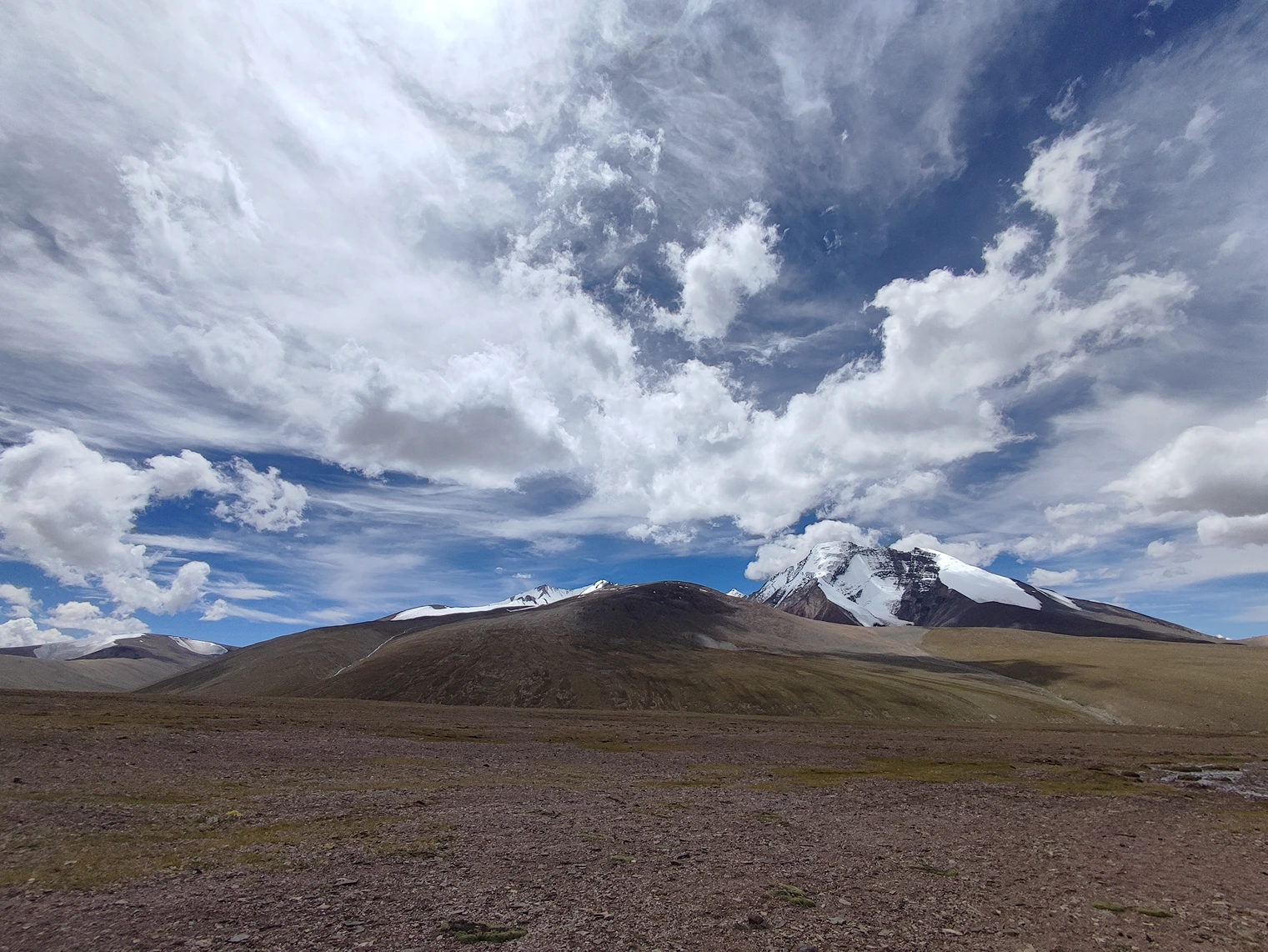
The Himalayas have always been a testing ground for adventurers. For many, trekking through high-altitude trails is the beginning of a lifelong passion for the mountains. But there comes a moment when every trekker asks the same question: What lies beyond trekking?
The answer is mountaineering.
Mountaineering is not just about reaching a summit. It is about learning technical skills, understanding high-altitude environments, building mental resilience, and developing the confidence to move safely through challenging terrain. The transition from trekker to mountaineer is a journey, and choosing the right mountains can make all the difference.
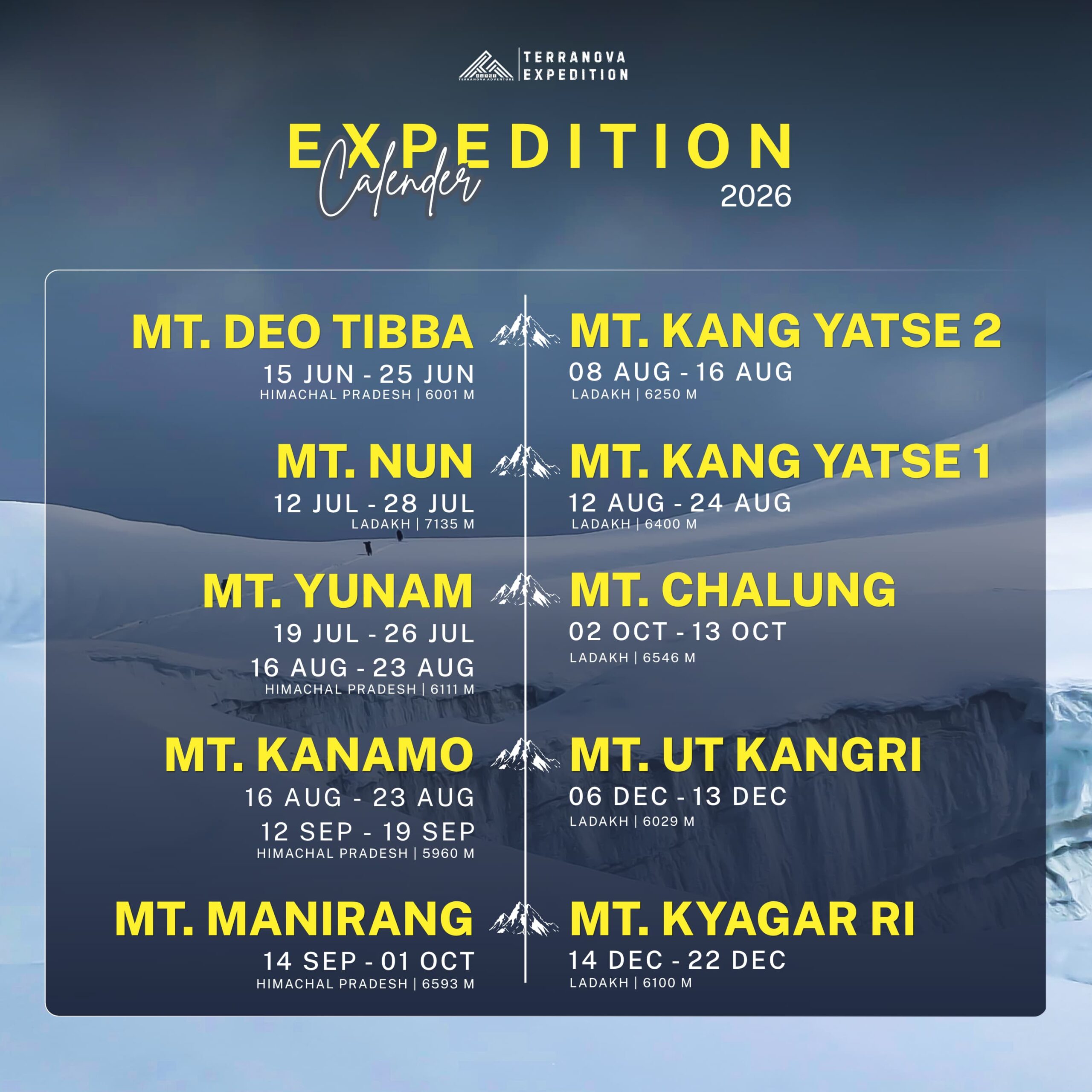
If you’re ready to step beyond traditional trekking routes and experience the thrill of Himalayan peak climbing, these five mountains offer the perfect progression. From beginner-friendly expeditions to challenging alpine objectives, Friendship Peak, Yunam Peak, Kang Yatse 2, Kang Yatse 1, and Black Peak can collectively transform you into a confident mountaineer.
1. Friendship Peak – The Perfect Introduction to Mountaineering
Altitude: 5,289 m
Region: Himachal Pradesh
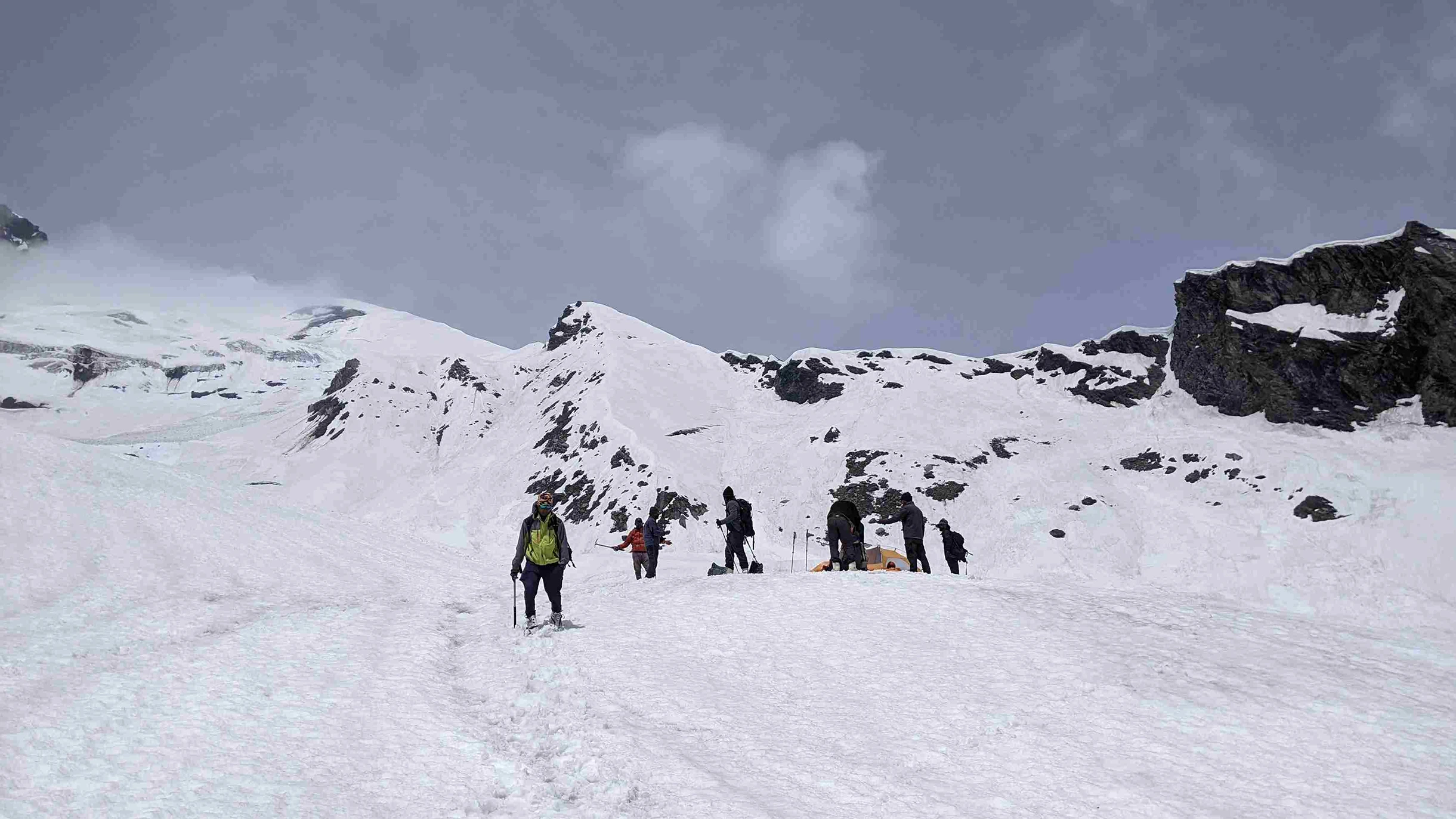
For aspiring climbers, Friendship Peak is often considered the ideal first mountaineering expedition. Located in the beautiful Pir Panjal Range near Manali, this peak introduces participants to the fundamentals of high-altitude climbing while remaining accessible to fit trekkers.
Unlike traditional treks, the route to Friendship Peak involves glacier travel, the use of mountaineering equipment, and basic snowcraft techniques. Climbers learn how to walk with crampons, use an ice axe, and move efficiently on snow-covered slopes.
Why Friendship Peak Matters
- Excellent first summit above 5,000 meters
- Introduction to snow and glacier travel
- Learn essential mountaineering techniques
- Build confidence in alpine terrain
- Ideal stepping stone toward higher Himalayan peaks
For many mountaineers, Friendship Peak marks the beginning of a lifelong relationship with high-altitude climbing.
2. Yunam Peak – Your First Taste of a 6,000-Meter Summit
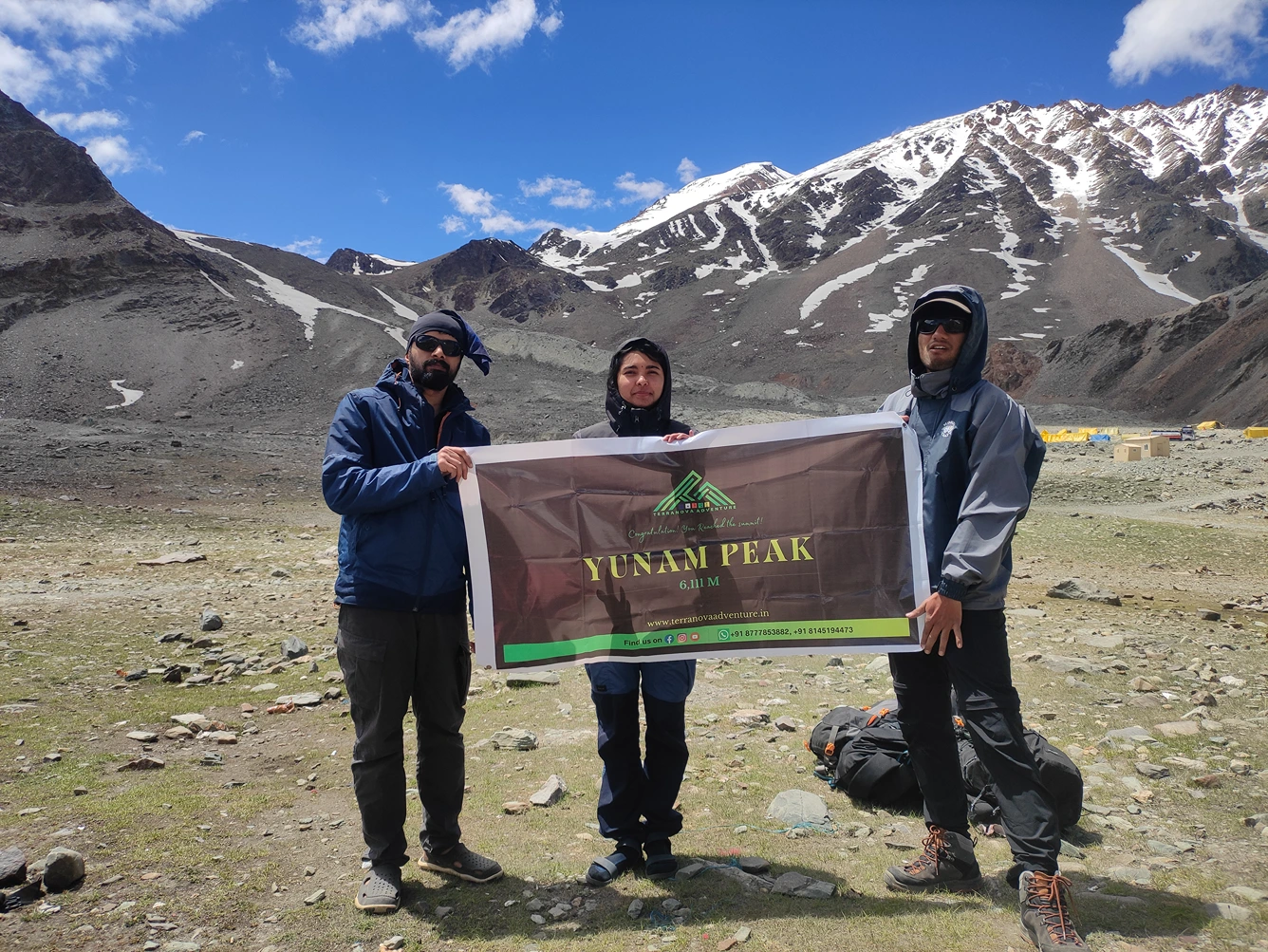
Altitude: 6,111 m
Region: Lahaul, Himachal Pradesh
Once you’ve experienced a beginner expedition, the next logical challenge is crossing the coveted 6,000-meter mark. Yunam Peak offers one of the best opportunities in India to achieve this milestone.
Situated near the famous Baralacha La, Yunam Peak combines stunning Himalayan landscapes with the challenges of high-altitude climbing. Although technically straightforward compared to more advanced peaks, the altitude itself becomes a significant test.
Climbers quickly learn that mountaineering is not simply about fitness. Proper acclimatization, pacing, hydration, and mental strength become critical at elevations above 6,000 meters.
Lessons Learned on Yunam Peak
- Managing extreme altitude
- Understanding acclimatization strategies
- Dealing with reduced oxygen levels
- Building endurance for long summit days
- Developing expedition discipline
Successfully summiting Yunam Peak often becomes a turning point where trekkers begin to think of themselves as mountaineers.
3. Kang Yatse 2 – The Ultimate Beginner 6,000-Meter Expedition
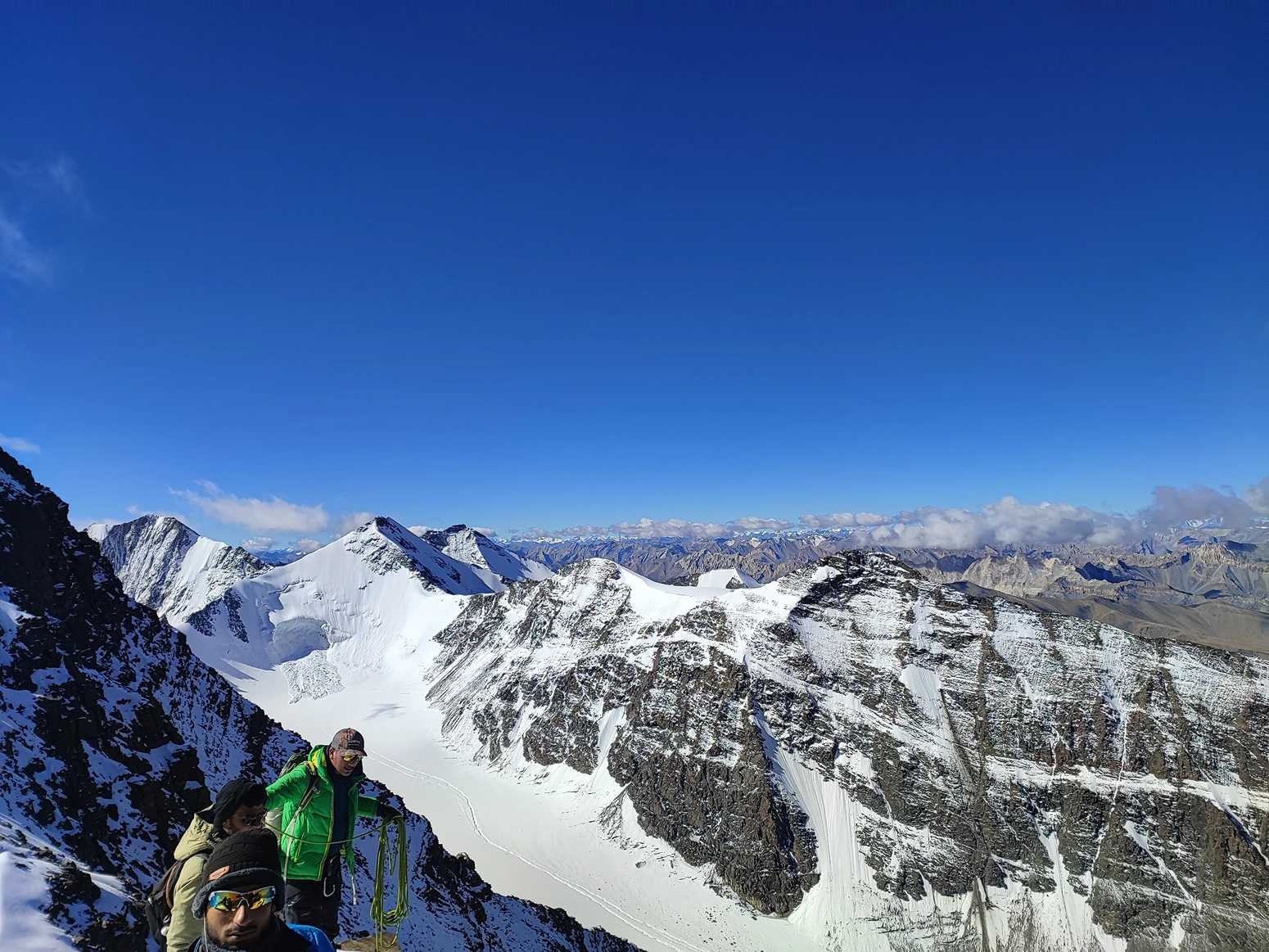
Altitude: 6,250 m
Region: Markha Valley, Ladakh
Among India’s most popular expedition peaks, Kang Yatse 2 is widely regarded as one of the best introductory mountaineering objectives above 6,000 meters.
Located in the spectacular Markha Valley of Ladakh, the expedition combines a beautiful multi-day approach trek with a rewarding summit climb. The route offers breathtaking views of the Zanskar and Karakoram ranges while providing valuable experience in high-altitude mountaineering.
Unlike shorter summit attempts, Kang Yatse 2 teaches climbers how to operate as part of a full expedition team.
Why Kang Yatse 2 Is Special
- Excellent progression after Friendship Peak and Yunam Peak
- Non-technical yet challenging summit
- Beautiful acclimatization trek through Markha Valley
- Develops endurance and expedition skills
- One of India’s most rewarding 6,000-meter climbs
For many climbers, Kang Yatse 2 represents the transition from beginner mountaineer to serious Himalayan adventurer.
4. Kang Yatse 1 – Entering the World of Technical Climbing
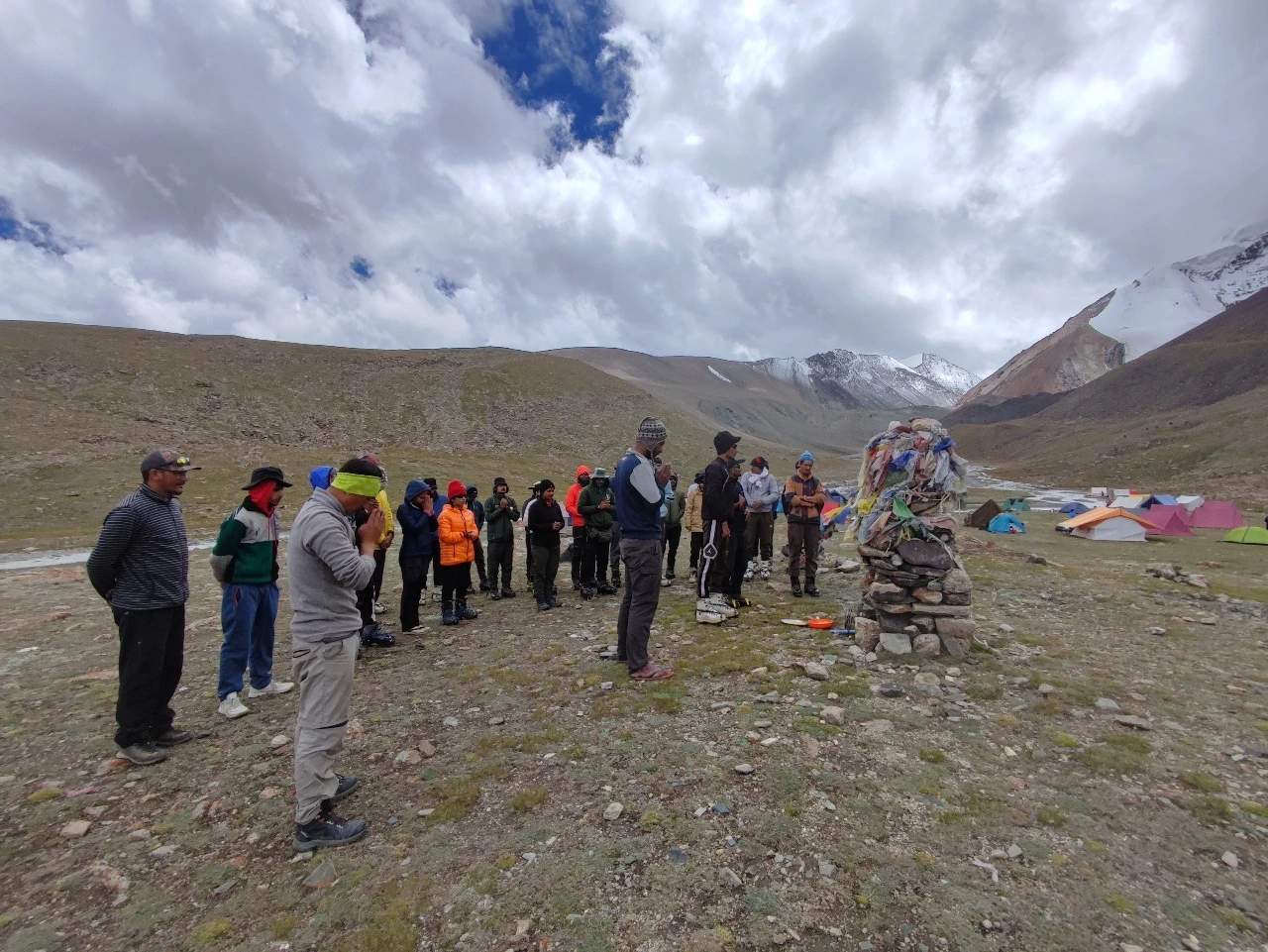
Altitude: 6,400+ m
Region: Ladakh
While Kang Yatse 2 is suitable for motivated beginners, Kang Yatse 1 presents a significantly greater challenge. This summit introduces climbers to more technical terrain and requires stronger mountaineering skills.
Steeper snow slopes, exposed sections, and technical climbing elements make Kang Yatse 1 a major step forward in any mountaineer’s development.
At this stage, climbers must apply everything they learned on previous expeditions. Technical proficiency, route management, rope skills, and efficient movement become increasingly important.
Skills Developed on Kang Yatse 1
- Advanced snow climbing techniques
- Rope work and team coordination
- Exposure management
- Technical summit strategies
- High-altitude decision making
Completing Kang Yatse 1 demonstrates that a climber is no longer simply participating in expeditions—they are becoming a capable mountaineer.
5. Black Peak – The True Test of Himalayan Mountaineering
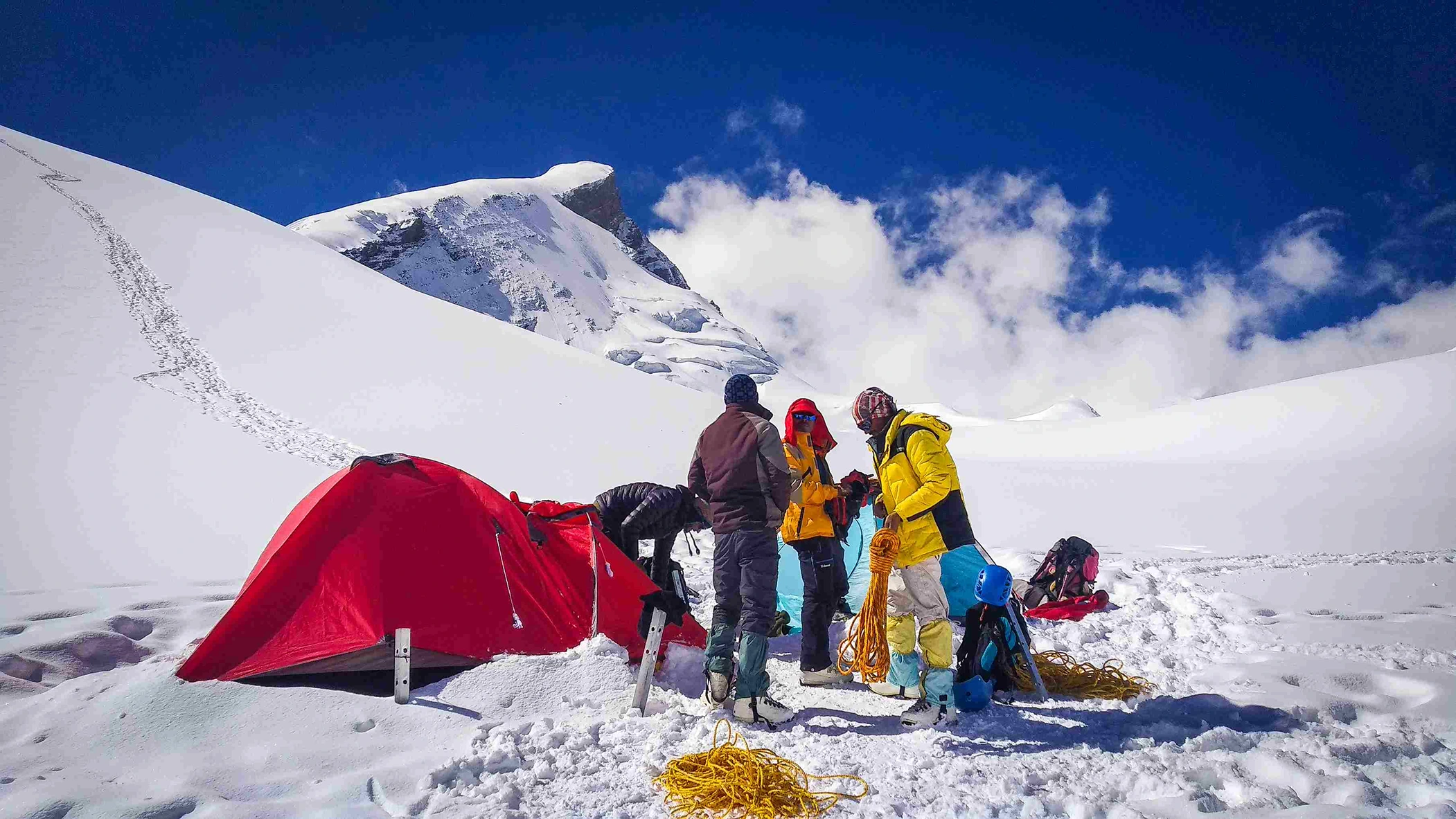
Altitude: 6,387 m
Region: Garhwal Himalayas, Uttarakhand
Known officially as Kala Nag, Black Peak is one of the most respected mountaineering objectives in the Indian Himalayas.
Rising dramatically above the Ruinsara Valley, Black Peak demands physical endurance, technical competence, glacier travel skills, and strong mental determination. The expedition involves navigating crevassed glaciers, establishing high camps, and executing a demanding summit push.
Among the five peaks discussed here, Black Peak is often considered the culmination of a mountaineer’s progression.
Why Black Peak Is a Landmark Achievement
- Serious Himalayan expedition experience
- Technical glacier and snow climbing
- Multi-camp expedition logistics
- Demanding summit day
- Exceptional sense of achievement
Standing atop Black Peak is not just about reaching another summit—it symbolizes years of preparation, training, and mountain experience.
The Perfect Progression: From Trekker to Mountaineer
A successful mountaineering journey is rarely built on a single expedition. Instead, it is a gradual progression where each mountain teaches new skills and prepares you for greater challenges.
A recommended progression might look like this:
Friendship Peak → Yunam Peak → Kang Yatse 2 → Kang Yatse 1 → Black Peak
Each expedition develops different aspects of mountaineering:
| Peak | Focus Area |
| Friendship Peak | Basic mountaineering skills |
| Yunam Peak | High-altitude adaptation |
| Kang Yatse 2 | Expedition experience |
| Kang Yatse 1 | Technical climbing |
| Black Peak | Advanced Himalayan mountaineering |
By following this progression, climbers gain experience safely while continuously expanding their capabilities.
Final Thoughts
The Himalayas offer countless opportunities for adventure, but few experiences are as transformative as mountaineering. The journey from trekking trails to snow-covered summits teaches resilience, patience, leadership, and respect for the mountains.
Whether you begin with Friendship Peak, challenge yourself on Yunam Peak, push higher on Kang Yatse 2, test your technical abilities on Kang Yatse 1, or ultimately stand atop Black Peak, each expedition will leave you stronger than before.
Mountaineering is not defined by a single summit. It is defined by the person you become through the journey.
And these five Himalayan peaks provide one of the finest pathways to that transformation.