One of the most common questions aspiring climbers ask before signing up for a trek or expedition is:
“Am I fit enough?”
It sounds like a simple question, but the answer is often misunderstood.
Many people assume expeditions are only for elite athletes, marathon runners, military personnel, or people with extraordinary fitness levels. Others believe that because they go to the gym regularly, they are automatically prepared for a Himalayan climb.
The reality lies somewhere in between.
After participating in and observing multiple Himalayan expeditions, I have seen exceptionally fit people struggle on relatively straightforward mountains. At the same time, I have watched ordinary working professionals, business owners, students, and first-time climbers successfully summit peaks above 6,000 meters.
The difference was rarely raw strength.
The difference was usually:
• Endurance
• Consistency
• Recovery
• Mental resilience
• Adaptability
Most importantly, it was understanding what expedition fitness actually means.
Because mountain fitness is very different from gym fitness.
This guide explains the real fitness requirements for expeditions, how to evaluate your current level, what expedition leaders look for, and how climbers can prepare effectively for high-altitude objectives.
The Biggest Myth About Expedition Fitness
The biggest misconception is that mountaineering is primarily about strength.
It isn’t.
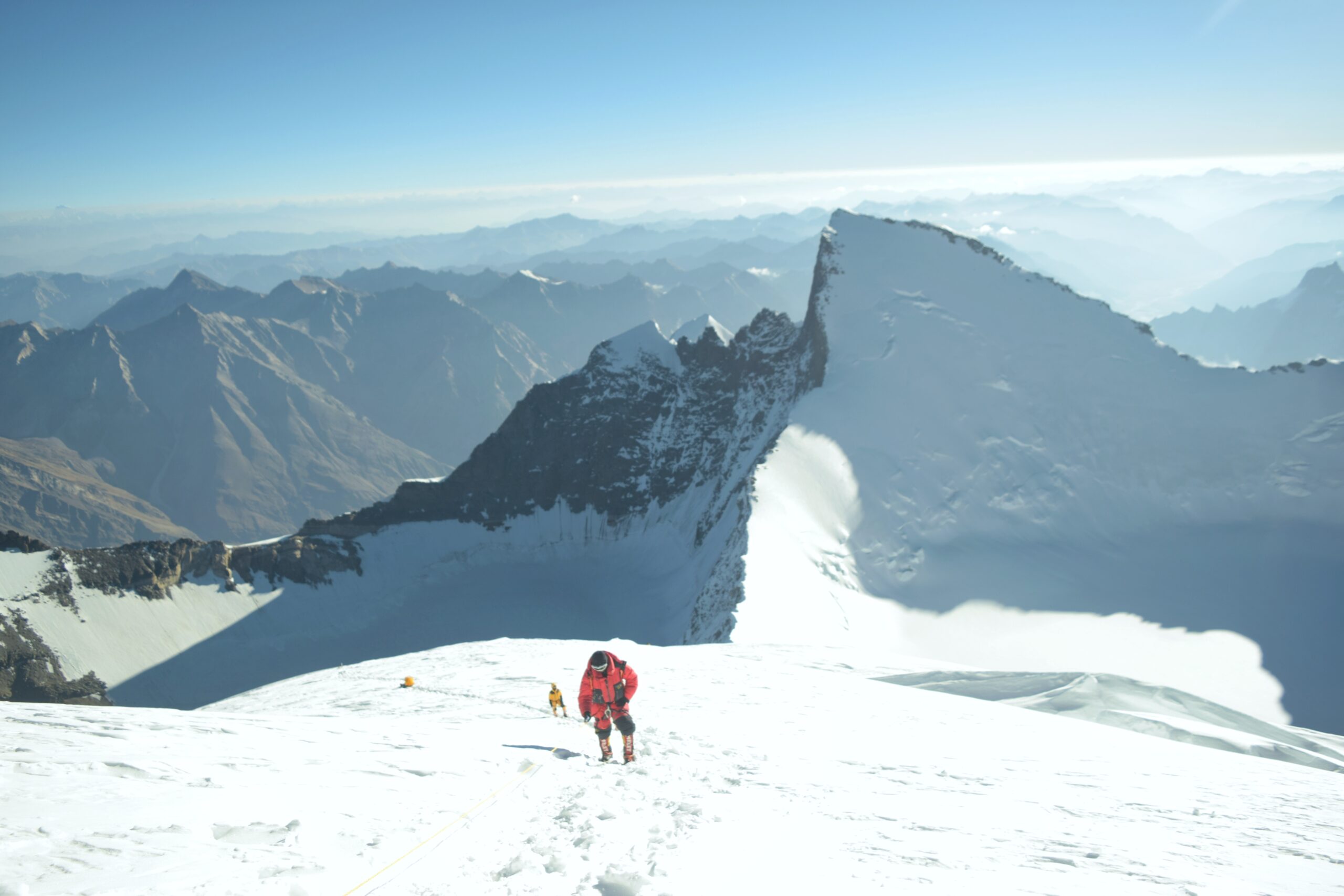
A typical Himalayan expedition is not a one-hour workout.
It is often:
• Multiple days or weeks of continuous activity
• Long walking hours
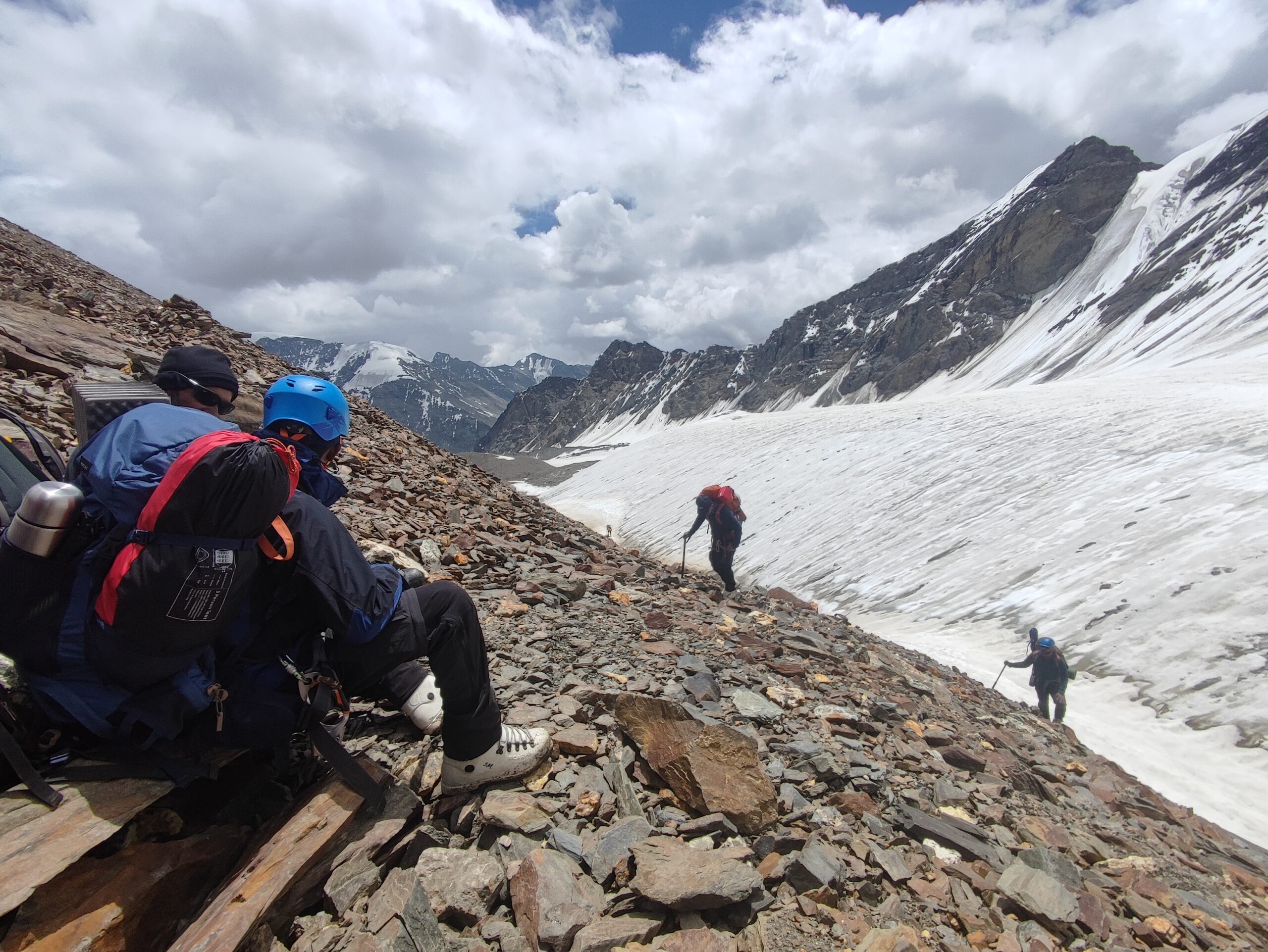
• Load carrying
• Cold exposure
• Sleep disruption
• Reduced oxygen availability
The mountains reward consistency more than intensity.
I learned this during one of my early expeditions.
A few team members were incredibly strong in the gym and could outperform everyone during short training sessions.
But once the expedition entered its fifth and sixth consecutive day, endurance and recovery became far more important than raw power.
Lesson from Experience:
Mountains do not ask how much weight you can lift once. They ask how efficiently you can move for many days in a row.
What Does “Expedition Fit” Actually Mean?
Expedition fitness is the ability to:
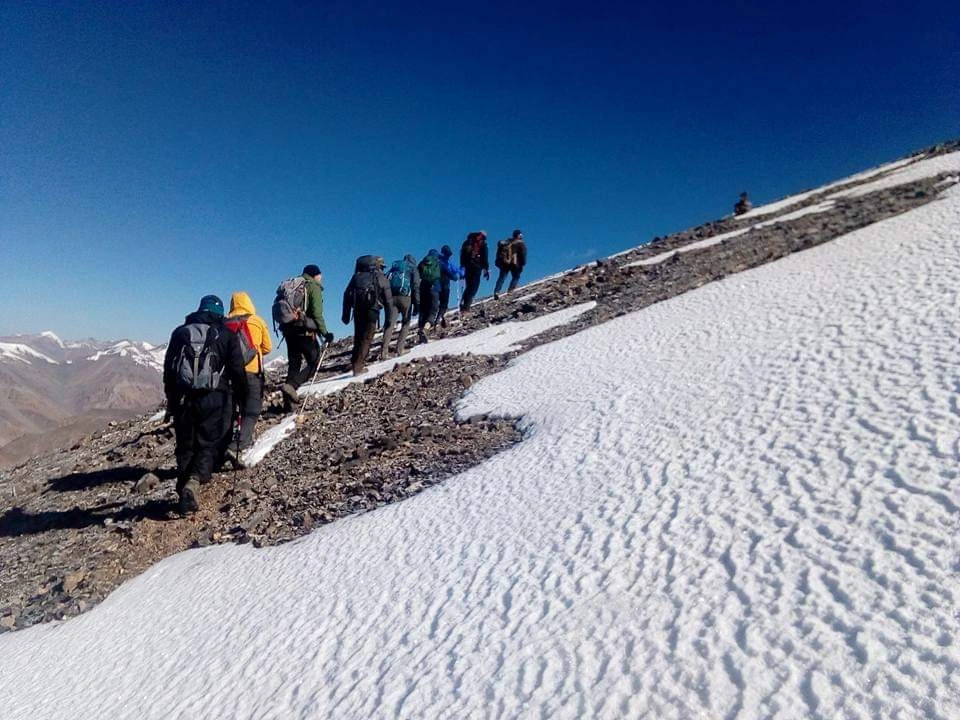
• Walk for several hours continuously
• Recover overnight and perform again the next day
• Carry a backpack comfortably
• Maintain steady effort at altitude
• Handle fatigue without significant performance decline
A climber does not need to be the fastest person on the mountain.
They need to remain functional and efficient day after day.
The Four Pillars of Expedition Fitness
Every successful expedition climber typically develops four key areas:
1. Cardiovascular endurance
2. Muscular endurance
3. Recovery capacity
4. Mental resilience
Let’s examine each one.
1. Cardiovascular Endurance
This is the most important component of expedition fitness.
When climbing in the Himalayas, especially above 4,000 meters, the body relies heavily on aerobic capacity.
Good cardiovascular endurance allows you to:
• Climb longer without exhaustion
• Recover faster during breaks
• Maintain a steady pace
• Use oxygen more efficiently
Activities that build endurance include:
• Hiking
• Trail running
• Incline walking
• Cycling
• Stair climbing
• Long-distance walking
A Simple Test
Can you comfortably walk for 3–4 hours at a moderate pace without feeling completely exhausted?
If the answer is yes, your endurance foundation is likely moving in the right direction.
2. Muscular Endurance
Muscular endurance is more important than maximum strength for expeditions.
Your legs must repeatedly perform thousands of steps during:
• Ascents
• Descents
• Load carries
• Summit pushes
This requires muscles that can work continuously without fatiguing quickly.
Useful exercises include:
• Step-ups
• Lunges
• Squats
• Stair climbing
• Hill walking
Why Descending Is Often Harder
Many beginners focus entirely on climbing uphill.
But experienced mountaineers know that descents often cause more muscular fatigue.
Descending places repeated stress on:
• Quadriceps
• Knees
• Ankles
• Hips
During one expedition, I felt strong during the ascent but underestimated the descent completely.
The summit was only halfway through the challenge.
Lesson from Experience:
Every summit comes with a mandatory return journey.
3. Recovery Capacity
Recovery is one of the most underrated aspects of expedition performance.
The real question isn’t:
“Can you perform well today?”
The better question is:
“Can you perform again tomorrow?”
And then again the next day?
Expeditions require repeated effort over many days.
Good recovery depends on:
• Sleep
• Nutrition
• Hydration
• Training balance
• Stress management
4. Mental Resilience
Every expedition eventually becomes a mental challenge.
Climbers face:
• Cold weather
• Fatigue
• Long trekking days
• Uncertainty
• Altitude stress
There will be moments when:
• The summit feels far away
• The weather deteriorates
• Energy drops unexpectedly
Mental resilience allows climbers to continue making good decisions under discomfort.
This is often the difference between success and failure.
Fitness Requirements by Expedition Category
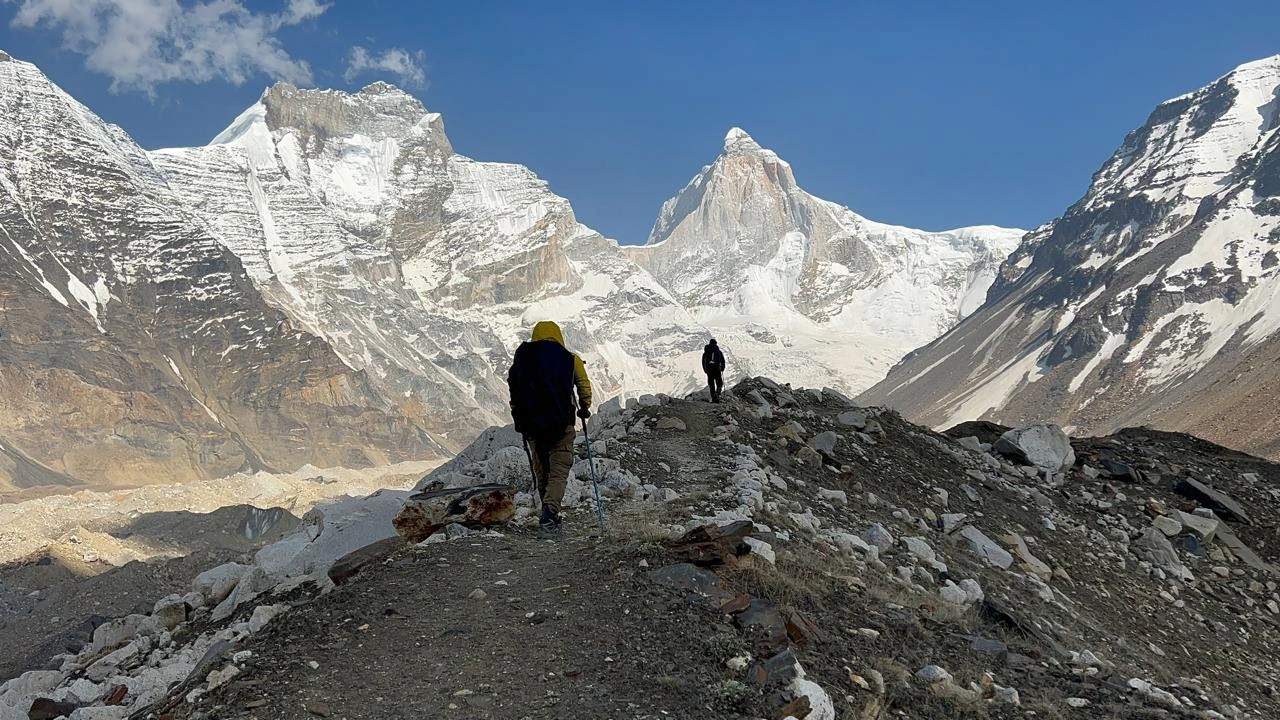
Different objectives require different fitness levels.
Trekking Expeditions (3,000m–4,500m)
Examples:
• Valley of Flowers
• Kedarkantha
• Hampta Pass
• Dayara Bugyal
Recommended fitness:
• Walk 8–10 km comfortably
• Complete moderate hikes regularly
• Basic endurance foundation
Most healthy individuals can prepare adequately within a few months.
High-Altitude Treks (4,500m–5,500m)
Examples:
• Everest Base Camp
• Rupin Pass
• Goechala
• Kashmir Great Lakes
Recommended fitness:
• 4–6 hours of sustained walking
• Strong cardiovascular endurance
• Consistent recovery ability
Altitude begins playing a major role.
Beginner Expedition Peaks (5,000m–6,200m)
Examples:
• Friendship Peak
• Yunam Peak
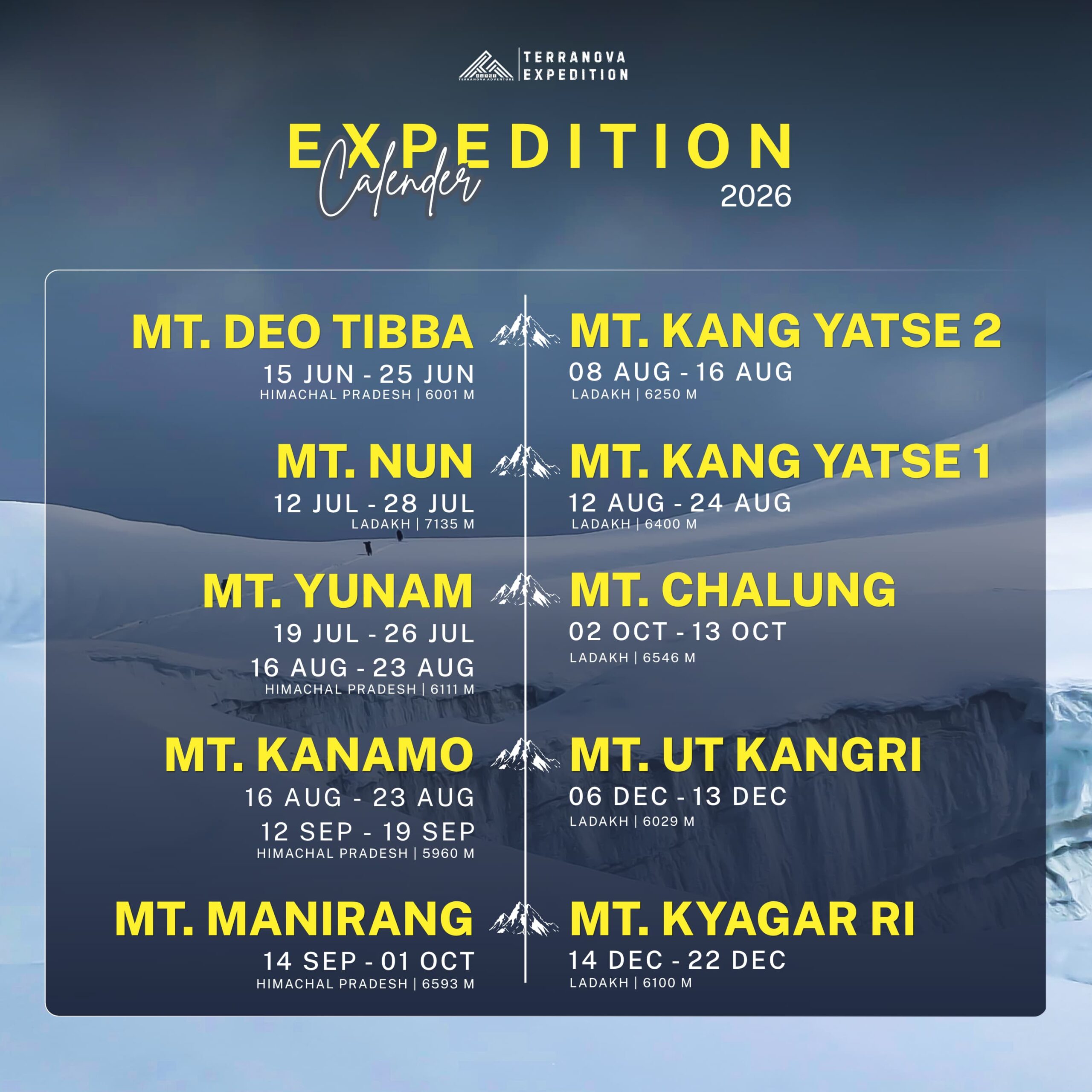
• Kang Yatse II
• Island Peak
Recommended fitness:
• Strong aerobic base
• Load-carrying ability
• Recovery under fatigue
• Multi-day endurance
This is where expedition-specific training becomes important.
Advanced Expedition Peaks (6,000m–7,000m)
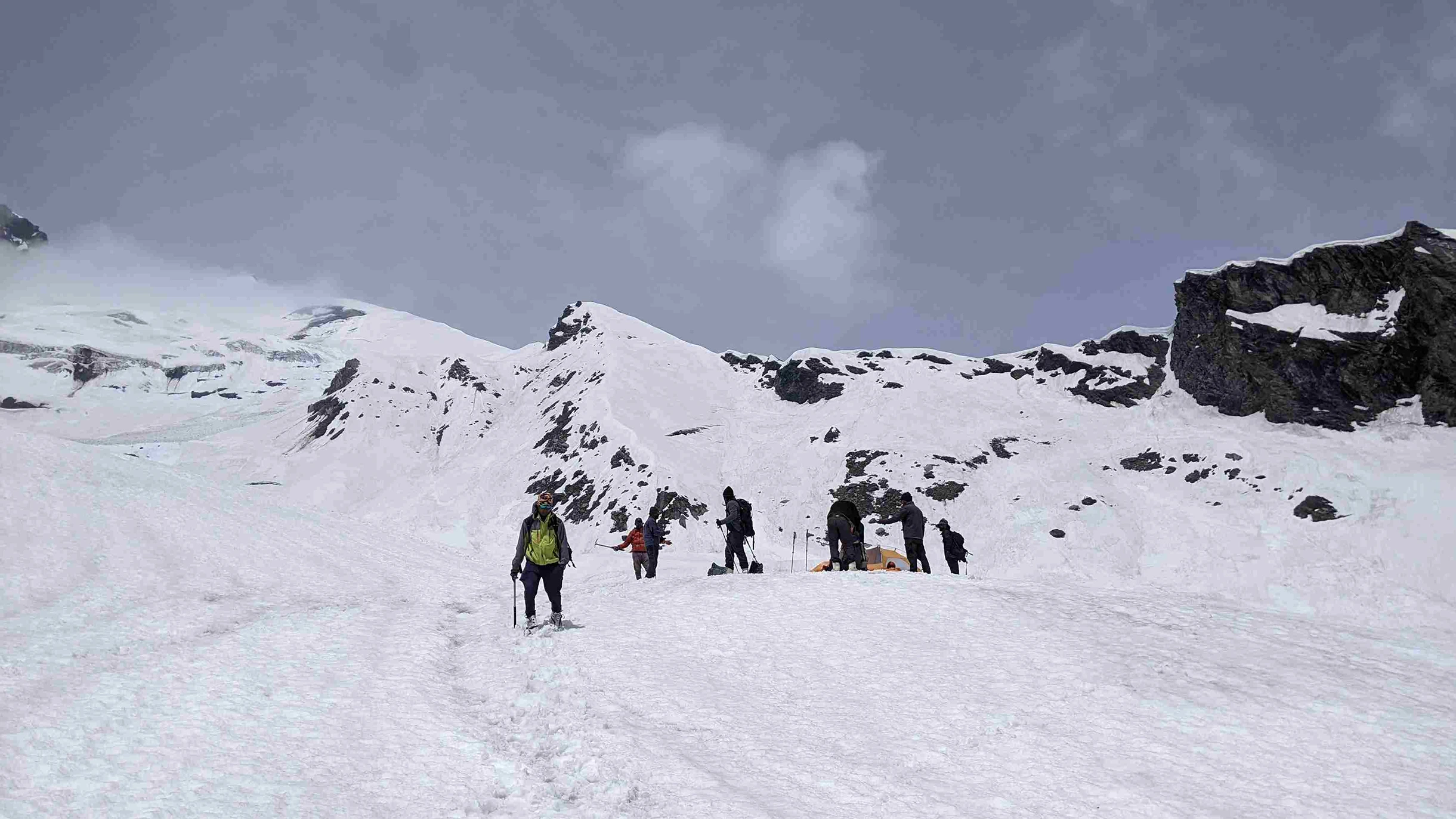
Examples:
• Black Peak
• Shinkun West
• Mera Peak (depending on conditions)
• Technical 6,000m objectives
Required fitness:
• Excellent endurance
• Strong recovery systems
• Efficient movement under load
• High mental resilience
At this level, fitness alone is no longer enough.
Technical skills become equally important.
Major Himalayan Expeditions (7000m+)
Examples:
• Nun
• Kun
• Kamet
• Abi Gamin
• Satopanth
These mountains require:
• Years of progression
• Advanced endurance
• Technical competence
• High-altitude experience
No short-term training plan can replace mountain experience at this level.
How Much Weight Should You Be Able to Carry?
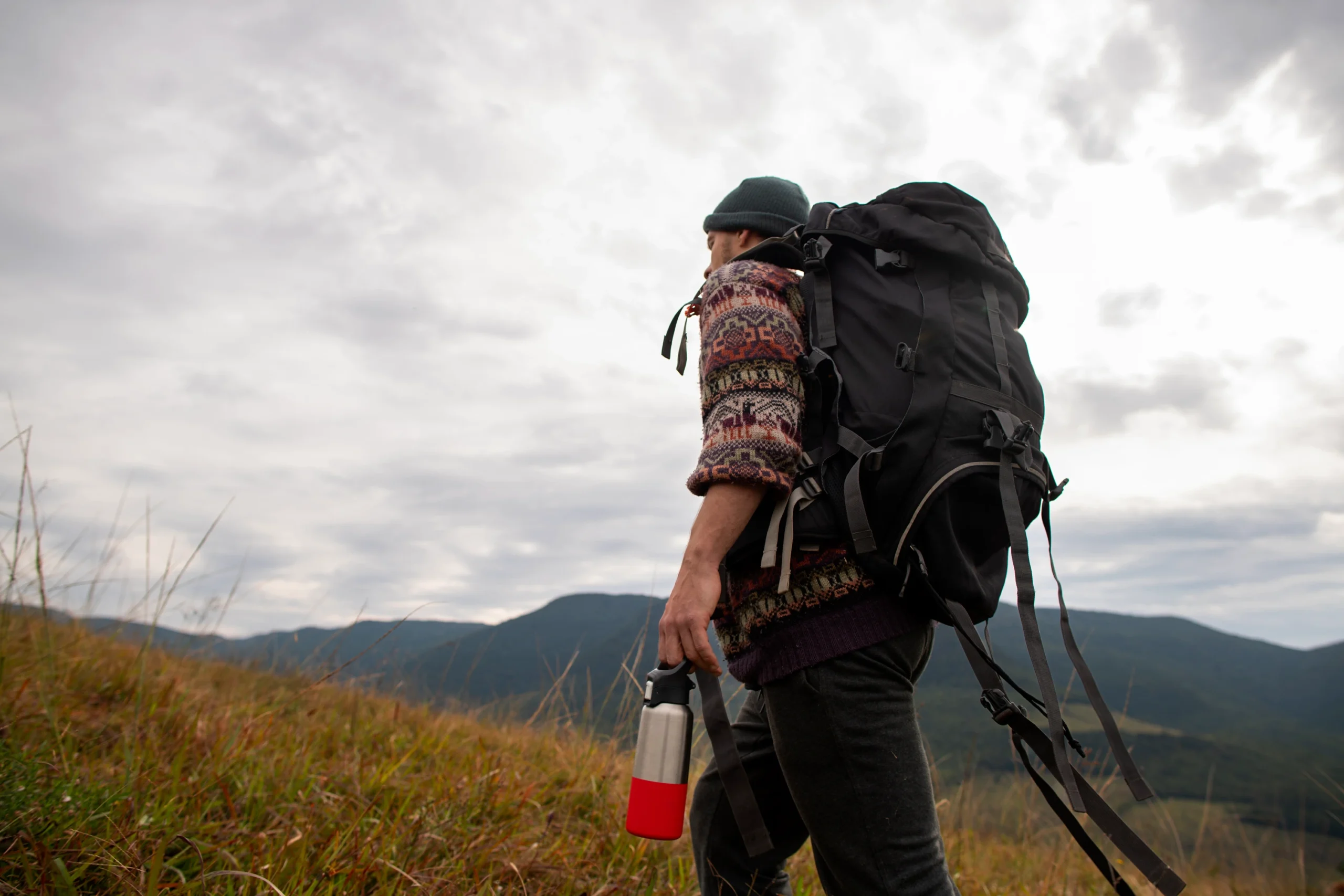
This depends on the expedition.
For most trekking and beginner expedition objectives, climbers should comfortably handle:
• 8–12 kg during training hikes
For more serious expeditions:
• 12–18 kg training loads may become relevant
The goal is efficient movement—not carrying the heaviest backpack possible.
Can Gym Fitness Prepare You?
Partially.
The gym helps build:
• Strength
• Stability
• Injury resistance
However, it cannot fully prepare you for:
• Long-duration hiking
• Altitude
• Uneven terrain
• Multi-day fatigue
This is why outdoor training remains essential.
The Importance of Hiking Before an Expedition
If I could recommend only one training activity, it would be hiking.
Hiking develops:
• Endurance
• Balance
• Load management
• Terrain adaptation
• Mental pacing
It is the closest simulation to actual expedition movement.
Signs You Are Expedition Ready
You are likely moving toward expedition readiness if you can:
• Walk 12–15 km comfortably
• Hike for 5–6 hours without exhaustion
• Recover well the next day
• Carry a backpack comfortably
• Maintain steady effort without large energy crashes
Perfection is not required.
Consistency is.
Common Fitness Mistakes Climbers Make
Focusing Only on Strength
Strength helps.
Endurance matters more.
Ignoring Recovery
Recovery is where adaptation happens.
Training Too Hard Too Close to the Expedition
Fatigue accumulation reduces performance.
Avoiding Load-Carrying Practice
Backpacks change movement mechanics significantly.
Neglecting Descending Training
Descending often causes the most muscular fatigue.
My Biggest Fitness Realization
After years of trekking and mountaineering, one lesson became clear:
The strongest climber is rarely the one who starts the expedition fastest.
The strongest climber is usually the one who still moves efficiently on the final summit day.
Mountains reward sustainability.
Not short-term intensity.
A Practical Fitness Benchmark for Most Himalayan Expeditions
For most beginner to intermediate Himalayan objectives, a climber should aim to:
• Walk 10–15 km comfortably
• Climb 800–1,000 meters of elevation gain in a day
• Carry a moderate backpack without difficulty
• Recover adequately overnight
• Maintain activity for multiple consecutive days
If you can do these consistently, you already possess a strong foundation for many Himalayan adventures.
Final Advice Before Your Expedition
Do not compare yourself to elite athletes.
Compare yourself to the demands of the mountain.
Focus on:
• Endurance
• Recovery
• Consistency
• Load management
• Mental resilience
Because expedition success is not determined by who trains hardest for a week.
It is determined by who can keep moving efficiently when the mountain becomes difficult.
Conclusion
The fitness level required for an expedition is often lower than people fear—but more specific than most people realize.
Successful climbers are not necessarily the strongest, fastest, or most athletic individuals. They are usually the ones who build endurance patiently, recover effectively, manage energy intelligently, and respect the realities of mountain environments.
After countless Himalayan expeditions, one truth stands out:
Expedition fitness is not about proving how strong you are. It is about preparing your body and mind to remain effective when altitude, fatigue, weather, and terrain begin testing every part of your system.