Whenever someone hears that you are planning a Himalayan expedition, the reaction is often the same:
“Isn’t that dangerous?”
It is a fair question.
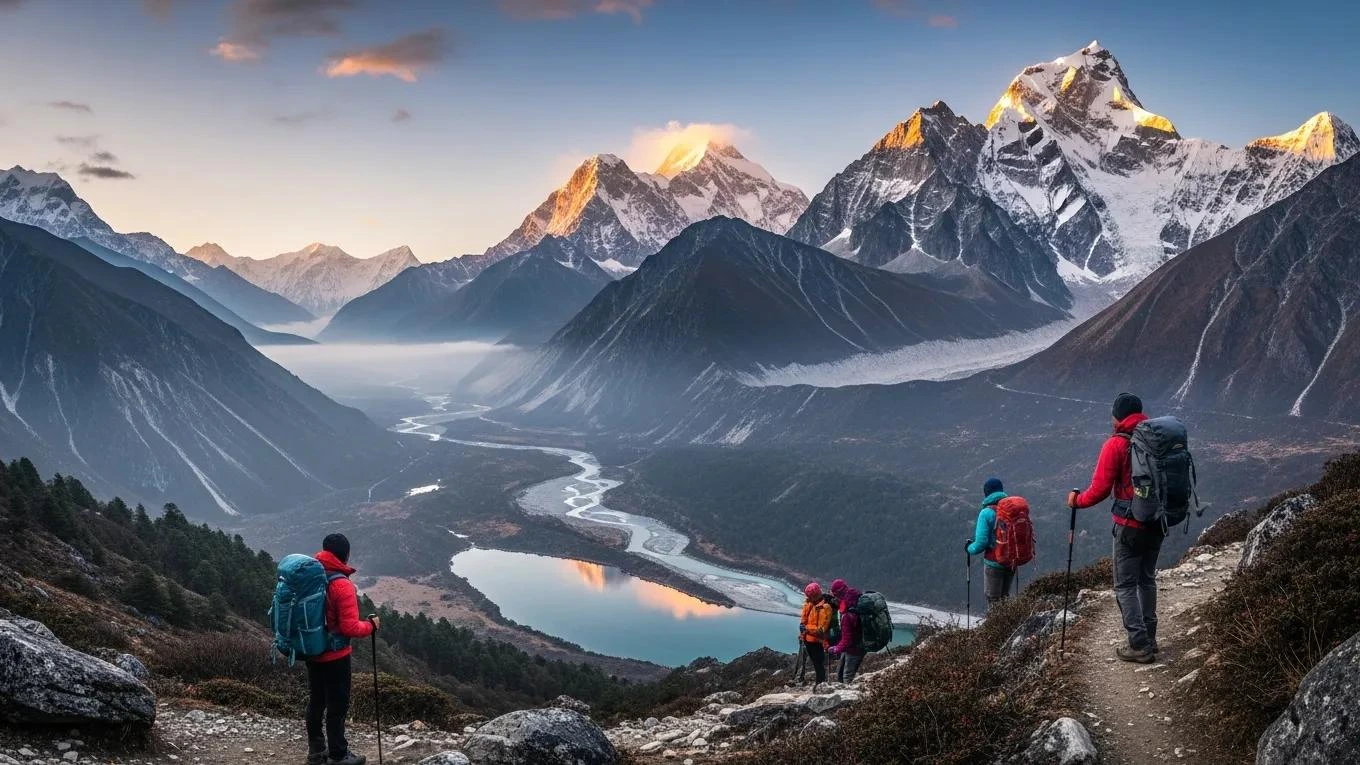
The Himalayas are home to some of the highest, coldest, and most challenging mountains on Earth. News headlines occasionally feature avalanches, storms, altitude-related fatalities, or dramatic rescue operations. Social media often shows climbers standing on exposed ridges, crossing glaciers, or battling harsh weather.
From the outside, mountaineering can appear extremely dangerous.
But after spending years in the mountains, I have learned that the answer is more nuanced than most people think.
The truth is:
Himalayan expeditions are neither completely safe nor as recklessly dangerous as they are often portrayed.
The real risk depends on:
• The mountain
• The season
• The team’s experience
• Preparation quality
• Decision-making
• Weather conditions
• Risk management systems
In fact, many successful climbers spend years in the Himalayas without major incidents because they understand something important:
Mountaineering is not about eliminating risk. It is about managing risk intelligently.
This article explores the real dangers of Himalayan expeditions, separates myths from reality, and explains how experienced climbers approach safety in the mountains.
The First Thing to Understand: Risk Is Part of Mountaineering
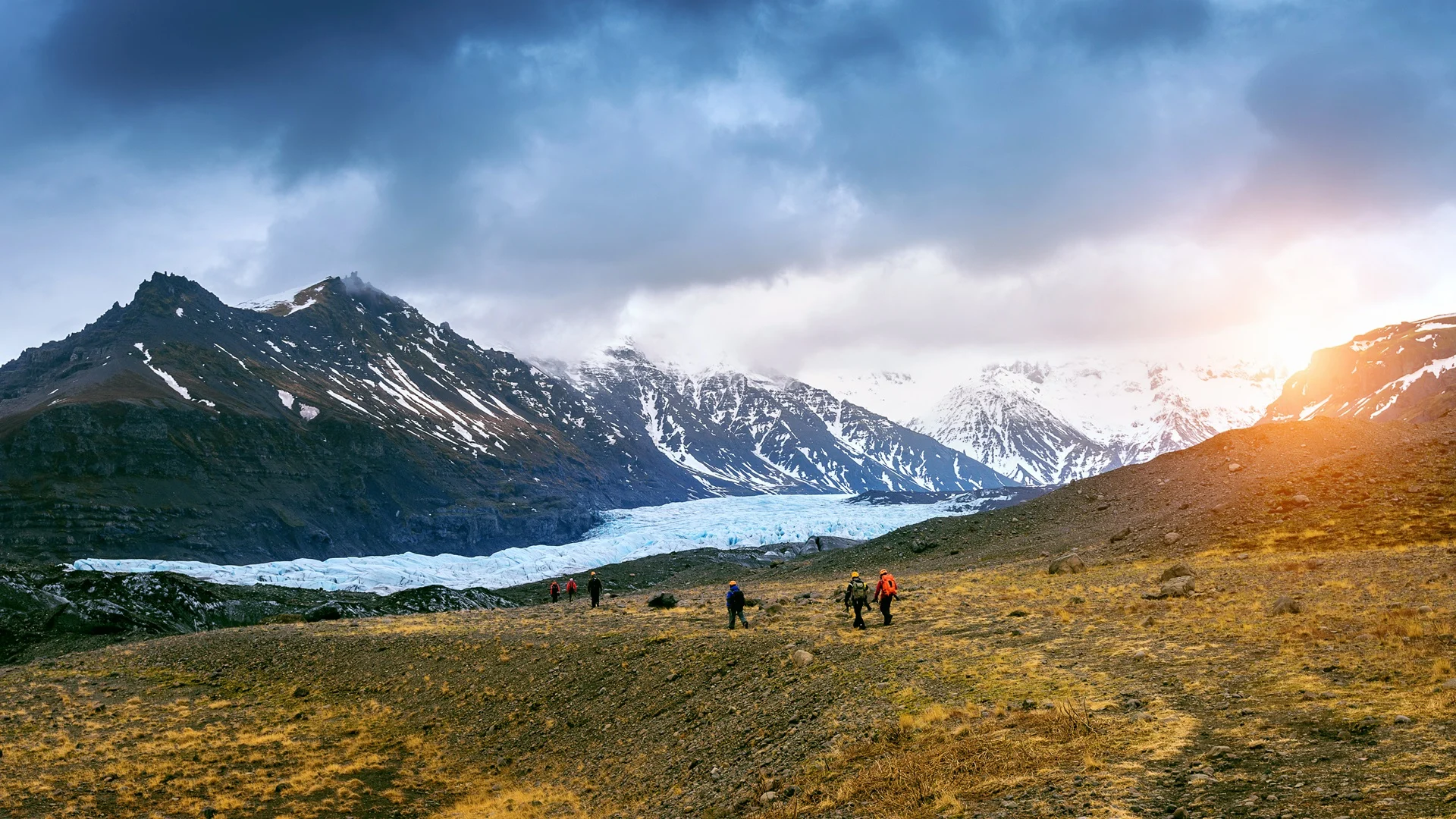
Unlike many outdoor activities, mountaineering takes place in environments that cannot be fully controlled.
The mountains do not care about:
• Experience
• Equipment cost
• Summit ambitions
• Social media goals
Weather changes when it wants.
Snow conditions evolve continuously.
Glaciers move.
Rockfall occurs.
This unpredictability is exactly why risk management is such an important part of climbing.
Experienced mountaineers accept risk.
They simply work hard to reduce it wherever possible.
Why the Himalayas Feel Different
The Himalayas create challenges that most people never experience in everyday life.
Climbers must operate in environments with:
• Low oxygen
• Extreme cold
• Remote terrain
• Limited rescue access
• Rapid weather changes
• Physical exhaustion
At sea level, a simple mistake is often inconvenient.
In the mountains, the same mistake can become much more serious.
That is why preparation matters so much.
Danger #1: Altitude Sickness
If there is one risk that affects almost every Himalayan climber at some point, it is altitude.
Above 3,000 meters, the body begins adapting to reduced oxygen.
Above 5,000 meters, the effects become significantly stronger.
Common symptoms include:
• Headache
• Nausea
• Dizziness
• Fatigue
• Poor sleep
Most cases are manageable with proper acclimatization.
However, severe altitude illnesses can occur.
High Altitude Pulmonary Edema (HAPE)
HAPE involves fluid accumulation in the lungs.
Symptoms may include:
• Shortness of breath
• Persistent cough
• Extreme fatigue
• Difficulty breathing while resting
This condition is potentially life-threatening.
High Altitude Cerebral Edema (HACE)
HACE involves swelling of the brain caused by altitude stress.
Symptoms may include:
• Loss of coordination
• Confusion
• Altered behavior
• Severe headache
Immediate descent is critical.
Lesson from Experience:
Most altitude problems begin with small symptoms that people choose to ignore.
Danger #2: Weather
Weather remains one of the most powerful forces in the Himalayas.
Conditions can change rapidly.
A day that begins with:
• Clear skies
• Comfortable temperatures
• Good visibility
can evolve into:
• Snowfall
• High winds
• Whiteout conditions
within hours.
I have experienced days where summit plans changed completely because weather windows closed unexpectedly.
This is why flexibility is one of the most valuable mountaineering skills.
Wind Is Often More Dangerous Than Cold
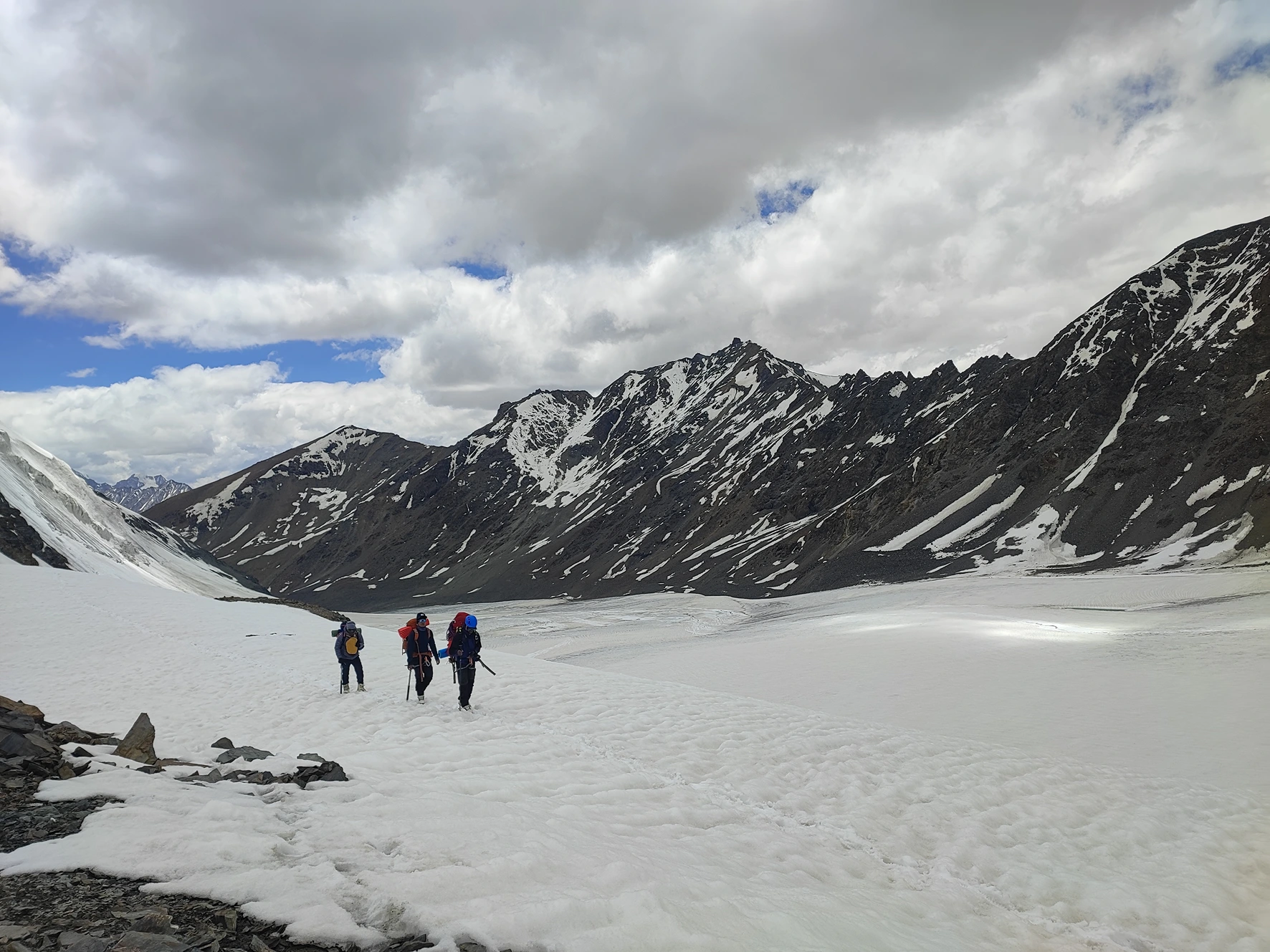
Many beginners focus on temperature.
Experienced climbers often focus on wind.
Strong wind:
• Accelerates heat loss
• Reduces visibility
• Increases fatigue
• Makes technical movement more difficult
A relatively manageable temperature can become dangerous when combined with severe wind chill.
Danger #3: Avalanches
Avalanches are among the most serious objective hazards in the mountains.
An objective hazard is a danger that exists regardless of climber skill.
Avalanche risk depends on:
• Snowpack stability
• Recent snowfall
• Wind loading
• Temperature changes
• Terrain angle
Experienced teams constantly evaluate snow conditions before committing to exposed slopes.
Why Avalanche Awareness Matters
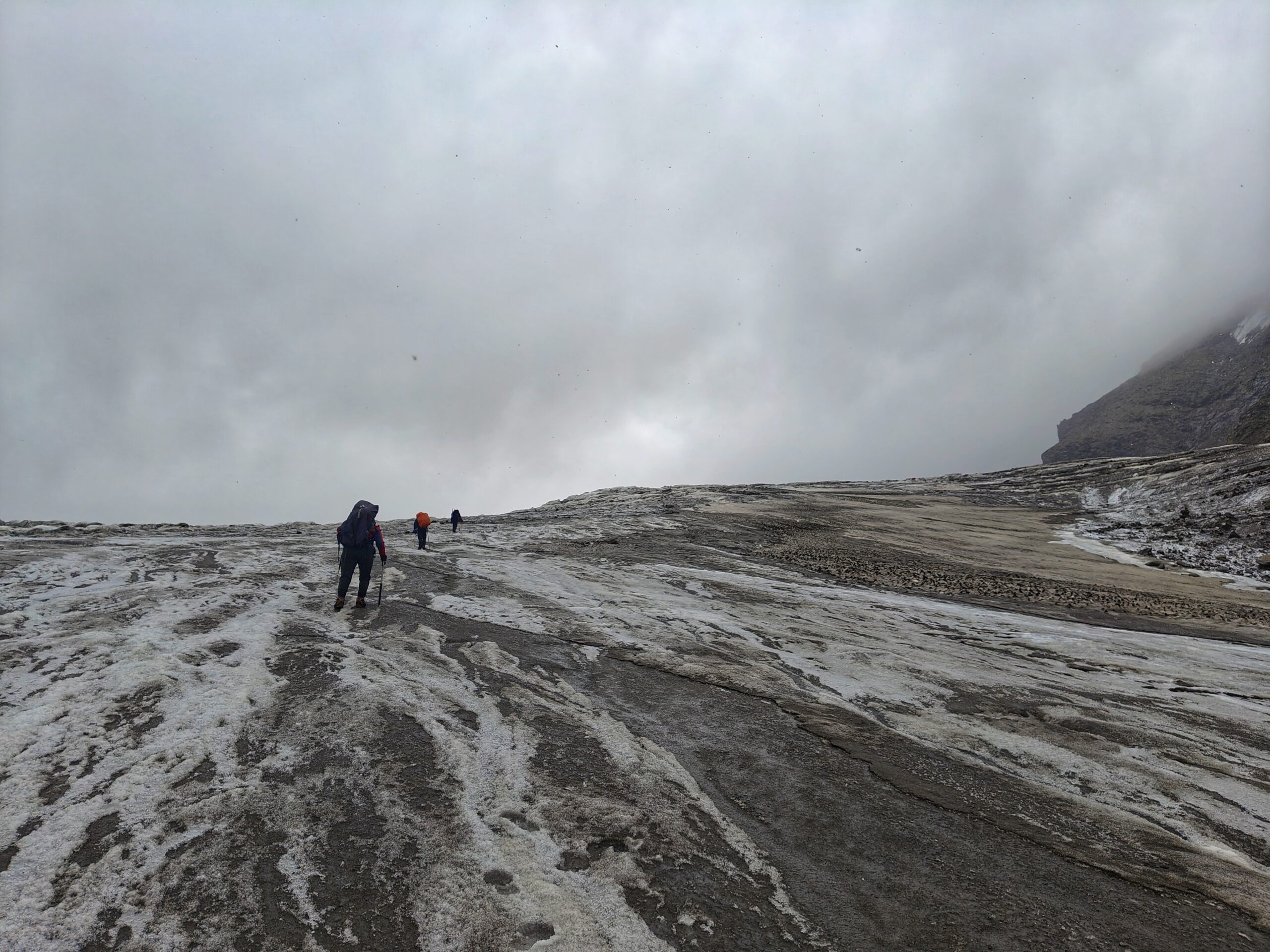
One misconception is that avalanches only affect extreme mountaineers.
In reality, avalanche terrain exists on:
• Trekking routes
• Expedition approaches
• Summit slopes
This is why understanding seasonal conditions is so important.
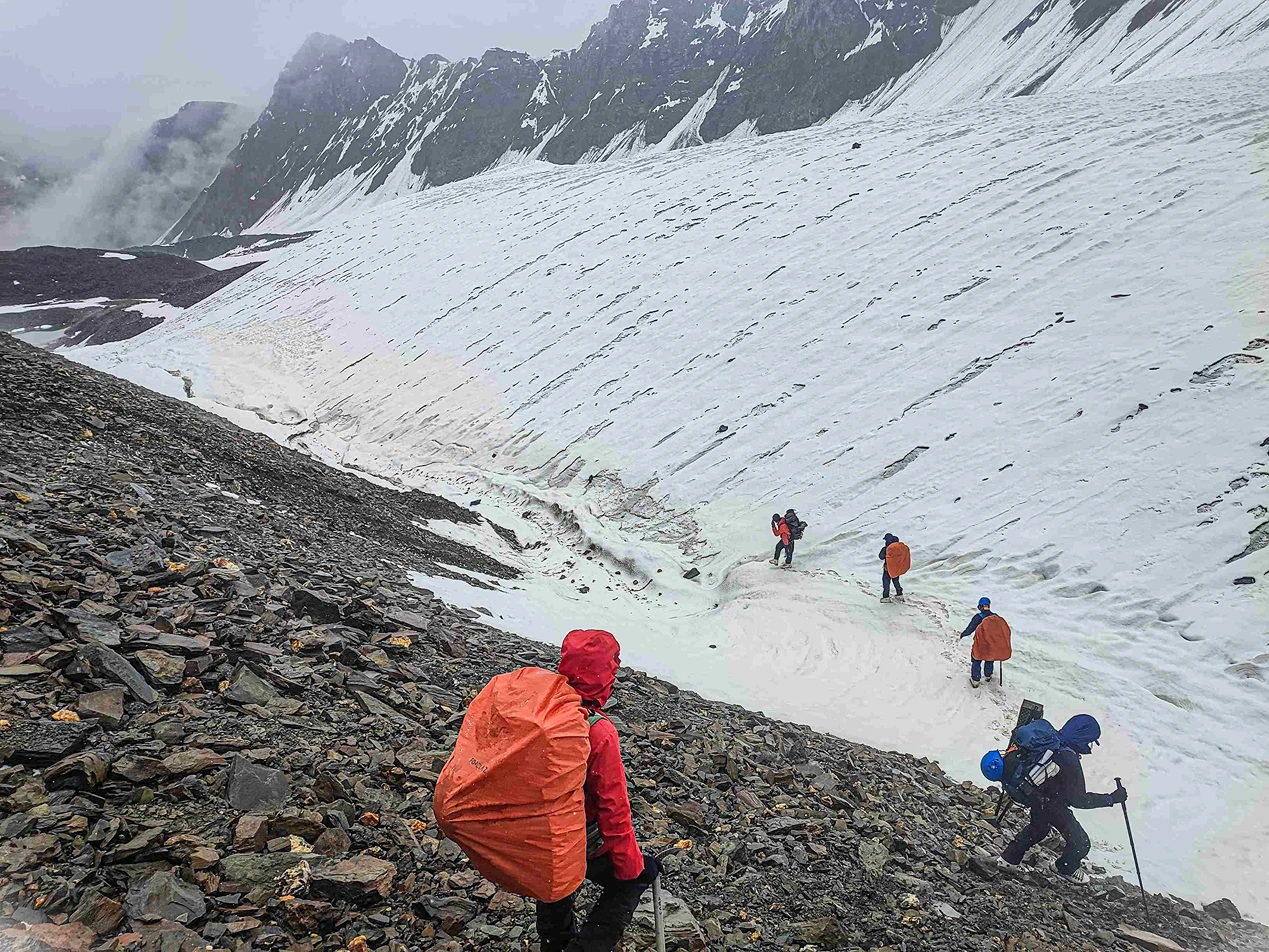
Danger #4: Crevasses
Glacier travel introduces another unique risk.
Glaciers contain deep cracks known as crevasses.
Some are visible.
Others are hidden beneath snow bridges.
Falling into a crevasse can be extremely dangerous.
This is why glacier travel often involves:
• Rope teams
• Route marking
• Controlled spacing
• Experienced leadership
Lesson from Experience:
Glaciers may appear calm and beautiful, but they demand constant respect.
Danger #5: Rockfall
Rockfall becomes especially important during:
• Post-monsoon seasons
• Warm afternoons
• Technical climbing routes
Loose rocks can be triggered by:
• Weather
• Natural movement
• Other climbers
Some sections of the Himalayas experience regular rockfall activity.
This is one reason why helmets are standard mountaineering equipment.
Danger #6: Extreme Fatigue
One danger that receives less attention is exhaustion.
Expeditions often involve:
• Consecutive days of effort
• Reduced sleep quality
• Altitude stress
• Heavy loads
• Cold temperatures
Fatigue affects:
• Judgment
• Balance
• Reaction time
• Motivation
Many poor decisions occur not because climbers lack knowledge, but because they are physically and mentally exhausted.
Danger #7: Poor Decision-Making
Ironically, some of the greatest dangers in mountaineering are human rather than environmental.
Examples include:
• Ignoring weather forecasts
• Climbing too fast
• Skipping acclimatization
• Continuing despite illness
• Summit obsession
The mountains often expose ego quickly.
One thing I have observed repeatedly is that successful climbers are usually willing to turn around when conditions demand it.
Lesson from Experience:
Many accidents begin long before the actual incident. They start with poor decisions made earlier.
The Myth of the Summit
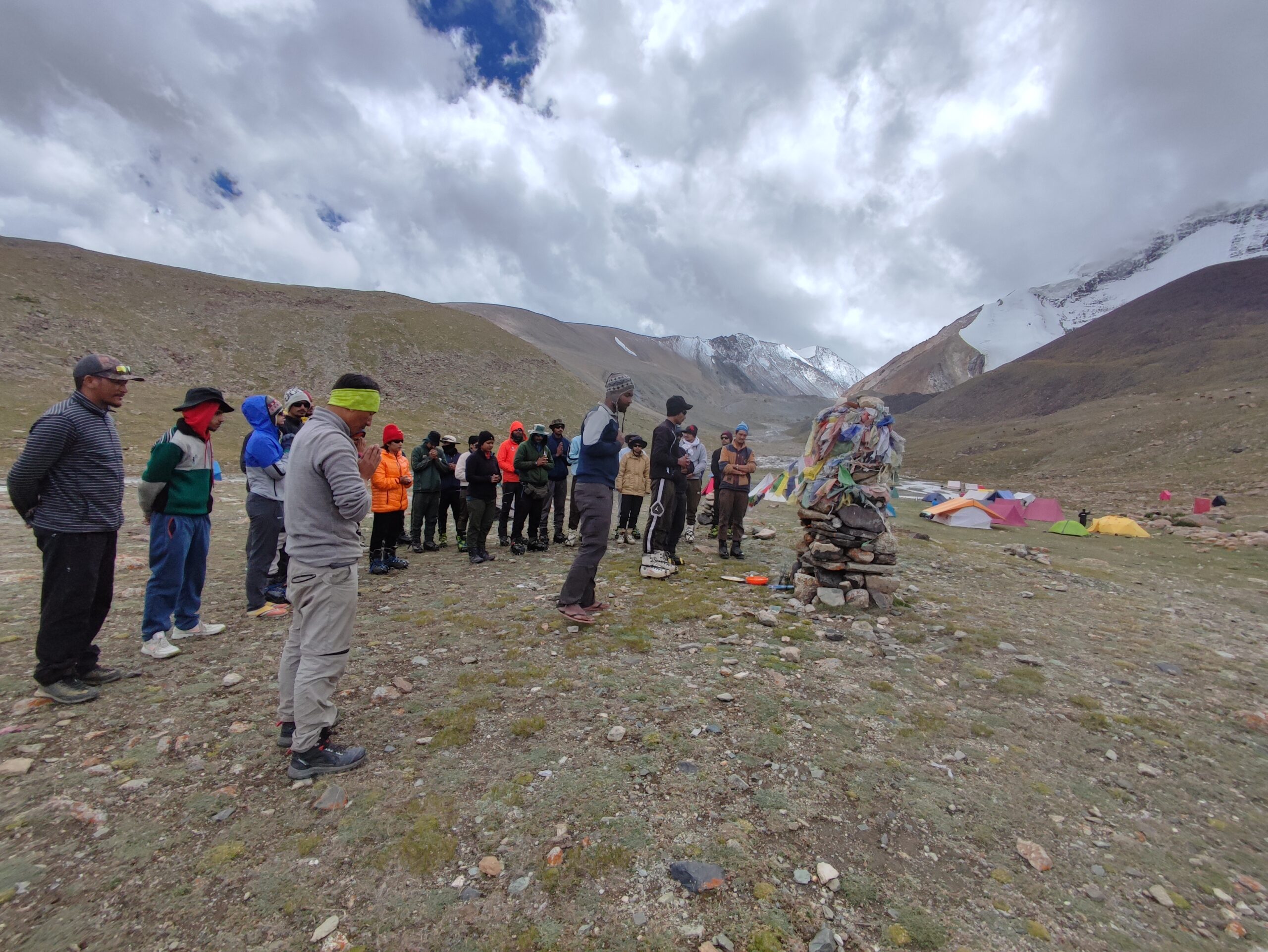
One of the most dangerous ideas in mountaineering is believing that reaching the summit is the ultimate goal.
Experienced climbers understand:
The summit is only halfway.
Every successful climb still requires:
• Safe descent
• Energy management
• Continued focus
Many incidents occur during descent because:
• Fatigue increases
• Concentration decreases
• Climbers relax mentally
The mountain is not finished with you until you return safely.
Are 6000m Expeditions Dangerous?
Yes—but not necessarily in the way people imagine.
Most 6,000-meter peaks involve:
• High altitude
• Glacier travel
• Cold conditions
• Long summit days
However, many are suitable for properly prepared climbers.
The key factor is preparation and guidance.
A well-organized expedition with:
• Proper acclimatization
• Experienced leadership
• Good weather planning
is significantly safer than a poorly planned objective.
Are 7000m Expeditions More Dangerous?
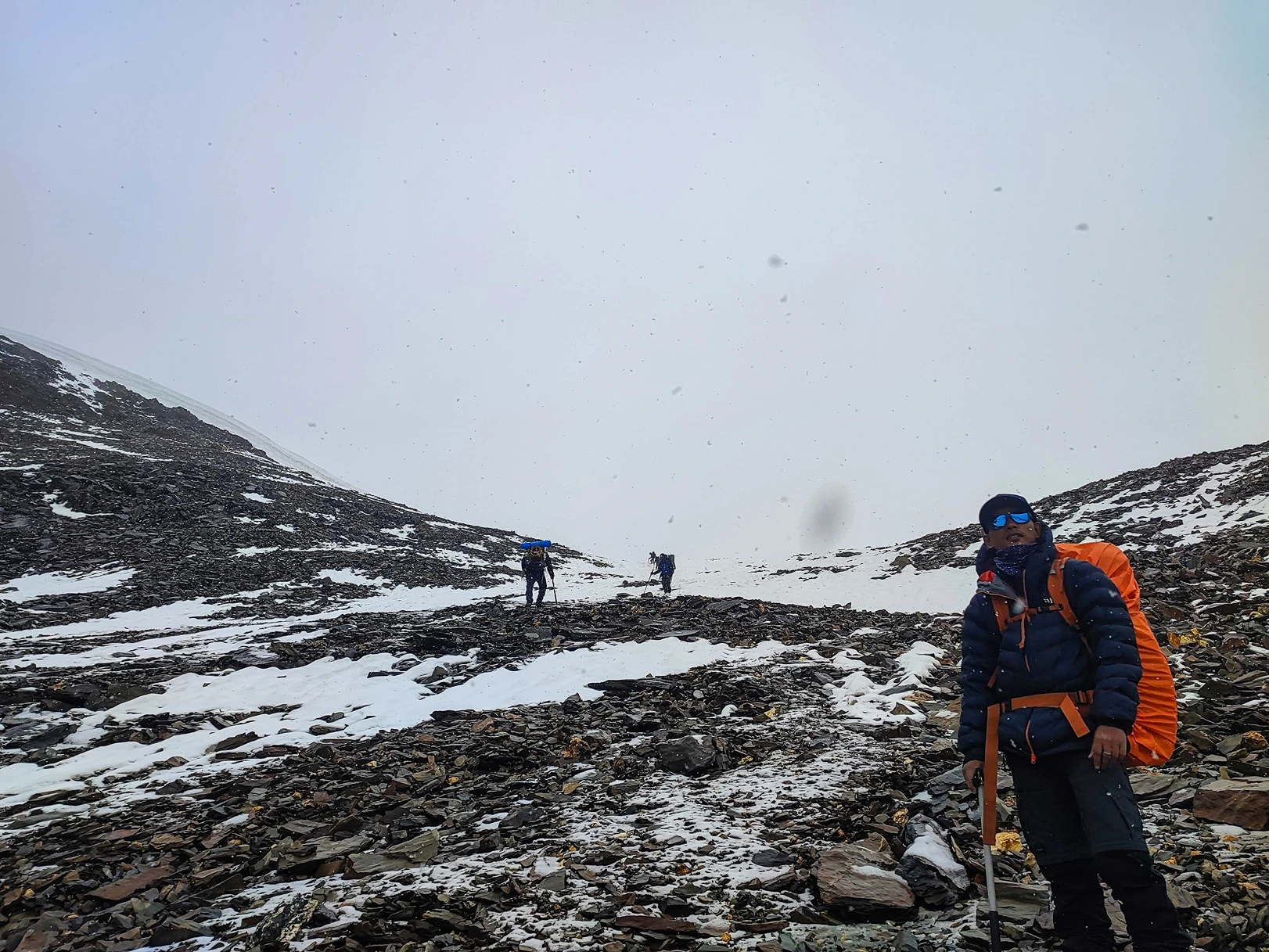
Generally, yes.
Above 7,000 meters:
• Oxygen becomes extremely limited
• Recovery slows dramatically
• Weather exposure increases
• Decision-making becomes harder
Mistakes become more expensive.
These peaks require:
• Strong experience
• Advanced acclimatization
• Serious preparation
The margin for error becomes much smaller.
What Makes a Climber Safe?
Interestingly, the safest climbers are not always the strongest.
They are usually the ones who:
• Respect the mountain
• Manage risk continuously
• Communicate honestly
• Monitor their condition
• Turn back when necessary
Humility is one of the most underrated safety skills in mountaineering.
How Expedition Leaders Reduce Risk
Professional expedition leaders focus heavily on risk management.
This includes:
• Route assessment
• Weather monitoring
• Acclimatization schedules
• Team health checks
• Equipment verification
• Emergency planning
A large part of leadership involves preventing problems before they occur.
Common Mistakes Beginners Make
Underestimating Altitude
Fitness does not replace acclimatization.
Chasing Faster Climbers
Altitude affects everyone differently.
Ignoring Hydration
Dehydration worsens fatigue and altitude symptoms.
Overconfidence
The mountains punish complacency quickly.
Becoming Summit-Focused
A safe return is more important than a summit photo.
My Biggest Realization About Mountain Risk
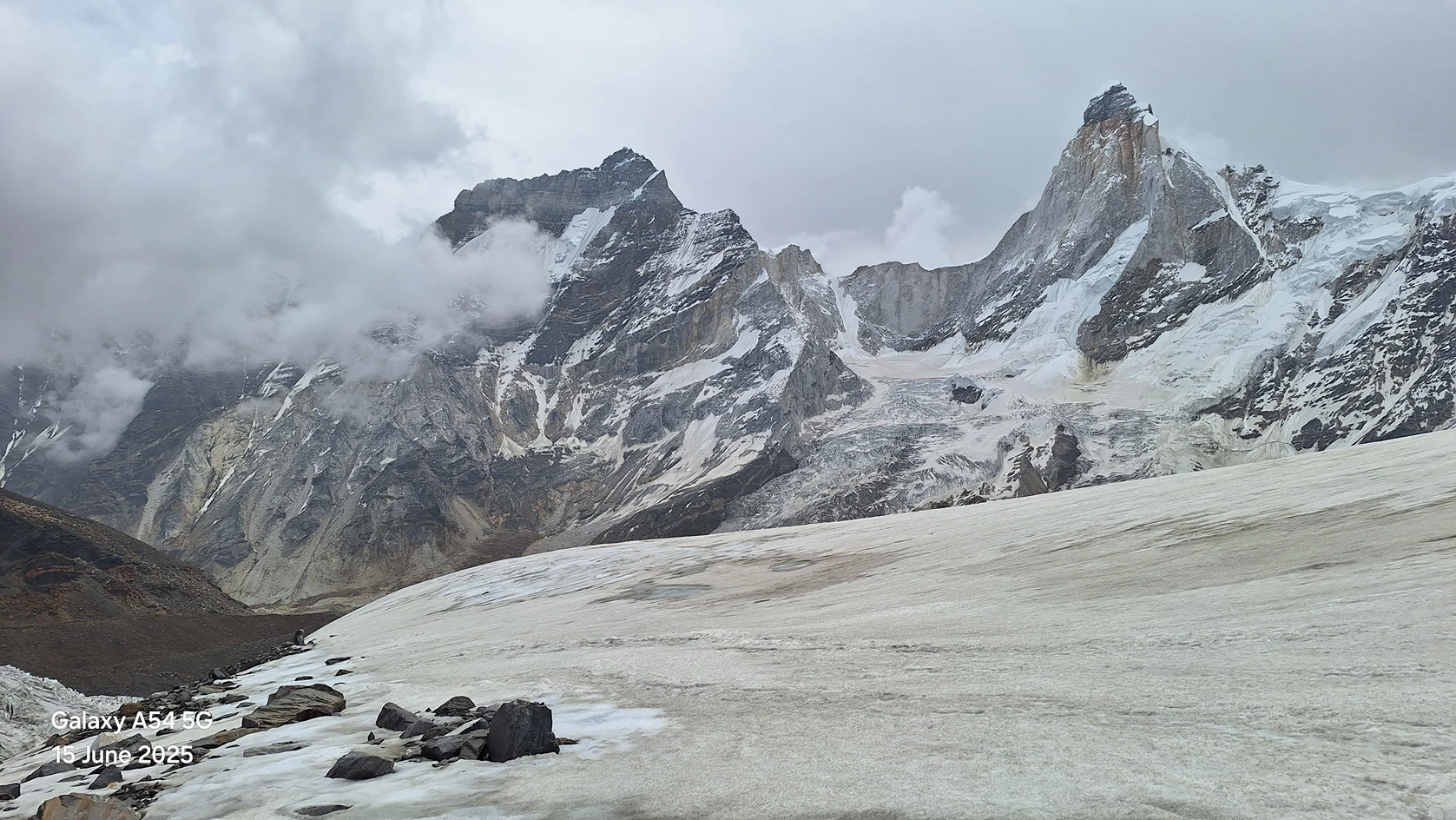
When I first entered mountaineering, I thought danger came mainly from dramatic events:
• Avalanches
• Storms
• Falls
Over time, I realized most expedition safety depends on small daily decisions.
Things like:
• Drinking enough water
• Moving at the right pace
• Wearing layers properly
• Respecting rest days
• Listening to your body
These simple habits often matter more than people realize.
So, How Dangerous Are Himalayan Expeditions Really?
The honest answer is:
They are serious.
But they are not reckless.
The Himalayas demand respect, preparation, and good judgment. Climbers who ignore these principles increase risk dramatically. Climbers who embrace them often discover that mountaineering is less about gambling with danger and more about managing it intelligently.
The mountains are challenging.
That is part of what makes them meaningful.
Conclusion
Himalayan expeditions involve real risks, including altitude sickness, weather, avalanches, crevasses, rockfall, fatigue, and poor decision-making. These dangers should never be underestimated.
However, most successful climbers do not succeed because they are fearless.
They succeed because they prepare carefully, make good decisions, respect conditions, and understand their limitations.
After years in the mountains, one lesson stands above all others:
The Himalayas are dangerous for people who underestimate them—but remarkably rewarding for those who approach them with preparation, humility, and respect.