Every Himalayan climber eventually learns one unavoidable truth:
The mountain does not care how fit you are if your body cannot adapt to altitude.
You can train for months, build endurance, buy premium gear, and prepare technically for a climb—but once you enter high altitude, the body begins operating under completely different conditions.
Breathing changes.
Recovery slows.
Energy drops faster.
Sleep feels different.
And above a certain altitude, even simple movement begins demanding more effort than expected.
This is where acclimatization becomes one of the most important survival and performance systems in mountaineering.
I truly understood this during one of my early Himalayan expeditions in Ladakh.
The first few trekking days felt manageable. Everyone in the team was energetic, moving fast, and excited. But as altitude increased, the mountain quietly started exposing differences between climbers.
Some people who looked physically strongest at lower altitude suddenly struggled with:
• Headaches
• Fatigue
• Poor recovery
• Loss of appetite
• Slow movement
Meanwhile, a few climbers who moved more patiently and respected acclimatization schedules remained surprisingly stable.
That expedition changed my understanding completely.
Since then, I stopped thinking about acclimatization as “rest.”
I started understanding it as adaptation.
Because in the Himalayas, acclimatization is not optional.
It is the process that allows the human body to function in an environment where oxygen becomes increasingly limited.
This guide explains how acclimatization actually works in the Himalayas, why altitude affects the body so strongly, and what experienced climbers do differently to adapt successfully.
Why the Himalayas Affect the Human Body So Strongly
The Himalayas contain some of the highest and most physically demanding environments on Earth.
As climbers gain altitude:
• Atmospheric pressure decreases
• Oxygen availability drops
• The body receives less oxygen with every breath
This creates continuous physiological stress.
At sea level, breathing feels automatic because oxygen availability is high.
At altitude, especially above 3,000–4,000 meters, the body must work harder simply to maintain basic function.
This is why even experienced athletes can struggle badly in the Himalayas without proper acclimatization.
The Biggest Misunderstanding About Altitude
Many beginners believe there is “less oxygen” in mountain air.
Technically, the percentage of oxygen remains almost the same.
What changes is:
• Air pressure
Lower atmospheric pressure means:
• Fewer oxygen molecules enter the lungs with each breath
As a result:
• Oxygen transfer into the bloodstream becomes less efficient
This is why breathing feels harder at altitude.
What is Acclimatization?
Acclimatization is the body’s natural adaptation process to reduced oxygen environments.
The body gradually makes physiological adjustments to improve survival and performance at altitude.
This adaptation includes:
• Faster breathing
• Increased heart rate
• Improved oxygen transport
• Changes in blood chemistry
• Better efficiency under oxygen stress
Without acclimatization, high-altitude climbing becomes dangerous very quickly.
The First Stage of Acclimatization: Breathing Changes
One of the earliest altitude responses is increased breathing.
The body immediately tries to compensate for lower oxygen by:
• Breathing faster
• Breathing deeper
This is why climbers notice:
• Heavy breathing during movement
• Deep breaths while resting
• Faster fatigue uphill
At first, this feels uncomfortable.
Over time, controlled breathing becomes part of mountain movement itself.
Why Breathing Feels So Different in the Himalayas
One thing I noticed clearly during my first serious expedition was how breathing controlled pacing.
At lower altitude:
• You can push harder temporarily
At altitude:
• Aggressive pacing immediately punishes you through exhaustion
The mountains force rhythm.
Eventually, movement becomes:
• Step
• Breathe
• Step
• Breathe
Lesson from Experience:
Above a certain altitude, breathing becomes part of climbing technique itself.
Heart Rate Increases at Altitude
Reduced oxygen forces the cardiovascular system to work harder.
The heart compensates by:
• Pumping faster
• Increasing circulation effort
This explains why:
• Heart rate stays elevated
• Recovery takes longer
• Fatigue appears faster
Even simple uphill movement may feel surprisingly exhausting.
Why Recovery Slows in the Himalayas
One major difference climbers notice at altitude is recovery efficiency.
At sea level:
• Rest restores energy relatively quickly
At altitude:
• Recovery becomes slower and incomplete
The body is continuously stressed because oxygen availability remains reduced.
This affects:
• Muscles
• Sleep
• Energy restoration
• Mental clarity
That is why pacing becomes critically important during Himalayan expeditions.
“Climb High, Sleep Low” – The Core Acclimatization Strategy
One of the most effective acclimatization principles in mountaineering is:
Climb high, sleep low.
This means:
• Gain higher altitude exposure during the day
• Return to lower elevation for sleep and recovery
This strategy helps stimulate adaptation while reducing excessive physiological stress.
During multiple expeditions, acclimatization hikes initially felt repetitive and tiring.
But later, it became obvious that these days were building summit strength.
Lesson from Experience:
Most summit success is built during acclimatization—not on summit day.
Why Load Carries Matter So Much
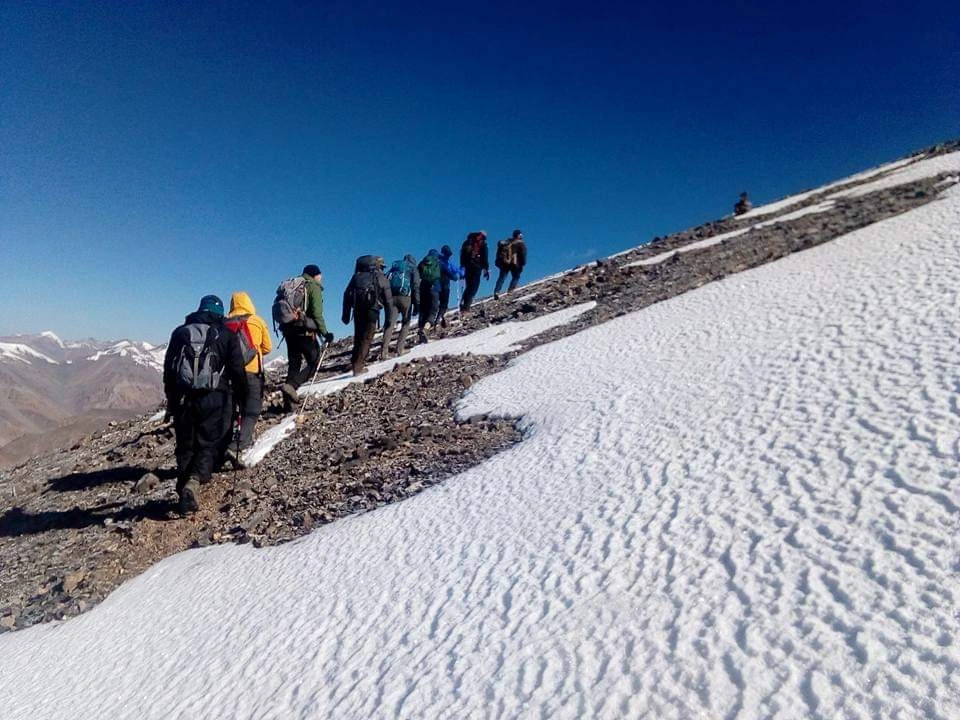
Many climbers dislike acclimatization rotations and load carries.
They feel:
• Exhausting
• Slow
• Mentally repetitive
But these rotations serve important purposes:
• Gradual altitude exposure
• Improved oxygen adaptation
• Terrain familiarity
• Energy system conditioning
The body slowly learns how to operate under increasing oxygen stress.
Sleep Changes Above 4000m
One of the strangest parts of acclimatization is sleep disruption.
Common experiences include:
• Light sleep
• Frequent waking
• Strange breathing rhythms
• Feeling unrested in the morning
This happens because:
• The body continues adjusting throughout the night
• Oxygen levels remain reduced even while resting
Eventually, sleep improves slightly with proper acclimatization.
Appetite Drops at High Altitude
Another major acclimatization challenge is reduced appetite.
As altitude increases:
• Hunger naturally decreases
• Digestion slows
• Food becomes less appealing
But simultaneously:
• Energy demand increases
This creates a dangerous imbalance.
I personally experienced this during an expedition where I ignored declining appetite because I “didn’t feel hungry.”
Within days:
• Recovery worsened
• Fatigue increased
• Summit energy dropped sharply
Lesson from Experience:
At altitude, eating becomes part of survival strategy.
Hydration and Acclimatization Are Deeply Connected
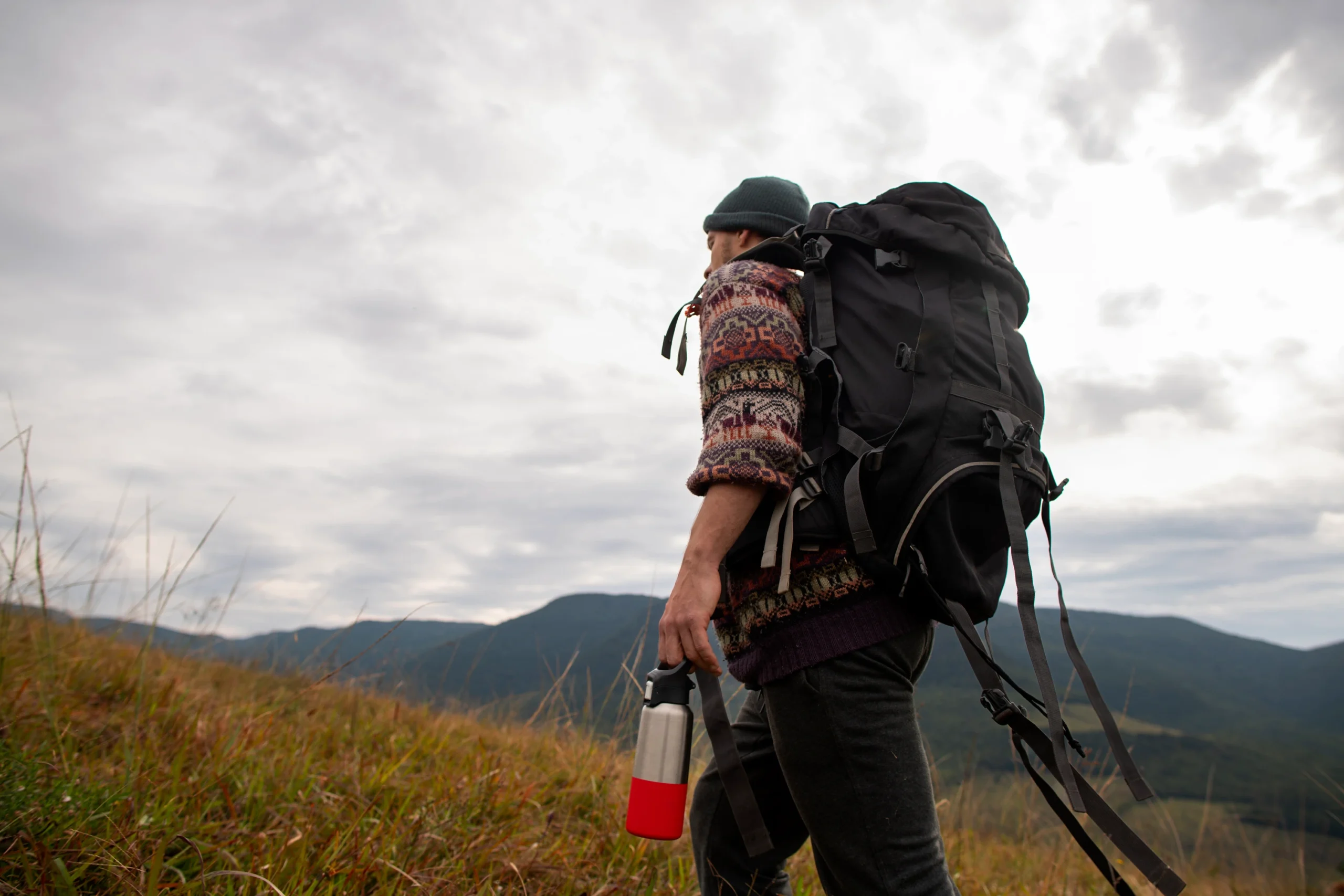
The Himalayas accelerate dehydration because:
• Breathing rate increases
• Cold air is extremely dry
• Respiration removes moisture constantly
• Thirst sensation decreases
Dehydration worsens:
• Headaches
• Fatigue
• Recovery
• Altitude adaptation
This is why experienced expedition leaders monitor hydration constantly.
Mental Changes at High Altitude
Acclimatization affects the brain too.
Reduced oxygen can influence:
• Concentration
• Emotional control
• Patience
• Decision-making
Climbers sometimes experience:
• Irritability
• Mental fatigue
• Slower thinking
This psychological side of altitude is very real during long Himalayan expeditions.
Altitude Sickness: When Acclimatization Fails
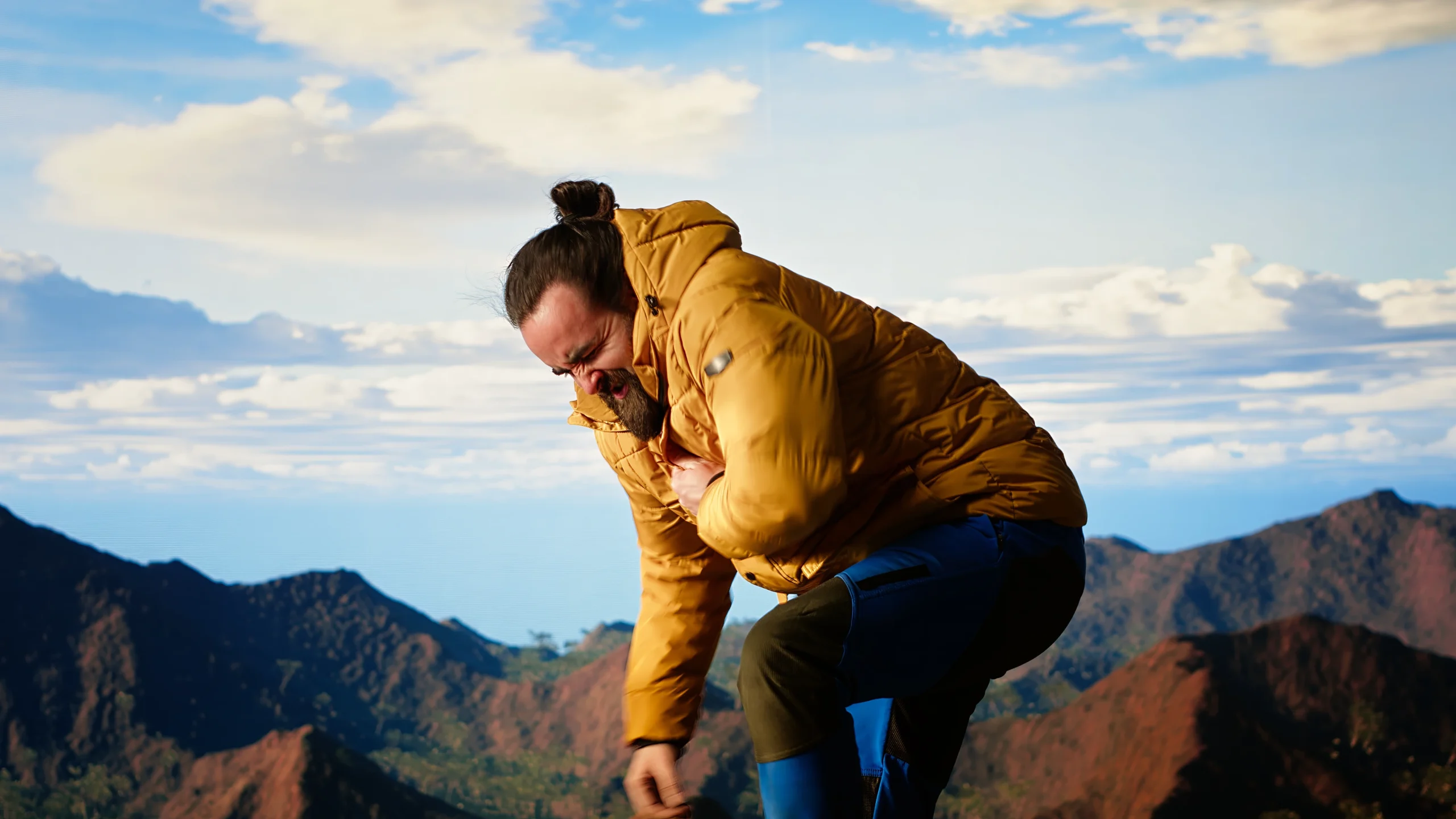
If the body cannot adapt properly, altitude illness can develop.
Common symptoms include:
• Headache
• Nausea
• Dizziness
• Extreme fatigue
• Poor coordination
In severe situations:
• HAPE (High Altitude Pulmonary Edema)
• HACE (High Altitude Cerebral Edema)
can become life-threatening.
This is why proper acclimatization schedules are critical.
Why Fast Climbers Often Struggle
One thing that surprises beginners:
Experienced climbers often move slower than everyone else during early expedition days.
This is intentional.
Strong mountaineers understand:
• Energy conservation
• Oxygen efficiency
• Acclimatization pacing
The goal is not reaching camp fastest.
The goal is arriving at summit day with enough adaptation and energy remaining.
The Body Starts Conserving Energy Naturally
Above certain altitudes, the body almost forces slower movement.
This is not weakness.
It is physiological efficiency.
Aggressive pacing:
• Increases oxygen demand
• Accelerates fatigue
• Reduces recovery capacity
Experienced climbers learn to work with this rhythm instead of fighting it.
How Long Does Acclimatization Take?
This depends on:
• Altitude gained
• Individual physiology
• Previous altitude exposure
• Hydration and recovery
• Expedition pacing
Generally:
• Moderate adaptation takes days
• Full high-altitude adaptation may take weeks
There are no true shortcuts.
Why Fitness Cannot Replace Acclimatization
This is one of the most important lessons in mountaineering.
Fitness helps—but it does not override altitude physiology.
Even elite athletes can struggle badly if:
• They ascend too quickly
• Ignore recovery
• Underestimate altitude stress
Mountains reward adaptation—not ego.
Common Acclimatization Mistakes
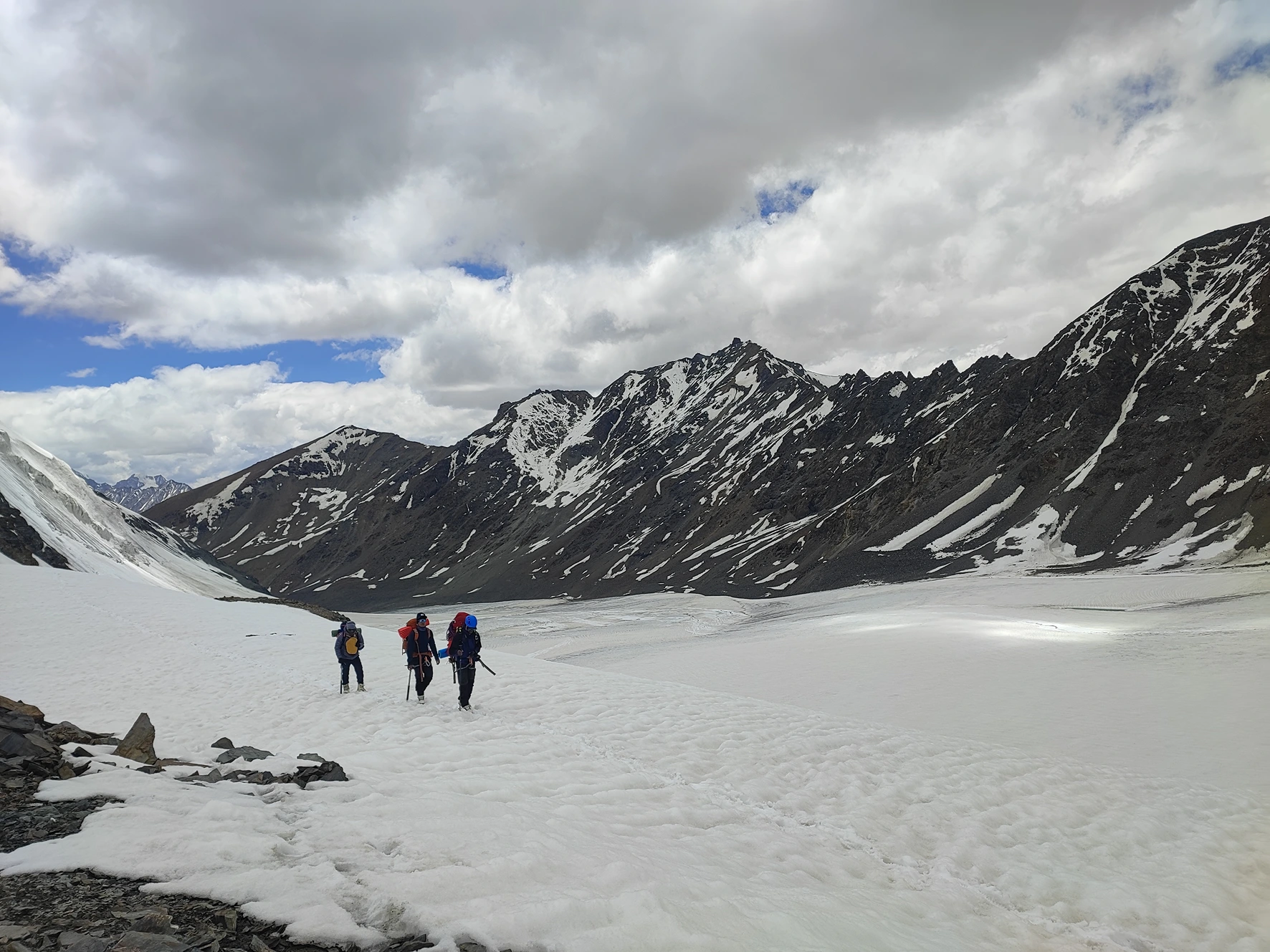
Climbing Too Fast
The most common error.
Ignoring Hydration
Dehydration worsens altitude stress dramatically.
Skipping Rest Days
Recovery is essential for adaptation.
Underestimating Sleep and Nutrition
The body needs fuel and recovery to adapt.
Chasing Other Climbers’ Pace
Altitude affects everyone differently.
My Biggest Acclimatization Realization
Eventually, I realized something simple:
Acclimatization is not weakness.
It is one of the highest forms of mountain intelligence.
The strongest climbers are often not the fastest ones.
They are the climbers who:
• Respect pacing
• Understand recovery
• Move consistently
• Adapt patiently
And the Himalayas reward that mindset repeatedly.
Practical Acclimatization Tips for Himalayan Expeditions
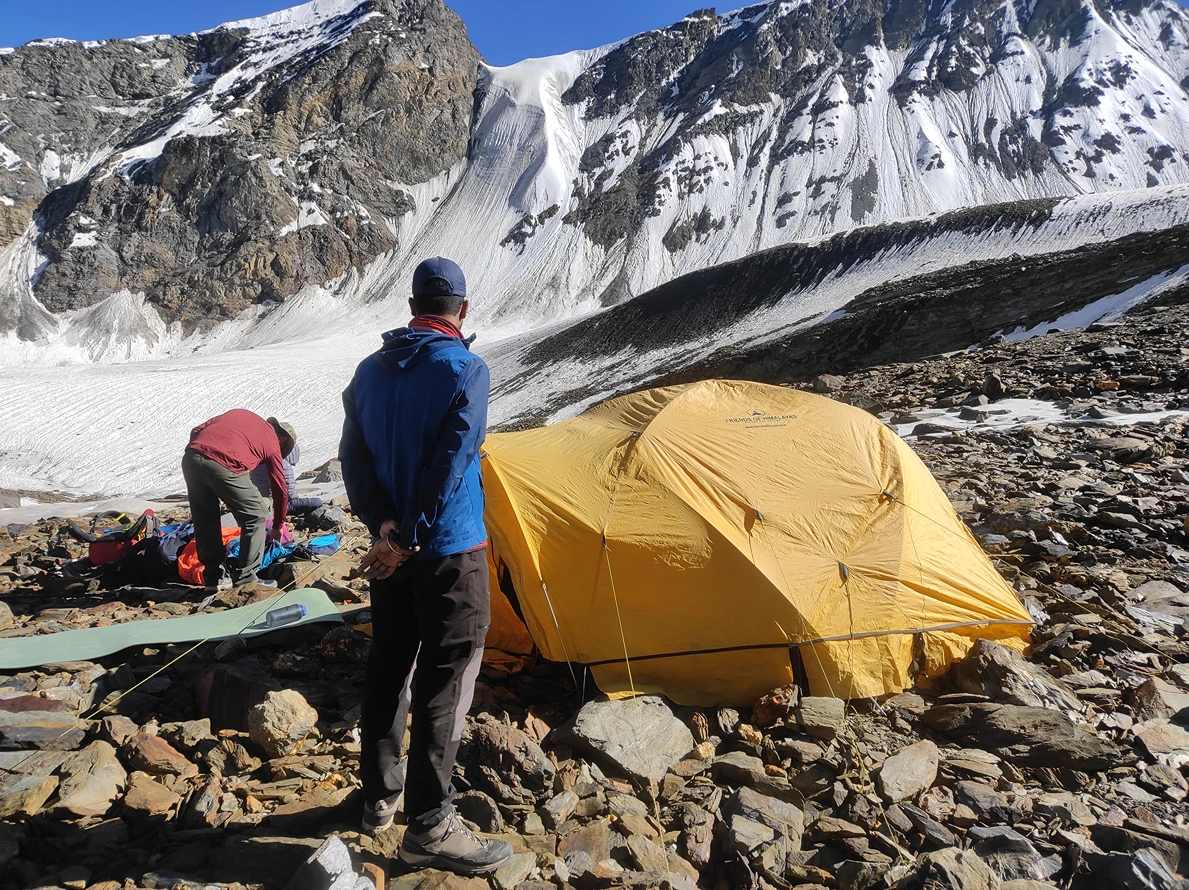
During Trekking Days
• Walk slower than feels necessary
• Hydrate aggressively
• Avoid racing uphill
During Acclimatization Rotations
• Respect load carries
• Maintain nutrition even without appetite
• Prioritize recovery
During Summit Pushes
• Maintain controlled breathing rhythm
• Avoid sudden pace increases
• Monitor fatigue honestly
Final Advice for High-Altitude Climbers
If there is one thing every mountaineer should remember, it is this:
The Himalayas do not reward impatience.
They reward adaptation.
And acclimatization is the process that teaches the body how to survive and perform in one of the harshest environments on Earth.
Conclusion
Acclimatization is the foundation of successful Himalayan climbing.
It allows the body to gradually adapt to reduced oxygen environments through changes in breathing, circulation, recovery, and energy management.
Without proper acclimatization:
• Strength becomes unreliable
• Recovery collapses
• Altitude illness risk increases dramatically
After multiple Himalayan expeditions, one truth became impossible to ignore:
In the mountains, success is not determined only by how strong you are.
It is determined by how intelligently your body, mind, and pacing adapt to altitude.