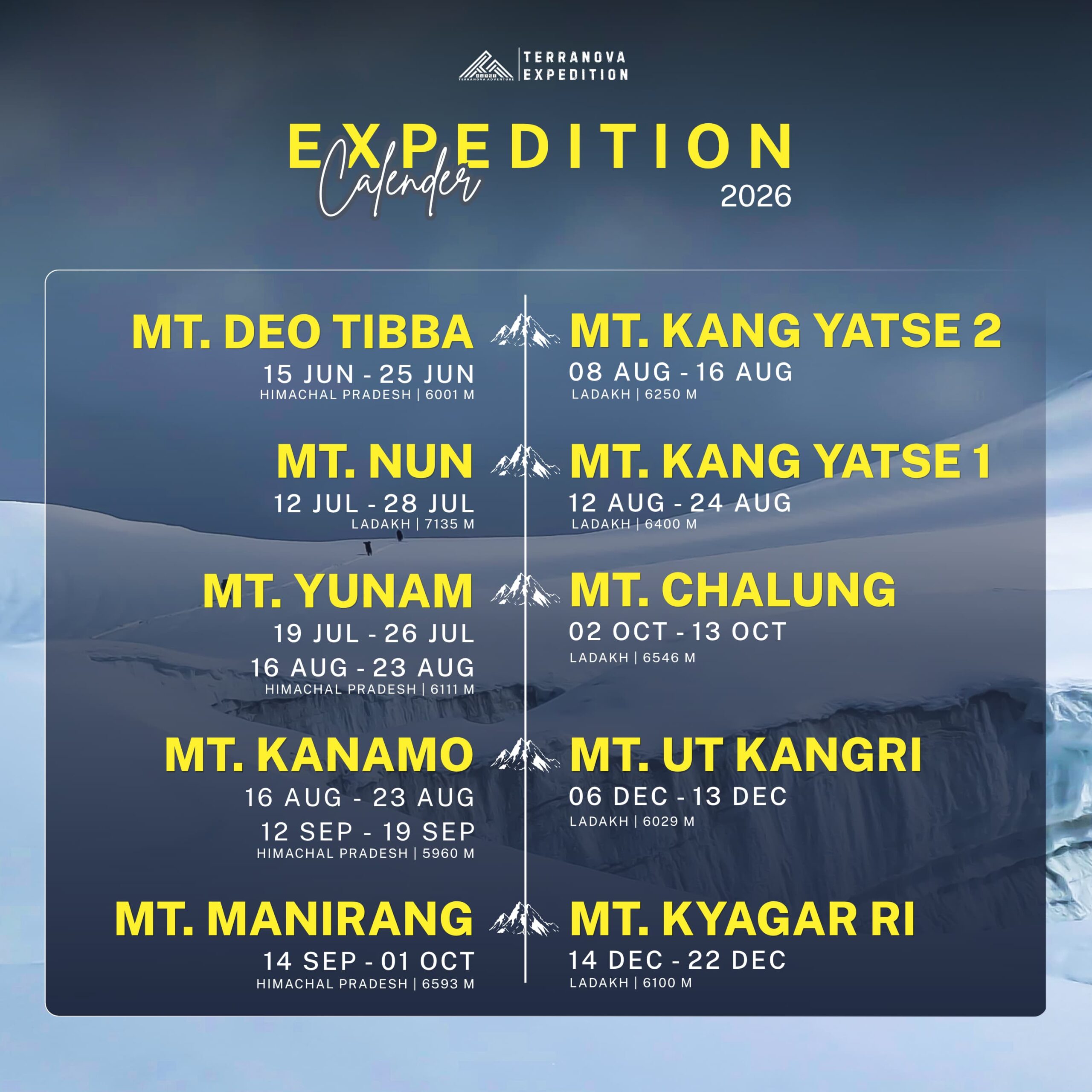
One of the biggest misconceptions in mountaineering is believing that gym fitness alone prepares you for the mountains.
It doesn’t.
A person may lift heavy weights, run fast, or look physically strong at sea level—and still struggle badly during a Himalayan expedition.
At the same time, some climbers who do not appear exceptionally athletic often perform surprisingly well at altitude because they understand:
• Endurance pacing
• Recovery
• Load management
• Breathing efficiency
• Energy conservation
I realized this clearly during one of my early Himalayan expeditions.
Before the climb, I trained aggressively:
• High-intensity workouts
• Heavy strength sessions
• Fast cardio routines
On paper, fitness looked solid.
But once the expedition started above 5,000 meters, the mountain exposed weaknesses quickly.
The problem was not strength.
The problem was efficiency.
Recovery slowed dramatically. Breathing rhythm felt uncontrolled during steep climbs. Long-duration endurance under load became harder than expected.
That expedition completely changed how I understood mountain training.
Since then, training stopped being about “working harder.”
It became about preparing the body for:
• Long-duration movement
• Oxygen stress
• Recovery under fatigue
• Consistent performance over multiple days
This guide explains how climbers should train for both high-altitude and low-altitude expeditions, including endurance, strength, breathing, load carrying, recovery, and the real differences between mountain fitness and normal gym fitness.
High Altitude vs Low Altitude Expeditions: Why Training Must Change
Not all expeditions demand the same type of preparation.
A low-altitude alpine trek and a 6,000m Himalayan expedition stress the body differently.
Low Altitude Expeditions Usually Emphasize:
• Speed and movement efficiency
• Long trekking days
• Terrain adaptability
• Muscular endurance
• Recovery between days
High Altitude Expeditions Emphasize:
• Oxygen efficiency
• Controlled pacing
• Long-duration endurance
• Mental resilience
• Recovery under low oxygen conditions
This difference changes how training should be structured.
The Biggest Training Mistake Beginners Make
Most beginners focus heavily on:
• Short intense workouts
• Muscle-building aesthetics
• Random cardio sessions
But mountains reward:
• Sustainable endurance
• Efficient movement
• Recovery capacity
• Consistency over time
I personally made this mistake early on.
I trained hard—but not specifically for mountain movement.
During long summit pushes, explosive gym strength mattered far less than:
• Controlled breathing
• Pacing
• Load endurance
That realization changed my entire approach to training.
Lesson from Experience:
Mountains reward efficiency more than aggression.
Step 1: Build a Strong Aerobic Base
This is the foundation of expedition training.
Most mountain movement happens at:
• Moderate intensity
• Long duration
• Continuous pacing
This means aerobic endurance becomes extremely important.
Good aerobic training includes:
• Long-distance hiking
• Incline walking
• Stair climbing
• Slow endurance runs
• Cycling
• Zone 2 cardio work
The goal is not maximum speed.
The goal is teaching the body to sustain effort efficiently for long durations.
Why Long Slow Training Works Best
Many beginners underestimate slower endurance training because it feels less “intense.”
But mountains are not short-duration competitions.
Expeditions demand:
• Hours of movement
• Multi-day fatigue resistance
• Sustainable energy systems
Long-duration steady training improves:
• Oxygen efficiency
• Recovery
• Cardiovascular endurance
• Mental pacing discipline
This becomes critical above 5,000 meters.
Step 2: Train With Load
This is one of the most important mountain-specific training methods.
Mountaineering rarely happens without weight.
Your body must learn how to:
• Move uphill efficiently
• Carry backpacks comfortably
• Maintain balance under load
One thing that surprised me during early expeditions was how different backpack movement felt compared to normal fitness training.
Even strong legs feel different once load carrying combines with altitude and long trekking days.
Best Load-Carrying Training Methods
Effective training includes:
• Stair climbing with backpack
• Incline walking under load
• Hill hiking with gradual weight progression
Start lighter and increase gradually.
The goal is:
• Joint adaptation
• Posture efficiency
• Endurance under load
Not ego lifting.
Step 3: Build Mountain-Specific Leg Strength
Strong legs matter—but mountain strength differs from gym strength.
Mountaineering requires:
• Endurance-based leg strength
• Stability
• Balance
• Repetitive movement efficiency
Useful exercises include:
• Step-ups
• Lunges
• Bulgarian split squats
• Stair intervals
• Weighted walking
Explosive power matters less than movement sustainability.
Why Descending Training Matters Too
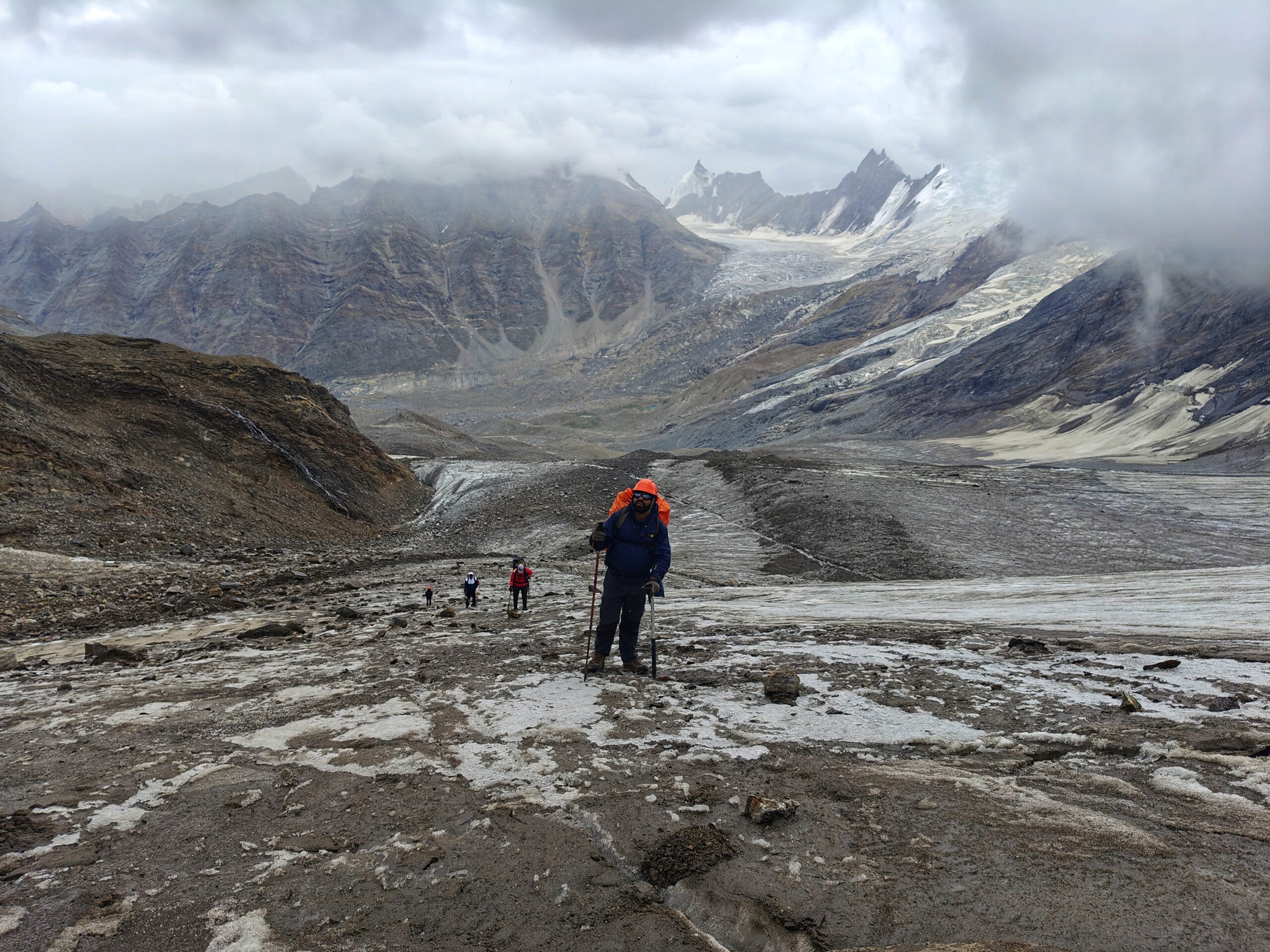
One of the most overlooked areas of expedition training is downhill conditioning.
Descending destroys legs faster than many beginners expect.
During long descents:
• Knees absorb repeated impact
• Quads fatigue heavily
• Balance becomes critical
The first time I experienced a major summit descent, I realized climbing up was only half the challenge.
Lesson from Experience:
Many climbers train for ascent but underestimate descent fatigue completely.
Step 4: Improve Core Stability
Core strength matters enormously in mountaineering because:
• Backpacks shift balance
• Uneven terrain challenges posture
• Technical movement requires body control
A stable core improves:
• Energy efficiency
• Balance
• Injury prevention
• Backpack comfort
Good expedition core training focuses on:
• Stability
• Endurance
• Functional control
Not only aesthetics.
Step 5: Breathing Training and Respiratory Efficiency
Above 5,000 meters, breathing becomes part of movement itself.
This is why respiratory efficiency matters.
Useful training includes:
• Controlled nasal breathing
• Long-duration cardio pacing
• Breath rhythm awareness during climbs
One thing I noticed after repeated mountain exposure:
Climbers who manage breathing calmly usually conserve energy far better.
Step 6: Recovery Training is Real Training
This is one of the biggest lessons mountaineering teaches.
The body does not become stronger during workouts.
It becomes stronger during recovery.
Poor recovery leads to:
• Overtraining
• Fatigue accumulation
• Injury risk
• Reduced expedition performance
Mountaineering stresses the body heavily.
Recovery systems must include:
• Sleep
• Hydration
• Nutrition
• Rest days
• Mobility work
Why Mobility Matters More Than Most Climbers Realize
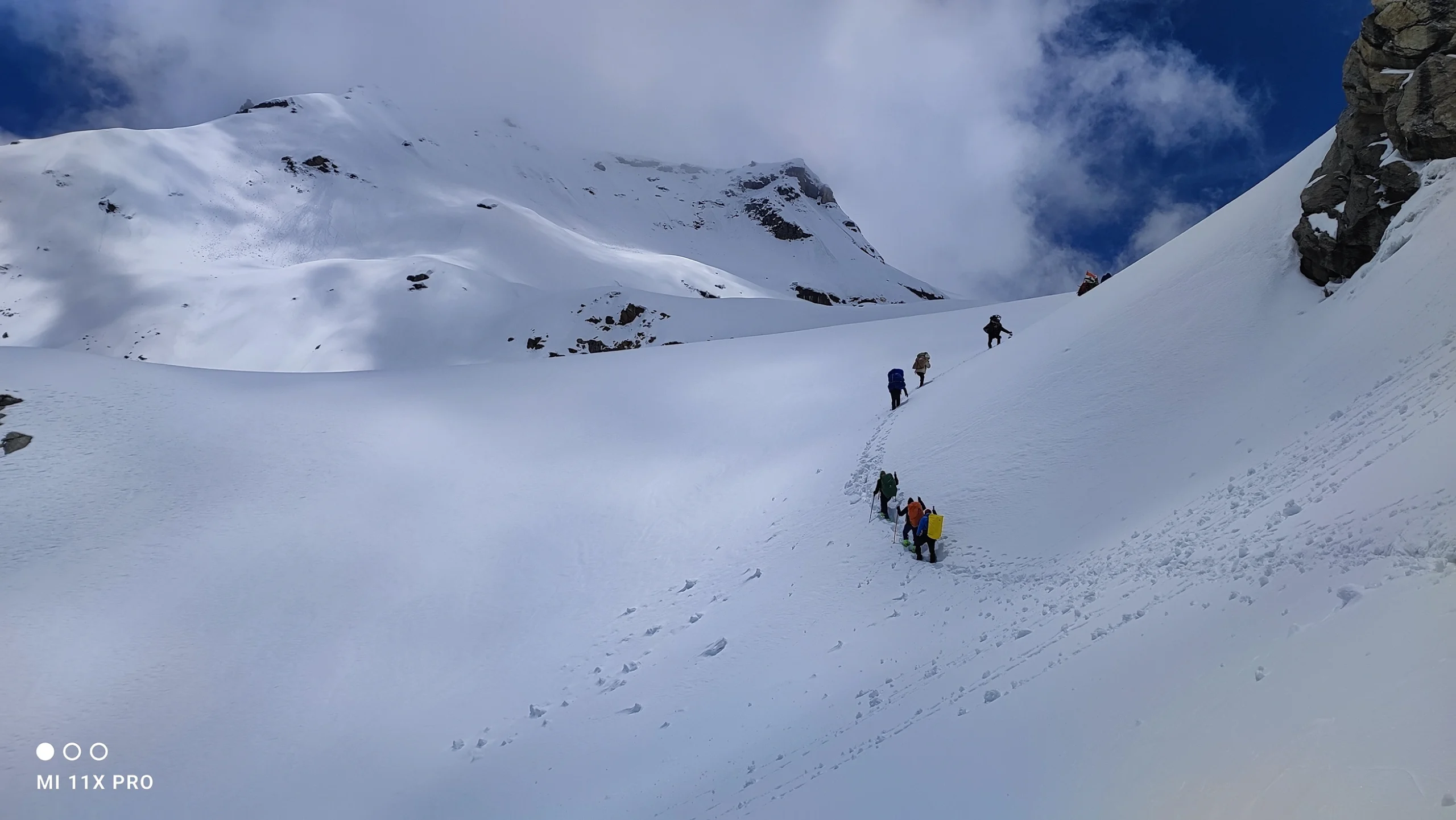
Tight hips, poor ankle mobility, and stiff movement patterns create major inefficiencies during expeditions.
Mobility improves:
• Movement economy
• Balance
• Injury prevention
• Climbing posture
Good mobility training includes:
• Hip mobility work
• Ankle flexibility
• Thoracic spine movement
• Dynamic stretching
Efficient movement saves energy at altitude.
Mental Training is Part of Expedition Preparation
Mountaineering is not only physical.
Long expeditions create:
• Fatigue
• Discomfort
• Cold exposure
• Mental exhaustion
• Uncertainty
Training should also develop:
• Patience
• Controlled pacing
• Discomfort tolerance
• Consistency under fatigue
One thing mountains teach very quickly:
Strong mentality is built through discipline—not motivation alone.
High Altitude Training: What Actually Helps?
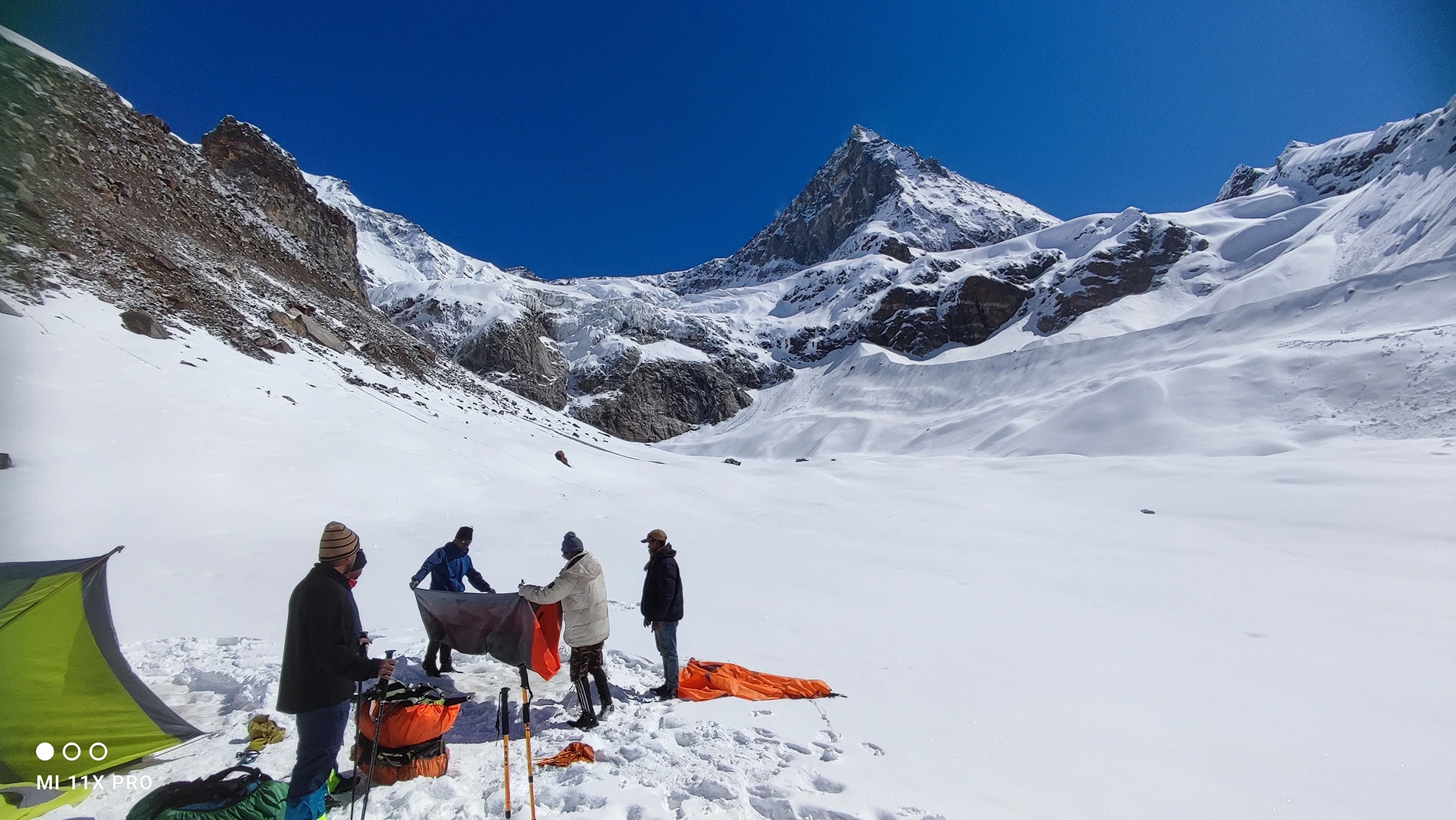
Many people ask:
“Can I train specifically for altitude?”
To some extent, yes—but with limitations.
True altitude adaptation happens mainly through:
• Acclimatization
• Real exposure to reduced oxygen environments
However, general training can improve:
• Cardiovascular efficiency
• Endurance
• Recovery capacity
This helps the body perform better once acclimatization begins.
What Altitude Training Cannot Replace
No amount of sea-level fitness completely replaces:
• Acclimatization
• Oxygen adaptation
• High-altitude exposure
Even elite athletes must adapt carefully in the mountains.
This is one of the biggest realities of Himalayan climbing.
Low Altitude Expedition Training: Different Priorities
Low-altitude expeditions often emphasize:
• Movement speed
• Terrain efficiency
• Muscular endurance
• Long-distance trekking rhythm
Training may focus more on:
• Hiking volume
• Terrain adaptation
• Repetitive movement endurance
Compared to high altitude, oxygen stress becomes less dominant.
Why Hiking is Still the Best Training
After years of mountaineering preparation, one thing became obvious:
Actual hiking remains one of the best expedition training methods.
Why?
Because it combines:
• Load carrying
• Terrain adaptation
• Balance
• Endurance
• Movement rhythm
• Mental pacing
Gym training helps.
But real mountain movement teaches the body differently.
Common Expedition Training Mistakes
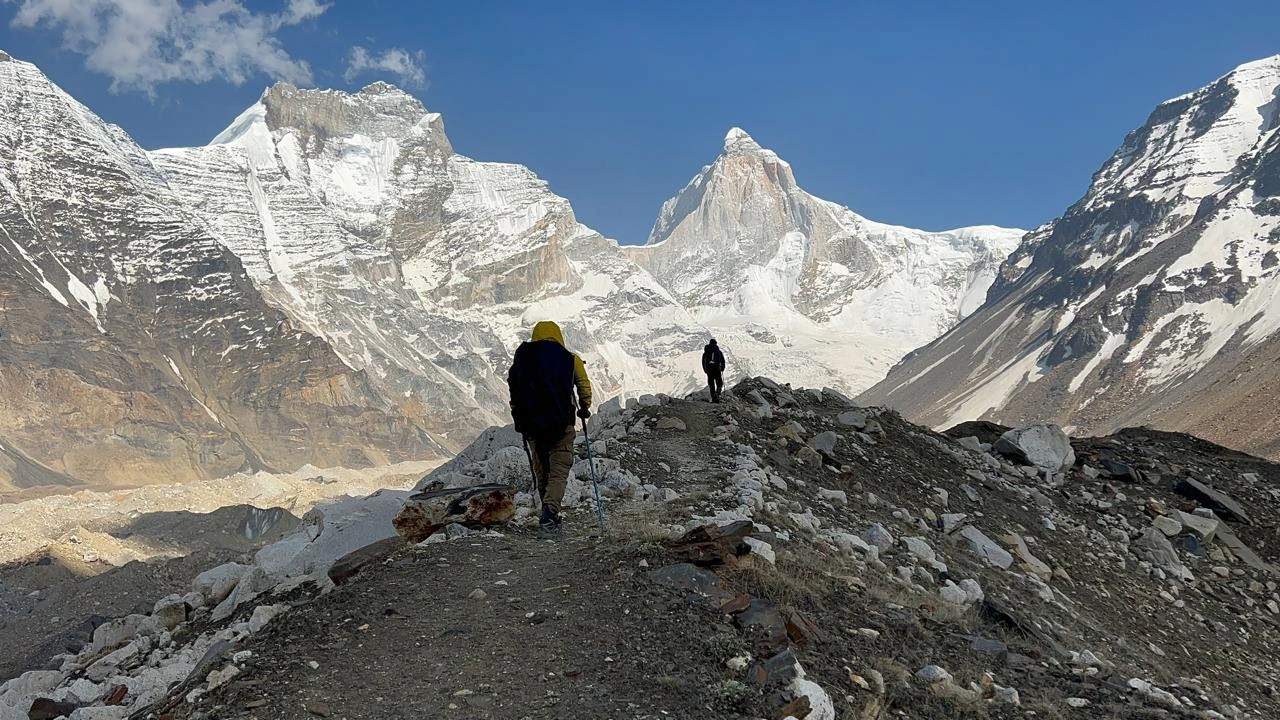
Training Too Intensely All the Time
Mountains reward sustainable endurance.
Ignoring Recovery
Fatigue accumulation destroys progress.
Only Training in the Gym
Mountain movement is highly specific.
Avoiding Backpack Training
Load carrying changes everything.
Focusing Only on Strength
Endurance and pacing matter more.
My Biggest Realization About Expedition Training
Eventually, I understood something simple:
Expedition fitness is not about looking strong.
It is about staying functional for long durations in difficult environments.
The strongest climbers are usually the ones who:
• Move efficiently
• Recover well
• Pace intelligently
• Adapt consistently
Not necessarily the ones lifting the heaviest weights.
Sample Weekly Expedition Training Structure
Endurance Days
• Incline walking
• Long hikes
• Stair climbing
Strength Days
• Legs
• Core
• Stability work
Mobility & Recovery Days
• Stretching
• Recovery walks
• Light movement
Load-Carrying Sessions
• Backpack hikes
• Stair climbs with weight
How Long Should You Train Before an Expedition?
General recommendation:
• 2–3 months minimum for moderate expeditions
• Longer for technical or high-altitude objectives
Consistency matters more than extreme short-term intensity.
Final Advice for Aspiring Mountaineers
Train for:
• Endurance
• Recovery
• Consistency
• Efficiency
Not just intensity.
Because the mountains do not reward the person who trains hardest for one hour.
They reward the person who can keep moving intelligently for multiple days under fatigue, cold, and altitude stress.
Conclusion
Training for high and low altitude expeditions requires far more than generic fitness routines.
Mountaineering demands:
• Endurance
• Recovery
• Load efficiency
• Controlled breathing
• Mental resilience
• Sustainable movement systems
After multiple Himalayan expeditions, one truth became impossible to ignore:
Mountain fitness is not built through ego.
It is built through patience, consistency, and preparing the body to perform efficiently when the environment becomes difficult.