
The Himalayas are beautiful, but they are also unpredictable.
Most trekkers prepare for mountains by focusing on:
• Fitness
• Gear
• Weather
• Backpacking
Very few truly understand what high altitude can do to the human body.
That usually changes after the first serious altitude experience.
I still remember one particular expedition where everything seemed normal during the initial trekking days. The team was moving well, weather conditions were stable, and morale was high.
Then altitude started increasing rapidly.
One climber developed a persistent headache and unusual fatigue. Initially, everyone assumed it was normal exhaustion. A few hours later, appetite disappeared completely, and walking pace slowed dramatically.
That situation became one of the most important lessons of my mountaineering life.
Because in the mountains, altitude sickness rarely starts dramatically.
It usually begins quietly.
And if ignored, it can become dangerous very quickly.
This is why every trekker and climber must understand three critical altitude-related conditions:
• AMS (Acute Mountain Sickness)
• HAPE (High Altitude Pulmonary Edema)
• HACE (High Altitude Cerebral Edema)
These are not rare technical medical terms meant only for mountaineers.
They are real high-altitude risks that every Himalayan trekker should understand before entering serious altitude.
This guide explains these conditions practically and realistically through real mountain experience—not just textbook definitions.
Why Altitude Becomes Dangerous
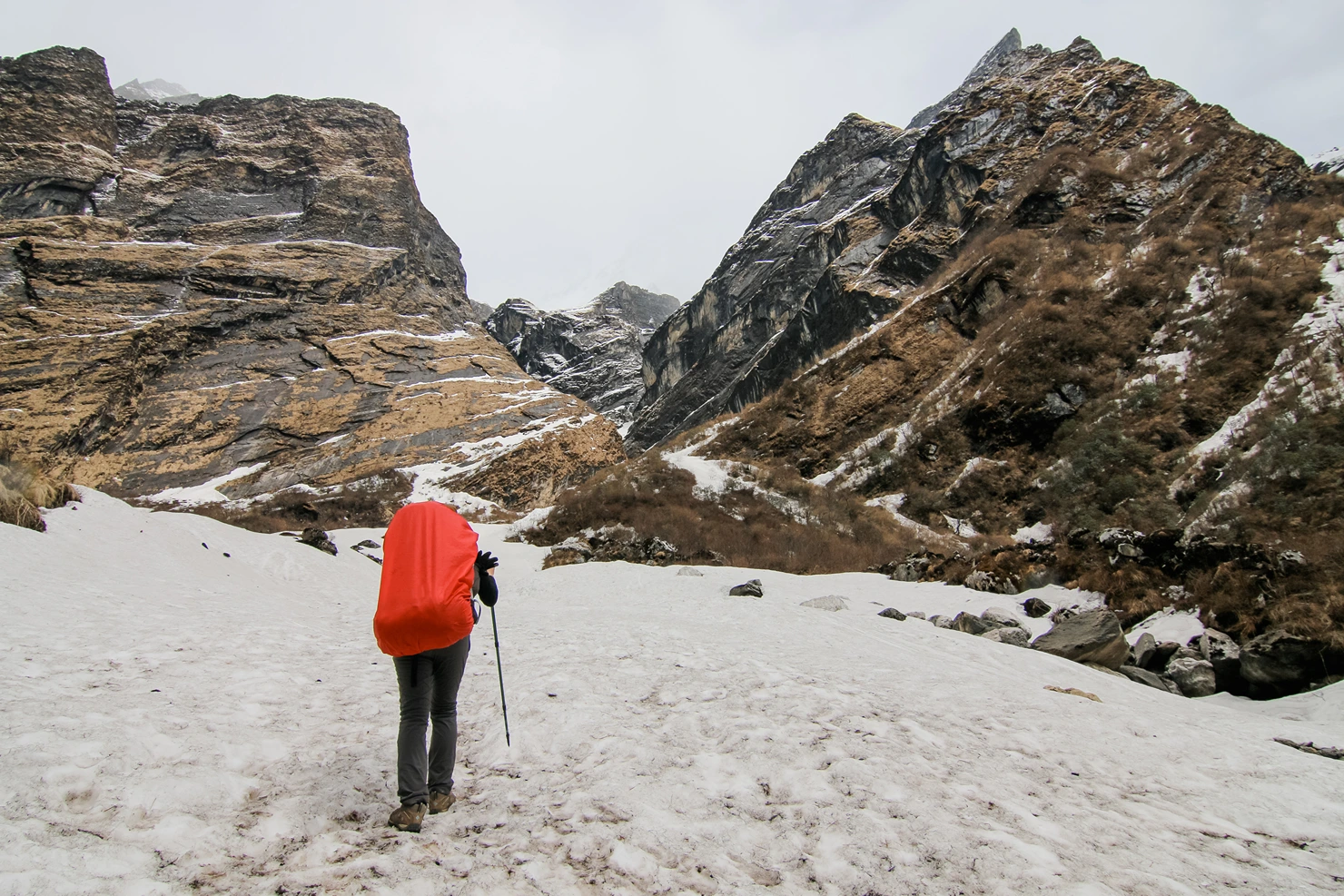
As altitude increases:
• Air pressure decreases
• Oxygen availability drops
• The body receives less oxygen with every breath
Above certain elevations, the body begins struggling to adapt.
This creates physiological stress that affects:
• Breathing
• Circulation
• Recovery
• Brain function
• Lung function
Most healthy people feel some altitude effects above 3,000–3,500 meters.
Above 5,000 meters, those effects become significantly more serious.
Understanding AMS (Acute Mountain Sickness)
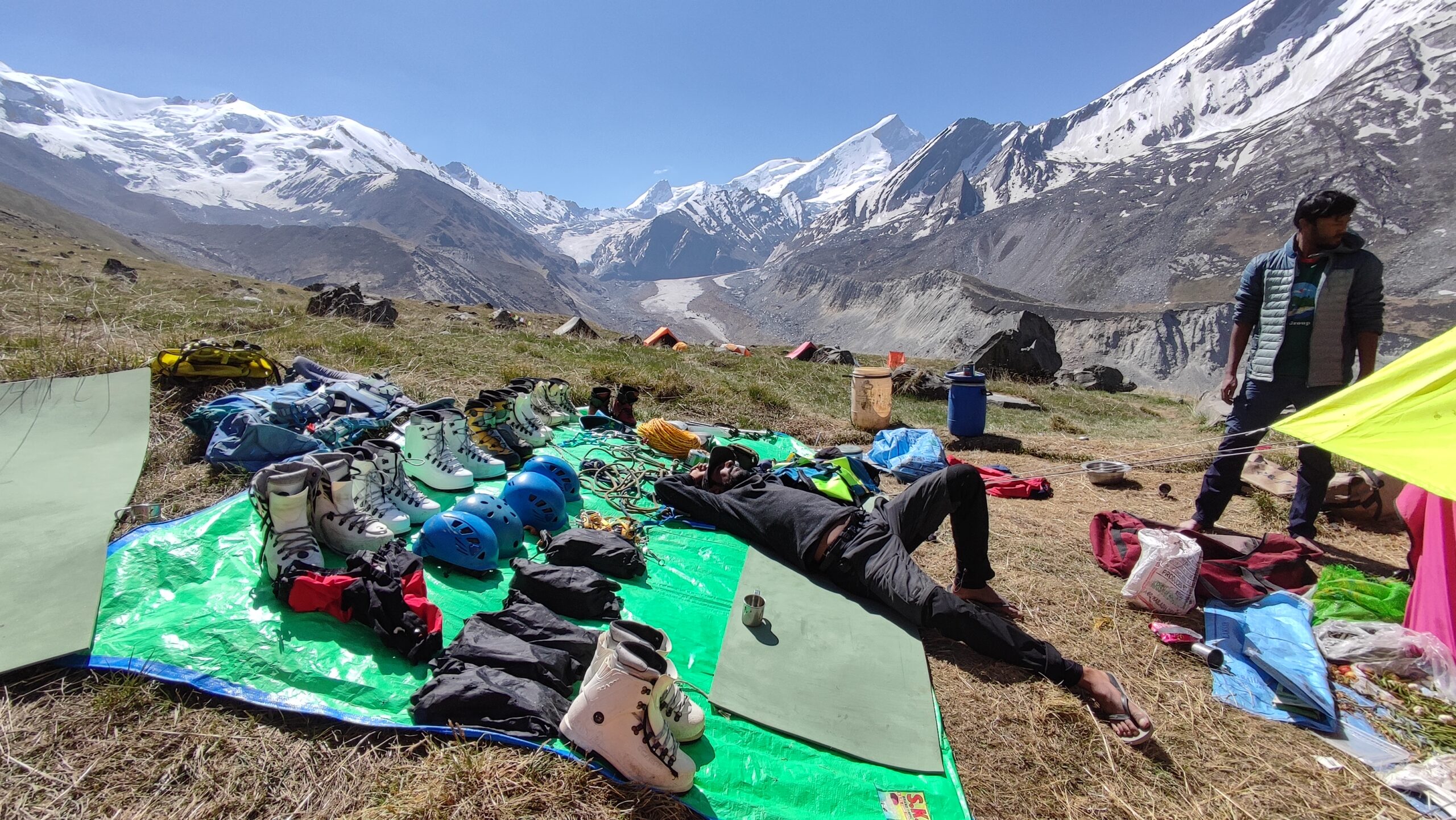
AMS is the most common altitude illness.
It is essentially the body’s warning sign that adaptation to altitude is not happening properly.
Most trekkers who experience altitude sickness experience AMS first.
What AMS Feels Like
The difficult thing about AMS is that early symptoms feel deceptively simple.
Common symptoms include:
• Headache
• Fatigue
• Loss of appetite
• Nausea
• Dizziness
• Poor sleep
• Weakness
Initially, many trekkers mistake AMS for:
• Tiredness
• Dehydration
• Lack of sleep
• General trekking exhaustion
That is exactly what makes it dangerous.
My First Real Experience with AMS
During one Himalayan expedition, I remember feeling unusually tired at camp after what should have been a manageable trekking day.
The first symptom was a mild headache.
Then appetite disappeared completely.
Even drinking water felt difficult.
Initially, I ignored it because the symptoms seemed minor.
But by evening, even basic movement around camp felt exhausting.
That experience taught me something critical:
Lesson from Experience:
Altitude sickness often begins with symptoms that seem “small.”
Why AMS Happens
AMS develops because:
• The body is not acclimatizing fast enough
• Oxygen delivery becomes insufficient
• The brain and body react poorly to altitude stress
The most common causes include:
• Climbing too quickly
• Poor acclimatization
• Dehydration
• Overexertion
• Ignoring early symptoms
How to Prevent AMS
Prevention is always easier than treatment.
The most effective AMS prevention strategies include:
• Slow ascent
• Proper acclimatization
• Aggressive hydration
• Controlled pacing
• Good nutrition
• Rest days at altitude
One thing experienced climbers understand well:
Mountains reward patience.
The Biggest AMS Mistake Trekkers Make
The worst mistake is continuing to ascend despite worsening symptoms.
Many trekkers assume:
• “It will improve tomorrow.”
• “I just need rest.”
• “Everyone feels like this.”
Sometimes symptoms improve.
Sometimes they become dangerous.
And the mountain rarely gives much warning before conditions worsen.
Understanding HAPE (High Altitude Pulmonary Edema)
HAPE is far more serious than AMS.
It is a potentially life-threatening condition where fluid begins accumulating inside the lungs.
This drastically reduces the body’s ability to absorb oxygen.
Why HAPE is Dangerous
At altitude, the body already struggles with low oxygen.
In HAPE:
• The lungs themselves begin failing to exchange oxygen properly
This creates severe breathing difficulty.
Without proper treatment and descent, HAPE can become fatal.
What HAPE Feels Like

Early symptoms often include:
• Unusual breathlessness
• Difficulty walking uphill
• Persistent cough
• Chest tightness
• Extreme fatigue
As HAPE worsens:
• Breathing becomes difficult even while resting
• Wet cough develops
• Frothy sputum may appear
• Lips may turn bluish
The Most Frightening Thing About HAPE
One of the scariest things about HAPE is how quickly strong climbers can deteriorate.
I once witnessed a trekker who looked perfectly stable during the approach phase suddenly struggle badly above camp.
Initially:
• Slight breathlessness seemed normal
Within hours:
• Walking became difficult
• Recovery disappeared
• Breathing sounded abnormal even at rest
That experience permanently reinforced the seriousness of altitude illness.
Lesson from Experience:
Never underestimate unusual breathlessness at altitude.
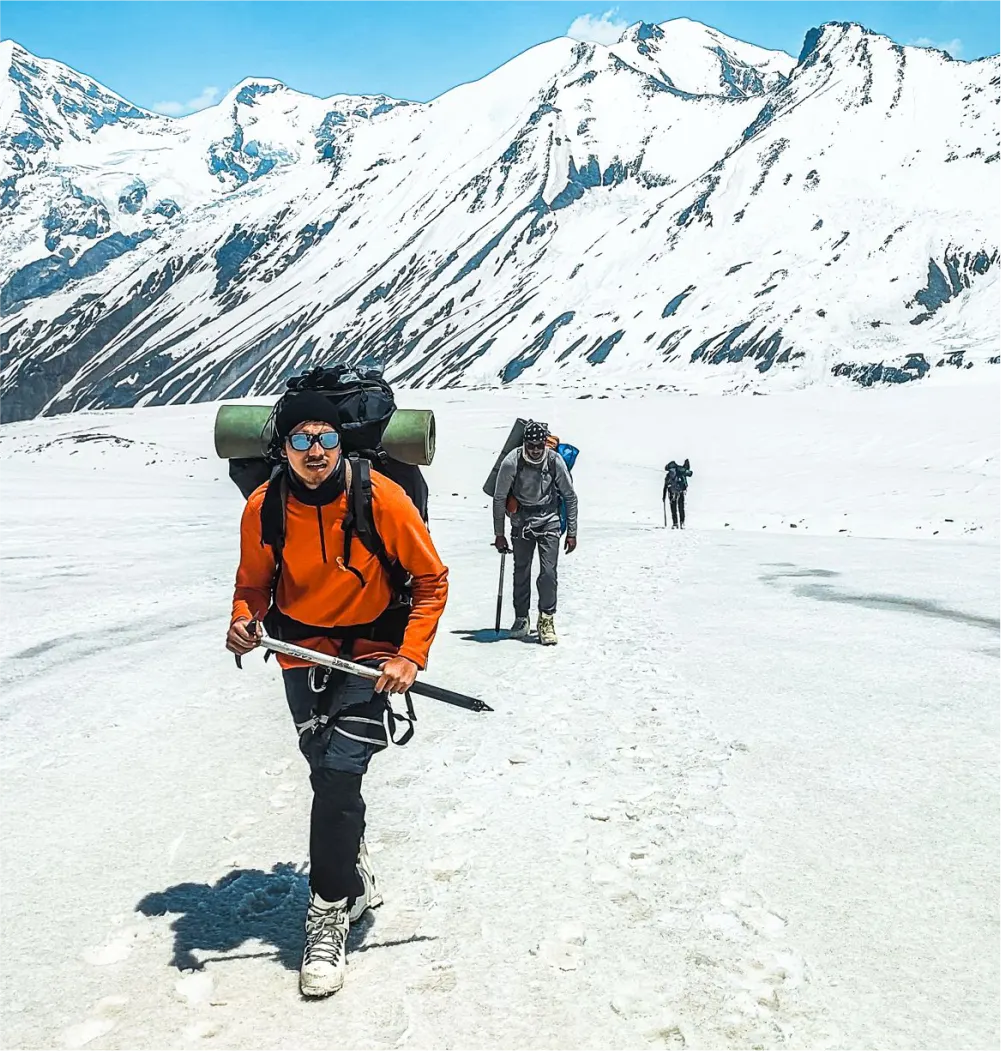
HAPE Can Happen to Fit People Too
This surprises many trekkers.
Fitness does not guarantee protection against HAPE.
Even strong athletes can develop it if:
• Ascent is too rapid
• Acclimatization is poor
• The body reacts badly to altitude
Mountains do not care how fit you are if oxygen adaptation fails.
Immediate Action for HAPE
HAPE is an emergency.
The primary treatment is:
• Immediate descent
Additional support may include:
• Oxygen
• Medical treatment
• Evacuation if necessary
Continuing upward with HAPE symptoms is extremely dangerous.
Understanding HACE (High Altitude Cerebral Edema)
HACE is one of the most dangerous altitude illnesses.
It occurs when the brain begins swelling due to altitude stress.
This condition is life-threatening and requires immediate action.
Why HACE is So Serious
The brain controls:
• Coordination
• Judgment
• Awareness
• Basic neurological function
When swelling develops:
• Mental function deteriorates rapidly
This creates extremely dangerous situations in mountain environments.
Symptoms of HACE
Early warning signs include:
• Severe headache
• Confusion
• Loss of coordination
• Difficulty walking straight
• Slurred speech
• Strange behavior changes
As HACE worsens:
• Consciousness decreases
• Hallucinations may occur
• Collapse becomes possible
The Most Important HACE Sign: Coordination Loss
One classic HACE indicator is inability to walk properly.
A climber may:
• Stumble
• Lose balance
• Walk abnormally
This happens because brain function is becoming impaired.
A Real Mountain Lesson About HACE Awareness
During a high-altitude expedition briefing, one senior climber said something I never forgot:
“If someone at altitude starts behaving strangely, assume altitude illness first.”
That advice later made complete sense.
At altitude, judgment itself becomes affected.
And climbers with HACE often fail to recognize their own condition.
HACE is a Medical Emergency
If HACE is suspected:
• Immediate descent is mandatory
• Oxygen support becomes critical
• Medical evacuation may be necessary
No summit is worth delaying descent.
AMS vs HAPE vs HACE – The Key Difference
| Condition | Main Area Affected | Severity |
| AMS | General altitude adaptation | Common but manageable if treated early |
| HAPE | Lungs | Life-threatening |
| HACE | Brain | Life-threatening |
AMS can progress into more serious conditions if ignored.
This is why early recognition matters so much.
Why Trekkers Ignore Symptoms
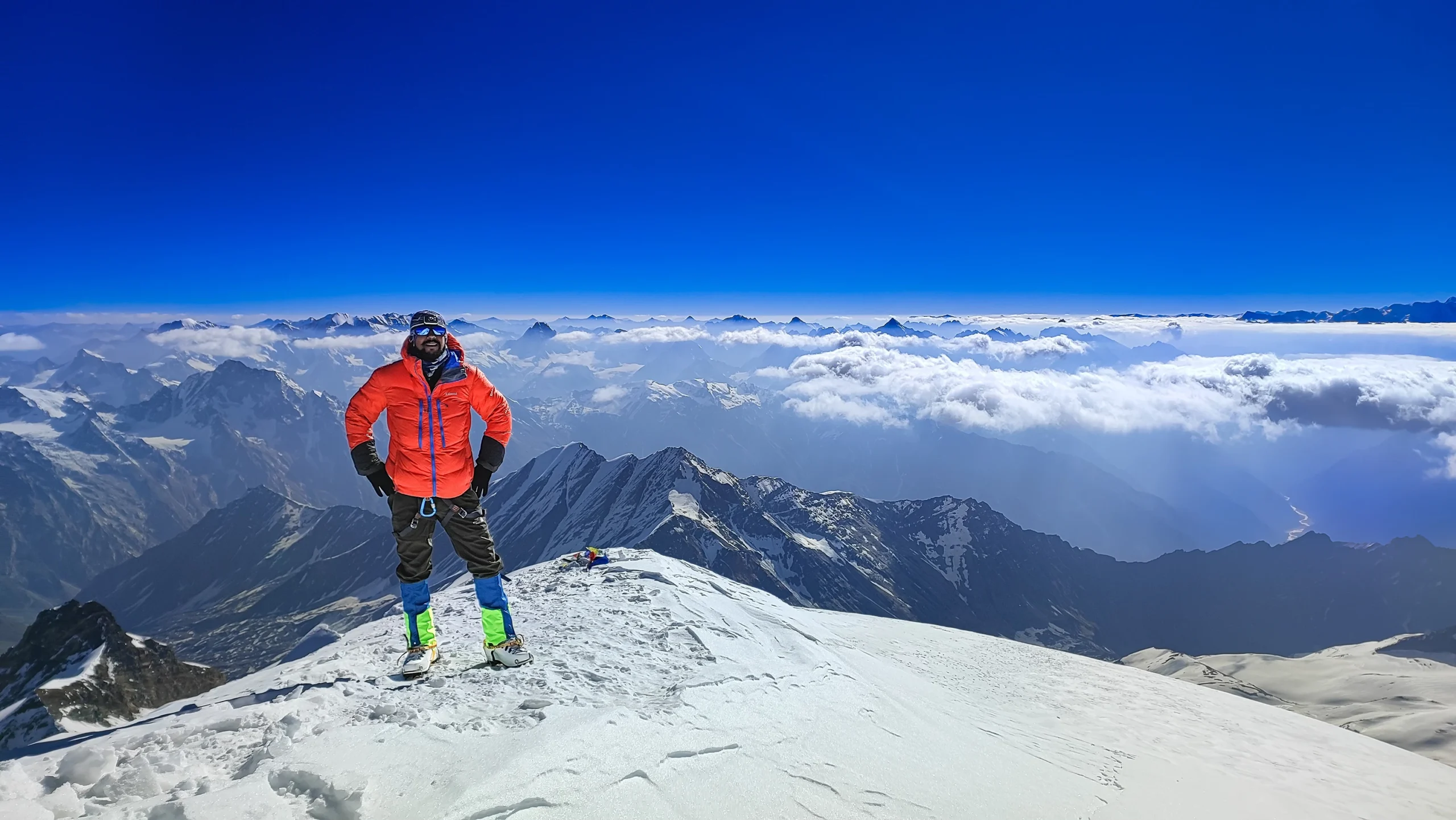
One of the biggest problems in mountaineering culture is denial.
Trekkers often ignore symptoms because:
• They fear losing summit chance
• They compare themselves with others
• They underestimate altitude illness
• They assume symptoms are temporary
This mindset becomes dangerous quickly.
Experienced climbers respect symptoms early.
The Role of Acclimatization
Good acclimatization dramatically reduces altitude illness risk.
Important strategies include:
• Climbing slowly
• Rest days
• Hydration
• Controlled pacing
• Proper nutrition
During multiple expeditions, one thing became obvious:
The climbers who move patiently usually perform best later.
Hydration and Altitude Illness
Dehydration worsens altitude adaptation significantly.
At altitude:
• Breathing increases fluid loss
• Cold suppresses thirst
• Dry air accelerates dehydration
This amplifies:
• Headaches
• Fatigue
• Recovery problems
Hydration is one of the simplest altitude protection systems available.
Why “Listen to Your Body” Matters
This phrase sounds simple, but it becomes extremely important in the mountains.
Your body usually gives warnings early:
• Headaches
• Fatigue
• Appetite loss
• Strange breathing
• Coordination issues
Ignoring those warnings creates risk.
What Experienced Expedition Leaders Do Differently
Strong leaders constantly monitor:
• Walking pace
• Hydration
• Appetite
• Coordination
• Breathing patterns
• Mental clarity
Altitude illness rarely appears “suddenly.”
Small signs usually appear first.
Common Altitude Mistakes Trekkers Make
Climbing Too Fast
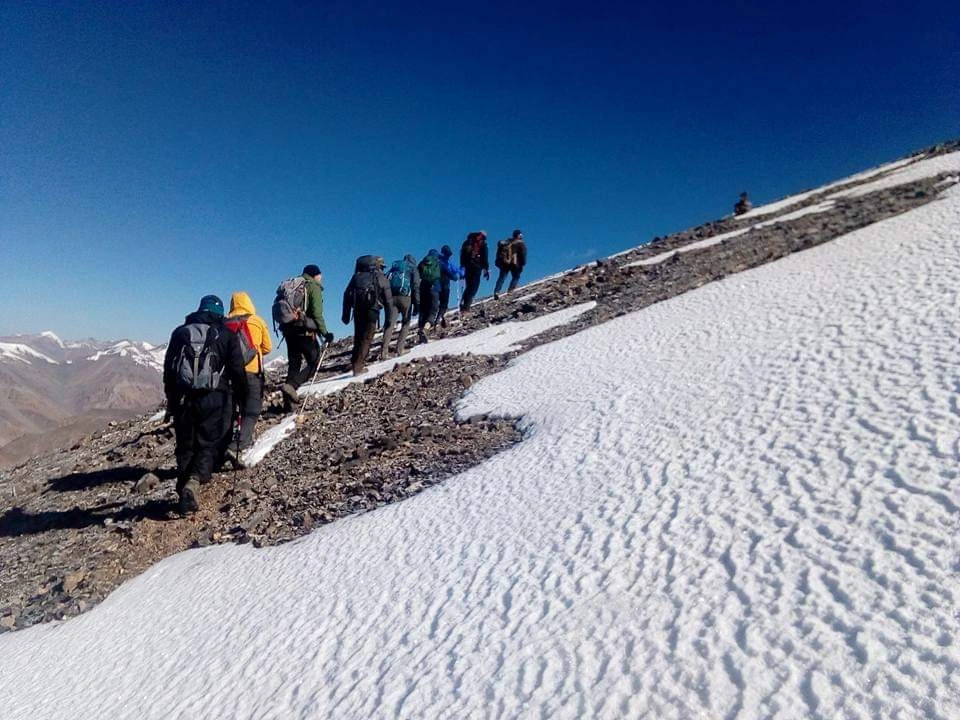
The most common cause of altitude problems.
Ignoring Headaches
Headaches at altitude should always be monitored carefully.
Poor Hydration
Dehydration worsens adaptation significantly.
Skipping Acclimatization Days
Rest days are not wasted time.
Chasing Faster Climbers
Altitude affects everyone differently.
My Biggest Realization About Altitude Illness
Eventually, I understood something important:
Altitude sickness is not weakness.
It is physiology.
The mountain environment changes how the human body functions.
Respecting that reality is not fear—it is intelligence.
Final Advice for Every Trekker
Before any high-altitude trek or expedition:
• Understand altitude illness seriously
• Learn symptoms properly
• Respect acclimatization
• Never ignore worsening signs
• Prioritize descent over ego
Because the mountains will always remain there.
Your health matters more than any summit.
Conclusion
AMS, HAPE, and HACE are among the most important high-altitude conditions every trekker should understand before entering the Himalayas.
AMS is common and often manageable if recognized early. HAPE and HACE are serious medical emergencies that require immediate action and descent.
After multiple Himalayan expeditions, one lesson became absolutely clear:
Altitude illness does not care about experience, fitness, or ambition.
It only cares whether the body is adapting—or failing to adapt—to the mountain environment.
And the smartest climbers are always the ones who respect that reality early.
For more details, please connect with mountain expedition experts.