The first time I crossed 5,000 meters in the Himalayas, I expected difficulty.
I expected fatigue, cold weather, and thinner air.
What I did not expect was how completely the mountain would change the way my body functioned.
Until that point, trekking had always felt manageable. Hard work, yes—but predictable. You walk, rest, eat, recover, and continue.
Above 5,000 meters, that rhythm changes.
Suddenly:
• Breathing feels different
• Recovery slows dramatically
• Sleep becomes strange
• Appetite disappears
• Movement feels inefficient
• The body stops behaving normally
And the most surprising part is that these changes happen even if you are physically fit.
That realization completely changed my understanding of mountaineering.
Because above 5,000 meters, the mountain stops testing only your strength.
It starts testing how well your body can survive in an environment it was never naturally designed for.
This article explains what actually happens inside the human body above 5,000 meters—not only scientifically, but through real Himalayan climbing experience.
Why 5000m is a Critical Altitude
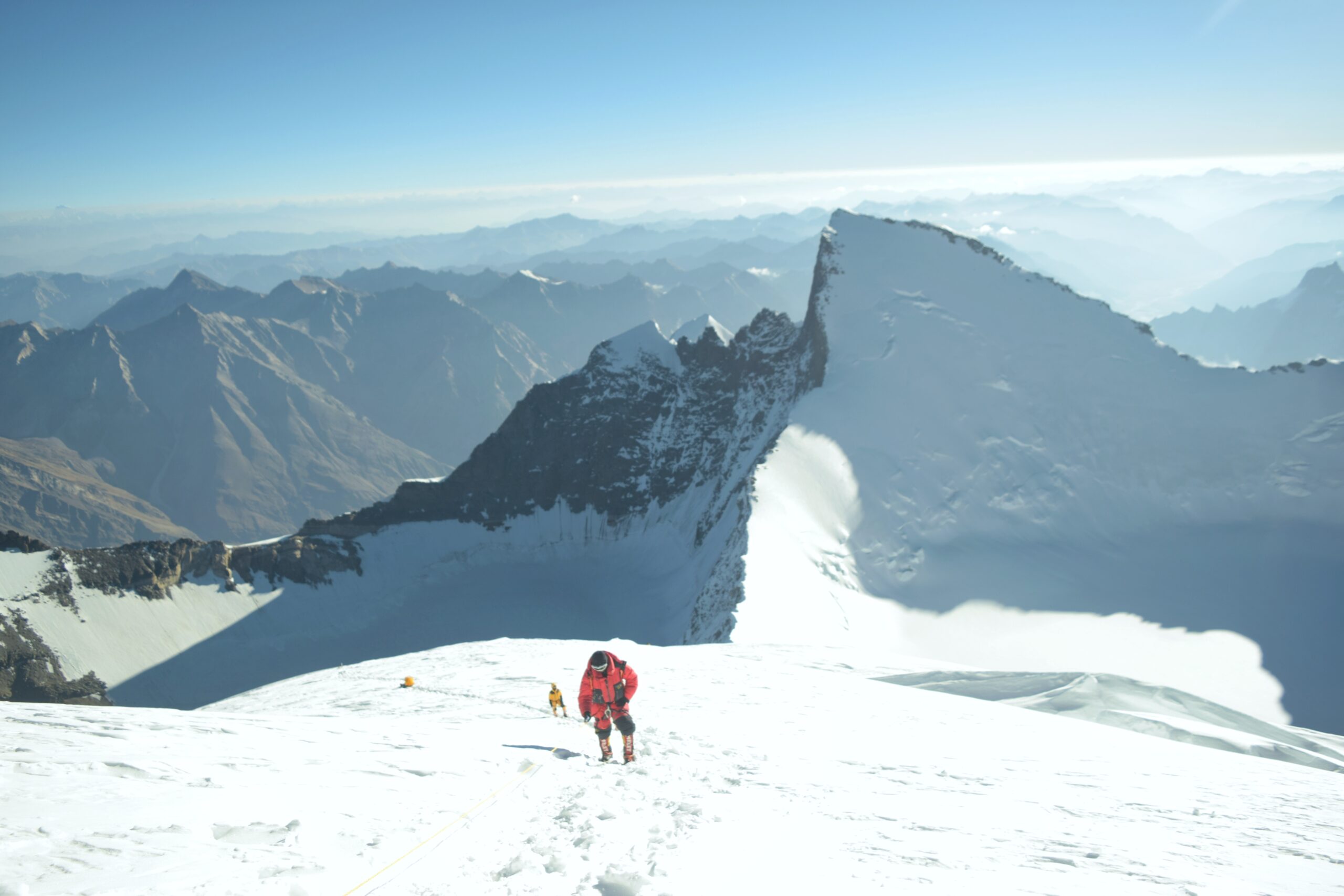
There is a noticeable difference between trekking below 4,000 meters and climbing above 5,000 meters.
At lower altitude:
• The body still functions relatively efficiently
• Recovery remains manageable
• Oxygen reduction is noticeable but tolerable
Above 5,000 meters:
• Oxygen availability drops significantly
• Physical performance decreases sharply
• Recovery slows dramatically
• Small mistakes become magnified
This is where mountaineering begins feeling truly different from trekking.
The First Thing You Notice: Breathing Changes Completely
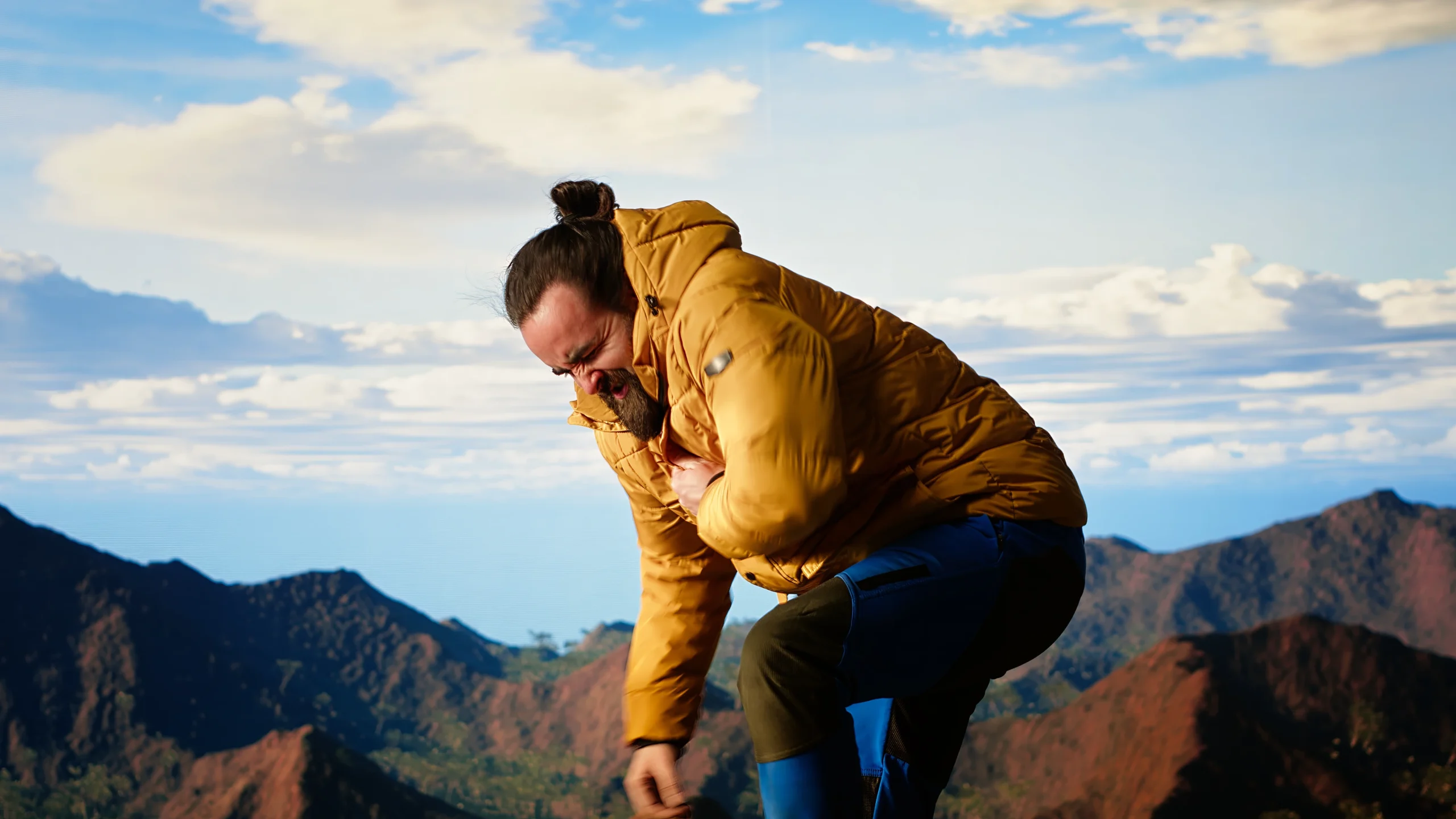
The earliest and most obvious change above 5,000 meters is breathing.
Even while resting, the body feels like it is working harder.
Why?
Because oxygen pressure decreases significantly at altitude.
The amount of oxygen in the atmosphere technically remains similar, but the air pressure drops, meaning:
• Every breath delivers less usable oxygen to the body
The body immediately responds by increasing breathing rate.
This is why climbers:
• Breathe heavily while walking
• Pause more frequently
• Use controlled breathing rhythms during summit pushes
I still remember the first steep climb above 5,000 meters where I stopped after only a short uphill section—not because my legs failed, but because my breathing suddenly felt insufficient.
That moment was shocking.
Lesson from Experience:
Above 5,000m expedition, breathing becomes part of the climb itself.
Your Heart Starts Working Harder
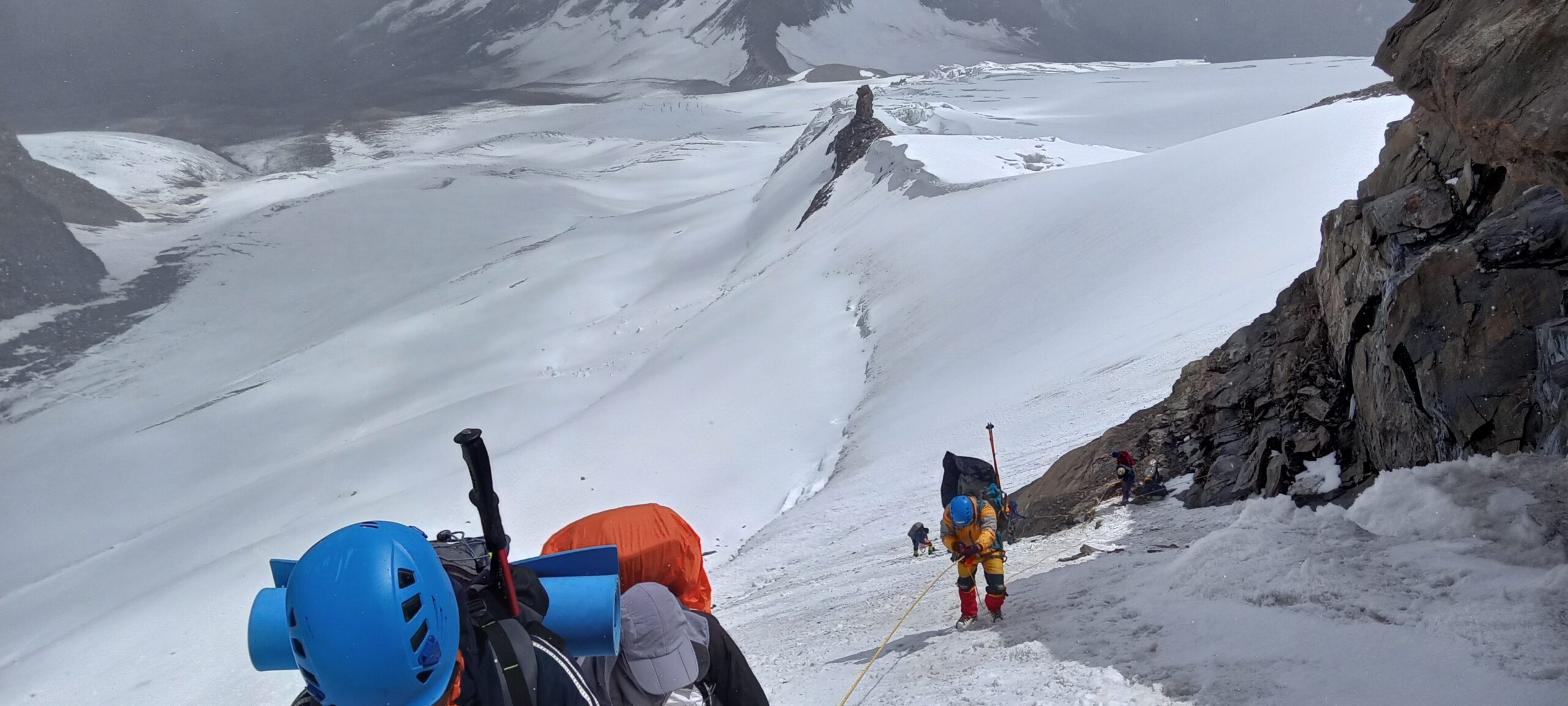
As oxygen decreases, the heart compensates by pumping faster.
This causes:
• Higher resting heart rate
• Faster exhaustion during movement
• Slower recovery after effort
Even simple actions begin feeling surprisingly tiring.
I remember reaching camp after what would normally be a moderate trekking day. Physically, the distance was not extreme.
But the body felt unusually drained.
The heart had been working continuously at higher intensity all day simply to compensate for low oxygen.
Walking Feels Strangely Slow
One of the most humbling things about high altitude is pacing.
At sea level, strong fitness allows people to move quickly uphill.
Above 5,000 meters, speed becomes dangerous.
The body naturally slows down because:
• Oxygen delivery decreases
• Muscles fatigue faster
• Recovery between steps becomes important
This is why experienced climbers often move surprisingly slowly during expeditions.
Initially, I misunderstood this completely.
During one early expedition, I tried maintaining normal trekking pace during the approach.
The result?
Exhaustion arrived early, recovery suffered, and the body struggled for the rest of the day.
That experience permanently changed how I move at altitude.
Lesson from Experience:
At high altitude, efficiency matters more than speed.
Sleep Stops Feeling Normal
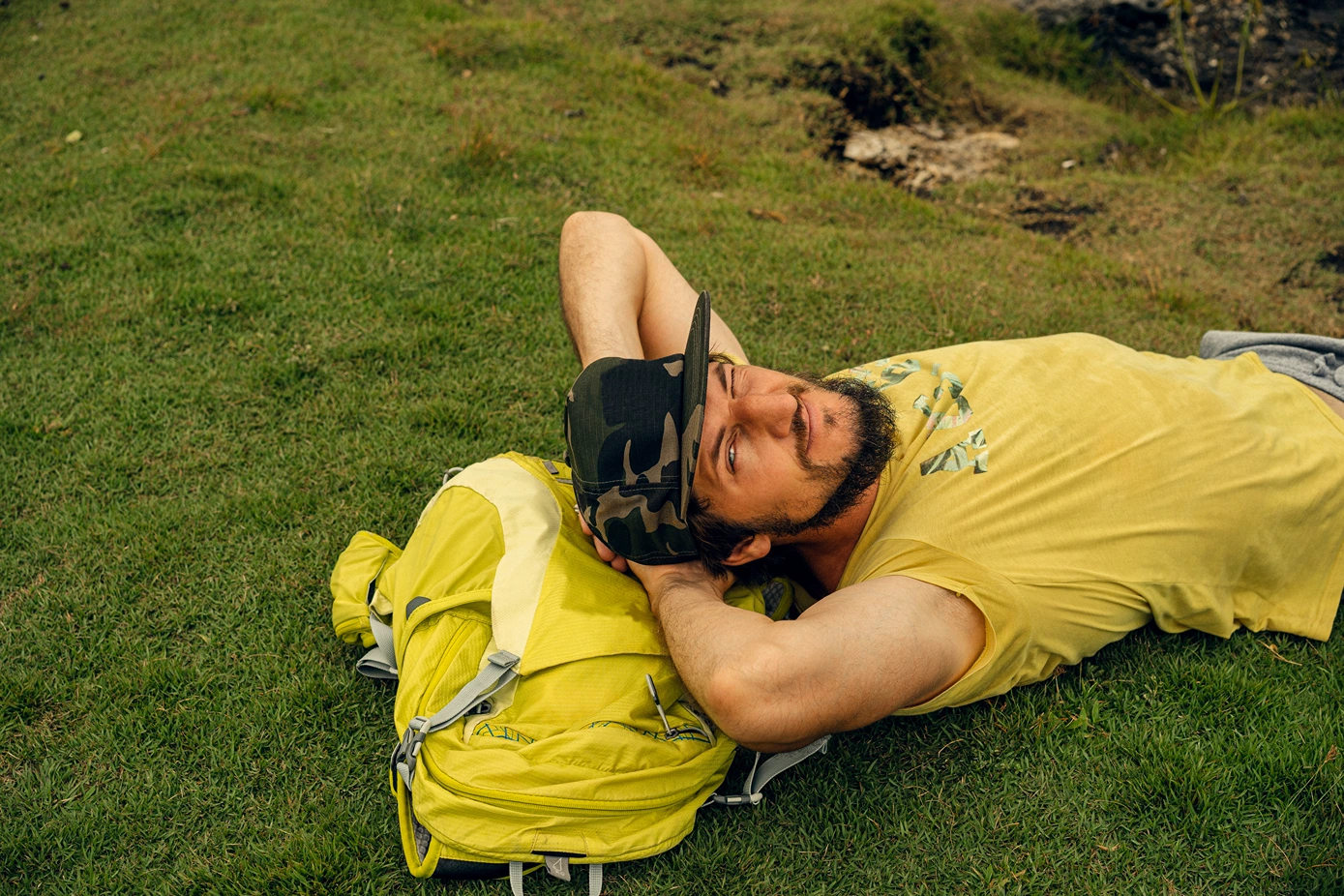
One of the strangest things about crossing 5,000 meters is how sleep changes.
Many climbers experience:
• Frequent waking
• Shallow sleep
• Strange breathing patterns
• Feeling tired despite resting
This happens because the body continues struggling for oxygen even while sleeping.
Sometimes climbers wake suddenly feeling like they forgot to breathe.
The first time this happened to me, it felt deeply unsettling.
Over time, I realized it is part of altitude adaptation—but it still affects recovery significantly.
Appetite Begins Disappearing
This surprises almost every beginner.
At the exact altitude where the body needs more calories, appetite often decreases sharply.
Food starts feeling:
• Less appealing
• Harder to eat
• Mentally exhausting sometimes
During one expedition, I noticed that even though I knew I needed energy, eating became difficult after long climbing days.
Unfortunately, poor nutrition at altitude quickly creates:
• Weakness
• Slower acclimatization
• Reduced recovery
• Fatigue during summit push
This is why experienced climbers force themselves to eat even when appetite disappears.
Lesson from Experience:
At altitude, eating becomes part of survival—not comfort.
Dehydration Happens Faster Than You Realize
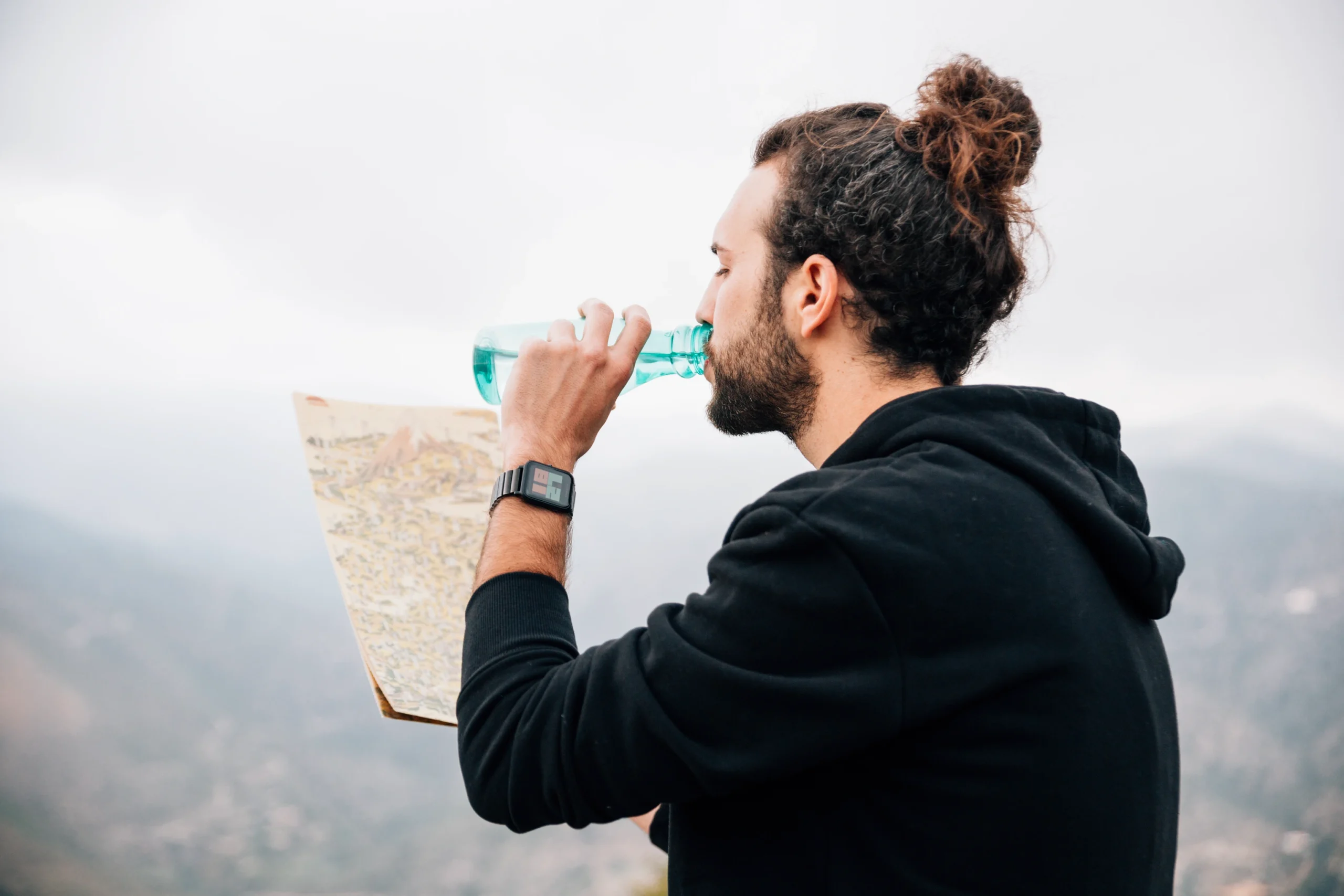
One of the most dangerous things above 5,000 meters is hidden dehydration.
At altitude:
• Respiration increases
• Dry air removes moisture rapidly
• Cold suppresses thirst
This creates fluid loss even without visible sweating.
I personally underestimated this during an early climb because the cold weather made me feel less thirsty.
Within two days:
• Headaches increased
• Fatigue worsened
• Recovery slowed dramatically
Once hydration improved aggressively, the body responded almost immediately.
That experience changed my hydration discipline permanently.
The Brain Starts Working Differently
One thing few people discuss openly is how altitude affects mental sharpness.
Above 5,000 meters:
• Concentration drops faster
• Decision-making slows
• Small tasks require more focus
This happens because the brain is also receiving reduced oxygen.
I noticed this most clearly during technical preparation at high camp.
Simple things like organizing gear or packing efficiently suddenly required more mental effort than usual.
This is one reason why experienced climbers prefer:
• Slow routines
• Organized systems
• Reduced unnecessary decisions at altitude
Recovery Slows Dramatically
At sea level:
• Rest restores energy relatively quickly
Above 5,000 meters:
• Recovery becomes incomplete
After difficult climbing days:
• Legs stay heavy longer
• Fatigue accumulates faster
• Sleep does not fully restore energy
This is why summit pushes feel so difficult at altitude.
The body is climbing while partially exhausted already.
Muscles Lose Efficiency
Reduced oxygen means muscles cannot function normally.
As altitude increases:
• Muscle endurance drops
• Strength output decreases
• Fatigue builds faster
Even trained climbers notice this immediately.
During long summit pushes, the body enters a rhythm where:
• Step
• Breathe
• Pause
• Repeat
This slow climbing pattern becomes essential above 5,000 meters.
The Emotional Side of High Altitude
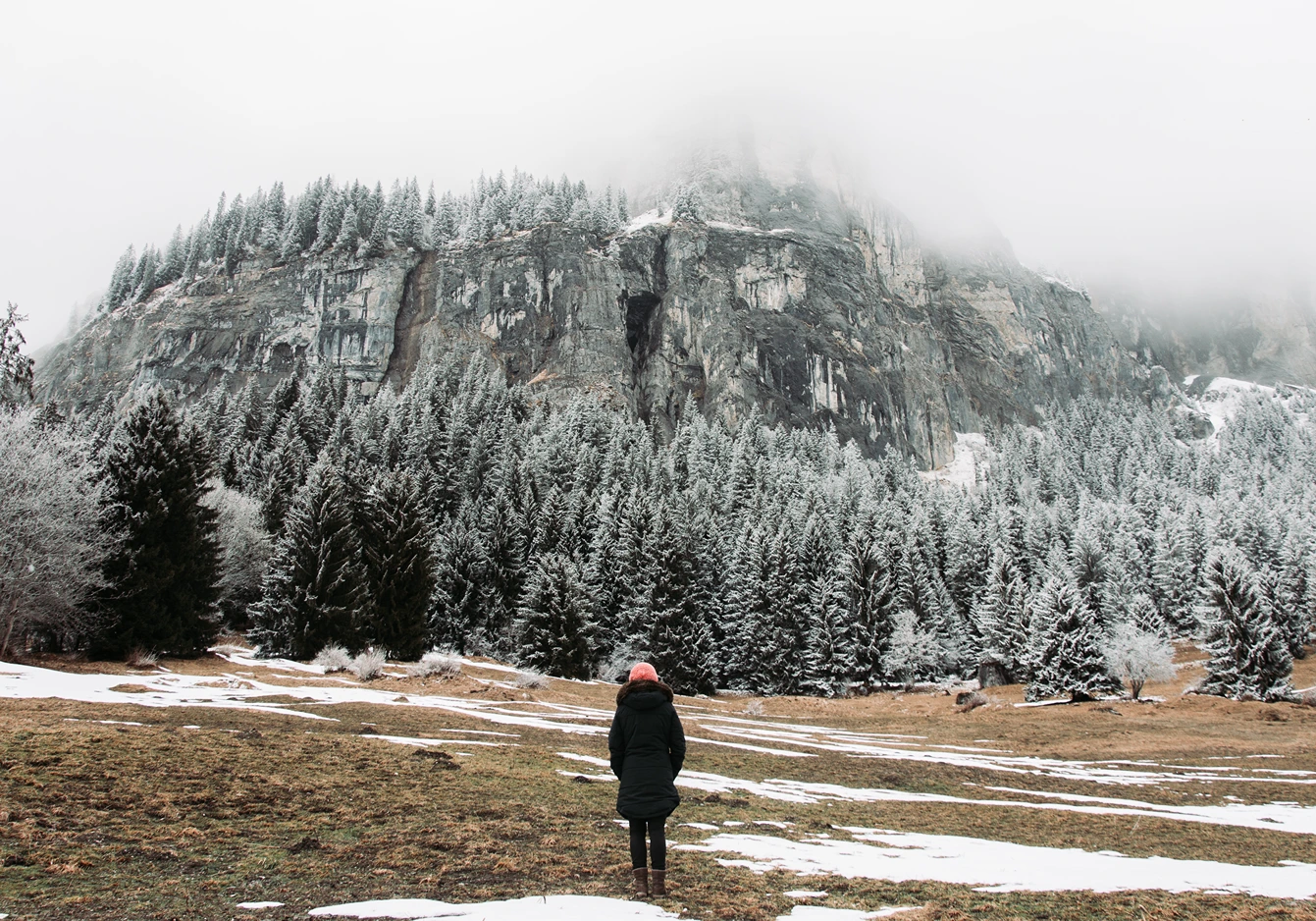
One thing I noticed repeatedly during expeditions:
Altitude affects emotions too.
Fatigue, cold, isolation, and oxygen stress create:
• Irritability
• Reduced patience
• Emotional exhaustion
Small problems sometimes feel disproportionately frustrating.
This psychological effect becomes stronger during:
• Poor weather
• Long summit days
• Difficult recovery periods
Good expedition teams understand this and remain patient with each other.
Acclimatization: The Body’s Survival Mechanism
Thankfully, the body tries to adapt.
This process is called acclimatization.
Over time:
• Breathing efficiency improves
• Oxygen transport becomes better
• Movement feels slightly easier
But adaptation takes time.
There are no shortcuts.
This is why acclimatization schedules matter so much during Himalayan expeditions.
Why “Climb High, Sleep Low” Works
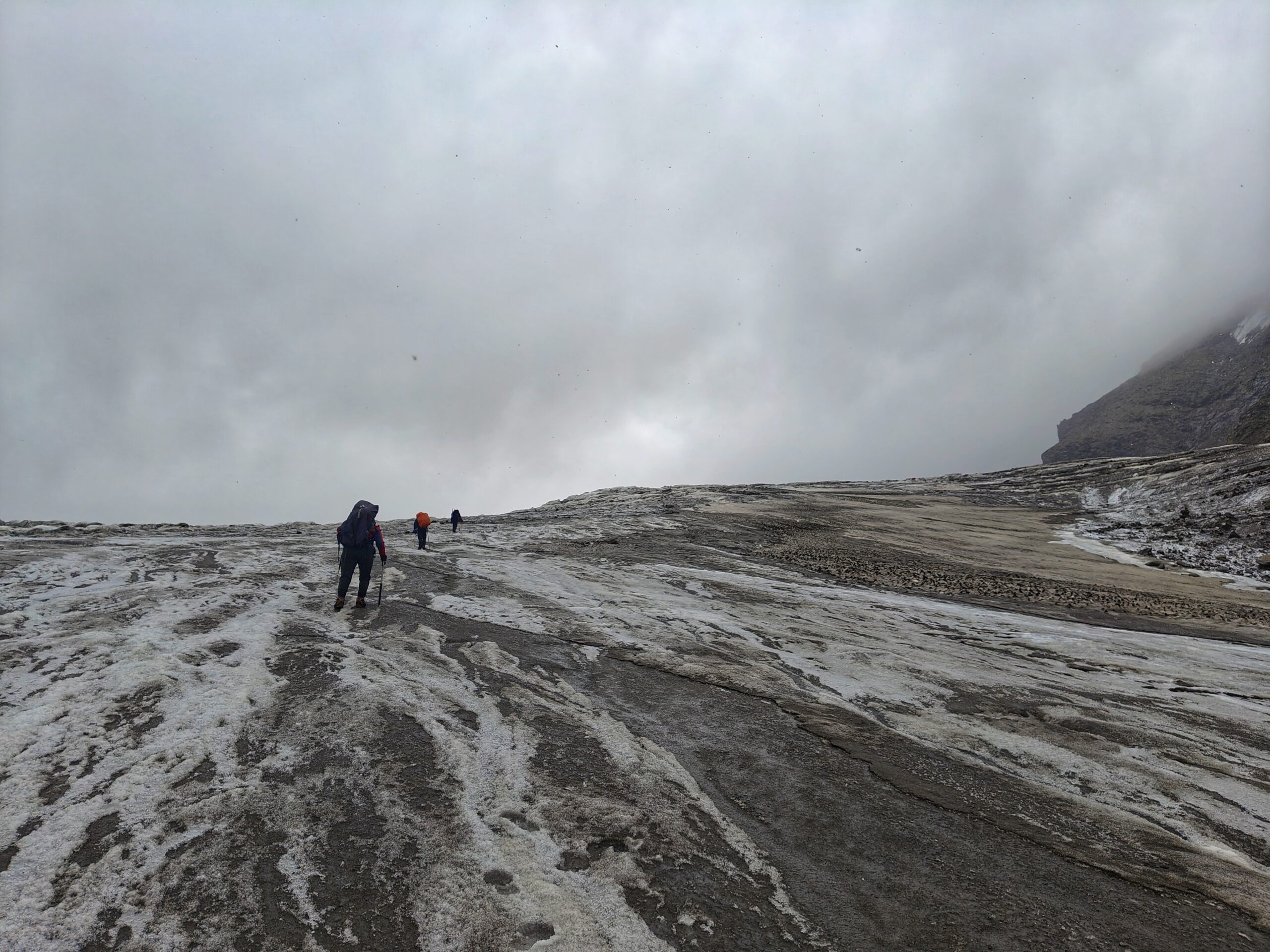
One of the most effective acclimatization strategies is:
• Climb to higher altitude during the day
• Return lower for sleep
This exposes the body to stress while still allowing better recovery.
Initially, acclimatization rotations felt repetitive and frustrating to me.
Later, I realized:
Those “extra days” were building summit strength.
Lesson from Experience:
Most summit success is built during acclimatization—not summit day.
The Danger of Ignoring Altitude Symptoms
One of the worst mistakes climbers make is pretending to feel stronger than they are.
Altitude problems escalate quickly if ignored.
Warning signs include:
• Persistent headache
• Vomiting
• Severe fatigue
• Loss of coordination
• Confusion
• Breathlessness at rest
The mountain does not reward ego.
Experienced climbers respect symptoms early.
Why Some Climbers Adapt Better Than Others
This is one of mountaineering’s biggest realities.
Fitness helps—but altitude adaptation varies greatly between individuals.
Some climbers naturally acclimatize faster.
Others require more time.
There is no perfect prediction system.
This is why comparing yourself to other climbers becomes dangerous at altitude.
What I Personally Learned Above 5000m
Crossing 5,000 meters changed how I viewed mountaineering completely.
I realized:
• The body is far less powerful than we assume
• Adaptation matters more than aggression
• Patience becomes a survival skill
• Efficiency matters more than speed
Most importantly, I understood that mountaineering is not about dominating the mountain.
It is about learning how to function inside an environment where the human body is constantly under stress.
What Experienced Climbers Do Differently
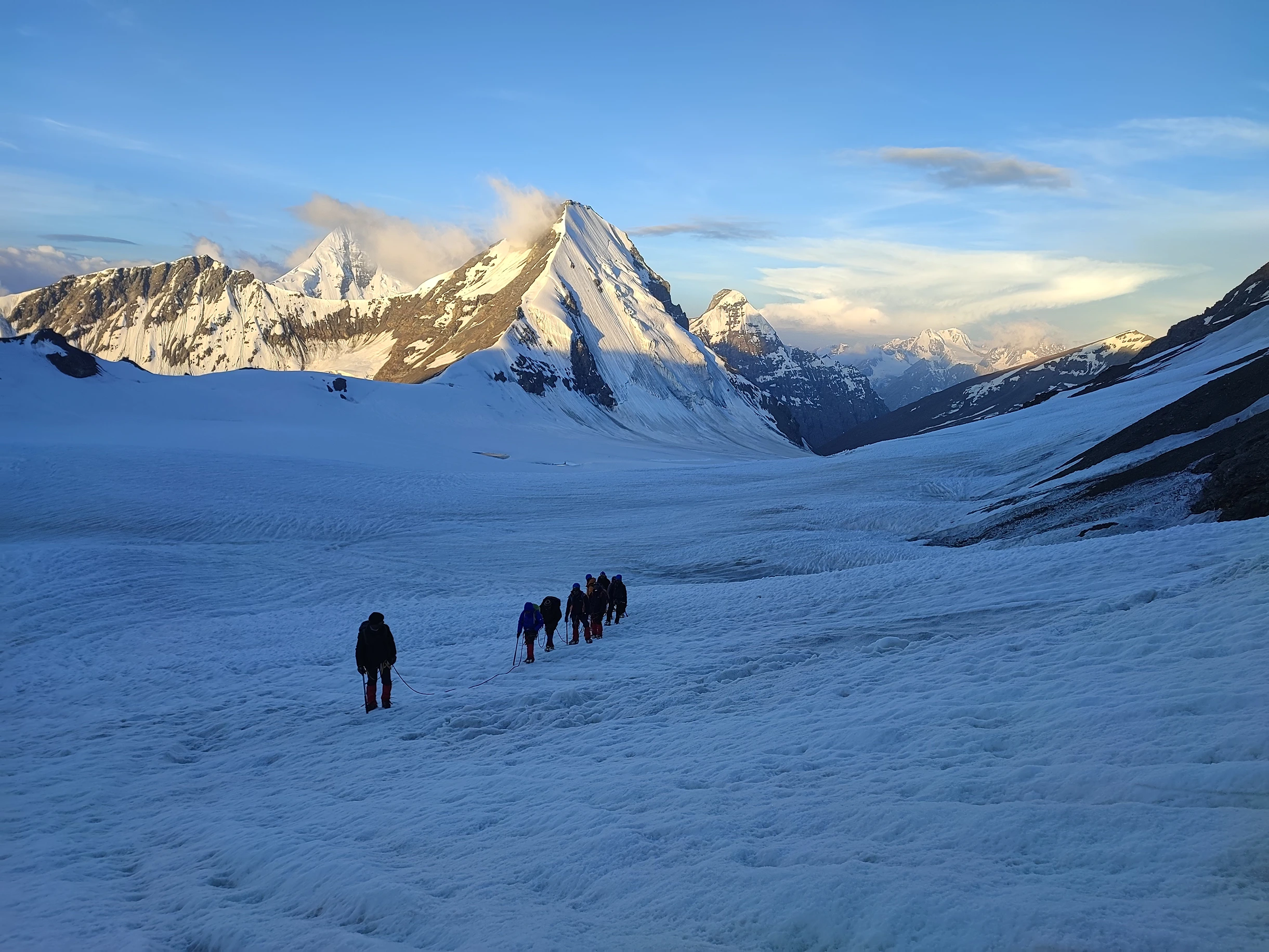
Strong high-altitude climbers:
• Walk slowly
• Hydrate aggressively
• Eat consistently
• Respect acclimatization
• Manage breathing carefully
• Avoid unnecessary effort
These habits may look simple.
But above 5,000 meters, they become extremely important.
Final Advice for Anyone Climbing Above 5000m
If you are preparing for your first high-altitude expedition:
• Respect acclimatization completely
• Do not chase pace
• Hydrate constantly
• Eat even when appetite disappears
• Listen to your body honestly
Because above 5,000 meters, the mountain strips away illusions very quickly.
And the climbers who succeed are usually the ones who adapt intelligently—not aggressively.
Conclusion
Above 5,000 meters, the human body enters a completely different physiological environment.
Breathing changes. Recovery slows. Sleep becomes unstable. Appetite decreases. Fatigue accumulates faster. Even thinking clearly requires more effort.
But over time, the body adapts surprisingly well—if given patience, hydration, nutrition, and proper acclimatization.
After multiple Himalayan expeditions, one truth became impossible to ignore:
High-altitude climbing is not just about strength.
It is about learning how to work with your body instead of fighting against the altitude.