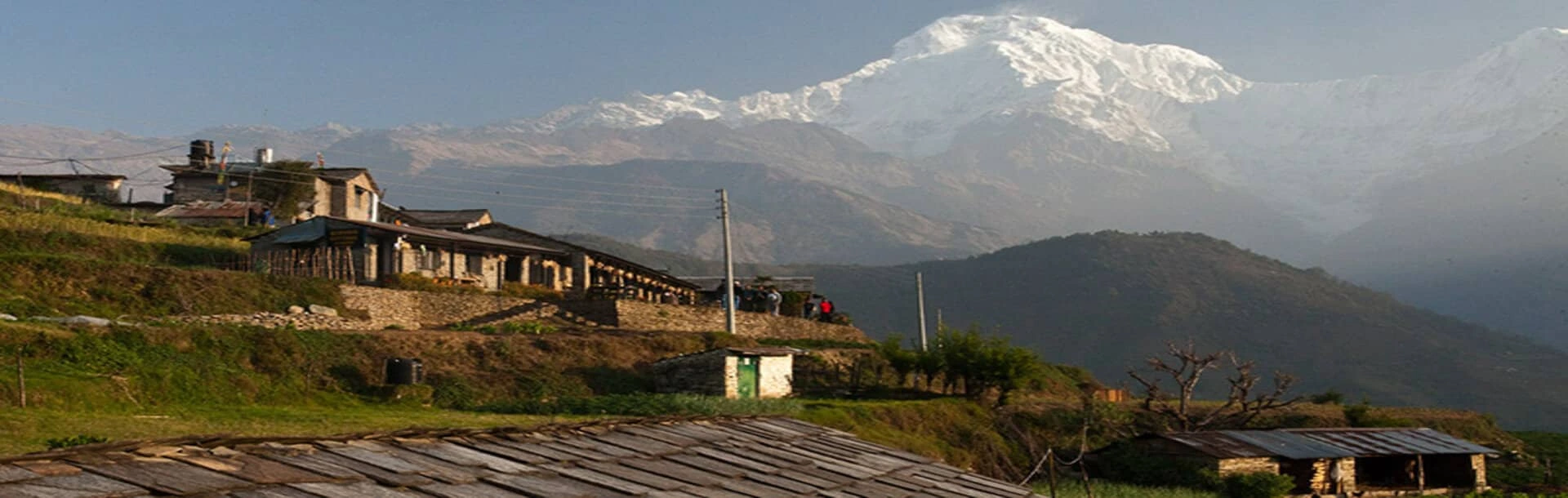
The Nepal Himalaya is one of the greatest mountaineering landscapes in the world.
From Everest and Ama Dablam to Manaslu, Island Peak, Mera Peak, and countless technical alpine objectives, Nepal offers every type of mountain experience—from beginner trekking peaks to some of the most demanding expeditions on Earth.
But one thing becomes very clear after spending time in the Nepal Himalaya:
The season you choose can completely change the mountain you climb.
The same route may feel stable and efficient in one season, while becoming avalanche-prone, heavily snow-loaded, or technically exposed in another.
During my first major Himalayan expedition season in Nepal, I assumed mountain difficulty depended mainly on altitude and technical terrain. But after climbing and observing routes in different seasonal windows, it became obvious that the mountain itself evolves constantly with weather cycles.
Snow conditions shift.
Glaciers open and close.
Ice walls change shape.
Rockfall zones become active.
Even climbers’ energy levels and summit strategies change depending on the season.
That realization completely changed how I viewed expedition planning.
Because in Nepal, climbing season is not just a calendar detail.
It is one of the most important decisions of the expedition itself.
This guide explains the difference between pre-monsoon and post-monsoon expeditions in the Nepal Himalaya, including weather patterns, route conditions, technical differences, risks, and real mountain experience from Himalayan expeditions.
Understanding Nepal’s Main Expedition Seasons
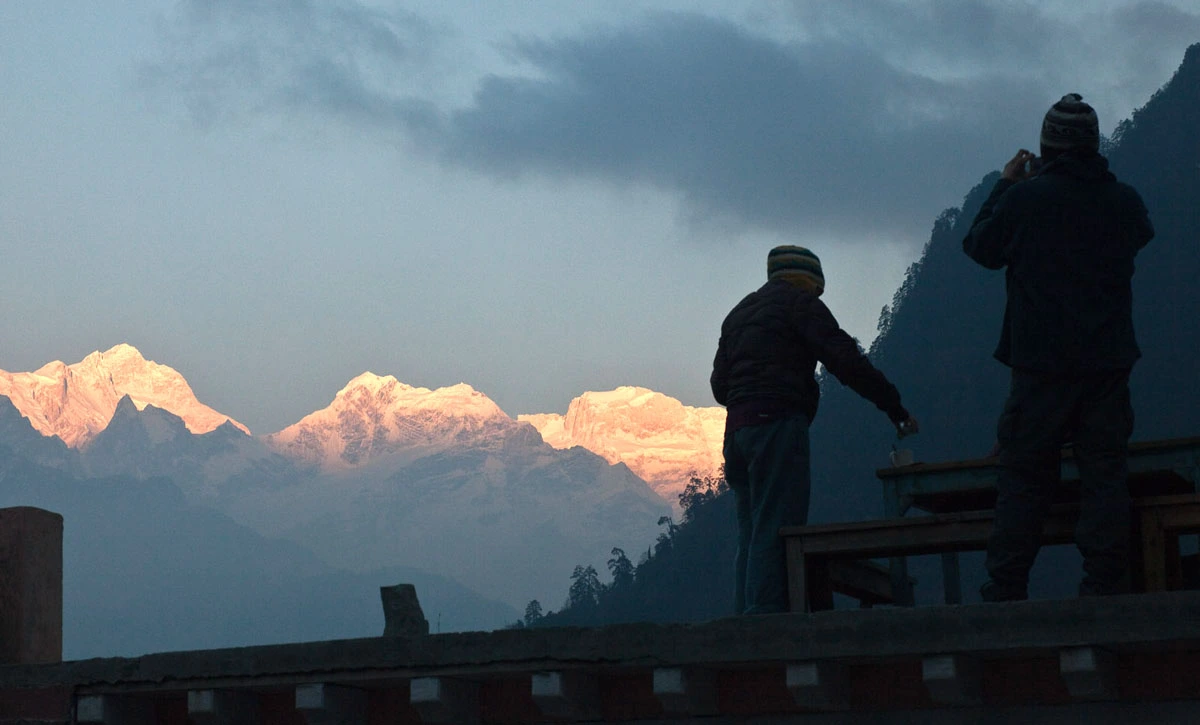
The Nepal Himalaya generally has two major mountaineering windows:
1. Pre-Monsoon Expedition Season
2. Post-Monsoon Expedition Season
These seasons exist because:
• The summer monsoon creates unstable climbing conditions
• Winter brings extreme cold and heavy snowfall at high altitude
As a result, most Himalayan expeditions in Nepal are concentrated before and after the monsoon cycle.
What is the Pre-Monsoon Expedition Season in Nepal?
Pre-monsoon climbing happens before the arrival of the South Asian monsoon.
Typical months:
• March
• April
• May
This is traditionally the biggest expedition season in Nepal, especially for:
• Everest expeditions
• 8000m peaks
• Technical alpine climbing
• Commercial expeditions
Many of the world’s major Himalayan summit attempts happen during this period.
What is the Post-Monsoon Expedition Season in Nepal?
Post-monsoon expeditions begin after the monsoon retreats.
Typical months:
• September
• October
• Early November
This season is especially popular for:
• Trekking peaks
• Alpine climbing
• Technical expeditions
• Trekking and mountaineering combinations
Post-monsoon climbing usually offers:
• Cleaner skies
• Excellent visibility
• Stable weather windows in many regions
Why Season Matters So Much in Nepal
The Nepal Himalaya is highly dynamic.
Season affects:
• Snow stability
• Glacier safety
• Avalanche conditions
• Ice formation
• Route technicality
• Camp logistics
• Summit success rates
A mountain like Ama Dablam, for example, can feel completely different between seasons because snow and ice conditions change significantly.
I remember revisiting a route in Nepal after a seasonal transition and being surprised by how drastically terrain features had changed.
Snow slopes had hardened.
Ice sections became exposed.
Crevasse patterns looked completely different.
That moment reinforced something important:
Lesson from Experience:
In the Himalaya, routes are never truly permanent. Seasons constantly reshape them.
Pre-Monsoon Expeditions in Nepal: What to Expect
1. Heavy Snow Conditions
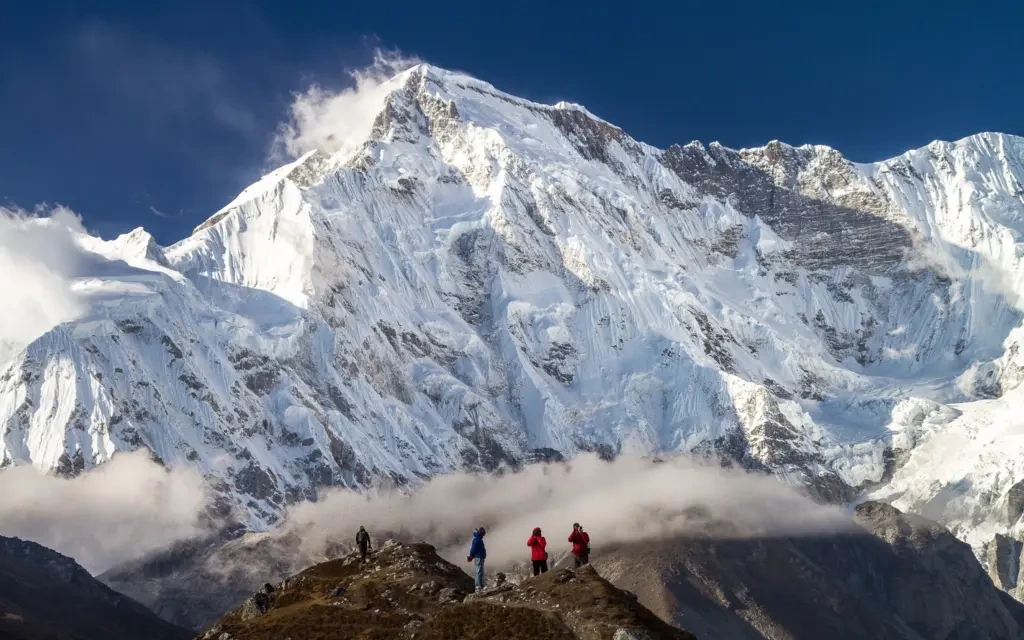
One defining characteristic of pre-monsoon climbing is winter snow retention.
Many peaks remain heavily snow-covered during:
• Summit sections
• Glacier approaches
• High camps
• Ridge traverses
This creates:
• Beautiful alpine environments
• Strong snow climbing conditions
• Technical snow movement opportunities
But it also increases physical effort significantly.
2. The Main Everest Season
Pre-monsoon is historically the primary Everest climbing window.
Why?
Because:
• Jet stream winds begin shifting
• Weather windows occasionally stabilize
• Temperatures improve slightly compared to winter
This creates short opportunities for summit pushes on major 8000m peaks.
The Nepal Himalaya becomes extremely active during this season.
3. Better Snow Coverage on Technical Terrain
Snow often fills:
• Loose rock sections
• Glacier gaps
• Mixed terrain areas
In some cases, this improves route efficiency.
However, snow loading also increases avalanche considerations.
4. Avalanche Risk Becomes Important
This is one of the biggest pre-monsoon realities.
Fresh snow combined with warming temperatures can create unstable snowpack conditions.
Climbers and expedition leaders constantly evaluate:
• Snow accumulation
• Wind loading
• Temperature shifts
• Slope angles
Avalanche awareness becomes critical during this season.
5. Colder Climbing Conditions
Pre-monsoon conditions are generally colder than post-monsoon.
This affects:
• Summit strategy
• Hydration
• Layering systems
• Recovery at camp
Morning summit pushes especially feel extremely cold on exposed ridges.
My Personal Experience During a Pre-Monsoon Climb
One pre-monsoon summit push in Nepal taught me how exhausting snow movement can become.
The mountain itself was technically manageable, but deep snow drastically slowed progress.
Every step required extra energy.
Recovery became harder.
Hydration suffered because stopping felt uncomfortable in freezing wind.
That expedition changed how I approach pacing in snow-heavy conditions.
Lesson from Experience:
Snow does not just slow movement—it changes the entire energy equation of the climb.
Post-Monsoon Expeditions in Nepal: What to Expect
1. Crystal-Clear Mountain Visibility
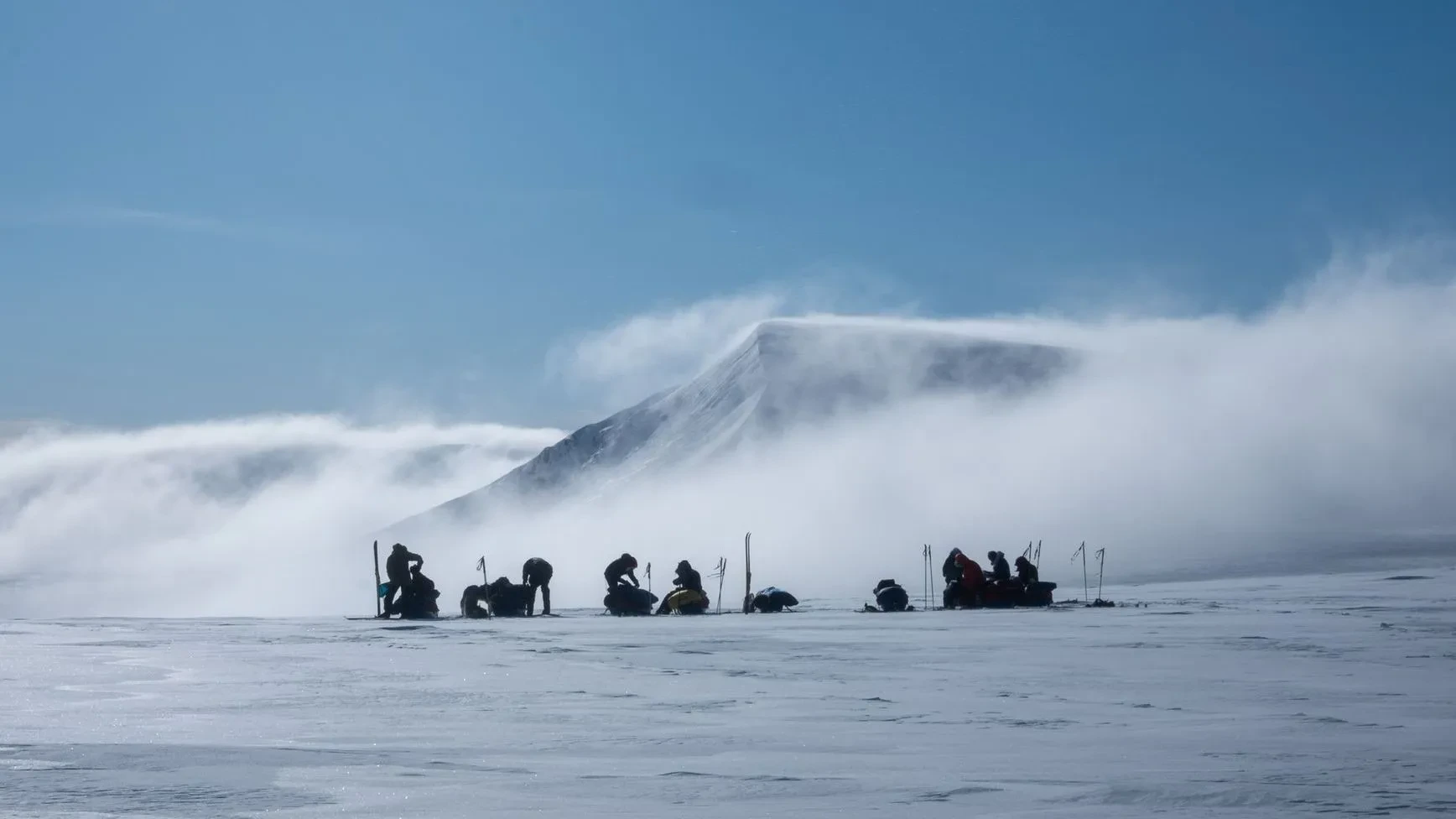
Post-monsoon Nepal is visually spectacular.
After months of monsoon rain:
• Dust settles
• Air becomes cleaner
• Mountain visibility improves dramatically
This creates:
• Incredible summit views
• Better photography conditions
• Cleaner navigation visibility
For many climbers, post-monsoon offers the most visually rewarding Himalayan experience.
2. Reduced Snow Coverage
Compared to pre-monsoon:
• Snow levels usually decrease
• Glacier surfaces become more exposed
• Technical rock sections appear more frequently
This changes the nature of many climbs.
Some mountains become:
• Faster to climb
• Less avalanche-prone
But also:
• More technically exposed in places
3. More Stable Trekking Conditions
Post-monsoon trekking approaches often feel more stable because:
• Trails are clearer
• Lower-altitude weather improves
• Camps become easier to manage
This season is especially popular for:
• Mera Peak
• Island Peak
• Lobuche East
• Ama Dablam expeditions
4. Increased Glacier Exposure
One important post-monsoon reality is exposed glacier terrain.
As snow melts:
• Crevasses open visibly
• Snow bridges weaken
• Ice becomes harder and more technical
This increases the need for:
• Rope systems
• Glacier awareness
• Careful route movement
5. Rockfall Risk Can Increase
Reduced snow coverage often exposes loose terrain.
This can increase:
• Rockfall activity
• Moraine instability
• Technical movement complexity
Some routes become mentally harder because snow-assisted movement disappears.
My Biggest Realization During a Post-Monsoon Expedition
One post-monsoon climb in Nepal looked deceptively easy because the weather was perfect for days.
Clear skies created confidence.
But glacier sections had become highly exposed after seasonal melting, making route navigation far more technical than expected.
That climb taught me something important:
Lesson from Experience:
Stable weather does not always mean easy mountain conditions.
Pre-Monsoon vs Post-Monsoon: Major Differences
| Factor | Pre-Monsoon | Post-Monsoon |
| Snow Coverage | Higher | Lower |
| Temperatures | Colder | Slightly Warmer |
| Avalanche Risk | Higher in snow-loaded areas | Lower in many regions |
| Glacier Exposure | More covered | More open |
| Visibility | Variable | Excellent |
| Technical Snow Climbing | More common | Less common |
| Rockfall Risk | Lower in many areas | Higher in exposed terrain |
| Summit Traffic | Very high on major peaks | Moderate |
Which Season is Better for Beginners?
This depends on the objective.
Pre-Monsoon is Better For:
• Snow climbing experience
• Traditional alpine conditions
• Learning crampon and ice axe systems
• Glacier snow movement
Post-Monsoon is Better For:
• Clear mountain visibility
• Stable trekking approaches
• Cleaner weather windows
• Trekking peak expeditions
Both seasons offer excellent learning opportunities.
Why Nepal’s Expedition Environment Feels Unique
Compared to many other mountain regions, Nepal combines:
• Extreme altitude
• Massive glaciers
• Technical alpine terrain
• Rapid weather changes
• Long expedition durations
Seasonal understanding becomes even more important because Himalayan weather systems are highly dynamic.
Mental Differences Between the Two Seasons
Interestingly, the emotional atmosphere changes too.
Pre-Monsoon Expeditions Feel:
• Colder
• More expedition-focused
• Snow-heavy and alpine
• Physically exhausting
Post-Monsoon Expeditions Feel:
• Visually cleaner
• More stable psychologically
• Technically exposed in different ways
Both seasons create completely different Himalayan experiences.
Common Mistakes Climbers Make
Choosing Season Only for Good Views
Mountain conditions matter more than aesthetics.
Underestimating Snow Fatigue
Deep snow movement destroys energy.
Ignoring Glacier Changes
Post-monsoon glaciers can become highly technical.
Assuming One Season Fits Every Peak
Each mountain behaves differently.
What I Personally Learned About Nepal’s Climbing Seasons
Over time, I stopped asking:
“Which season is better overall?”
Instead, the real question became:
“Which season is better for this mountain, this route, and this team?”
Because mountaineering success comes from matching:
• Objective
• Season
• Conditions
• Experience level
Intelligently.
Final Advice Before Choosing Your Expedition Season
Before planning any Nepal Himalayan expedition:
• Research mountain-specific conditions carefully
• Understand seasonal hazards
• Speak with experienced expedition leaders
• Respect weather unpredictability
• Match season with your technical abilities
The mountain will always decide final conditions.
Preparation simply improves your ability to respond.
Conclusion
Pre-monsoon and post-monsoon expeditions in the Nepal Himalaya offer two completely different mountaineering worlds.
Pre-monsoon climbing brings snow-heavy alpine environments, colder temperatures, and classic expedition conditions. Post-monsoon expeditions provide crystal-clear skies, stable trekking approaches, and technically different glacier terrain.
Both seasons are extraordinary. Both are demanding. And both teach climbers unique lessons about the Himalaya.
After multiple Himalayan expeditions, one truth became impossible to ignore:
The mountain you choose matters.
But the season you choose often determines how that mountain truly feels.