Most climbers spend months preparing physically for expeditions.
They train legs, improve endurance, buy technical gear, and focus heavily on summit fitness. But once the expedition begins, many discover something surprising:
The mountain does not care how fit you are if your body cannot adapt to altitude.
High-altitude climbing is different from almost every other physical activity because success depends not only on strength, but on how efficiently your body adjusts to lower oxygen environments.
And this adjustment process is called acclimatization.
After multiple Himalayan expeditions, one thing became impossible to ignore:
The climbers who succeed consistently are not always the strongest.
They are usually the ones who respect acclimatization the most.
I personally learned this lesson during one of my early high-altitude climbs in Ladakh.
The team included extremely fit individuals—people who trained hard, moved fast, and looked physically stronger than everyone else during the initial trekking days. But once altitude increased beyond 5,000 meters, things changed dramatically.
Some climbers began struggling with:
• Headaches
• Fatigue
• Loss of appetite
• Poor recovery
• Reduced pace
Meanwhile, climbers who moved slower and respected acclimatization schedules remained surprisingly stable.
That expedition permanently changed how I view altitude.
Since then, acclimatization stopped feeling like a “rest process.”
It became the foundation of mountaineering success.
This guide explains how acclimatization actually works, why it matters so much during Himalayan expeditions, and what experienced climbers do differently to adapt successfully at high altitude.
What is Acclimatization?
Acclimatization is the process through which the human body adapts to reduced oxygen availability at higher altitudes.
As elevation increases:
• Air pressure drops
• Oxygen availability decreases
• The body receives less oxygen with every breath
This forces the body to gradually make physiological adjustments.
These adaptations include:
• Increased breathing rate
• Improved oxygen transport
• Changes in blood chemistry
• Better circulation efficiency
Without proper acclimatization, the body struggles to function effectively at altitude.
Why High Altitude Feels So Difficult
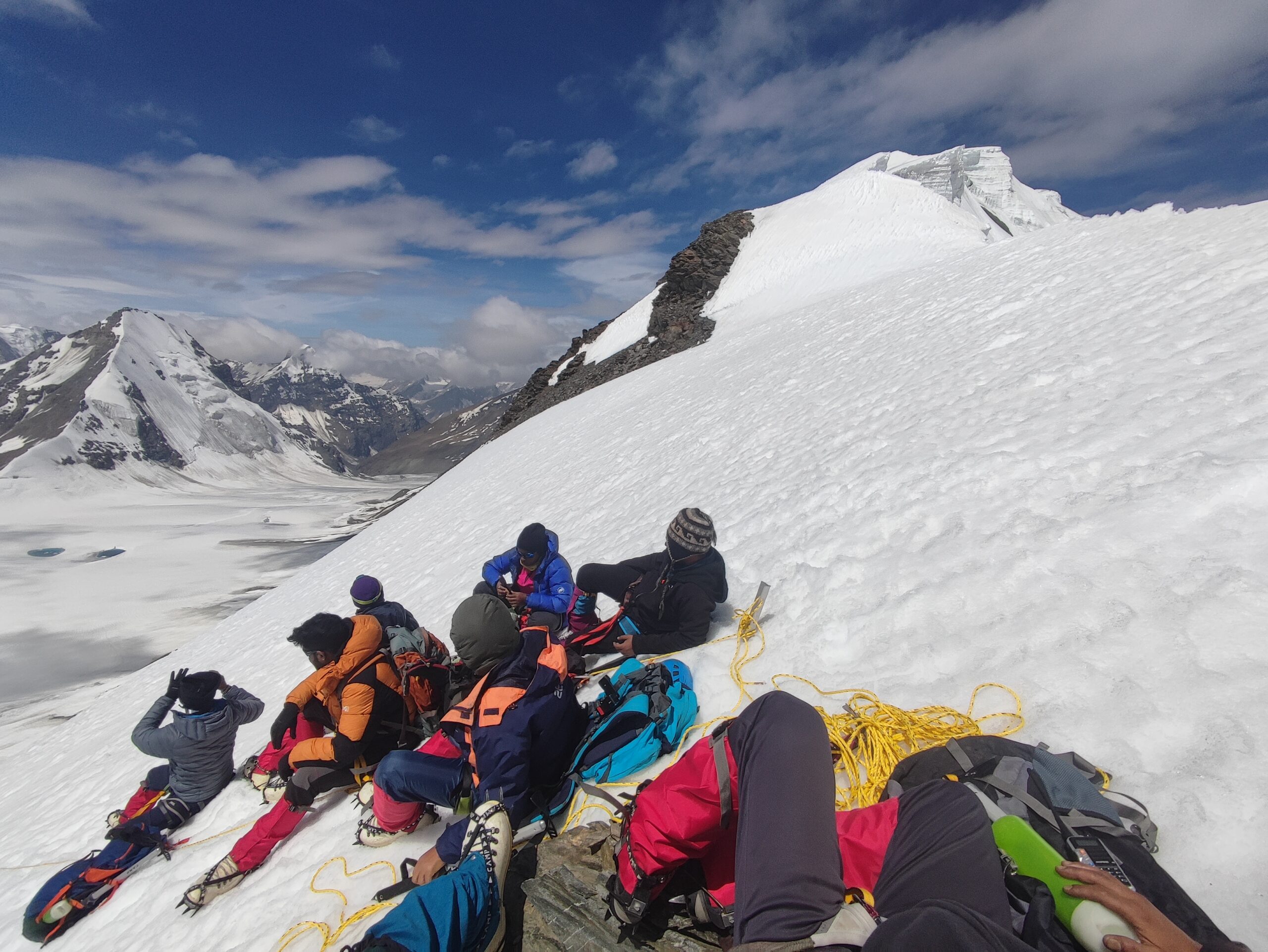
One of the biggest surprises for beginners is how dramatically movement changes at altitude.
At sea level:
• The body recovers quickly
• Oxygen availability is high
• Walking feels efficient
At altitude:
• Breathing becomes heavier
• Recovery slows
• Heart rate rises faster
• Fatigue builds quickly
Above 5,000 meters, even simple uphill movement begins demanding significantly more effort.
This is why experienced mountaineers never underestimate altitude, even on technically straightforward mountains.
The Biggest Acclimatization Mistake Beginners Make
Most beginners try to climb too quickly.
This usually happens because:
• They feel strong early
• Initial trekking days feel manageable
• Summit excitement overrides patience
I made this mistake myself during an early expedition.
The initial approach felt easy, so pace naturally increased. For the first few days, everything seemed fine.
Then altitude started catching up.
Suddenly:
• Sleep quality dropped
• Recovery worsened
• Headaches appeared
• Summit energy disappeared
That experience taught me something critical:
Lesson from Experience:
Altitude punishes impatience quietly—but very effectively.
Why Acclimatization is More Important Than Fitness
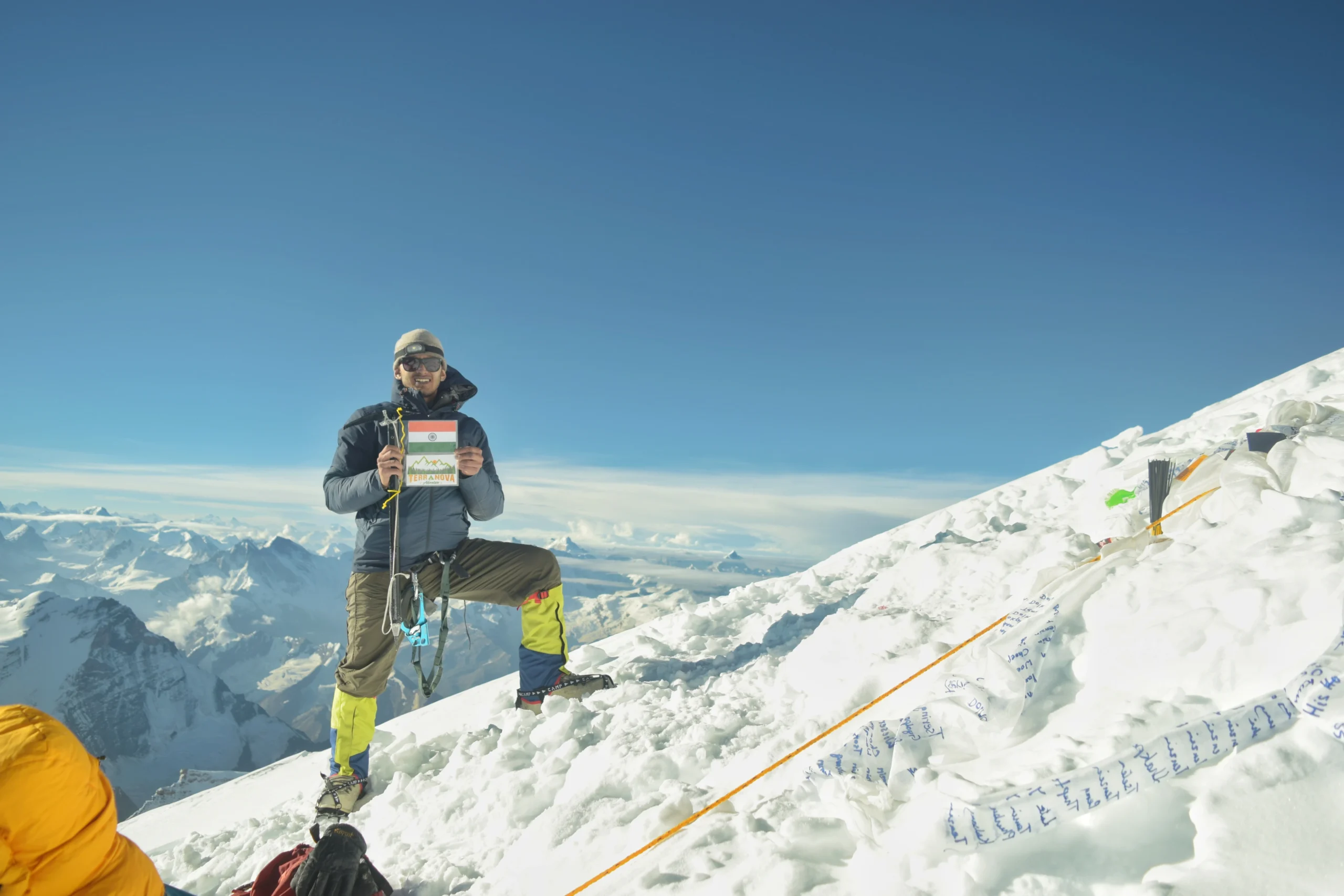
This confuses many people.
Fitness absolutely helps during expeditions—but it does not replace acclimatization.
A highly fit athlete can still struggle badly at altitude if adaptation is poor.
Meanwhile, moderately fit climbers often perform better because:
• They pace intelligently
• They conserve energy
• They respect acclimatization schedules
Mountaineering success comes from balancing:
• Fitness
• Recovery
• Oxygen adaptation
• Energy management
Not from brute force alone.
How the Body Adapts to Altitude
The body responds to altitude gradually.
Stage 1: Increased Breathing
One of the earliest responses is faster breathing.
The body tries to compensate for lower oxygen availability by increasing respiratory rate.
This is why:
• Breathing feels heavier
• Climbers breathe deeply while resting
• Sleep sometimes feels unusual initially
Stage 2: Increased Heart Rate
The heart works harder to transport oxygen.
This increases:
• Pulse rate
• Fatigue during movement
• Recovery time after effort
Stage 3: Improved Oxygen Efficiency
Over time, the body gradually becomes more efficient at using available oxygen.
This process takes:
• Days
• Sometimes weeks at extreme altitude
There is no shortcut.
“Climb High, Sleep Low” – The Golden Rule
One of the most effective acclimatization strategies in mountaineering is:
Climb high, sleep low.
This means:
• Expose the body to higher altitude during the day
• Return to lower altitude for recovery and sleep
This strategy stimulates adaptation while reducing excessive stress.
During multiple expeditions, load carries and acclimatization hikes often felt repetitive initially.
But later, it became obvious that these “boring days” were actually building summit strength.
Lesson from Experience:
Most summits are earned during acclimatization—not on summit day.
Why Load Carries Matter So Much
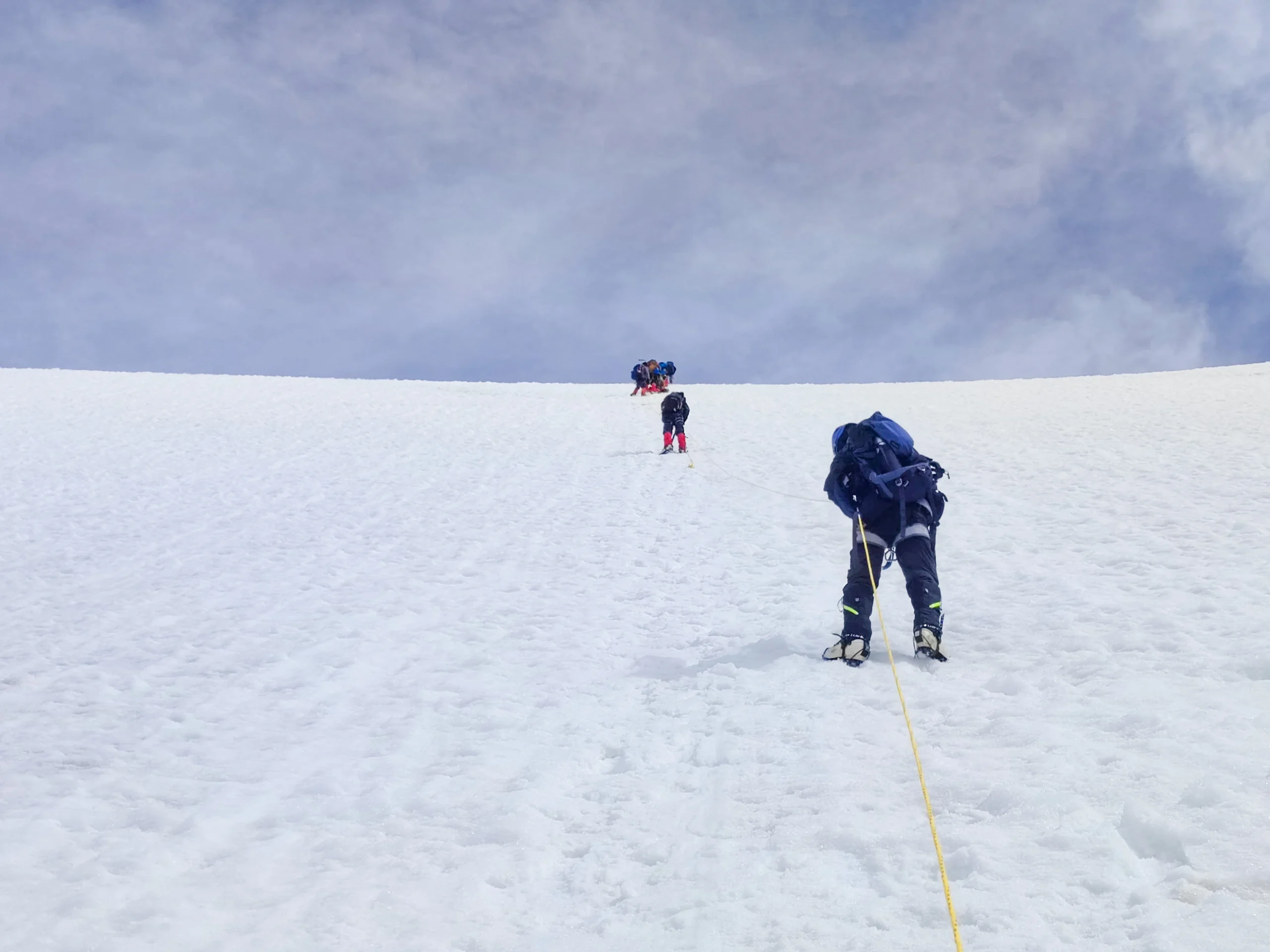
Many beginners dislike load carry rotations.
They feel:
• Slow
• Repetitive
• Physically exhausting
But load carries are one of the best acclimatization tools available.
They help the body:
• Adapt gradually
• Improve movement efficiency
• Increase altitude exposure safely
At the same time, climbers become familiar with terrain and technical sections.
Hydration and Acclimatization Are Deeply Connected
One thing I noticed repeatedly during expeditions:
Poor hydration makes acclimatization dramatically harder.
At altitude:
• Respiration water loss increases
• Dry air accelerates dehydration
• Thirst sensation reduces
Dehydration worsens:
• Headaches
• Fatigue
• Recovery
• Altitude symptoms
This is why experienced expedition leaders monitor hydration constantly.
Nutrition’s Role in Acclimatization
At altitude, appetite often decreases naturally.
Unfortunately, calorie demand increases simultaneously.
This creates a dangerous imbalance.
Proper nutrition supports:
• Recovery
• Oxygen transport
• Muscle repair
• Energy production
Even small meals become important during acclimatization phases.
One of my biggest mistakes early on was ignoring food intake because I “didn’t feel hungry.”
The result:
• Reduced recovery
• Weakness during summit push
• Poor energy management
Lesson from Experience:
At altitude, eating becomes part of survival—not just comfort.
Sleep Problems During Acclimatization
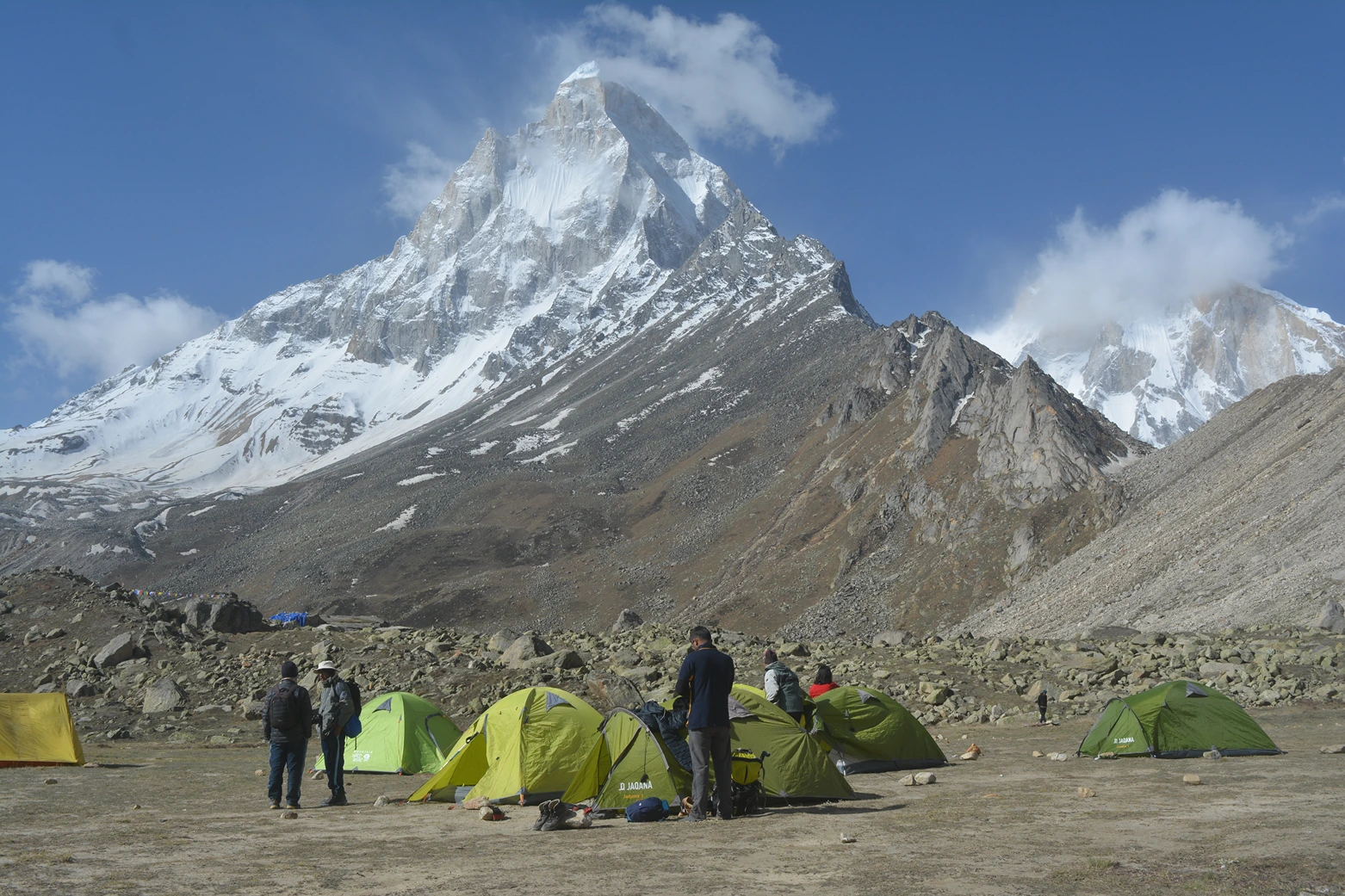
Many climbers experience disturbed sleep at altitude.
Common issues include:
• Frequent waking
• Strange breathing patterns
• Light sleep
• Difficulty recovering fully
This happens because the body is adjusting to lower oxygen conditions.
Good acclimatization gradually improves sleep quality over time.
But poor pacing often makes sleep problems worse.
Rest Days Are Not Wasted Days
One of the biggest psychological mistakes beginners make is viewing acclimatization days as “lost progress.”
In reality:
• Rest days improve summit chances
• Recovery days strengthen adaptation
• Slow schedules reduce expedition failure risk
Experienced mountaineers respect rest days completely.
Because they understand:
The mountain will still be there tomorrow.
How Acclimatization Changes at Different Altitudes
Below 3,000m
Most healthy individuals adapt relatively easily.
3,000m–5,000m
Altitude effects become noticeable:
• Faster breathing
• Reduced endurance
• Sleep disruption
This is where acclimatization becomes critical.
Above 5,500m
The body struggles significantly more.
Recovery slows dramatically.
Movement efficiency drops sharply.
This is where pacing and acclimatization discipline become essential.
Signs Your Acclimatization is Going Well
Positive adaptation usually includes:
• Stable energy levels
• Improved recovery
• Better sleep quality
• Reduced headache frequency
• More controlled breathing during movement
The body begins feeling more “efficient” at altitude.
Warning Signs You Should Never Ignore
Danger signs include:
• Persistent severe headache
• Vomiting
• Loss of coordination
• Extreme fatigue
• Breathing difficulty while resting
• Confusion
These symptoms may indicate serious altitude illness.
No summit is worth ignoring them.
Mental Discipline is Part of Acclimatization
One thing I realized after multiple expeditions:
Acclimatization is psychological too.
It requires:
• Patience
• Controlled ego
• Acceptance of slower pace
• Respect for the mountain environment
Many climbers struggle not because their body cannot adapt—but because their mindset refuses to slow down.
Why Experienced Climbers Move Slowly
This confuses beginners constantly.
Experienced mountaineers often move slower than newer climbers during early expedition days.
But there is a reason:
They understand energy conservation and acclimatization deeply.
The goal is not winning the approach trek.
The goal is preserving strength for summit day.
Common Acclimatization Mistakes
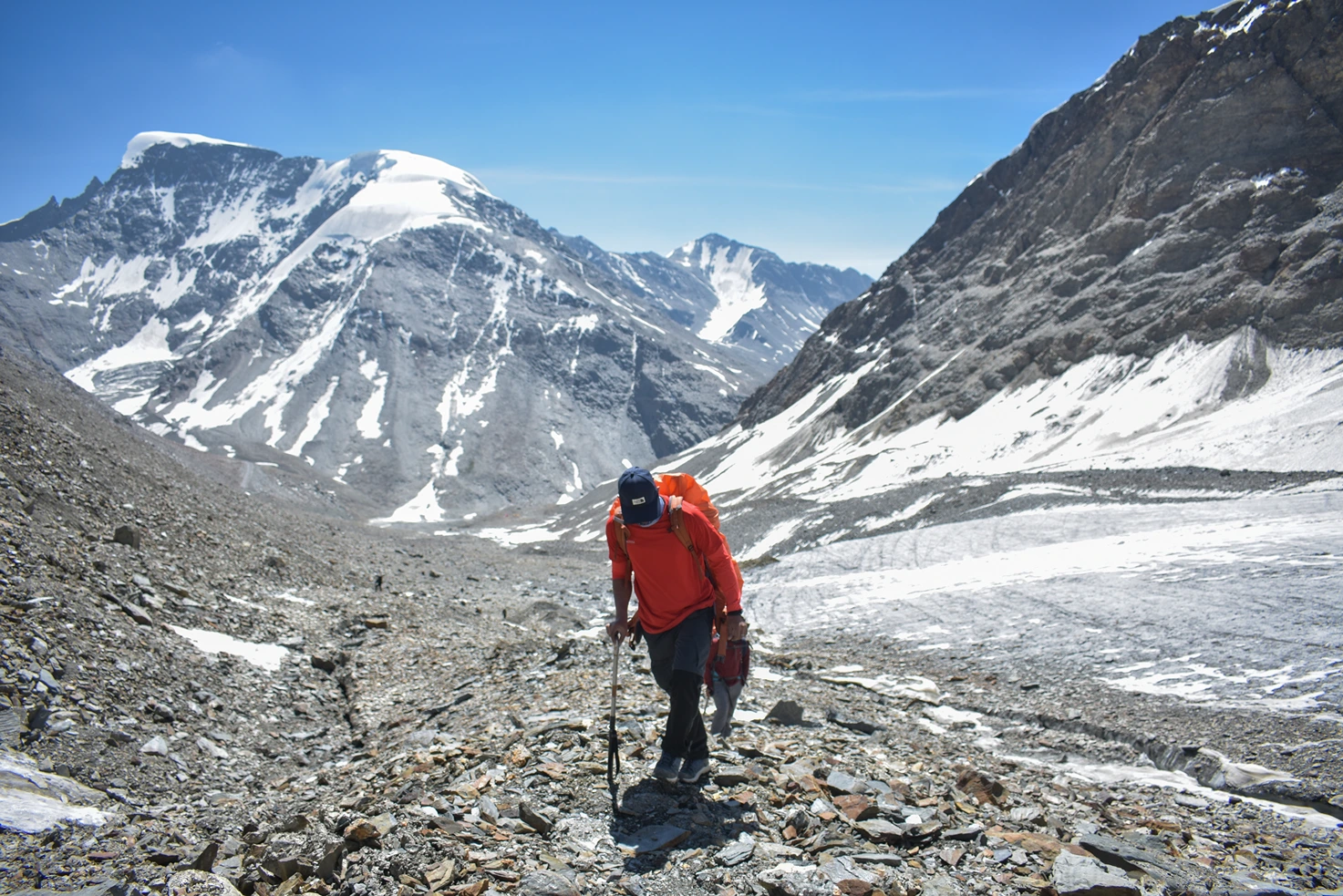
Climbing Too Fast
The most common error.
Ignoring Hydration
Dehydration worsens adaptation significantly.
Skipping Rest Days
Creates cumulative fatigue.
Poor Nutrition
Weakens recovery and oxygen efficiency.
Chasing Stronger Climbers
Altitude affects everyone differently.
My Biggest Acclimatization Realization
Eventually, I understood something important:
Acclimatization is not weakness.
It is strategy.
The mountains reward climbers who:
• Move patiently
• Respect recovery
• Understand pacing
• Adapt intelligently
Not those who rush blindly.
Practical Acclimatization Tips for Himalayan Expeditions
During Trekking Days
• Walk slower than feels necessary
• Hydrate consistently
• Avoid unnecessary exertion
During Base Camp Phase
• Respect acclimatization hikes
• Eat even when appetite drops
• Sleep aggressively whenever possible
During Summit Pushes
• Maintain controlled breathing rhythm
• Avoid sudden pace increases
• Monitor hydration continuously
Final Advice for Climbers
Do not treat acclimatization like a technical formality.
Treat it like one of the most important climbing skills you will ever develop.
Because in high-altitude mountaineering:
• Strength matters
• Technique matters
• Gear matters
But adaptation decides whether the body can actually perform when the mountain becomes serious.
Conclusion
Effective acclimatization strategies are the foundation of successful high-altitude climbing.
They improve safety, increase summit chances, strengthen recovery, and help climbers operate efficiently in low-oxygen environments.
After multiple Himalayan expeditions, one lesson became absolutely clear:
The mountain does not reward the fastest climber.
It rewards the climber whose body, mind, and systems adapt intelligently to the altitude.
And that adaptation always begins with patience.