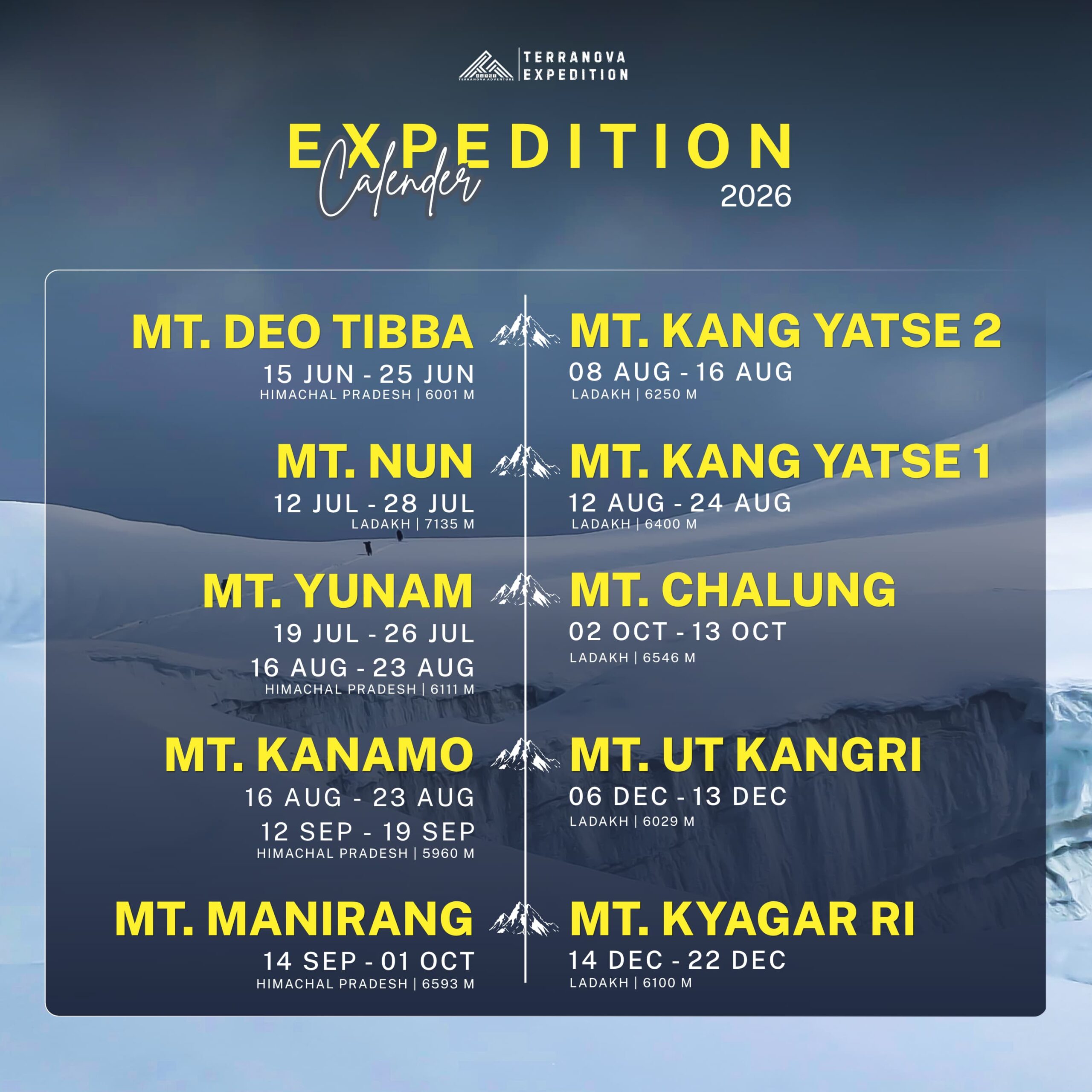
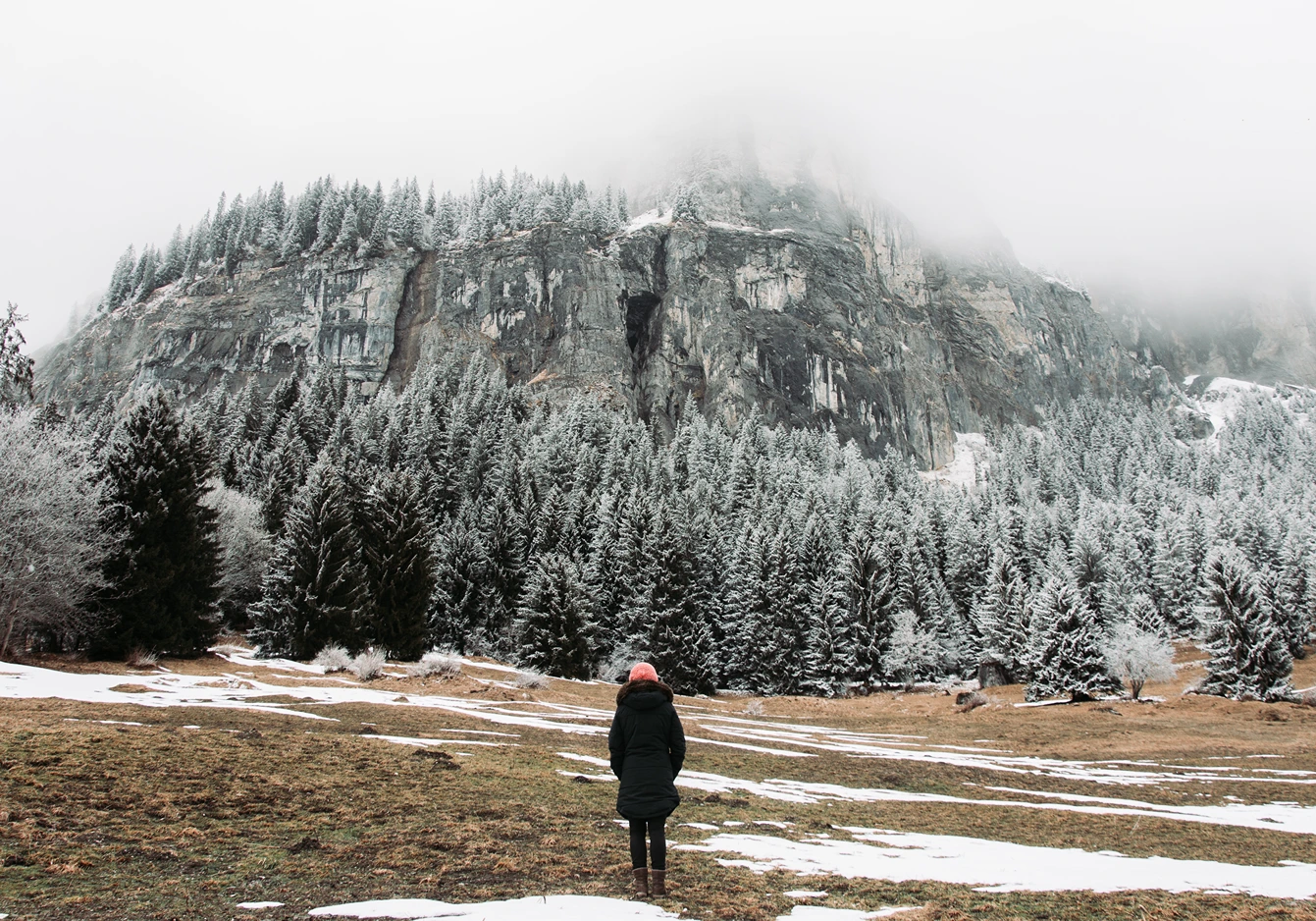
One of the first things mountaineers learn after entering the world of Himalayan expeditions is that mountains change completely with the seasons.
The same peak can feel like two different mountains depending on when you climb it.
Snow conditions shift. Glacier movement changes. Temperatures vary dramatically. Rockfall risk increases or decreases. Even the psychological experience of the expedition feels different between seasons.
This is why understanding pre-monsoon and post-monsoon expedition seasons is extremely important for anyone planning serious Himalayan climbing in India.
During my early expeditions, I focused mainly on the mountain itself:
• Altitude
• Technical difficulty
• Summit route
But after climbing in different Himalayan seasons, it became obvious that timing often changes the nature of the climb just as much as the mountain does.
A route that feels stable in post-monsoon conditions may become heavily snow-loaded during pre-monsoon. A glacier that feels manageable in one season may open up dangerously in another.
That realization changed how I approached expedition planning completely.
Because in mountaineering, choosing the right season is not just logistics.
It is strategy.
This guide explains the difference between pre-monsoon and post-monsoon expeditions in the Indian Himalaya, including weather patterns, snow conditions, climbing advantages, risks, and real expedition insights from Himalayan climbing environments.
Understanding Himalayan Expedition Seasons
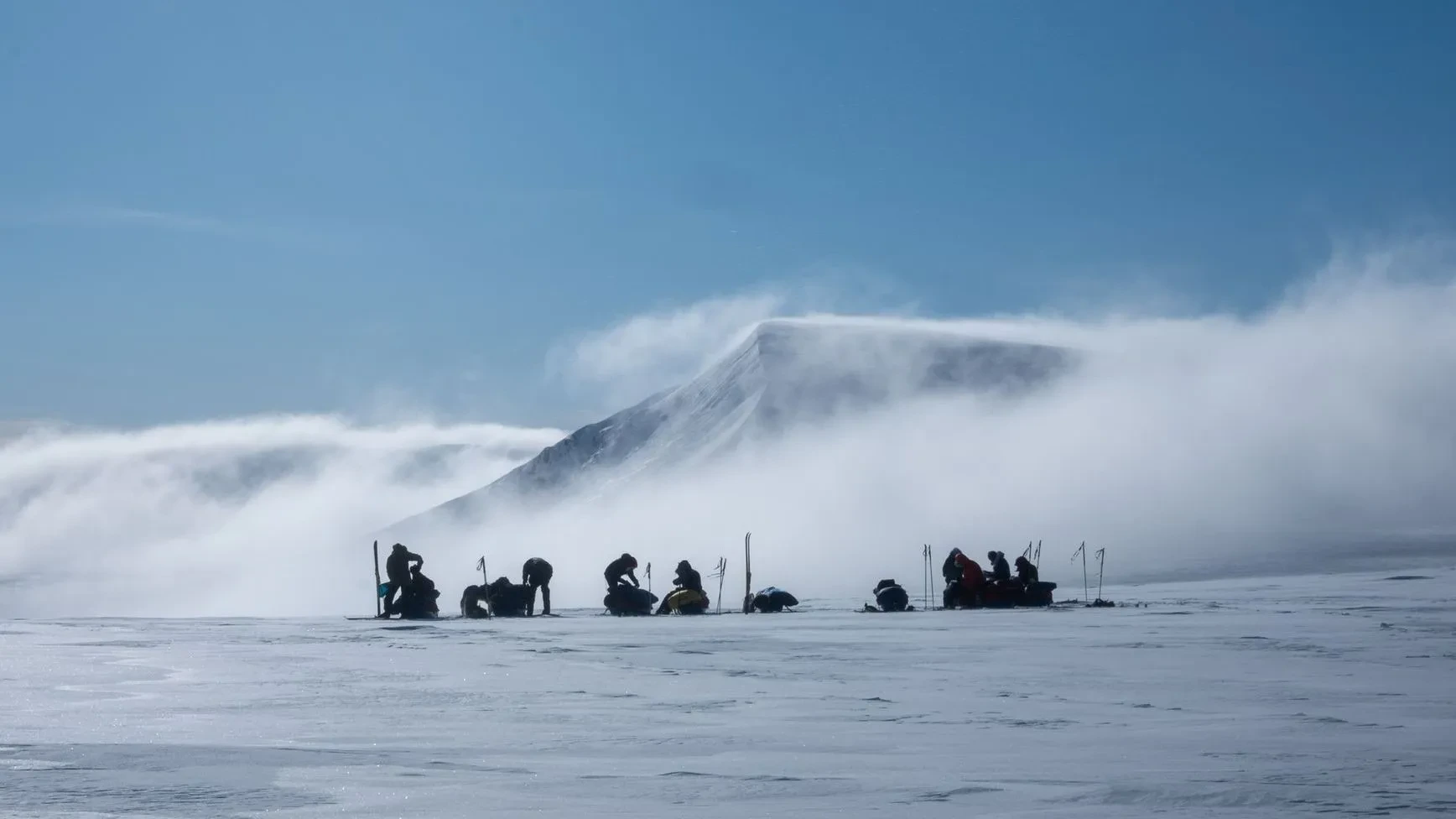
The Indian Himalaya generally sees two primary expedition windows:
1. Pre-Monsoon Season
2. Post-Monsoon Season
These seasons exist because:
• Heavy monsoon weather disrupts climbing during mid-year
• Winter creates extreme snow and cold conditions
As a result, most serious Himalayan expeditions are concentrated before and after the monsoon cycle.
What is a Pre-Monsoon Expedition?
Pre-monsoon expeditions take place before the arrival of the Indian monsoon.
Typical months:
• April
• May
• Early June
This is traditionally one of the busiest mountaineering seasons in the Himalaya.
Snow from winter still remains on many mountains, creating:
• Snow-covered routes
• Firmer glacier sections
• Colder climbing conditions
• More alpine-style environments
What is a Post-Monsoon Expedition?
Post-monsoon expeditions happen after the monsoon retreats.
Typical months:
• September
• October
• Early November
This season brings:
• Cleaner skies
• Reduced snowfall
• More exposed terrain
• Stable weather windows in many regions
Post-monsoon climbing often feels visually clearer and less snow-heavy compared to pre-monsoon conditions.
Why Season Selection Matters So Much
This is one of the biggest lessons climbers eventually understand.
A mountain is not static.
Season affects:
• Technical difficulty
• Avalanche danger
• Glacier conditions
• Rockfall exposure
• Temperature
• Route safety
• Summit strategy
I once revisited a Himalayan route during a different season after previously climbing it under snow-heavy conditions.
The transformation was shocking.
Snow slopes had disappeared completely. Loose rock sections became exposed. Glacier movement had changed the route itself.
That was the moment I realized:
Lesson from Experience:
In the Himalaya, seasons reshape mountains continuously.
Pre-Monsoon Expeditions: What to Expect
1. More Snow on the Mountain
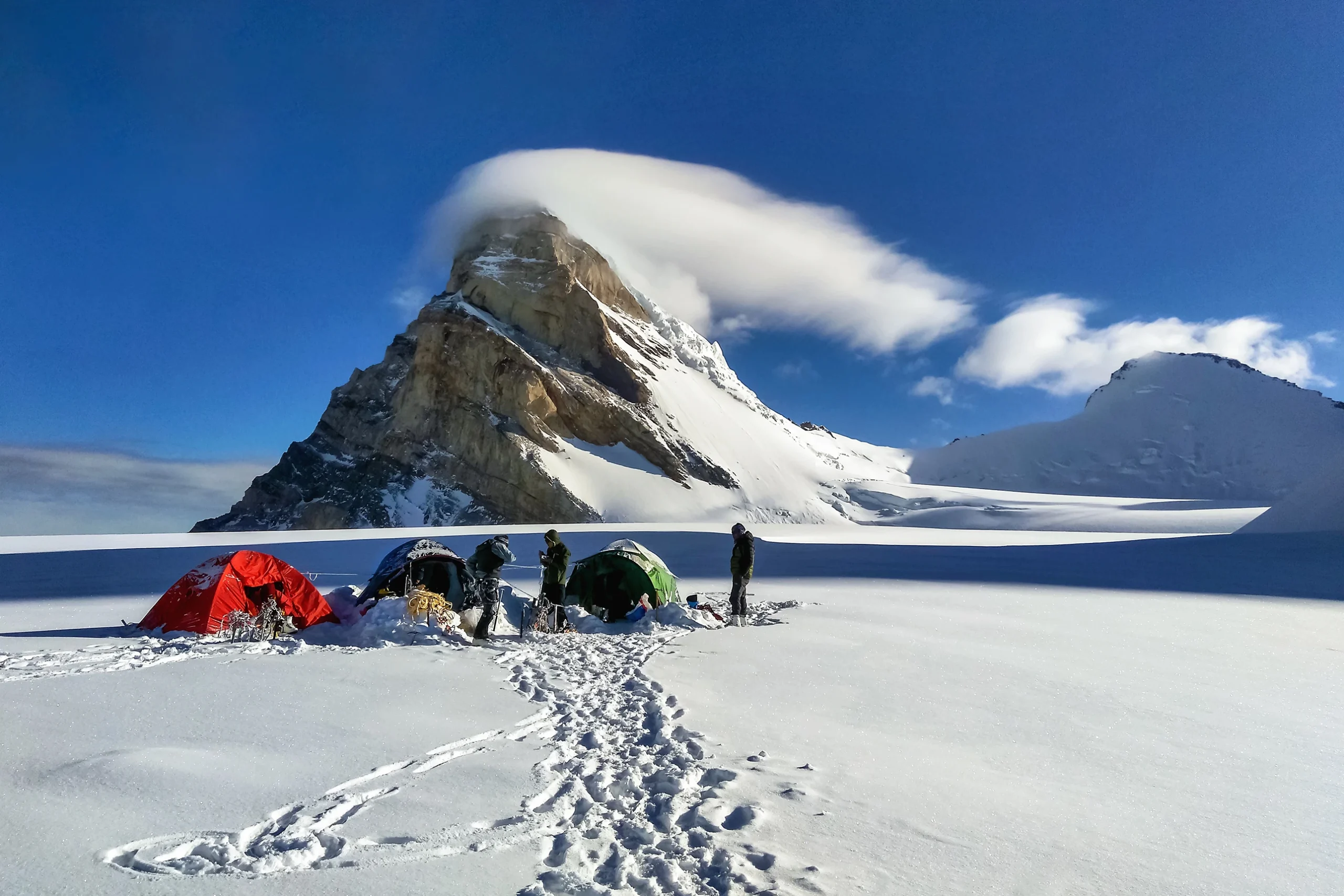
One of the biggest characteristics of pre-monsoon climbing is snow coverage.
Winter snow often remains on:
• Summit ridges
• Glacier sections
• Approach routes
• Snow slopes
This creates:
• Beautiful alpine landscapes
• Better snow climbing opportunities
• More technical snow movement
However, it also increases physical effort significantly.
2. Better Snow Bridges on Glaciers
During pre-monsoon conditions, glacier snow bridges are often stronger and more stable because temperatures remain colder.
This can improve movement efficiency in some glacier zones.
However, this never eliminates crevasse danger completely.
3. Colder Temperatures
Pre-monsoon expeditions are generally colder than post-monsoon climbs.
This affects:
• Camp comfort
• Hydration
• Layer management
• Summit strategy
Morning summit pushes especially feel significantly colder.
4. Higher Avalanche Risk in Certain Conditions
This is one of the most important pre-monsoon considerations.
Fresh snow accumulation combined with warming temperatures can increase avalanche danger significantly.
Snow stability assessment becomes critical.
Experienced climbers monitor:
• Snowpack condition
• Temperature shifts
• Wind loading
• Slope exposure
Avalanche awareness becomes an essential skill during snow-heavy seasons.
5. More Technical Snow Climbing
Pre-monsoon conditions often create excellent learning opportunities for:
• Ice axe movement
• Crampon techniques
• Snow anchor systems
• Rope travel on snow slopes
This season feels more “classic alpine” in many Himalayan regions.
My Personal Experience with Pre-Monsoon Climbing
One of my most memorable pre-monsoon expeditions involved deep snow movement for several consecutive days.
At lower altitude, the snow felt manageable.
Higher up, however, movement became brutally exhausting.
Every step sank slightly, increasing energy consumption dramatically.
That climb taught me something important:
Lesson from Experience:
Snow changes not only terrain—but also pacing, recovery, and energy strategy.
Post-Monsoon Expeditions: What to Expect
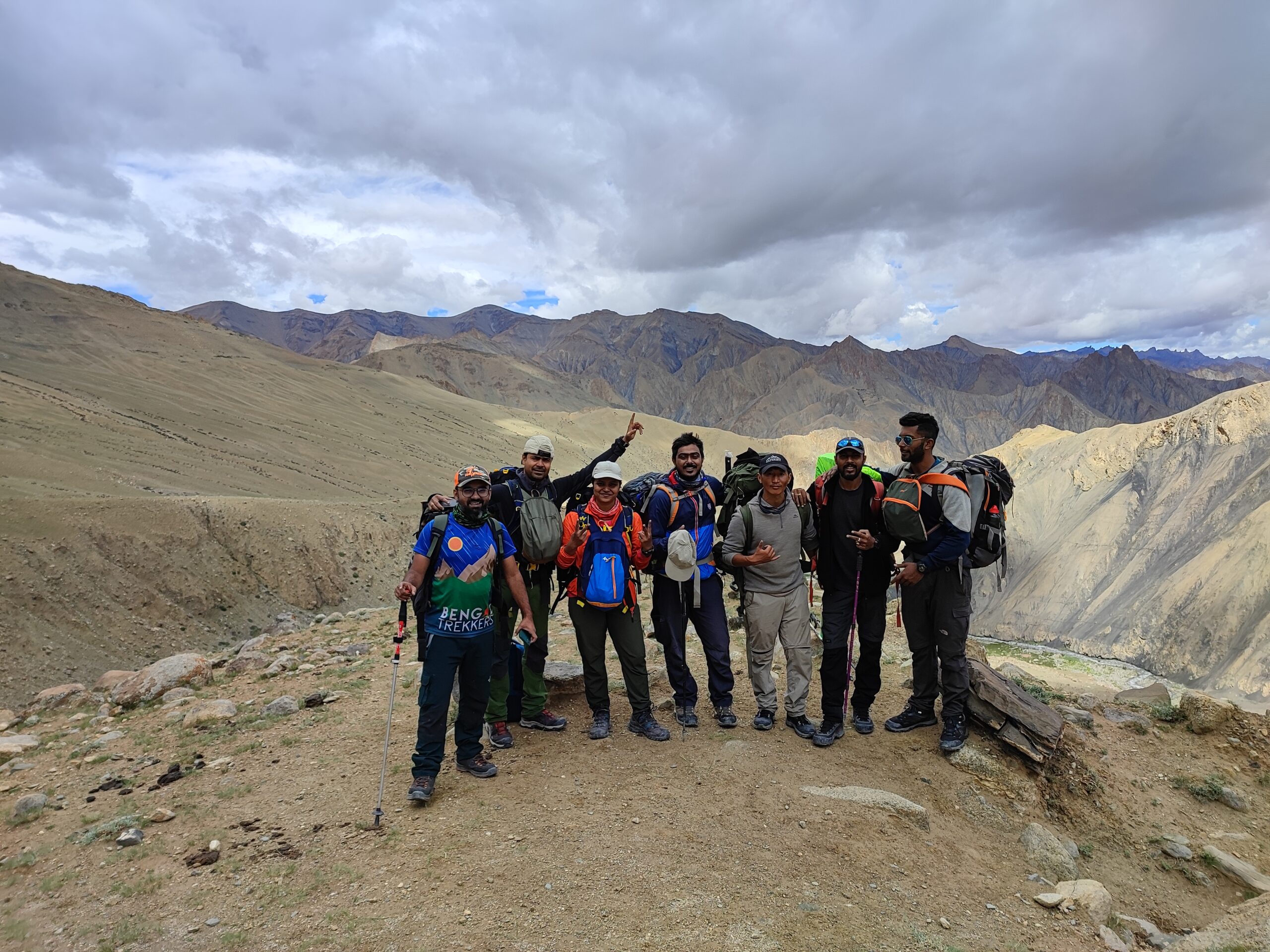
1. Clearer Weather and Better Visibility
One of the biggest advantages of post-monsoon expeditions is atmospheric clarity.
After monsoon dust settles:
• Mountain visibility improves dramatically
• Sunrise and sunset conditions become stunning
• Navigation often becomes easier
This is why many climbers love post-monsoon Himalayan landscapes.
2. Reduced Snow Coverage
Compared to pre-monsoon:
• Snow levels are usually lower
• Glacier surfaces become more exposed
• Rock sections appear more frequently
This changes the technical nature of many climbs.
Some routes become easier.
Others become more dangerous due to loose terrain exposure.
3. More Stable Weather Windows
Post-monsoon seasons often provide relatively stable weather in many Himalayan regions.
This improves:
• Summit planning
• Camp setup
• Route consistency
However, late-season storms can still occur suddenly.
Mountains never become “predictable.”
4. Increased Rockfall Risk
One major post-monsoon hazard is exposed loose terrain.
As snow melts:
• Rockfall zones become active
• Moraine sections become unstable
• Technical climbing changes significantly
Some routes become more physically demanding because snow-assisted movement disappears.
5. Glacier Conditions Become More Complex
Post-monsoon glacier travel often feels more technical because:
• Crevasses open more clearly
• Snow bridges weaken
• Ice exposure increases
This requires stronger glacier awareness and rope discipline.
My Biggest Realization During a Post-Monsoon Expedition
During one post-monsoon climb, the weather looked perfect for days.
Clear skies created a false sense of simplicity.
But glacier conditions were significantly more complex than expected because seasonal snow had melted heavily.
That expedition reinforced something important:
Lesson from Experience:
Good weather does not always mean easier climbing conditions.
Pre-Monsoon vs Post-Monsoon: Key Differences
| Factor | Pre-Monsoon | Post-Monsoon |
| Snow Coverage | Higher | Lower |
| Temperatures | Colder | Slightly Warmer |
| Glacier Bridges | More Covered | More Open |
| Avalanche Risk | Higher in snow-loaded areas | Lower in many regions |
| Rock Exposure | Less | More |
| Technical Snow Climbing | More Common | Less Common |
| Visibility | Variable | Usually Excellent |
| Terrain Stability | Snow-dependent | Rock-dependent |
Which Season is Better for Beginners?
This depends on the climber’s objective.
Pre-Monsoon is Better For:
• Snow climbing learning
• Classic alpine experience
• Ice axe and crampon training
• Glacier snow movement exposure
Post-Monsoon is Better For:
• Clear weather visibility
• More stable trekking approaches
• Reduced snow fatigue
• Cleaner summit windows
Both seasons teach different mountaineering skills.
How Expedition Leaders Choose Seasons
Professional expedition planning usually considers:
• Peak type
• Route condition
• Team experience level
• Technical objective
• Weather history
• Snowpack stability
Some mountains are best attempted during pre-monsoon.
Others become safer post-monsoon.
There is no universal answer.
Mental Differences Between the Two Seasons
Interestingly, the emotional experience also changes.
Pre-Monsoon Expeditions Feel:
• Colder
• More alpine
• More isolated
• More physically draining due to snow
Post-Monsoon Expeditions Feel:
• Cleaner visually
• More stable psychologically
• More exposed technically in rock sections
Both seasons create completely different expedition atmospheres.
Common Mistakes Climbers Make
Assuming One Season Fits All Peaks
Every mountain behaves differently.
Underestimating Snow Fatigue in Pre-Monsoon
Snow movement destroys energy quickly.
Ignoring Rockfall in Post-Monsoon
Exposed terrain creates different dangers.
Choosing Season Emotionally
Good planning matters more than aesthetics.
What I Personally Prefer After Multiple Expeditions
Over time, I stopped asking:
“Which season is better?”
Instead, the better question became:
“Which season suits this mountain best?”
Because mountaineering is not about chasing perfect conditions.
It is about understanding how conditions change the climb.
Final Advice Before Choosing Expedition Season
Before selecting expedition timing:
• Study mountain-specific conditions
• Understand seasonal hazards
• Match season with your experience level
• Respect local weather behavior
• Speak with experienced climbers and expedition organizers
Because in the Himalaya, season selection often shapes the entire expedition experience.
Conclusion
Pre-monsoon and post-monsoon expeditions in the Indian Himalaya offer two completely different mountaineering worlds.
Pre-monsoon climbing introduces snow-heavy alpine environments, colder conditions, and classic mountaineering terrain. Post-monsoon expeditions provide clearer skies, more exposed routes, and often more stable weather windows.
Both seasons are beautiful. Both are demanding. And both teach different lessons about the mountains.
After multiple Himalayan expeditions, one truth became very clear:
The success of an expedition is not determined only by the mountain you choose.
It is also shaped by when you choose to climb it.