Cold is one of the most misunderstood challenges in mountaineering.
Most beginners imagine the mountains as a battle against altitude or physical exhaustion. They focus heavily on fitness, gear brands, and summit goals. But after enough Himalayan expeditions, one truth becomes impossible to ignore:
Cold quietly controls everything.
It affects:
• Movement efficiency
• Decision-making
• Hydration
• Recovery
• Sleep quality
• Mental stability
• Technical performance
And unlike altitude, cold does not always announce itself dramatically. Sometimes it builds slowly—through wet gloves, poor layering, dehydration, exhaustion, or simply standing still too long in the wind.
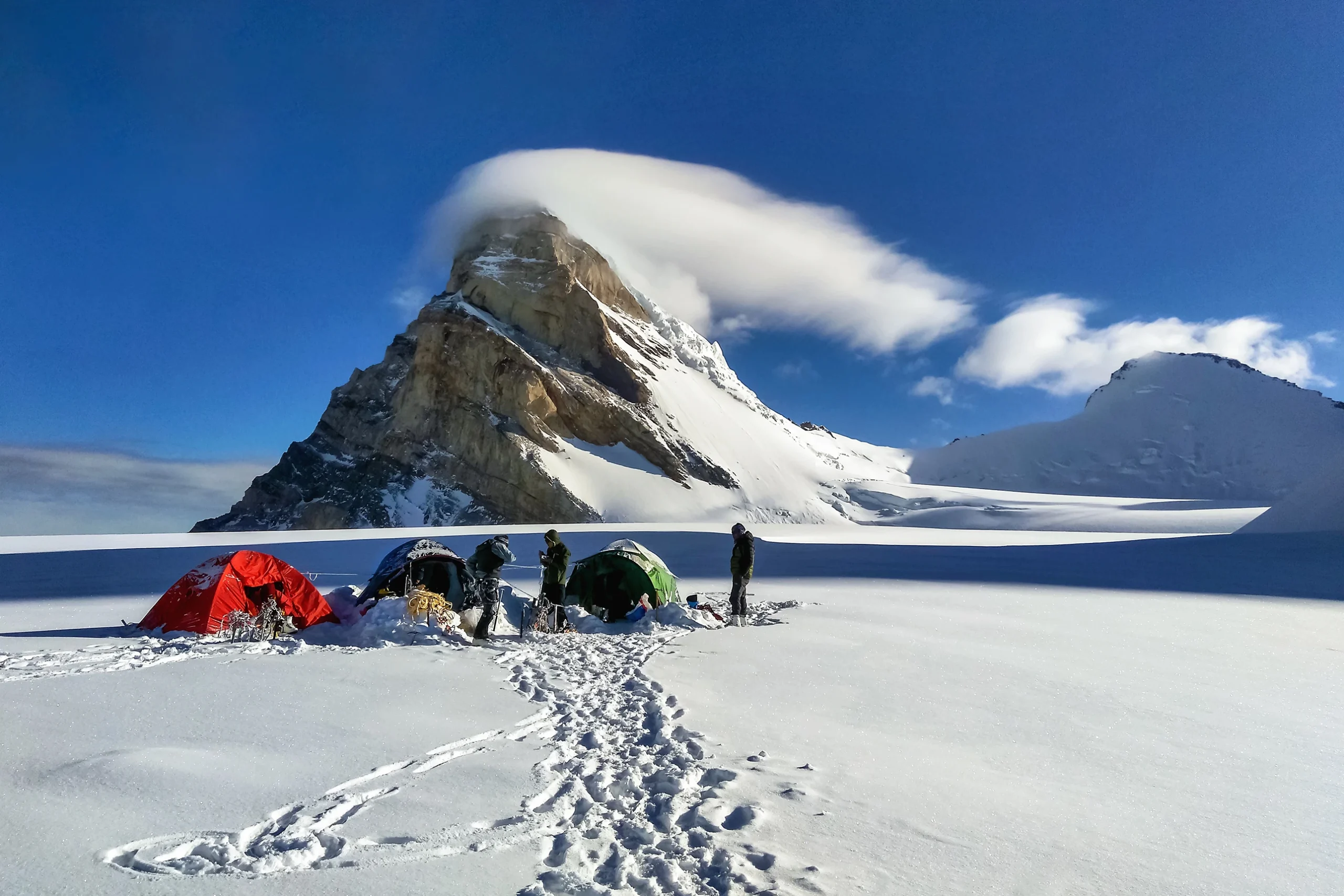
I learned this lesson brutally during an early summit push in Ladakh.
The temperature itself was manageable, but poor glove management combined with sweat buildup created freezing hands within a few hours. Suddenly, basic tasks like adjusting crampons or opening zippers became frustratingly difficult.
That experience changed my understanding completely.
Since then, I stopped thinking about cold as “weather.”
I started thinking about it as a system that must be managed constantly.
This guide combines real expedition experience with practical mountain strategies to explain how climbers actually deal with cold in Himalayan environments.
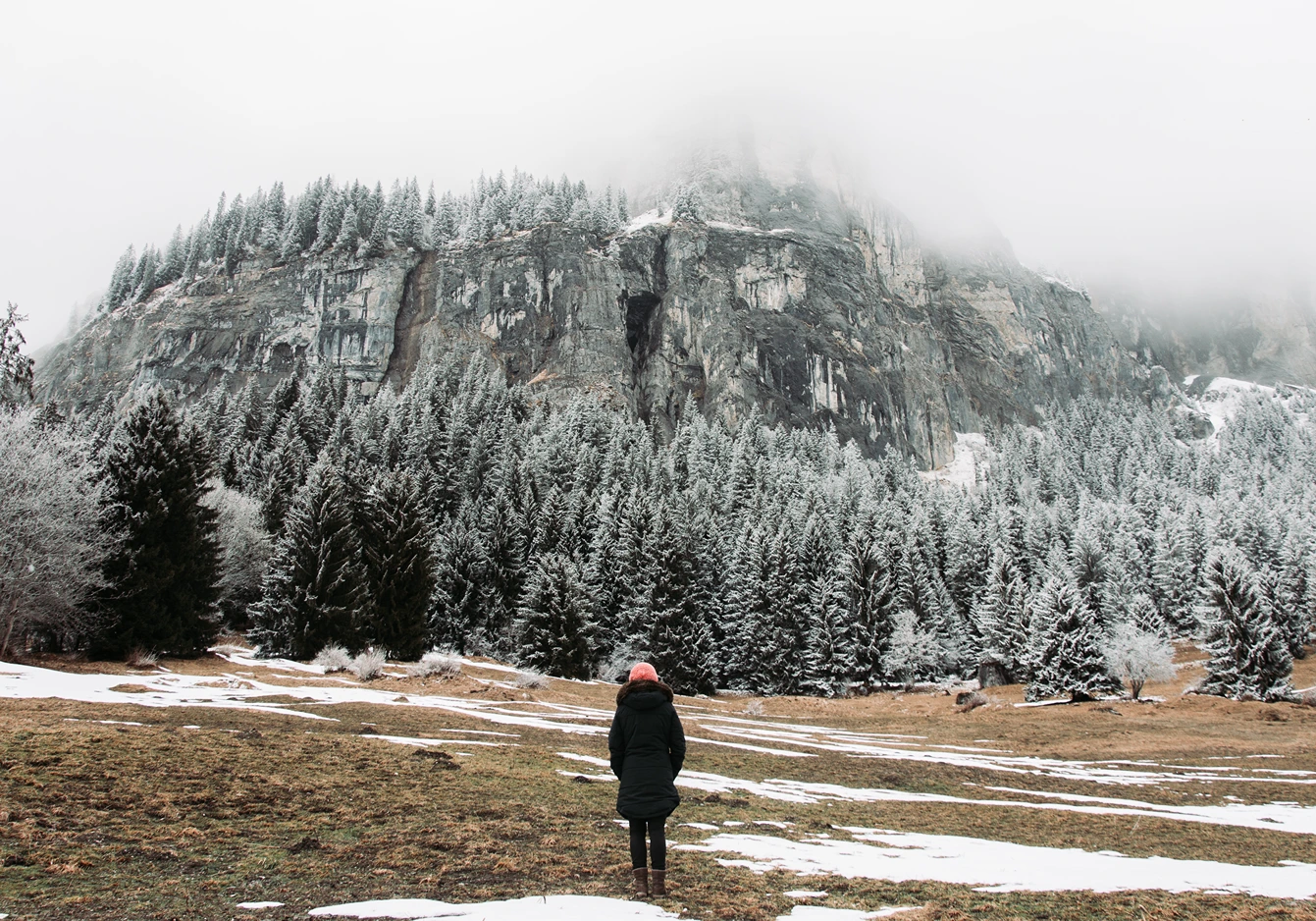
Cold in the Mountains Feels Different from Normal Winter
This is the first thing every beginner notices.
Cold in cities feels uncomfortable.
Cold in the mountains feels operational.
At altitude:
• Wind exposure increases suddenly
• Oxygen levels reduce body efficiency
• Recovery slows
• Sweat freezes quickly
• Small mistakes amplify rapidly
A simple clothing mistake at sea level may feel annoying.
The same mistake at 6,000 meters or 6k expeditions can become dangerous.
This is why experienced climbers respect cold even more than snowfall itself.
The Biggest Mistake Beginners Make
Most people assume staying warm means wearing the thickest possible jacket.
That approach usually fails.
During one of my first winter expeditions, I wore too many layers while moving uphill. Within an hour, sweat buildup started inside the clothing system.
The moment we stopped for a break, body temperature dropped sharply because the inner layers were already damp.
That was the moment I realized:
Cold management is not only about insulation. It is about moisture control.
Understanding the Real Enemy: Moisture
One of the most important lessons in mountaineering is this:
Sweat becomes dangerous in cold environments.
When moisture gets trapped:
• Body heat escapes faster
• Clothing loses insulation efficiency
• Wind chill increases dramatically
Good mountaineers focus heavily on staying:
• Warm
• But also dry
This balance changes constantly throughout the expedition.
Layering is a System, Not Just Clothing
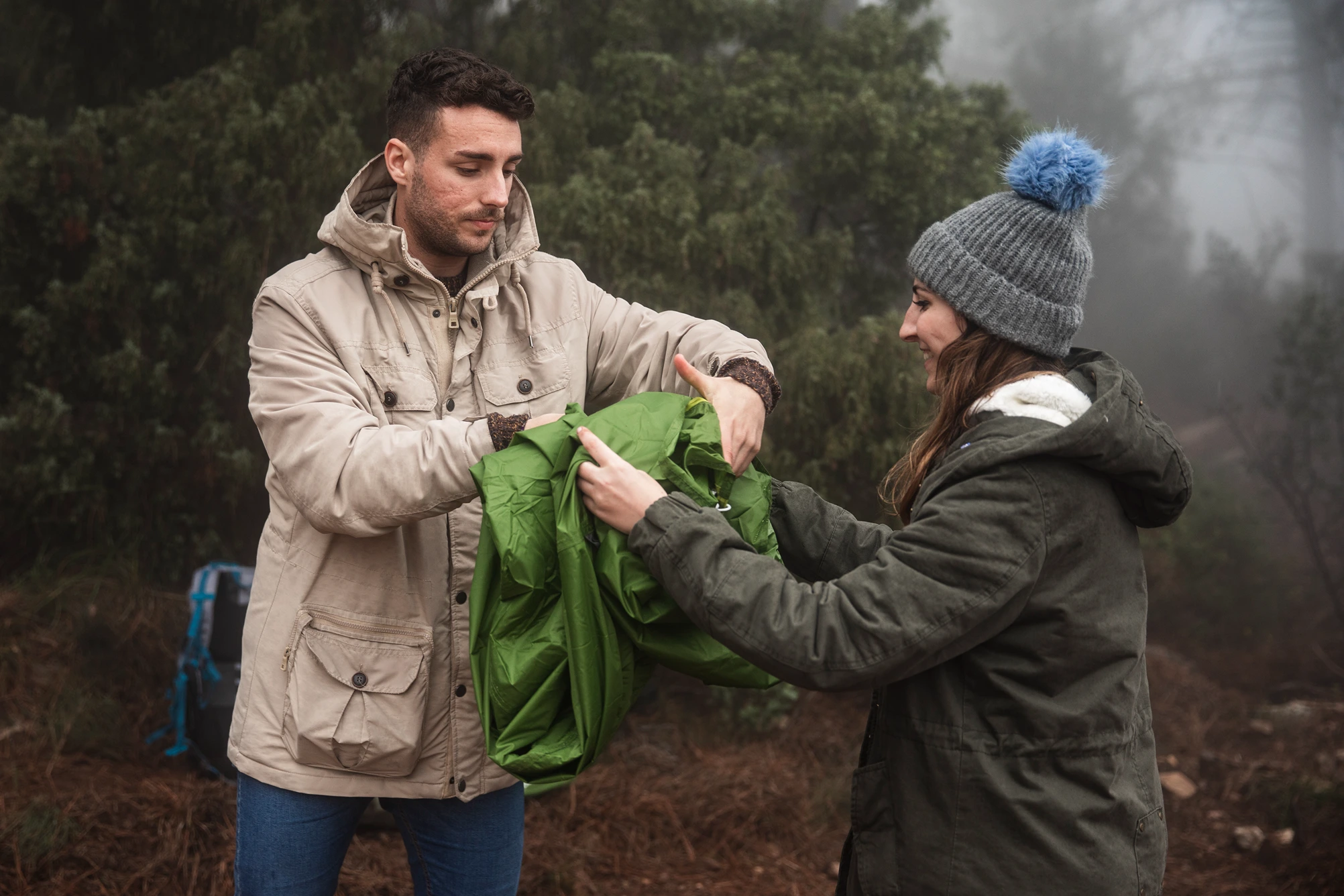
Layering is one of the most misunderstood concepts in trekking and mountaineering.
Many beginners simply stack random warm clothes together.
Experienced climbers build a layering system where every layer has a purpose.
Base Layer: Moisture Management
The base layer sits directly against the skin.
Its job is not warmth.
Its job is:
• Moisture control
• Sweat movement
• Keeping skin dry
Cotton is one of the worst choices in cold mountains because it absorbs and holds moisture.
Good base layers:
• Dry quickly
• Move sweat away from skin
• Maintain body temperature consistency
Mid Layer: Heat Retention
The mid-layer traps warmth.
This layer creates insulation while still allowing breathability during movement.
Typical mid-layers include:
• Fleece
• Lightweight insulated jackets
• Active insulation systems
The goal is controlled warmth—not overheating.
Outer Shell: Weather Protection
The outer shell protects against:
• Wind
• Snow
• Rain
• External moisture
Wind protection becomes incredibly important at altitude because wind chill destroys warmth rapidly.
During one summit push, strong wind made the temperature feel dramatically colder than expected, even though actual temperature readings were manageable.
That day reinforced something important:
Lesson from Experience:
Wind often feels colder than snow itself.
Why Overheating is Dangerous
This surprises many beginners.
Getting too warm can become a problem.
When climbers overheat:
• Sweating increases
• Moisture builds inside layers
• Cooling becomes aggressive during stops
This creates a dangerous temperature cycle.
Experienced climbers constantly adjust layers while moving.
They remove layers early instead of waiting until sweating becomes heavy.
Hands: The First Area That Usually Fails
Hands are often the first major cold-weather problem during expeditions.
Why?
• Blood flow reduces in cold
• Gloves get wet easily
• Wind exposure affects fingers quickly
Once hands become cold:
• Dexterity drops
• Rope handling becomes difficult
• Gear management slows
• Mental stress increases rapidly
I learned this during a glacier section where poor glove layering created freezing fingers during technical transitions.
Now glove systems are managed very carefully.
The Best Hand System for Expeditions
Instead of relying on one thick glove, experienced climbers usually use layered hand systems:
• Thin liner gloves
• Insulated gloves
• Heavy outer mittens for extreme cold
This allows flexibility during:
• Movement
• Technical climbing
• Breaks
• Summit pushes
Wet gloves should never be ignored.
Feet: Silent Energy Loss
Cold feet create more problems than many climbers realize.
Poor circulation, wet socks, and incorrect boots slowly drain:
• Energy
• Morale
• Stability
Once feet become cold for long durations, movement efficiency drops noticeably.
During one winter expedition, slightly damp socks created freezing discomfort during descent despite technically good boots.
That experience permanently changed my sock management discipline.
Lesson from Experience:
Dry socks are not comfort in the mountains. They are performance equipment.
Head and Neck Heat Loss is Massive
The human body loses significant heat through:
• Head
• Neck
• Face exposure
This becomes obvious during windy summit pushes.
Simple systems like:
• Balaclavas
• Neck gaiters
• Proper head coverage
can dramatically improve warmth efficiency.
Even small exposed skin areas become painful in freezing wind.
Sleeping Warm is Part of Climbing Performance
One thing beginners underestimate is how much nighttime warmth affects summit performance.
Poor sleep due to cold leads to:
• Slower recovery
• Mental fatigue
• Reduced energy next day
Sleeping systems matter enormously:
• Proper sleeping bags
• Insulated sleeping mats
• Dry sleeping layers
• Warm hydration before sleep
One warm night can improve recovery dramatically during long expeditions.
Hydration Helps Fight Cold
This is often ignored.
Dehydration reduces:
• Blood circulation
• Heat distribution
• Energy efficiency
Cold suppresses thirst naturally, which increases dehydration risk.
Warm hydration systems improve:
• Core temperature
• Energy levels
• Recovery
Now, warm fluids are treated as part of cold management strategy during expeditions.
Nutrition and Cold Resistance
The body burns more calories in cold conditions.
Without enough fuel:
• Heat production drops
• Fatigue increases
• Cold sensitivity worsens
During summit pushes, climbers often stop eating properly because appetite disappears.
That becomes dangerous quickly.
Even small, regular calorie intake improves warmth noticeably.
Why Movement Generates Survival
One thing becomes obvious on cold expeditions:
Standing still is dangerous.
The body stays warmer while moving because circulation improves naturally.
This is why:
• Long unnecessary breaks become risky
• Delays during technical transitions matter
• Efficient movement becomes critical
Cold punishes inefficiency.
Mental Effects of Cold
Cold does not only affect the body.
It affects:
• Patience
• Motivation
• Focus
• Decision-making
Long exposure creates mental fatigue quietly.
Simple tasks begin feeling frustrating. Small delays feel bigger than they actually are.
This psychological side of cold is rarely discussed—but extremely real during difficult expeditions.
Common Beginner Mistakes in Cold Conditions
Wearing Too Many Layers While Moving
Leads to sweating and moisture buildup.
Ignoring Wind Protection
Wind chill changes everything.
Poor Glove Systems
Hands fail quickly in cold environments.
Wearing Damp Socks Repeatedly
Destroys warmth and morale.
Not Eating Enough
Cold increases energy demand heavily.
Delaying Layer Adjustments
Small delays create large temperature swings.
What Experienced Expedition Leaders Actually Do
Over time, experienced climbers develop small habits that make huge differences:
• Adjust layers early
• Keep gloves dry aggressively
• Protect extremities constantly
• Drink warm fluids regularly
• Eat small amounts frequently
• Minimize standing idle in wind
• Carry emergency insulation accessibly
These habits look simple from outside.
But they are often the difference between comfort and suffering.
The Biggest Realization I Had About Cold
Eventually, I realized something important:
Cold cannot be defeated completely.
It can only be managed intelligently.
The goal is not to feel “comfortable” all the time.
The goal is to:
• Stay functional
• Stay dry
• Maintain circulation
• Preserve energy
• Avoid dangerous heat loss
Mountaineering is controlled discomfort.
And cold is one of the main systems you learn to control.
Pro Tips from Real Expeditions
During Trekking Days
• Start slightly cold while walking
• Avoid sweating heavily early
• Adjust layers proactively
During Summit Pushes
• Protect face and fingers aggressively
• Keep water insulated
• Avoid long exposed stops
During Camp Time
• Change damp layers immediately
• Keep sleeping clothes dry only for camp
• Eat before sleeping
During Winter Expeditions
• Prioritize moisture management over bulk layering
• Use layered glove systems
• Keep boots and socks dry at all costs
Final Advice for Beginners
Do not underestimate cold simply because you feel fine early in the expedition.
Cold problems usually begin gradually:
• Slightly damp gloves
• Mild dehydration
• Delayed nutrition
• Poor pacing
• Excess sweating
Hours later, these small mistakes combine.
And the mountain notices.
Conclusion
Cold is not just an environmental condition in mountaineering.
It is one of the most powerful forces shaping how climbers move, recover, think, and survive in the Himalayas.
After multiple expeditions, one lesson became impossible to ignore:
Strong climbers are not the ones who “tolerate” cold the longest.
They are the ones who manage it intelligently, consistently, and early—before small problems become dangerous ones.
Because in the mountains, warmth is not luxury.
It is performance, clarity, and sometimes survival itself.