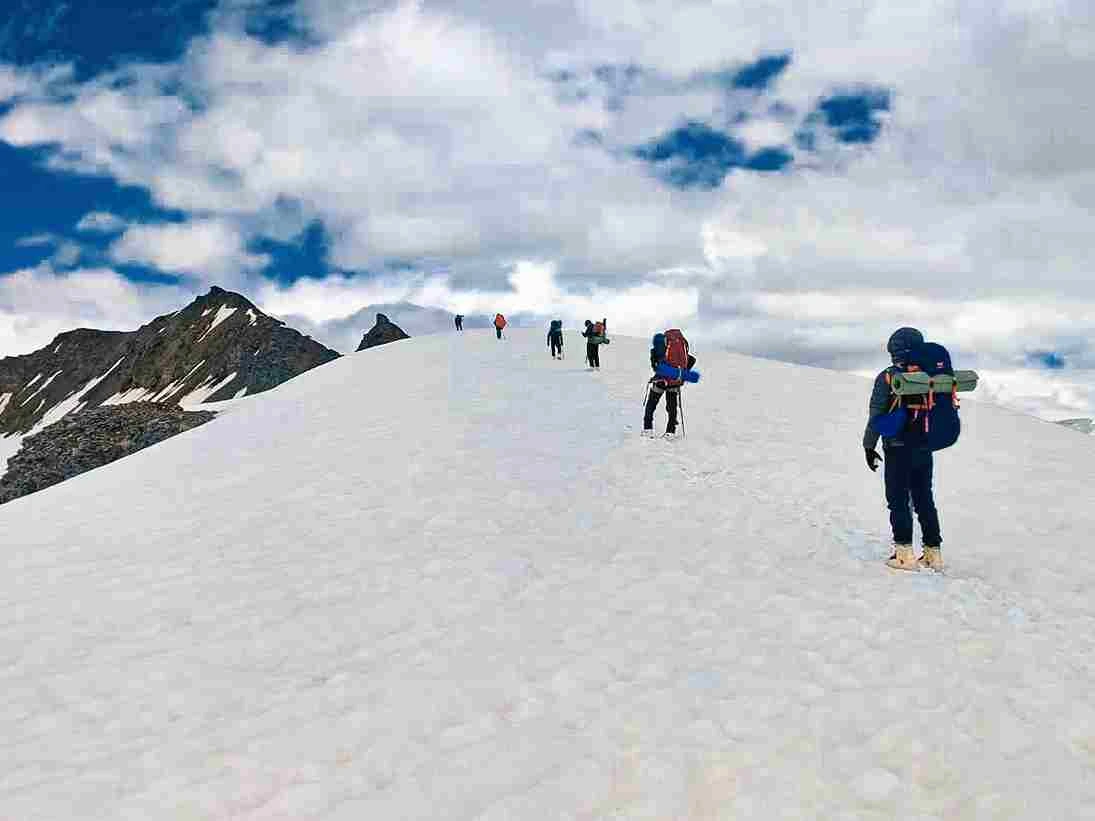
Winter changes the Himalayas completely.
Mountains that feel accessible during summer suddenly become quieter, harsher, and significantly more demanding. Trails disappear under snow, temperatures drop aggressively, and simple movement begins requiring far more energy.
For mountaineers, however, this transformation is exactly what makes winter expeditions unforgettable.
Winter climbing in the Indian Himalayas is not just about reaching summits. It is about experiencing mountains in their rawest form—frozen landscapes, deep snowfields, silent campsites, and summit pushes where survival systems become as important as physical fitness.
But winter expeditions are very different from standard trekking seasons.
They demand:
• Strong cold management
• Better gear systems
• Efficient movement on snow
• Higher endurance
• Stronger mental resilience
• Careful expedition planning
I still remember my first serious winter expedition in the Himalayas. The mountain itself was familiar from summer conditions, but winter completely changed the experience. Every morning started with frozen boots, hydration became difficult, and even basic camp routines required effort.
That climb taught me something important:
Winter mountaineering is less about speed and more about systems.
This guide explores three of the best winter expeditions in India—mountains that offer serious Himalayan experiences while teaching climbers how to operate in cold, high-altitude environments.
Why Winter Expeditions Are Different
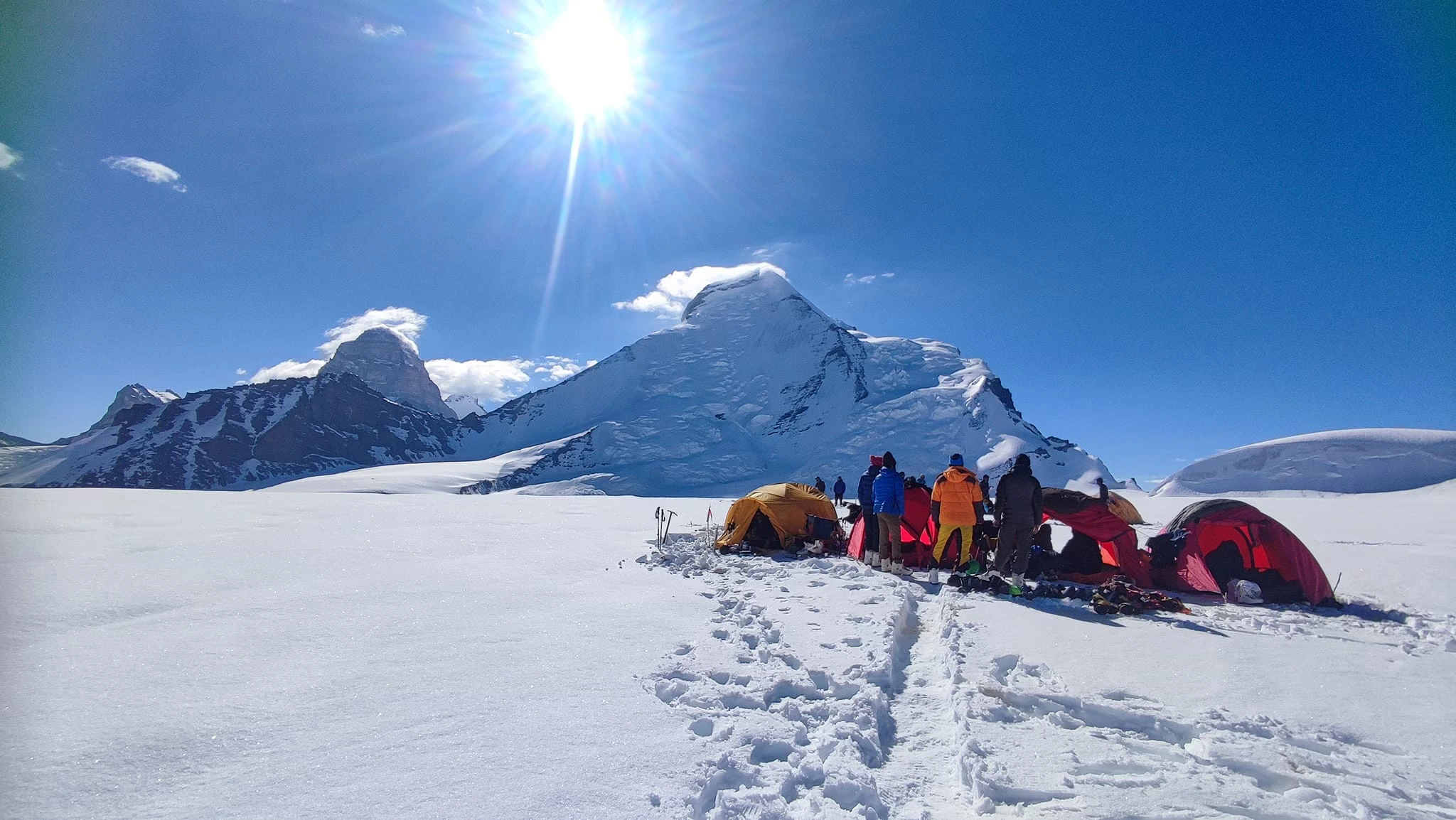
Before discussing specific peaks, it is important to understand what makes winter climbing unique.
In winter:
• Temperatures drop drastically
• Wind chill becomes severe
• Snow conditions change constantly
• Trails become less defined
• Movement becomes slower
• Recovery becomes harder
Even simple tasks such as:
• Melting water
• Wearing gloves
• Managing crampons
• Pitching tents
feel significantly more difficult.
At the same time, winter expeditions offer:
• Stunning snow-covered landscapes
• Cleaner mountain visibility
• Fewer crowds
• Stronger technical learning opportunities
• More serious mountaineering exposure
For many climbers, winter is where they truly begin understanding the mountains.
1. Friendship Peak Expedition – The Perfect Winter Introduction to Mountaineering
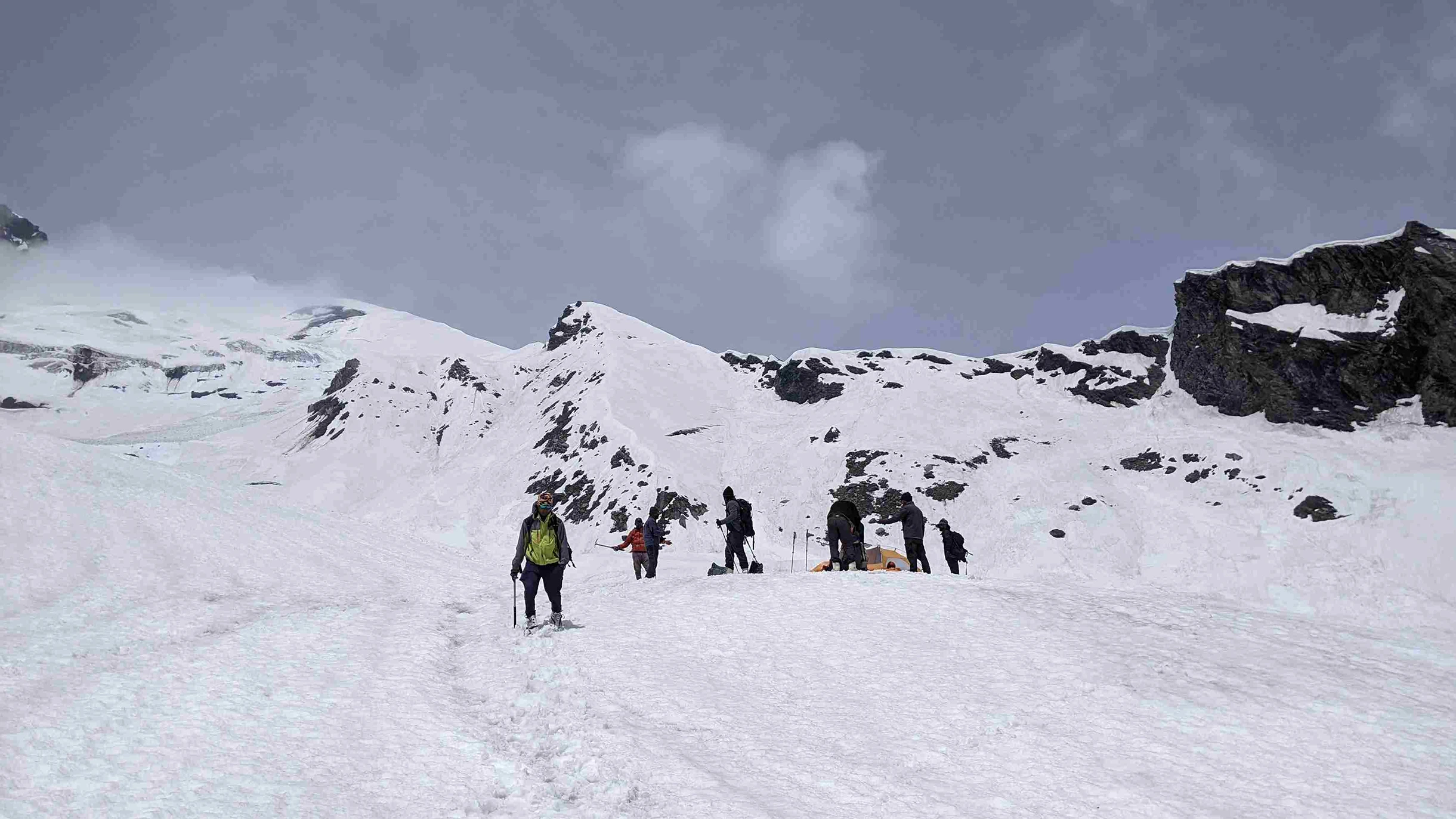
Among all winter expedition peaks in India, Friendship Peak remains one of the best introductions to Himalayan winter mountaineering.
Located in the Pir Panjal range near Manali, the mountain rises to approximately 5,289 meters and provides an ideal balance between accessibility and challenge.
What makes Friendship Peak special during winter is how dramatically the terrain transforms. Snow accumulation increases technical exposure, glacier sections become more serious, and summit conditions demand proper winter systems.
Unlike regular trekking, climbers begin experiencing:
• Deep snow movement
• Ice axe usage
• Winter crampon techniques
• Cold weather camp management
• Snow slope climbing
Why Friendship Peak is Ideal for Winter Learning
This expedition teaches beginners how winter changes mountain movement.
The climb introduces:
• Layer management in freezing conditions
• Efficient pacing in snow
• Cold weather hydration systems
• Snow camping basics
• Winter summit strategy
The approach through snow-covered valleys also creates one of the most visually rewarding winter experiences in Himachal Pradesh.
My Personal Realization on a Winter Snow Slope
During an early winter climb on Friendship Peak, I learned how quickly snow changes movement efficiency.
At lower altitude, walking uphill felt manageable. But once deep snow sections began, every step became energy-intensive.
That was the first moment I truly understood why winter mountaineering requires patience more than aggression.
Lesson from Experience:
In winter mountains, rushing wastes more energy than climbing itself.
2. Kang Yatse II Expedition – The Ultimate Cold Desert Winter Challenge
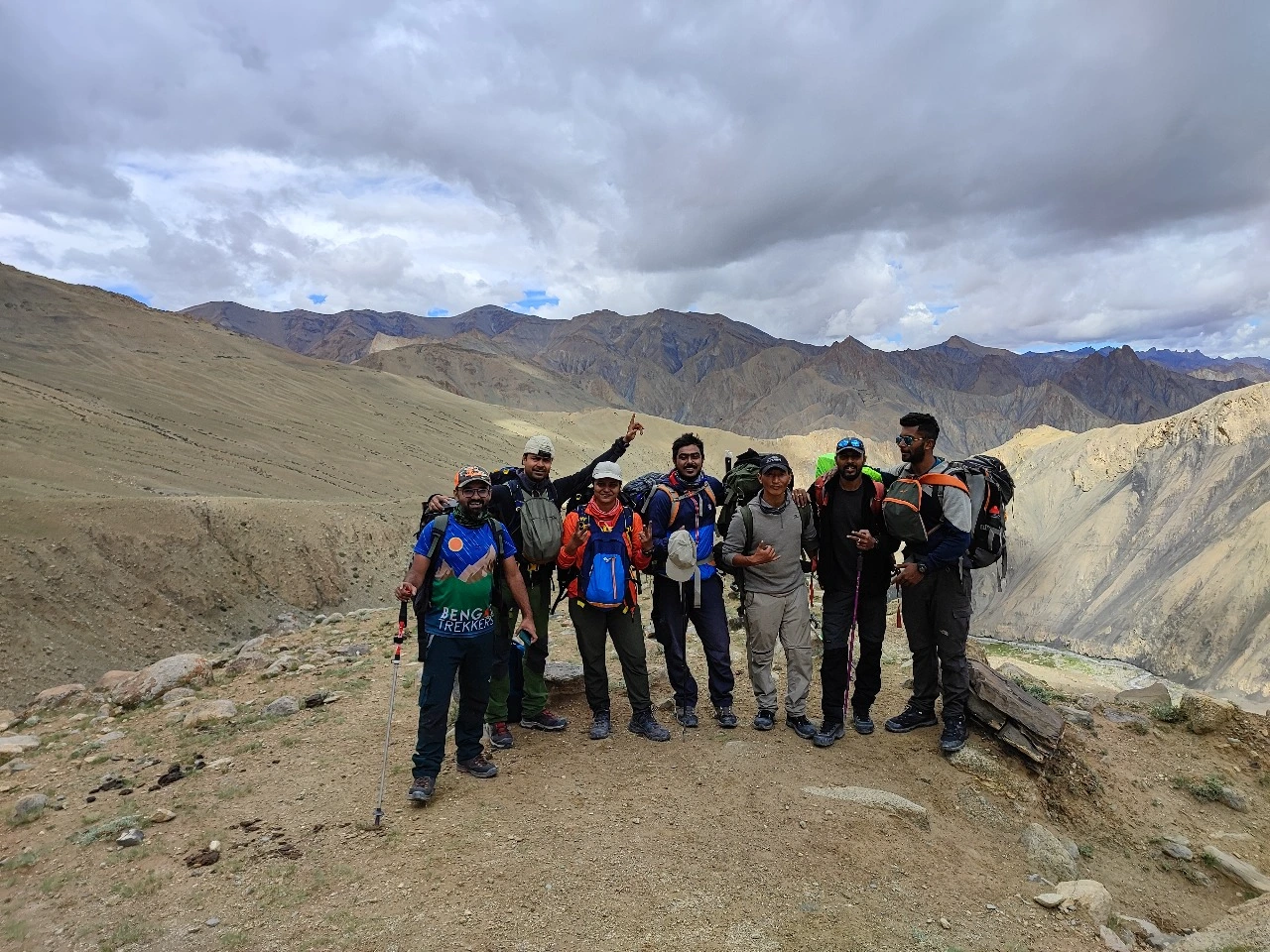
Kang Yatse II in Ladakh becomes a completely different mountain during winter conditions.
Standing at around 6,250 meters, this peak already demands strong acclimatization during normal climbing seasons. In winter, the challenge intensifies significantly because of:
• Extreme cold
• Harsh wind exposure
• Frozen terrain
• Reduced margin for mistakes
The approach through the Markha Valley transforms into a cold desert expedition experience unlike anything else in the Indian Himalayas.
What Makes Winter in Ladakh Unique
Ladakh winter expeditions feel different from Himalayan snow expeditions in Uttarakhand or Himachal.
Instead of heavy forest snow, climbers face:
• Dry freezing air
• Open exposure
• Strong winds
• Severe nighttime temperatures
This creates a harsher environment psychologically.
Simple mistakes become more expensive:
• Poor hydration
• Damp gloves
• Layer mismanagement
• Delayed nutrition
Why Kang Yatse II is a Serious Winter Objective
This expedition combines:
• High altitude
• Snow climbing
• Glacier movement
• Winter survival systems
• Long summit pushes
It teaches climbers how to function efficiently when:
• Oxygen is lower
• Cold reduces motivation
• Recovery becomes slower
This mountain demands discipline.
My Strongest Winter Lesson from Ladakh
One thing became painfully obvious during a cold Ladakh summit push:
Hydration becomes harder in freezing conditions.
Because thirst reduces naturally, water intake dropped without noticing. Within hours, fatigue increased dramatically.
That climb permanently changed how I manage hydration during winter expeditions.
Lesson from Experience:
In cold mountains, dehydration arrives quietly.
3. Black Peak Expedition (Kalanag) – A Serious Winter Himalayan Expedition
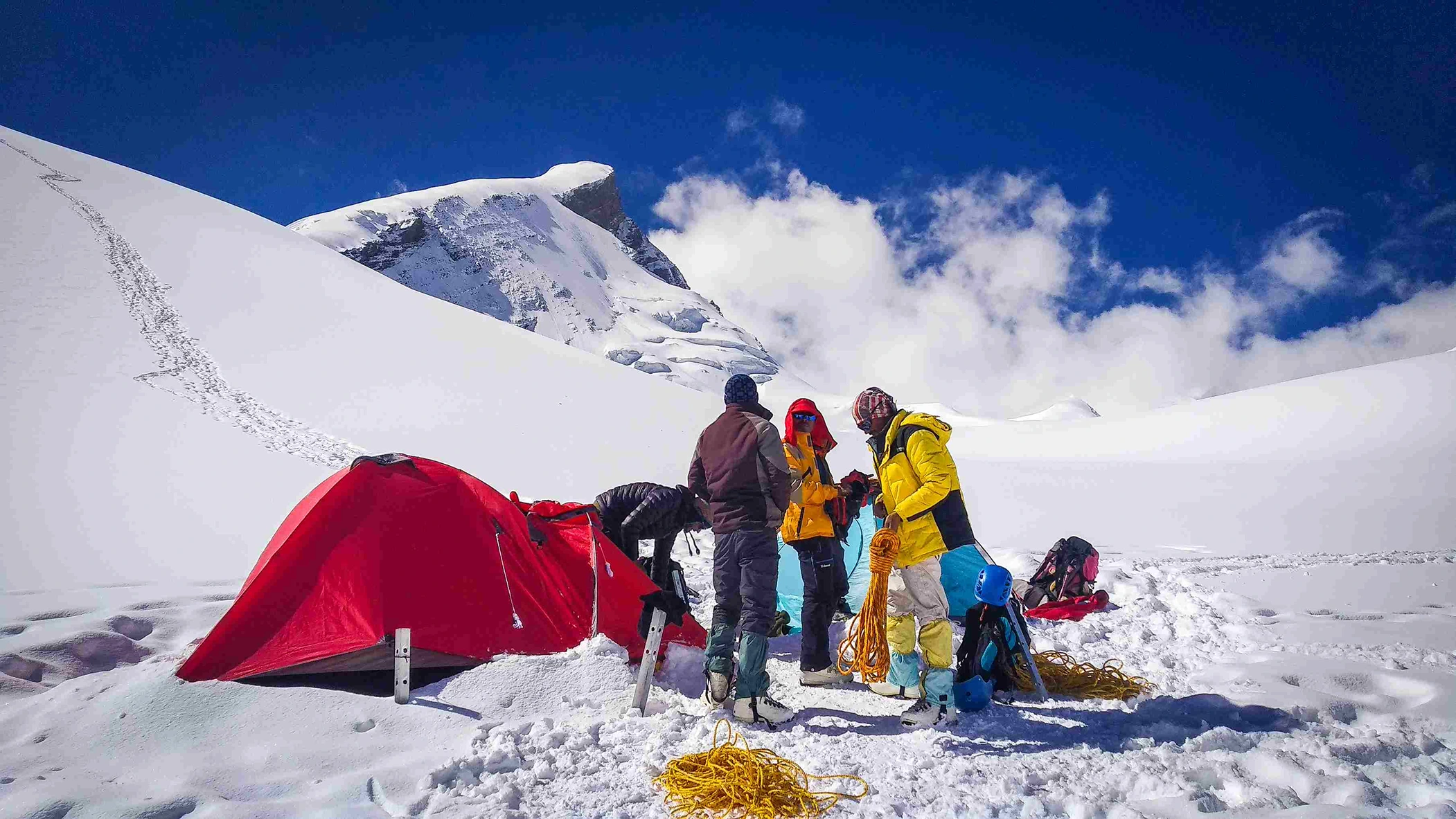
Black Peak, also known as Kalanag, is one of the most respected expedition peaks in Uttarakhand.
At approximately 6,387 meters, the mountain already carries strong expedition value during standard climbing seasons. In winter conditions, however, it becomes significantly more serious.
The mountain introduces climbers to:
• Long glacier movement
• Deep snow conditions
• Technical winter terrain
• High-altitude winter camping
• Sustained cold exposure
Unlike beginner winter climbs, Black Peak starts demanding genuine expedition discipline.
Why Black Peak is Special in Winter
The Bandarpunch region becomes incredibly isolated during winter.
Approach routes slow dramatically due to snow accumulation, and weather windows become more unpredictable.
This creates a true expedition environment where climbers must manage:
• Energy carefully
• Layer systems constantly
• Technical movement efficiently
• Recovery aggressively
Winter conditions amplify every challenge already present on the mountain.
What Black Peak Teaches
This expedition teaches climbers how to:
• Operate efficiently in harsh winter terrain
• Manage cold during long summit pushes
• Handle technical movement while fatigued
• Maintain discipline over multi-day exposure
It is one of the best Himalayan classrooms for serious winter mountaineering.
Why Winter Expeditions Feel More Emotional
One thing I noticed repeatedly during winter expeditions is how emotionally intense the mountains feel.
The silence becomes deeper.
The isolation feels stronger.
Simple comforts become meaningful:
• Warm tea at camp
• Dry gloves
• Morning sunlight after freezing nights
Winter strips away distractions. You become more aware of:
• Your systems
• Your weaknesses
• Your mental discipline
And that is exactly why winter expeditions stay memorable long after they end.
What Makes Winter Mountaineering So Difficult?
Winter expeditions combine multiple challenges simultaneously:
• Cold management
• Altitude adaptation
• Snow movement
• Energy conservation
• Mental fatigue
Even experienced trekkers are often surprised by how much slower winter movement feels.
Snow increases physical effort dramatically.
Cold reduces efficiency constantly.
This is why winter mountaineering demands stronger systems than summer climbing.
Essential Skills for Winter Expeditions
Before attempting serious winter Himalayan climbs, climbers should understand:
• Layer management
• Snow walking techniques
• Ice axe basics
• Crampon movement
• Cold weather hydration
• Camp management in snow
Without these systems, winter conditions become overwhelming quickly.
Common Mistakes Beginners Make During Winter Expeditions
Overdressing While Climbing
Leads to sweating and dangerous cooling later.
Poor Hydration
Cold suppresses thirst naturally.
Incorrect Glove Systems
Hands lose heat very quickly.
Ignoring Nutrition
Cold increases calorie demand significantly.
Carrying Wet Clothing Into Camp
Moisture destroys warmth efficiency.
Why Winter Expeditions Build Stronger Mountaineers
One thing becomes obvious after enough winter climbs:
Winter teaches efficiency faster than summer.
It forces climbers to:
• Move carefully
• Manage systems intelligently
• Respect recovery
• Understand energy conservation
Strong winter climbers often develop:
• Better pacing
• Better gear discipline
• Better environmental awareness
Because winter punishes carelessness immediately.
Choosing the Right Winter Expedition
The best winter expedition depends on:
• Prior trekking experience
• Altitude exposure
• Technical skills
• Cold tolerance
• Mental resilience
Do not choose winter objectives emotionally.
Choose them progressively.
The mountains reward patience.
Final Advice Before Attempting Winter Expeditions
Before planning any winter Himalayan expedition:
• Build endurance seriously
• Learn layering systems properly
• Practice snow movement
• Test winter gear before expedition
• Respect acclimatization completely
Because winter mountains are beautiful—but they are never casual.
Conclusion
Winter expeditions in India offer some of the most rewarding and transformative mountain experiences in the Himalayas.
From the technical snow learning of Friendship Peak, to the cold desert challenge of Kang Yatse II, to the serious expedition environment of Black Peak, each mountain teaches lessons that go far beyond summits.
After multiple winter climbs, one lesson became absolutely clear:
Winter mountaineering is not about fighting the mountain.
It is about learning how to operate efficiently inside an environment that constantly tests your systems, patience, and discipline.
And once you learn that rhythm, the Himalayas in winter become unforgettable.