Most climbers fear altitude sickness, storms, avalanches, or technical terrain. Very few realize that one of the biggest reasons expeditions fail is something far simpler—and far more common.
Dehydration.
It sounds basic. Almost too basic to be dangerous.
But after multiple Himalayan expeditions, one thing became very clear to me:
Dehydration quietly destroys performance long before climbers recognize it.
Unlike dramatic mountain dangers, dehydration works slowly. It reduces energy, weakens concentration, affects acclimatization, increases fatigue, and worsens recovery. At altitude, even mild dehydration becomes significantly more serious because the body is already functioning under oxygen stress.
I learned this lesson during one of my early high-altitude climbs in Ladakh.
The weather was cold, and because I wasn’t sweating heavily, I assumed hydration wasn’t a major issue. Over two days, water intake reduced naturally. The symptoms appeared gradually—persistent headache, unusual fatigue, loss of appetite, and slower recovery.
Initially, altitude seemed like the obvious explanation.
But once hydration improved aggressively, the body responded almost immediately.
That experience changed how I approach hydration forever.
Since then, one principle has stayed constant during every expedition:
If you cannot manage hydration properly, the mountain will eventually expose that weakness.
This guide explains why dehydration becomes so dangerous during trekking and mountaineering, how it changes across seasons, and what experienced expedition leaders actually do to manage hydration in the Himalayas.
Why Dehydration is More Dangerous at High Altitude
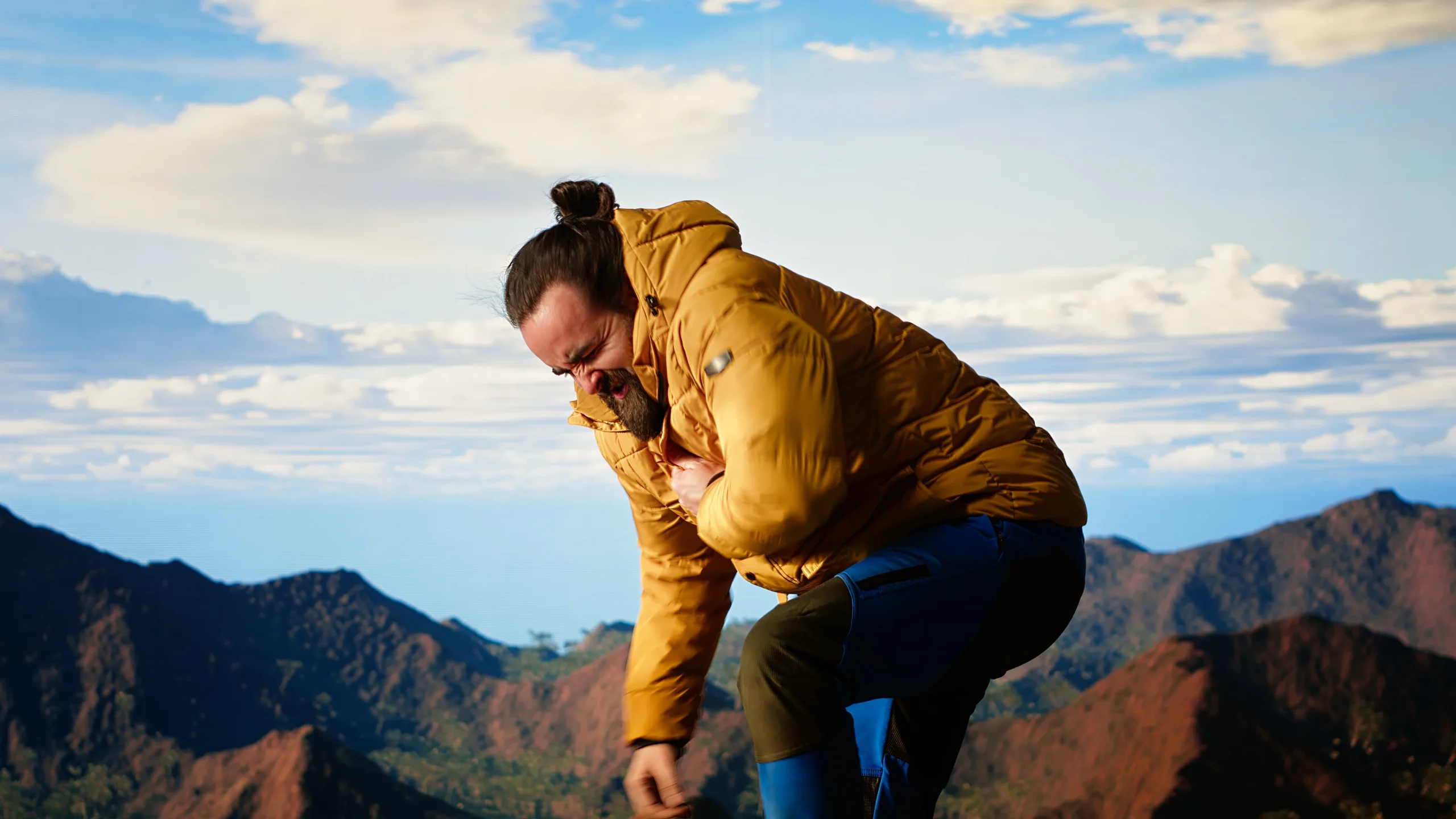
At sea level, mild dehydration is uncomfortable.
At altitude, it becomes a performance problem very quickly.
The human body loses fluids faster in mountain environments because of:
• Dry cold air
• Increased breathing rate
• Faster respiration water loss
• Continuous physical exertion
• Reduced thirst sensation
• Increased urination at altitude
One of the biggest misconceptions beginners have is assuming dehydration only happens through visible sweating.
That is completely wrong.
At high altitude, climbers lose large amounts of fluid simply through breathing.
Cold air is dry. Every breath removes moisture from the body.
And because temperatures are low, many climbers do not feel thirsty enough to replace those losses.
How Dehydration Affects Climbing Performance
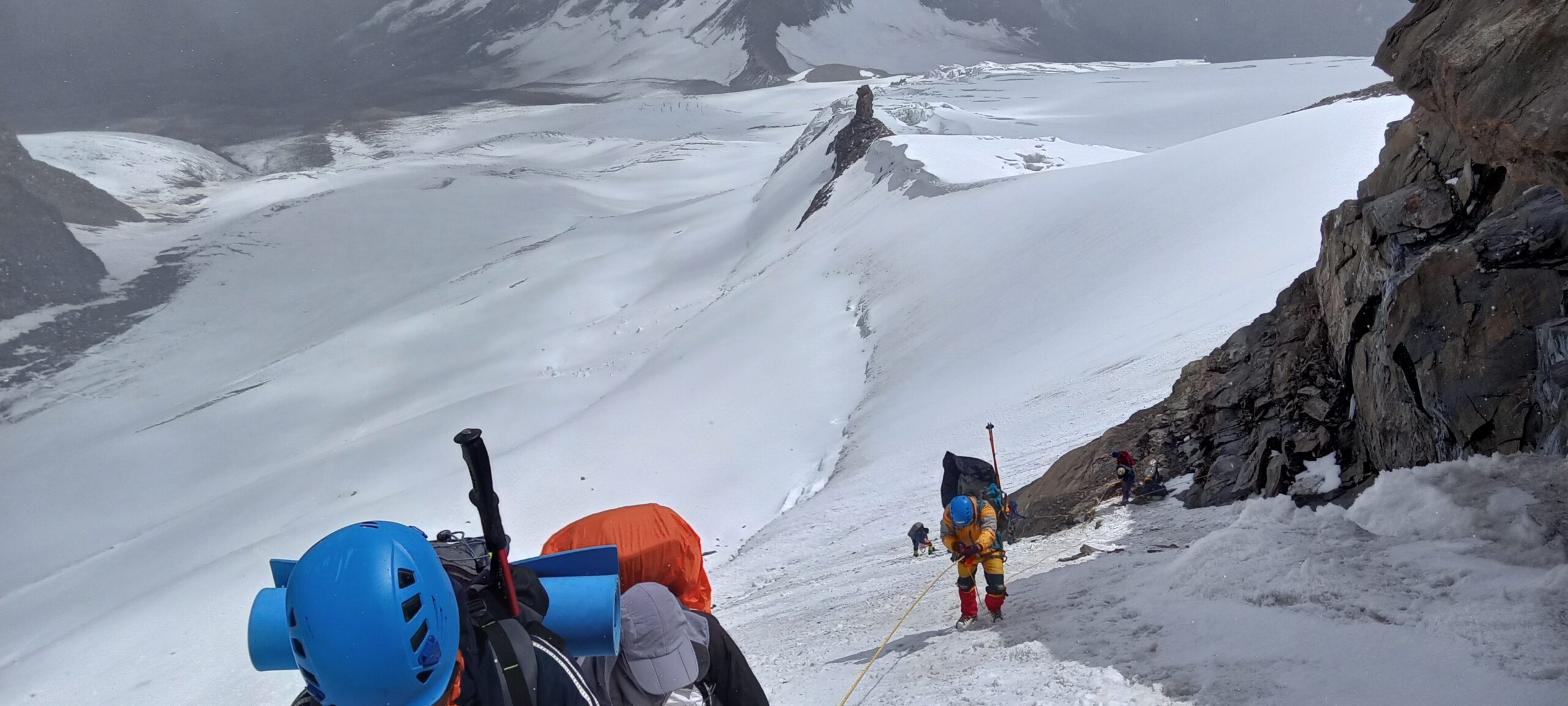
The dangerous thing about dehydration is how many systems it affects simultaneously.
Even moderate dehydration can reduce:
• Endurance
• Muscle efficiency
• Concentration
• Balance
• Recovery speed
• Thermoregulation
At altitude, these effects become amplified.
One of the first signs I personally notice now is unusual fatigue during normal pacing. If movement suddenly feels harder than expected, hydration becomes the first thing I evaluate.
Dehydration and Altitude Sickness Are Closely Connected
This is one of the most important things expedition beginners must understand.
Dehydration does not directly cause altitude sickness—but it significantly worsens the body’s ability to adapt to altitude.
Symptoms overlap heavily:
• Headache
• Fatigue
• Nausea
• Weakness
• Dizziness
This creates confusion because climbers often assume all symptoms are purely altitude-related.
In reality, hydration problems may already be contributing heavily.
On several expeditions, I have seen climbers improve dramatically after consistent hydration and electrolyte correction.
Lesson from Experience:
Never assume every altitude symptom is only altitude. Hydration may already be failing quietly.
Why Cold Weather Makes Hydration Worse
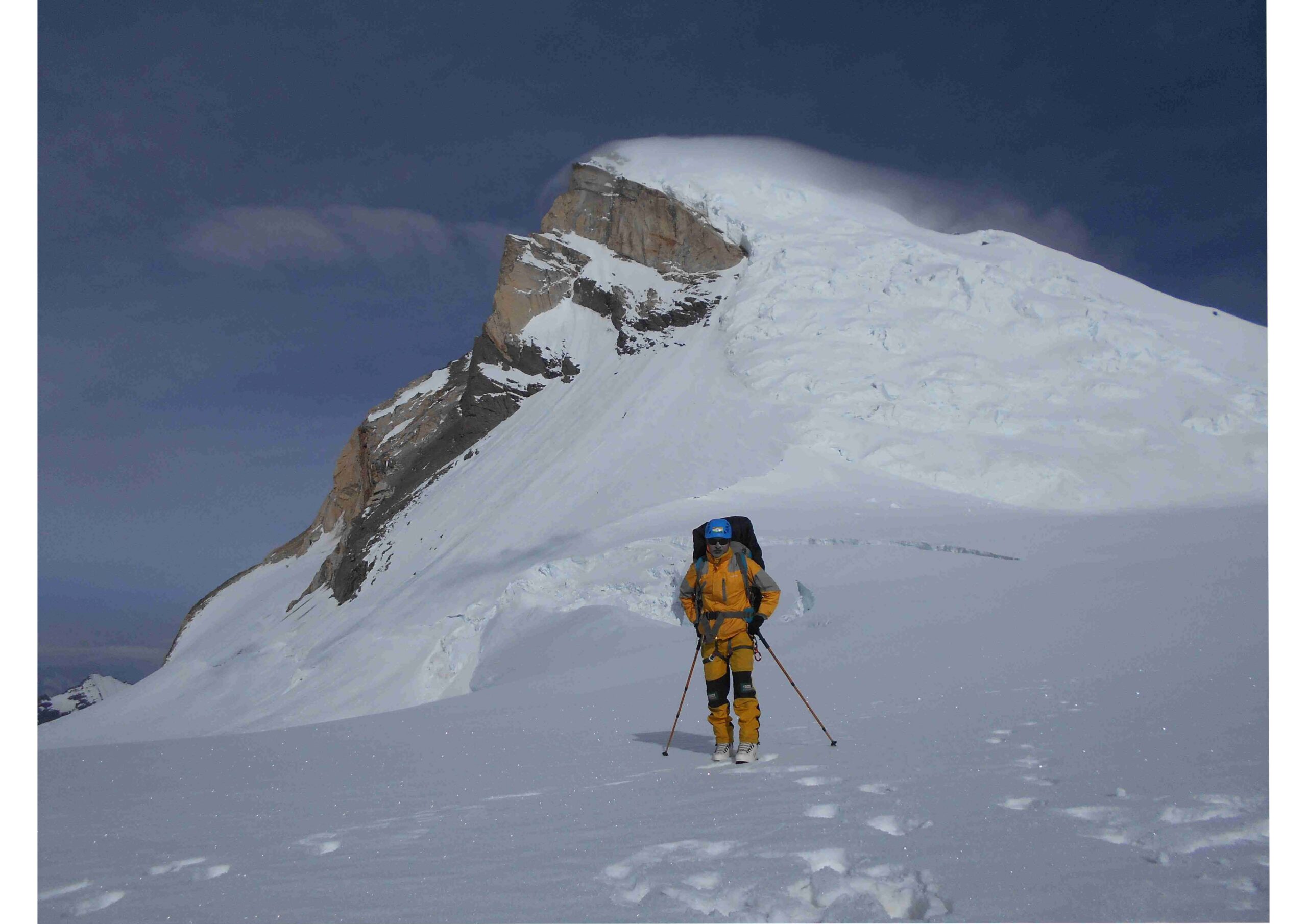
Most people associate dehydration with hot weather.
Ironically, some of the worst dehydration happens during cold Himalayan expeditions.
Why?
Because cold suppresses thirst naturally.
During winter climbs or summit pushes:
• Water feels less appealing
• Bottles freeze
• Stopping to drink feels inconvenient
• Climbers avoid removing gloves
As a result, fluid intake drops sharply.
Meanwhile:
• Respiration losses increase
• Energy demand remains high
• Dry cold air continues pulling moisture out of the body
This creates silent dehydration.
Summer Expeditions vs Winter Expeditions
Hydration strategy changes significantly depending on season.
Hydration During Summer Expeditions
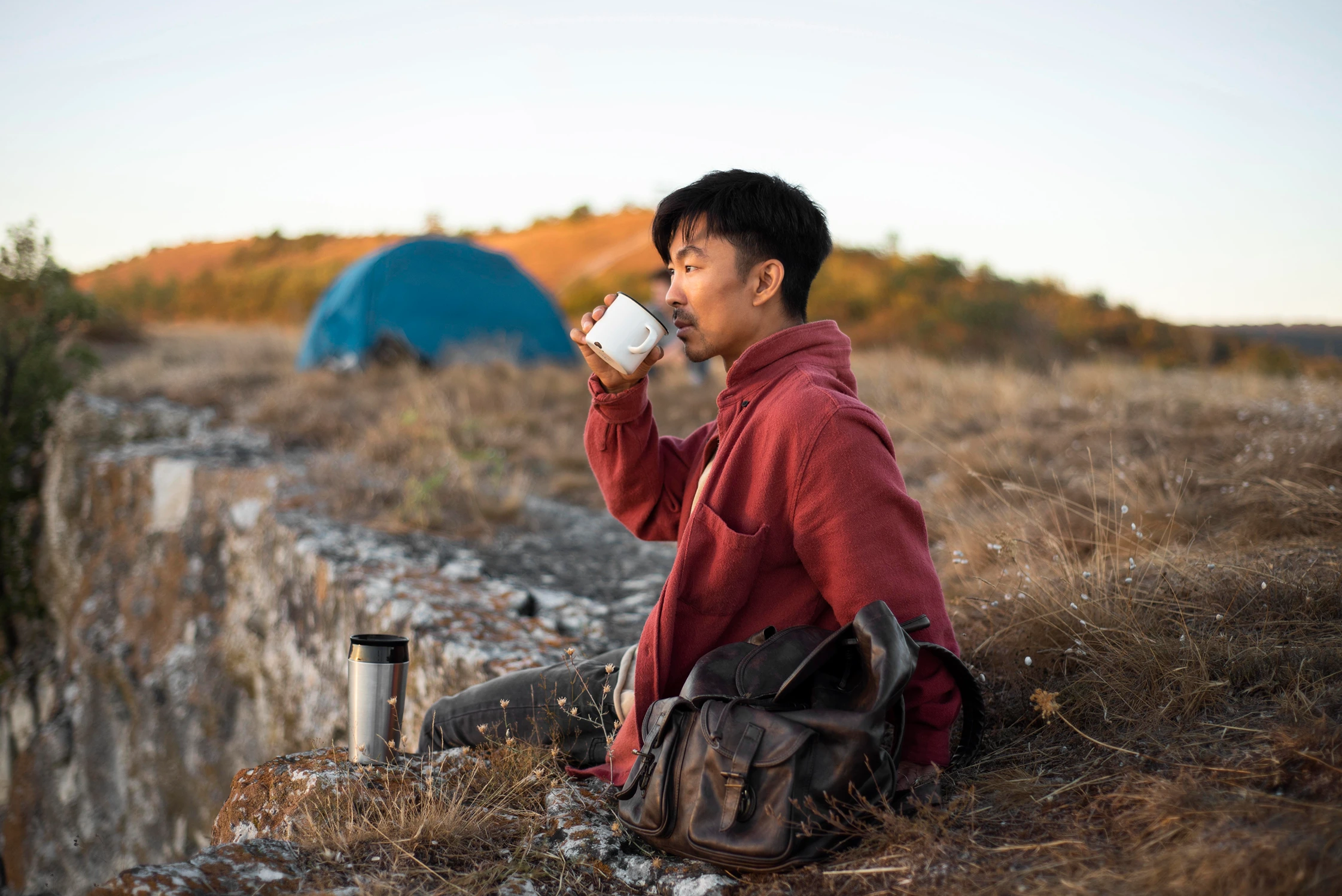
Summer Himalayan expeditions involve:
• Higher sweat loss
• Strong sun exposure
• Faster electrolyte depletion
• Long trekking days
In these conditions:
• Water intake must increase significantly
• Electrolytes become extremely important
• Salt loss becomes noticeable
One common beginner mistake is drinking only plain water.
Without electrolyte replacement, climbers may still feel weak despite high water intake.
Hydration During Winter Expeditions
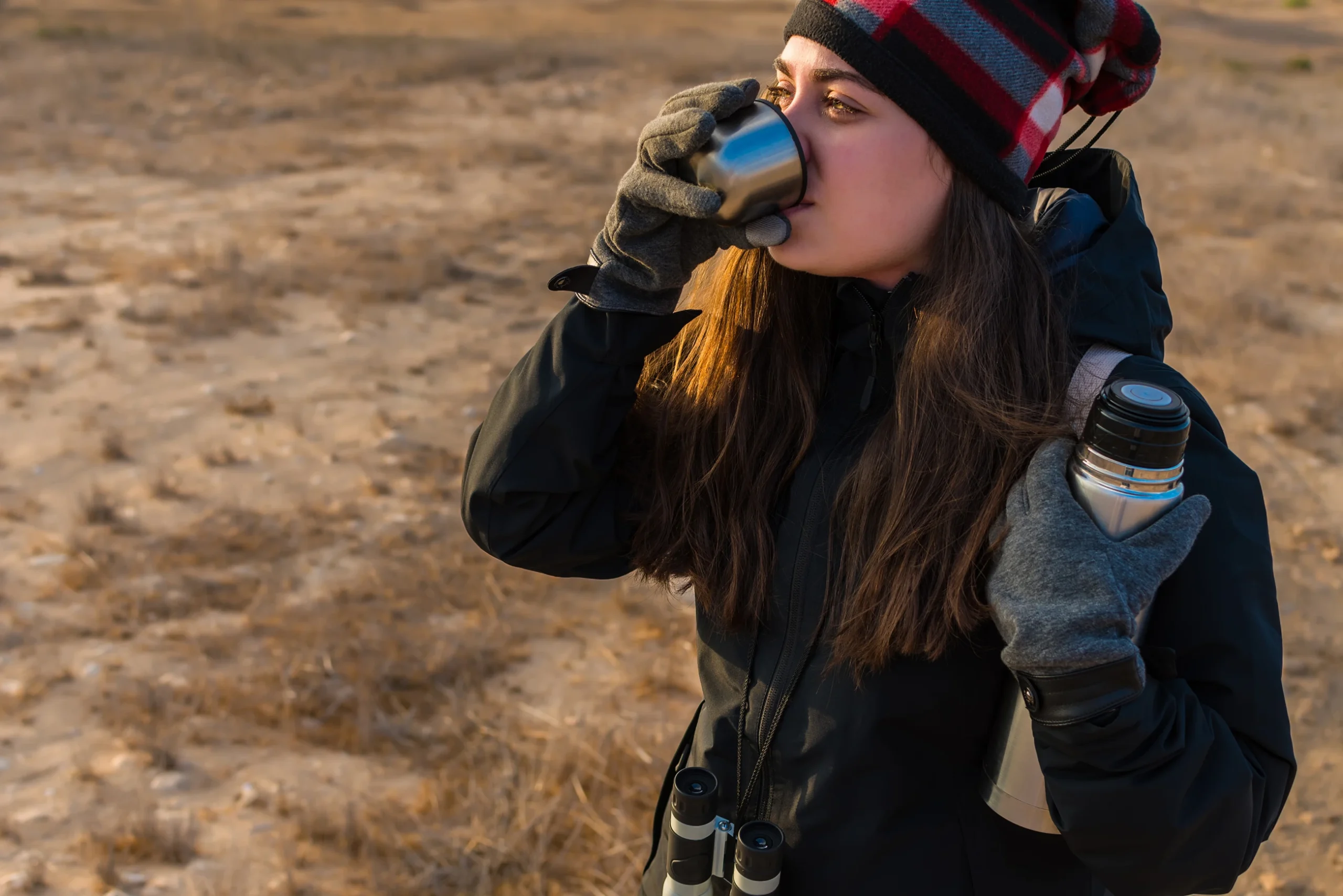
Winter climbing creates a different challenge entirely.
Problems include:
• Reduced thirst
• Frozen hydration systems
• Cold-induced avoidance of drinking
• Dehydration hidden beneath cold conditions
This requires deliberate hydration discipline.
Experienced climbers drink on schedule—not based only on thirst.
Why Expedition Leaders Constantly Ask About Water
Many beginners get annoyed when expedition leaders repeatedly ask:
• “How much water did you drink?”
• “Have you refilled?”
• “Are you peeing regularly?”
But after leading or participating in enough expeditions, the reason becomes obvious.
Hydration status often predicts:
• Energy levels
• Recovery quality
• Altitude adaptation
• Summit performance
Good leaders monitor hydration constantly because dehydration creates problems long before climbers recognize them.
The Biggest Hydration Mistake I Made
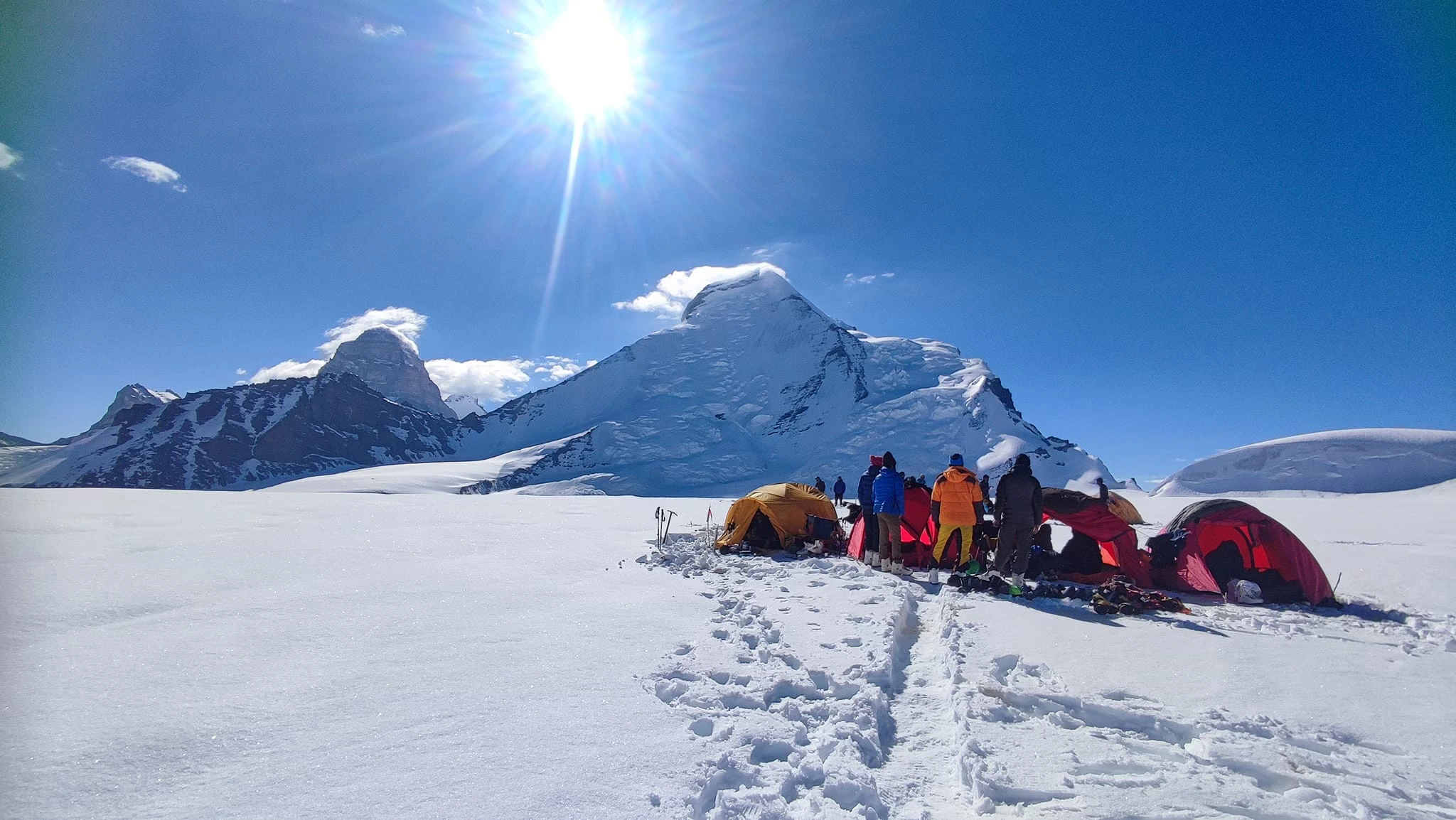
During one expedition, I relied heavily on thirst to guide water intake.
That was a mistake.
At altitude, thirst becomes unreliable.
By the time strong thirst appears, dehydration may already be significant.
Now, hydration during expeditions is managed systematically:
• Scheduled intake
• Regular monitoring
• Electrolyte balance
• Urine color awareness
Not emotional drinking.
Lesson from Experience:
In the mountains, hydration should be proactive—not reactive.
Electrolytes Matter More Than Most People Realize
Hydration is not only about water.
Sweat and respiration also remove:
• Sodium
• Potassium
• Magnesium
• Other electrolytes
Without replacement:
• Muscle cramps increase
• Weakness appears
• Recovery slows
• Fatigue intensifies
Long summit pushes especially require electrolyte support.
This became very obvious during a difficult summit day where plain water alone was not maintaining energy properly.
After electrolyte correction, physical performance improved noticeably.
Signs of Dehydration Every Climber Should Watch For
One dangerous thing about dehydration is how gradually it develops.
Common warning signs include:
• Persistent headache
• Dry lips and mouth
• Dark urine
• Reduced urination
• Fatigue beyond expected level
• Dizziness
• Poor concentration
• Muscle cramps
At altitude, these signs should never be ignored.
Urine Color is One of the Simplest Indicators
This sounds basic, but it works.
Light-colored urine usually indicates reasonable hydration.
Dark urine often signals dehydration.
Experienced climbers monitor this constantly during expeditions.
It becomes one of the easiest field indicators available.
Hydration During Summit Pushes
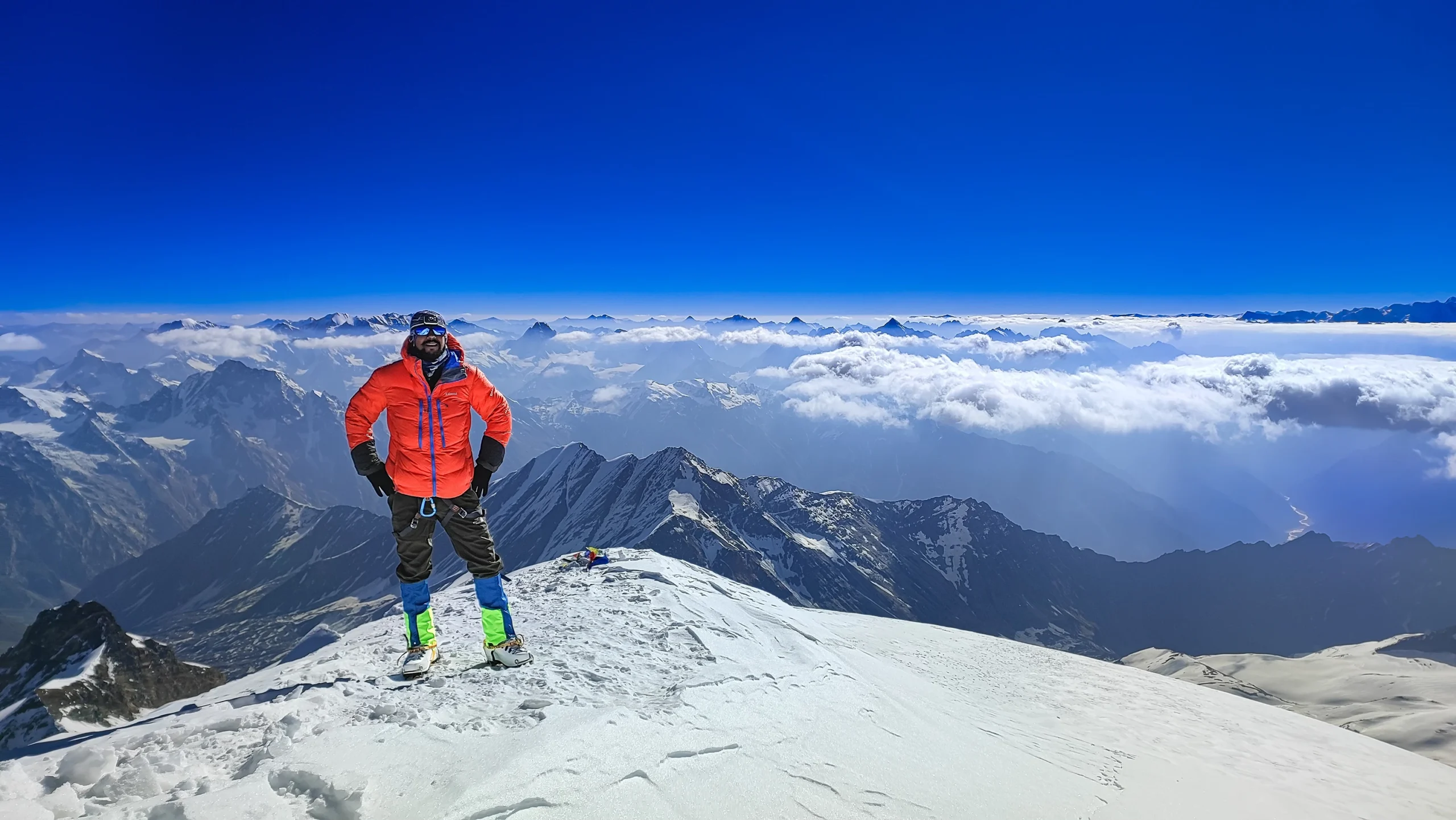
Summit day creates one of the hardest hydration challenges.
Problems include:
• Freezing temperatures
• Heavy breathing
• Reduced stopping time
• Glove inconvenience
• Fatigue reducing motivation to drink
This is exactly when hydration becomes most important.
Now, during summit pushes:
• Warm fluids are prioritized when possible
• Bottles are insulated carefully
• Drinking intervals are planned intentionally
Because once dehydration combines with altitude exhaustion, performance drops rapidly.
Why Warm Fluids Matter at Altitude
Warm fluids improve:
• Comfort
• Drinking willingness
• Core warmth
• Overall intake consistency
Cold water at freezing temperatures naturally discourages drinking.
This is why soups, tea, warm electrolyte mixes, and hot hydration systems become valuable during high-altitude climbs.
How Experienced Climbers Hydrate Differently
Over time, experienced mountaineers develop structured hydration habits:
• Drinking before feeling thirsty
• Monitoring urine output
• Using electrolyte rotation
• Carrying insulated hydration systems
• Prioritizing warm fluids
• Drinking during breaks consistently
These habits often look simple from outside.
But they create huge performance differences during long expeditions.
Hydration and Recovery
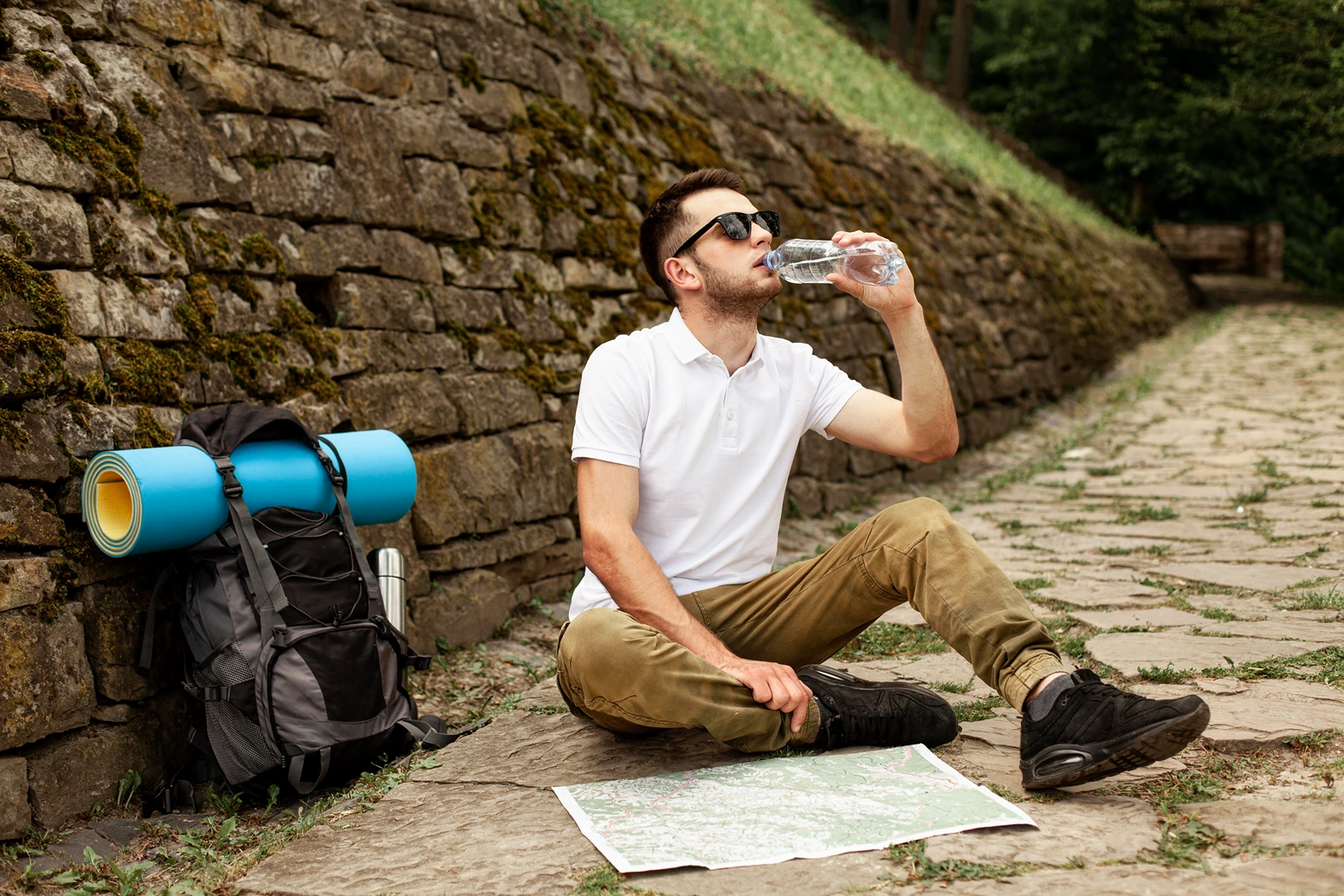
One thing I noticed repeatedly after difficult climbing days:
Good hydration improves recovery dramatically.
Proper fluid intake helps:
• Muscle repair
• Circulation
• Energy restoration
• Sleep quality
• Acclimatization efficiency
Poor hydration extends fatigue into the next day.
And on long expeditions, that fatigue accumulates dangerously.
Common Hydration Mistakes Beginners Make
Drinking Only When Thirsty
At altitude, thirst becomes unreliable.
Avoiding Water to Reduce Bathroom Stops
This backfires badly during long climbs.
Ignoring Electrolytes
Water alone is not always enough.
Carrying Frozen Bottles
Poor bottle insulation creates unusable water systems.
Drinking Large Amounts Occasionally Instead of Consistently
Small regular intake works better.
My Biggest Realization About Hydration in the Himalayas
Eventually, I realized something simple:
Hydration is not a side detail in mountaineering.
It is part of performance strategy.
Strong climbers are not only the ones with better fitness.
They are often the ones managing basics consistently:
• Water
• Breathing
• Pacing
• Nutrition
• Recovery
The mountains punish neglect quickly.
Practical Hydration Tips for Every Season
During Summer Expeditions
• Increase electrolyte intake
• Protect water from direct sun heating
• Drink consistently during trekking hours
• Monitor salt loss carefully
During Winter Expeditions
• Use insulated bottles
• Keep bottles upside down to reduce freezing at cap
• Drink warm fluids regularly
• Force hydration even without thirst
During Summit Pushes
• Carry easily accessible hydration
• Drink during short breaks
• Avoid waiting until exhaustion builds
Final Advice from Real Expeditions
If there is one thing every climber should remember, it is this:
Dehydration does not usually destroy a climb suddenly.
It slowly weakens your body until the mountain exposes the consequences.
And by the time severe symptoms appear, performance may already be compromised.
Conclusion
Hydration is one of the most underestimated survival systems in mountaineering.
It affects altitude adaptation, recovery, strength, concentration, and overall expedition safety far more than most beginners realize.
After multiple Himalayan climbs, one lesson became impossible to ignore:
The mountains do not only test how strong you are.
They test how consistently you manage the basics.
And hydration is one of the most important basics of all.