A climber can tolerate discomfort in many forms—cold winds, long summit pushes, sleepless nights, and physical exhaustion. But one thing the mountains punish immediately is poor footwear.
A climbing boot is not just another piece of equipment. It is the foundation of movement in the mountains. Every step you take on snow, glacier, rock, or loose moraine depends on how your boots perform. A wrong boot choice can turn a strong climber into an exhausted one within a few hours.
I learned this lesson the hard way during one of my early high-altitude climbs.
At that time, I assumed that any expensive trekking shoe marketed as “mountain-ready” would perform well on a summit attempt. The shoe looked aggressive, had decent grip, and felt comfortable during short walks. But above snowline, everything changed.
My feet became cold quickly. Grip on snow felt unstable. Small pressure points slowly turned into painful hotspots during descent. By the time the summit push ended, the climb had become more about managing foot pain than enjoying the mountain.
That experience completely changed how I approach climbing footwear.
Selecting the right climbing boot is not about branding, appearance, or price alone. It is about understanding terrain, altitude, insulation, fit, compatibility, and how your feet behave under stress in mountain environments.
This guide breaks down everything climbers need to know before selecting a climbing boot for Himalayan trekking and mountaineering.
Why Climbing Boots Matter More Than Most Gear
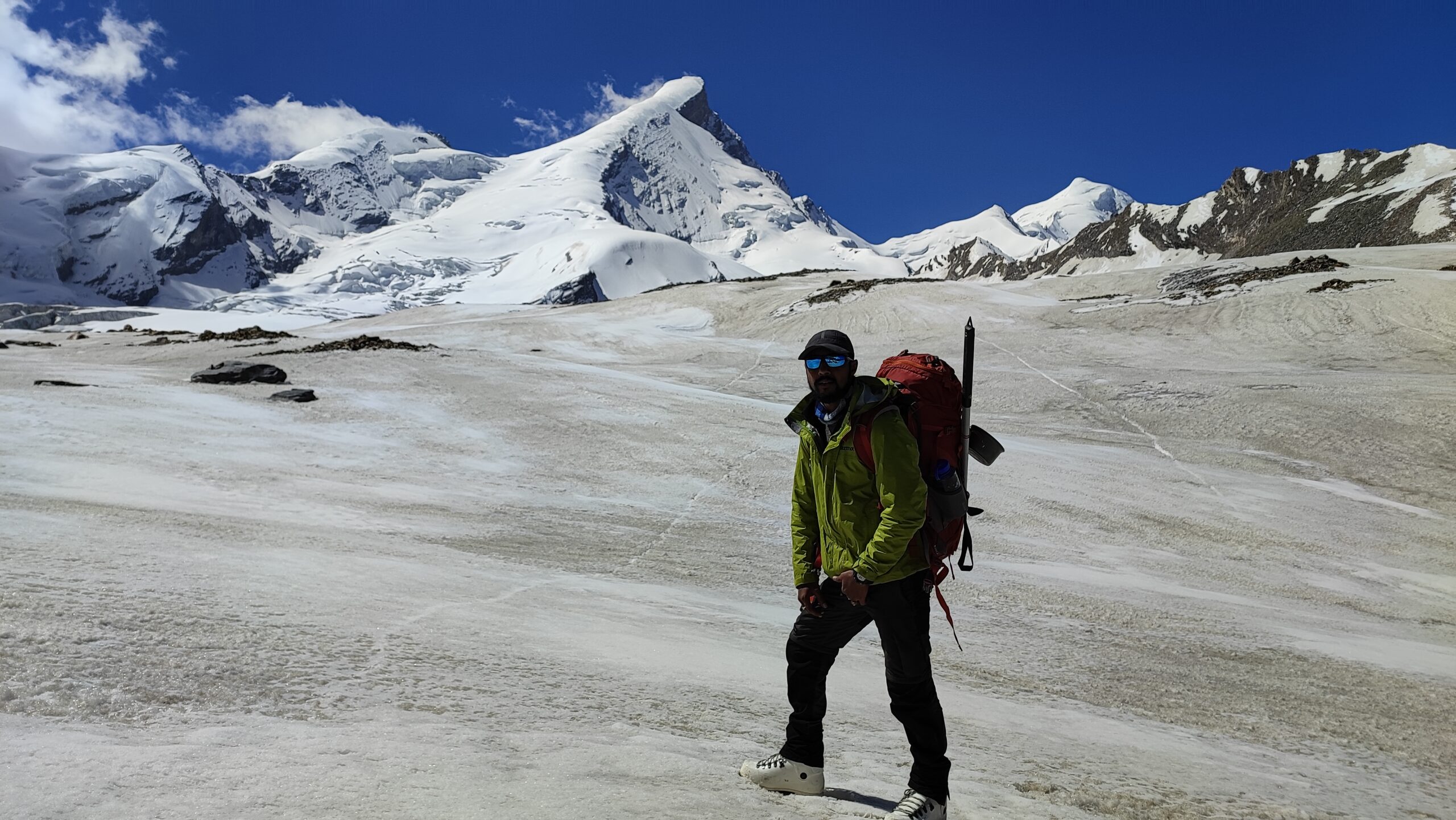
Many beginners underestimate how important footwear becomes at altitude.
A backpack can be adjusted. Clothing layers can be changed. But once you are on the mountain, your boots become your connection to the terrain itself.
Good climbing boots improve:
• Stability
• Energy efficiency
• Balance on uneven terrain
• Protection from cold
• Safety during technical movement
Bad boots create:
• Blisters
• Cold feet
• Poor traction
• Loss of confidence on technical terrain
• Increased fatigue
At high altitude, even small foot discomfort grows rapidly because recovery becomes slower and movement requires more effort.
A proper climbing boot does not just protect your feet—it protects your overall performance.
Understand the Difference Between Trekking Shoes and Climbing Boots
This is one of the most common mistakes beginners make.
Not every trekking shoe is suitable for mountaineering.
Trekking Shoes
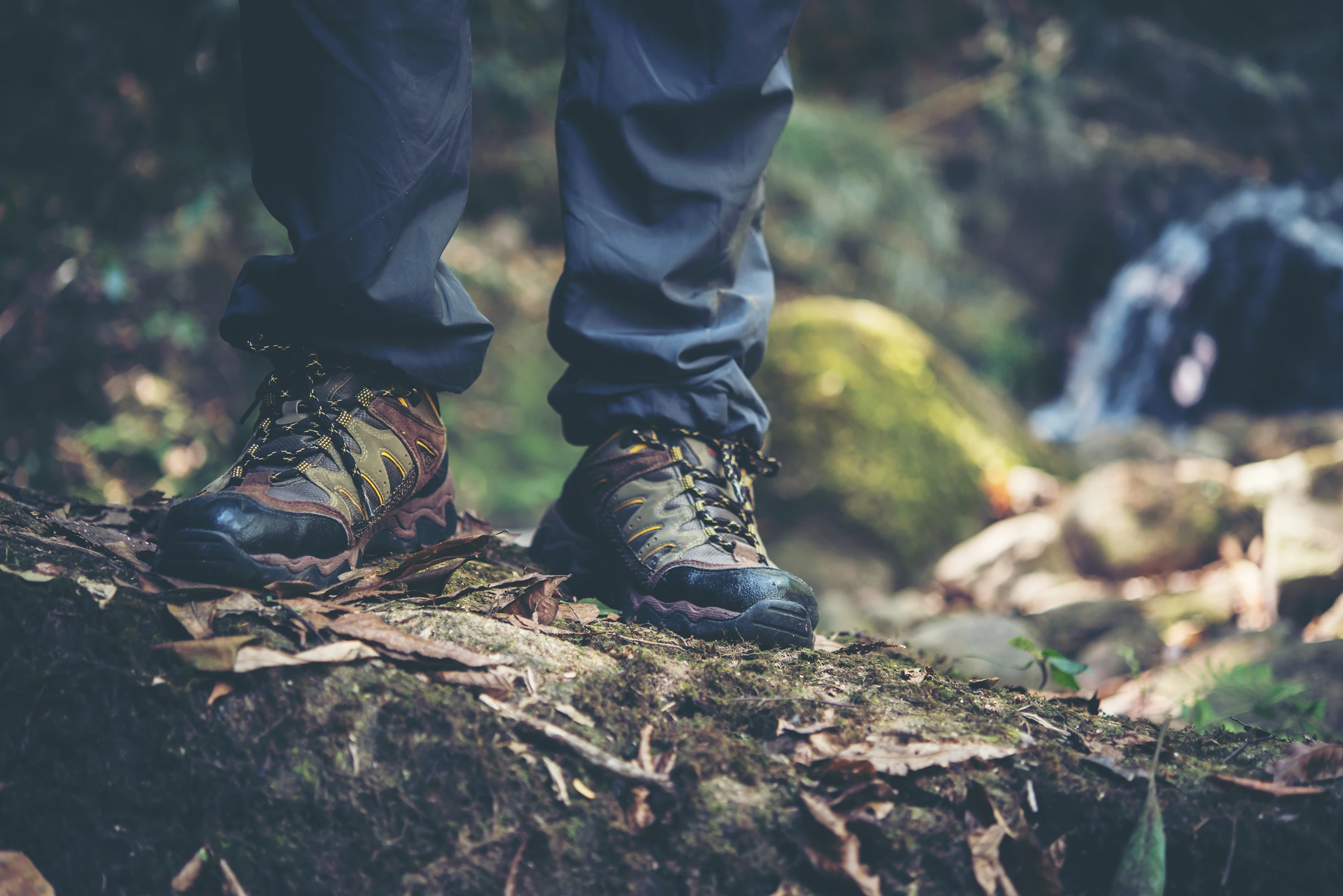
Trekking footwear is designed for:
• Long walking comfort
• Mixed trails
• Moderate load carrying
• Non-technical terrain
These are ideal for:
• Multi-day treks
• Forest trails
• Rocky approaches
• Moderate altitude routes
They prioritize comfort and flexibility.
Mountaineering Boots
Mountaineering boots are built differently.
They focus on:
• Insulation
• Stability on snow and ice
• Crampon compatibility
• Technical terrain movement
These boots are usually:
• Stiffer
• Heavier
• More insulated
• More protective
The purpose changes completely.
A trekking shoe is made for walking efficiently.
A climbing boot is made for surviving and performing in harsh alpine conditions.
Single Boots vs Double Boots
One of the most important decisions for high-altitude climbing is choosing between single and double boots.
Single Boots
Single boots are lighter and more flexible.
Best suited for:
• Trekking peaks
• Moderate snow conditions
• Lower altitude mountaineering
• Summer alpine climbing
Advantages:
• Lightweight
• Better walking comfort
• Less bulky
Disadvantages:
• Less insulation
• Slower drying
• Reduced warmth at extreme altitude
Double Boots
Double boots contain:
• Outer shell
• Removable insulated inner liner
These are designed for:
• High-altitude expeditions
• Winter climbing
• 6000m+ peaks
• Extremely cold conditions
Advantages:
• Excellent insulation
• Inner liner can dry inside sleeping bag
• Better protection against frostbite
Disadvantages:
• Heavier
• Bulkier
• Less flexible during approach trekking
During my first proper 6000m expedition, switching to double boots completely changed my confidence on snow and during cold summit pushes.
Lesson from Experience:
Cold feet destroy both morale and performance faster than most people expect.
Fit is More Important Than Brand
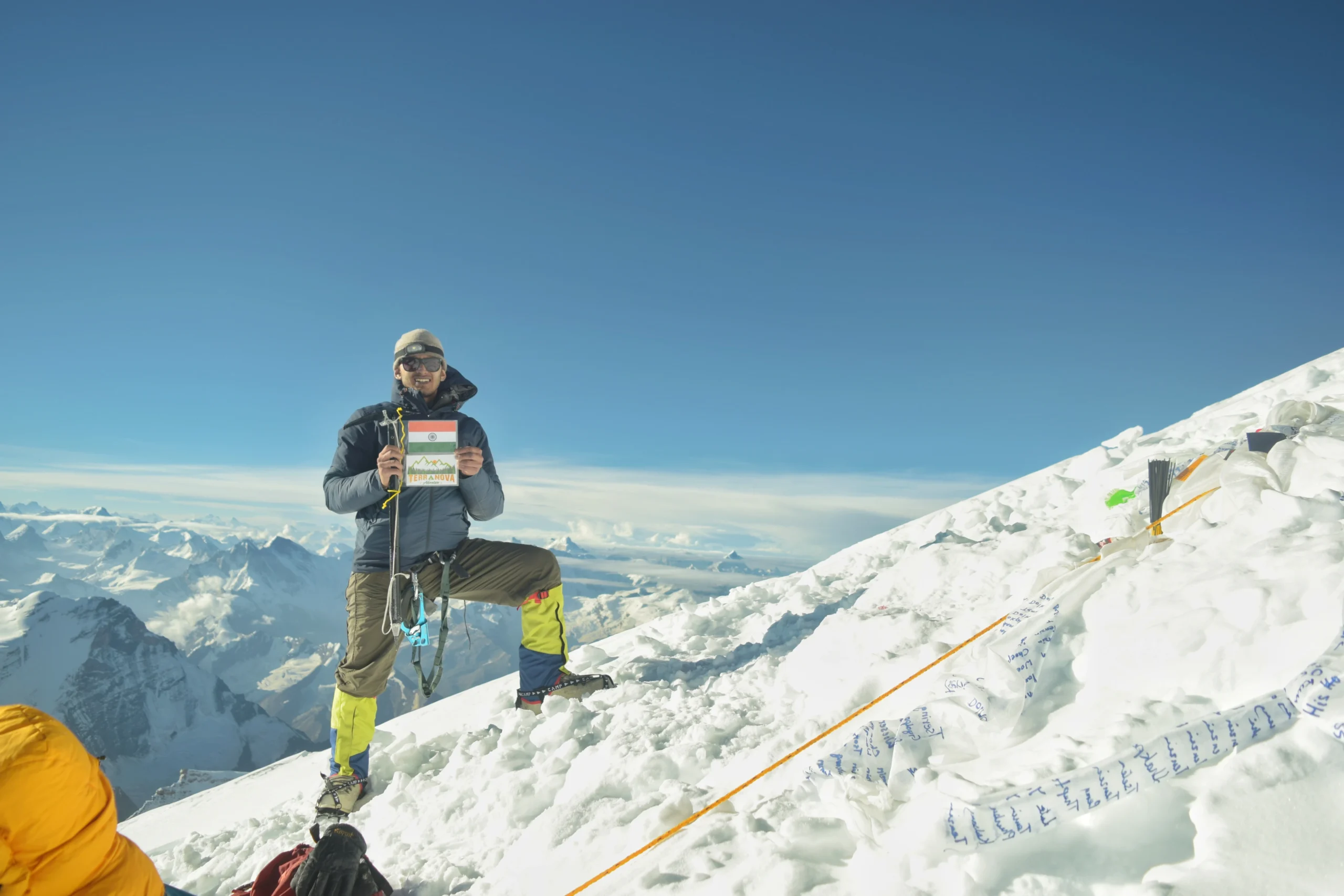
This is the single biggest mistake beginners make.
People often choose boots based on:
• Brand popularity
• Online reviews
• Appearance
• Recommendations from others
But climbing boots are highly personal.
A boot that works perfectly for one climber may feel terrible for another.
The correct fit depends on:
• Foot shape
• Toe width
• Arch structure
• Heel lock
• Sock system
A proper climbing boot should feel:
• Secure around the heel
• Spacious near the toes
• Stable during downhill movement
• Tight enough for control but not pressure
Toe Space is Extremely Important
At altitude, feet expand slightly due to continuous movement and reduced circulation efficiency.
If boots are too tight:
• Toenails get damaged during descent
• Blood circulation reduces
• Cold injuries become more likely
Your toes should have slight forward space without sliding aggressively during downhill movement.
One of my early mistakes was selecting a perfectly “snug” fit while standing casually in a store. During descent on a long expedition, constant toe pressure became painful.
Lesson from Experience:
A climbing boot should fit for movement—not showroom comfort.
Boot Stiffness and Why It Matters
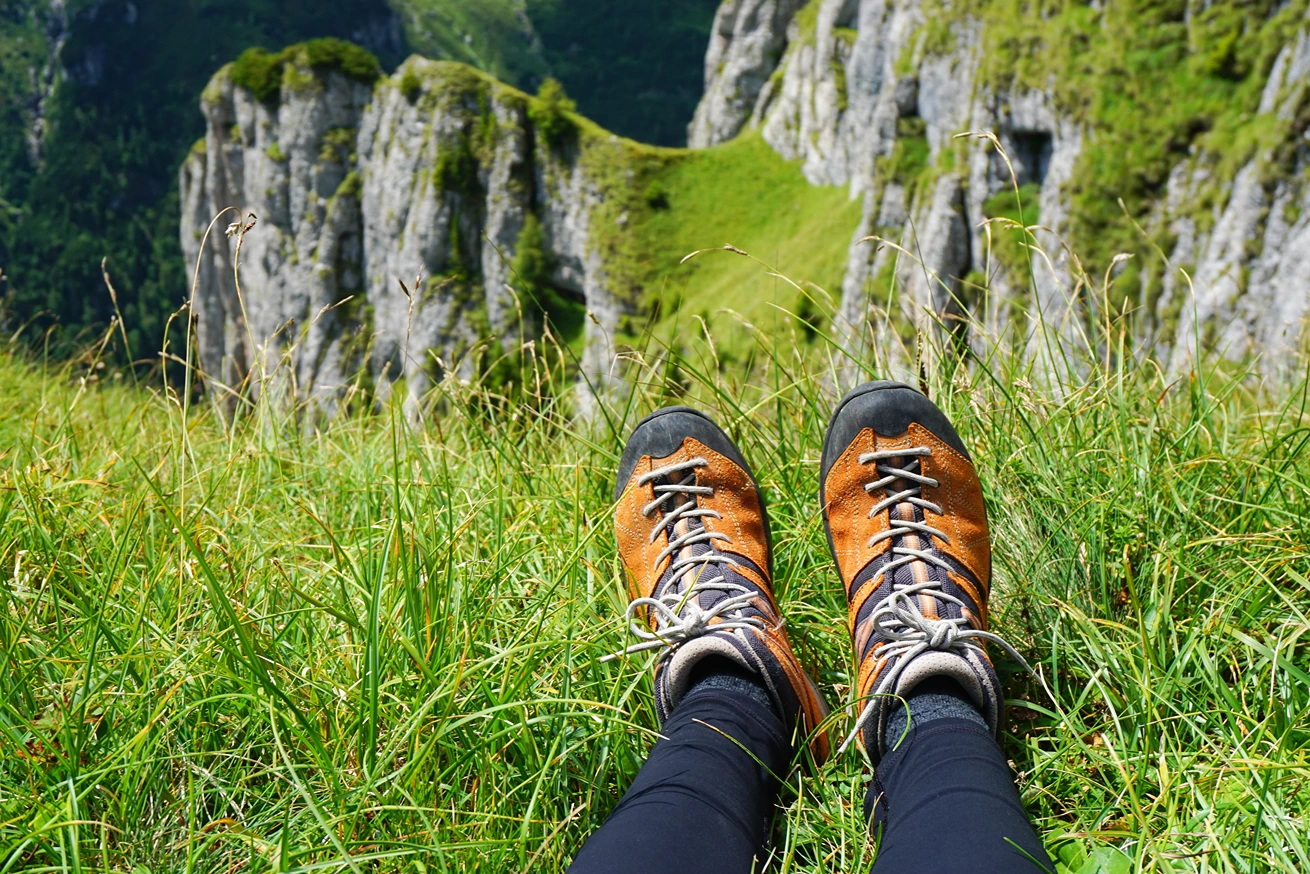
Mountaineering boots are intentionally stiffer than trekking shoes.
That stiffness serves multiple purposes:
• Better edging on snow and ice
• Improved crampon stability
• Reduced foot fatigue on steep slopes
Flexible trekking shoes bend naturally while walking.
Climbing boots prioritize support instead.
For technical climbing, stiffness improves safety and precision.
Crampon Compatibility
If your expedition involves snow or glacier terrain, crampon compatibility becomes critical.
Some boots support:
• Strap-on crampons
• Semi-automatic crampons
• Fully automatic crampons
Your boot type must match:
• Terrain difficulty
• Expedition requirements
• Climbing style
Improper crampon fit creates instability, which becomes dangerous on steep terrain.
Always test crampon compatibility before the expedition.
Insulation and Warmth
One of the biggest differences between trekking footwear and climbing boots is insulation.
At altitude, maintaining foot warmth becomes critical because:
• Blood circulation slows in cold conditions
• Wind chill increases rapidly
• Frostbite risk rises significantly above 6000m
Boot insulation should match:
• Altitude
• Season
• Temperature range
A boot that feels “too warm” in a city store may feel perfectly balanced during a summit push at -15°C.
Waterproofing: Essential but Limited
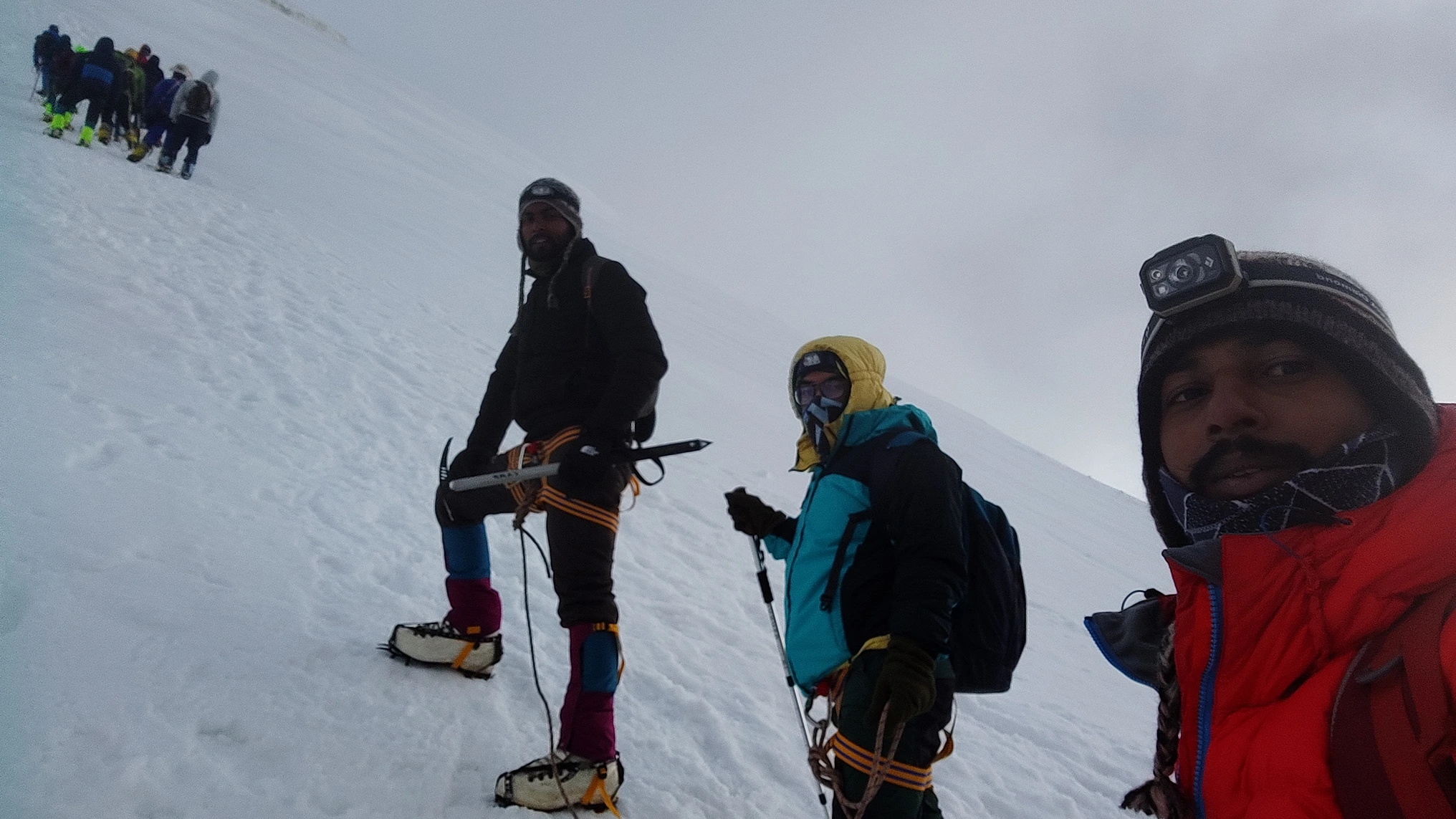
Most mountain boots include waterproof membranes, but climbers often misunderstand what this means.
Waterproof does not mean invincible.
During long glacier travel or continuous snowfall, moisture management still becomes important.
Use:
• Gaiters
• Proper socks
• Drying systems inside tents
On one expedition, wet socks combined with cold wind created severe discomfort despite waterproof boots.
Lesson from Experience:
Boots protect you only if your sock and moisture system is also managed properly.
Weight vs Protection
Lightweight boots feel comfortable initially, especially during approach trekking.
But lightweight systems usually reduce:
• Insulation
• Support
• Technical performance
Heavy boots increase:
• Warmth
• Stability
• Safety on technical terrain
Choosing between lightweight and protective systems depends on:
• Your objective
• Altitude
• Terrain type
For serious Himalayan expeditions, protection usually matters more than lightweight comfort.
Sock System Matters More Than People Think
Good boots alone are not enough.
Your sock system directly affects:
• Warmth
• Moisture control
• Blister prevention
A typical system includes:
• Thin moisture-wicking liner socks
• Thick insulated outer socks
Avoid cotton socks completely.
During long summit pushes, dry socks can completely change foot comfort and warmth.
Common Mistakes Beginners Make
Buying Boots Too Small
Beginners often prioritize snugness over downhill comfort.
Using New Boots Directly on Expedition
Unbroken boots create severe blister risk.
Choosing Style Over Function
Mountain performance matters more than appearance.
Ignoring Crampon Compatibility
Not every trekking shoe works safely with crampons.
Underestimating Cold
Lower-altitude trekking experience often creates false confidence.
Break-In Period is Essential
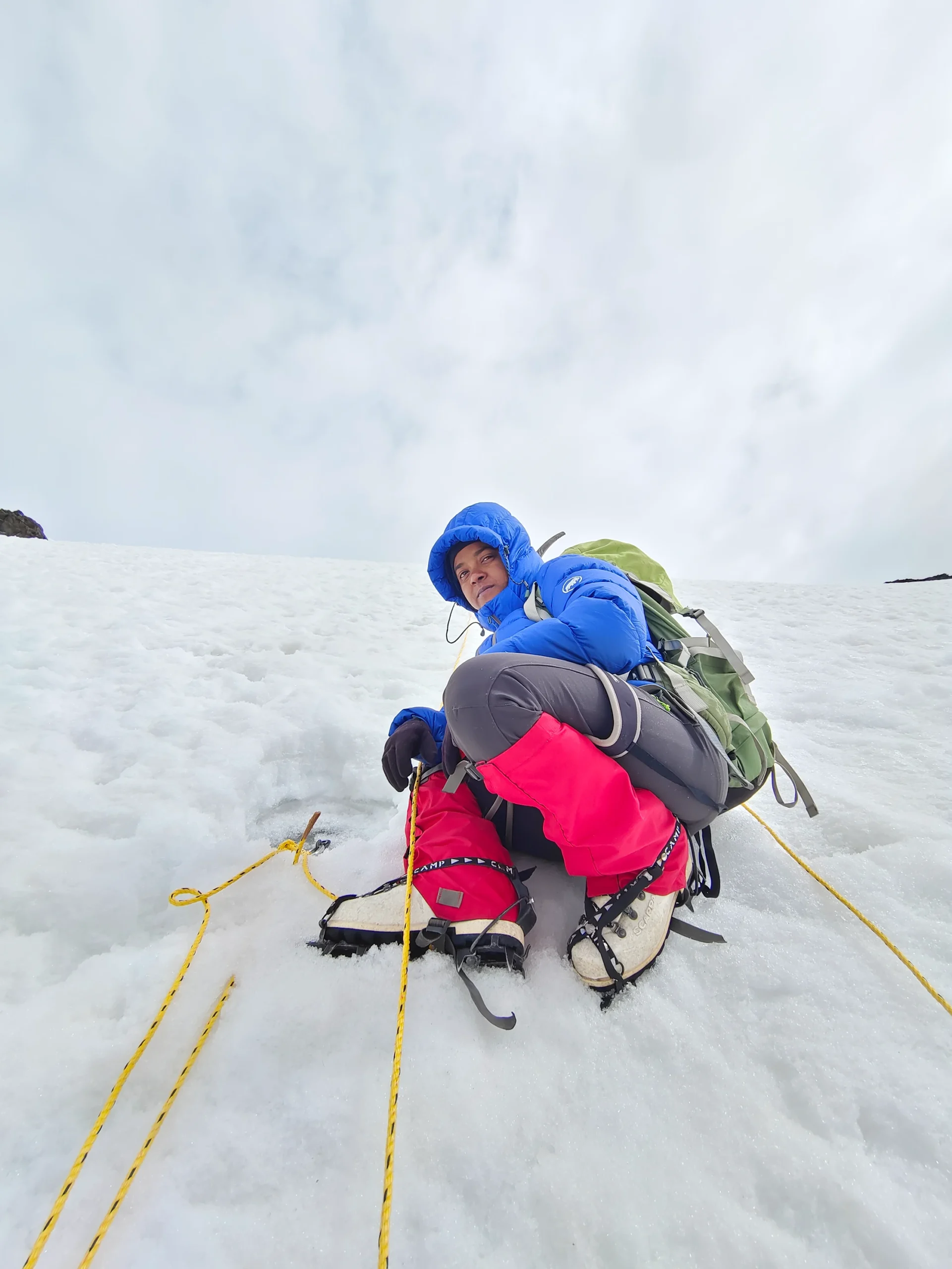
Never take completely new boots directly to a major expedition.
Boots must adapt to:
• Your foot movement
• Walking style
• Pressure points
Use them during:
• Practice hikes
• Stair training
• Weighted walks
This process reveals fitting issues early.
Renting vs Buying Climbing Boots
For first-time climbers, renting can be practical.
It helps understand:
• Boot category
• Sizing preferences
• Technical requirements
However, for serious mountaineering progression, investing in personal boots becomes important.
A well-fitted personal boot improves:
• Familiarity
• Confidence
• Technical efficiency
My Biggest Realization After Multiple Expeditions
Over time, I realized something important.
The best climbing boot is not necessarily the most expensive or technical one.
It is the boot that:
• Matches your mountain objective
• Fits your foot correctly
• Keeps your feet warm
• Allows stable movement for long durations
A good climbing boot quietly disappears during the climb because it works without demanding attention.
And that is exactly what mountain gear should do.
Final Tips Before Buying
Before selecting climbing boots:
• Try them with expedition socks
• Walk downhill while testing
• Wear them for extended time
• Check toe pressure carefully
• Test heel movement
• Understand your expedition needs
Never buy mountaineering boots based only on online recommendations.
Conclusion
Selecting the right climbing boot is one of the most important decisions a mountaineer makes.
The right pair improves balance, warmth, movement efficiency, and confidence in difficult terrain. The wrong pair slowly drains energy, damages comfort, and increases risk throughout the climb.
After multiple Himalayan expeditions, one lesson became very clear:
Mountains do not care how expensive your boots are.
They care whether your boots work when conditions become difficult.
And when you are standing on snow at high altitude in freezing wind, that difference matters more than almost anything else.