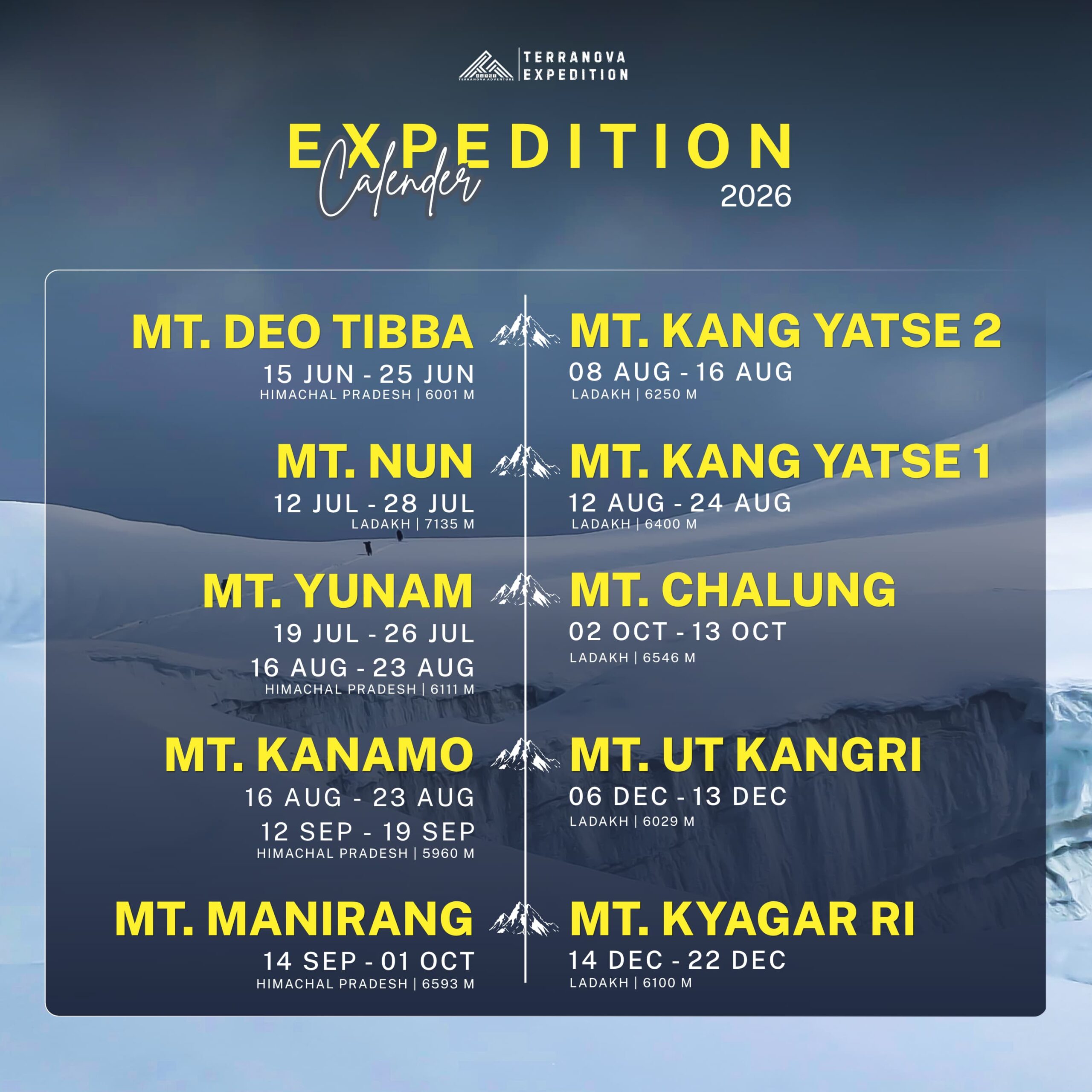
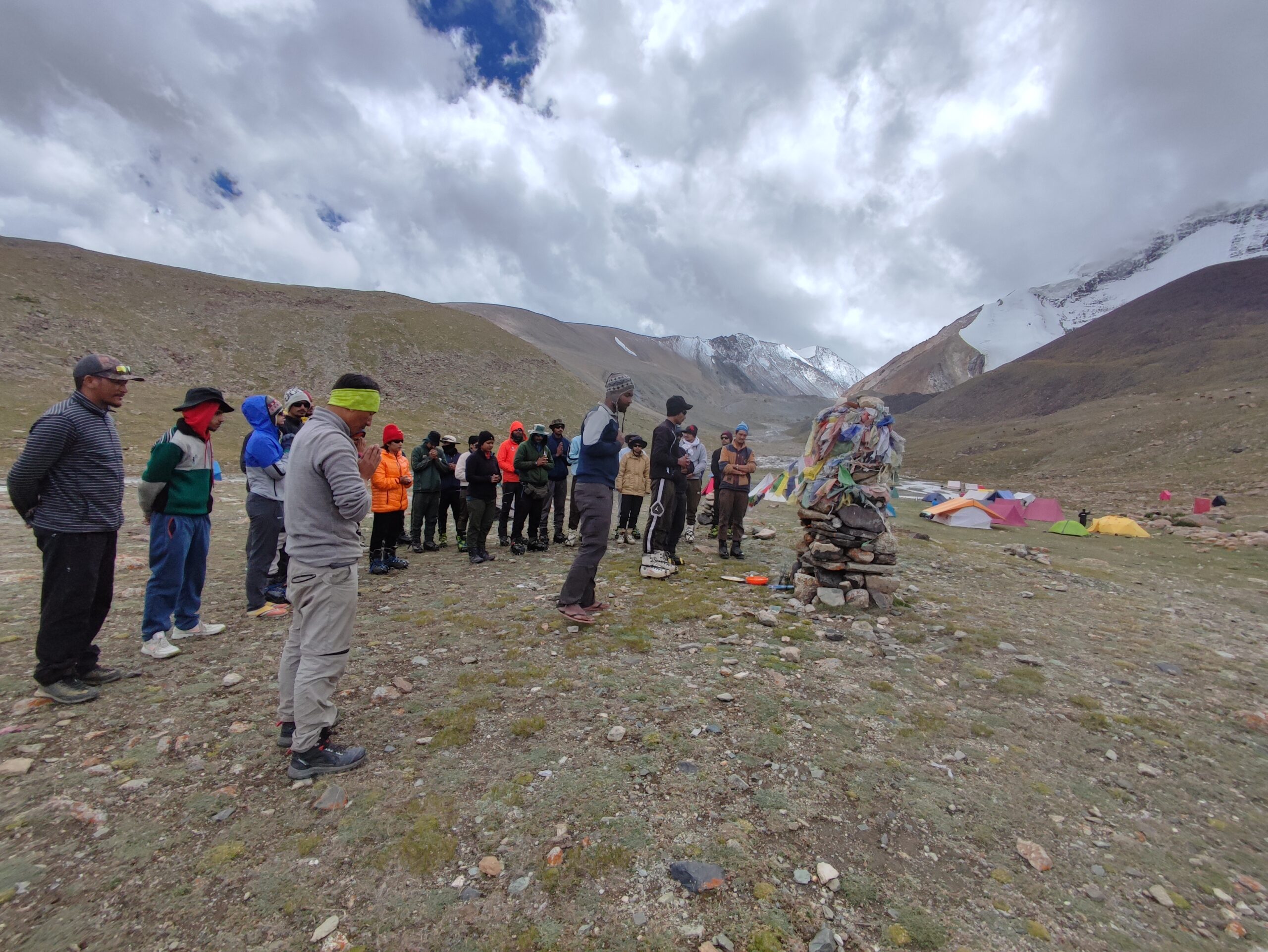
Every mountain leaves behind a lesson, but some leave behind a transformation. Kang Yatse II, rising to approximately 6,250 meters in the Ladakh Himalaya, was one of those mountains.
For many climbers, Kang Yatse II becomes their first real 6000-meter peak. It is often considered an ideal introduction to high-altitude mountaineering because it combines gradual acclimatization through the Markha Valley with a serious summit challenge. But despite its reputation as a beginner-friendly peak, the mountain does not give success easily.
This success story is not about luck or a perfect climb. It is about preparation, patience, and learning how to operate in an environment where every step above 6,000 meters feels earned.
The Beginning: A Goal That Felt Bigger Than Expected
The plan to climb Kang Yatse II initially felt exciting more than intimidating.
After completing multiple high-altitude treks and building basic mountaineering experience, attempting a first 6000-meter peak seemed like the natural next step. On paper, the route looked achievable. The altitude was serious but manageable, and the technical difficulty was moderate.
But as the expedition approached, the reality of the climb slowly became clearer.
This was no longer just trekking. This was an actual high-altitude expedition involving glacier travel, summit strategy, and sustained effort in thin air.
The excitement remained—but now it came with respect.
Lesson:
A mountain becomes real the moment you stop underestimating it.
Arriving in Leh: The First Adjustment
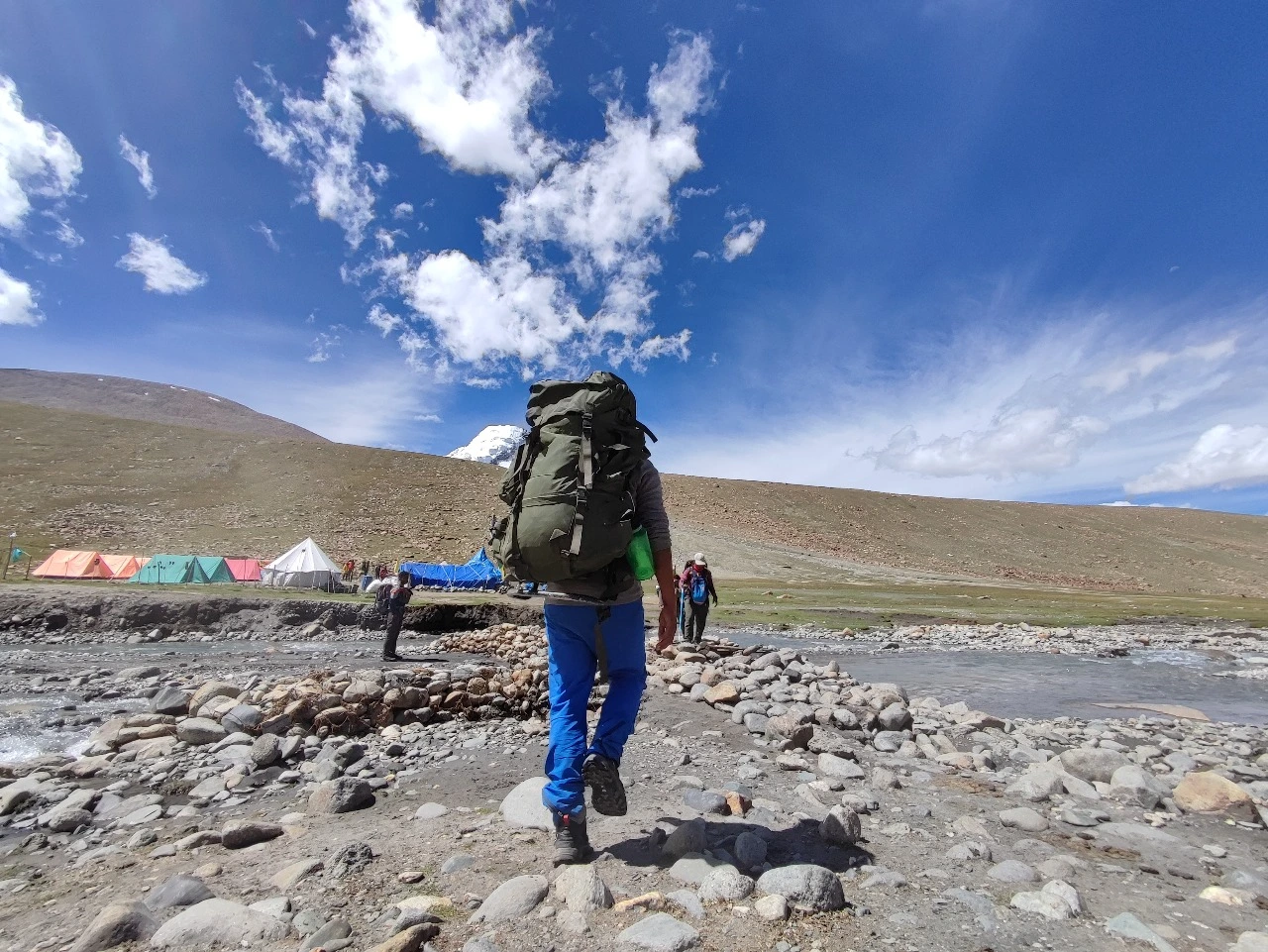
The expedition started in Leh, where acclimatization began immediately.
At around 3,500 meters, the effects of altitude appear faster than many people expect. Walking uphill felt slightly harder. Sleep became lighter. Hydration suddenly mattered more.
The first few days were intentionally slow. Instead of focusing on activity, the priority was allowing the body to adjust.
This phase felt simple, but it was one of the most important parts of the expedition.
Many climbers fail before the climb even starts because they ignore acclimatization during the early days.
Lesson:
The summit begins with how seriously you treat adaptation.
Markha Valley: Building the Foundation
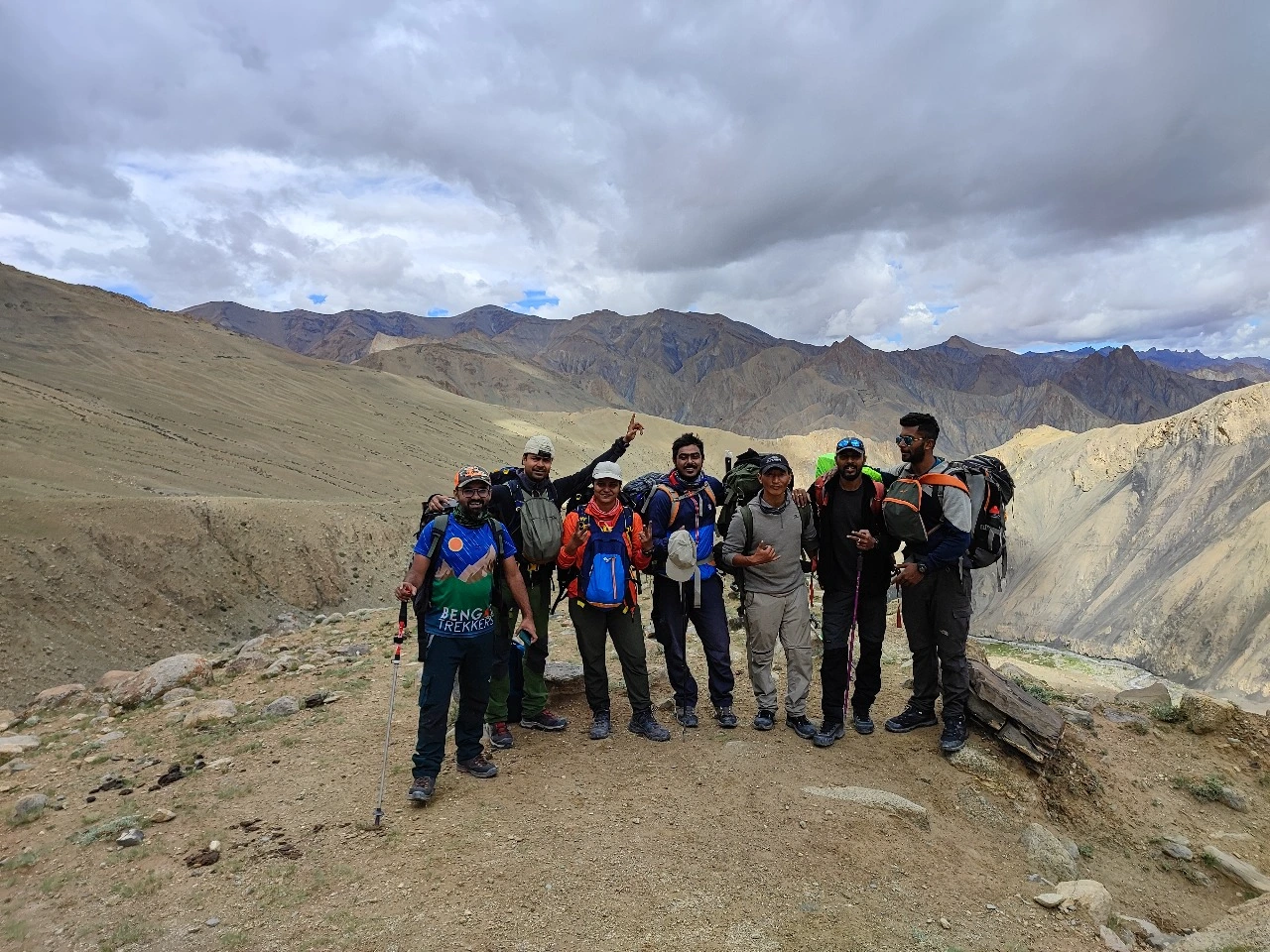
The journey through Markha Valley was one of the most beautiful sections of the expedition, but it was also strategic.
Every day on the trek was designed to gradually expose the body to increasing altitude. The landscape shifted from villages and green valleys to dry alpine terrain and vast mountain views.
The trekking itself was not technically difficult, but maintaining consistency over multiple days became important. Fatigue built slowly, and recovery at altitude took longer than expected.
What worked well during this phase was controlled pacing. Instead of trying to walk faster, the focus remained on maintaining rhythm and conserving energy.
This made a major difference later in the climb.
Lesson:
At altitude, consistency beats intensity every time.
Base Camp: The Shift from Trekking to Mountaineering
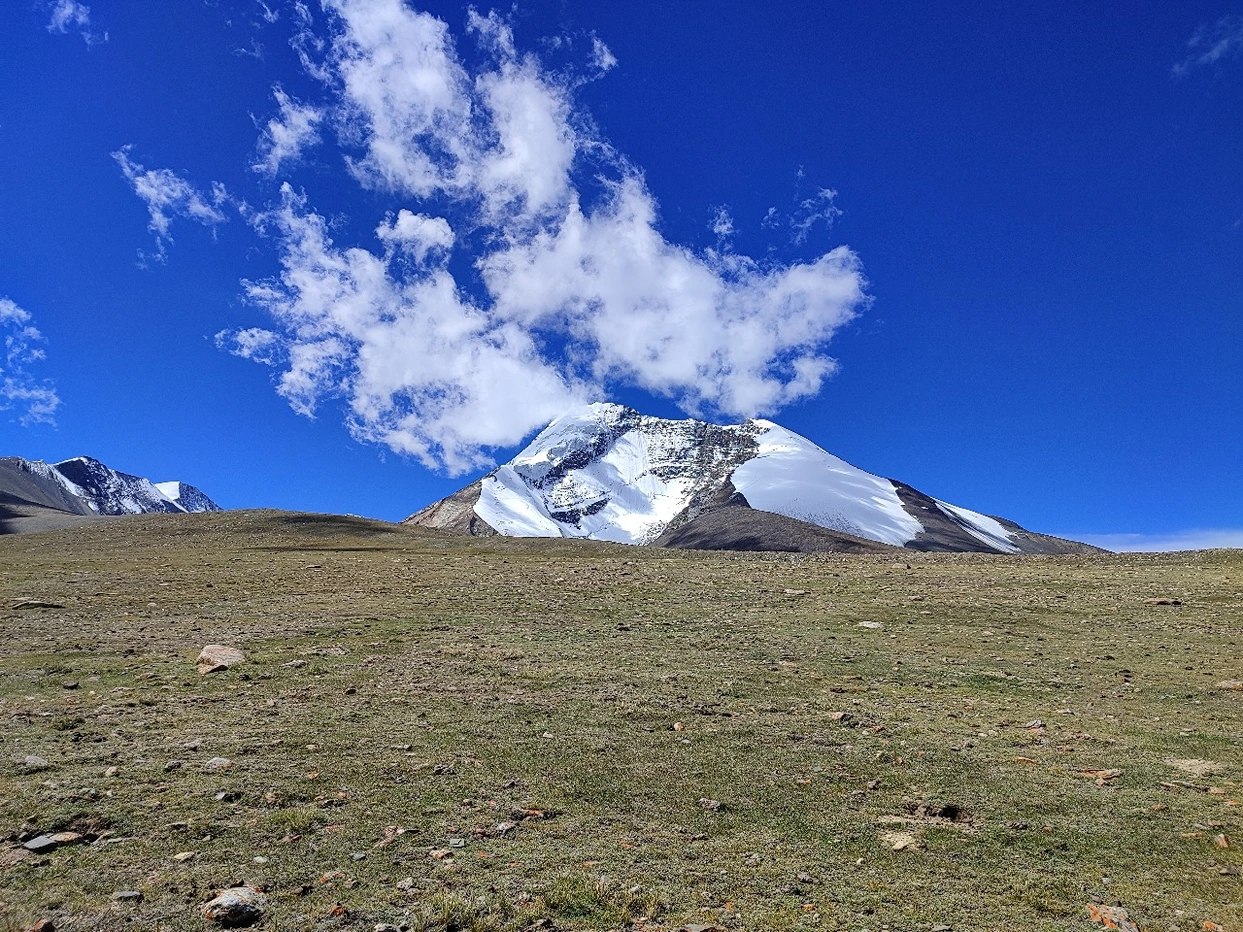
Reaching base camp changed the atmosphere completely.
The mountain now dominated the landscape. Snow slopes and glacier sections were visible ahead, and the environment felt colder and more exposed.
This was where mountaineering systems became part of daily routine.
Training sessions with crampons and ice axes began. Rope movement was practiced again. Gear checks became more detailed.
Even basic tasks started requiring more effort because of the altitude.
The psychological shift was equally noticeable. The climb no longer felt distant—it felt immediate.
Lesson:
Base camp is where ambition becomes responsibility.
Acclimatization Rotations: The Hidden Key to Success
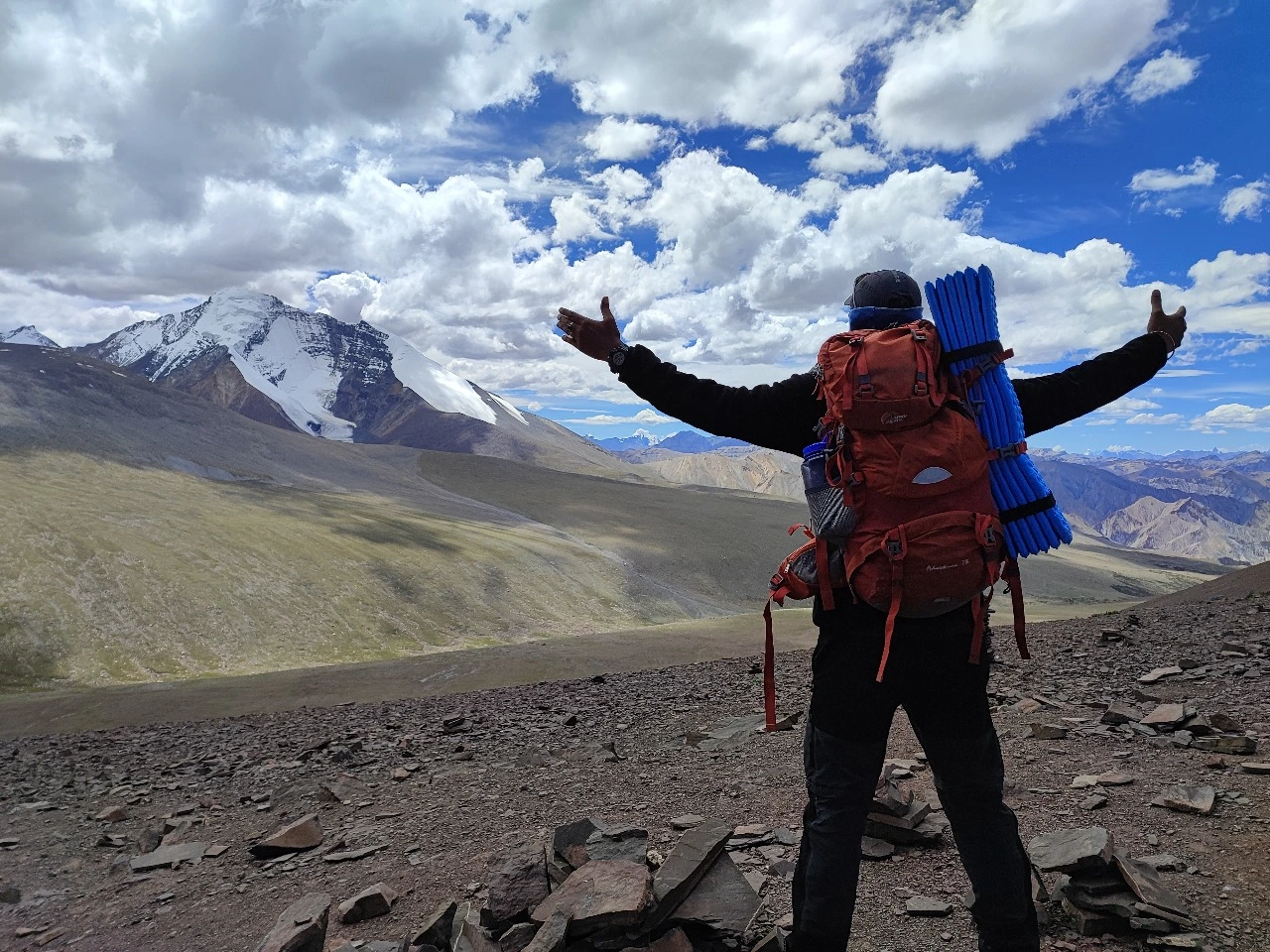
Before moving to higher camp, load carries and acclimatization rotations were completed.
These days were exhausting. Carrying weight uphill at altitude exposed weaknesses quickly. Breathing became heavier, and energy dropped faster than expected.
But this phase was critical.
The body slowly adapted to thinner air, and movement started feeling more controlled. Confidence improved because the terrain became familiar.
What initially felt repetitive eventually became the strongest foundation for summit success.
Lesson:
The mountain rewards patience more than aggression.
High Camp: Where Everything Slows Down
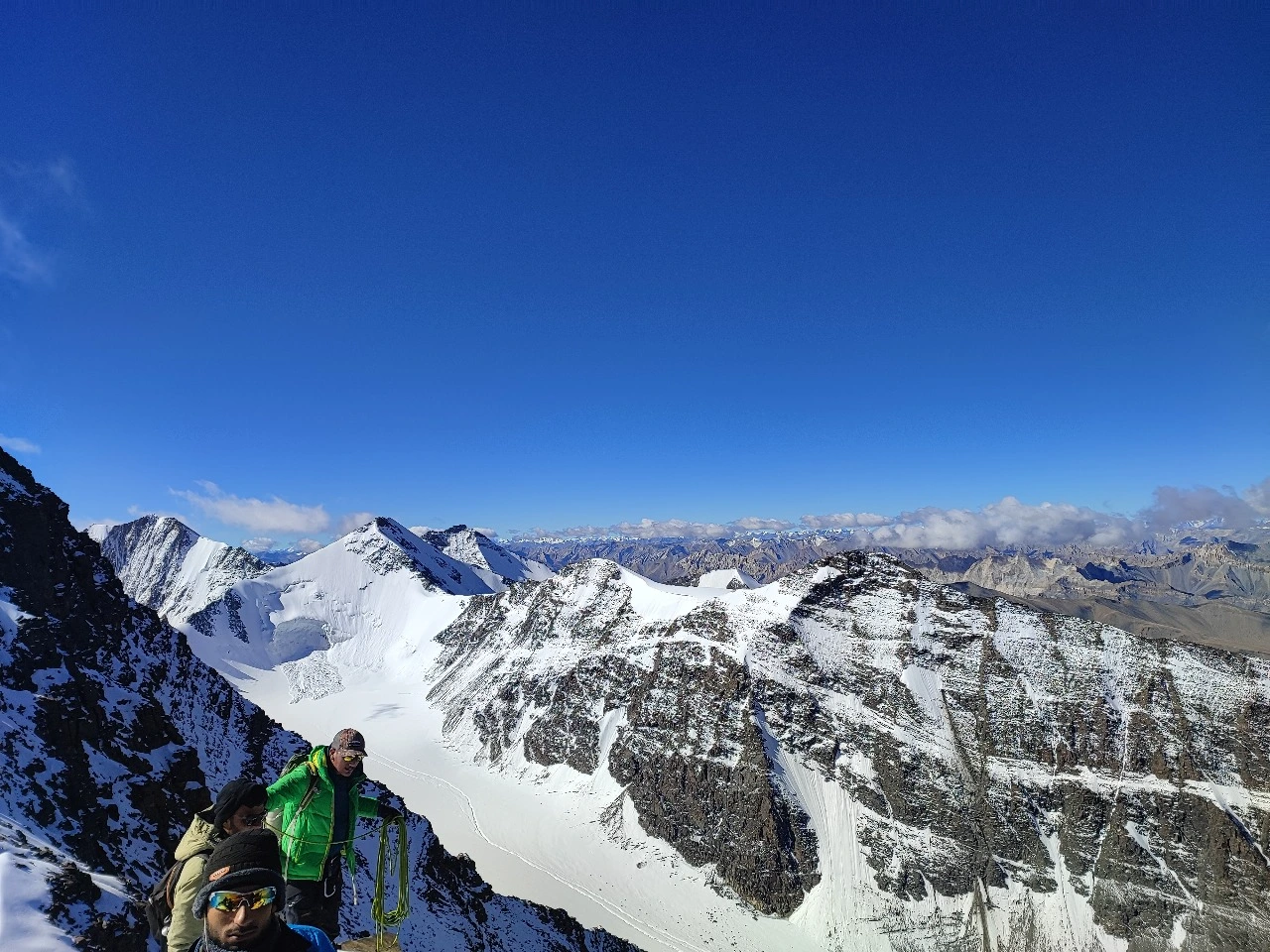
Moving to high camp introduced a completely different level of challenge.
At this altitude, even simple actions felt slow. Packing gear, melting water, and stepping outside the tent all required effort.
The environment became quieter. Everyone focused inward.
There was a clear understanding among the team that summit day would not be easy.
Preparation became more deliberate—layers organized carefully, gloves checked repeatedly, hydration forced even when there was no thirst.
Sleep was minimal, but mentally, the team was ready.
Lesson:
At high altitude, preparation reduces stress more than motivation does.
Summit Push: One Step at a Time
Summit day started in darkness.
The temperature was brutally cold, and movement felt heavy from the very beginning. But the team maintained a steady rhythm.
The route involved snow slopes and glacier sections where crampons were essential. Technically, the climb was manageable—but altitude amplified everything.
Above 6,000 meters, breathing became the main focus. Every step required conscious effort.
There were moments where the summit felt impossibly far away. The body wanted rest more than progress.
But instead of thinking about the top, the focus shifted to smaller goals—the next section, the next break, the next controlled step.
That mindset changed everything.
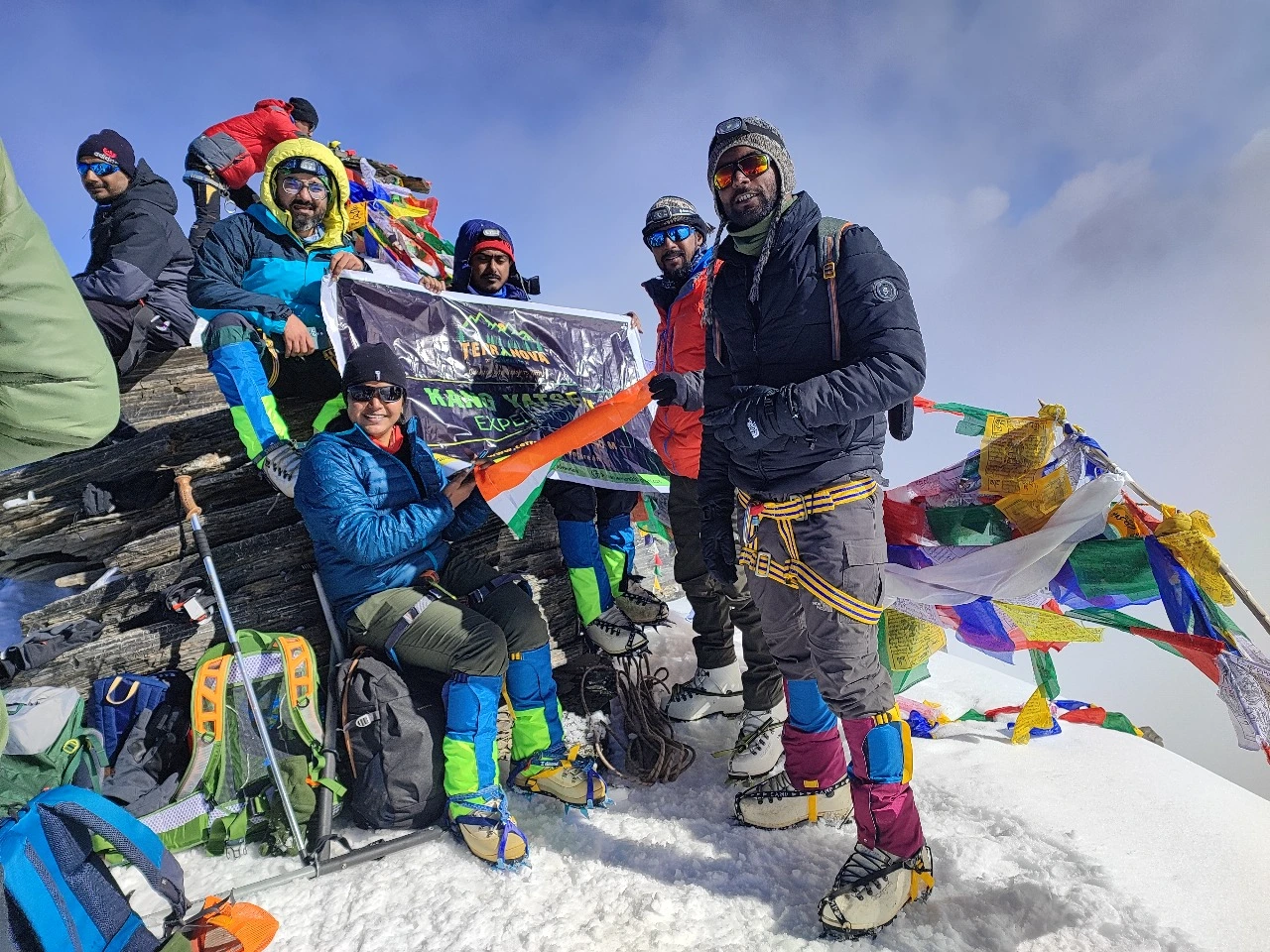
Eventually, after hours of slow and steady movement, the summit ridge appeared.
And then suddenly, the summit itself.
There was no dramatic celebration. Just silence, exhaustion, and the realization that the climb had succeeded because the process was respected.
Lesson:
Big summits are reached through small, disciplined actions repeated consistently.
The Descent: Protecting the Success
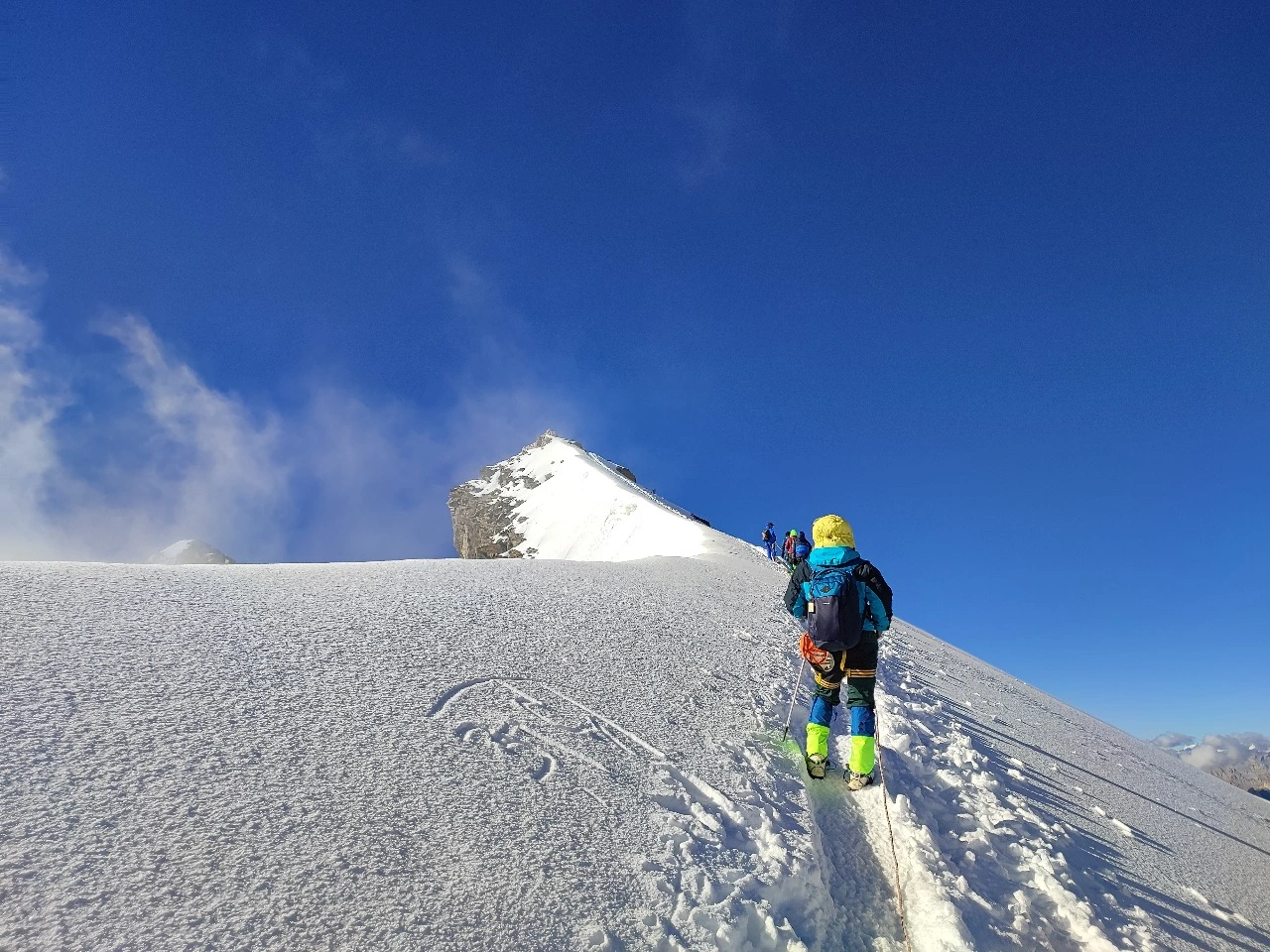
The descent from Kang Yatse II was physically harder than expected.
The body was exhausted, and concentration naturally started dropping. But this was exactly when discipline became most important.
Descending on snow with tired legs required careful movement. The pace remained controlled, and unnecessary risks were avoided.
The summit had already been reached—but the expedition was not yet complete.
Reaching high camp safely felt just as satisfying as reaching the summit itself.
Lesson:
In mountaineering, safe return is part of success.
What Made This Expedition Successful
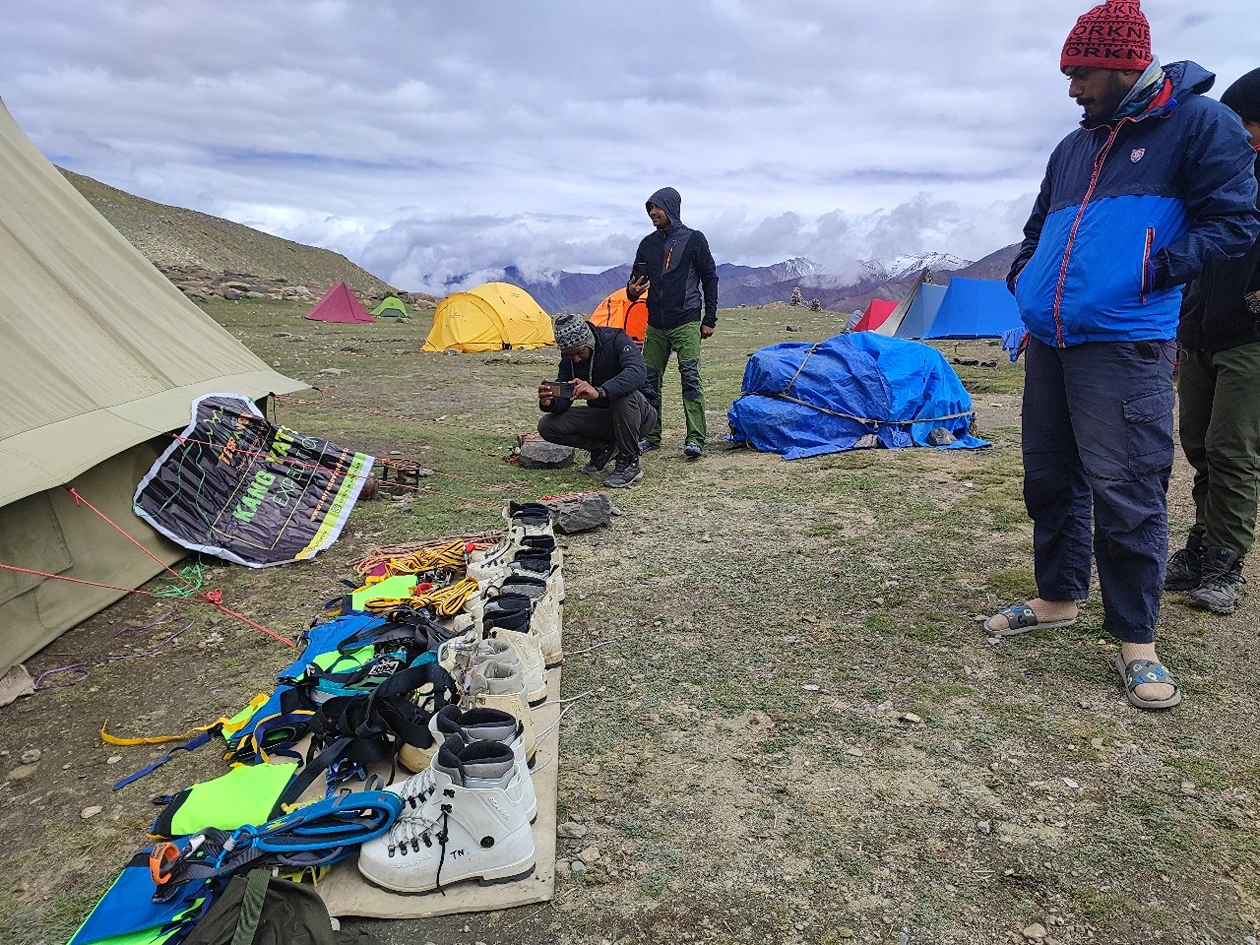
The success of this climb was not based on fitness alone.
It came from respecting acclimatization, pacing correctly, staying hydrated, and making careful decisions throughout the expedition.
There was no rushing. No unnecessary pressure. No obsession with speed.
The focus remained on process rather than outcome.
That approach made the summit possible.
Mistakes That Could Have Changed the Outcome
There were still mistakes along the way.
Hydration was occasionally neglected during colder sections. Some unnecessary gear added extra weight. Early in the trek, energy was wasted by walking slightly faster than needed.
These mistakes were small—but at altitude, small inefficiencies become larger problems.
Fortunately, they were corrected early.
Lesson:
At high altitude, small mistakes grow quickly. Correct them immediately.
What Kang Yatse II Teaches You
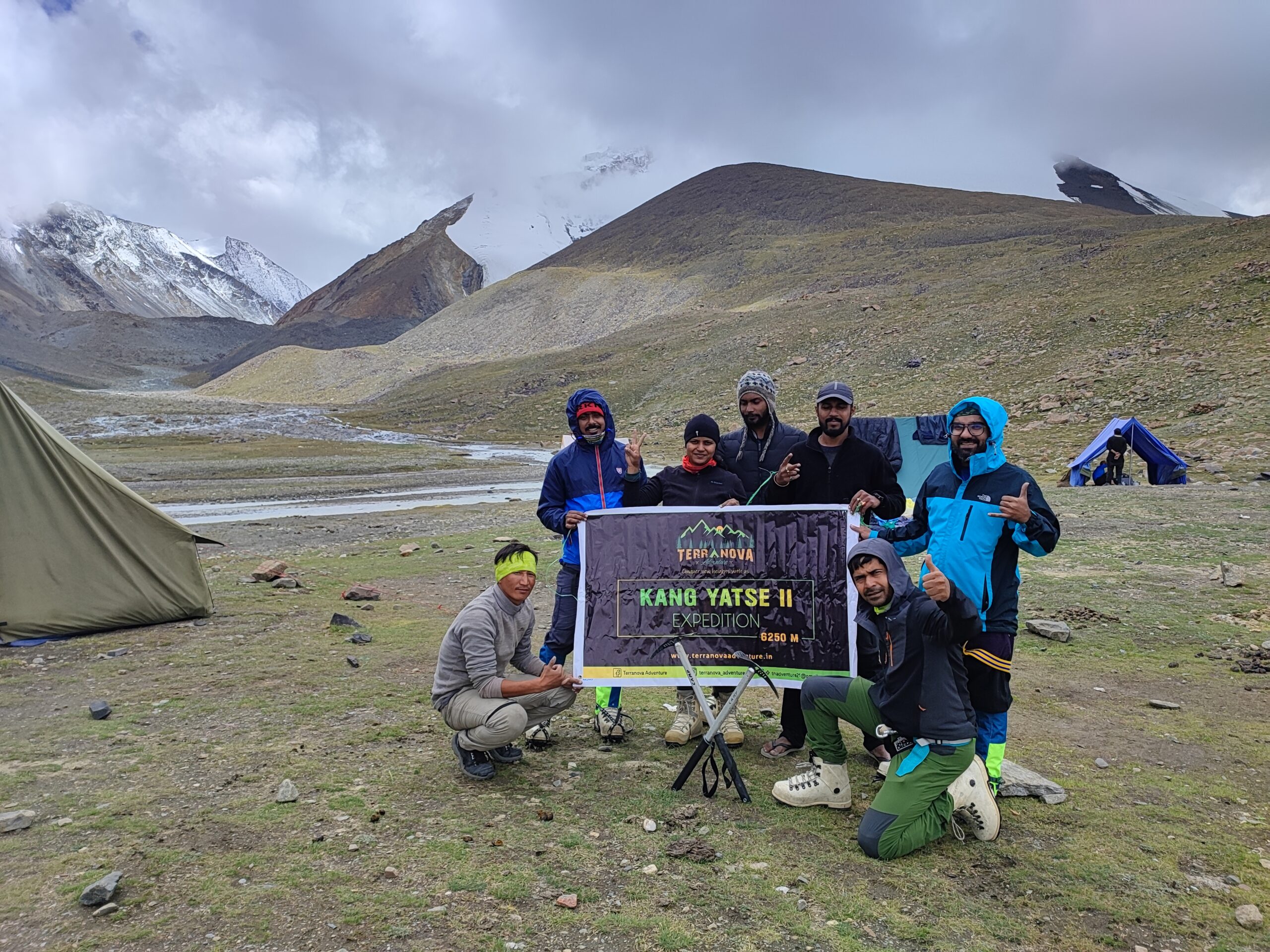
Kang Yatse II teaches climbers how to function in the high mountains.
It teaches pacing, breathing, and energy management. It introduces the psychological side of mountaineering—the moments where progress slows and patience becomes more important than strength.
It also teaches humility.
No matter how prepared you are, the mountain controls the conditions. Your job is to adapt intelligently.
Who Should Attempt Kang Yatse II?
Kang Yatse II is ideal for:
• Trekkers transitioning into mountaineering
• Climbers attempting their first 6000m peak
• Individuals with prior high-altitude trekking experience
• Those looking for a balanced combination of altitude and manageable technical terrain
It is one of the best learning peaks in the Indian Himalaya.
Final Takeaways
This expedition proved that success in mountaineering is not easy.
It is built through discipline, patience, and repeated good decisions.
Kang Yatse II did not just offer a summit—it offered understanding.
Understanding of altitude. Understanding of limits. Understanding of preparation.
And most importantly, understanding that mountains are not conquered.
They are respected.
Conclusion
The success story of Kang Yatse II was never about standing on top for a photograph.
It was about everything that happened before that moment—the preparation, the acclimatization, the controlled pace, and the discipline to keep moving even when the body resisted.
That is what made the summit meaningful.
Because in the Himalayas, success is not measured only by reaching the top.
It is measured by how wisely you climb, how safely you return, and how much the mountain changes you in the process.