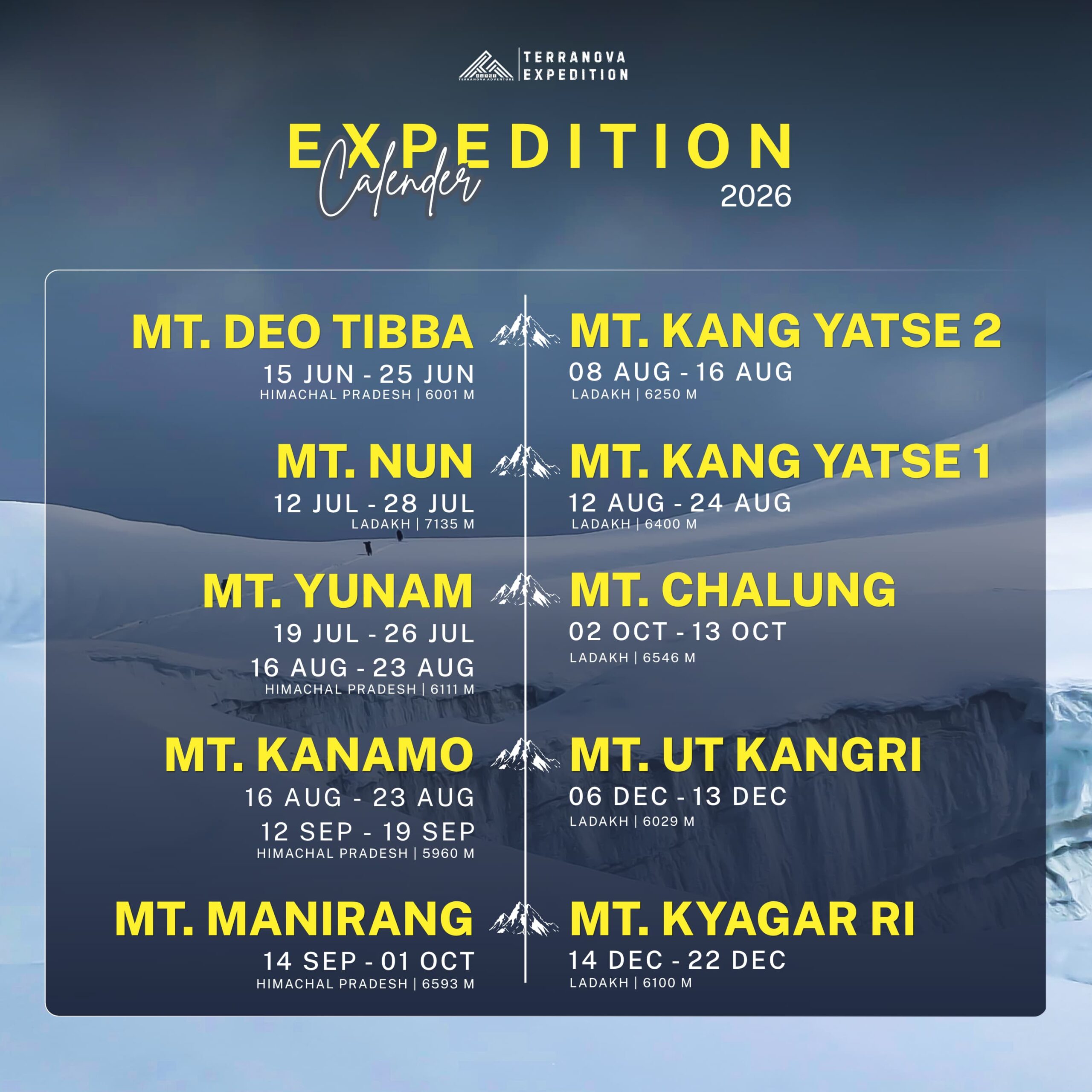
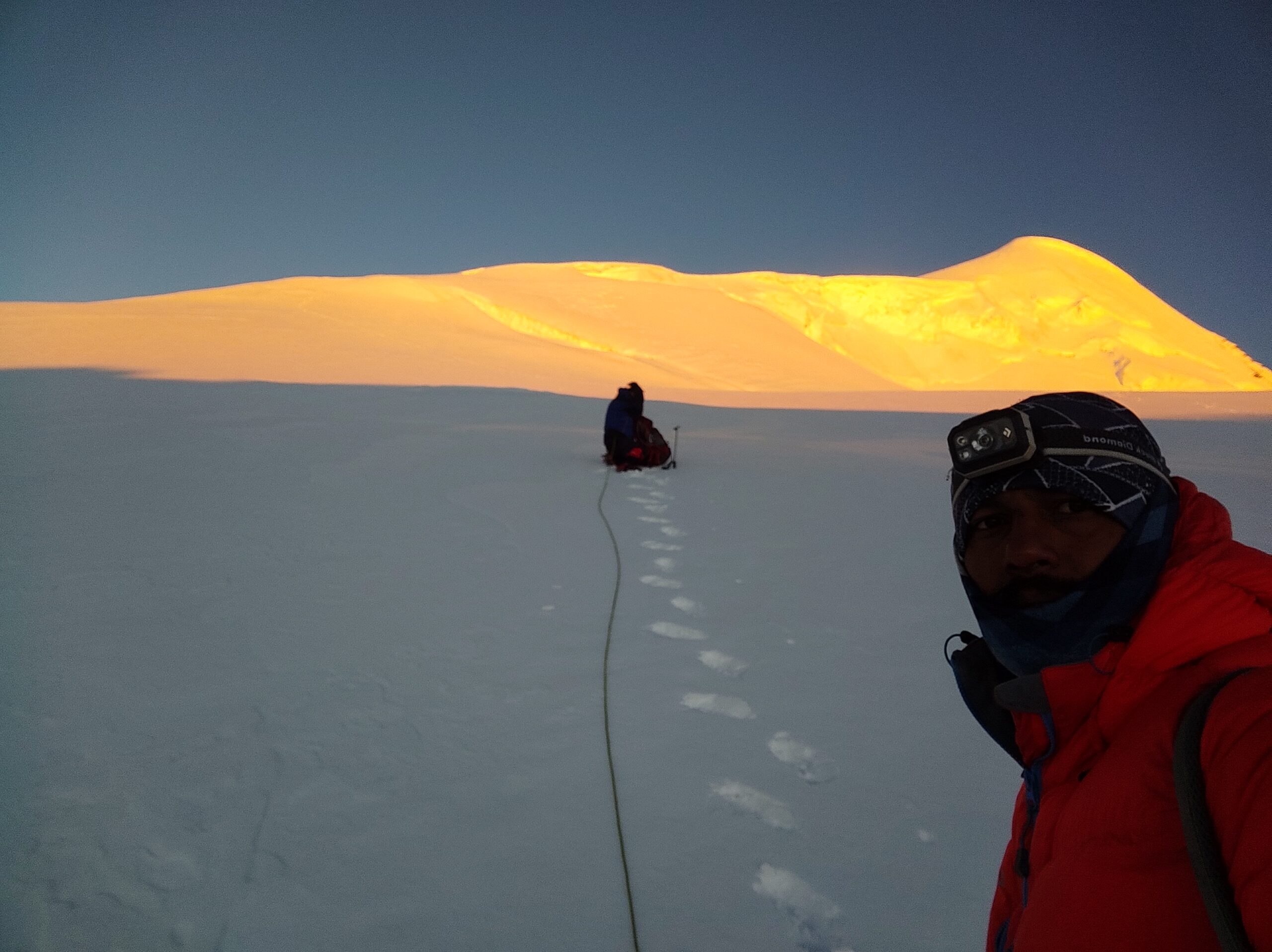
Mountaineering in India is not just an adventure—it is a progression into one of the most demanding and rewarding disciplines in the outdoor world. The Indian Himalayas offer an extraordinary range of climbing opportunities, from beginner-friendly trekking peaks to highly technical alpine objectives. However, what defines a successful climb in this region is not just the mountain you choose, but the team you choose to climb with.
For most climbers, especially those entering high-altitude mountaineering, the difference between a safe, well-executed expedition and a risky, uncertain experience comes down to planning, leadership, and support systems. This is where professional expedition operators play a critical role.
Terranova Expeditions positions itself within this space as a company focused on structured climbing experiences, safety-first protocols, and long-term mountaineering progression. Rather than treating expeditions as one-time adventures, the approach is built around developing climbers who understand the mountains, respect the risks, and grow with each climb.
This information provides a detailed look at what mountaineering in India involves and how a structured expedition approach—like the one followed by Terranova—can significantly improve both safety and overall experience.
Why Choose India for Mountaineering?
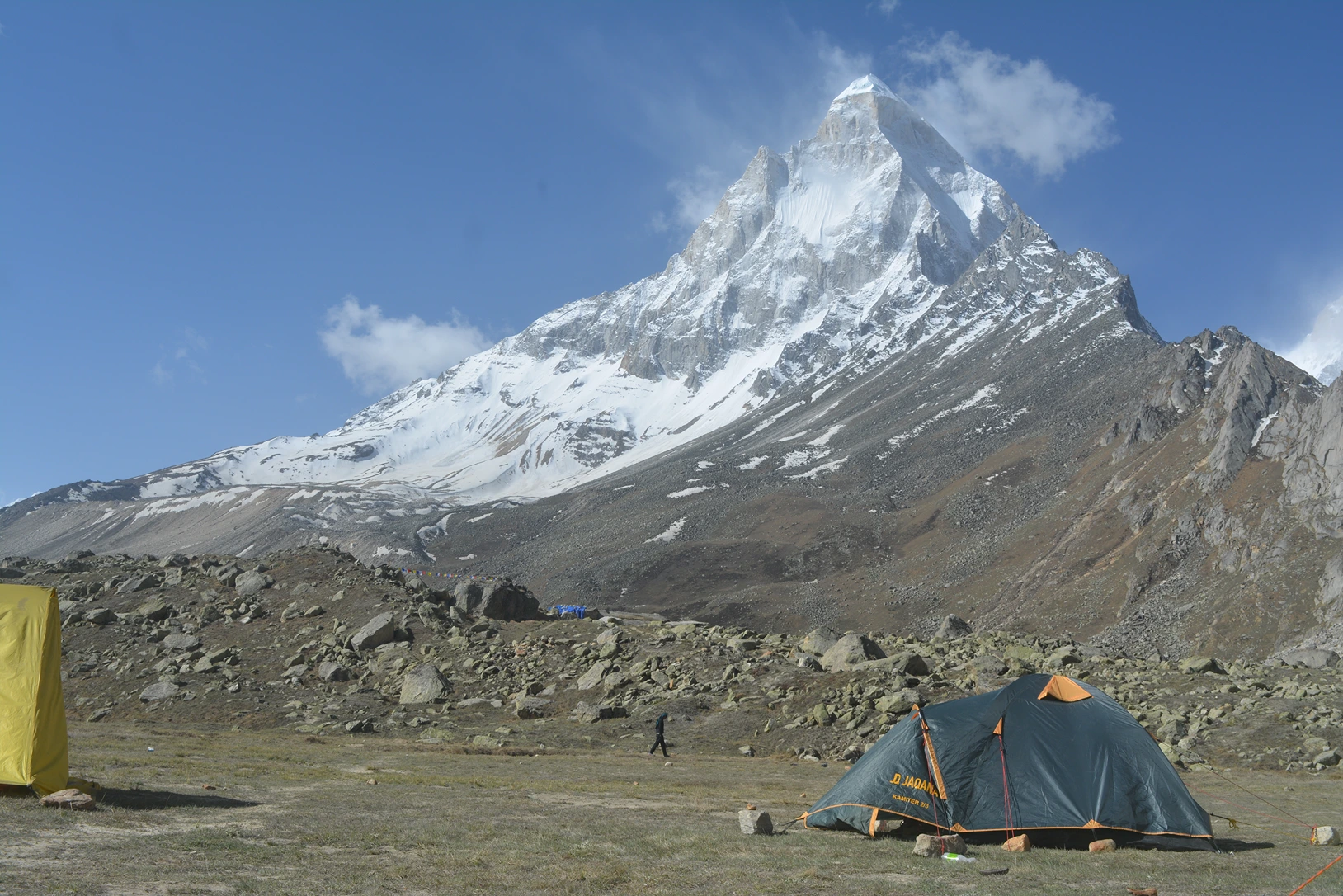
India offers one of the most diverse mountaineering landscapes in the world. The Himalayan range within Indian territory spans multiple regions, each with its own terrain characteristics, climate patterns, and climbing challenges.
The Garhwal and Kumaon Himalayas in Uttarakhand are known for their technical peaks, glacier systems, and classic expedition routes. These regions host some of the most respected mountaineering objectives, including both beginner-friendly and highly technical climbs.
Himachal Pradesh offers a mix of accessibility and challenging terrain. Peaks in this region often combine trekking approaches with glacier climbing, making them suitable for climbers transitioning from trekking to mountaineering.
Ladakh provides a completely different environment. Its dry, high-altitude terrain allows climbers to gain altitude quickly while dealing with extreme cold and exposure. The region is particularly suitable for acclimatization-focused climbs and altitude training.
What makes India especially valuable for climbers is the range of progression it offers. A climber can start with trekking peaks, move on to 6000-meter objectives, and eventually attempt more technical and higher-altitude expeditions—all within the same country.
The Terranova Expedition Approach
Mountaineering is not just about reaching a summit. It is about managing risk, building systems, and executing a plan in an unpredictable environment. Terranova’s approach to expeditions is built around this understanding.
The focus is on structured progression. Climbers are encouraged to choose objectives that match their current skill level rather than jumping directly into high-risk climbs. This ensures that each expedition becomes a learning experience rather than a trial by error.
Another key aspect is the emphasis on small, controlled teams. Smaller groups allow for better monitoring of individual performance, more efficient movement, and clearer communication. This directly improves safety and decision-making on the mountain.
Training and preparation are integrated into the expedition process. Climbers are not just guided—they are taught. Basic techniques, gear usage, and movement strategies are often reinforced during the climb, especially at base camp and acclimatization stages.
This approach creates a balance between guided support and individual responsibility, which is essential for long-term growth in mountaineering.
Range of Expeditions Offered
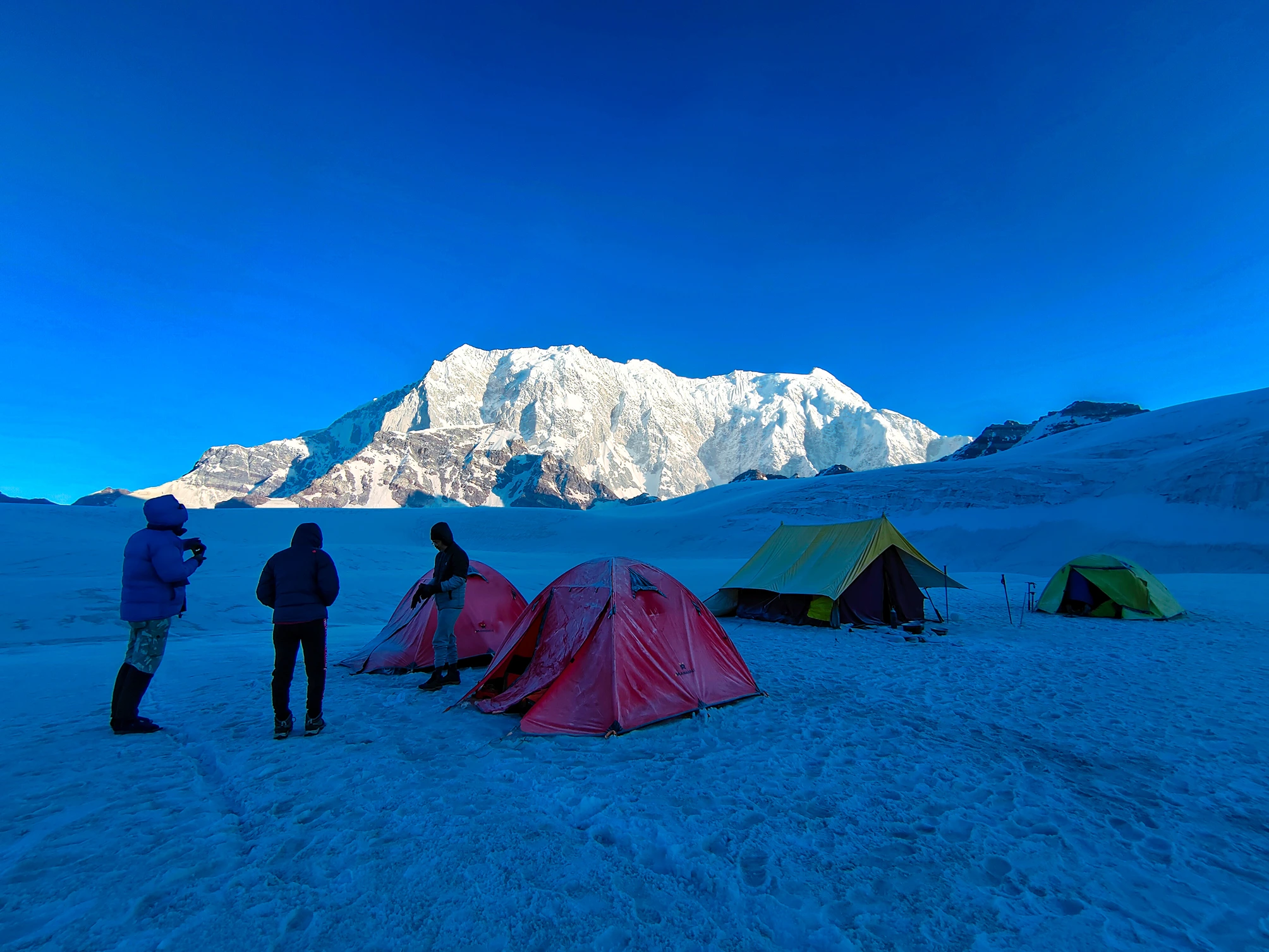
Mountaineering in India is not a single category—it spans multiple levels of difficulty, and Terranova’s expedition structure reflects this progression.
At the entry level, climbers can begin with trekking peaks, which introduce basic mountaineering techniques such as crampon walking and rope usage. These climbs focus on building confidence and understanding high-altitude environments.
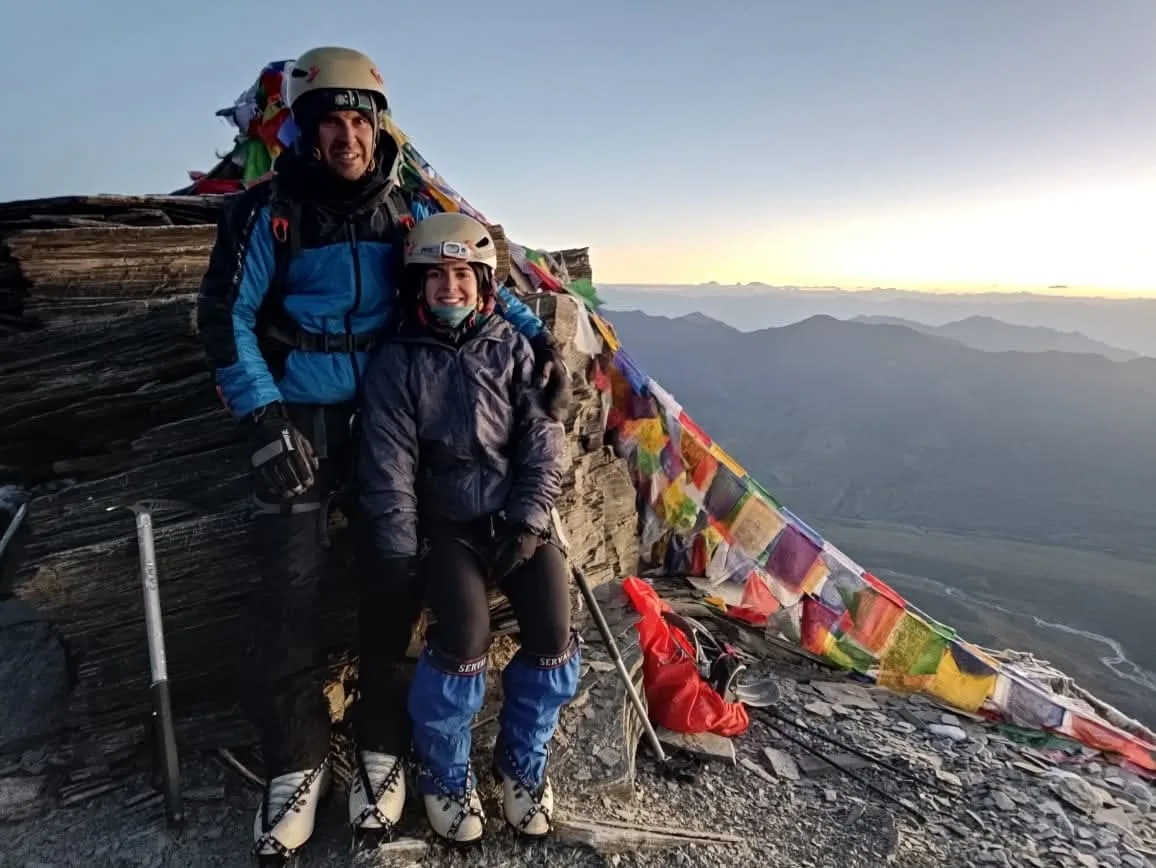
The next stage includes 6000-meter peaks, which represent the transition into real expedition climbing. These climbs involve glacier travel, high camps, and structured summit pushes. They are ideal for climbers who have completed high-altitude treks and basic mountaineering training.
For experienced climbers, the progression leads to technical peaks under and above 7000 meters. These expeditions require advanced skills, including ice climbing, mixed climbing, and complex route navigation.
By offering this range, the expedition structure supports climbers at every stage of their journey.
Safety and Risk Management
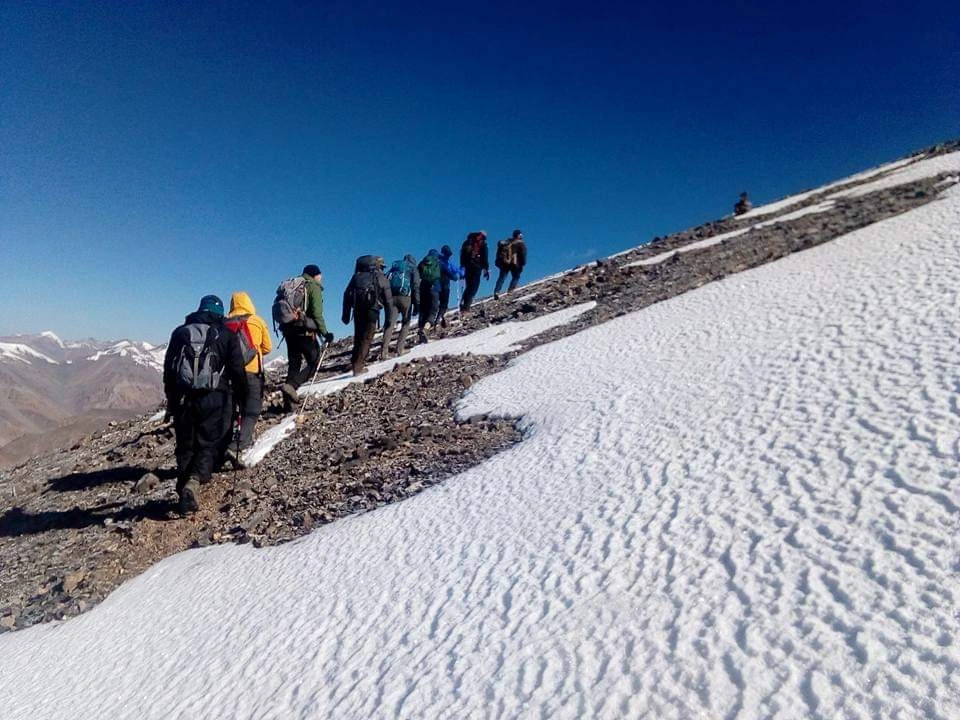
Safety in mountaineering is not about eliminating risk—it is about managing it effectively. In high-altitude environments, risk comes from multiple sources, including weather, terrain, altitude, and human factors.
Terranova’s approach to safety is based on prevention, monitoring, and decision-making.
Acclimatization schedules are carefully planned to allow the body to adapt gradually to altitude. Sudden gains in elevation are avoided to reduce the risk of altitude sickness.
Weather conditions are continuously monitored, and summit attempts are planned within safe windows. Flexibility is maintained to adjust plans when conditions change.
Technical sections are managed using proper rope systems and safety protocols. Guides ensure that climbers are secured and supported during difficult sections.
Perhaps most importantly, decisions are made based on safety rather than summit pressure. Turning back is always considered a valid outcome if conditions are not favorable.
Training and Preparation Support
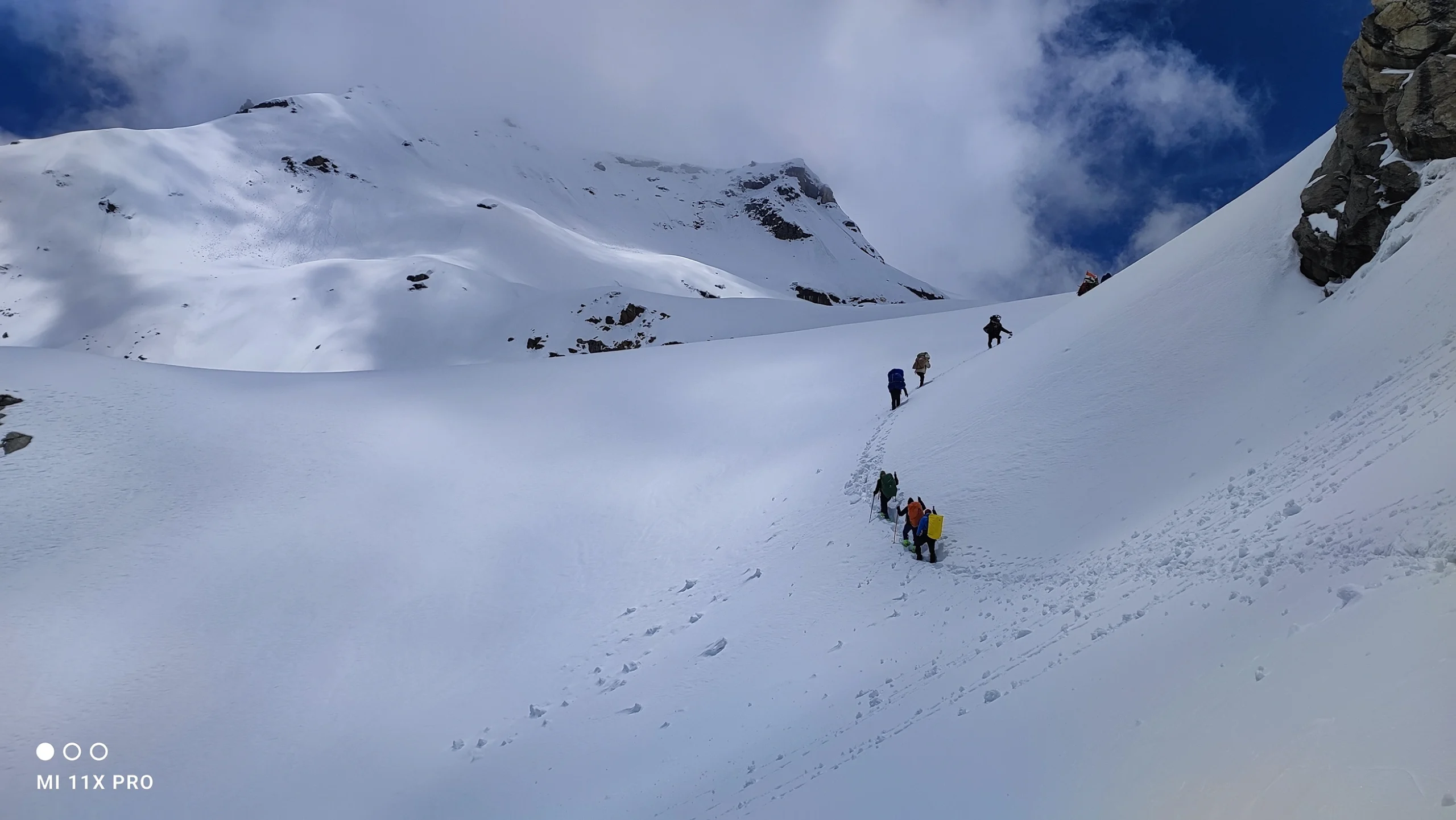
Preparation is one of the most underestimated aspects of mountaineering. Many climbers focus on the expedition itself but neglect the months of preparation required before it.
Terranova emphasizes the importance of pre-expedition readiness. This includes physical conditioning, technical training, and mental preparation.
Climbers are guided on how to build endurance, improve strength, and simulate expedition conditions through training. Recommendations often include long-distance hikes, load carrying, and cardiovascular workouts.
Technical preparation is also encouraged. Familiarity with gear such as crampons, ice axes, and harness systems reduces learning time during the expedition.
Mental preparation is equally important. Climbers are advised to understand the challenges they will face, including fatigue, cold, and uncertainty.
This holistic approach ensures that climbers arrive on the mountain ready to perform rather than just participate.
The Role of Guides and Support Team
A well-structured expedition relies heavily on the expertise of its guides and support team. These individuals are responsible for route management, safety systems, and overall coordination.
Guides bring experience and judgment that are critical in high-risk environments. They assess conditions, manage technical sections, and make decisions that affect the entire team.
Support staff handle logistics such as load carrying, camp setup, and food preparation. Their work ensures that climbers can focus on the climb itself.
The relationship between climbers and the support team is based on trust. Clear communication and respect are essential for a smooth expedition.
What Makes a Good Expedition Experience?
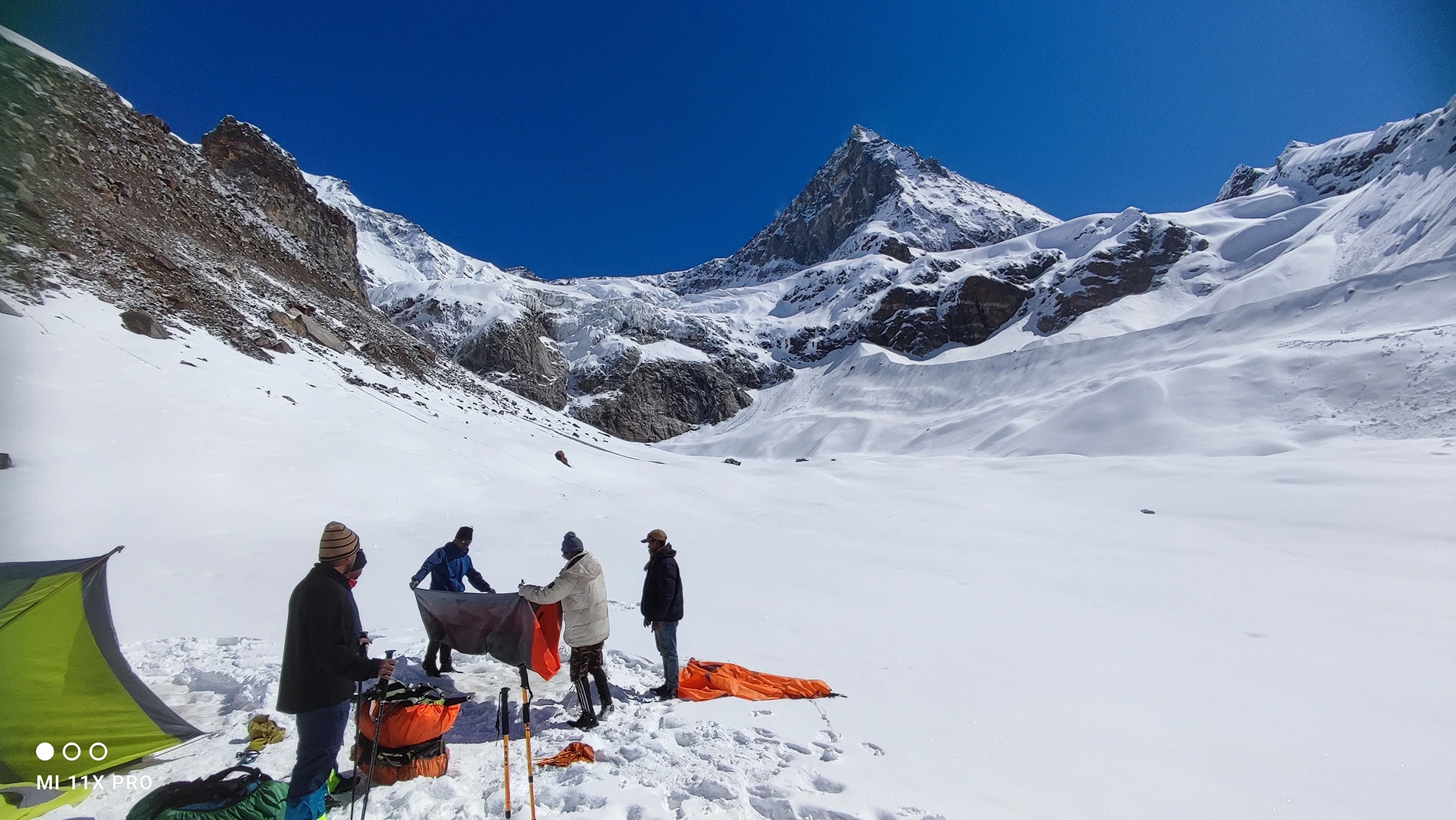
A successful expedition is not defined only by reaching the summit. It is defined by how well the climb is executed, how safely the team operates, and how much the climber learns from the experience.
A good expedition experience includes:
• Clear planning and communication
• Efficient movement and pacing
• Proper acclimatization
• Strong team coordination
• Safe decision-making
Climbers who approach expeditions with the right mindset—focused on learning rather than just achieving—tend to have more meaningful experiences.
Who Should Consider Mountaineering with Terranova?
Mountaineering with a structured expedition operator is particularly beneficial for:
1. Climbers transitioning from trekking to mountaineering, who need guidance and training in technical skills.
2. Individuals attempting their first high-altitude expedition, who require support in logistics and safety management.
3. Experienced climbers looking to attempt more technical peaks with a reliable team and structured planning.
4. Those who prefer a systematic approach to climbing rather than unstructured or self-organized expeditions.
Final Thoughts
Mountaineering in India offers an incredible range of opportunities, but it also demands preparation, discipline, and respect for the environment. Choosing the right expedition approach can make a significant difference in both safety and overall experience.
Terranova Expeditions represents a structured way to approach climbing—one that focuses on progression, learning, and responsible mountaineering.
For climbers who are serious about entering or advancing in the world of high-altitude climbing, the journey is not just about the peaks they climb, but the systems they build along the way.
Because in the Himalayas, success is not measured only by summits—it is measured by how well you climb, how safely you return, and how much you grow with each expedition.