There are certain moments in the mountains that quietly change the way you see yourself. For me, that moment came on the slopes of Mt. Black Peak (Kalanag) in the Garhwal Himalayas. Before this expedition, I had completed multiple treks and a few non-technical summits, but nothing truly prepared me for what it meant to climb above 6,000 meters.
Black Peak stands at 6,387 meters and is part of the Bandarpunch massif in Uttarakhand. From a distance, it looks powerful but approachable. Up close, it feels very different. The mountain demands patience, discipline, and respect. It is not just a climb—it is a test of how well you understand your body, your mind, and the mountain environment.
This was my first real high-altitude expedition, and what I experienced on this climb changed how I approach mountaineering forever.
The Decision: Why Black Peak?
I didn’t choose Black Peak randomly. After completing a few high-altitude treks and a basic mountaineering course, I knew I needed a 6000-meter peak that would push me beyond comfort but still allow me to learn.
Black Peak was the perfect candidate. It offered a combination of glacier travel, snow climbing, and altitude exposure without being overwhelmingly technical. It was often described as a “learning peak,” but I quickly realized that this description can be misleading. It is a learning peak only if you come prepared.
Looking back, one thing I got right was not rushing into a bigger or more technical mountain. Choosing the right first 6000m peak is not about ego—it is about progression.
The Approach: From Civilization to Silence
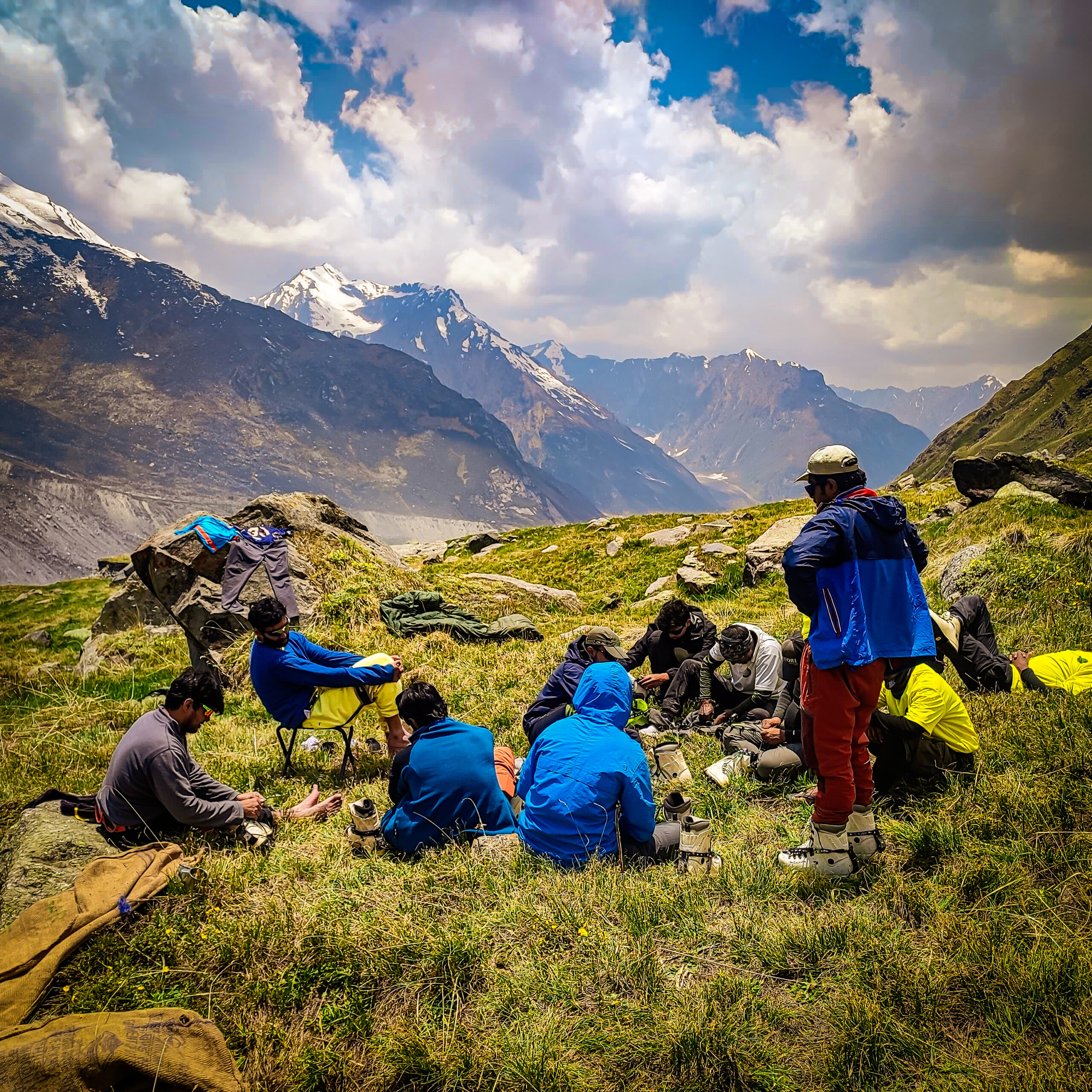
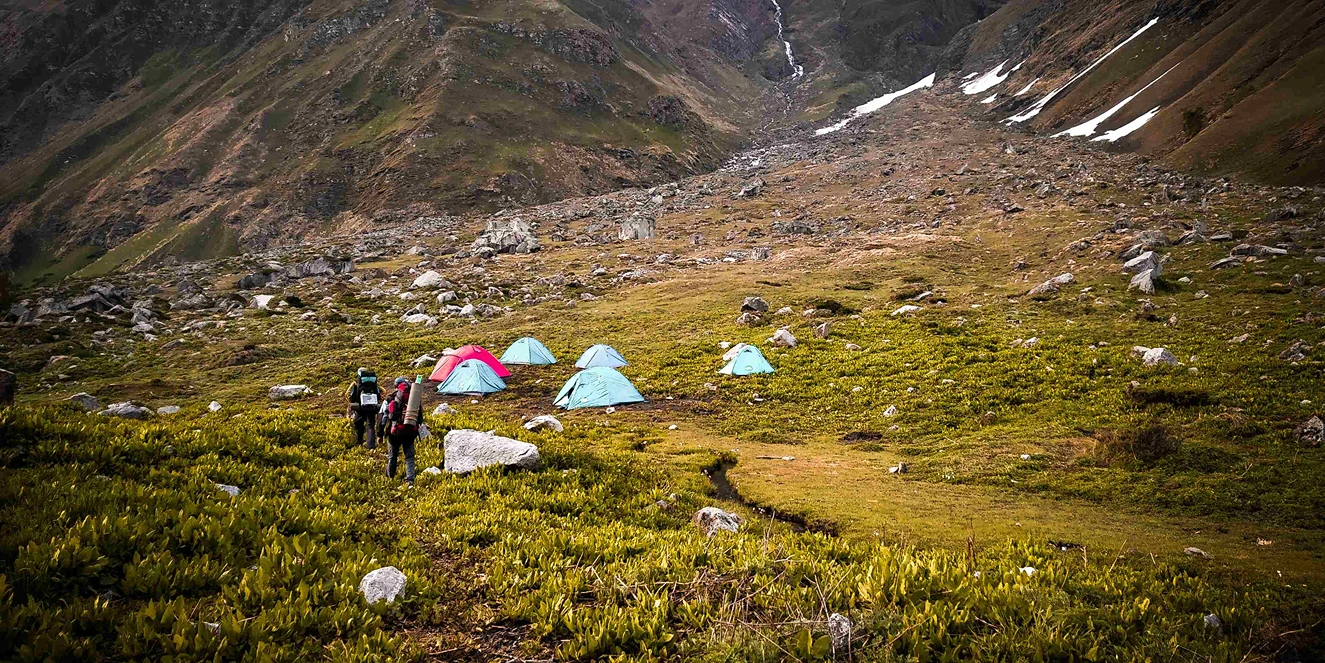
The journey began from Sankri, a small Himalayan village that serves as the gateway to several iconic treks. The initial days felt familiar—dense forests, river crossings, gradual ascents, and the comforting rhythm of trekking.
But as we moved deeper toward Ruinsara Tal and then toward the glacier region, the landscape began to change. The green valleys slowly gave way to rocky terrain, and eventually, the white dominance of snow and ice took over.
This transition is something no one explains properly. It’s not just visual—it’s psychological. The mountains start feeling more serious. The margin for mistakes begins to shrink.
One of the biggest lessons I learned during the approach phase was energy conservation. I was initially over-excited and walked faster than necessary. By Day 3, I felt the fatigue accumulating.
Tip from Experience:
Move slower than you think you should. At altitude, efficiency matters more than speed.
Base Camp: Where Reality Begins
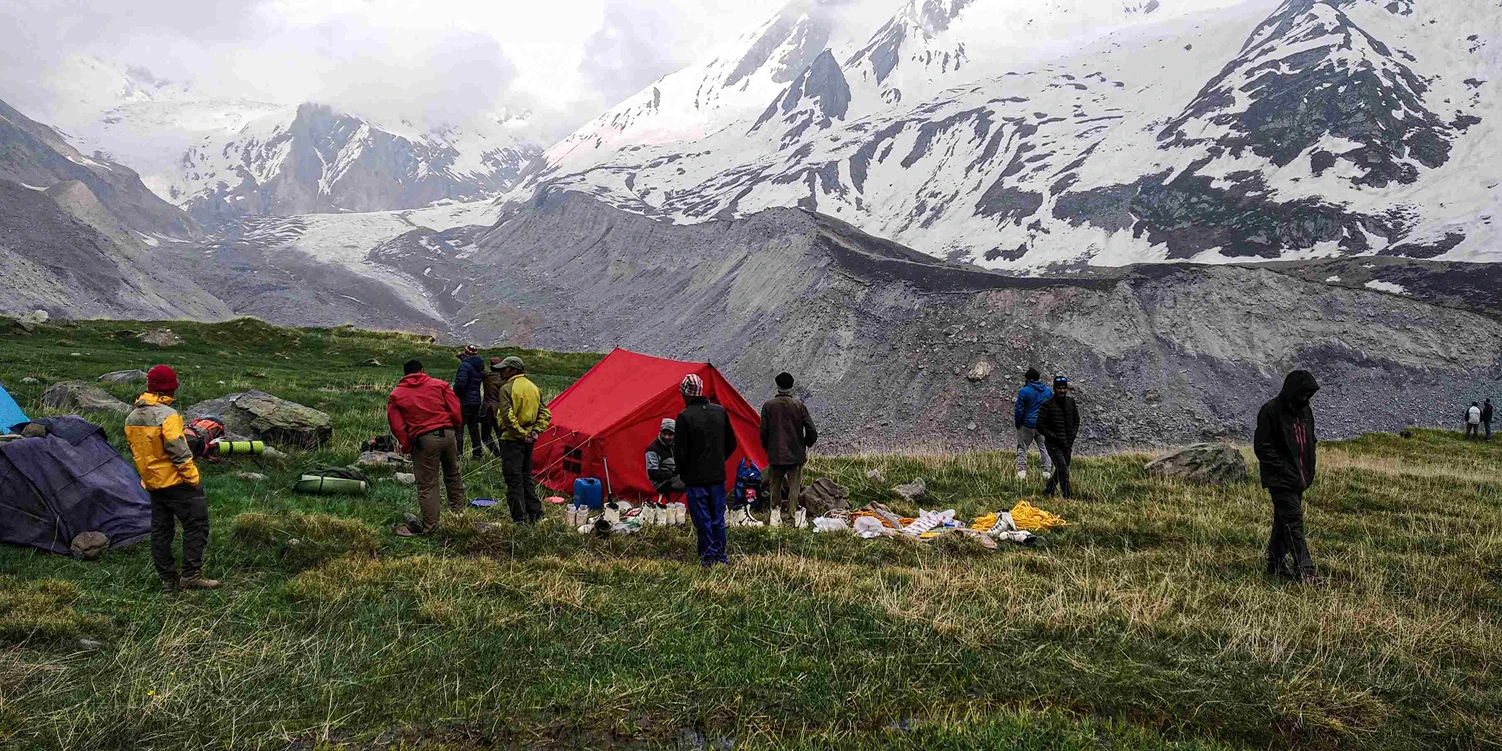
Reaching base camp felt like an achievement, but it was actually just the beginning. At around 4,800 meters, the air was noticeably thinner, and even simple tasks like pitching tents or walking a short distance felt exhausting.
This is where the expedition mindset truly kicks in.
We spent days here for acclimatization and training. Practicing with crampons and ice axes on nearby snow slopes felt completely different from what I had learned during my course. The cold, the wind, and the altitude made everything more difficult.
Sleeping was another challenge. Nights were long, cold, and often restless. Appetite dropped significantly, and eating became a conscious effort rather than a natural instinct.
Tip from Experience:
Force yourself to eat and hydrate. Your body won’t ask for it, but it desperately needs it.
Load Ferry & Acclimatization: The Underrated Struggle
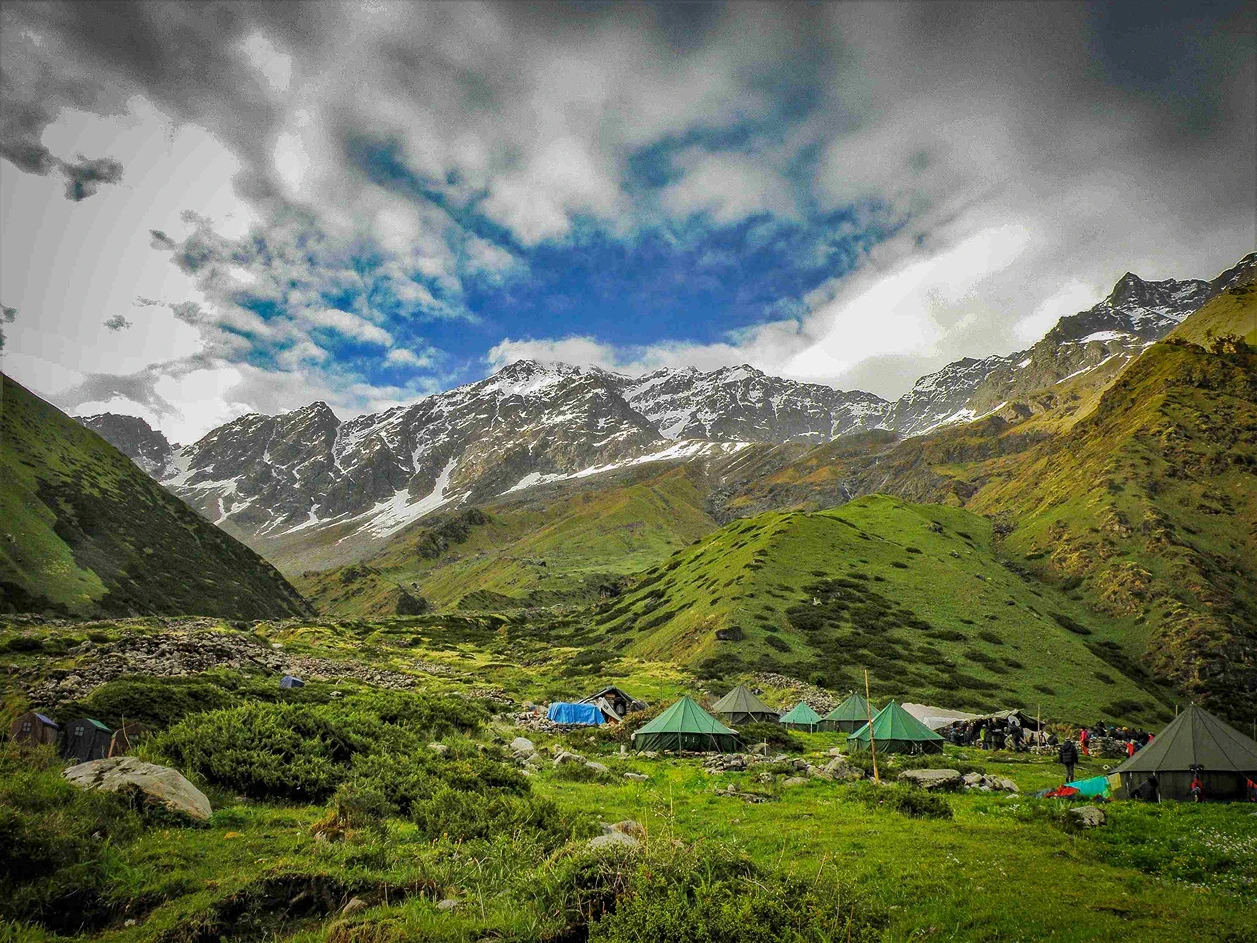
Before moving to higher camps, we carried loads to advanced camp locations and returned to base camp. This process felt repetitive and tiring, but it played a crucial role in acclimatization.
Initially, I underestimated this phase. I thought the real challenge would be the summit push. I was wrong.
Load ferry days were physically exhausting because you are climbing with weight at altitude, often on uneven terrain. Recovery is slow, and fatigue builds quietly.
But this phase taught me one of the most important mountaineering principles:
“Climb high, sleep low.”
Tip from Experience:
Respect acclimatization days. Skipping or rushing them is one of the biggest mistakes beginners make.
Camp 1 & Camp 2: Entering the Real Mountain
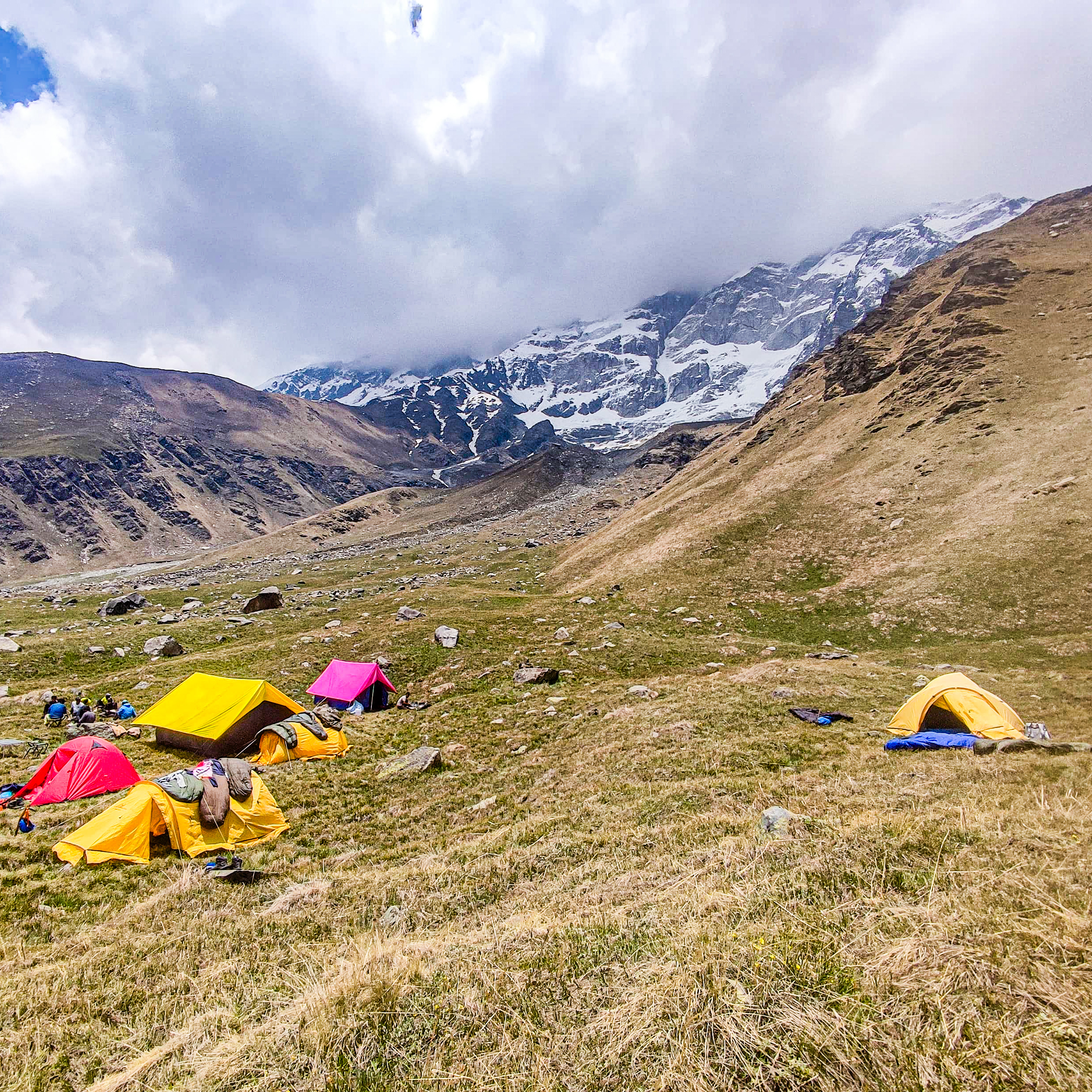
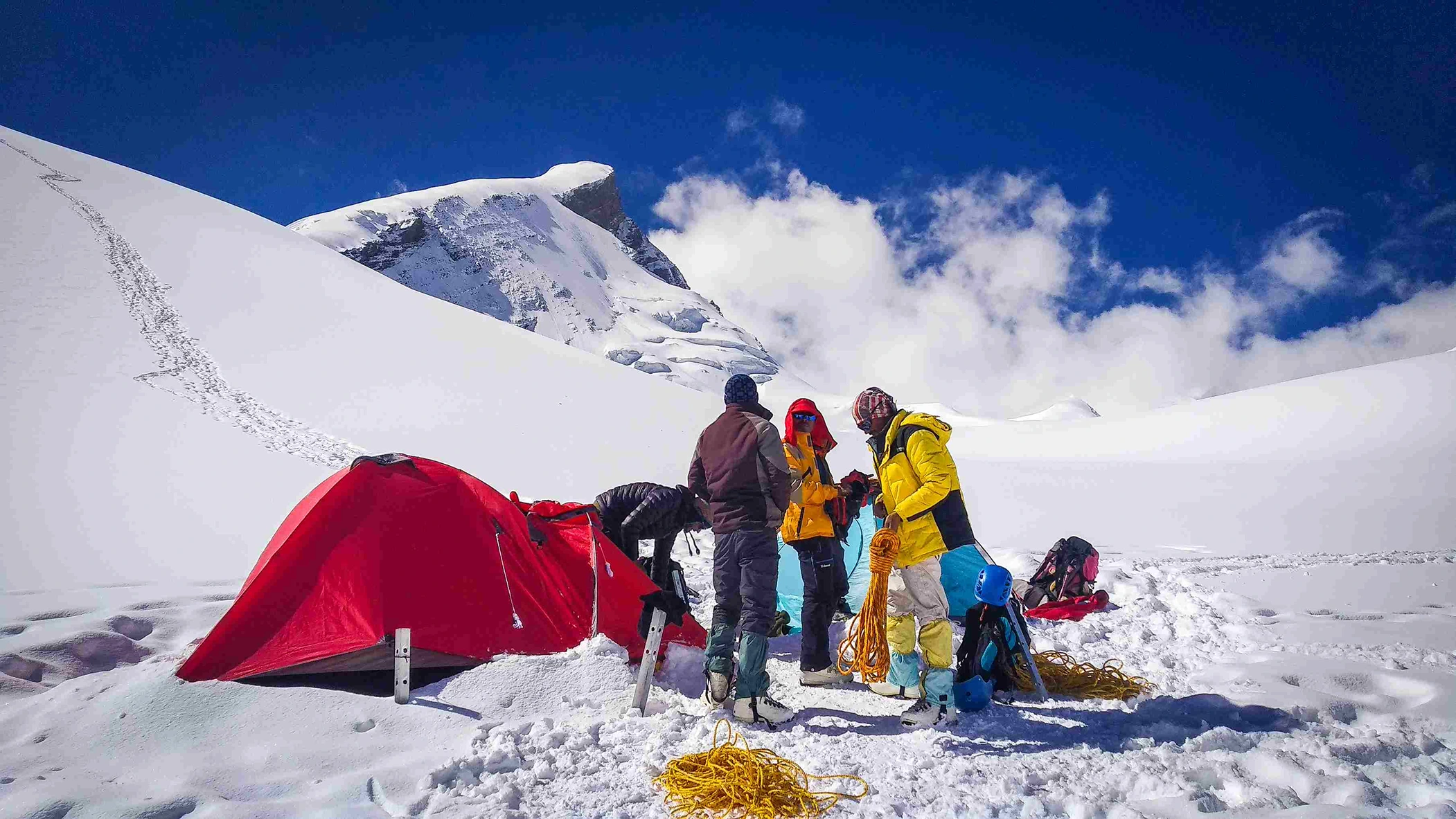
Moving to higher camps was when things started getting serious. The terrain became more technical, and we began using ropes and crampons regularly.
The glacier sections were both fascinating and intimidating. Walking roped up as a team over crevassed terrain required complete focus. One misstep could have serious consequences.
At Camp 2, the altitude hit harder. Breathing felt labored even while resting. Every movement required effort. Nights were colder, and sleep was lighter.
This is where mental strength starts to matter more than physical fitness.
Tip from Experience:
At high camps, do everything slowly and deliberately. Rushing wastes energy you cannot afford to lose.
Summit Push: The Longest Night
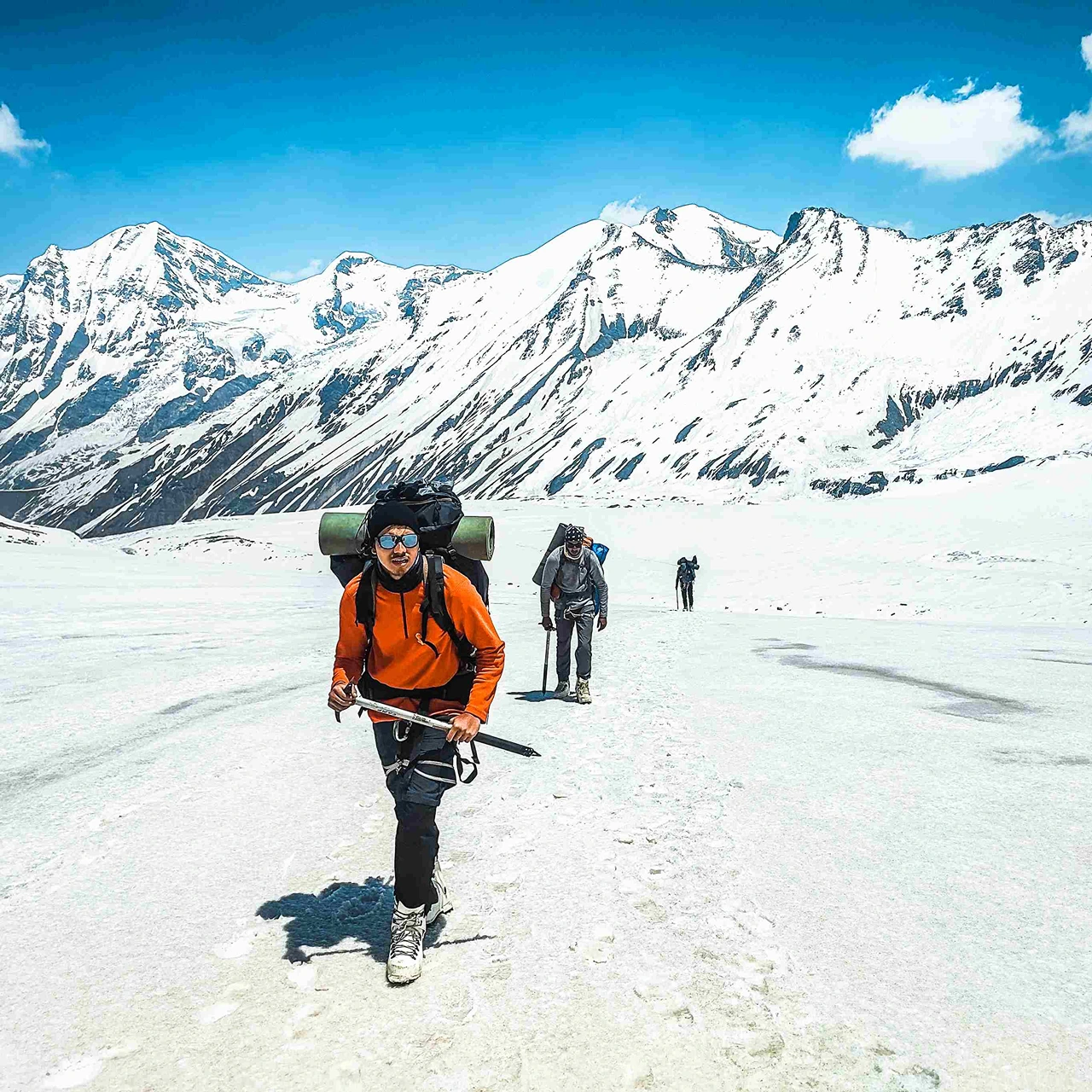
Summit day started in the early hours of the night. The temperature was brutally cold, and the wind made it worse. Putting on gear with numb fingers was a challenge in itself.
The climb began under headlamps, with a slow and steady rhythm. Step… breathe… step… breathe. That became the only pattern.
Above 6,000 meters, everything feels different. Your body resists movement, your mind questions every step, and time seems to slow down.
The summit ridge was the most challenging part. It required careful foot placement and full concentration. There was no room for error.
When I finally reached the summit, there was no dramatic celebration. Just silence, exhaustion, and a deep sense of realization.
You don’t conquer mountains. You are allowed to stand on them for a brief moment.
The Descent: Where Most Mistakes Happen
If there is one thing I underestimated the most, it was the descent.
After the summit, fatigue was at its peak. Legs felt weak, focus dropped, and the temptation to relax was strong. But this is where many accidents happen.
Descending required just as much attention as climbing up. In some ways, it was harder.
Tip from Experience:
Never mentally “finish” at the summit. The expedition ends only when you are safely back.
Common Mistakes I Made (And You Should Avoid)
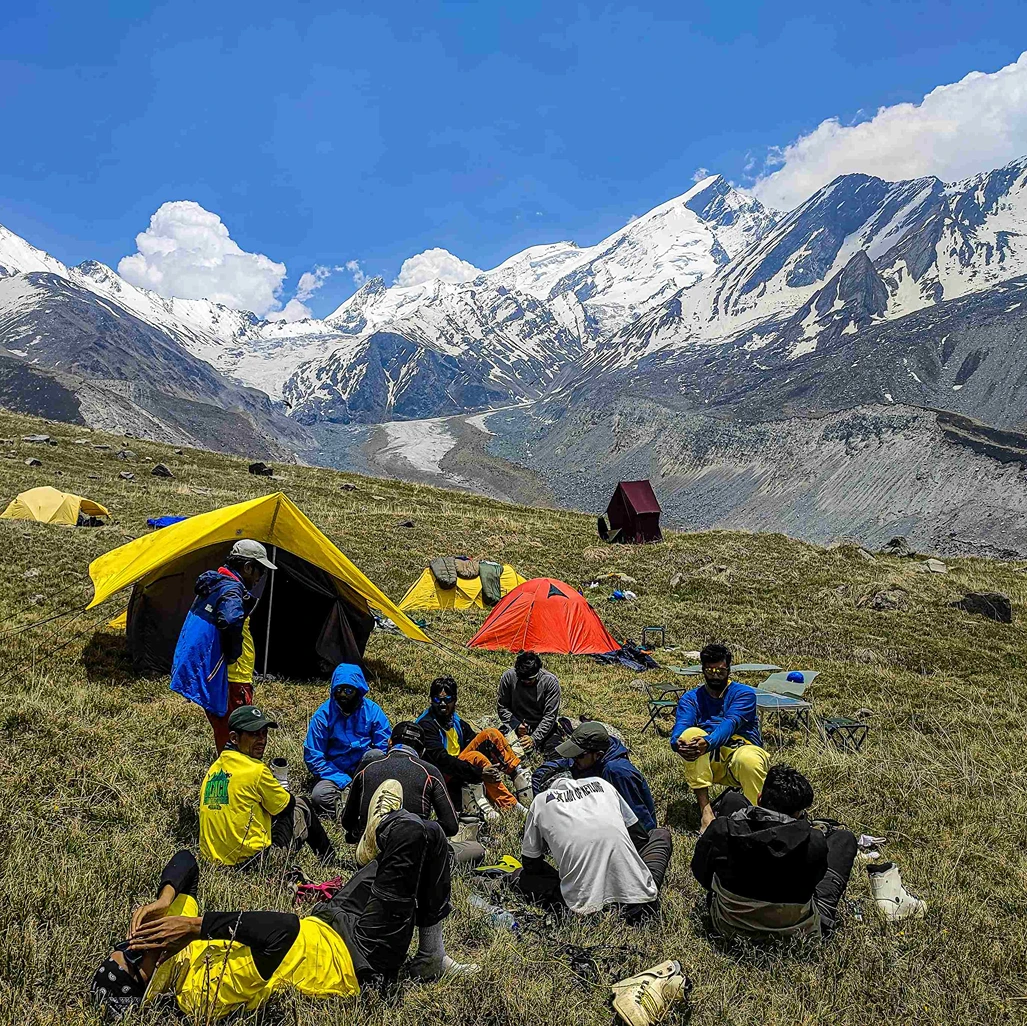
Looking back, I made several mistakes that could have been avoided with better awareness.
I underestimated the importance of pacing in the early days, which affected my energy levels later. I did not prioritize nutrition enough, especially during high camps when appetite dropped. I also overpacked certain items that I never used, adding unnecessary weight.
Another mistake was relying too much on motivation instead of discipline. At altitude, motivation fades quickly. Systems and habits are what keep you moving.
What Black Peak Taught Me
This climb taught me more than any training or preparation ever could.
It taught me that mountaineering is not about strength—it is about efficiency and patience. It showed me how fragile the human body is at altitude and how important it is to listen to it.
It also changed how I define success. Reaching the summit is only one part of the journey. The real achievement is completing the climb safely, learning from the experience, and coming back stronger.
Who Should Attempt Black Peak?
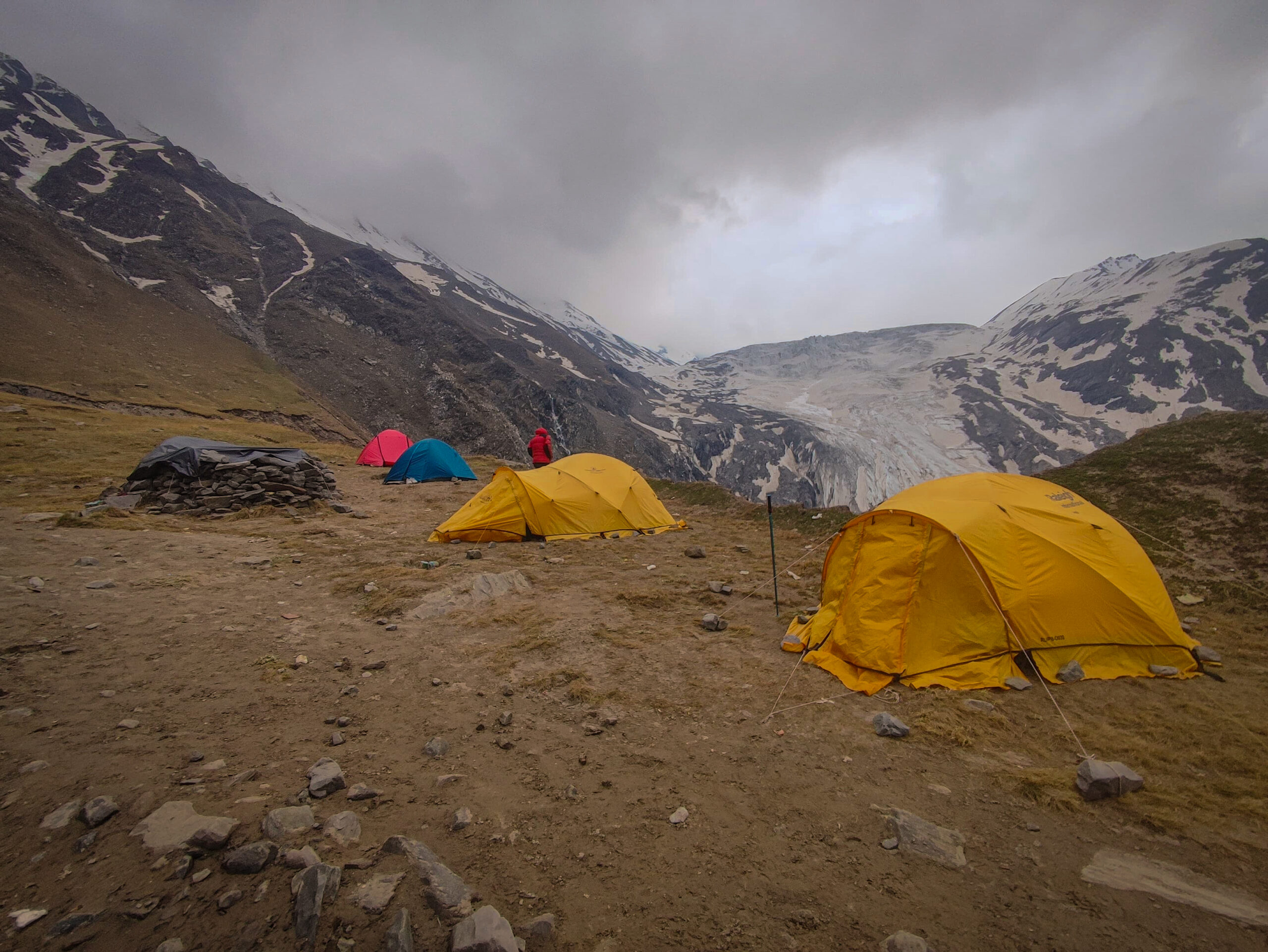
Black Peak is ideal for climbers who have:
• Completed high-altitude treks (above 4,000m)
• Basic mountaineering training
• Good physical endurance
• Willingness to learn and adapt
It is not a beginner trek. It is an entry-level expedition peak that demands preparation and respect.
Final Tips for Your First High-Altitude Climb
Start with the right mindset. This is not a race. It is a process.
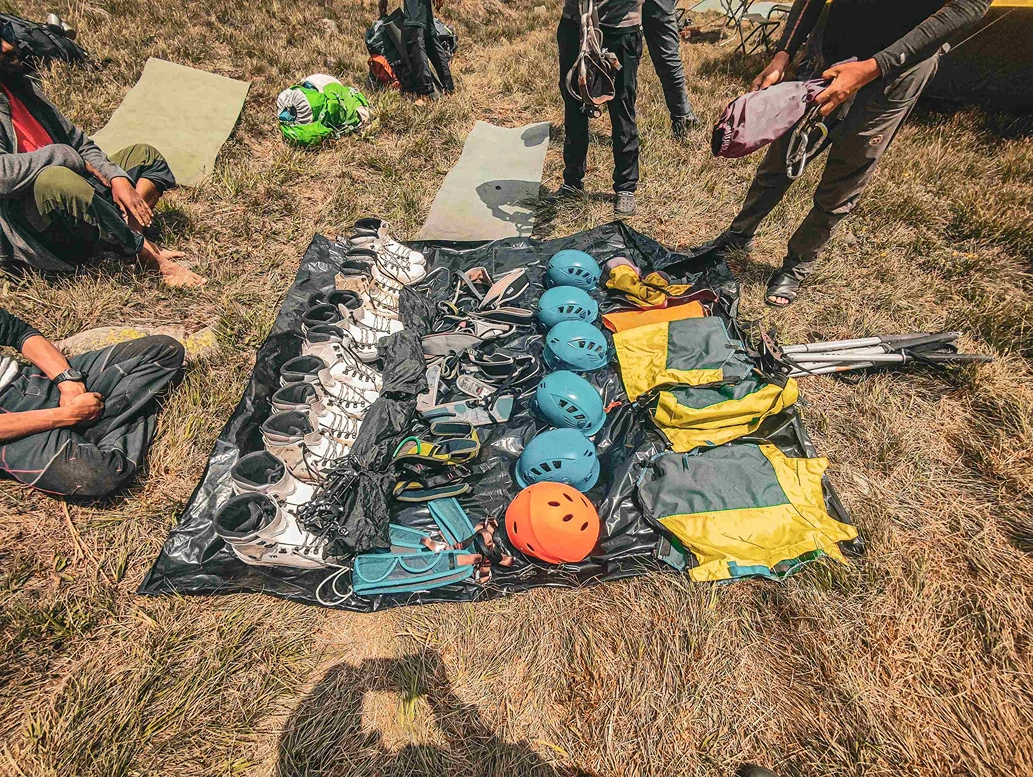
Train consistently, not just physically but technically as well. Learn how to use your gear properly before the expedition.
Focus on hydration and nutrition even when you don’t feel like it.
Listen to your guides and respect the mountain. Conditions can change quickly, and decisions must be made carefully.
And most importantly, be prepared to learn. Your first high-altitude climb will not be perfect—but it will be transformative.
Conclusion
Climbing Mt. Black Peak was not just my first 6000-meter summit—it was the moment I truly understood what mountaineering means.
It is not about standing on top. It is about everything that leads up to it—the preparation, the struggle, the discipline, and the respect for the mountain.
If you are planning your first high-altitude climb, choose wisely, prepare thoroughly, and go with the intention to learn. Because in the Himalayas, every step teaches you something.
And sometimes, the mountain teaches you more about yourself than you ever expected.
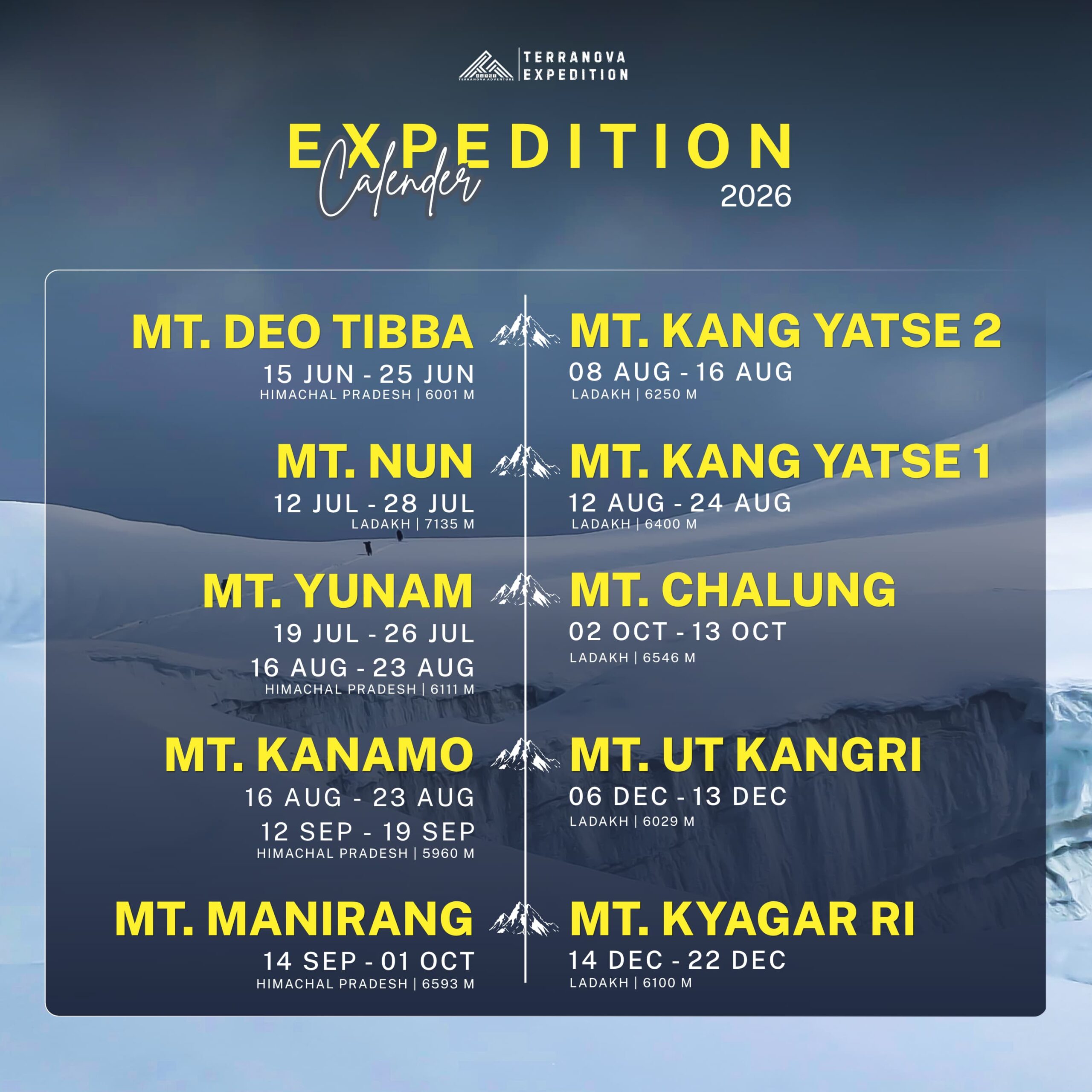
If you are looking for the best company with experienced staff, then contact – Terranova Expedition.