At first glance, trekking and mountaineering may seem like two variations of the same outdoor activity. Both involve traveling through mountainous terrain, both require physical endurance, and both offer the reward of reaching high-altitude destinations. However, the similarities largely end there.
Trekking and mountaineering differ fundamentally in terms of technical complexity, risk exposure, required skills, and overall objective. While trekking is primarily about walking through natural landscapes and reaching scenic destinations, mountaineering is a highly structured discipline focused on safely ascending mountains that require technical climbing techniques.
Understanding this distinction is essential for anyone planning to enter the world of high-altitude adventure. Many beginners mistakenly assume that trekking experience alone is enough to transition into mountaineering, which can lead to under-preparation and increased risk.
This guide provides a detailed comparison between trekking and mountaineering, helping you understand where each activity stands, what it demands, and how to choose the right path based on your goals and experience.
What is Trekking?
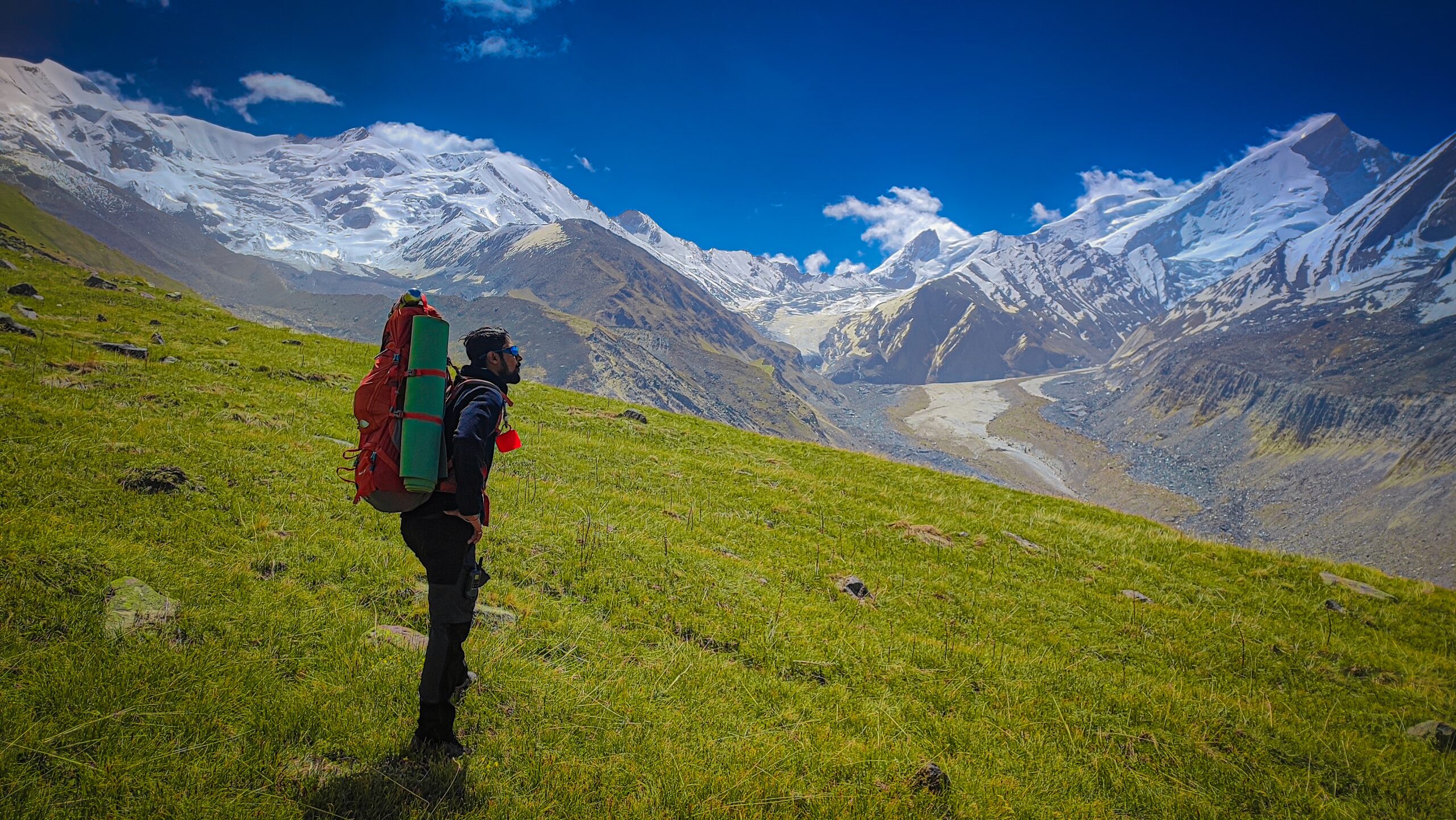
Trekking is a form of long-distance walking conducted in natural environments, usually across mountains, valleys, forests, and remote landscapes. It is often undertaken on established trails or routes that have been used by locals, shepherds, or previous trekkers.
The primary focus of trekking is exploration and endurance, rather than technical climbing. Trekkers move through varying terrain, often gaining significant altitude, but the routes are generally designed to avoid highly technical sections that require specialized equipment.
Trekking can range from short multi-day hikes to long expeditions that span several weeks. Popular trekking routes in the Himalayas often pass through scenic landscapes, high-altitude meadows, and mountain passes, offering breathtaking views without requiring technical climbing skills.
Although trekking does involve challenges such as altitude gain, weather changes, and physical fatigue, it remains accessible to individuals with good fitness and basic preparation.
What is Mountaineering?
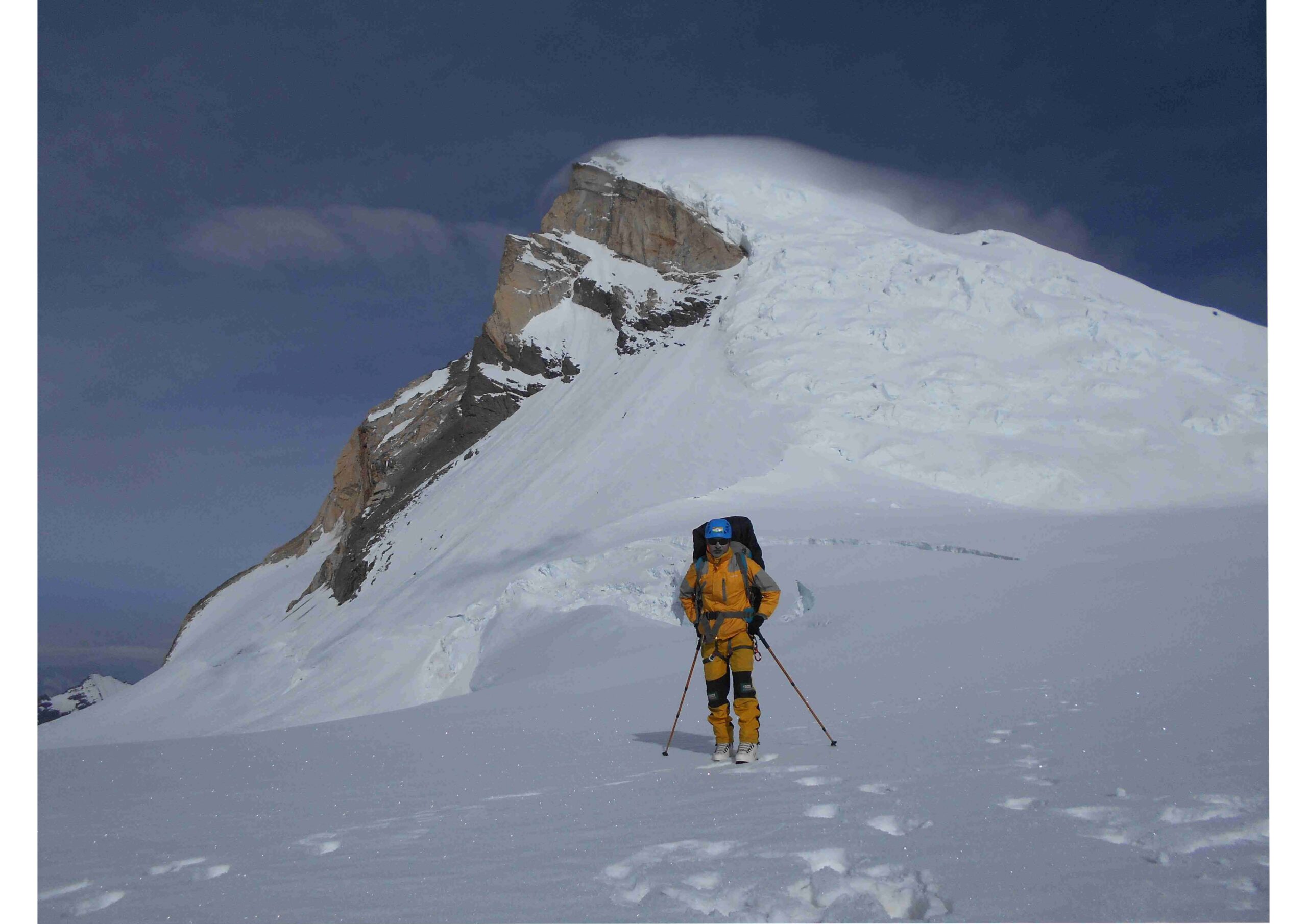
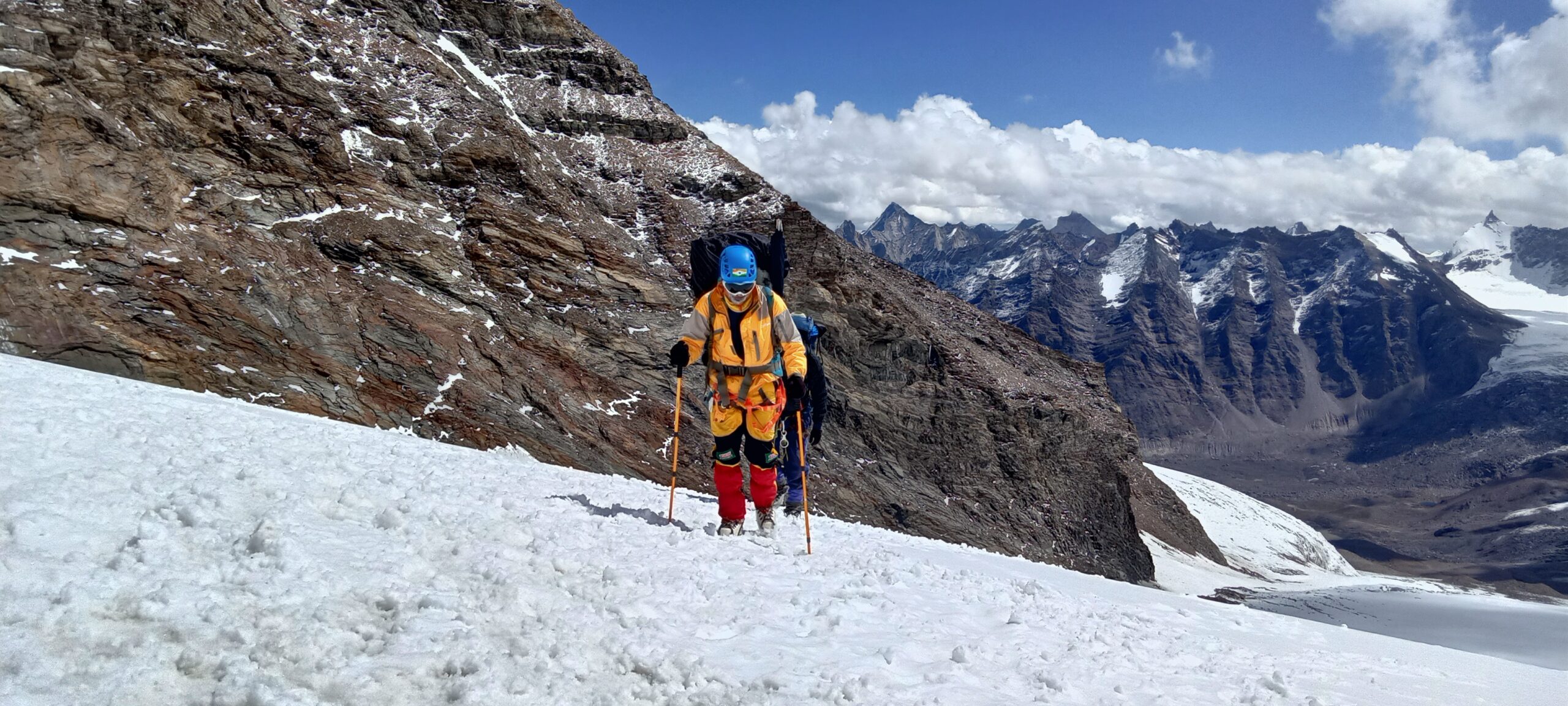
Mountaineering is the practice of climbing mountains that require technical skills, specialized equipment, and structured expedition planning. Unlike trekking, mountaineering involves navigating terrain that cannot be crossed safely without tools such as crampons, ice axes, ropes, and harnesses.
The objective of mountaineering is typically to reach the summit of a peak, which often involves steep ascents, glacier crossings, and exposure to high-risk environments. Climbers must be prepared to handle conditions such as snow, ice, rock faces, and rapidly changing weather.
Mountaineering is not just a physical activity—it is a technical discipline. Climbers must understand rope systems, anchor building, crevasse rescue, and self-arrest techniques. These skills are essential for moving safely in high-altitude environments.
Expeditions are carefully planned with multiple camps, acclimatization schedules, and contingency strategies. The complexity of mountaineering increases significantly with altitude and terrain difficulty.
Key Differences Between Trekking and Mountaineering
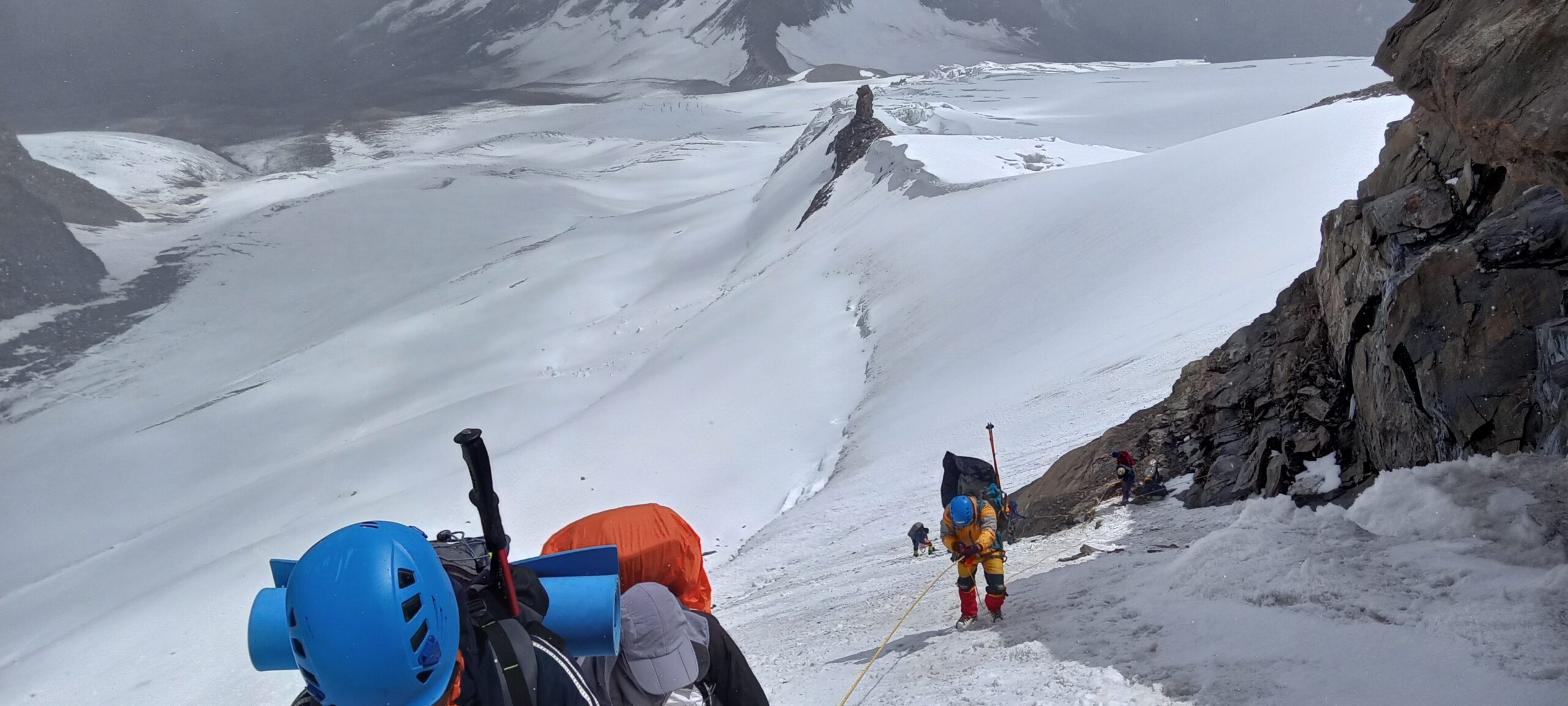
The difference between trekking and mountaineering can be best understood by examining how each activity approaches terrain, skills, risk, and preparation.
Trekking typically follows established routes that are designed to be navigable without technical equipment. In contrast, mountaineering routes often pass through terrain that requires precise movement and specialized tools.
The level of risk in mountaineering is considerably higher. Climbers face hazards such as avalanches, crevasses, rockfall, and extreme weather conditions. Trekking also involves risks, particularly related to altitude and weather, but these are generally more manageable.
Skill requirements also differ significantly. Trekking primarily requires physical endurance and basic navigation skills, while mountaineering demands technical proficiency and training.
Preparation for mountaineering is far more extensive. Climbers must undergo physical conditioning, technical training, and often complete certification courses before attempting a climb.
Difficulty Level and Physical Demands
Trekking is physically demanding but follows a predictable pattern of effort. Trekkers walk for several hours each day, carrying a backpack, and gradually gain altitude. The challenge lies in maintaining endurance over multiple days.
Mountaineering introduces a different level of physical demand. Climbers must perform under extreme conditions where oxygen levels are low and movement becomes slower and more exhausting. Carrying equipment, climbing steep slopes, and operating in cold environments significantly increase physical strain.
In addition to endurance, mountaineering requires strength, balance, and coordination. Climbers must be able to handle technical movements while managing fatigue.
Skills Required
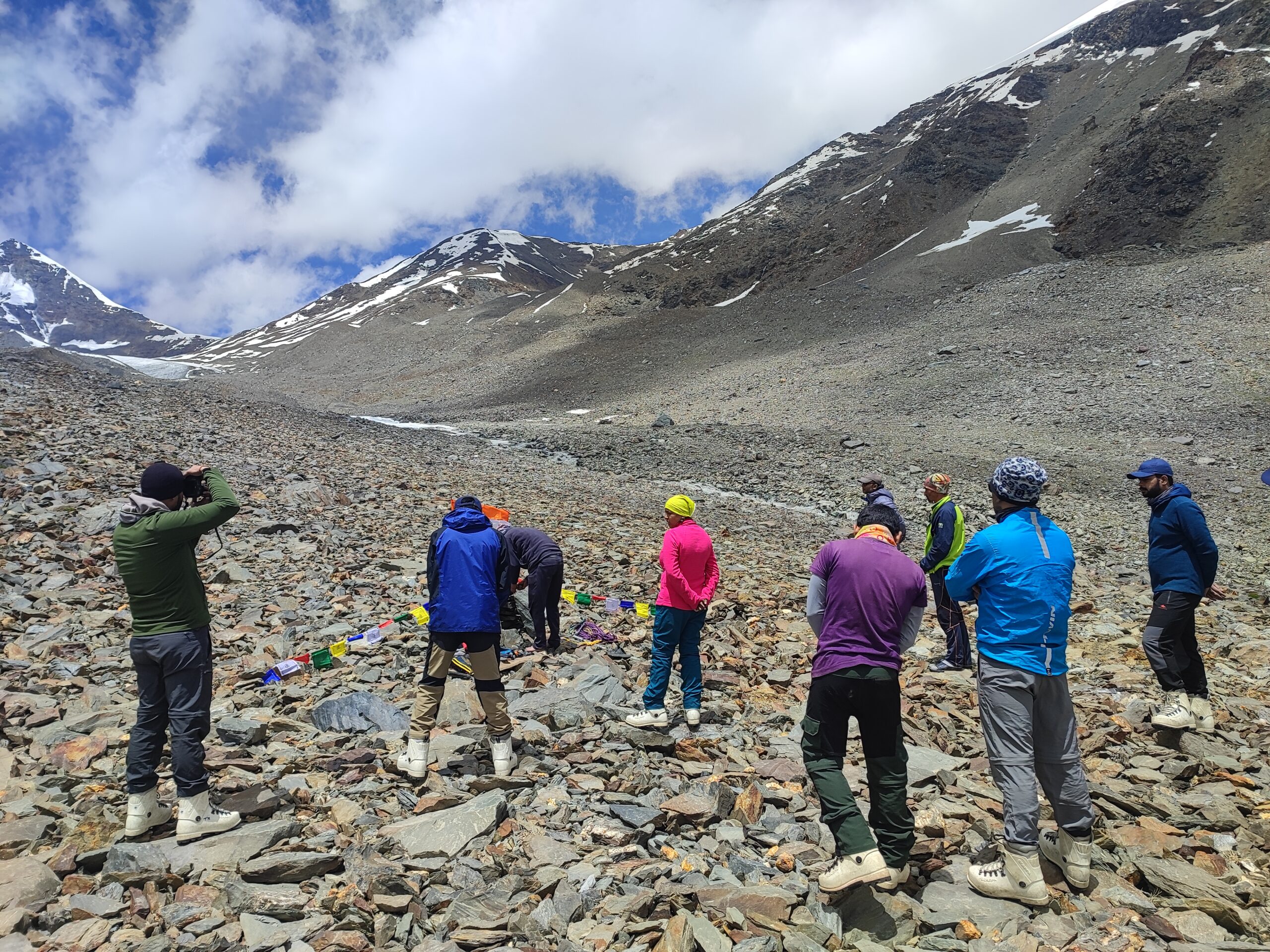
Trekking requires basic outdoor skills such as pacing, hydration management, and navigation. Trekkers must also understand how to deal with altitude changes and weather conditions.
Mountaineering requires a broader set of skills that include rope handling, ice climbing, glacier travel, and rescue techniques. Climbers must be trained to use equipment such as crampons, ice axes, and harness systems.
Decision-making skills are also critical in mountaineering. Climbers must constantly assess risks and adapt to changing conditions.
Gear and Equipment
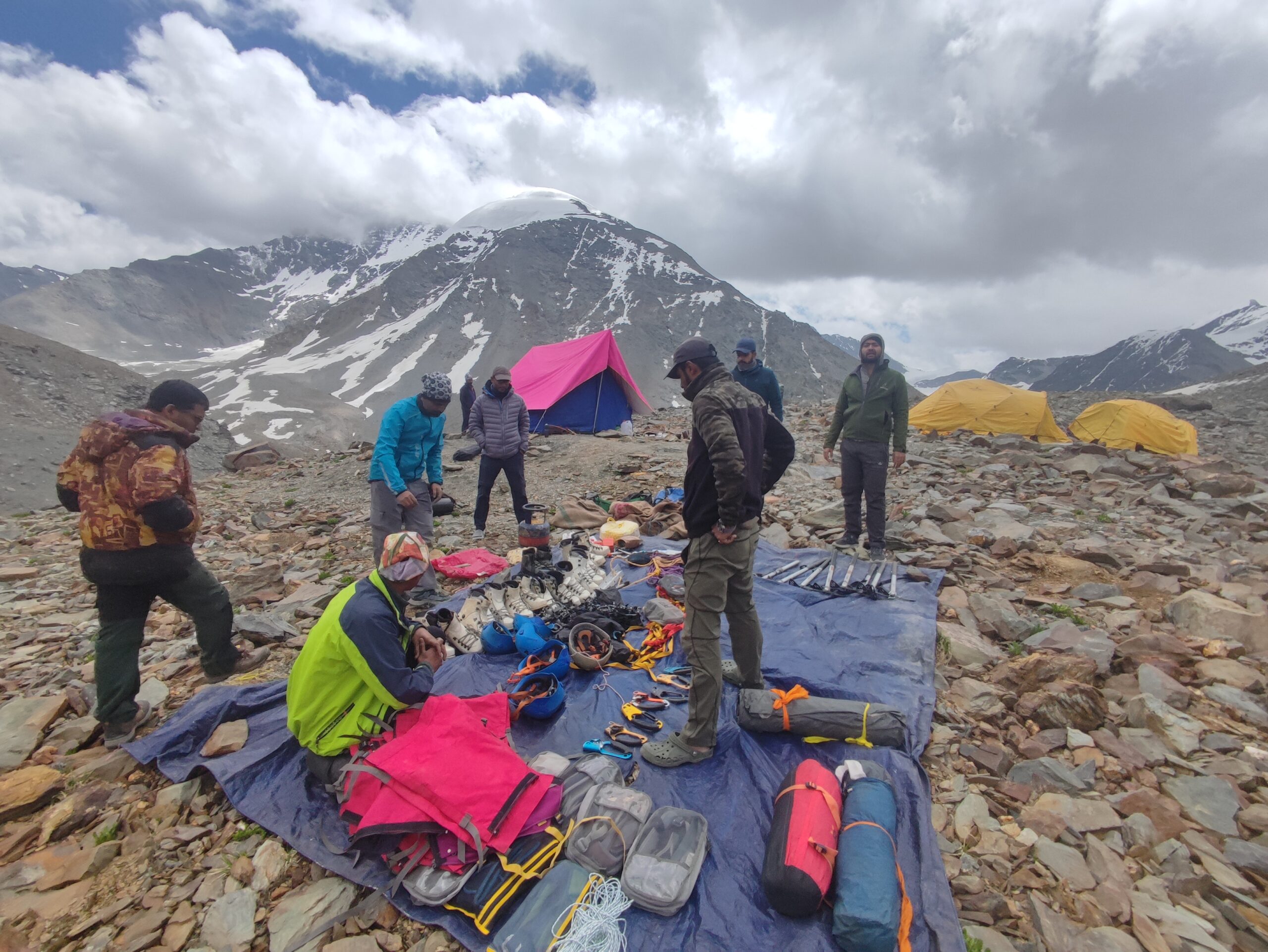
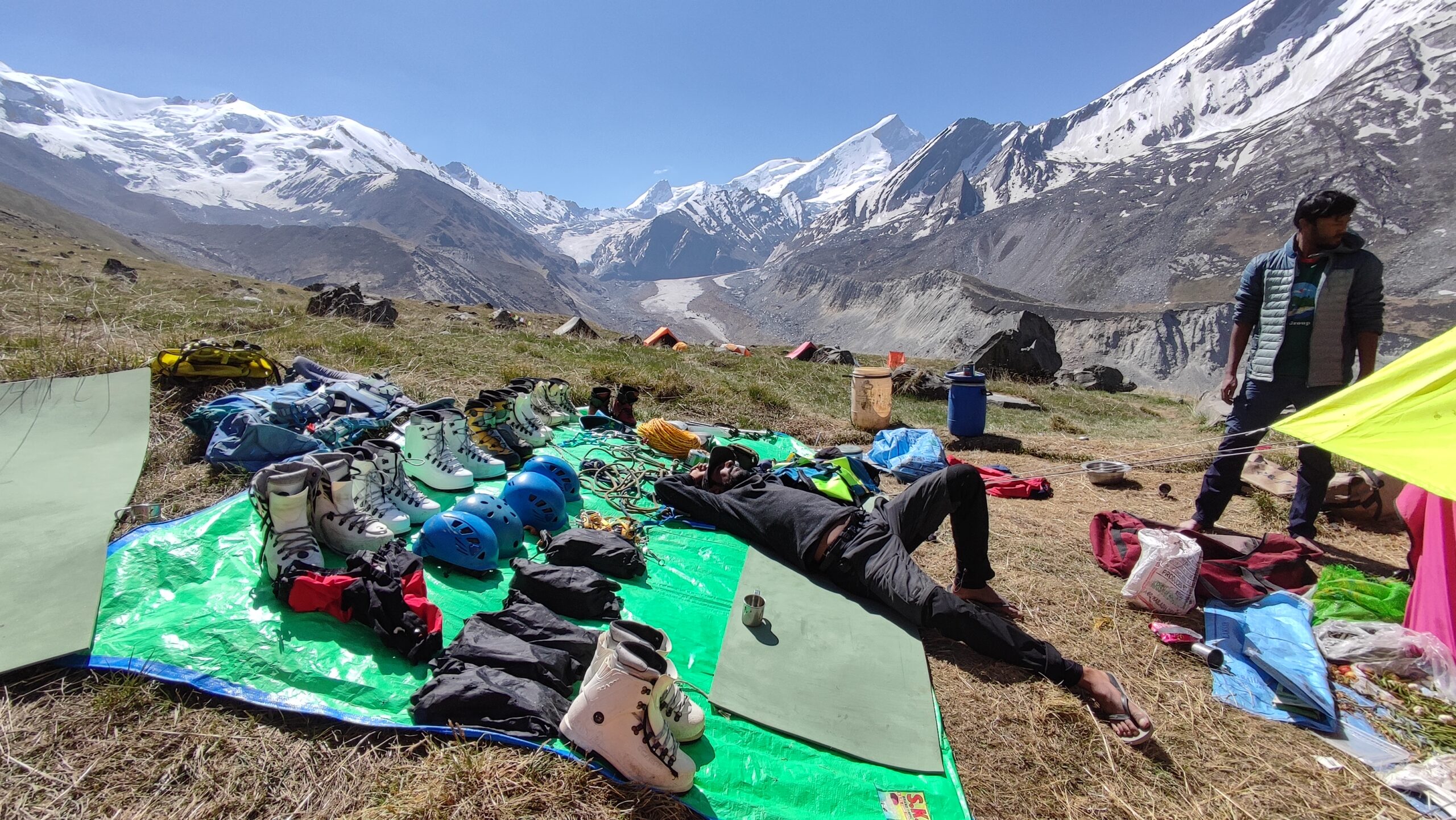
Trekking gear is relatively simple and focuses on comfort and protection. It typically includes trekking shoes, layered clothing, backpacks, and basic accessories.
Mountaineering gear is more specialized and includes technical equipment such as crampons, ice axes, helmets, harnesses, ropes, and high-altitude boots. Each piece of equipment plays a role in safety and movement.
The complexity of gear increases with the difficulty of the climb.
Risk and Safety
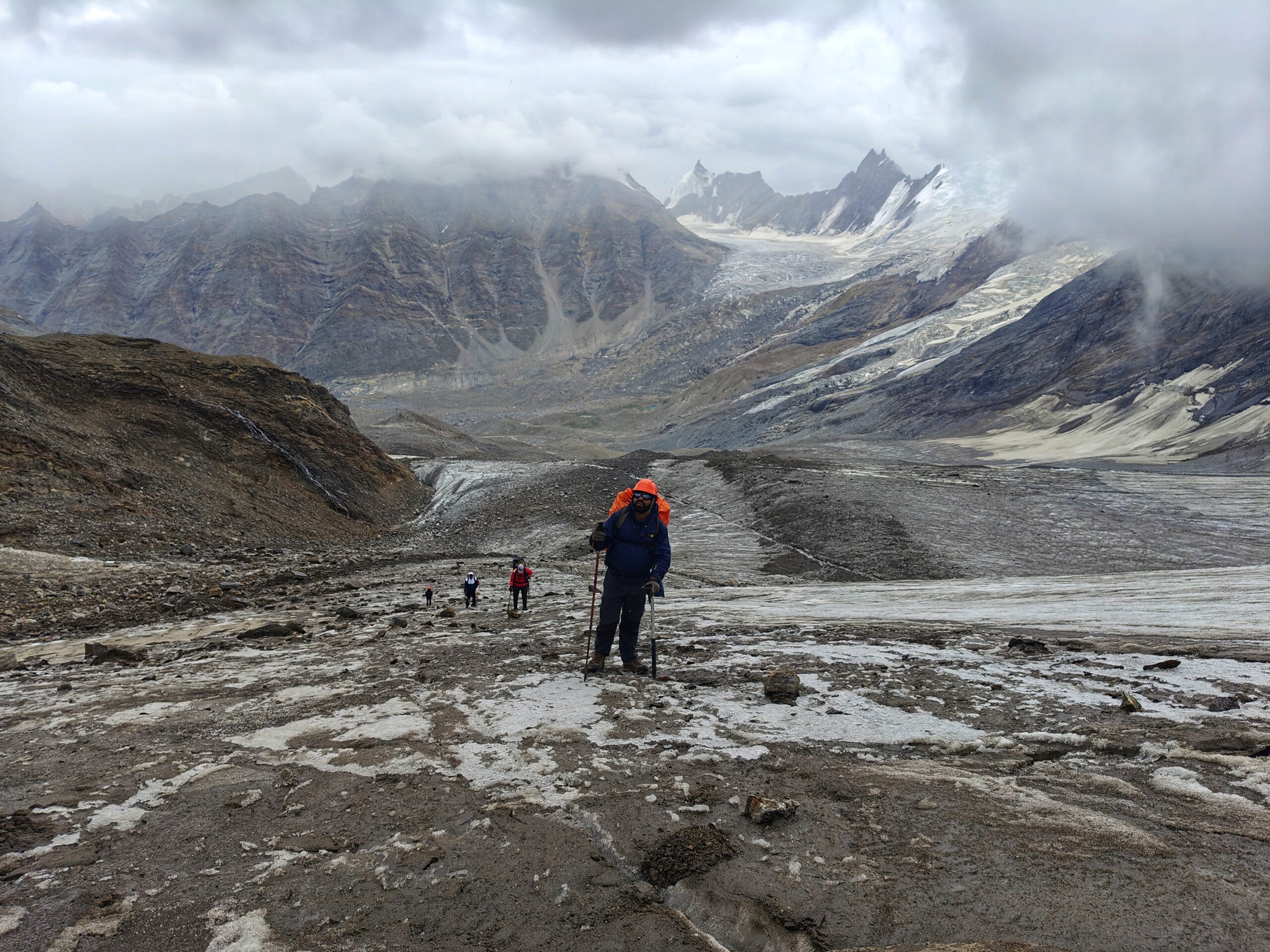
Risk management is a fundamental part of mountaineering. Climbers must be aware of environmental hazards and prepared to respond to emergencies.
Trekking also involves risks, particularly at high altitude, but these are generally lower compared to mountaineering. Proper planning and preparation can mitigate most trekking risks.
In mountaineering, however, even minor mistakes can have serious consequences. This makes training and experience essential.
Which One Should You Choose?
Choosing between trekking and mountaineering depends on your goals, experience, and willingness to commit to training.
Trekking is ideal for individuals who want to explore mountains, enjoy scenic landscapes, and build endurance. It is accessible and can be undertaken with relatively simple preparation.
Mountaineering is suited for those who seek technical challenges and are willing to invest time in training and preparation. It requires a long-term commitment and a disciplined approach.
Many climbers begin with trekking and gradually transition into mountaineering. This progression allows them to build the necessary skills and experience.
Progression from Trekking to Mountaineering
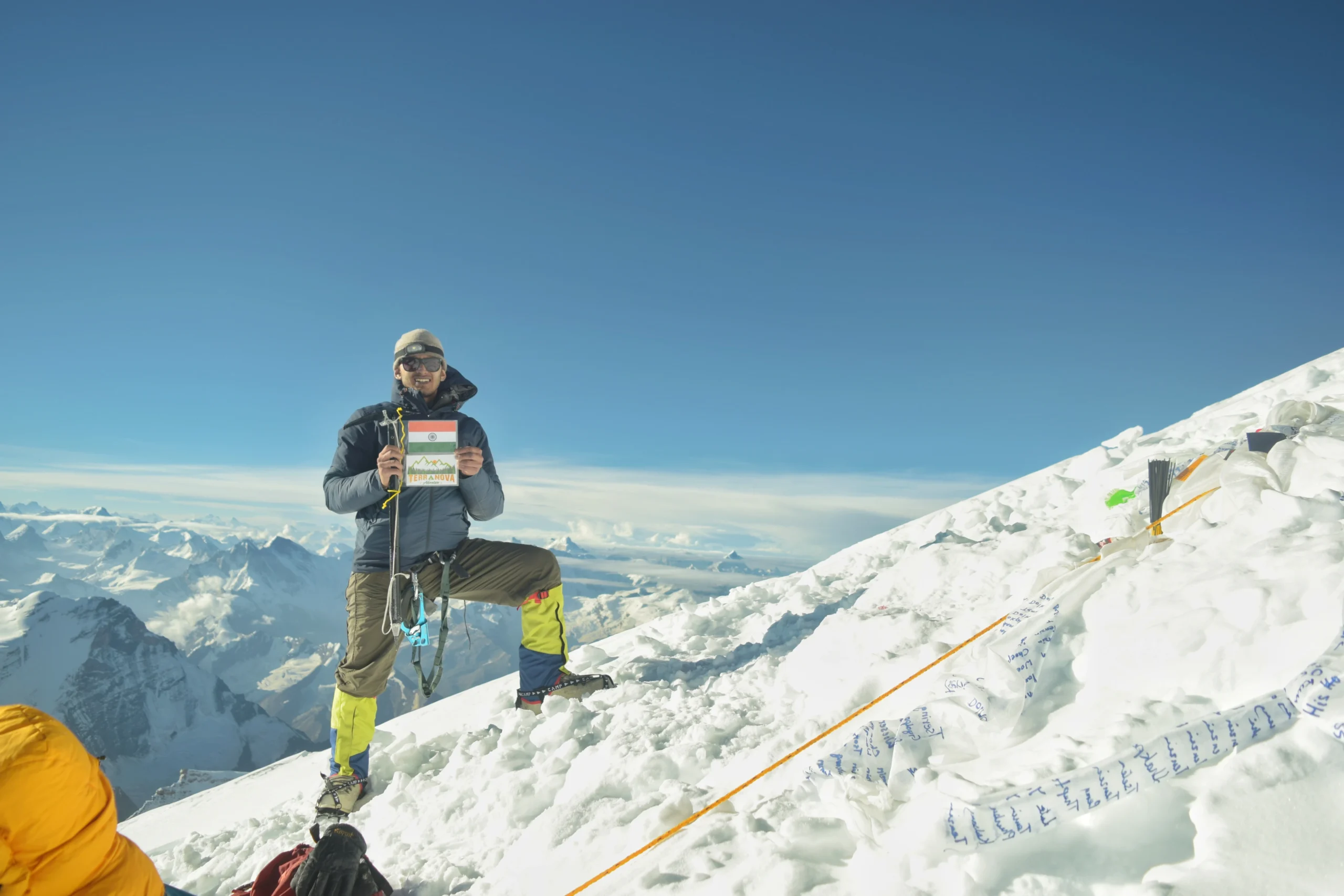
The transition from trekking to mountaineering is a natural progression for those who develop a deeper interest in mountain environments.
Trekkers often begin by attempting high-altitude treks to build endurance and acclimatization experience. From there, they move on to basic mountaineering courses where they learn technical skills.
Trekking peaks serve as the next step, providing an introduction to climbing techniques. Successful completion of these climbs prepares individuals for more advanced mountaineering objectives.
This gradual progression ensures that climbers develop the skills and confidence needed for safe and successful expeditions.
Conclusion
Trekking and mountaineering may share the same environment, but they represent two distinct approaches to experiencing the mountains. Trekking is about exploration and endurance, while mountaineering is about technical skill and controlled risk.
Understanding the difference between the two is essential for choosing the right path and preparing effectively. Whether you are walking through alpine meadows or climbing a snow-covered summit, the mountains demand respect, preparation, and awareness.
For those who aspire to climb higher and push their limits, trekking is often the beginning. Mountaineering is the journey that follows.