
Preparing for a high-altitude expedition is more than just training your body—it’s about equipping yourself with the right gear that ensures safety, comfort, and performance in extreme environments. The thin air, unpredictable weather, and challenging terrain demand a carefully curated packing list. Below is a comprehensive gear checklist that covers everything you’ll need to face the mountains confidently.
1. Clothing Layers
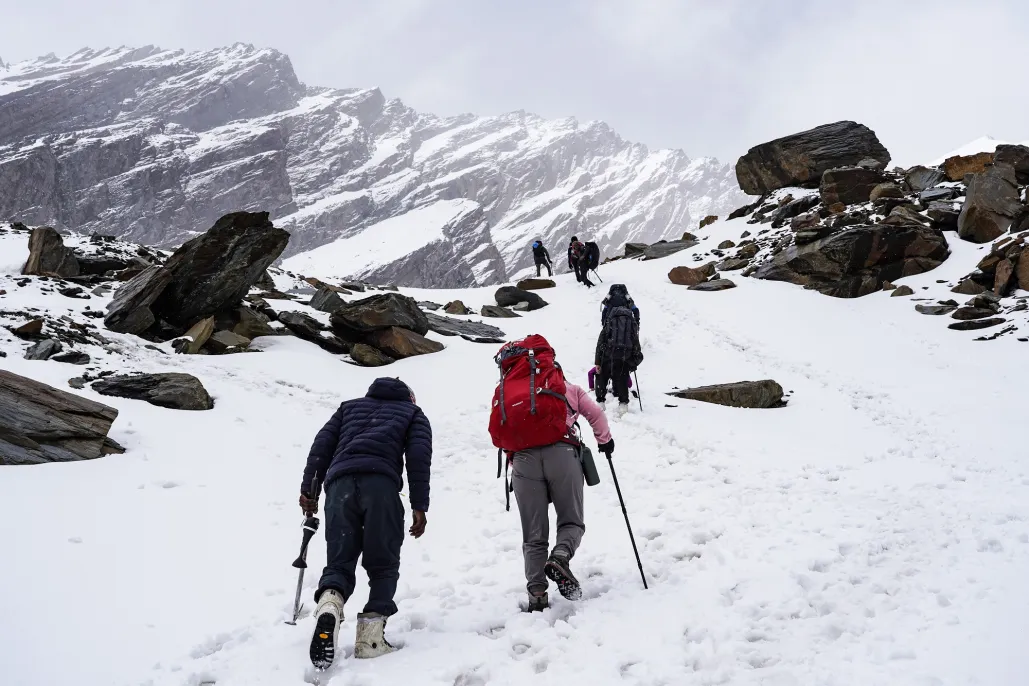
Layering is the golden rule of high-altitude trekking and climbing. It allows you to adjust easily as temperatures change throughout the day.
- Base Layer (Moisture-Wicking): Quick-dry thermal tops and bottoms (avoid cotton).
- Mid Layer (Insulation): Fleece jacket, down sweater, or synthetic insulated jacket.
- Outer Layer (Shell Protection): Waterproof & windproof jacket (Gore-Tex or equivalent) and pants.
- Additional Essentials:
- Lightweight trekking pants
- Convertible shorts (for lower altitudes)
- Warm expedition parka (for extreme cold)
- Gaiters to keep snow and debris out
2. Head & Hand Protection
Your extremities lose heat fastest; protecting them is non-negotiable.
- Warm beanie or fleece cap
- Balaclava or buff (for wind and dust)
- UV-protection sun hat
- Liner gloves (lightweight, quick-dry)
- Insulated gloves/mittens (with waterproof shell)
3. Footwear Essentials
Blisters and cold feet can end an expedition prematurely. Invest in durable, weather-appropriate boots.
- Mountaineering boots (insulated, crampon-compatible)
- Lightweight trekking shoes (for lower trails/camps)
- Camp sandals or down booties (for rest time)
- Wool or synthetic socks (carry multiple pairs)
- Sock liners (to prevent blisters)
4. Backpacks & Bags
Carrying your gear efficiently matters when every step counts.
- Expedition backpack (60–75L with internal frame)
- Daypack (25–35L for acclimatization hikes)
- Waterproof duffel bag (for gear transport)
- Dry sacks or compression sacks (for organization & waterproofing)
5. Sleeping System
Quality rest is essential for recovery at high altitudes.
- Sleeping bag (rated for -15°C to -30°C, depending on altitude)
- Sleeping pad (inflatable or foam for insulation from ground)
- Lightweight pillow or stuff sack (can be filled with clothes)
6. Technical Climbing Gear (for peak attempts)
If your expedition involves technical sections, bring the right equipment.
- Climbing harness
- Helmet
- Crampons (steel, not aluminum, for durability)
- Ice axe (straight shaft for mountaineering)
- Carabiners (locking & non-locking)
- Belay device / Ascender / Jumar
- Trekking poles (lightweight, collapsible)
7. Personal Accessories
The small things often make the biggest difference.
- Sunglasses (UV400, glacier-rated with side shields)
- Ski goggles (for snowstorms/whiteouts)
- Sunscreen (SPF 50+) & lip balm with SPF
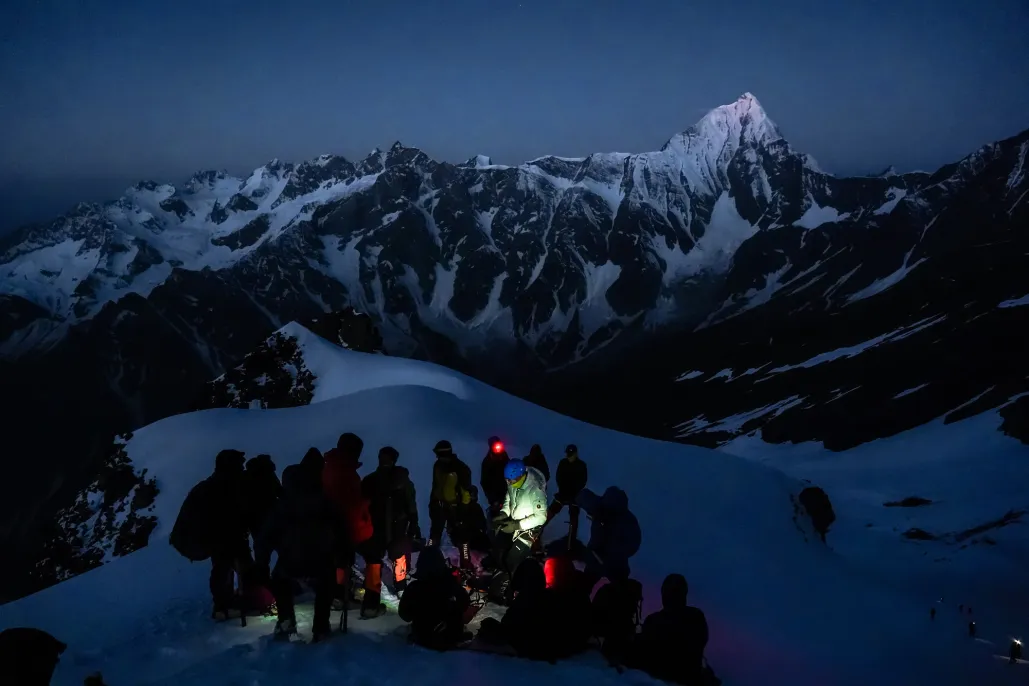
- Headlamp (with extra batteries)
- Refillable water bottles (Nalgene) or hydration bladder
- Water purification system (filter/tablets/UV pen)
- Multi-tool or knife
8. Health & Safety
Your health is your true lifeline at altitude.
- First aid kit (with blister care, pain relief, bandages)
- Personal medications (plus altitude sickness medication if prescribed)
- Pulse oximeter (to monitor oxygen levels)
- Personal hand sanitizer & wet wipes
- Trekking permits, ID & insurance documents (laminated/waterproof pouch)
9. Food & Energy
Expeditions demand high caloric intake—pack smart, lightweight options.
- Energy bars & gels
- Trail mix/nuts
- Electrolyte powder/tablets
- Instant noodles or freeze-dried meals (for backup)
10. Optional but Useful Extras
- Lightweight camera/GoPro (with extra memory cards)
- Solar charger or power bank
- Journal & pen
- Lightweight book/e-reader (for downtime)
- Flag or banner (for summit photos!)
Final Tips for Packing
- Go light but never compromise on safety. Weight matters, but leaving behind essential survival gear can be risky.
- Test your gear before the expedition. Break in boots, try your layers, and check tent/sleeping bag ratings.
- Pack for weather extremes. High-altitude environments can switch from blazing sun to snowstorms within hours.
Closing Note
A high-altitude expedition is not just a test of endurance but also of preparation. The right gear can be the difference between a successful summit and a forced retreat. Use this checklist as your foundation, customize it according to your destination and season, and always remember: the mountains reward those who come prepared.
