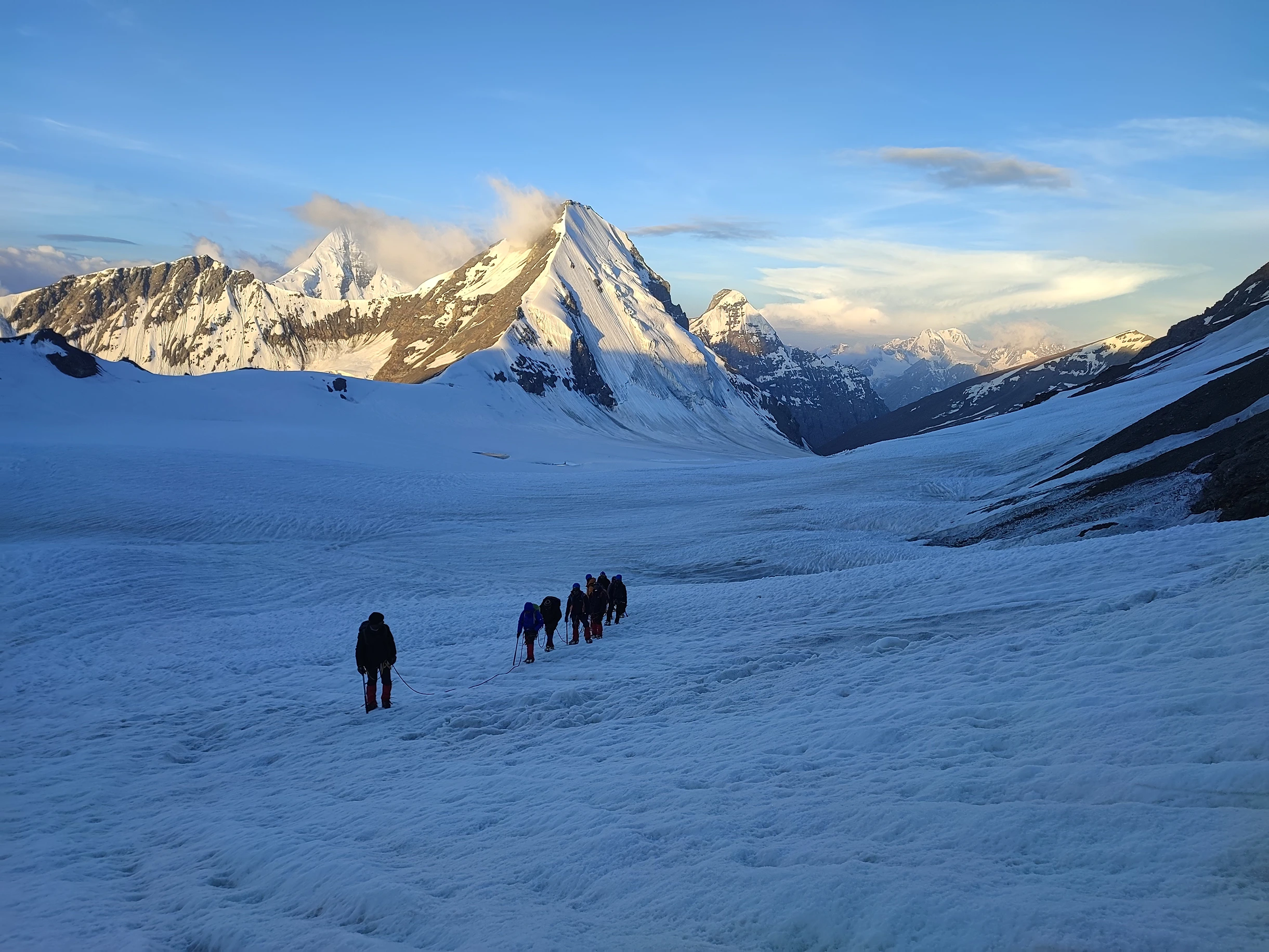
Climbing a 6000-meter peak in the Indian Himalayas marks a defining transition in a mountaineer’s journey. It is the point where trekking ends and true mountaineering begins. At this altitude, climbers step into an environment where oxygen levels are significantly lower, terrain becomes technical, and decision-making carries far greater consequences.
Unlike trekking peaks that often allow gradual learning on the go, 6000-meter expeditions demand a level of preparedness that combines physical endurance, technical skills, acclimatization understanding, and mental resilience. These climbs introduce climbers to glacier travel, rope systems, high camps, and summit pushes that often begin in the early hours of the morning under extreme conditions.
India offers an exceptional range of 6000-meter peaks across regions like Ladakh, Himachal Pradesh, and Uttarakhand. These mountains serve as the ideal training ground for climbers aiming to progress toward more advanced expeditions in the future.
This guide provides a detailed understanding of why 6000-meter peaks are the perfect next step, which peaks to consider, common mistakes to avoid, who should attempt them, and the long-term benefits of climbing at this level.
Why 6000m Peaks Are the Perfect Next Step
6000-meter peaks occupy a unique position in mountaineering progression. They represent the first real exposure to high-altitude expedition climbing without the extreme logistical and physiological demands of 7000-meter and 8000-meter peaks.
At this altitude, the body begins to experience noticeable effects of reduced oxygen. Climbers must learn how to pace themselves, manage breathing, and adapt to slower movement. This environment teaches patience and discipline, which are critical for higher expeditions.
From a technical perspective, 6000-meter peaks introduce climbers to essential mountaineering systems. Glacier crossings, fixed rope ascents, and snow slope climbing become part of the experience. These elements provide hands-on learning that cannot be replicated through training alone.
Another important aspect is the introduction to expedition structure. Climbers learn how base camps operate, how load ferrying works, and how summit strategies are planned based on weather conditions and team readiness.
The psychological aspect is equally important. Spending multiple days in remote, high-altitude environments builds mental resilience and helps climbers understand how they respond to fatigue, isolation, and uncertainty.
For these reasons, 6000-meter peaks are not just climbs—they are training platforms that prepare climbers for the next level of mountaineering.
Popular 6000m Peaks in India for Preparation Goals
India offers a diverse selection of 6000-meter peaks that cater to different levels of difficulty and learning objectives. These peaks are often chosen based on accessibility, technical requirements, and acclimatization opportunities.
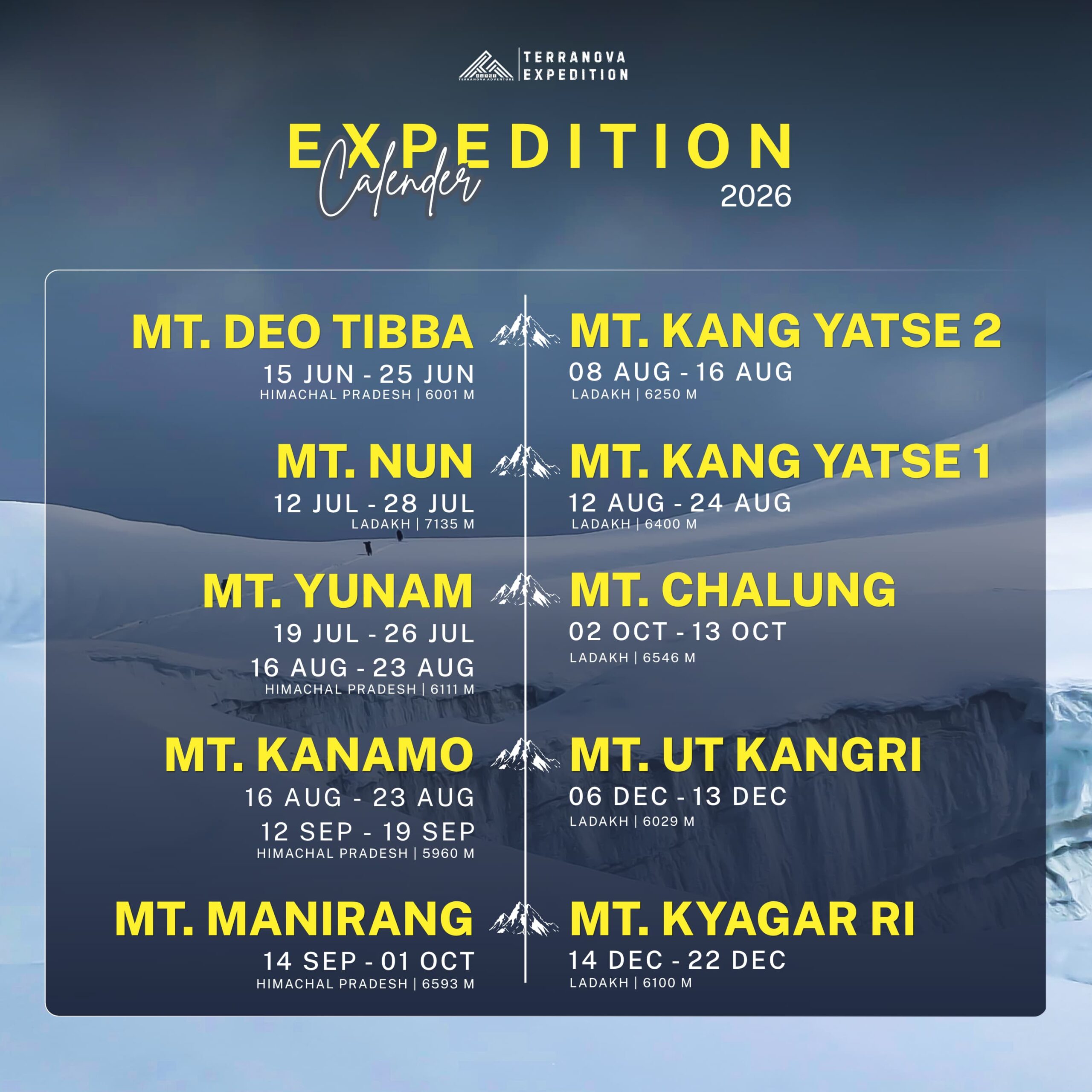
In Ladakh, peaks such as Kang Yatse II and Stok region objectives provide an excellent introduction to high-altitude climbing. The dry climate and relatively stable weather conditions make Ladakh a preferred region for many climbers. The terrain typically includes long trekking approaches followed by glacier sections and summit pushes.
In Himachal Pradesh, peaks like Friendship Peak and Yunam Peak are popular choices for climbers transitioning from trekking to mountaineering. Friendship Peak offers a mix of glacier travel and technical sections, while Yunam Peak provides a high-altitude experience with relatively less technical complexity but significant physical demand.
The Garhwal Himalaya in Uttarakhand also hosts several 6000-meter peaks that are ideal for preparation. These mountains often involve more complex glacier systems and variable weather conditions, providing a more demanding environment for learning.
Choosing the right peak depends on the climber’s current skill level, fitness, and long-term goals. Some peaks emphasize technical learning, while others focus on altitude adaptation and endurance.
A well-chosen 6000-meter peak should challenge the climber without overwhelming them, allowing for both skill development and a realistic chance of success.
Common Mistakes Climbers Make
Climbing a 6000-meter peak is often underestimated by beginners, leading to mistakes that can compromise both safety and success.
One of the most common mistakes is underestimating the impact of altitude. Many climbers assume that fitness alone will carry them through the expedition. However, altitude affects everyone differently, and even highly fit individuals can struggle without proper acclimatization.
Another frequent error is inadequate technical preparation. Climbers who are unfamiliar with crampons, ice axes, and rope systems may find themselves overwhelmed when faced with technical sections on the mountain.
Poor pacing is another issue. Moving too quickly during the early stages of the climb can lead to fatigue and increase the risk of altitude sickness. High-altitude climbing requires a steady and controlled pace.
Nutrition and hydration are often neglected. Appetite tends to decrease at altitude, but the body’s energy requirements increase. Failing to maintain proper intake leads to weakness and reduced performance.
Overpacking or carrying unnecessary gear adds to physical strain and slows progress. Conversely, underpacking critical items can create serious safety risks.
Many climbers also ignore early symptoms of altitude sickness, assuming they will improve with time. Delayed response can lead to severe conditions that require immediate descent.
Avoiding these mistakes requires preparation, awareness, and a disciplined approach to climbing.
Who Can Climb a 6000m Peak?
6000-meter peaks are accessible to a wide range of climbers, but they are not suitable for complete beginners without preparation.
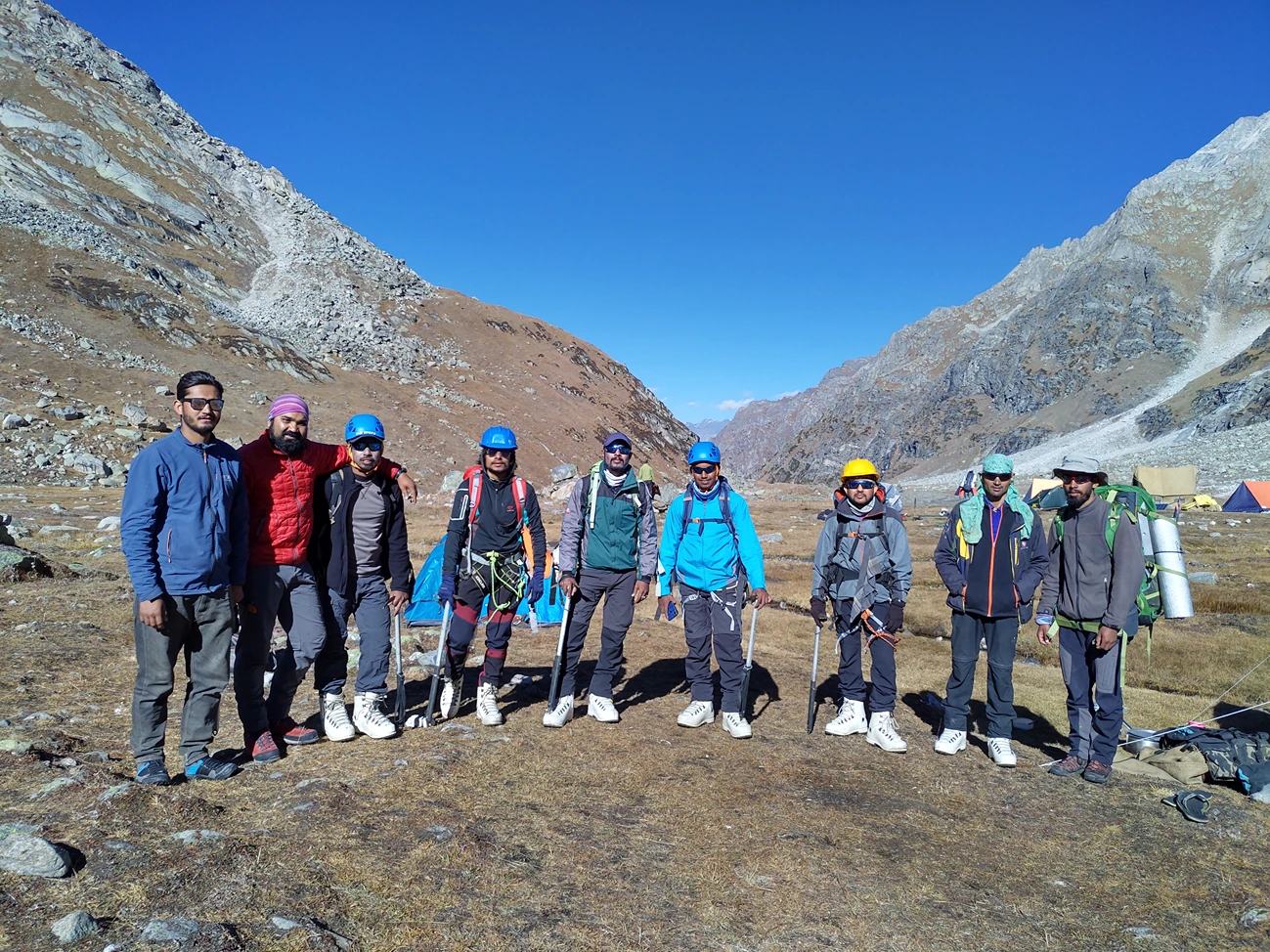
Ideal candidates typically have prior experience with high-altitude trekking, preferably above 4,000 meters. This experience helps climbers understand how their bodies respond to altitude and prepares them for multi-day efforts in mountainous terrain.
Basic mountaineering skills are strongly recommended. Climbers should be familiar with using crampons, ice axes, and basic rope systems. Completing a mountaineering course before attempting a 6000-meter peak significantly improves safety and confidence.
Physical fitness is essential. Climbers should be capable of sustained effort over long durations while carrying a backpack. Cardiovascular endurance, leg strength, and recovery ability are key factors.
Mental readiness is equally important. Climbers must be prepared to deal with uncertainty, changing weather conditions, and the physical discomfort of high-altitude environments.
Guided expeditions make these climbs accessible to beginners who meet the fitness and preparation requirements. Experienced guides provide support, training, and route management, allowing climbers to focus on learning and performance.
Benefits of Climbing a 6000m Peak
Climbing a 6000-meter peak offers a range of benefits that extend beyond the physical achievement of reaching a summit.
One of the most significant benefits is the development of technical skills. Climbers gain hands-on experience with mountaineering equipment and techniques that form the foundation for more advanced climbs.
The experience also enhances physical endurance. Multi-day climbing at altitude builds strength, stamina, and recovery capacity in ways that cannot be replicated through regular training.
Another important benefit is acclimatization experience. Understanding how the body adapts to altitude is critical for future expeditions, and 6000-meter climbs provide valuable exposure to this process.
Climbers also develop mental resilience. High-altitude environments challenge patience, focus, and decision-making, helping individuals build confidence and discipline.
From a progression standpoint, a successful 6000-meter climb serves as a stepping stone toward more ambitious goals such as 7000-meter peaks and technical alpine routes.
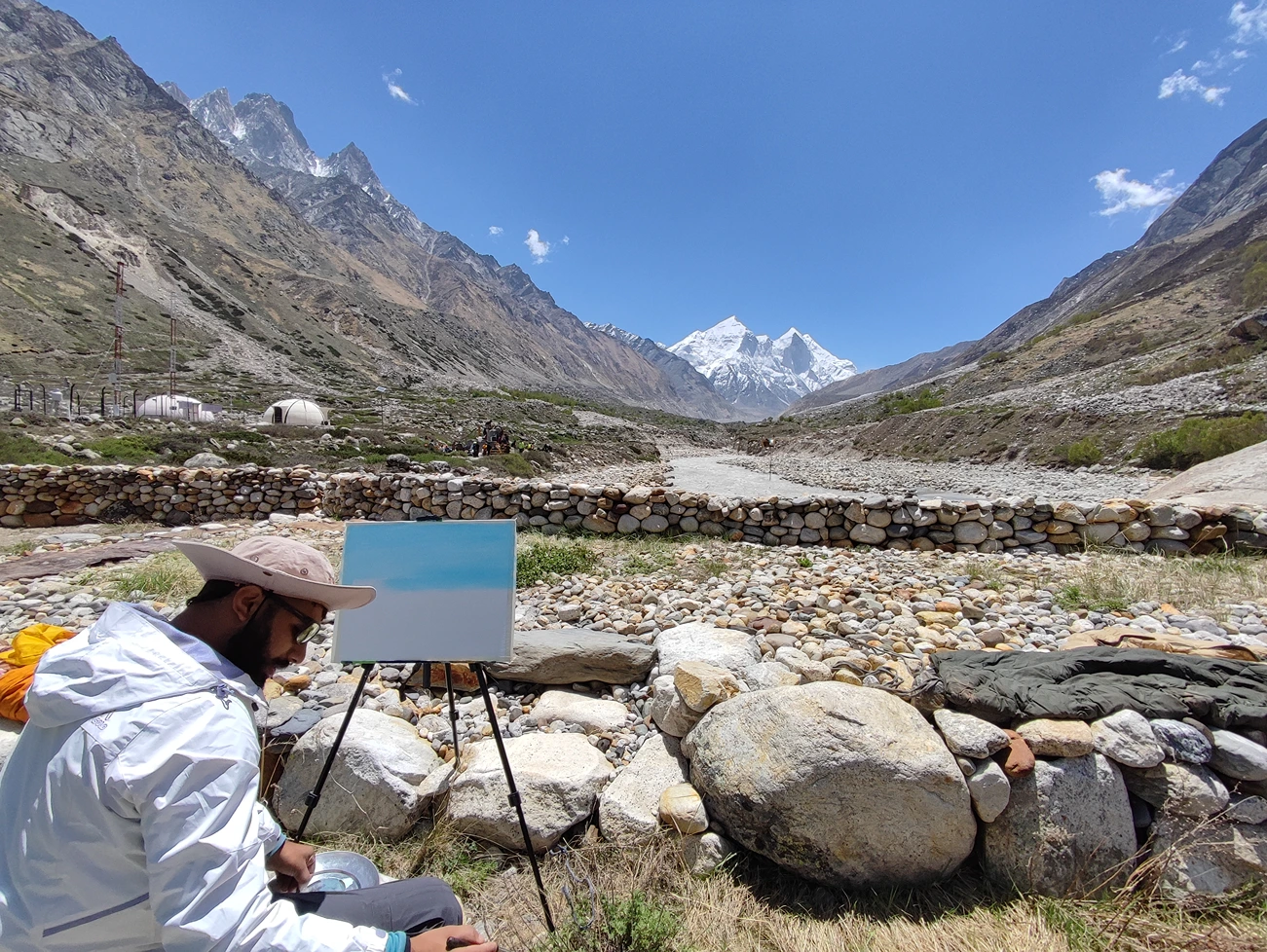
Beyond the technical and physical aspects, these climbs offer a deep connection with the Himalayan environment. The experience of living and climbing in remote high-altitude landscapes creates a lasting sense of achievement and perspective.
Conclusion
Preparing for a 6000-meter peak in India is a structured process that combines physical training, technical learning, and mental conditioning. These climbs represent a crucial stage in the journey of mountaineering, offering the perfect balance between challenge and accessibility.
By choosing the right peak, avoiding common mistakes, and committing to proper preparation, climbers can transform their first 6000-meter expedition into a meaningful and successful experience.
More than just a milestone, a 6000-meter climb is an education in high-altitude mountaineering—one that lays the foundation for future adventures in the greater Himalayas.