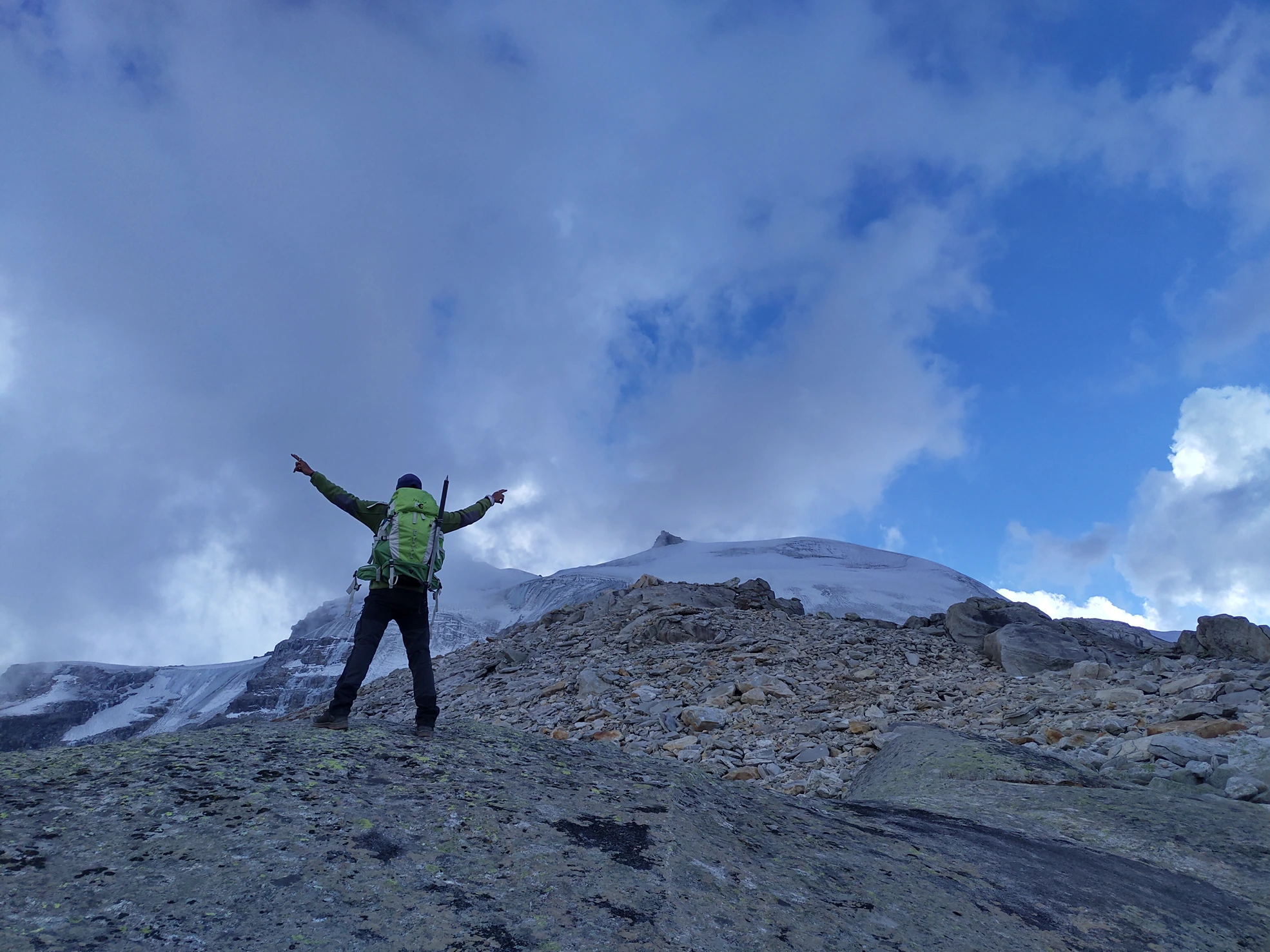
The Indian Himalayas are home to some of the most challenging and technically demanding mountains in the world. While the global mountaineering spotlight often focuses on the 8000-meter peaks of Nepal and Pakistan, India quietly hosts an extraordinary range of 7000-meter giants that offer equally formidable challenges. These peaks demand high levels of technical skill, endurance, logistical planning, and mental resilience.
Climbing a 7000-meter mountain is not simply a step above trekking peaks or beginner mountaineering objectives. At this elevation, climbers enter a physiological zone where oxygen levels drop significantly, weather conditions become unpredictable, and the margin for error narrows dramatically. Expeditions to these mountains typically require weeks of preparation, staged acclimatization, and highly experienced climbing teams.
The Indian Himalayan region—particularly the Garhwal Himalaya, Ladakh, and the Eastern Karakoram—contains several impressive peaks above the 7000-meter threshold. These mountains are less commercialized than many of the famous Nepalese peaks, which makes them attractive to climbers seeking remote and serious alpine experiences.
Below are some of the most notable Indian Himalayan peaks above 7000 meters that represent the ultimate challenge for experienced mountaineers.
Mount Satopanth (7075 m)
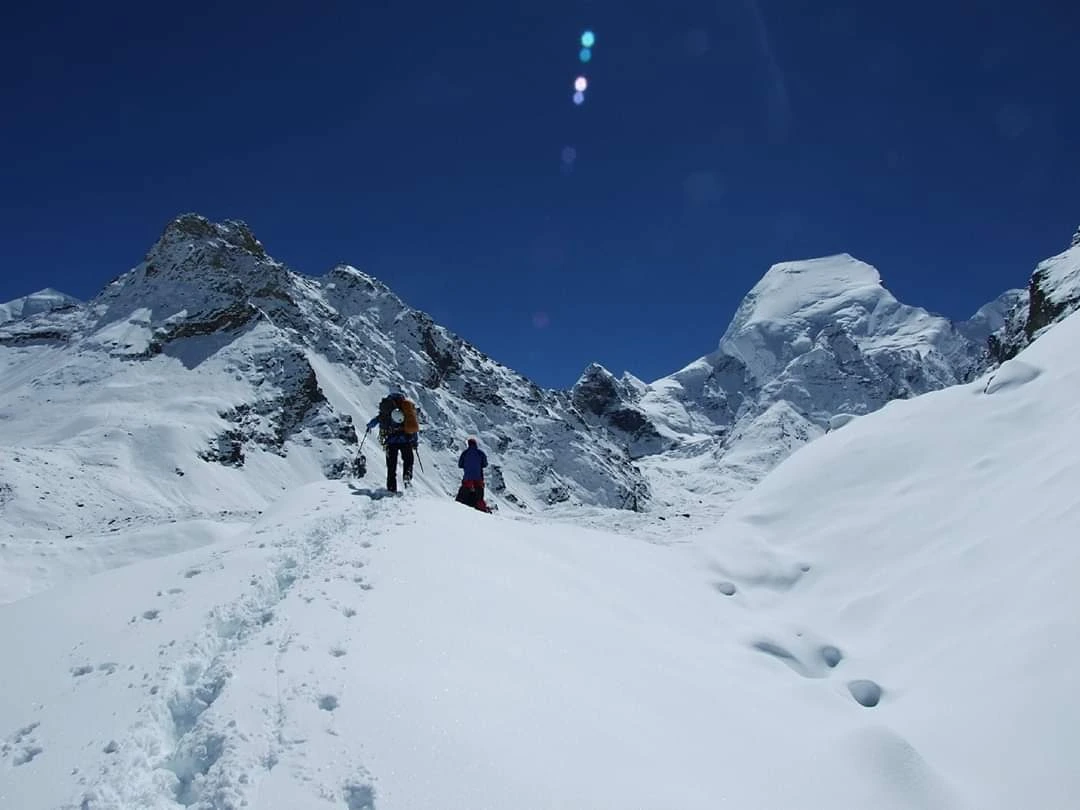
Mount Satopanth rises majestically in the Garhwal Himalaya of Uttarakhand and is one of the most respected climbing objectives in the region. Located near the sacred pilgrimage routes of Badrinath, the mountain forms part of a dramatic group of peaks surrounding the Gangotri and Alaknanda glacier systems.
The climb to Satopanth is known for its technical complexity and long glacial approach. Climbers must navigate steep snow slopes, exposed ridges, and sections of crevassed glacier terrain before reaching the summit ridge. The mountain’s pyramid-like shape creates steep faces that require careful route planning and technical climbing.
Weather conditions in this region can change rapidly, making summit windows unpredictable. High winds and heavy snowfall are common during expedition seasons. These factors, combined with altitude and technical terrain, make Satopanth a demanding climb even for experienced mountaineers.
Despite its challenges, Satopanth attracts climbers who are drawn to the raw beauty of the Garhwal Himalaya and the satisfaction of ascending a classic Indian expedition peak.
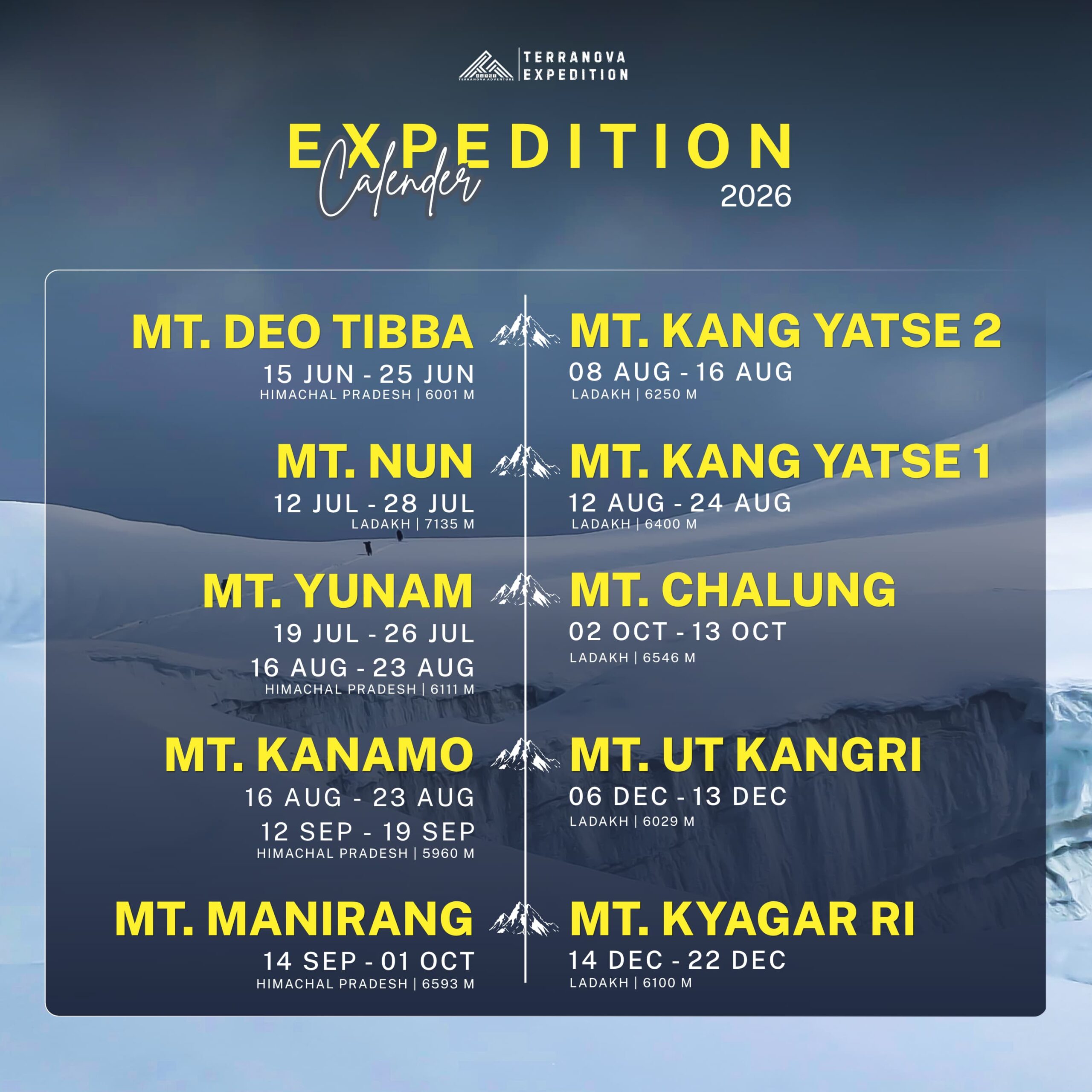
Mount Nun (7135 m)
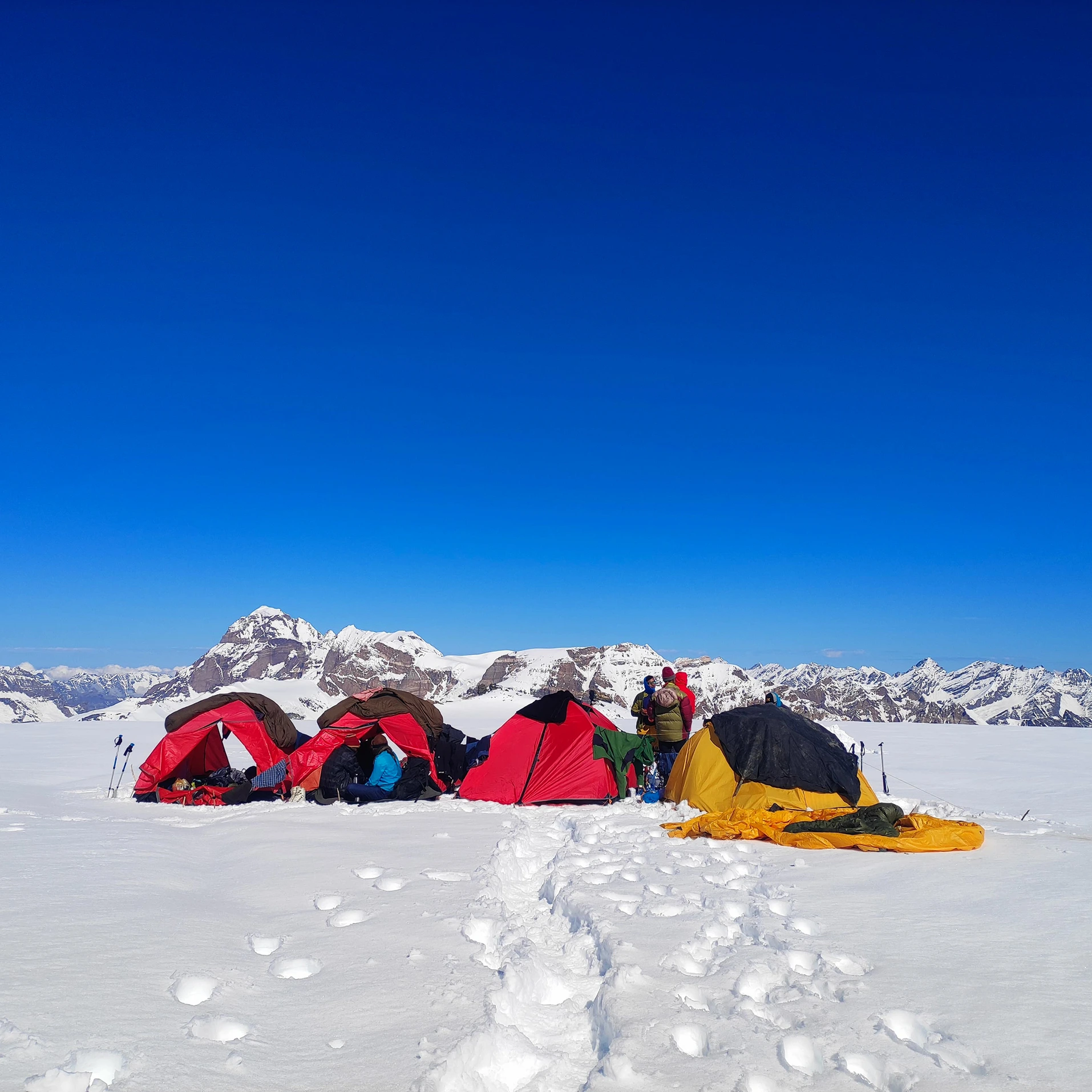
Mount Nun is the highest peak in the Nun-Kun massif, located in the Zanskar region of Ladakh. This massif contains two major peaks—Nun and Kun—which rise dramatically above the Suru Valley.
Mount Nun stands at 7,135 meters and is widely regarded as one of the most accessible 7000-meter peaks in the Indian Himalayas, though “accessible” should not be mistaken for easy. The climb involves glacier travel, steep snow slopes, and exposure to severe high-altitude conditions.
The approach to Nun typically begins from the Suru Valley and passes through expansive glacier systems before reaching base camp. Climbers establish multiple camps along the route to facilitate acclimatization and load carrying.
Summit attempts require navigating high snow ridges and icy slopes where weather conditions often deteriorate rapidly. Strong winds and extreme cold are common above 6,500 meters.
Mount Nun is often considered a stepping stone for climbers preparing for larger Himalayan expeditions, but it remains a serious undertaking that requires careful planning and strong technical ability.
Mount Kun (7077 m)
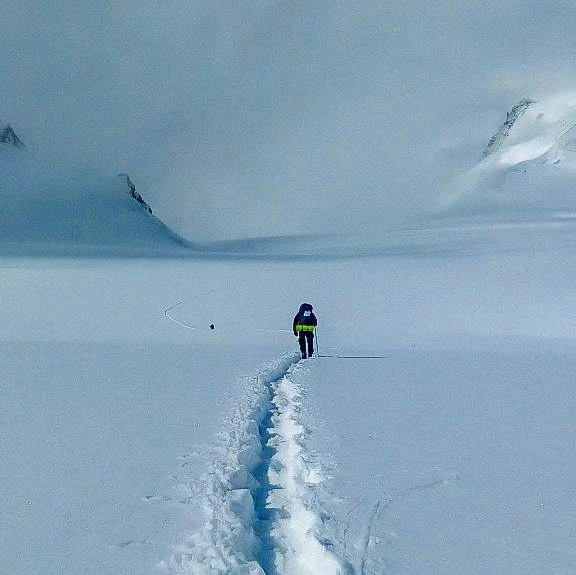
Mount Kun, the neighboring peak to Nun, forms the second major summit of the Nun-Kun massif. Although slightly lower in elevation at 7,077 meters, Kun is often considered more technically demanding than Nun due to its steeper faces and more complex climbing routes.
The mountain features extensive glacier systems and sharp ridges that require careful navigation. Climbers encounter challenging snow slopes, crevasses, and exposed sections where rope systems are essential for safety.
The remote Zanskar environment adds to the expedition’s difficulty. Logistics, weather monitoring, and acclimatization strategies must be carefully managed because rescue options are limited in such isolated terrain.
Mount Kun’s combination of altitude, technical climbing, and remote location makes it a rewarding objective for experienced mountaineers seeking a serious Himalayan challenge.
Mount Abi Gamin (7355 m)
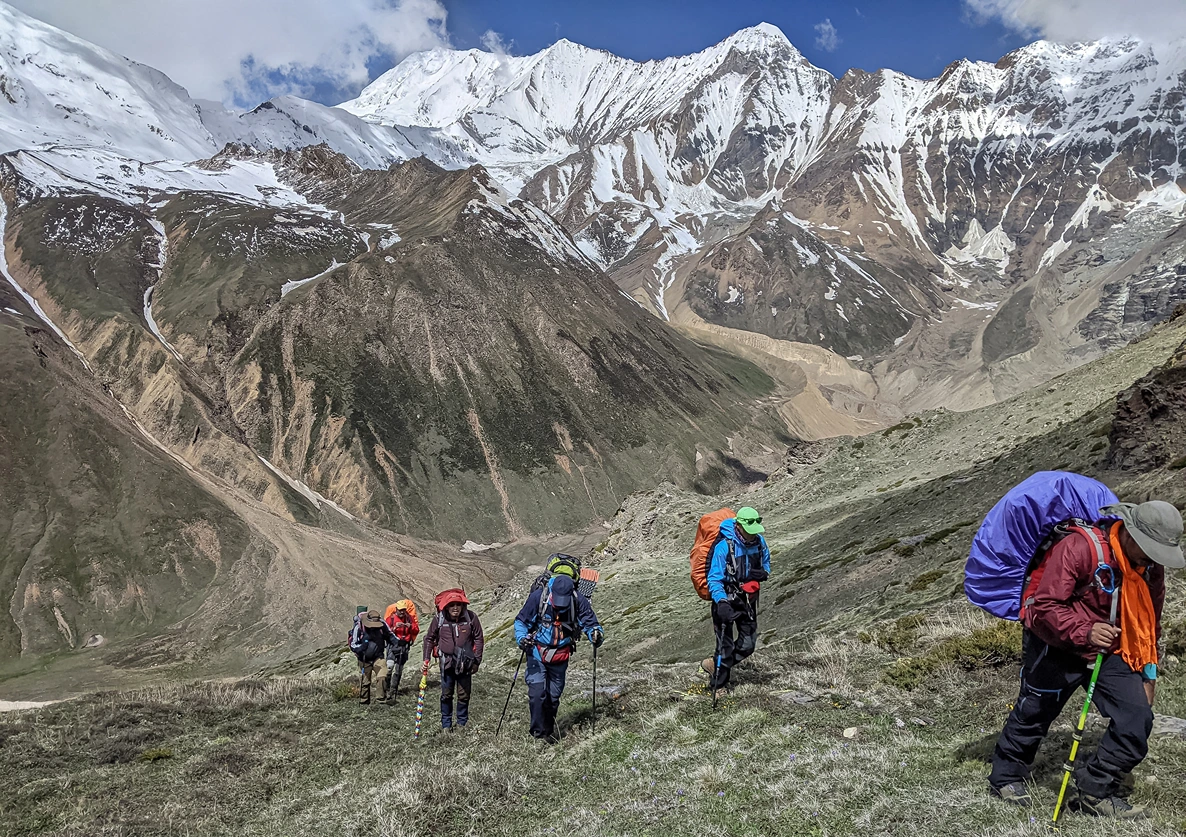
Abi Gamin is a striking peak located on the border between India and Tibet in the Garhwal Himalaya. Rising to 7,355 meters, it forms part of the same massif as Mount Kamet and is often attempted as part of a larger expedition in the region.
The mountain’s terrain consists of steep snow slopes, glacier crossings, and exposed summit ridges. Climbers must establish high camps to support summit attempts and allow for proper acclimatization.
Abi Gamin is known for its harsh weather conditions and technical climbing sections. Strong winds and cold temperatures frequently challenge climbers during summit pushes.
Although it receives fewer expeditions compared to more famous Himalayan peaks, Abi Gamin offers a classic high-altitude climbing experience with spectacular views of surrounding Garhwal giants.
Mount Kamet (7756 m)
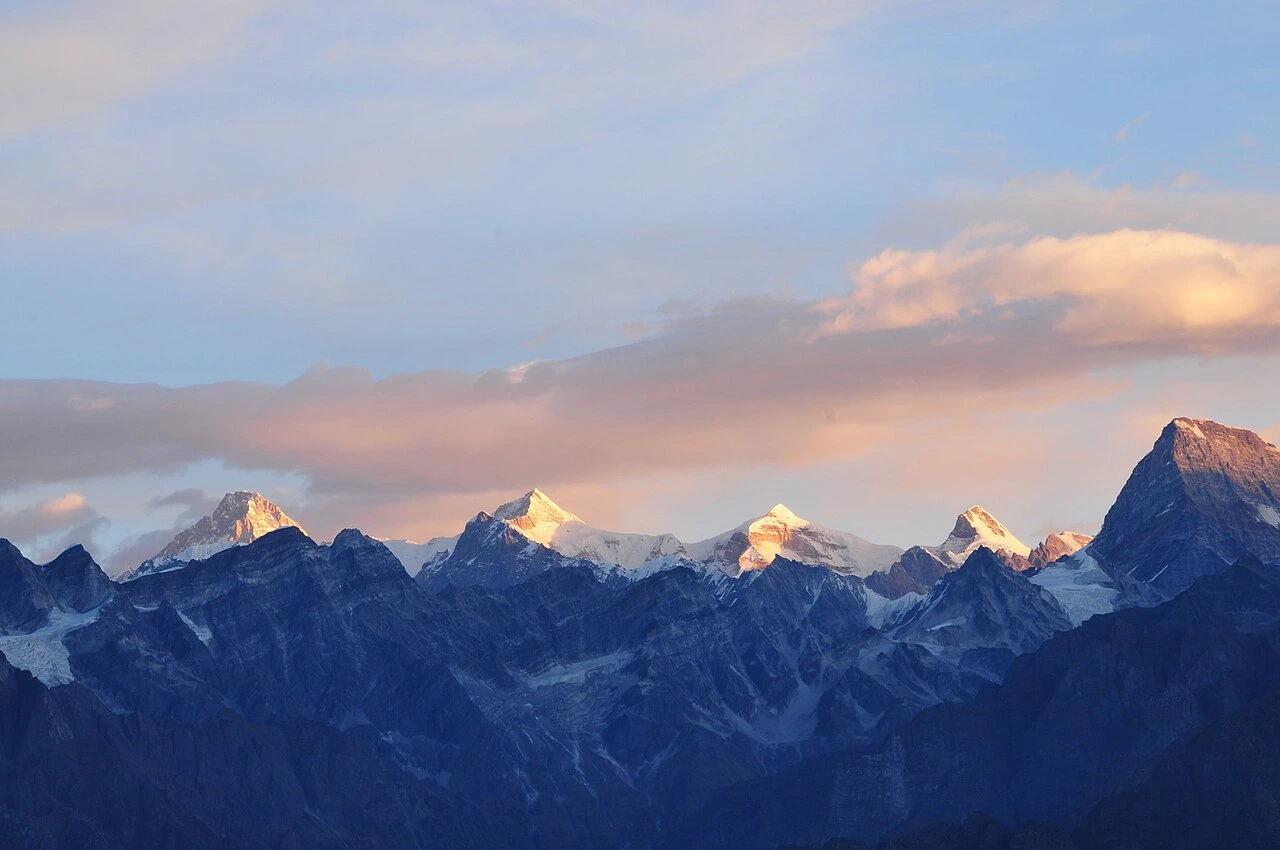
Mount Kamet is one of the tallest mountains in India and the second-highest peak entirely within the Indian territory. Rising to 7,756 meters, it dominates the skyline of the Garhwal Himalaya.
Kamet is considered a major Himalayan expedition due to its altitude, long approach, and challenging terrain. Climbers must traverse extensive glaciers and negotiate steep snow slopes before reaching higher camps.
One of the defining features of Kamet expeditions is the prolonged exposure to extreme altitude. The climb involves several camps above 6,000 meters, where oxygen levels drop dramatically and weather conditions become increasingly hostile.
Despite its high altitude, Kamet has historically been an important objective for climbers seeking to gain experience on large Himalayan peaks before attempting 8000-meter mountains.
The mountain’s immense scale and remote environment make every successful ascent a significant achievement.
Saser Kangri I (7672 m)
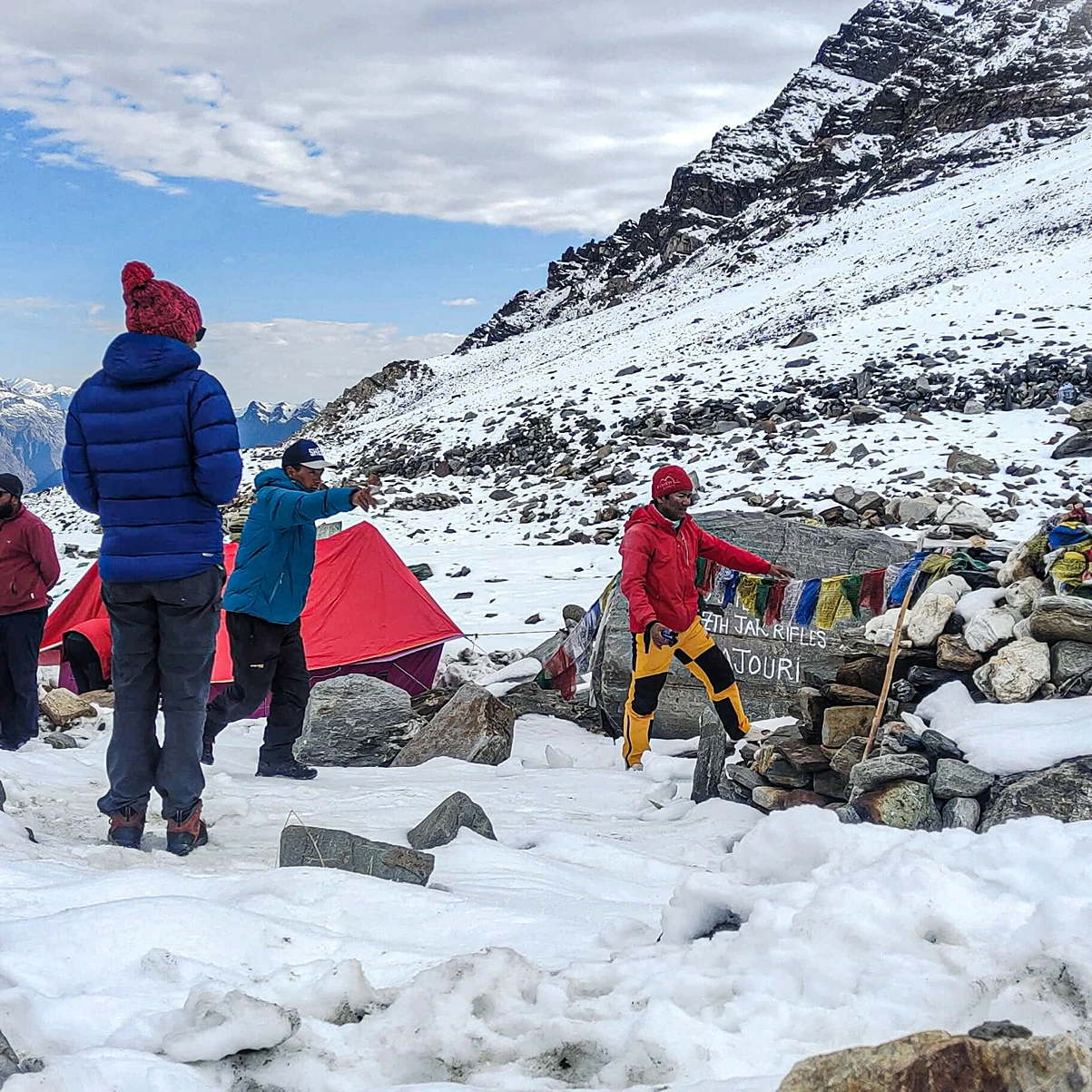
Saser Kangri I is the highest peak of the Saser Kangri group in the Eastern Karakoram range of Ladakh. Rising to 7,672 meters, it stands in one of the most remote and rugged regions of the Indian Himalayas.
The mountain’s isolation is one of its defining characteristics. Expeditions to Saser Kangri involve complex logistics due to restricted access areas and difficult terrain.
Climbers must navigate massive glaciers, steep ice faces, and avalanche-prone slopes. Weather conditions in the Karakoram are notoriously unstable, with sudden storms and high winds posing serious risks.
The technical difficulty of Saser Kangri, combined with its remote location, makes it one of the most demanding climbs in the Indian Himalayas.
Mount Mana (7272 m)
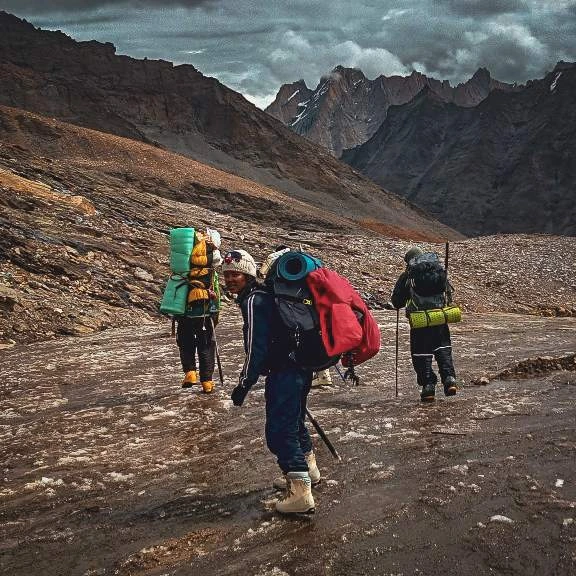
Mount Mana is located in the Garhwal Himalaya near the border between India and Tibet. Rising to 7,272 meters, it stands close to the pilgrimage routes of Badrinath but remains a formidable mountaineering objective.
The climb involves steep snow slopes, glacier navigation, and exposed ridgelines. Climbers must carefully manage acclimatization as the mountain rises quickly above surrounding valleys.
The Garhwal region’s unpredictable weather adds another layer of difficulty. Snowstorms and high winds can appear suddenly, forcing climbers to delay summit attempts or descend.
Despite these challenges, Mount Mana remains an attractive peak for experienced mountaineers seeking a serious expedition in a culturally rich Himalayan region.
Mount Chaukhamba I (7138 m)
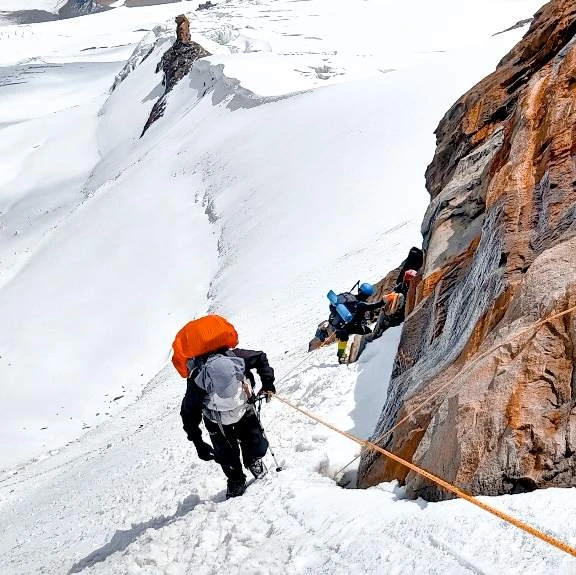
Chaukhamba I is the highest summit of the Chaukhamba massif in the Garhwal Himalaya. The name “Chaukhamba” translates to “four pillars,” reflecting the mountain’s distinctive four-summit structure.
The climb to Chaukhamba I is highly technical and involves steep ice faces, crevassed glaciers, and exposed ridges. Avalanches and unstable snow conditions present constant hazards.
The mountain’s dramatic vertical relief and complex terrain make it one of the more challenging 7000-meter peaks in India.
Climbers who attempt Chaukhamba I must possess strong technical climbing skills and extensive high-altitude experience.
Nanda Devi East (7,434 m)
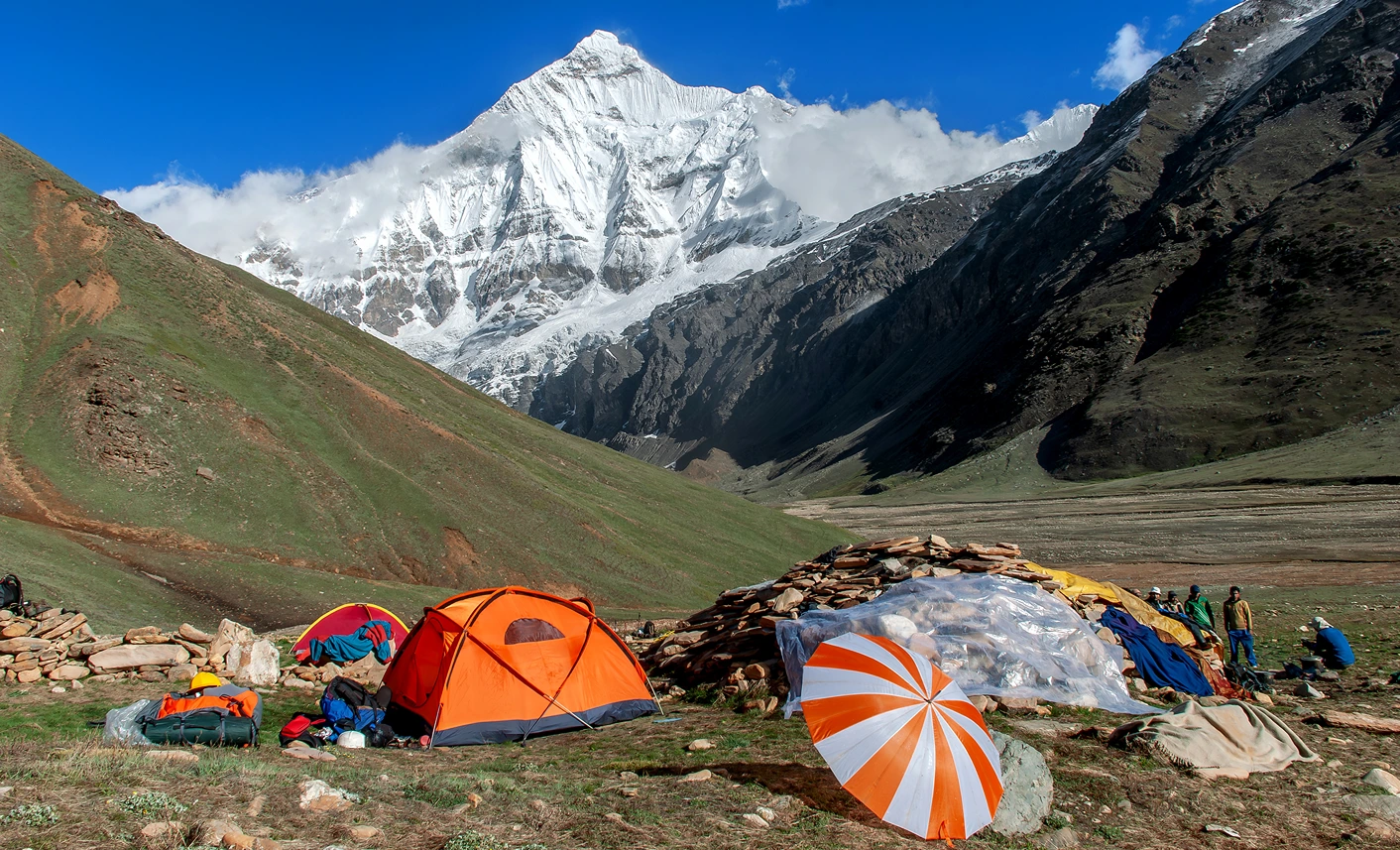
Nanda Devi East is the eastern summit of the famous Nanda Devi massif, one of the most iconic mountain groups in the Indian Himalayas.
The region surrounding Nanda Devi is environmentally sensitive and heavily protected, which limits climbing activity. Expeditions must follow strict regulations to preserve the fragile ecosystem.
The climb to Nanda Devi East involves glacier travel, steep ice slopes, and exposed ridges. The altitude and remoteness of the region create significant logistical challenges.
Despite these obstacles, the mountain remains a prized objective for climbers seeking to experience one of the most legendary regions of the Indian Himalayas.
Mount Trishul I (7120 m)
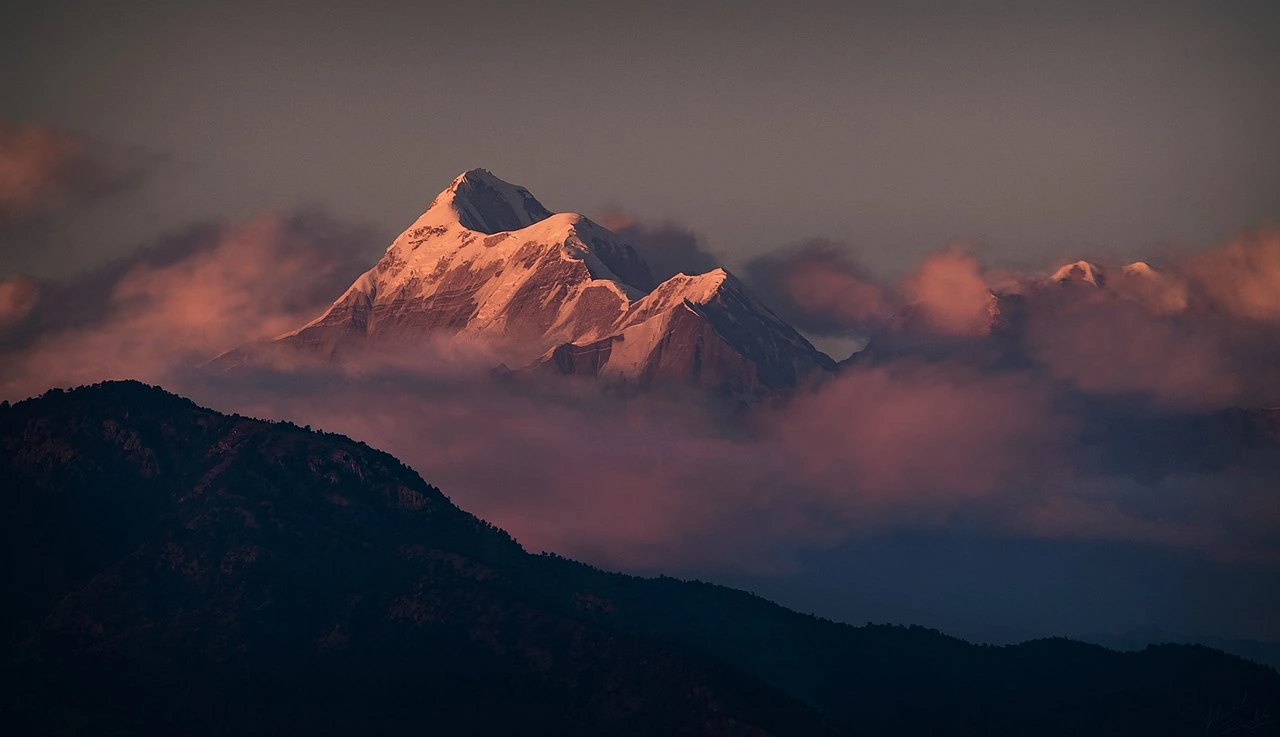
Mount Trishul I is the highest peak of the Trishul massif in Uttarakhand’s Kumaon region. The mountain’s name comes from its resemblance to the trident of Lord Shiva.
Trishul I is historically significant because it was one of the first Himalayan peaks above 7,000 meters ever successfully climbed. The ascent requires navigating glaciers, steep snow slopes, and exposed ridges.
The mountain’s altitude and technical terrain demand strong mountaineering skills and careful acclimatization strategies.
Climbers are rewarded with sweeping views of the Kumaon Himalaya and the surrounding peaks of the Nanda Devi Sanctuary.
Why 7000m Peaks Are Extremely Challenging
Climbing a 7000-meter mountain pushes the human body into extreme physiological conditions. At these elevations, oxygen levels are significantly reduced, which affects physical performance and cognitive function.
Even basic tasks become more exhausting because the body must work harder to supply oxygen to muscles and vital organs. Climbers often experience slower movement, rapid fatigue, and difficulty recovering between climbing days.
Weather conditions above 7000 meters are also severe. Temperatures can drop far below freezing, while high winds increase the risk of frostbite and hypothermia.
Technical terrain further complicates these climbs. Ice walls, crevassed glaciers, and avalanche-prone slopes require precise movement and constant awareness.
These factors combine to make 7000-meter expeditions serious undertakings that demand extensive preparation.
Training Required for 7000m Expeditions
Preparation for a 7000-meter expedition typically begins months or even years before the climb.
Physical training focuses on building cardiovascular endurance, leg strength, and load-carrying ability. Long hikes with weighted backpacks simulate expedition conditions and improve stamina.
Technical training is equally important. Climbers must be comfortable using crampons, ice axes, rope systems, and crevasse rescue techniques. Many mountaineers complete advanced mountaineering courses before attempting peaks of this scale.
Acclimatization experience is critical. Climbers who have previously attempted 6000-meter peaks are better prepared for the physiological challenges of higher altitude.
Mental resilience also plays a significant role. High-altitude expeditions demand patience, discipline, and the ability to make careful decisions under stress.
Successful climbers approach these mountains with humility, preparation, and respect for the immense power of the Himalayas.
Conclusion
The Indian Himalayas offer a remarkable collection of peaks above 7000 meters that test the limits of mountaineering skill and endurance. From the glaciers of Ladakh to the towering summits of the Garhwal Himalaya, these mountains represent some of the most serious climbing objectives in the region.
Each peak presents its own combination of altitude, technical terrain, and environmental challenges. Climbers who attempt them must be prepared for demanding expeditions that require careful planning, extensive training, and strong teamwork.
For experienced mountaineers, however, these mountains provide extraordinary rewards. Standing on a 7000-meter summit in the Indian Himalayas is not only a physical achievement but also a profound experience of the raw power and beauty of high-altitude landscapes.