For many people who dream about climbing in the Himalayas, the first question is often the same: where should a beginner start? While towering 7,000-meter and 8,000-meter giants capture most of the attention in mountaineering stories, the journey toward those summits rarely begins there. Instead, the most practical and rewarding starting point for aspiring climbers is a category known as beginners trekking peaks.
Trekking peaks serve as the bridge between high-altitude trekking and technical mountaineering. They introduce climbers to snow slopes, glaciers, rope systems, and summit pushes while remaining within a difficulty level that beginners can realistically manage with proper preparation and guidance. These peaks allow climbers to experience the thrill of standing on a Himalayan summit without the extreme technical demands of major expedition mountains.
The concept of trekking peaks has become especially popular in the Indian Himalayas and neighbouring regions because they offer an accessible entry point into alpine climbing. Climbers can learn the fundamentals of mountaineering while exploring some of the most dramatic landscapes on Earth—glacier valleys, towering ridges, and remote alpine camps.
This beginner’s guide explains what trekking peaks are, why they are ideal for first-time climbers, which peaks in India are suitable for beginners, and what kind of experience and skills are typically required. Understanding these elements will help you plan your first climbing objective with confidence and realistic expectations.
What Are Trekking Peaks?
Trekking peaks are mountains that require basic mountaineering techniques but remain accessible to climbers who do not yet possess advanced technical experience. These peaks generally fall within the altitude range of 5,500 to 6,500 meters, although the exact classification can vary depending on the region and local mountaineering authorities.
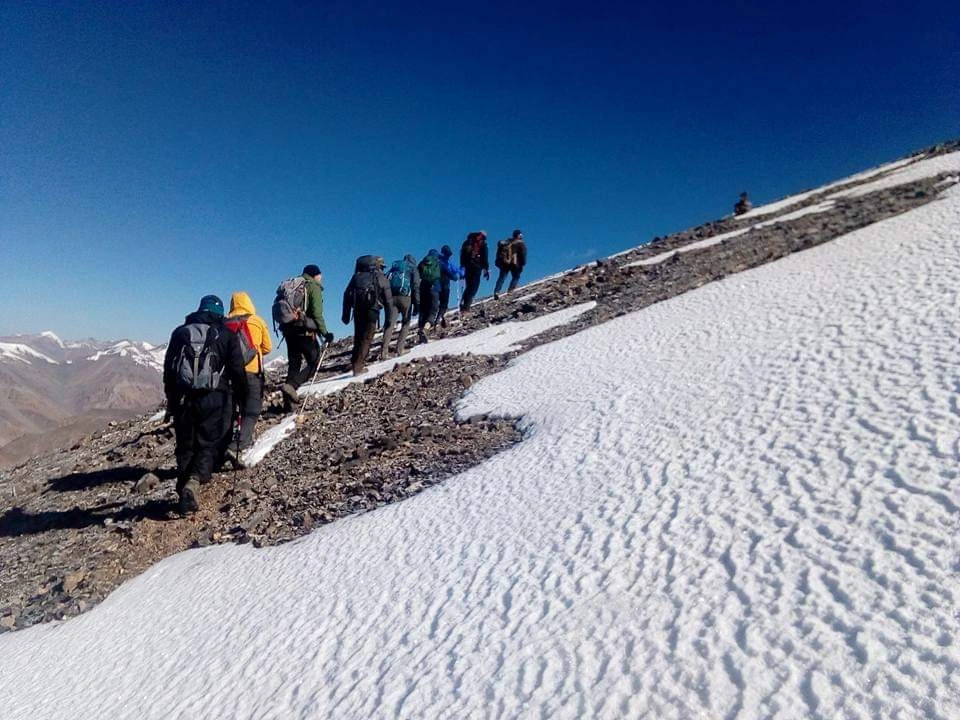
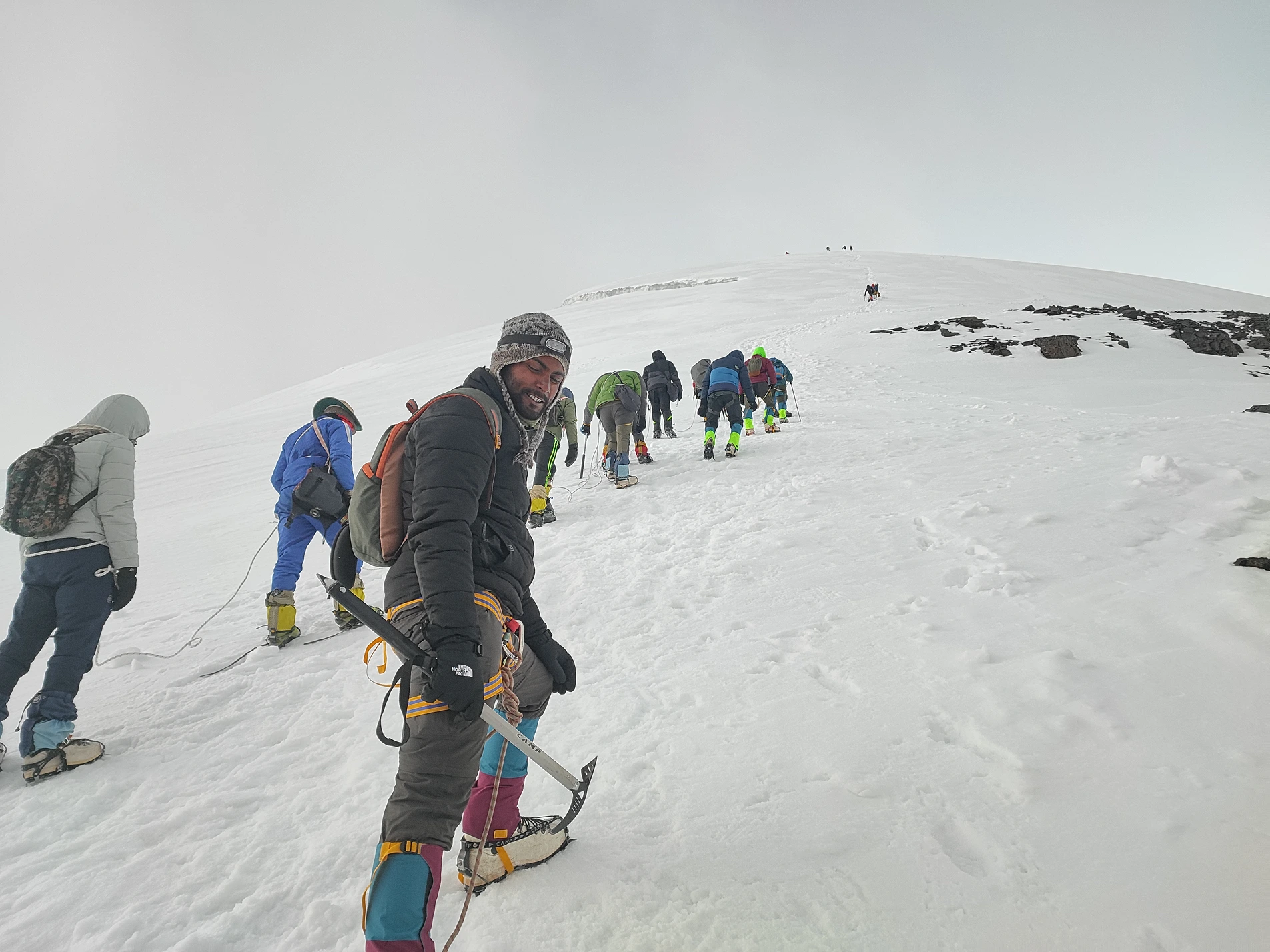
Unlike standard trekking routes that follow well-established trails, trekking peaks typically involve sections of snow slopes, glacier crossings, or short technical climbs near the summit. Climbers often use equipment such as crampons, ice axes, helmets, harnesses, and fixed ropes to safely navigate these sections. However, the level of technical difficulty is intentionally moderate, allowing beginners to learn essential climbing techniques in a controlled environment.
One defining characteristic of trekking peaks is that the majority of the journey still resembles a traditional trek. Climbers gradually gain altitude through scenic valleys, mountain passes, and alpine meadows before reaching a base camp near the mountain. From there, summit attempts usually involve higher camps and an early morning ascent using mountaineering equipment.
The idea behind trekking peaks is progression. They introduce climbers to the systems and challenges of mountaineering without overwhelming them with complex routes or extreme exposure. This makes them an ideal training ground for anyone aspiring to pursue more demanding alpine expeditions in the future.
Another important aspect of trekking peaks is the emphasis on learning. Many guided expeditions include training sessions at base camp where climbers practice rope techniques, crampon walking, and self-arrest with an ice axe. These experiences transform the climb from simply reaching a summit into a valuable educational journey.
Why Choose a Trekking Peak as a Beginner?
Choosing the right first climbing objective is one of the most important decisions for anyone entering mountaineering. Trekking peaks offer several advantages that make them particularly suitable for beginners who want to experience their first Himalayan summit.
One of the biggest benefits is manageable technical difficulty. While trekking peaks still require mountaineering equipment and techniques, the routes are designed to introduce these elements gradually. Beginners can practice movement on snow and ice under the supervision of experienced guides, which builds both competence and confidence.
Another major advantage is the opportunity to gain high-altitude experience. Many trekking peaks rise above 6,000 meters, placing climbers in the same altitude zone as major Himalayan expeditions. This allows beginners to understand how their bodies respond to thin air, how acclimatization works, and how to pace themselves during multi-day climbs.
Trekking peaks also provide a structured introduction to expedition life. Climbers learn how base camps operate, how load carrying and camp rotations function, and how summit attempts are planned around weather conditions. These logistical insights are essential for anyone considering more advanced mountaineering in the future.
From a psychological perspective, trekking peaks help climbers develop mental resilience. Standing on a high-altitude summit after days of effort creates a powerful sense of accomplishment and reinforces the discipline required in mountaineering.
Another reason many beginners choose trekking peaks is the combination of adventure and accessibility. While the climbs are challenging, they are achievable with proper training and guidance. This balance makes them both inspiring and realistic goals for first-time climbers.
Popular Trekking Peaks for Beginners in India
The Indian Himalayas offer a wide range of trekking peaks suitable for beginners. These mountains provide stunning alpine scenery while allowing climbers to develop essential mountaineering skills in a relatively controlled environment.
Stok Kangri Region Peaks (Ladakh)
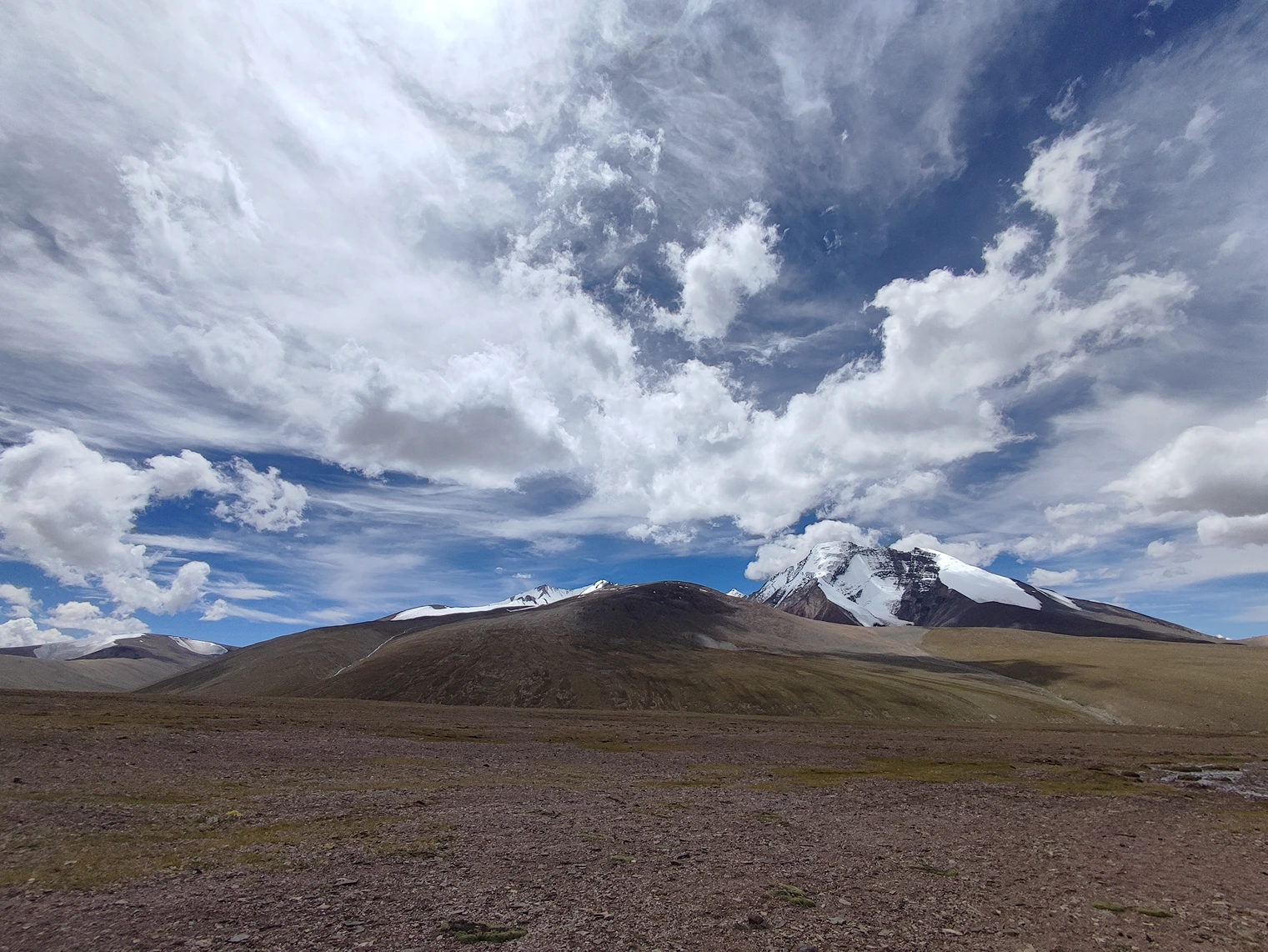
Although Stok Kangri itself has been temporarily restricted in recent years, the surrounding Ladakh region still hosts several accessible peaks that are suitable for beginner climbers. The dry, high-altitude environment of Ladakh provides excellent conditions for learning glacier travel and acclimatization techniques.
The landscapes in this region are dramatic and stark, with wide valleys, towering ridges, and panoramic views of the greater Karakoram and Zanskar ranges. Climbers often combine trekking with peak ascents, making Ladakh a popular introduction to Himalayan mountaineering.
Friendship Peak (Himachal Pradesh)
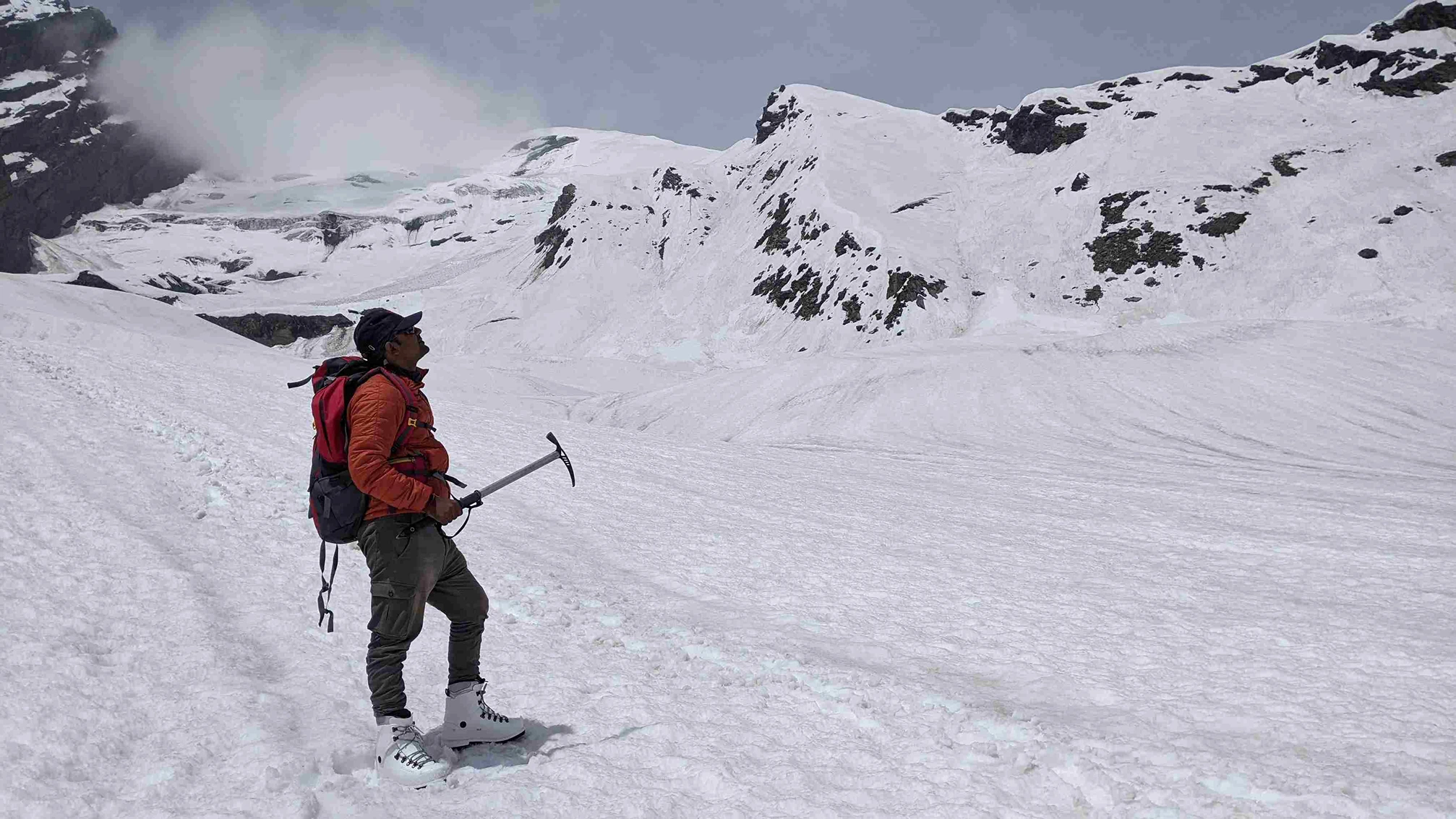
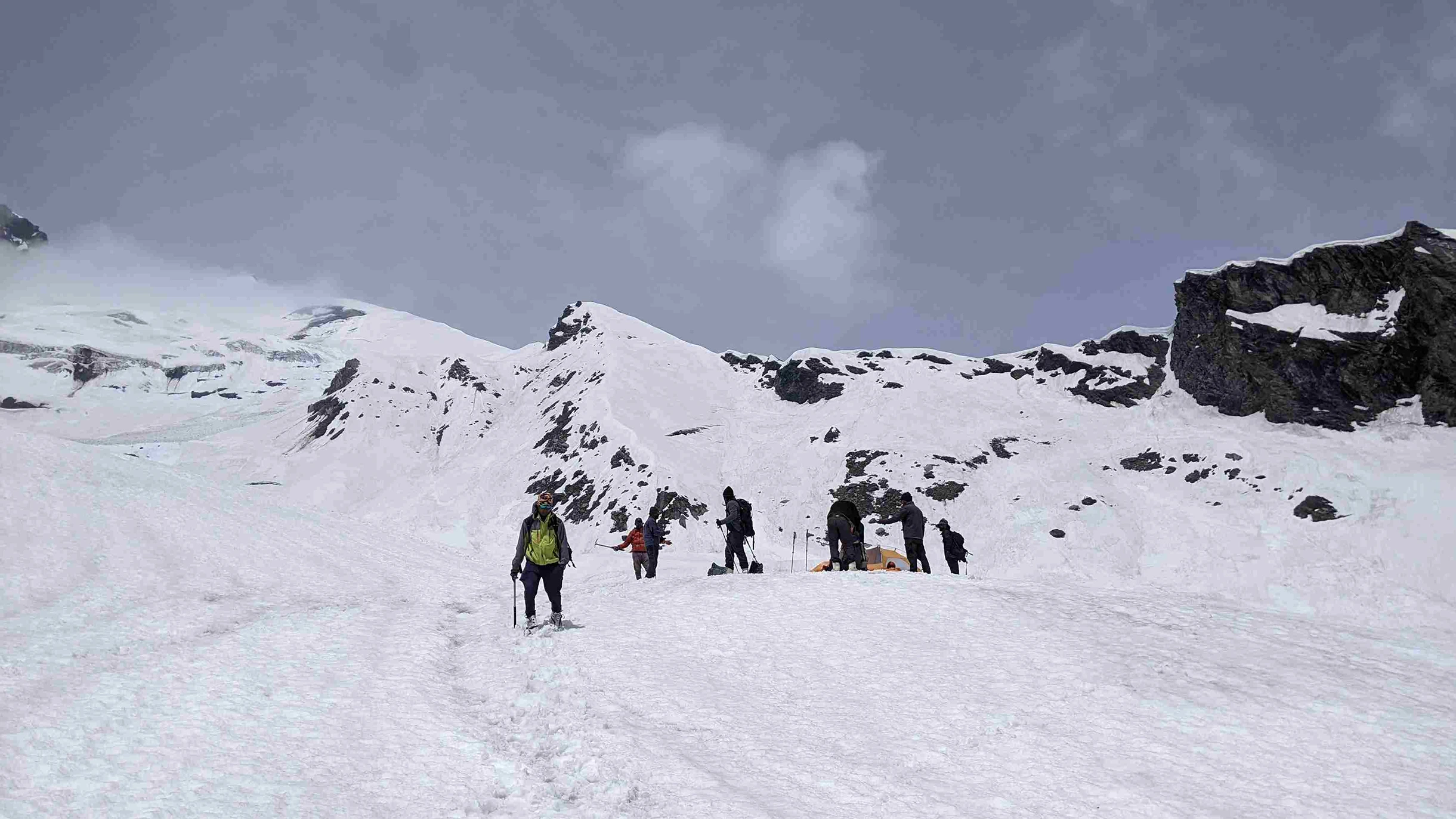
Friendship Peak, located in the Pir Panjal range near Manali, is one of the most well-known beginner mountaineering objectives in India. The route involves glacier travel, snow slopes, and a demanding summit push, offering an excellent introduction to technical climbing.
The approach trek passes through beautiful alpine meadows and forests before reaching high camps near the glacier. The summit rewards climbers with sweeping views of peaks such as Hanuman Tibba and Deo Tibba.
Kang Yatse II (Ladakh)
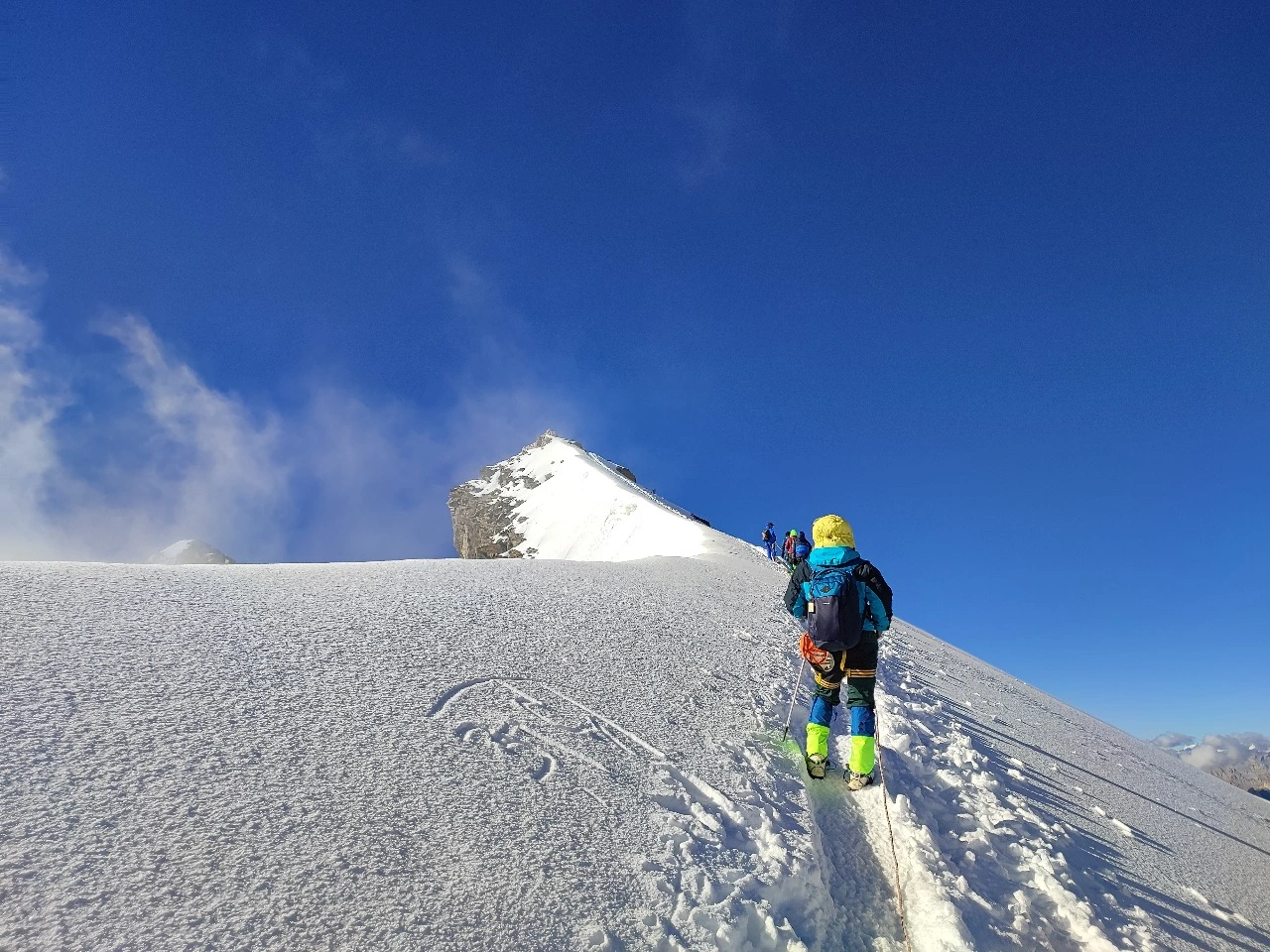
Kang Yatse II is another popular peak that attracts climbers seeking their first 6,000-meter summit. The climb combines trekking through the famous Markha Valley with a technical summit attempt. While physically demanding, the route is considered achievable for beginners who have strong fitness and proper guidance.
The journey to Kang Yatse II exposes climbers to Ladakh’s unique cultural landscapes, traditional villages, and remote high-altitude camps.
Mentok Kangri (Tso Moriri Region)
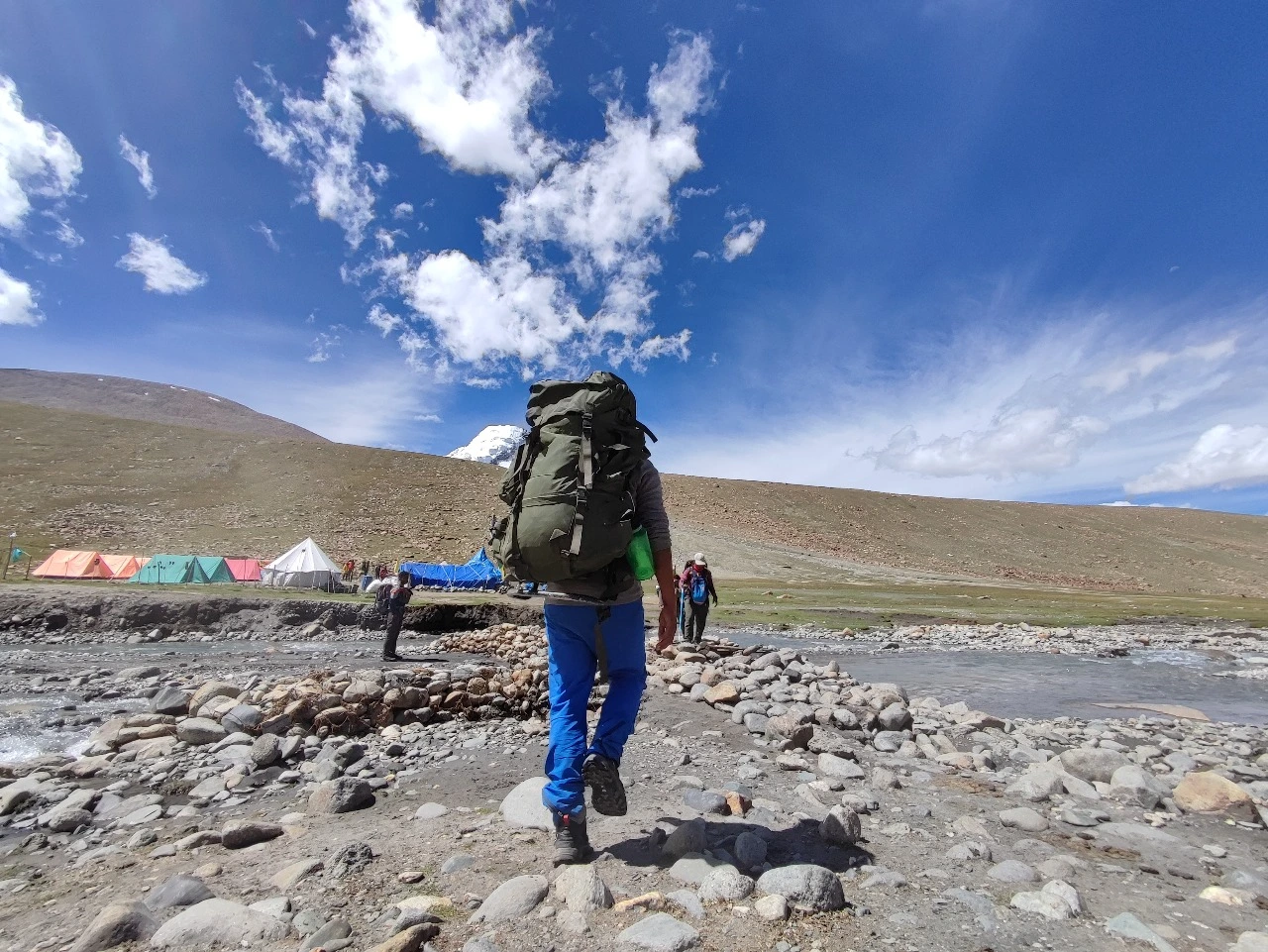
Mentok Kangri rises above the turquoise waters of Tso Moriri Lake in Ladakh and is known for its relatively non-technical climbing route. While altitude remains a serious factor, the terrain offers an accessible introduction to high-altitude summit attempts.
The region is remote and visually striking, making the climb as much about exploration as it is about mountaineering.
Yunam Peak (Lahaul Region)
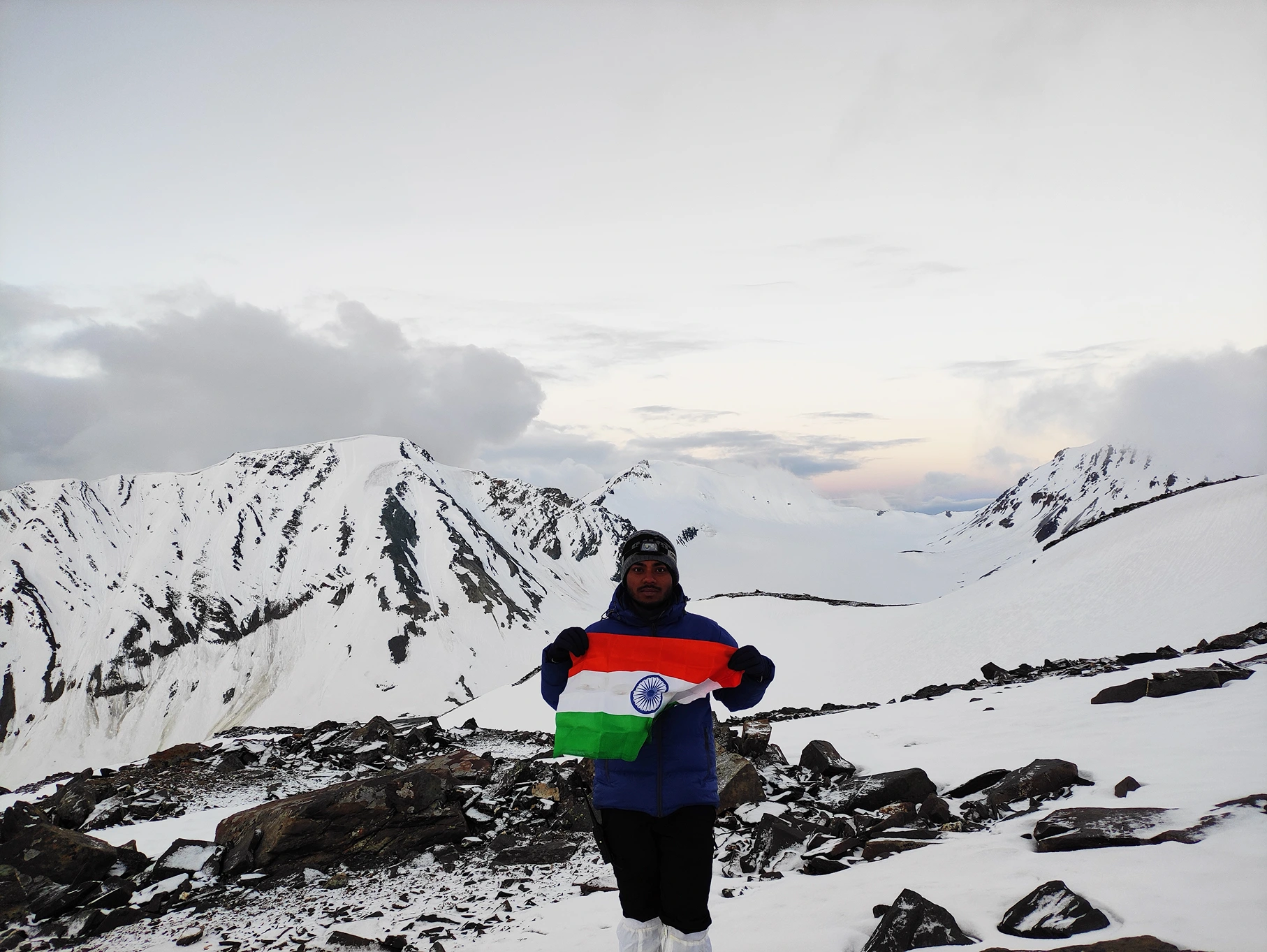
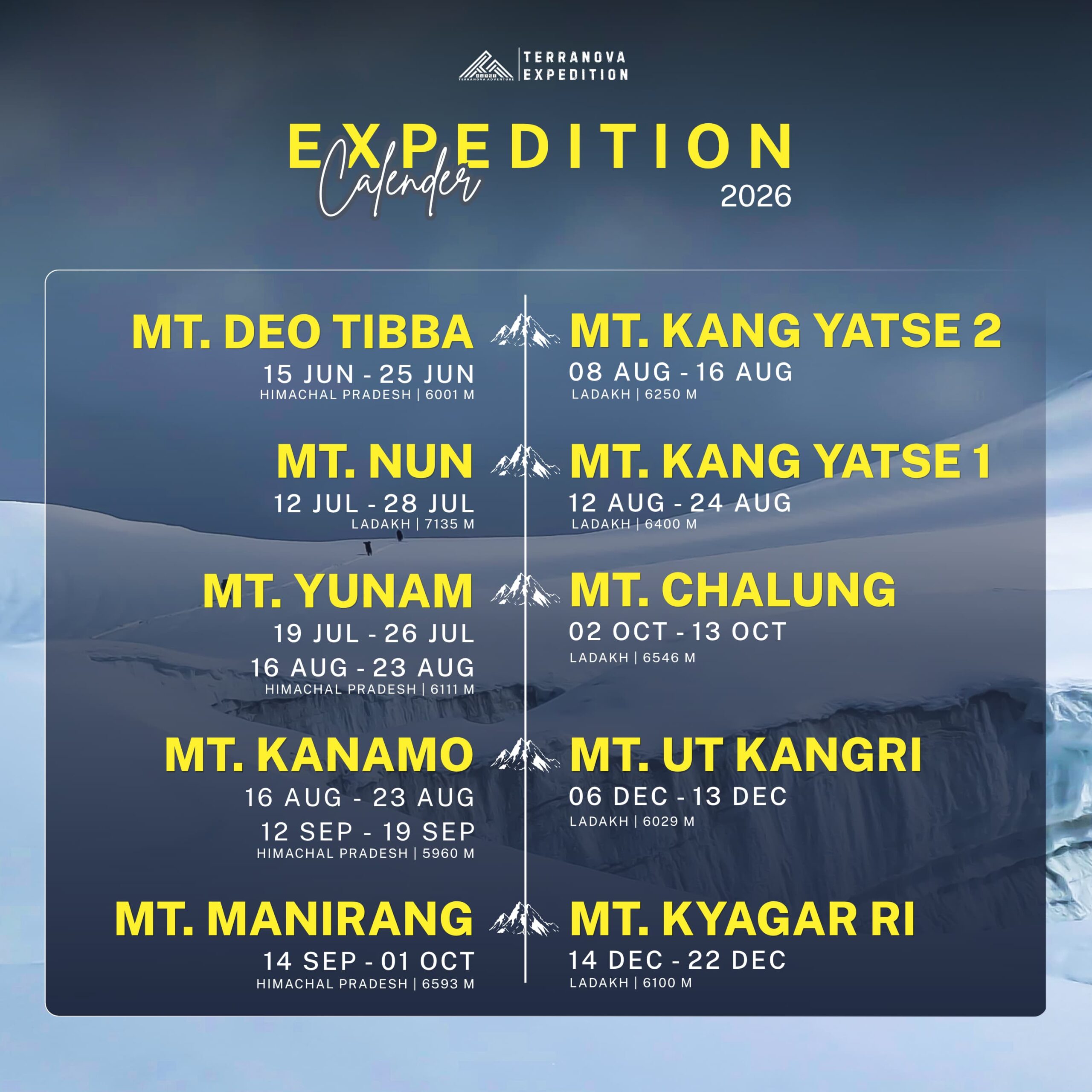
Yunam Peak has become increasingly popular among beginners because it provides a true high-altitude summit experience without complex technical sections. Located in Himachal Pradesh near the Baralacha La region, Yunam offers vast views of the Zanskar and Ladakh ranges.
The climb involves steep slopes and high elevation, giving climbers a genuine sense of expedition climbing while remaining manageable for well-prepared beginners.
Do You Need Experience for Trekking Peaks?
One of the most common questions beginners ask is whether prior climbing experience is necessary before attempting a trekking peak. The answer depends on the specific peak and the individual’s level of preparation.
In many cases, trekking peaks are designed to be accessible to fit beginners with strong trekking backgrounds. Prior experience with multi-day treks at moderate altitude is extremely helpful because it prepares climbers for the physical demands of long walking days and high-camp environments.
While advanced technical skills are not always required beforehand, basic mountaineering training is strongly recommended. Many climbers complete introductory mountaineering courses that cover essential techniques such as ice axe handling, crampon use, and rope safety. These courses provide valuable confidence and familiarity with equipment.
Guided expeditions also play an important role in enabling beginners to attempt trekking peaks safely. Professional guides manage route safety, establish fixed ropes where necessary, and provide on-site instruction during the climb.
Physical fitness is equally important. Climbers should be capable of sustained hiking for several hours while carrying a backpack and operating in thin air. Cardiovascular endurance, leg strength, and mental resilience all contribute to successful summit attempts.
Ultimately, trekking peaks are designed to be learning experiences rather than purely technical challenges. With preparation, guidance, and respect for altitude, many beginners successfully reach their first Himalayan summit through these climbs.
Skills You Will Learn During Trekking Peaks
Climbing a trekking peak is far more than just reaching a summit. It provides an immersive introduction to the technical and logistical aspects of mountaineering.
One of the most important skills climbers develop is movement on snow and ice. Using crampons effectively requires balance, rhythm, and awareness of foot placement. Beginners quickly learn how to walk efficiently on slopes that would otherwise be slippery and dangerous.
Another essential skill is ice axe handling. Climbers practice techniques such as self-arrest, which allows them to stop a fall on steep snow slopes. Learning how to use the ice axe for stability and safety becomes second nature during the climb.
Rope systems are another fundamental element. Climbers often learn how to ascend fixed ropes using ascenders, how to descend safely, and how to move as part of a rope team on glaciers. These systems are central to safe mountaineering.
Acclimatization is another critical lesson. Trekking peaks expose climbers to the realities of high-altitude physiology, including slower pace, hydration needs, and rest schedules. Understanding how the body adapts to altitude is a valuable experience for any future expedition.
Camp management is also part of the learning process. Climbers gain insight into how expedition camps operate, how gear is organized, and how teams coordinate for summit pushes.
Perhaps the most important skill developed during a trekking peak expedition is mountain judgment. Climbers learn to respect weather patterns, assess terrain risks, and make careful decisions in environments where conditions can change rapidly.
These lessons form the foundation of responsible mountaineering.
Conclusion
Trekking peaks represent the gateway into Himalayan mountaineering. They offer beginners the opportunity to stand on a high-altitude summit while learning the fundamental skills required for alpine climbing.
By combining trekking approaches with manageable technical sections, these peaks create an ideal training ground for aspiring climbers. They teach not only physical endurance but also patience, teamwork, and respect for the mountain environment.
For anyone who dreams of climbing in the Himalayas, trekking peaks provide the perfect starting point. They transform curiosity into real experience and lay the groundwork for more ambitious expeditions in the future.
The journey into mountaineering rarely begins with the world’s tallest mountains. It begins with a single summit — one that introduces climbers to the discipline, responsibility, and profound beauty of high-altitude climbing.