In the world of mountaineering, altitude often captures the most attention. The towering 8000-meter giants of the Himalayas dominate headlines and inspire climbers around the world. However, experienced mountaineers know that difficulty in climbing is not determined by altitude alone. Many mountains below 7000 meters present far greater technical challenges than some of the higher peaks.
Across the Indian Himalayas, several peaks under the 7000-meter mark have earned legendary reputations for their steep faces, complex routes, and demanding alpine conditions. These mountains require advanced technical climbing skills, strong physical endurance, and precise route planning. For serious climbers, they represent the true spirit of alpine mountaineering.
The Garhwal Himalaya in Uttarakhand, in particular, is home to some of the most spectacular and technically demanding peaks in the region. These mountains feature dramatic granite walls, exposed ridgelines, ice faces, and unstable snow slopes that demand complete focus from climbers.
For many elite climbers, peaks under 7000 meters provide the perfect combination of technical intensity and manageable altitude. Climbers can push their limits on difficult routes without facing the extreme physiological stress associated with the highest Himalayan summits.
Below are five of the most challenging and respected Himalayan peaks in India under 7000 meters—mountains that continue to attract hardcore climbers seeking serious alpine objectives.
Mount Shivling (6543 m)
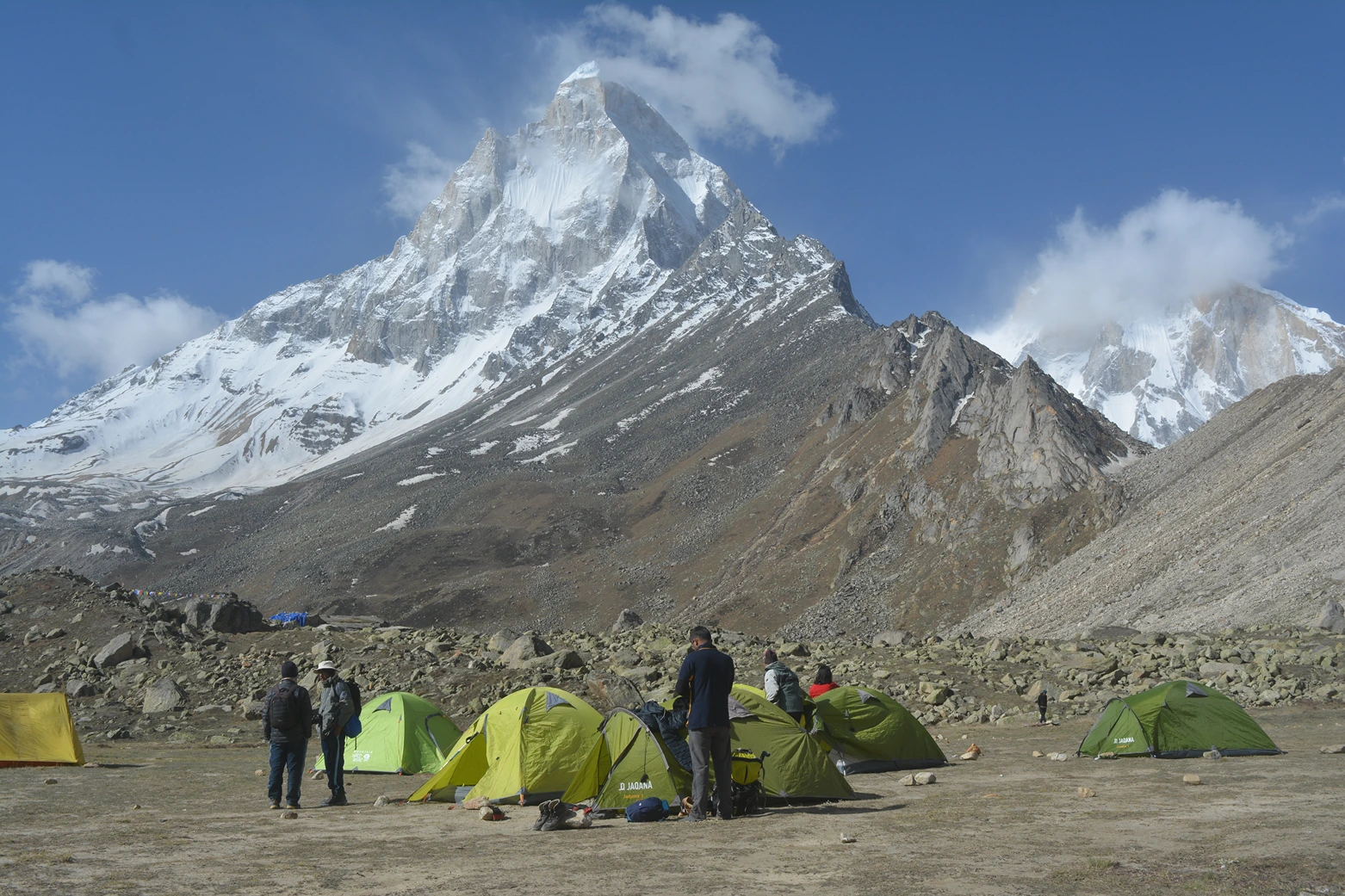
Mount Shivling is widely regarded as one of the most beautiful and iconic peaks in the Indian Himalayas. Rising above the Gangotri Glacier in Uttarakhand, the mountain’s dramatic pyramid shape has often been compared to the sacred symbol of Lord Shiva, which is how the peak received its name.
Despite its relatively moderate altitude of 6,543 meters, Shivling is considered one of the most technically challenging mountains in India. Its steep granite faces, sharp ridges, and complex ice sections demand advanced climbing techniques and extensive alpine experience.
The mountain’s south face is particularly famous among climbers for its technical difficulty. Climbers must navigate mixed terrain that includes rock climbing, ice climbing, and snow slopes, often at high exposure levels. These sections require excellent rope management, strong technical skills, and the ability to move efficiently on vertical terrain.
The approach to Shivling begins with a trek from Gangotri along the Gangotri Glacier, passing through one of the most dramatic alpine landscapes in the Himalayas. Base camp is typically established near Tapovan or Nandanvan, both of which offer stunning views of the surrounding peaks including Bhagirathi and Meru.
Due to its technical nature and demanding terrain, Shivling remains a prized objective for experienced mountaineers rather than beginner climbers.
Mount Indrasan (6221 m)
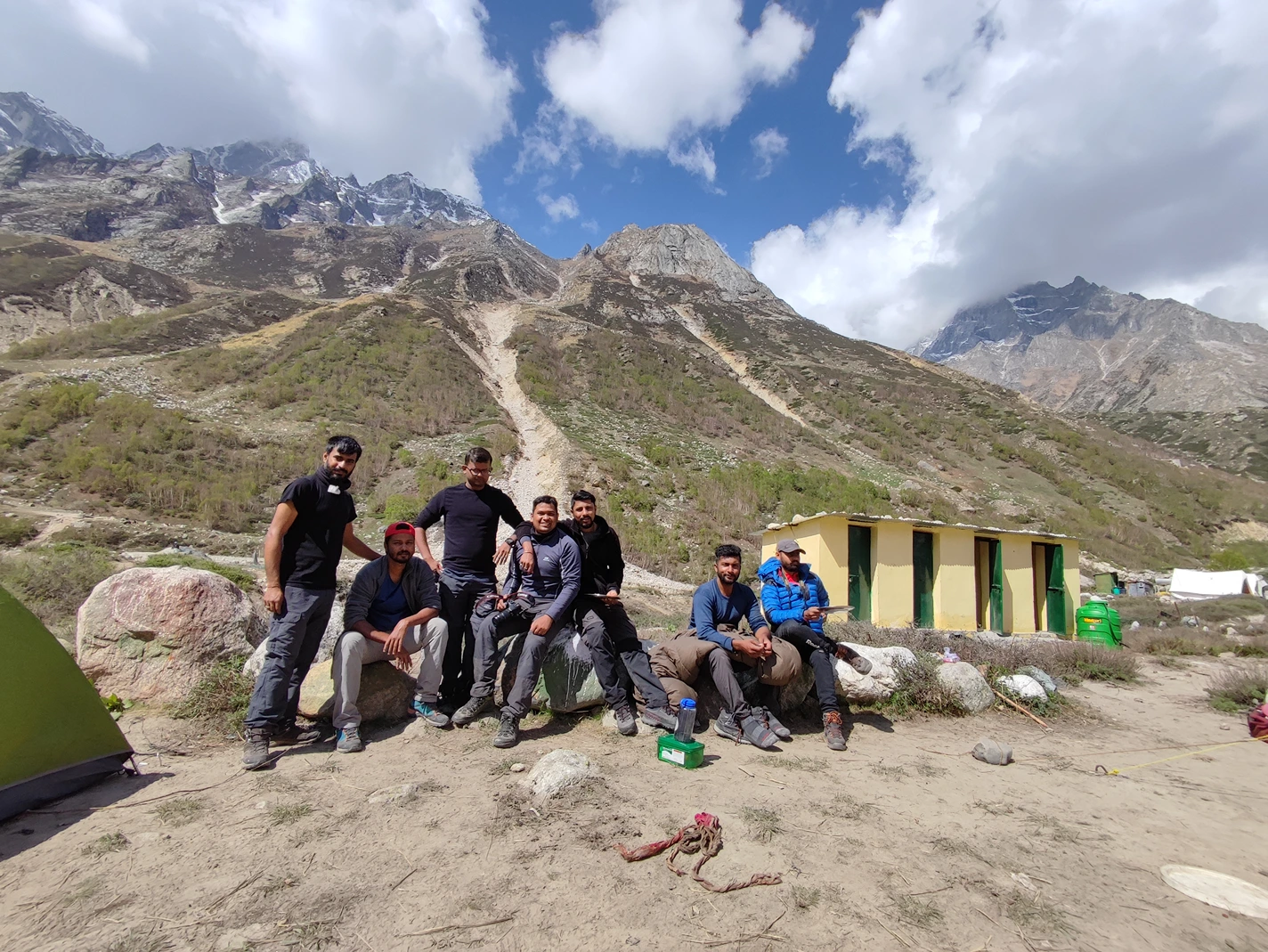
Mount Indrasan rises above the Beas Kund region near Manali in Himachal Pradesh and forms part of the Pir Panjal range. Although it stands at 6,221 meters, the mountain is widely recognized for its technical challenges and steep climbing routes.
Indrasan features complex glacier systems, steep snow slopes, and exposed ridges that require careful navigation. Climbers must establish multiple camps along the route to facilitate acclimatization and load ferrying before attempting the summit push.
The approach to the mountain typically begins with a trek through the Solang Valley and Beas Kund region, an area known for its dramatic alpine scenery. As climbers move higher into the glacier basin, the terrain becomes increasingly technical.
One of the defining challenges of Indrasan is the steep summit ridge, where climbers must manage exposure and unstable snow conditions. Weather conditions can also change rapidly in this region, making careful timing essential during summit attempts.
Although less famous than some Garhwal peaks, Indrasan remains a respected climbing objective that tests both technical ability and high-altitude endurance.
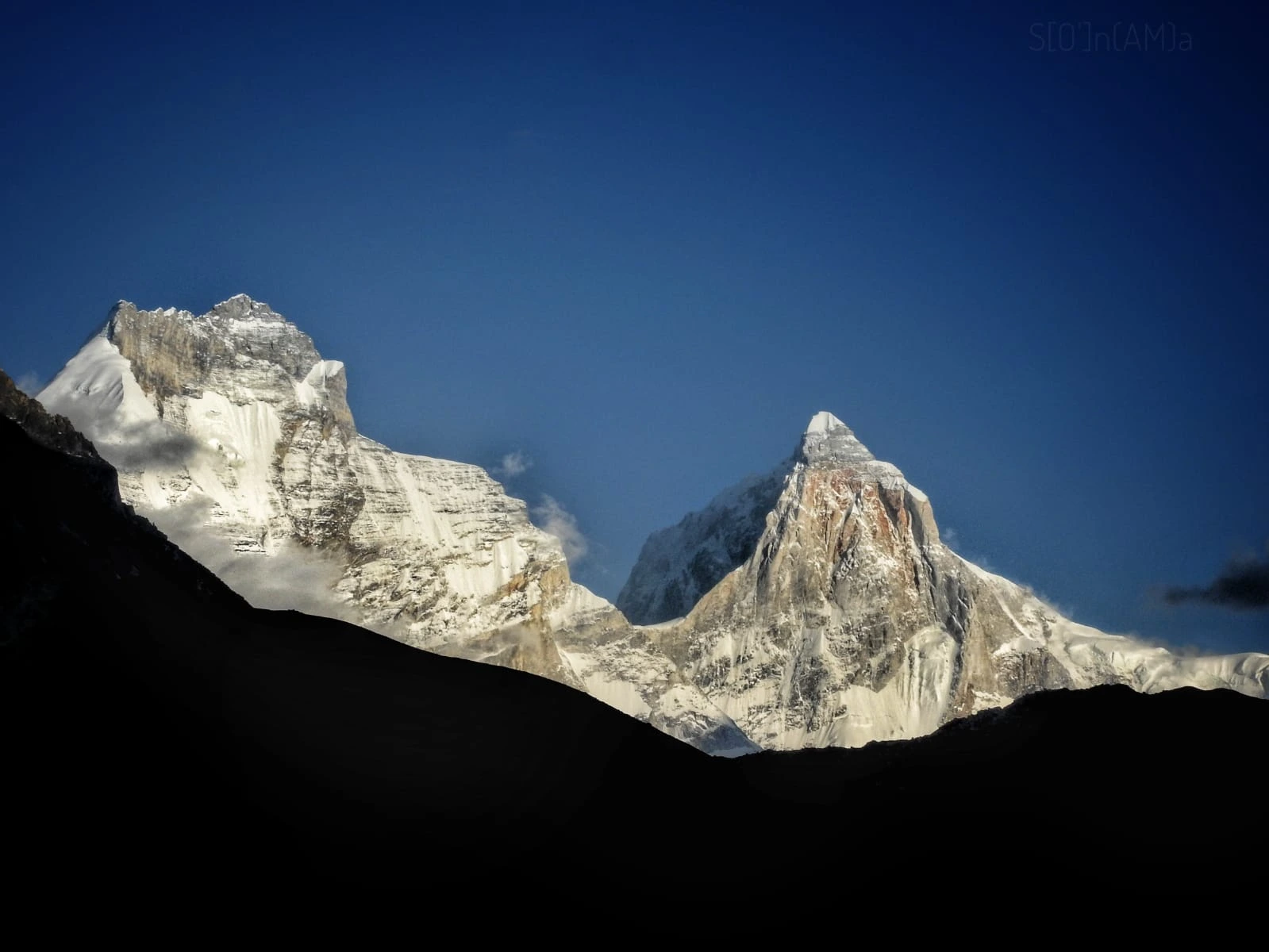
Mount Thalay Sagar (6904 m)
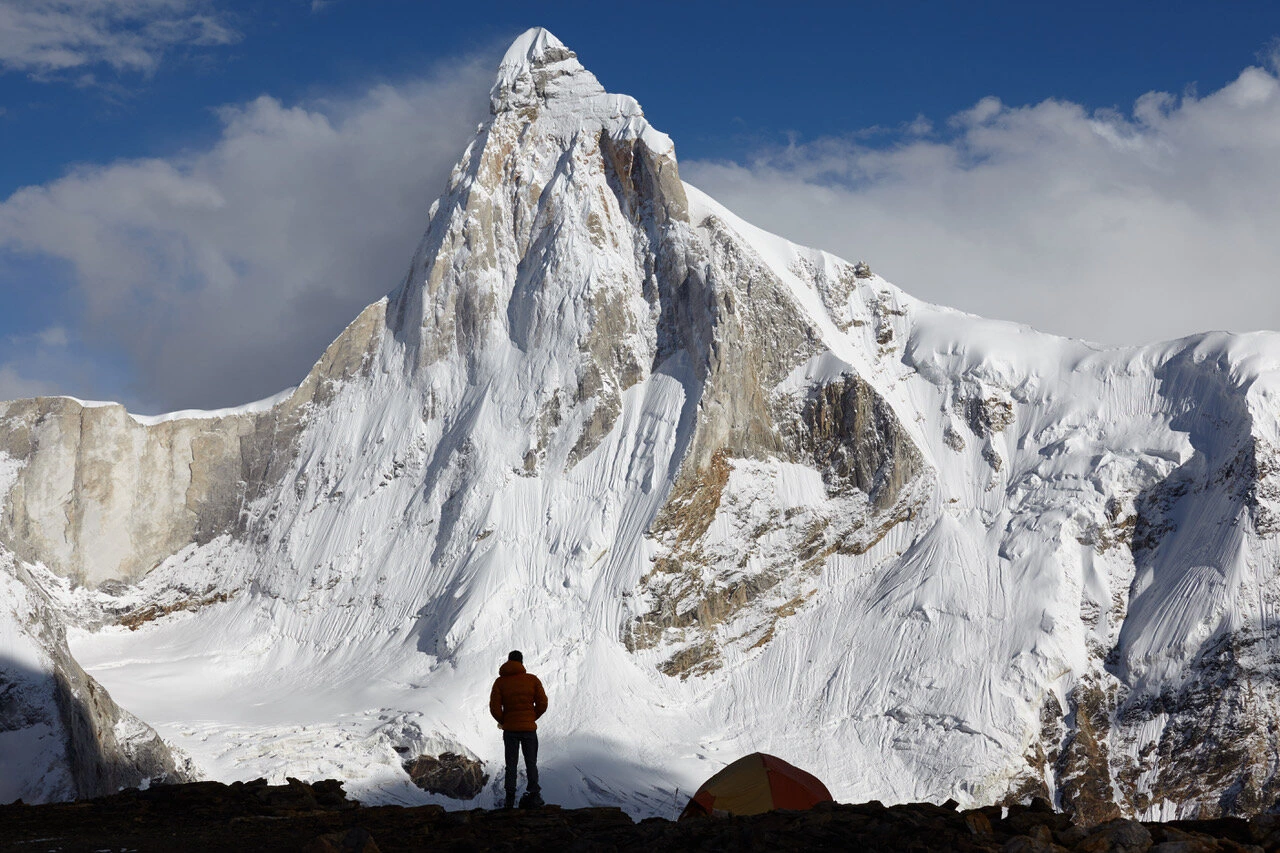
Mount Thalay Sagar is considered one of the most technically demanding peaks in the entire Himalayan range. Located near the Gangotri Glacier in Uttarakhand, the mountain rises dramatically above the valley floor with sheer rock faces and steep ice walls.
At 6,904 meters, Thalay Sagar is just below the 7000-meter mark, yet its climbing difficulty far exceeds many higher peaks. The mountain is famous for its near-vertical rock faces and challenging mixed climbing routes that combine rock, ice, and snow.
The west face of Thalay Sagar is particularly legendary among elite climbers. Several routes on this face involve sustained technical climbing on steep granite walls and fragile ice sections. These routes require advanced alpine climbing skills, precise movement, and exceptional endurance.
Approaching Thalay Sagar involves trekking along the Gangotri Glacier, one of the largest glaciers in the Indian Himalayas. Base camps are typically established in high alpine terrain surrounded by some of the most dramatic peaks in the region.
Because of its technical difficulty, Thalay Sagar is often attempted only by highly experienced climbers seeking one of the most serious alpine challenges in the Himalayas.
Mount Kedardome (6831 m)
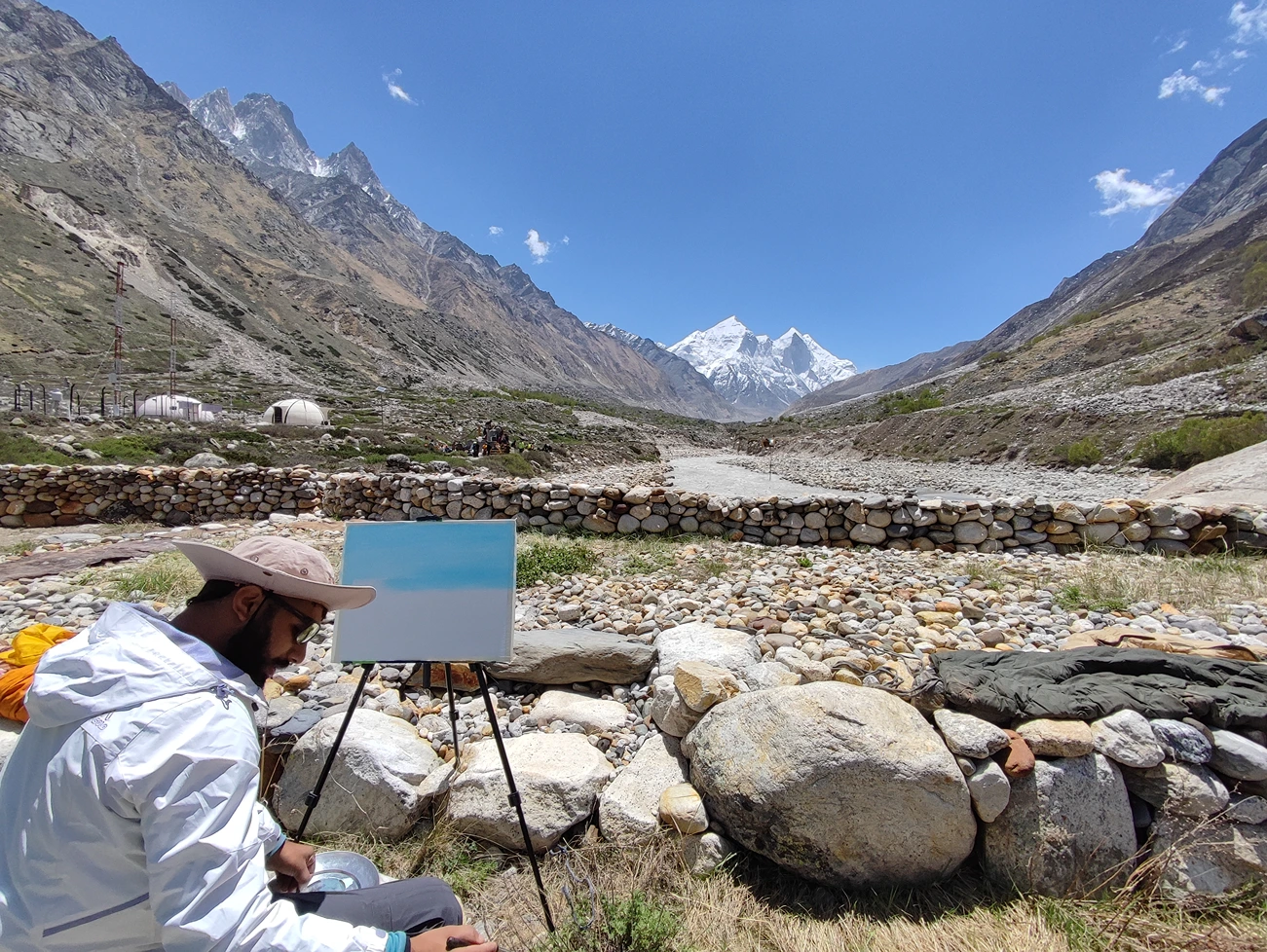
Mount Kedardome is located in the Garhwal Himalaya near the famous Kedarnath temple region. Rising to 6,831 meters, the mountain forms part of a cluster of impressive peaks surrounding the Gangotri and Kedarnath glacier systems.
Compared to some other peaks on this list, Kedardome is considered slightly more accessible in terms of technical difficulty. However, it still requires strong mountaineering skills and careful expedition planning.
The climb involves glacier travel, snow slopes, and exposed ridges where climbers must rely on rope systems and crampon techniques. The high altitude and long summit push make physical endurance a key factor for success.
The route to Kedardome often passes through stunning alpine landscapes with panoramic views of peaks such as Thalay Sagar and the Bhagirathi group.
For climbers seeking a serious but achievable Himalayan expedition below 7000 meters, Kedardome represents an excellent objective.
Mount Bhagirathi II (6512 m)
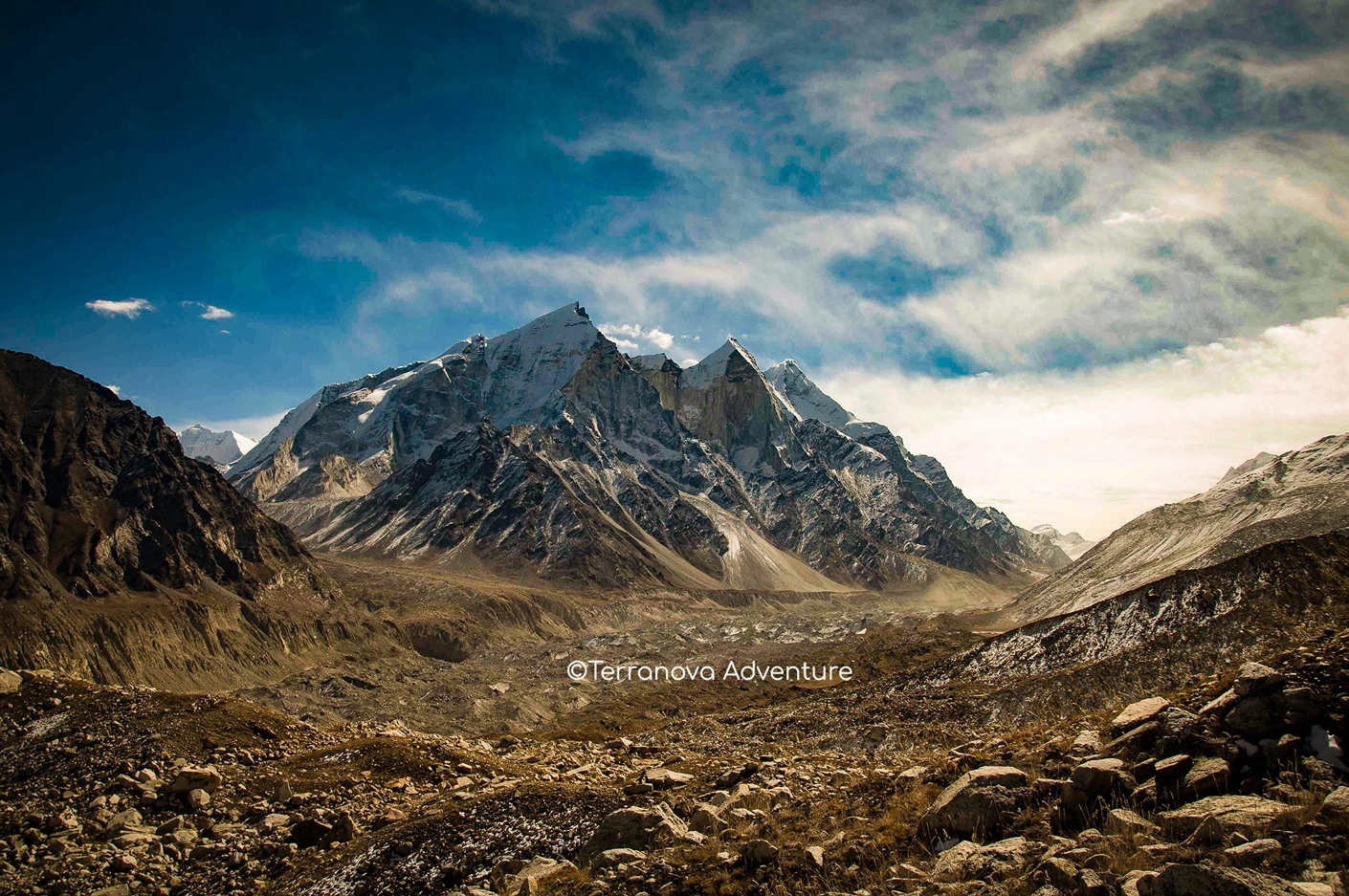
Mount Bhagirathi II is part of the famous Bhagirathi group of peaks located near the Gangotri Glacier. These peaks are known for their dramatic rock faces and technical climbing routes.
Bhagirathi II rises to 6,512 meters and presents a challenging combination of rock climbing, ice climbing, and glacier travel. The mountain’s steep faces require advanced rope techniques and careful route selection.
Climbers approaching Bhagirathi II typically establish base camp near the Gangotri Glacier before moving higher onto the mountain’s snow slopes and ridges.
One of the defining features of the Bhagirathi peaks is their dramatic vertical relief. The towering granite walls create some of the most visually striking landscapes in the Himalayas.
Although Bhagirathi II is slightly less famous than neighboring Bhagirathi III, it remains a respected climbing objective for mountaineers seeking technical alpine routes.
Why Peaks Under 7000m Are a Hardcore Climbers’ Paradise
Many climbers assume that higher mountains automatically mean greater difficulty. In reality, technical difficulty is often determined by terrain rather than altitude.
Peaks under 7000 meters frequently feature steep rock faces, mixed climbing routes, and complex glacier systems that demand advanced mountaineering skills. These challenges require precise movement, strong technical ability, and careful route planning.
Another advantage of sub-7000-meter peaks is the opportunity for true alpine-style climbing. Climbers can attempt lightweight ascents that emphasize skill and efficiency rather than large expedition logistics.
Because these mountains are less commercialized than the world’s highest peaks, they also provide a more authentic climbing experience. Expeditions often involve smaller teams, remote environments, and greater self-reliance.
For many elite climbers, these factors make peaks under 7000 meters more appealing than the heavily trafficked routes on famous 8000-meter mountains.
Who Should Attempt These Peaks?
Climbs of this nature are not suitable for beginners. These mountains are typically attempted by climbers who already possess significant mountaineering experience.
Ideal candidates usually have:
• Previous ascents of trekking peaks or 6000-meter mountains
• Strong technical climbing skills
• Experience using ice axes, crampons, and rope systems
• Knowledge of glacier travel and crevasse rescue
• High levels of endurance and mental resilience
Climbers attempting these peaks must also be comfortable operating in remote environments where rescue options are limited.
Training Required for Sub-7000m Expeditions
Preparation for technical Himalayan peaks requires a combination of physical conditioning and technical training.
Physical preparation should focus on cardiovascular endurance, leg strength, and load-carrying capacity. Long hikes with heavy backpacks help simulate expedition conditions and improve stamina.
Technical training is equally important. Climbers must practice rope techniques, ice climbing, mixed climbing, and crevasse rescue skills. Completing advanced mountaineering courses can significantly improve safety and confidence.
High-altitude experience is another key factor. Climbers who have previously attempted peaks above 6000 meters are better prepared for the demands of these mountains.
Mental preparation is also essential. Climbers must be capable of making careful decisions in difficult conditions while maintaining focus during long and demanding summit pushes.
Conclusion
The Indian Himalayas contain some of the most remarkable mountains in the world, many of which lie below the 7000-meter mark. Peaks such as Shivling, Thalay Sagar, and Bhagirathi II demonstrate that technical difficulty often matters more than altitude.
For experienced climbers, these mountains represent the ultimate alpine challenge. Their steep faces, dramatic landscapes, and demanding routes create an environment where skill, preparation, and determination are tested at every step.
Climbing these peaks is not simply about reaching a summit. It is about engaging with the raw, uncompromising nature of the Himalayas and experiencing mountaineering at its most authentic level.